
REVIEW · MUANG CHIANG MAI
Chiang Mai: Thai Cooking and Market Tour with Lanna Smile
Book on GetYourGuide →Operated by Lanna Smile Thai cooking · Bookable on GetYourGuide
A trip like this starts with your hands, not your phone. This Chiang Mai cooking class pairs a fresh market tour with cooking at an English-speaking station in a traditional Lanna setting, so you see ingredients get turned into real food you’ll make again. You get to learn Thai favorites across curry paste, curry, noodles, soup, dessert, and appetizers—and you can dial the heat to your comfort level.
I especially like that the pace is set for small groups (up to 8), so you’re not just watching. The main drawback to plan for is logistics: pickup/drop-off is included only within the city area, so if you’re staying farther out, you may need to meet at a designated town meeting point.
In This Review
- Key reasons this class is worth your time
- A Lanna kitchen lesson that feels personal, not performative
- The fresh market tour: where flavor begins
- Curry pastes and curry: learning the real foundation
- Noodles and soups: mastering sweet-sour-salty balance
- The sweet and the snack: dessert plus appetizers
- What your 5 hours actually looks like
- Vegetarian-friendly without turning it into a compromise
- Spice level and ingredient standards: why that’s more than a marketing line
- Small group size: how to decide if you want the social or the quiet version
- Pickup and timing: smooth when you’re in the old-town radius
- Price and value: what $31 gets you in real terms
- Who this is perfect for (and who should rethink it)
- Should you book Lanna Smile in Chiang Mai?
- FAQ
- How long is the cooking class?
- Where does the activity take place?
- What is the group size?
- Is the instruction in English?
- Does it include a market tour?
- What will I cook?
- Is the class vegetarian-friendly?
- Can I adjust the spice level?
- Is hotel pickup and drop-off included?
- What should I bring, and what’s not allowed?
Key reasons this class is worth your time
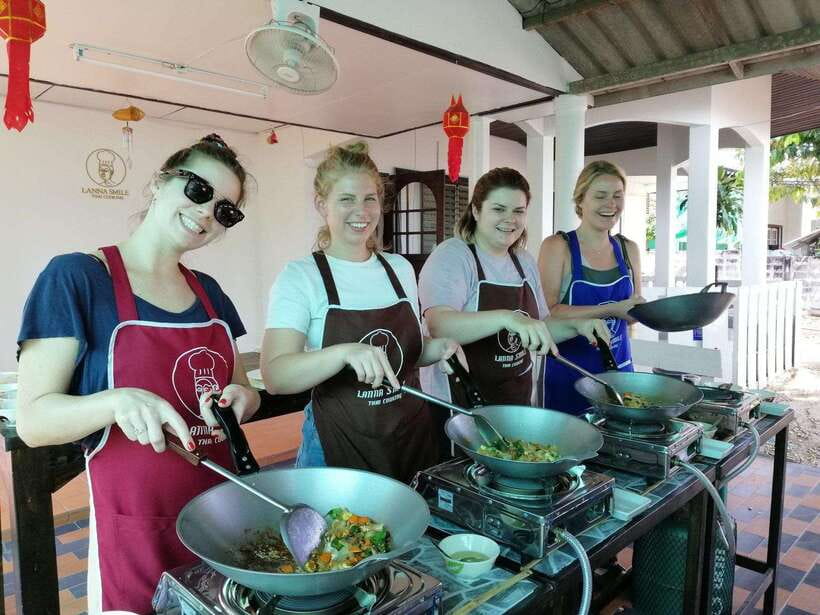
- Market-first learning: You shop fresh ingredients at a local market before you cook.
- Six dishes from six categories: Pick one dish per category and learn the building blocks of Thai flavor.
- Your own cooking station: You work hands-on under an instructor’s guidance.
- Adjustable spice level: You can make it mild or fiery without ruining the lesson.
- Clean, consistent ingredients: Rice bran oil (not reused), no MSG, and high equipment standards.
A Lanna kitchen lesson that feels personal, not performative
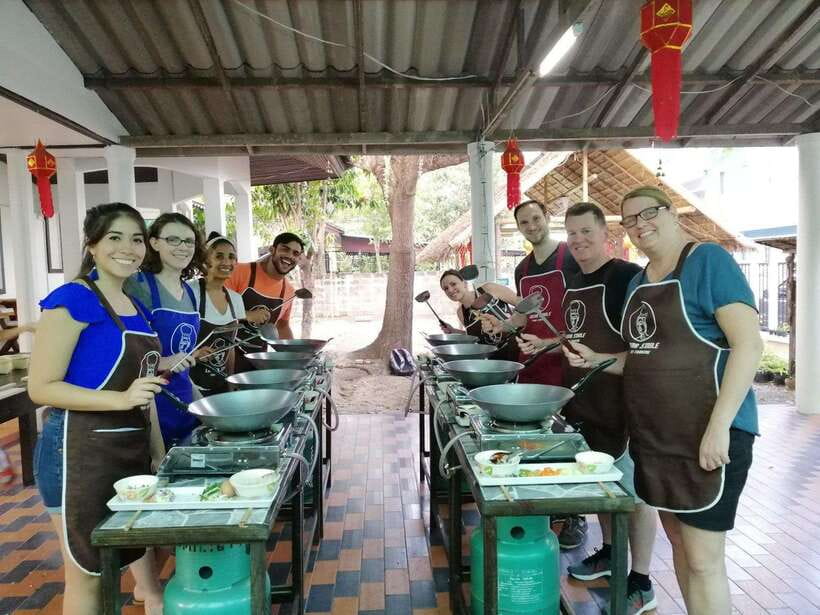
This experience is built for people who actually want to cook. In Chiang Mai, you’ll head to AC Cooking Studio in a cozy Lanna-style kitchen where the group stays small—limited to 8 participants. That matters because Thai cooking is not a “watch and hope” activity. When you’re chopping, grinding, stirring, tasting, and adjusting, you need time and attention.
The instructors run the class in English, and the teaching style is practical. You don’t just get a list of ingredients; you get methods you can repeat later. In past sessions, hosts like Pim and Nim (and Pim’s cousin Lim) have been called out for being warm, helpful, and genuinely chatty—so the day can feel like hanging out while you learn. Even when a class becomes a tiny group, the structure still holds: you cook, eat what you made, and take home a recipe booklet.
You can also read our reviews of more tours and experiences in Muang Chiang Mai.

The fresh market tour: where flavor begins
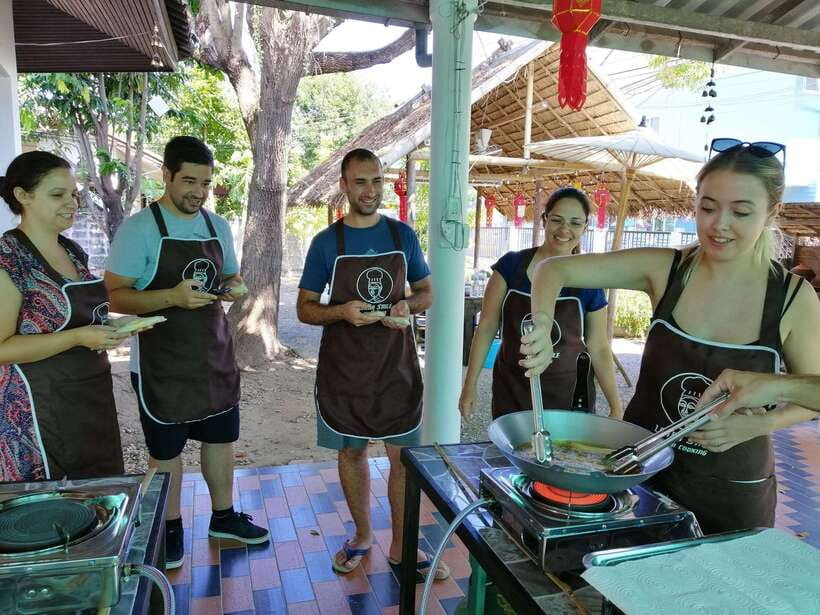
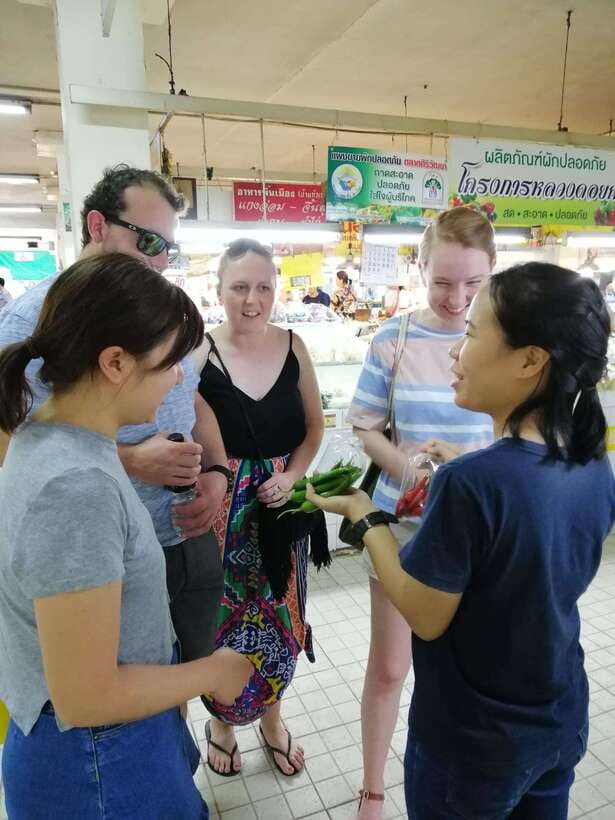
The class includes a fresh market tour, and that’s the part that helps everything else make sense. Shopping first lets you learn what the Thai dishes depend on: the herbs, the aromatics, and the “why does this taste different?” ingredients. The market component isn’t just a photo stop. You’re gathering the ingredients you’ll use in the kitchen, so you can connect names to smells and tastes.
You’ll also get a feel for daily cooking habits. The school emphasizes fresh ingredients from the market every day, and that shows in how the dishes hold up. If you’re the kind of cook who wants to understand the logic behind a recipe, this step is gold.
Practical note: go in comfy clothes and expect you’ll carry yourself through the market and then transition to cooking. If you’re sensitive to heat, bring some water habits into your day plan—though the experience does include a welcome drink.
Curry pastes and curry: learning the real foundation
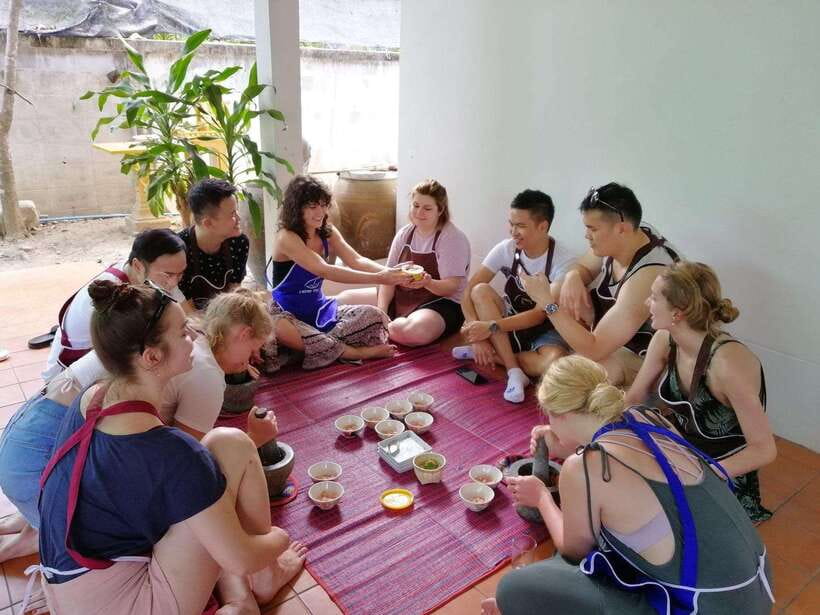
One of the best parts of this class is that you don’t only learn finished dishes. You also learn the curry paste side. Your menu choices include curry pastes from three styles—Green curry paste (Nam Prik Gang Kheaw Wan), Panang curry paste (Nam Prik Gang Pa Naeng), and Massaman curry paste (Nam Prik Gang Massaman). Then you pick corresponding curries: Green curry (Gang Kheaw Wan), Panang curry (Gang Pa Naeng), and Massaman curry (Gang Massaman).
Why this matters: Thai curry flavor is built in layers. When you practice making curry paste, you learn what balance actually means. You’ll see how aromatics and seasonings come together so the curry tastes like Thai cooking, not like a generic sauce.
If you choose Massaman, for example, you’ll get a different flavor personality than green or panang. If you choose Panang, you’ll be learning a curry that tends to feel richer and more rounded. The exact dishes are your selection, but the theme is consistent: you’re learning the “engine” of the curry.
Noodles and soups: mastering sweet-sour-salty balance
After curry foundations, the class moves into noodles and soups—two categories that teach you timing and taste adjustment.
For noodles, your options are:
- Pad Thai
- Drunken Noodle (Pad Khee Moa)
- Fried thick noodle with soy sauce (Pad See Ew)
Each noodle dish pulls you toward different techniques. Pad Thai is all about combining and balancing—so the noodles taste cohesive. Drunken Noodle is heat-forward and herb-heavy, which makes spice control a real skill, not just a preference. Pad See Ew tends to be about savory depth from sauces and proper stir-fry handling.
Soups come in three options:
- Hot and sour prawn soup (Tom Yum Kung)
- Coconut milk soup with chicken (Tom Kha Kai)
- Hot and sour soup with chicken (Tom Sab Kai)
This is where students often feel the biggest “aha.” Tom Yum Kung gives you that sharp, hot-sour punch. Tom Kha Kai adds coconut richness so the sourness feels smoother. Tom Sab Kai keeps a hot and sour profile but shifts the overall balance.
And here’s a practical advantage of this class: the school notes that you can adjust the spice level. If you’re new to Thai heat, you don’t have to “sit out” the lesson. You can learn the structure of the soup and then choose your comfort level while cooking.
The sweet and the snack: dessert plus appetizers
Thai cooking isn’t finished when the main dishes are done—and this class handles that well.
Dessert options include:
- Sweet sticky rice with mango (Khao Niaow Ma Muang)
- Banana in coconut milk (Kluay Buad Chee)
- Sago balls in coconut milk (Sa Koo Bua Loi)
You’ll learn how sweetness and coconut work together. These desserts are not just about sugar; they’re about texture and balance. Sticky rice teaches you steam-and-starch thinking. Coconut milk desserts teach you how to keep flavors smooth rather than heavy.
Appetizers round things out with:
- Fried spring roll (Pow Pia Tod)
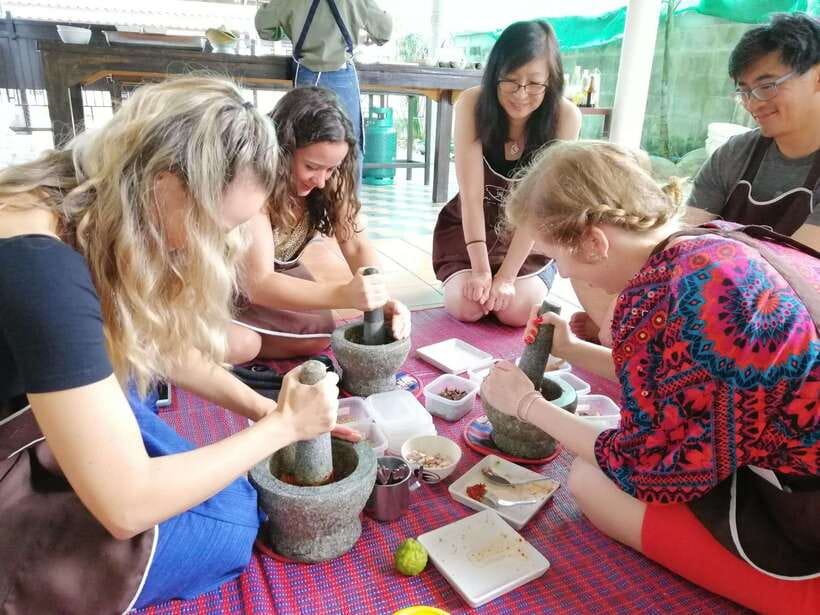
- Papaya salad (Som Tam)
Papaya salad is a reminder that Thai flavor is sharp and alive—sweet, sour, salty, and spicy in one bowl. Fried spring rolls teach you more than folding; you learn how the filling and frying approach affects the final bite.
What your 5 hours actually looks like
You’re in the experience for about 5 hours, and it’s paced so you keep moving. The general flow is straightforward:
1) Pick-up from your hotel (within the city)
2) Fresh market tour
3) Cooking at your individual station in the Lanna-style studio
4) Lunch or dinner of the dishes you prepare
5) Recipe booklet home, plus a small souvenir and photos posted to a Facebook gallery
You can choose a schedule that fits your day. Pickup times are roughly 8:30–9:00 for morning and 16:00–16:30 for evening, and the class runs from there for the full session length.
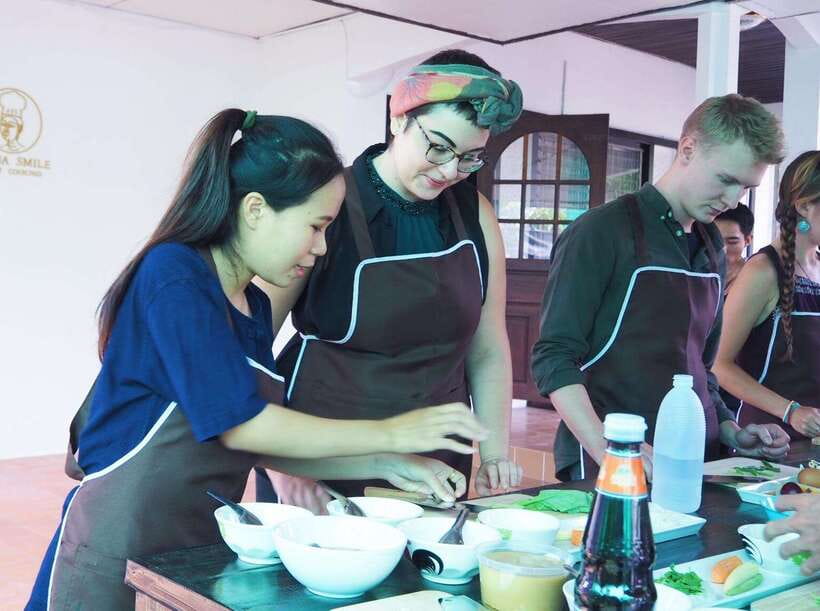
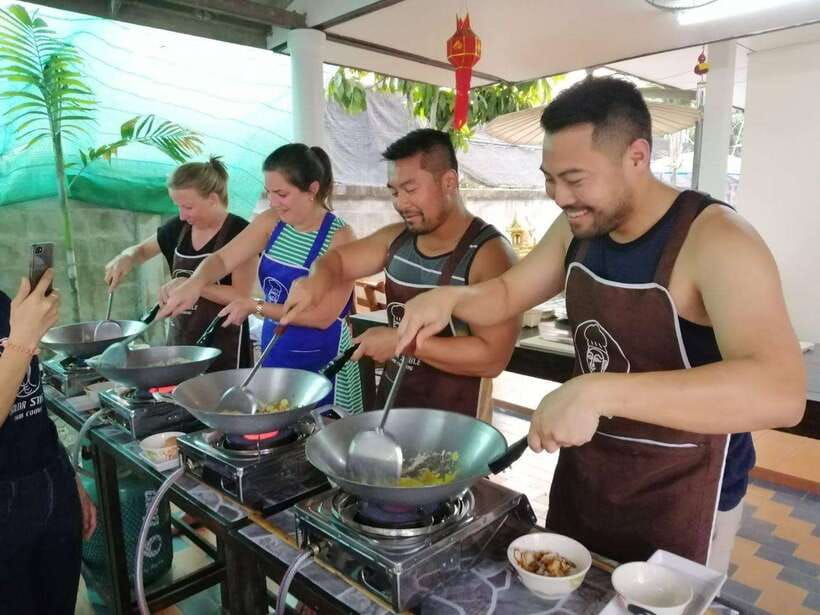
The “individual station” part is important. Thai cooking requires practice. If you’re sharing one station with four people, you spend most of your time waiting. Here, you cook at your own station with an instructor supervising.
Vegetarian-friendly without turning it into a compromise
If you eat vegetarian (or have friends who do), this class is set up to help. Vegetarian options are available, and the school specifically notes you should notify them in advance if you want it. That matters because ingredients and prep methods need to line up, not just be swapped at the last second.
The ingredient philosophy helps here too: the school uses fresh ingredients from the market daily, rice bran oil (not reused), and no MSG. Those choices make it easier to get consistent results whether you go vegetarian or eat meat.
Spice control also reduces stress. If you’re not used to spicy food, you can set the heat level during class so your dishes still taste like the recipe, just on your terms.
Spice level and ingredient standards: why that’s more than a marketing line
The school’s approach to ingredients is practical. They use rice bran oil and say it is never reused. They also state there is no MSG, and they maintain high cleanliness standards for equipment.
Why you should care: when oil is reused or ingredients are cut corners with, flavors can get muddy and repeatability drops. Thai cooking is already sensitive to balance. Clean inputs make it easier for you to recreate the dish later at home with confidence.
Also, the class gives you room for personal taste with spice levels. That’s one of the best features for non-experts. You can learn the method first, then decide how hot to go rather than getting overwhelmed from minute one.
Small group size: how to decide if you want the social or the quiet version
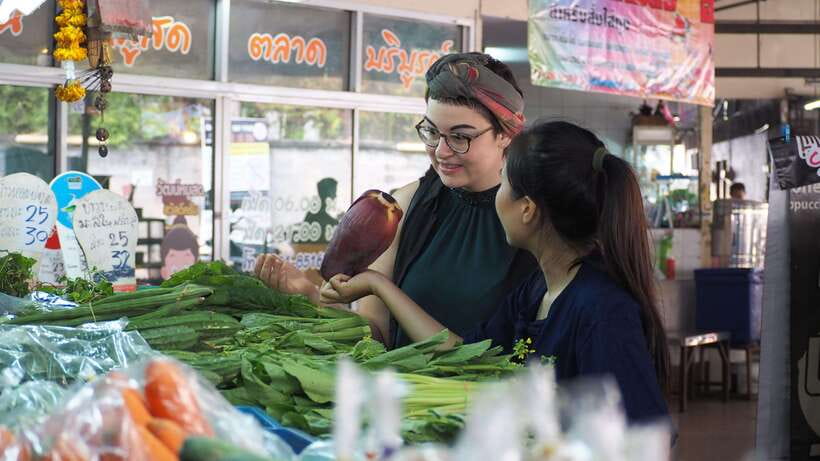
This class limits groups to 8 participants, and that’s a sweet spot. You get structure and interaction, but you’re not swallowed by noise. Some sessions can turn into something closer to a private lesson when the group is tiny, which means more time for questions and more direct guidance.
If you want the social side, the hosts’ friendliness makes it easy to chat while you cook. If you want the quiet side, you still get plenty of teacher attention because the station setup keeps you actively working.
Either way, you should be ready to participate. This isn’t a sit-down show; it’s a hands-on food workshop.
Pickup and timing: smooth when you’re in the old-town radius
Pickup and drop-off are included within the city. The school specifies free transfer within 3 km of Chiang Mai Old Town. If you’re staying outside that zone, you’ll likely need to meet at a designated meeting point in town.
Plan to be ready about 15 minutes early for pick-up. That’s not just a courtesy thing; it helps traffic and timing stay manageable. The class also notes delays can occur due to traffic, which is normal in Chiang Mai.
What to bring is simple: comfortable clothes. You’ll be moving between market and kitchen, and you’ll be cooking, so wear something you don’t mind getting a little splashed.
Price and value: what $31 gets you in real terms
At about $31 per person (based on the provided price), this class compares well because you’re not paying just for instruction. You’re paying for:
- A market tour tied directly to the ingredients you cook
- An instructor-guided hands-on class at your station
- All ingredients and cooking equipment
- A recipe booklet you can take home
- Lunch or dinner (based on the dishes you prepare)
- Hotel pickup/drop-off within the city radius
- Extras like a welcome drink and free Wi-Fi
If you’ve done cooking classes before, you know the common cost trap: sometimes the class includes tasting but you leave hungry, or you cook very little. Here, the core promise is you cook six dishes from category picks, then eat what you made.
One note: there’s an extra 400 baht per person visitor fee for anyone who joins but doesn’t cook. So it’s best if everyone in your group plans to cook.
Who this is perfect for (and who should rethink it)
This class shines if you:
- Want to learn classic Thai cooking beyond ordering takeout
- Like the idea of making curry pastes and not just reheating sauces
- Prefer small-group instruction
- Need spice flexibility and vegetarian options
You might rethink it if:
- You’re staying well outside the pickup radius and don’t want to coordinate a town meeting point
- You want a food experience with zero cooking time (this one is hands-on)
- You’re trying to attend as a party group or in a distracted way—rules mention no intoxication, no alcohol and drugs, and no pets
Should you book Lanna Smile in Chiang Mai?
I’d book it if your goal is practical Thai cooking skills you can repeat at home. The biggest reason: you get a full cycle—market inputs, cooking stations, and then a meal made from what you learned. That’s the difference between learning Thai food as a concept and learning it as a technique.
Book it especially if you want a friendly, small-group vibe. The names Pim and Nim show up in the stories because people remember the hosts as much as the food. And if you’re vegetarian or not comfortable with spice, this class is explicitly designed to work with you.
If you’re tight on time, weigh the 5-hour block against other Chiang Mai plans. But for most food lovers, it’s a high-value use of your day: you leave full, with recipes, and with the confidence to cook Thai dishes—not just eat them.
FAQ
How long is the cooking class?
The class lasts 5 hours.
Where does the activity take place?
It takes place in Chiang Mai Province, Thailand, at AC Cooking Studio / Lanna Smile Thai cooking.
What is the group size?
The class is a small group, limited to 8 participants.
Is the instruction in English?
Yes. The instructor speaks English.
Does it include a market tour?
Yes, there’s a fresh market tour included.
What will I cook?
You’ll cook six dishes by choosing one dish from each category: curry pastes, curries, noodles, soups, dessert, and appetizers.
Is the class vegetarian-friendly?
Yes. Vegetarian options are available, and you should notify the provider in advance if you want vegetarian dishes.
Can I adjust the spice level?
Yes. The school says you can adjust the spice level to match your taste.
Is hotel pickup and drop-off included?
Yes, pickup and drop-off are included within the city (within 3 km of Chiang Mai Old Town). If you stay outside town, you’ll need to meet at a designated meeting point.
What should I bring, and what’s not allowed?
Bring comfortable clothes. Pets, intoxication, and alcohol and drugs are not allowed, and alcoholic drinks are not allowed in the vehicle. Party groups are also not allowed.