REVIEW · MUANG CHIANG MAI
Chiang Mai: Evening Chanting & Meditation
Book on GetYourGuide →Operated by Journey D Travel · Bookable on GetYourGuide
Evening monks, silent mind. One of the most calming things I did in Chiang Mai was sit close enough to feel the chanting vibrations at Wat Chai Sri Phoom, then practice Metta with real guidance from the temple community. You’re not just watching from the back row. You’re joining the ritual at a gentle pace and learning how the practices connect to daily life.
I really liked that the session includes a short period of quiet meditation and then time to ask questions afterward. One possible drawback: the chant itself may not be delivered with an English breakdown line-by-line, so you’ll want to lean on the guide’s explanations rather than expecting subtitles.
In This Review
- Key things I’d circle before you go
- Where this happens: Wat Chai Sri Phoom at dusk
- Meeting up without stress: Wat Lok Moli and the temple follow-through
- The full timing: 3 hours that feel slower than the clock
- Step 1: Arrive early and get your body ready to listen
- Step 2: Chanting with monks at Wat Chai Sri Phoom
- Step 3: Silent guided meditation for 15 minutes
- Step 4: Metta practice—training compassion with intention
- Step 5: Wisdom talk and Q&A with monks and lay practitioners
- Who this is best for (and who might want a different night)
- Price and value: $20 for an evening that teaches you something real
- What to bring (and what to leave in your bag)
- The one drawback to plan around: chant translation expectations
- Should you book this evening chanting and meditation at Wat Chai Sri Phoom?
- FAQ
- FAQ
- How long is the Chiang Mai evening chanting and meditation?
- Where do I meet the guide?
- Is transportation included?
- What’s included in the price?
- What meditation is included?
- What is Metta practice in this experience?
- What languages are available?
- What should I bring and wear?
- What rules should I follow during the session?
- Is this experience suitable for everyone?
Key things I’d circle before you go
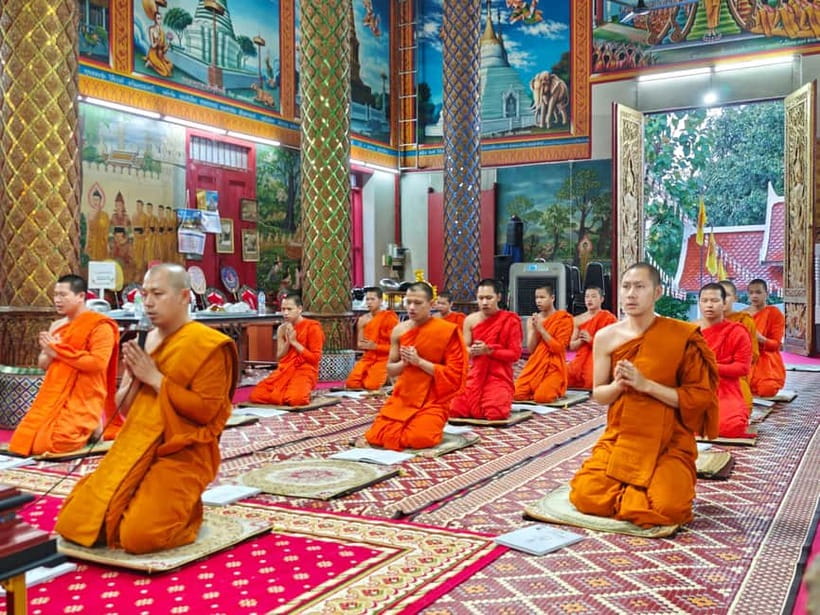
- Chanting close up at Wat Chai Sri Phoom: you’re meant to hear and feel the rhythm, not just observe.
- Metta practice with structured guidance: wishes of well-being for loved ones, the passed, and all beings.
- A real 15-minute silent meditation: guided, then quiet, so you get both instruction and stillness.
- Former-monk-style English explanations: guides like Son (and sometimes others such as Big or Earth) can connect philosophy to practice.
- Q&A with senior monks and lay practitioners: you get more than a “scripted” experience.
Where this happens: Wat Chai Sri Phoom at dusk
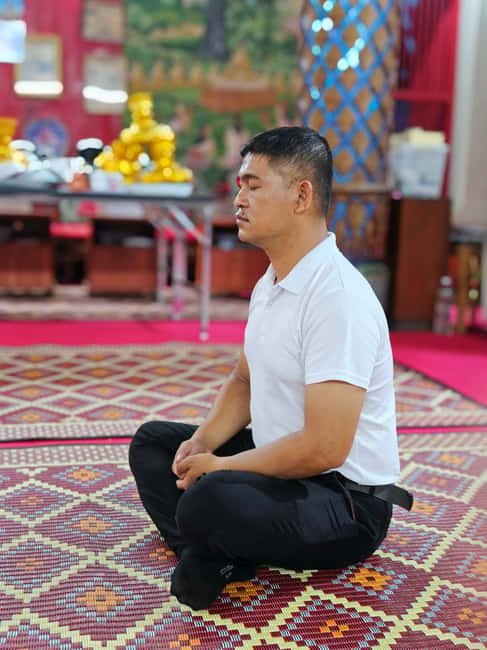
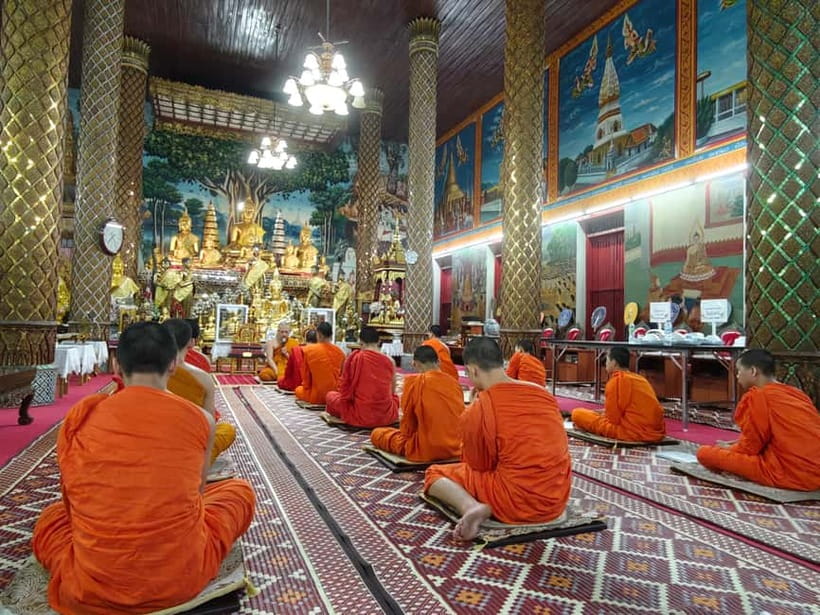
Chiang Mai has plenty of temple scenes during the day, but evening changes the tone. When the light softens and the grounds settle, the temple feels like it’s running on slower time. That’s when the chanting becomes more than sound. It becomes a kind of shared attention.
This experience centers on Wat Chai Sri Phoom, a temple setting where you’re invited into the monks’ evening ritual. The goal isn’t performance for visitors. It’s participation in a tradition that’s been happening for a long time, right there in the community’s own space.
You can also read our reviews of more tours and experiences in Muang Chiang Mai.
Meeting up without stress: Wat Lok Moli and the temple follow-through
Your guide waits at the meeting point outside Wat Lok Moli. The meeting location can be subject to change, so don’t treat the first step as set-in-stone forever. If you’re arriving from your hotel, plan a bit of buffer so you’re not rushing in when you should be settling.
Transportation to and from Wat Chai Sri Phoom isn’t included. That’s an important practical note. You’ll want to have your own plan for getting there, whether that’s a ride you book ahead, a local pickup arrangement, or whatever you’ve used comfortably in Chiang Mai so far.
The full timing: 3 hours that feel slower than the clock
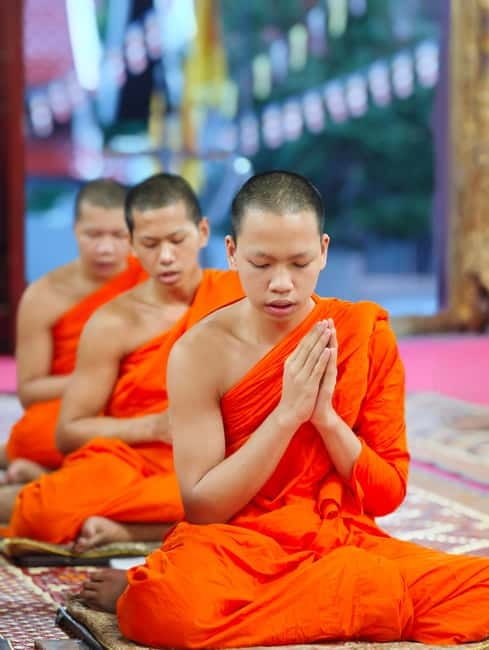
The total duration is listed as 3 hours. In practice, the chanting segment typically lasts 40–50 minutes, and then you shift into a 15-minute silent meditation.
What makes the pacing work is the sequence. You first get oriented through chanting, which helps most people drop into the present moment faster than trying to meditate cold. Then you move into quiet, with guidance helping you settle rather than leaving you to “figure it out” alone.
Step 1: Arrive early and get your body ready to listen
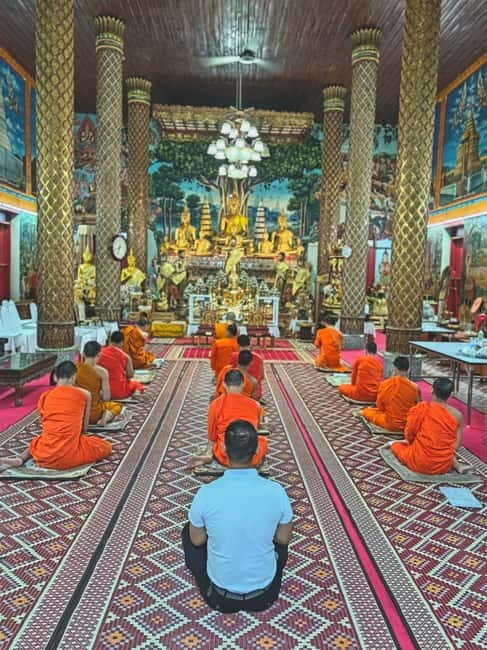
You’ll want to arrive at least 15 minutes early. This isn’t about gatekeeping. It’s about letting your mind stop sprinting. Once you arrive, you’ll be able to breathe in the temple grounds, adjust your clothing, and get comfortable enough to focus.
Dress modestly to respect temple traditions. This is one of those instructions that’s both practical and respectful. If you’re wearing something you constantly adjust, you’ll lose focus during the chanting and meditation.
Also, keep your phone quiet. Silence mobile devices before the session begins. The goal is a shared quiet space, and the temple will do its part if you do yours.
Step 2: Chanting with monks at Wat Chai Sri Phoom
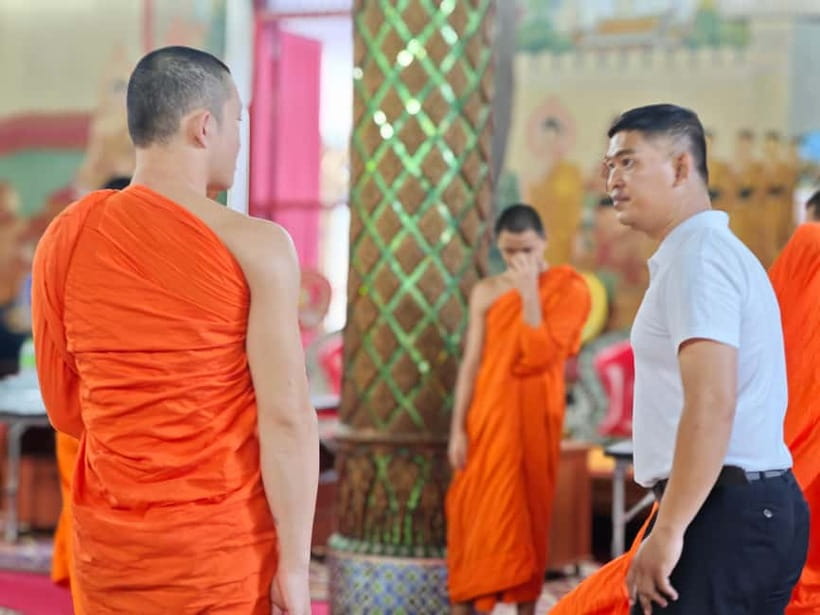
This is the heart of the experience. You’ll join the resident monks in their evening chanting ritual, guided by your English-speaking tour guide. The instruction you receive matters because it helps you understand what you’re hearing and why it’s practiced.
One of the most memorable parts is the physical element. The chanting is described in a way that makes it clear you’re supposed to notice the rhythmic vibrations. Even if you’re not a meditation expert, this is a strong entry point. Your attention naturally syncs with the sound.
You’ll be listening to sacred texts as the monastic community performs the ritual. Close participation helps you feel less like you’re consuming culture and more like you’re sharing a moment with it.
Practical note: there’s a rule against flash photography, and smoking isn’t allowed. It’s a setting that asks you to behave like you belong there.
Step 3: Silent guided meditation for 15 minutes
After the chanting fades, the group transitions into a 15-minute silent meditation. This part can be either intimidating or easy, depending on whether you get enough setup. Here, you do—guidance is provided to help you quiet mental chatter.
In my mind, this is one of the smartest design choices. If you’ve never meditated, jumping straight to long silence can feel like you’re failing. A short guided start makes it more realistic, and the silence becomes something you experience instead of something you endure.
You don’t need to be “good at meditation” to benefit. You’re learning how attention feels when it stops constantly grabbing you.
Step 4: Metta practice—training compassion with intention
Then comes Metta, sometimes described as loving-kindness. The practice here is not vague. You’re taught to extend heartfelt wishes for well-being to:
- loved ones
- those who have passed
- all beings
The value is in the intention. Metta is often misunderstood as only positive thoughts. In this format, it’s presented as a structured way to expand compassion—so your mind isn’t just being calm. It’s being kind.
This is where the evening can start changing how you think about your relationships. Instead of only focusing on what you want, you’re practicing how you wish others to be safe, healthy, and free from suffering. Even if you’re skeptical at first, you’ll likely notice how the practice shifts the tone of your own mind.
Step 5: Wisdom talk and Q&A with monks and lay practitioners
After meditation, the session includes listening to guidance from senior monks along with younger monastic companions and lay practitioners. It’s a chance to hear how lived practice gets explained in real language, not just theory.
I especially like experiences where questions are welcomed. In this case, monks and the guide are positioned to answer your curiosity. Some past participants highlighted how monks stayed after to discuss ideas and respond to questions.
Your guide experience can also make a big difference here. Many people mention guides such as Son (described as a former monk) and sometimes Big or Earth. The common thread is clear explanations that connect Buddhist philosophy to how you actually live day to day.
Who this is best for (and who might want a different night)
This activity can be great if you want:
- a calm evening ritual instead of a party night
- meditation basics without judgment
- a chance to ask questions in a temple setting
- meaningful cultural participation, not just sightseeing
It may not fit if you:
- need step-by-step wheelchair-friendly access (wheelchair users are listed as not suitable)
- have serious back problems
- are traveling with children under 10
If you’re sensitive to sitting posture for any length of time, arrive prepared with comfortable clothing and be honest with yourself about what “quiet and still” means for your body. The meditation is short, but it still asks you to sit.
Price and value: $20 for an evening that teaches you something real
The price is $20 per person for a 3-hour experience. That’s not “cheap,” but it also isn’t in the luxury category. The best way to judge value here is by what you receive: chanting participation, a guided meditation, and philosophy-guided conversation.
You’re paying for three things that can be hard to access on your own:
1) a safe way to enter a monastic ritual as a visitor
2) guidance that translates what’s happening into understandable practice
3) a setting for Q&A with people who practice daily
If you want a night that’s genuinely different from cooking classes or night markets, this can be a strong use of your time. If your goal is purely entertainment, you may find it too quiet. But if you want meaning, the structure gives you a real outcome: calm attention plus compassion practice.
What to bring (and what to leave in your bag)
Bring:
- Water
- comfortable clothes
That’s it for essentials. And because this takes place in a temple setting, you’ll want to keep your plan simple. The fewer things you’re juggling, the easier it is to stay present.
Leave:
- flash photography (not allowed)
- smoking (not allowed)
- anything that’s likely to distract you during quiet time
If you’re the type who gets cold easily in the evening, you might consider a light layer, but the only listed requirement is comfortable clothes—so don’t overpack.
The one drawback to plan around: chant translation expectations
A recurring practical consideration is how the chanting is presented. One participant specifically wished for an English version of the chant itself. That’s a clue you should follow.
Here’s the best expectation to set: you’ll understand what the ritual means through the guide’s explanations, not through a full line-by-line chant translation. If you want the emotional effect and the practice structure, you’ll likely love this. If you want lyrics in your language, plan to rely on guidance and discussion.
Also remember: chanting isn’t meant to be consumed like a podcast. It’s meant to be heard and practiced with your attention. If you let go of needing full translation in real time, the evening usually becomes much more powerful.
Should you book this evening chanting and meditation at Wat Chai Sri Phoom?
I think you should book if you want a calm, respectful night with real participation: chanting with monks, a guided silent meditation, and Metta practice that you can carry into your own life. The strongest part isn’t just quiet—it’s the way you get both spiritual experience and practical explanation, often led by someone with lived monastic experience like Son.
I’d skip it if you’re looking for a high-energy activity, or if you know you can’t sit comfortably for a short meditation period. And if you need an English breakdown of every chant line, set your expectations accordingly and plan to use the Q&A for deeper understanding.
If you want one Chiang Mai night that slows you down and gives you a tool—not just photos—this is a solid pick.
FAQ
FAQ
How long is the Chiang Mai evening chanting and meditation?
It lasts about 3 hours.
Where do I meet the guide?
The guide waits in front of Wat Lok Moli. The meeting location may be subject to change.
Is transportation included?
No. Transportation to and from Wat Chai Sri Phoom is not included.
What’s included in the price?
You get the chanting experience with monks, a guided meditation session, and insights into Buddhist philosophy and practices.
What meditation is included?
After the chanting, there is a silent guided meditation session lasting about 15 minutes.
What is Metta practice in this experience?
You’ll learn and practice Metta by extending heartfelt wishes for well-being to loved ones, those who have passed, and all beings.
What languages are available?
The live tour guide is available in English and Thai.
What should I bring and wear?
Bring water and wear comfortable, modest clothing to respect temple traditions.
What rules should I follow during the session?
No smoking and no flash photography. Silence your mobile device before the session begins.
Is this experience suitable for everyone?
It’s not suitable for children under 10, people with back problems, or wheelchair users.