REVIEW · CHIANG MAI
Chiang Mai: Local Northern Thai Cooking Class at Grandma’s
Book on GetYourGuide →Operated by Grandma's Home Cooking School · Bookable on GetYourGuide
Northern Thai cooking in Chiang Mai is easier than you think. You spend the morning gathering ingredients and skills, then you actually cook your own lunch and desserts. The whole day feels like a hands-on workflow, not a demo.
Two things I really like: the market + farm setup, where you learn what’s in your food before you touch a cutting board, and the very practical kitchen work—like lighting a charcoal grill and doing traditional prep methods. One thing to consider: you’ll be on your feet for hours with cooking and outdoors time, so comfortable shoes matter.
In This Review
- Key Points at a Glance
- Market Morning in Chiang Mai: Learn Ingredients Before You Cook
- The Farm and Chicken Coop Stop: Where Herbs and Eggs Meet Reality
- The Cooking Grounds: Charcoal, Washing Veggies, and Old-School Prep
- The Core Dishes: What You’ll Actually Cook in a 6-Hour Class
- Northern Thai Sausage
- Nam Prik Ong or Nam Prik Num
- Northern Pork Belly Curry (Hang Lay Curry)
- Curry Young Jackfruit (Kraeng Khanun-on)
- Stuffed Dough Pyramid (Ka Nhom Tian or Kanomjok)
- Thai Coconut Pancakes (Traditional Method)
- Lunch and Dessert: Turn Cooking Skills into Food You Want to Eat
- What the Day Feels Like: Group Size, Pace, and Practical Comfort
- Price and Value: Why $48 Makes Sense for What You Get
- Who Should Book This Class (and Who Should Think Twice)
- Should You Book Grandma’s Home Cooking School in Chiang Mai?
- FAQ
- FAQ
- How long is the cooking class?
- What dishes will I learn to cook?
- Do we visit a market?
- Is there a farm visit too?
- Is lunch and dessert included?
- Do I get round-trip transfers from my hotel?
- What language are the instructors?
- What do I need to bring?
- Is the class suitable for children and dietary needs?
Key Points at a Glance
- Market stop for Northern Thai ingredients: Learn which seasonings and produce drive the flavor.
- Organic farm tour + herb picking: Thai herbs and vegetables are explained in the context of your dishes.
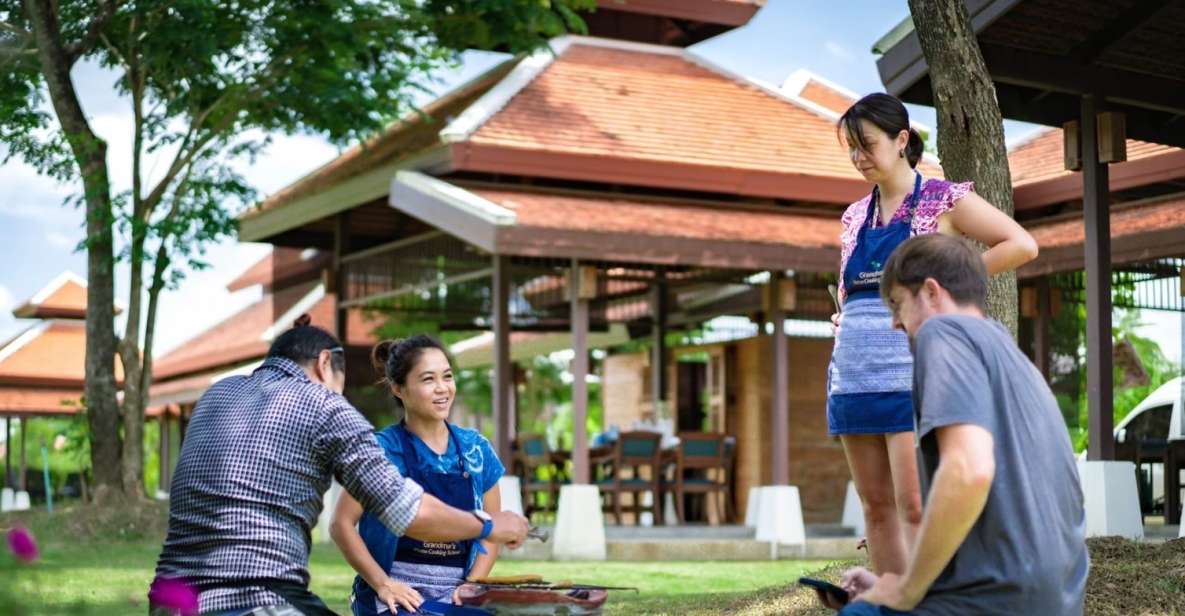
- Traditional technique practice: Charcoal grilling, veggie washing, flour milling with a millstone, and coconut grating.
- You cook, portion, and eat your own food: Lunch comes from what you make, not just tasting samples.
- Dessert session included: You also get to taste traditional Thai sweets and refreshments.
- Small-group feel: Past groups have been small enough that you’re not constantly waiting your turn.
Market Morning in Chiang Mai: Learn Ingredients Before You Cook
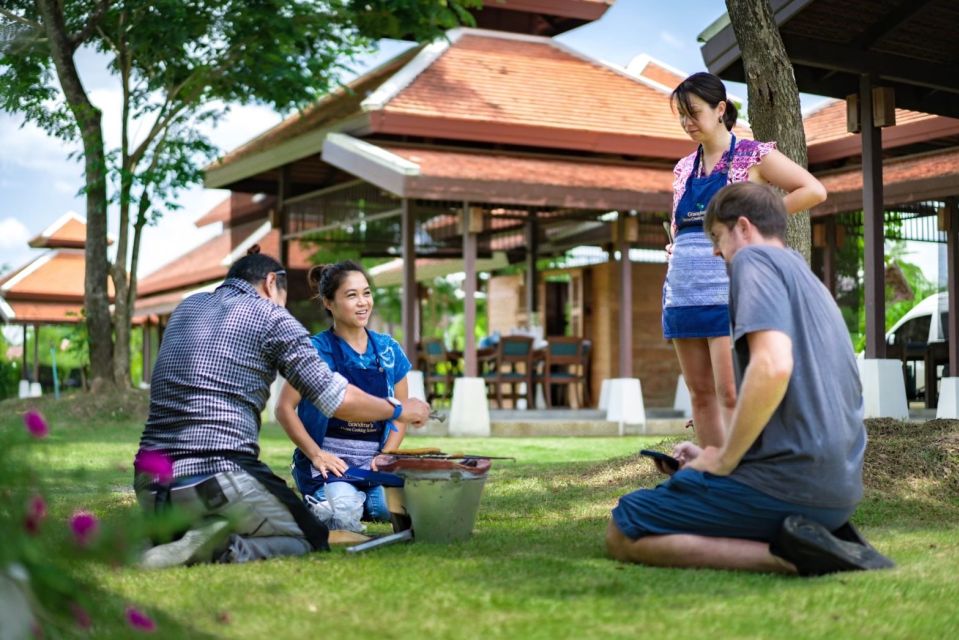
The class starts with the kind of prep that makes the rest of the day feel logical. Before any pans heat up, you head to a local market with the instructors. This is where you learn what Northern Thai cooking relies on—especially the way herbs, chilies, and aromatics show up across multiple dishes.
I like this approach because it trains your eye. Instead of guessing what something is, you’ll understand the ingredient’s role. Later, when you’re making things like the spicy Nam Prik-style dip or a curry, you already know what to look for and why it goes in.
You’ll also see how ingredients relate to texture. Northern Thai food often needs balanced depth: something spicy, something tangy, and a lot of careful seasoning. That market context helps you avoid the common home-cooking mistake of adding one element too heavily and missing the overall blend.
You can also read our reviews of more cooking classes in Chiang Mai
The Farm and Chicken Coop Stop: Where Herbs and Eggs Meet Reality
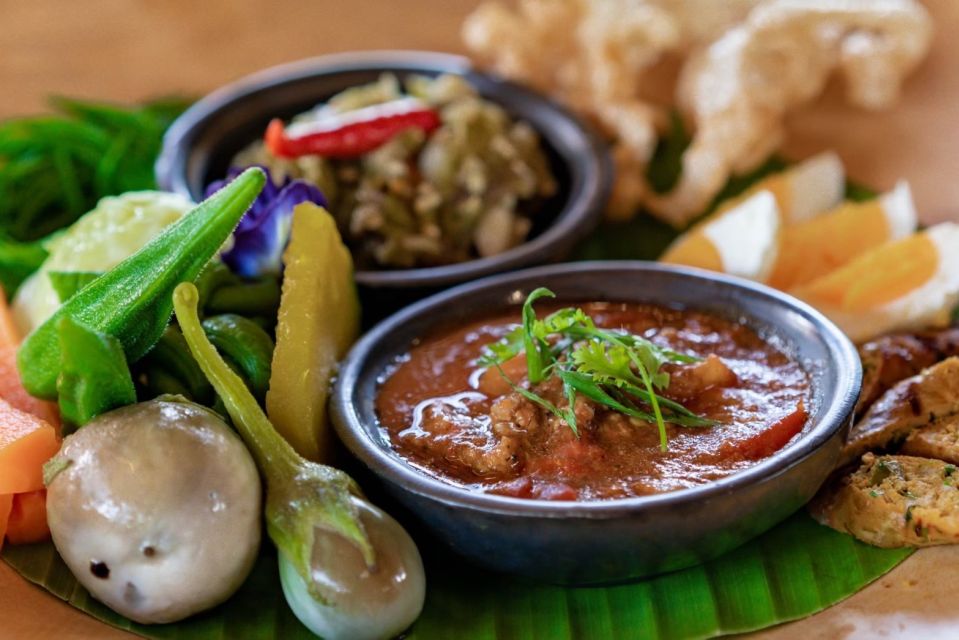
After the market, you move to an organic farm area. This is not just a photo stop. You’ll walk the grounds, hear how Thai herbs and vegetables are used, and pick some of the ingredients you’ll cook with.
This part matters because many Northern Thai flavors come from plants you don’t always see in standard grocery stores. You learn which herbs are used for fragrance, which are for freshness, and how they work alongside chili paste and curry bases.
You’ll also visit the chicken area to collect eggs. It sounds simple, but it connects the cooking to the actual sourcing. And once you’re cooking, you appreciate why eggs show up in certain recipes—both for richness and for how they behave with heat.
The Cooking Grounds: Charcoal, Washing Veggies, and Old-School Prep
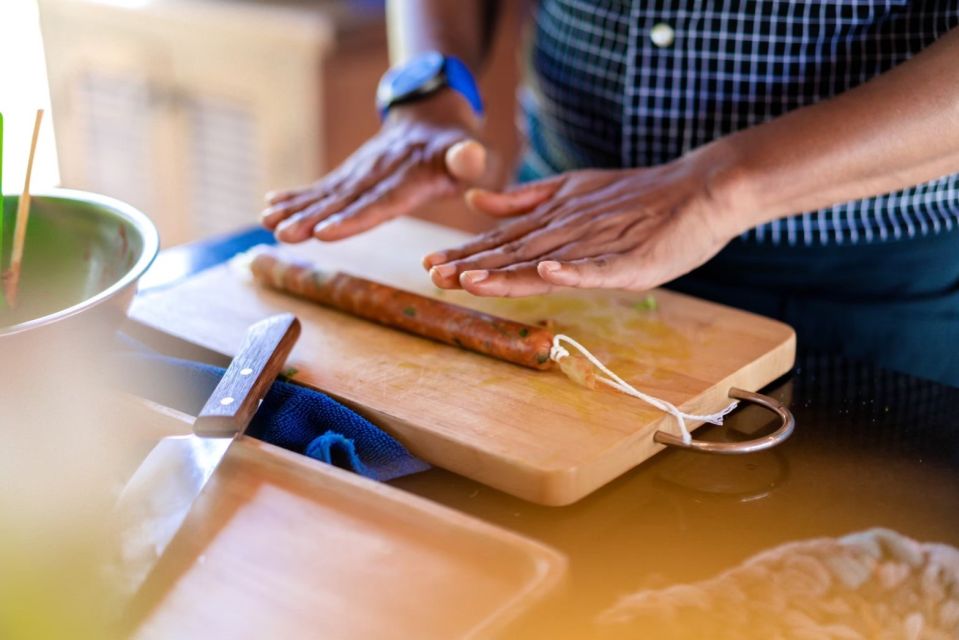
Once class time begins, the pace shifts to real kitchen work. You’ll learn basic prep tasks and also pick up traditional methods that are genuinely different from what most people do at home.
You’ll practice:
- Lighting a charcoal grill
- Washing vegetables properly before cooking
- Milling flour using a traditional millstone
- Grating coconut meat using a coconut grater
Why I think this is worth it: these steps teach muscle memory. Lighting charcoal teaches heat control. Milling and grating teach texture. When your coconut is freshly grated, it behaves differently than packaged flakes. Same idea with flour: the process changes how you think about dough and batter.
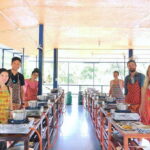
You also work with English-speaking instructors who keep things moving and explain what you’re doing while you do it. And because the setup tends to be small (I’ve seen groups around five to eight people in past bookings), you’re not stuck watching from the sidelines.
One detail that people cared about: cleanliness. Even the toilets were noted as very clean, which sounds like a small thing until you’re outdoors and cooking for hours.
The Core Dishes: What You’ll Actually Cook in a 6-Hour Class
This course is focused on Northern Thai dishes from Lanna cooking. The class overview points to a lineup that includes Northern Thai sausage, Nam Prik-style dips, curry dishes, and Thai coconut pancakes. The exact set you cook centers around five core dishes, with additional hands-on training tied to the pancakes and grilling techniques.
Here are the dishes you should expect to make:
Northern Thai Sausage
This is one of those dishes that teaches the idea of seasoning and balance. Sausage in Northern Thai style is about depth and heat control. If you’ve only cooked generic sausage at home, you’ll likely notice the seasoning logic is more layered than you’d expect.
You can also read our reviews of more tours and experiences in Chiang Mai


Nam Prik Ong or Nam Prik Num
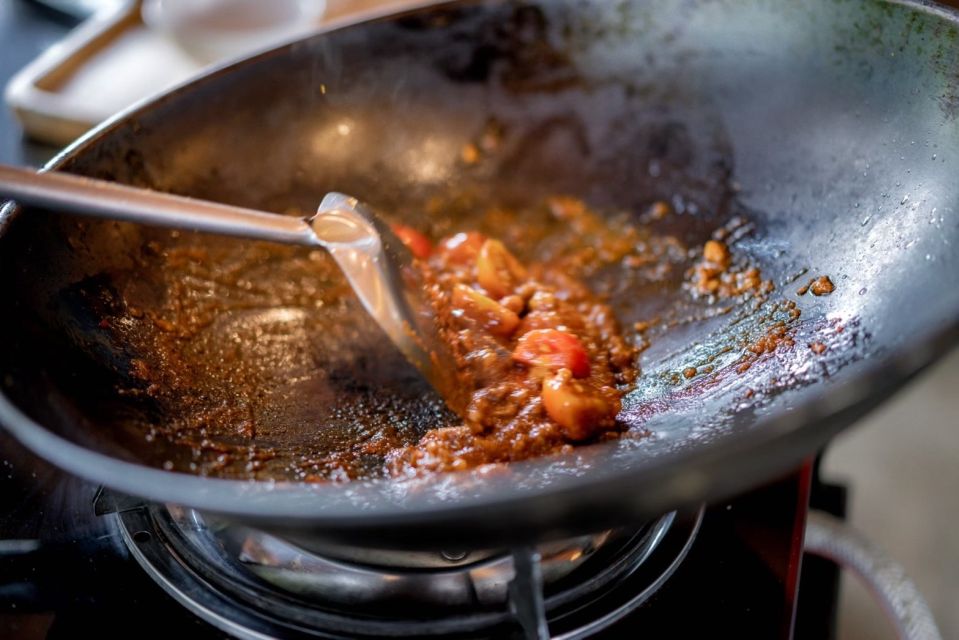
You’ll make one of these Nam Prik options. Both are Northern Thai chili-based preparations, but they’re known for different flavor directions—one leaning toward a rich pork-tomato style, the other toward a green chili angle.
This is a great dish to learn early because it becomes a reference point. Once you understand how the chili base tastes, everything else you cook makes more sense.
Northern Pork Belly Curry (Hang Lay Curry)
Curry here is not just “stew with spice.” This dish helps you see how Thai curry balances fat, seasoning, and heat. Pork belly also gives you a chance to understand texture: how long it needs heat, and how the sauce clings.
Curry Young Jackfruit (Kraeng Khanun-on)
Young jackfruit changes the whole cooking conversation. It’s not like sweet jackfruit. It has a firmer bite that holds up in curry. When you cook it yourself, you’ll understand why it’s used for the chewy texture and how it absorbs curry flavors.
Stuffed Dough Pyramid (Ka Nhom Tian or Kanomjok)
This dish teaches technique. Stuffed dough preparations demand patience and structure. You’re guided through the shape and cooking so it doesn’t turn into a messy dough experiment.
The good news: the instructors keep you on track, and you end up with something you can reproduce later with the e-recipe book.
Thai Coconut Pancakes (Traditional Method)
This class also includes Thai coconut pancakes, tied to traditional tools you use earlier—especially the coconut grating and flour milling practice.
If you like breakfast-style foods or you’ve ever struggled to get coconut desserts to taste right, this is often the highlight. Fresh preparation methods change the flavor and texture in a noticeable way.
Lunch and Dessert: Turn Cooking Skills into Food You Want to Eat
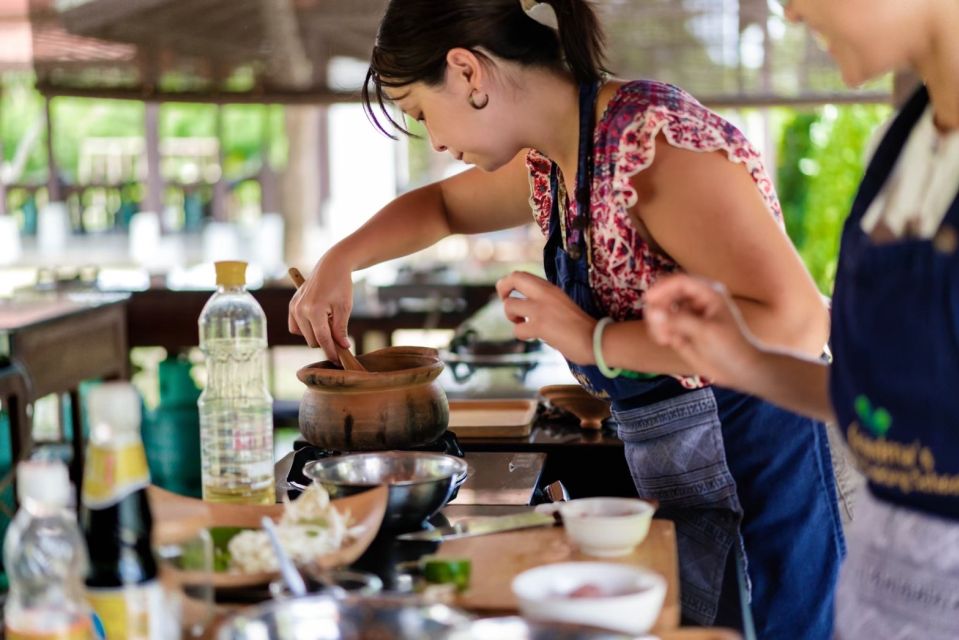
You don’t just cook and walk away. The class includes lunch to taste your creations after you make them. That’s a big value point. Cooking classes can turn into a “watch and nibble” experience, but here your meal is part of the curriculum.
Then there’s a separate dessert and refreshment session. This matters because it rounds out the flavor picture. Northern Thai meals often balance savory heat with sweet relief, and tasting desserts during the day helps you understand that the cuisine isn’t only about chili and curry.
You’ll also get welcome snacks and a refreshing drink upon arrival. For a 6-hour schedule, those small pauses help you stay focused during the more hands-on cooking blocks.
What the Day Feels Like: Group Size, Pace, and Practical Comfort
A key reason people recommend this class is that it feels organized and personal. In small groups, instructors can check what you’re doing, and you’re more likely to actually finish dishes rather than just start them.
One review mentioned that everyone works in their own portion and gets exactly what they cooked. That kind of setup is great for your confidence. When you take home a container later, you already know what you made, and you can reproduce it at home without guesswork.
Also, many classes are crowded. This one doesn’t seem to be built like a factory line. Past bookings have been small enough that the guide can stay attentive and help when something gets tricky. In one instance, a guide named Best was specifically thanked for explaining well and taking care of the group.
Practical tip for your own day: expect a mix of market walking, farm time, and active cooking. If you plan to wear sandals, reconsider. You’ll be standing and moving around. Comfortable shoes are not optional.
Price and Value: Why $48 Makes Sense for What You Get
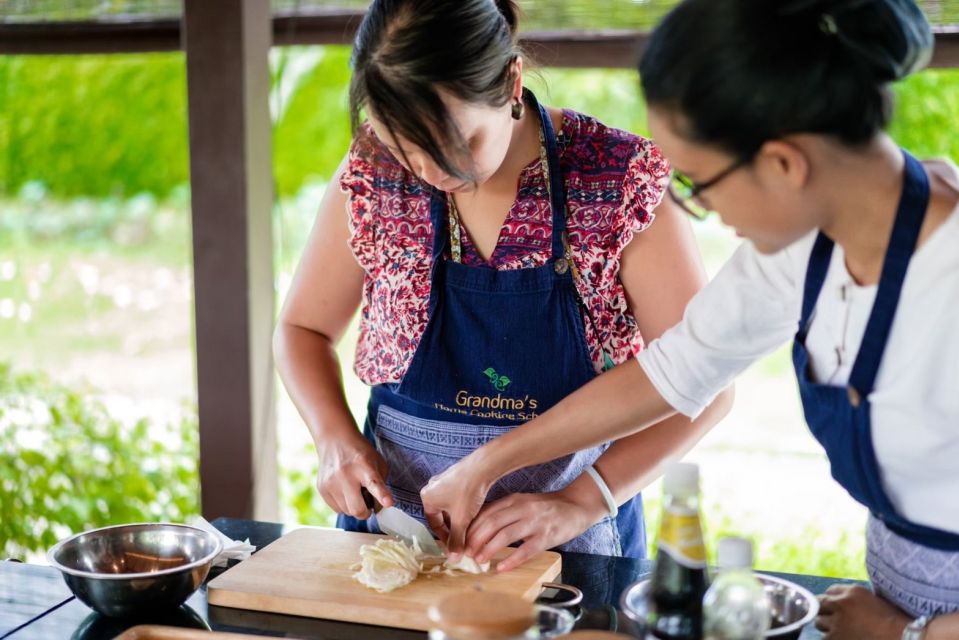
At $48 per person, this class is a straightforward deal for Chiang Mai—especially because so much is included.
You’re paying for more than recipes. You’re paying for:
- a market visit to learn ingredients and seasonings
- an organic farm tour with herb and vegetable explanations
- hands-on cooking with English-speaking instructors
- lunch based on what you prepare
- a dessert and refreshments tasting session
- a recipe book you can download
- round-trip transfers to and from your hotel
Transfers are a big part of the value. In Thailand, getting around by yourself can eat time fast, and time is what you don’t want to waste in a 6-hour class. Starting pickup is also early, around 8:30 to 9:00am, so being collected saves you the hassle.
Another value point: the skills. Many cooking classes teach a recipe. This one also teaches techniques like charcoal grilling and traditional coconut prep. Those are transferable skills, which means you’re not just buying one day of entertainment—you’re buying tools you can use when you cook at home.
Who Should Book This Class (and Who Should Think Twice)
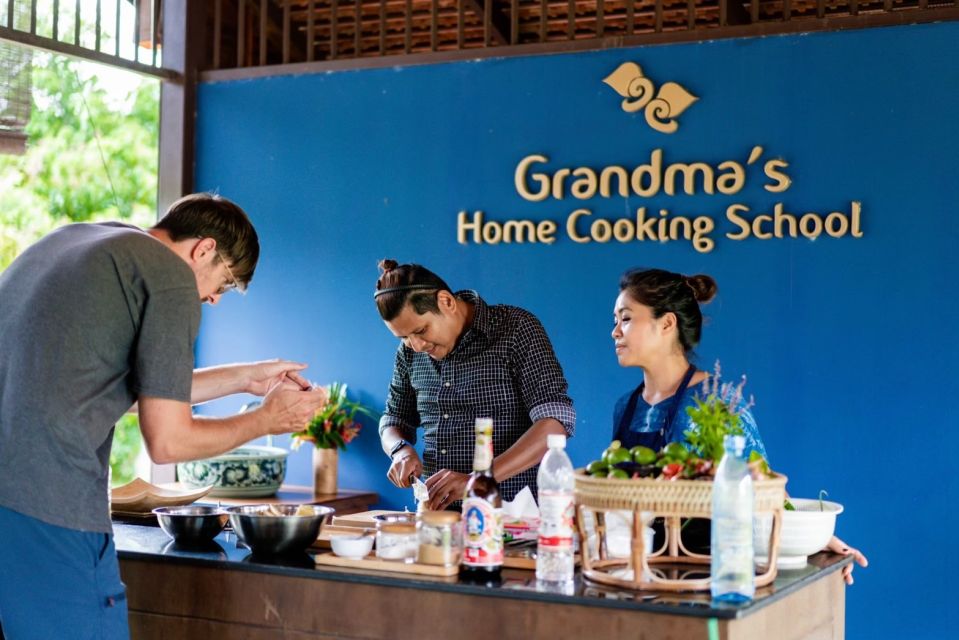
This cooking class is ideal if you want more than a simple meal. Book it if you like structured learning, want to understand the ingredients behind Northern Thai flavors, and enjoy practical kitchen tasks.
It also fits well if you’re traveling with a group and want to do something meaningful together. Small group conditions help you interact with instructors without the chaos that comes with larger classes.
Think twice if you’re looking for a relaxed, sit-and-watch experience. This is hands-on. You’ll wash vegetables, grill, mill, grate, cook, and assemble dishes. If you hate kneading dough or dealing with kitchen heat, you might find the pace tiring.
It’s also worth noting that while the class can accommodate special dietary requirements, the specific adaptations aren’t spelled out in the details I received. If dietary needs are complex, you’ll want to confirm what can be adjusted for you before you go.
Should You Book Grandma’s Home Cooking School in Chiang Mai?
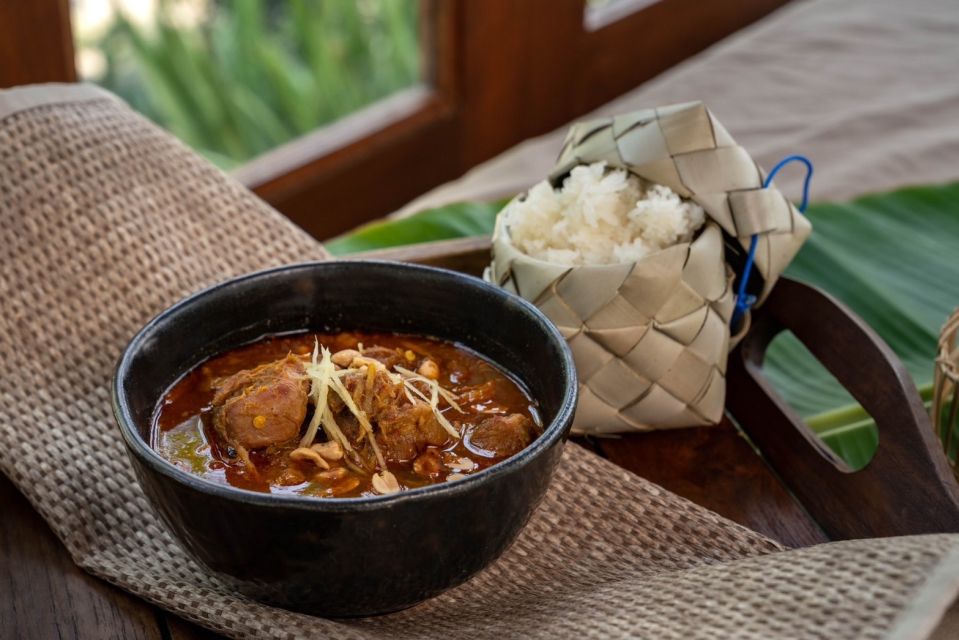
If you want an authentic Northern Thai cooking day with real ingredient education—market, farm, and technique—this is an easy yes. The price is reasonable for the amount included, and the focus on traditional prep methods (charcoal, coconut grating, millstone flour) makes it more memorable than a typical cooking show.
I’d book it if you care about learning why the food tastes the way it does, not just getting photos. And if you enjoy small-group attention, you’re likely to appreciate how the class is run.
If you only want to taste dishes and avoid active prep, you might prefer a food tour instead. But if you’re ready to cook, wash, grill, and learn, you’ll leave with skills you can actually use.
FAQ
FAQ
How long is the cooking class?
The class lasts about 6 hours.
What dishes will I learn to cook?
The included dishes are Northern Thai sausage, Nam Prik Ong or Nam Prik Num, Northern pork belly curry (Hang Lay Curry), curry young jackfruit (Kraeng Khanun-on), and a stuffed dough pyramid (Ka Nhom Tian or Kanomjok). You’ll also make Thai coconut pancakes as part of the hands-on training.
Do we visit a market?
Yes. You’ll visit a local market to learn about ingredients and seasonings used in Northern Thai cuisine.
Is there a farm visit too?
Yes. You’ll tour an organic farm to see Thai herbs and vegetables, learn how they’re used, and pick ingredients.
Is lunch and dessert included?
Lunch is included, and there’s also a dessert and refreshments tasting session during the class.
Do I get round-trip transfers from my hotel?
Yes, round-trip transfers to and from your hotel are included.
What language are the instructors?
The class includes English-speaking instruction.
What do I need to bring?
Wear comfortable shoes and bring sunglasses.
Is the class suitable for children and dietary needs?
It can accommodate special dietary requirements, and visitors aged 0–10 are welcome as observers.