REVIEW · CHIANG MAI
Best Places in Chiang Rai White, Blue, Big Buddha, Tea Plantation
Book on Viator →Operated by tourhubasia · Bookable on Viator
Three temples, one long day.
This is a smooth Chiang Rai day trip from Chiang Mai with a small group (max 12) and hotel pickup, so you can spend the time looking at temples instead of figuring out logistics. The big draw is seeing the White Temple’s unreal look and then shifting gears to the Blue Temple and the Big Buddha complex on the same day.
I also love that the essentials are taken care of: lunch and admission tickets are included, and each main stop gets around 40 minutes. That timing is tight, but it’s enough to walk the main areas, take photos without feeling chased, and still move on.
The main thing to consider is the pace: it’s an 11-hour day, and if you get heat-sensitive you’ll want to plan for it. Some groups report extra roadside stops (coffee, cafes, or optional add-ons), which can stretch the schedule if you’re not into them.
In This Review
- Key things I’d plan for on this Chiang Rai temples + tea tour
- Why Chiang Rai in one day makes sense
- Pickup, van comfort, and the reality of travel time
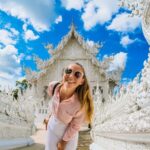
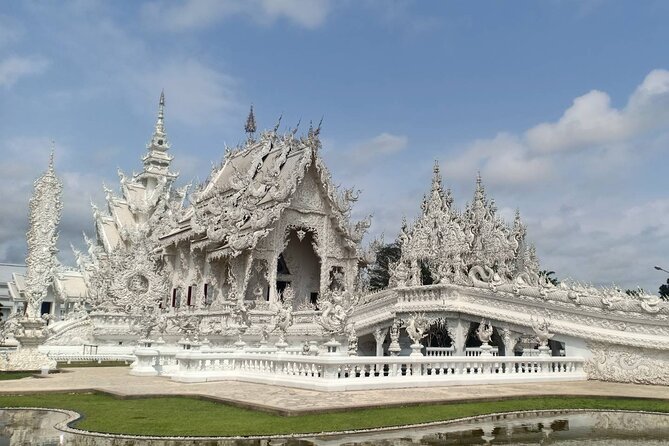
- Wat Rong Khun (White Temple): the “you have to see it” stop
- Wat Rong Suea Ten (Blue Temple): calm color, intense design
- Wat Huay Pla Kang and the Big Buddha pagoda complex
- Singha Park (tea plantation): the break from temple intensity
- The optional add-ons and roadside stops you might hit
- What makes this tour good value (and what can feel like a squeeze)
- Tips to make the long day actually feel comfortable
- Who this Chiang Rai tour fits best
- Should you book this Chiang Rai temples and tea day trip?
- FAQ
- How long is the Chiang Rai day trip from Chiang Mai?
- What time does the tour start?
- How big is the group?
- Which major places are included?
- Are entrance tickets included?
- What’s included in the price?
- Do I need to remove my shoes?
- Is the Long Neck Village included?
Key things I’d plan for on this Chiang Rai temples + tea tour
- Small group max 12 keeps the day from turning into cattle-herding, especially at photo-heavy temples
- Hotel pickup and drop-off saves you from another round of tuk-tuk math in Chiang Mai
- White Temple + Blue Temple back-to-back gives you two very different styles of Thai temple art in one morning
- Wat Huay Pla Kang Big Buddha complex is the dramatic middle stop that balances the kitschy visuals with scale
- Singha tea plantation stop adds a calmer break with Lanna-themed architecture and views
- Expect a long day and pack for comfort, since you’ll be in transit most of the time
Why Chiang Rai in one day makes sense
Chiang Rai is the kind of place where the famous sights are clustered across town and nearby roads. If you only have one day, this format helps you check off the essentials without renting a car or joining a chaotic shuttle.
You’re also getting variety. The White Temple (Wat Rong Khun) is famous for its surreal, contemporary feel. Then the Blue Temple (Wat Rong Suea Ten) flips the mood with sapphire-blue art. Finally, Wat Huay Pla Kang brings you back to temple grandeur with a giant Buddha and pagoda complex.
It’s a “see a lot” day. If you’re the type who likes to wander slowly and linger, you might feel rushed. If you’re okay with a tight itinerary and want maximum payoff for your time, this works.
You can also read our reviews of more tours and experiences in Chiang Mai.


Pickup, van comfort, and the reality of travel time
The tour runs about 11 hours and starts early, around 7:15am. You’re collected from your hotel (pickup offered) and brought back at the end, which removes the hardest part of a Chiang Rai day trip: getting across the 3-hour stretch without wasting energy.
Transportation is by air-conditioned vehicle, and the group size is limited to 12 travelers. Still, it’s a long route, and reviews include complaints about air-con not always feeling strong enough on very hot days. If you get warm fast, bring water and dress smart (light layers help).
Also plan your mental rhythm: the schedule includes temple time, but you’ll spend a meaningful chunk of the day traveling. This is less of a “relaxing day out” and more of a guided route through the biggest hits.
Wat Rong Khun (White Temple): the “you have to see it” stop
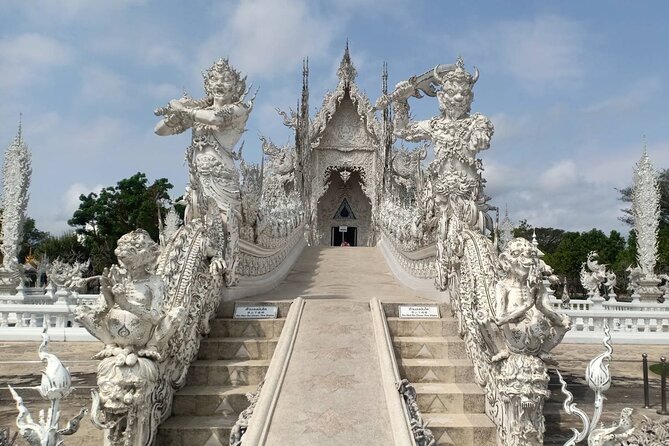
Wat Rong Khun is one of Thailand’s most memorable sights because it looks like no other temple you’ll have seen. It’s known for being both beautiful and strange, and that “what am I looking at?” feeling is part of the appeal.
You get around 40 minutes here, plus the admission ticket is included. That’s enough time to walk the main areas, spot the temple’s distinctive details, and take photos before the next group movement pulls you along.
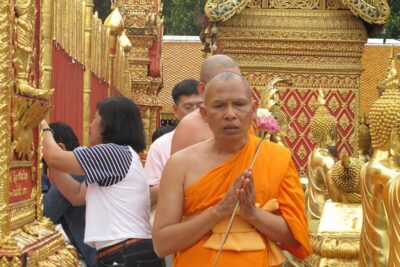
Practical note: the tour guidance asks you to dress modestly and be ready to remove your shoes. Shoes that slide on and off easily are a lifesaver when you’re doing it more than once in a hot day.
If you’re expecting a quiet, reflective temple visit, you might be surprised by how photo-focused this stop can feel. But for first-timers, the White Temple is still the main event, the one that makes Chiang Rai feel like a separate world from Chiang Mai.
Wat Rong Suea Ten (Blue Temple): calm color, intense design
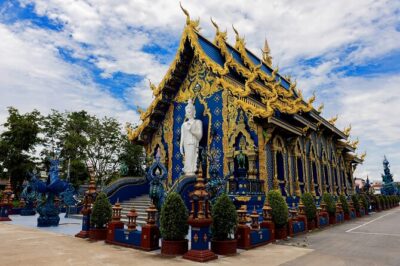
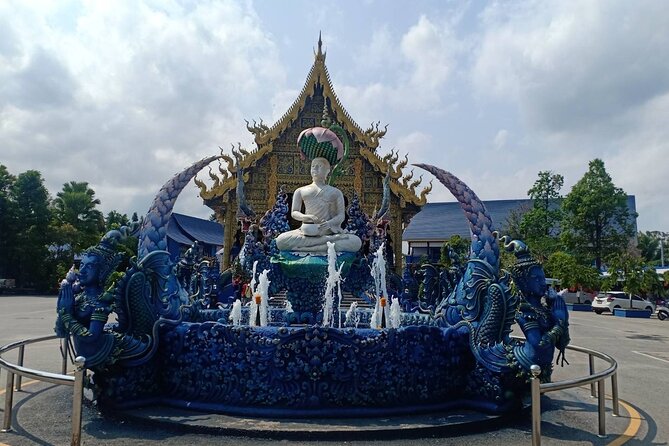
After the White Temple’s surreal glow, you’ll head to Wat Rong Suea Ten, the Blue Temple. It’s famous for its sapphire-blue color and the applied arts that cover surfaces with cool-toned detail.
You’ll get about 40 minutes, and the ticket is included. This time feels like breathing room compared with the White Temple’s crowd energy. You can slow down a bit, look up at the architectural lines, and pick your angles for photos without rushing as hard.
One reason this stop works on a one-day itinerary is that the visuals are instantly legible. Even if your guide’s English explanation is limited, you can still enjoy it: blue color, clean geometry, and dramatic temple art are doing the talking.
That said, the guide is still part of the value. The included English-speaking guide helps you connect the symbolism and design choices to Buddhist temple culture instead of just treating it like a photo set.
Wat Huay Pla Kang and the Big Buddha pagoda complex
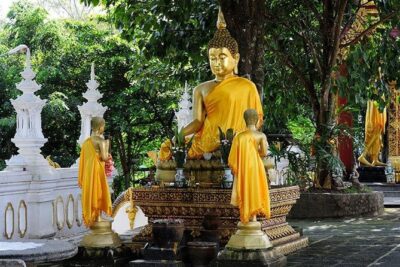
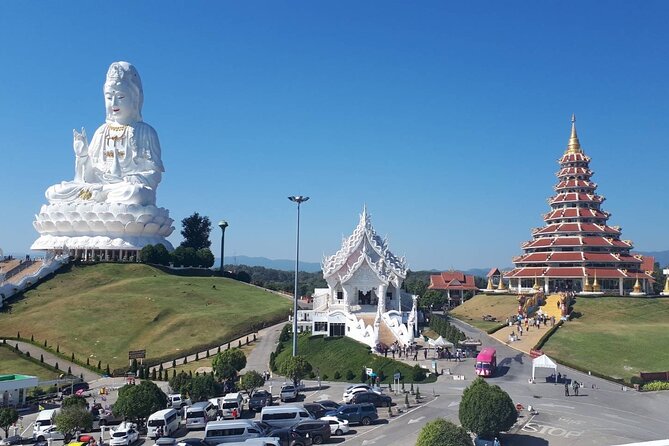
Your third temple stop is Wat Huay Pla Kang, described as a temple museum complex. The headline here is the scale: a nine-floor pagoda with 12 surrounding structures and a giant Buddha.
This is the kind of place that rewards even short visits, because once you’re inside the complex, the view keeps expanding. In about 40 minutes, you can see the big elements, walk around the main area, and capture the “how is that real?” photos without burning your whole day.
It also creates a nice balance. The White and Blue Temples can feel like art installations. Wat Huay Pla Kang brings more traditional temple weight through sheer monumentality.
Tip for photo timing: when you’re inside these temple complexes, light shifts fast. If you want the best contrast, do your wide shots early and save detail shots for later when the sun angle changes.


Singha Park (tea plantation): the break from temple intensity
After three temples, it’s smart that the day includes a tea plantation stop: Singha Park, also described as the Singha Tea Plantation. This is one of the larger tea plantation areas in Northern Thailand, and the setting gives you a different pace than temple steps and courtyards.
You’ll get about 40 minutes at the tea plantation. The experience includes a showcase tied to Lanna culture, with major architecture elements like a nine-story pagoda, 12 surrounding structures, and a giant Buddha. So even though it sounds like a “tea stop,” it’s still temple-style design and big visual moments.
From a practical standpoint, it’s a good time to reset: grab a drink, take a breather, and slow down your walking pace. You’re not just looking at plants; you’re getting a cultural site framed around the tea-growing region.
A heads-up from how the day is described: some groups report this stop can feel more like photos and quick tasting time than long exploration. If you want deeper explanations about tea growing, you may have better luck doing extra reading before you go.
The optional add-ons and roadside stops you might hit
Even when the main plan is temples plus tea, the route may include short comfort stops. Some experiences include a quick hot-springs area stop for breaks and snacks, and a cafe break (often mentioned as Lolita/Lalitta Cafe) for drinks and rest.
These can be helpful on an 11-hour day. Bathrooms matter. A cold drink matters more than you think.
But here’s the trade-off: a few reports mention extra stops that weren’t the main focus for everyone, including optional paid add-ons like the Long Neck Village. The Long Neck Village isn’t included by default, and you’ll pay extra if you choose to go. If your group opts out, you may wait.
My advice: if you know you’re not interested in certain paid detours, say so early and ask where time will be saved (or what you’ll miss). That keeps you from losing momentum.
Also, remember the tour note about avoiding revealing clothing. That applies to all Buddhist temple areas. Bring a light scarf or layer if you want an easy solution.
What makes this tour good value (and what can feel like a squeeze)
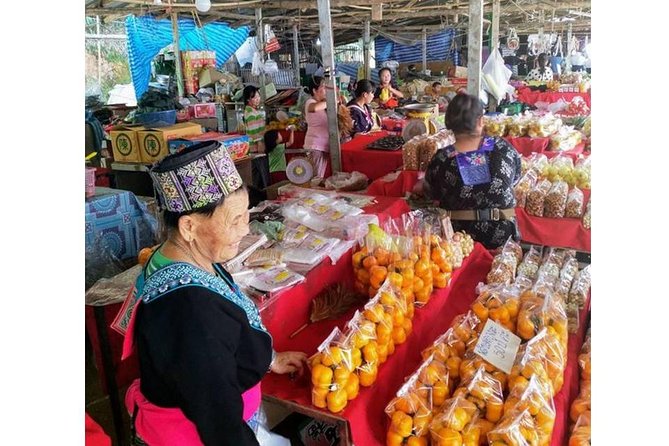
The price is $54.59 per group (listed for up to 1). That’s unusually low for a full-day package that includes pickup, an air-conditioned van, lunch, insurance, an English-speaking guide, and admission tickets for each main stop.
Where the value really shows up is in the bundled costs. You’re not paying for transport between Chiang Mai and Chiang Rai separately, and you’re not managing tickets one by one while trying to stay on schedule.
The drawback is also tied to value: when the day is tightly packed, you’re getting about 40 minutes per main attraction. That’s enough for a good look, but it’s not the type of timing where you can do deep learning at every stop unless you’re someone who enjoys reading, photos, and quick interpretation rather than long discussion.
If you’re the type who wants lots of history at each temple, do two things:
- read a few basics about Wat Rong Khun, Wat Rong Suea Ten, and Wat Huay Pla Kang before your pickup
- keep your questions ready for the guide so you get what matters to you most
Tips to make the long day actually feel comfortable
This is a “bring your own sanity” kind of day trip. It works best when you prep like you’re doing a long hike, even though you’ll mostly be in a van.
First: bring water. Some reviews mention heat exhaustion issues, especially when air-con doesn’t feel strong enough. A small bottle can make the day feel manageable instead of miserable.
Second: wear shoes you can easily slip off. You will be required to remove shoes at the White Temple. If your shoes are a pain to untie or remove, you’ll waste time and patience.
Third: pack a light layer. Even in hot weather, vehicles can swing chilly, and temple shade isn’t always reliable.
Fourth: plan for the day’s pace. You’re leaving early and returning late. If you’re going to be grumpy, grumpy happens in the afternoon, not at the start—so eat the lunch, don’t skip it, and rest when you get the chance.
Who this Chiang Rai tour fits best
This is a great fit if you:
- want the big Chiang Rai sights without arranging transportation
- like guided direction but still want time to wander and take photos
- prefer a small group max 12 over bigger bus tours
- are okay with a packed itinerary and short-to-medium time at each stop
It might feel less ideal if you:
- hate long days in a van
- prefer quiet, slow temple visits over curated photo time
- strongly dislike optional add-ons and roadside detours
A smart middle strategy is to treat the temples as “must-see highlights” and plan any extra museum-style exploration for another day in Chiang Rai, if you have it.
Should you book this Chiang Rai temples and tea day trip?
Book it if you want an efficient, first-timer-friendly route that covers Wat Rong Khun, Wat Rong Suea Ten, Wat Huay Pla Kang (Big Buddha), and Singha tea plantation with pickup and tickets handled.
Skip it (or reconsider) if you know you’ll struggle with an 11-hour schedule, heat, or if you’re very sensitive to detours that feel touristy. If that’s you, you’ll likely enjoy Chiang Rai more at your own pace, even if it takes more planning.
For most people, the decision comes down to one thing: do you want maximum sights in limited time? If yes, this tour is built for you.
FAQ
How long is the Chiang Rai day trip from Chiang Mai?
The tour is about 11 hours.
What time does the tour start?
The start time is 7:15am.
How big is the group?
The tour has a maximum of 12 travelers.
Which major places are included?
You’ll visit Wat Rong Khun (White Temple), Wat Rong Suea Ten (Blue Temple), Wat Huay Pla Kang (temple museum complex with a nine-floor pagoda and giant Buddha), and Singha Park (tea plantation).
Are entrance tickets included?
Yes. Admission tickets are included for each stop listed in the itinerary.
What’s included in the price?
Included features are an air-conditioned vehicle, lunch, all fees and taxes, an English-speaking guide, and insurance.
Do I need to remove my shoes?
You should expect to remove your shoes at the White Temple. Wear shoes you can easily slip off.
Is the Long Neck Village included?
It’s not included unless you desire to go. If you choose it, it would be an extra visit.