REVIEW · CHIANG MAI
Chiang Mai: Cooking Class, Market & Thai Herbs Garden Tour
Book on GetYourGuide →Operated by Thai Cottage Home Cookery School · Bookable on GetYourGuide
Thai curry is easier when you grind it yourself. This Chiang Mai class blends a local market hunt with an organic kitchen garden meal, so you understand Thai flavors from the ground up. I like that it is practical, hands-on cooking, not just watching. I also like the curry paste part, because you get to build the taste from scratch with a mortar and pestle. One thing to consider: pickup and timing can be affected by traffic, so you’ll want some buffer in your day.
You start with a hotel pickup and a short ride, then head out to pick herbs and ingredients. If you’re staying within the free pickup radius near Chiang Mai Old Town, you’ll be picked up from your hotel lobby. If not, you might need to meet at the designated meeting point so the group stays on schedule. After that, you’re in a cycle of learn, cook, taste, and adjust for spice level and dietary needs.
The cooking itself stays friendly and flexible, with English-speaking instructors often named Wave and Tu, plus other highly praised hosts such as Flook, Balloon, Kat, and Toey. You can make dishes spicy or non-spicy, and the school lists vegetarian, vegan, gluten-free, halal, and allergy accommodations. With a 210-minute run time, it’s a full half-day, so plan it as a main activity rather than something to squeeze between errands.
In This Review
- Key highlights to expect in Chiang Mai
- Market-first starts: why this class begins with shopping
- Thai Herb Garden: learning flavors you can actually identify
- Cooking in an organic kitchen garden: what the setting changes
- Curry paste from scratch: the heart of Thai flavor control
- The full meal flow: starters, mains, and mango sticky rice
- Starters you can choose
- Main courses: from Pad Thai to curry-adjacent stir-fries
- Dessert: sticky rice with mango
- Spice and ingredient swaps
- What I’d call the real value: ingredients, structure, and a recipe book
- Group energy and instruction style: what names you might hear
- Who should book this, and who should skip it
- Price and logistics: making the $31 plan work for your schedule
- Should you book this Chiang Mai cooking class?
- FAQ
- How long is the cooking class?
- Does the price include hotel pickup and drop-off?
- What language is the instructor?
- Do you choose what dishes to cook?
- Can I request less spicy or non-spicy food?
- Are dietary restrictions accommodated?
- Is alcohol included?
- What should I bring?
- Is the class suitable for children?
Key highlights to expect in Chiang Mai
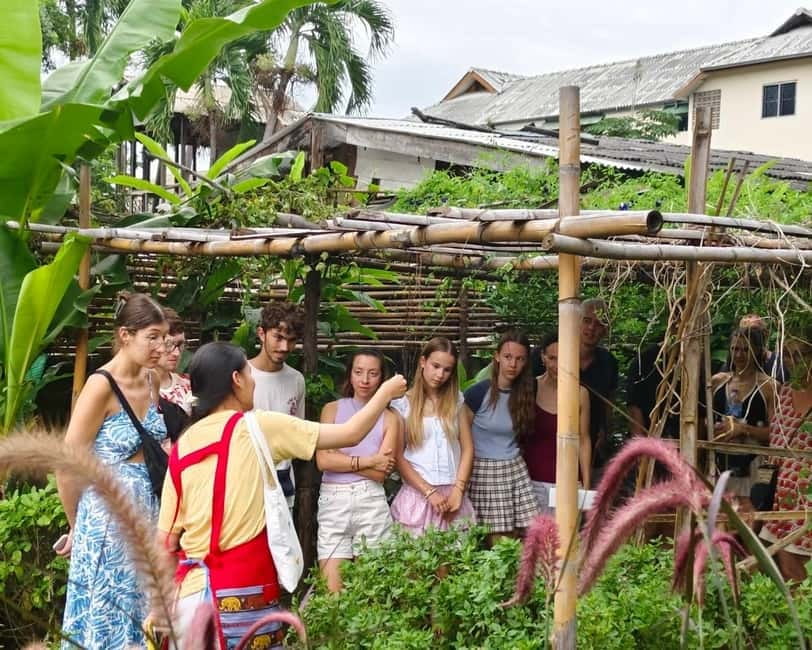
- Local market + Thai herbs garden: you learn ingredients before you cook them
- Mortar-and-pestle curry paste: choose red, green, Phanaeng, Massaman, or Khao Soi paste
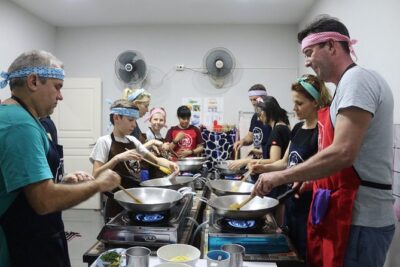
- Hands-on cooking, multiple dishes: you’ll cook and eat a real Thai meal, not samples
- Organic kitchen garden setting: dining happens outdoors in a working garden area
- English instruction with options: you can go spicy or non-spicy, plus dietary alternatives
Market-first starts: why this class begins with shopping
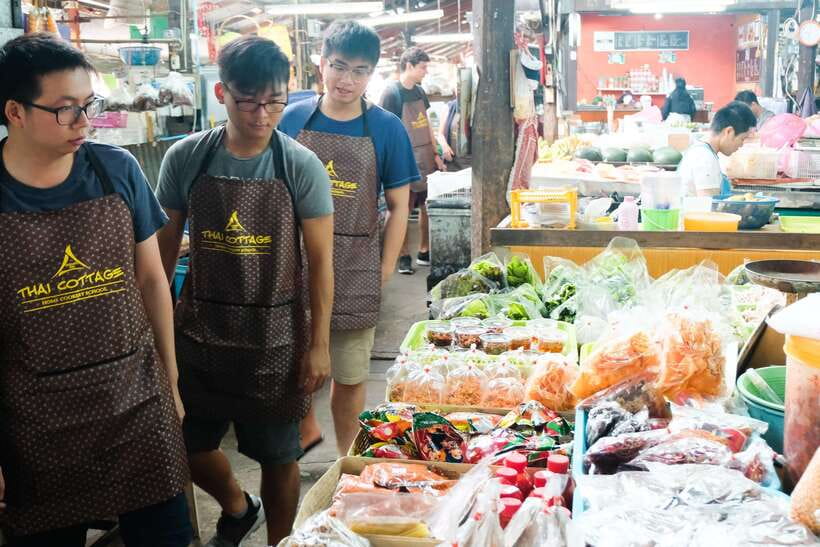
The first move matters. Before any stove heat or chopping, you leave with a better sense of what Thai cooks actually reach for day to day. Your morning (or late-morning) rhythm is: pickup, short transfer, then a walk through a local market with an English-speaking instructor guiding you.
In practical terms, the market stop helps you connect ingredients to flavor. You’ll see how Thai herbs, aromatics, and seasonings work as a system: sour comes from the right souring agent, heat comes from the right chili, and fragrance comes from herbs used at the right stage. Even if you only remember a handful of things, you’ll cook more confidently later.
One practical note: pickup is included within 3 km of Chiang Mai Old Town, and the organizer asks you to wait in your hotel lobby. They typically pick you up 15–30 minutes before the class starts, though traffic can shift that. I’d treat the pickup window as real time, not a guess, and aim to be ready when they arrive.
You can also read our reviews of more shopping tours in Chiang Mai
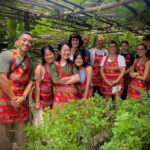

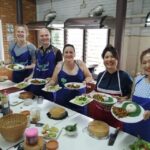
Thai Herb Garden: learning flavors you can actually identify
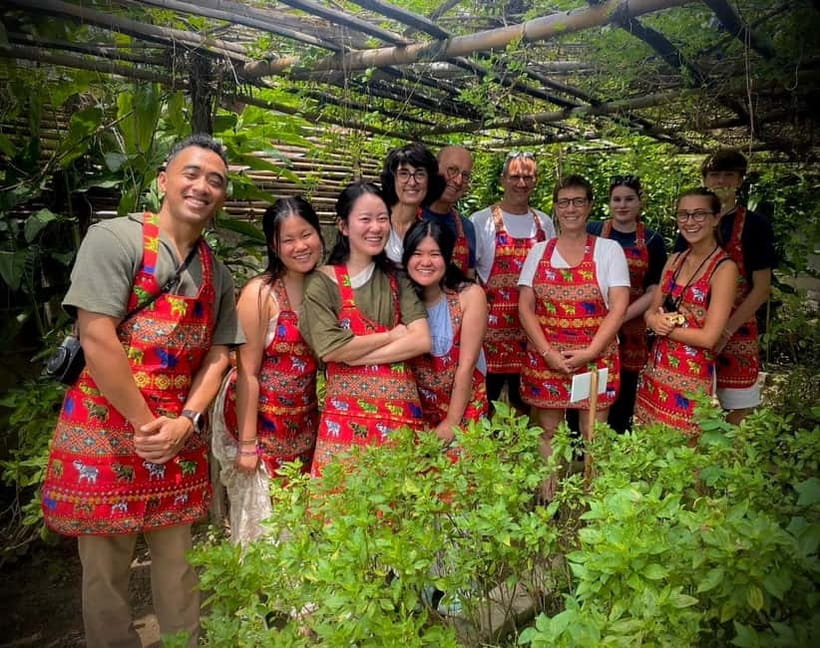
After the market, you head to the Thai Herb Garden area. This is where the class goes from shopping list to flavor map. You get a tour of Thai herbs and garden-grown ingredients, which helps explain why Thai food tastes the way it does.
This part is also useful if you want to cook at home. Many people try Thai cooking later but miss the herb character because they substitute blindly. A garden-oriented stop gives you a mental checklist for what to look for in a Thai grocery store or specialty markets later on.
Also, dining in the garden area is not just scenery. It gives the cooking a natural payoff: you cook what you learned about, then eat where the plants fit into the story.
Cooking in an organic kitchen garden: what the setting changes
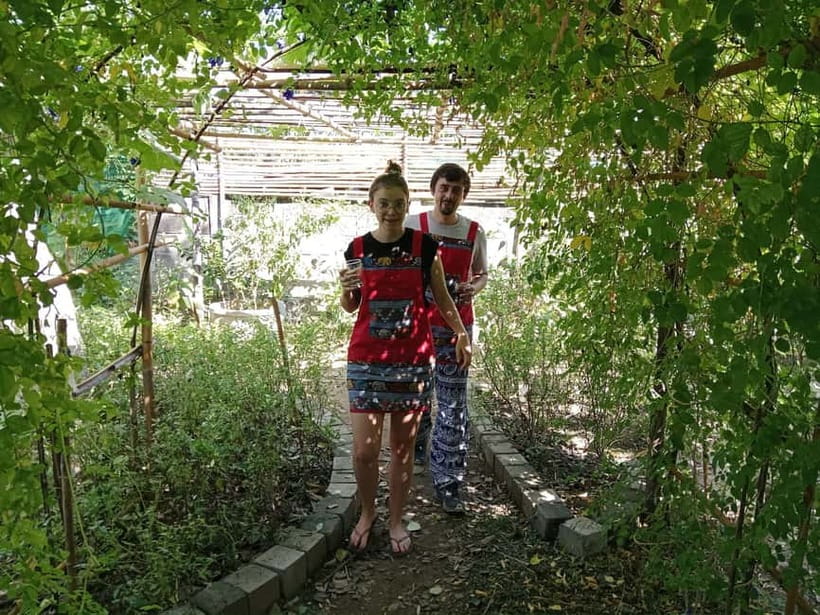
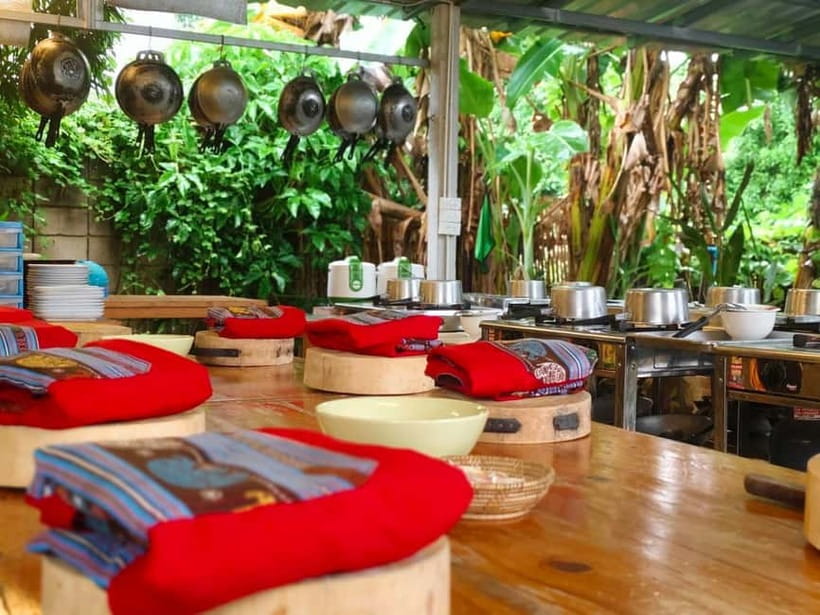
The meal happens in a true Thai tradition style, in an organic kitchen garden setting. That matters more than you might think. When the food prep is part of a working garden environment, you tend to pay attention to what’s fresh and what’s dry, what’s fragrant, and what needs more time.
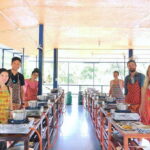
It also makes the class feel like a family workflow rather than a studio demo. You’re not stuck watching one person cook while others take notes. The format is hands-on, with all ingredients provided so you’re not chasing hard-to-find items.
Dress-wise, keep it simple: comfortable clothes. You might be moving between areas, standing to prep, and working at a cooking station. Wear something you can move in and that won’t mind a little kitchen mess.
Curry paste from scratch: the heart of Thai flavor control
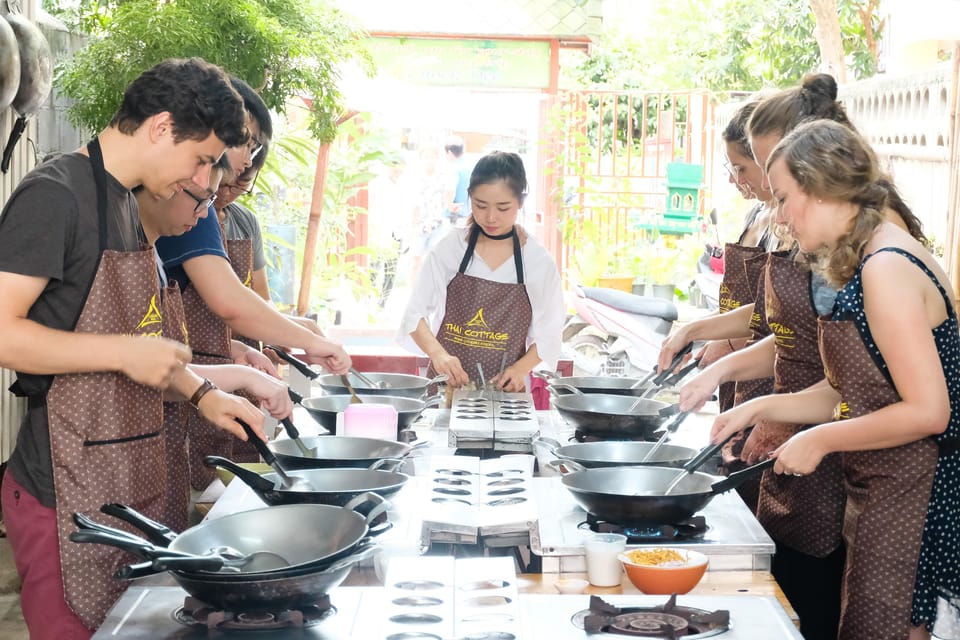
If you want the moment that turns this class from fun to truly useful, it’s the curry paste session. You use a mortar and pestle, which forces you to pay attention to texture and aroma. It’s not just grinding for show. That paste stage is where chili, garlic, shallots, and dried spices start turning into something fragrant and thick.
You can also choose from multiple curry paste styles, including red, green, Phanaeng, Massaman, or Khao Soi. That choice is important because each paste style points toward a different flavor direction: some lean sharper, some more mellow and nutty, some more complex and aromatic. You’ll be able to tailor what you make based on what you like, not just what the menu says.
Once the paste is ready, you use it to cook a chicken curry with coconut milk. Coconut milk helps round out heat and spice, giving the curry body and that classic Thai smoothness. The payoff is that you can taste the difference between a paste you made yourself and a paste jar you buy.
The full meal flow: starters, mains, and mango sticky rice
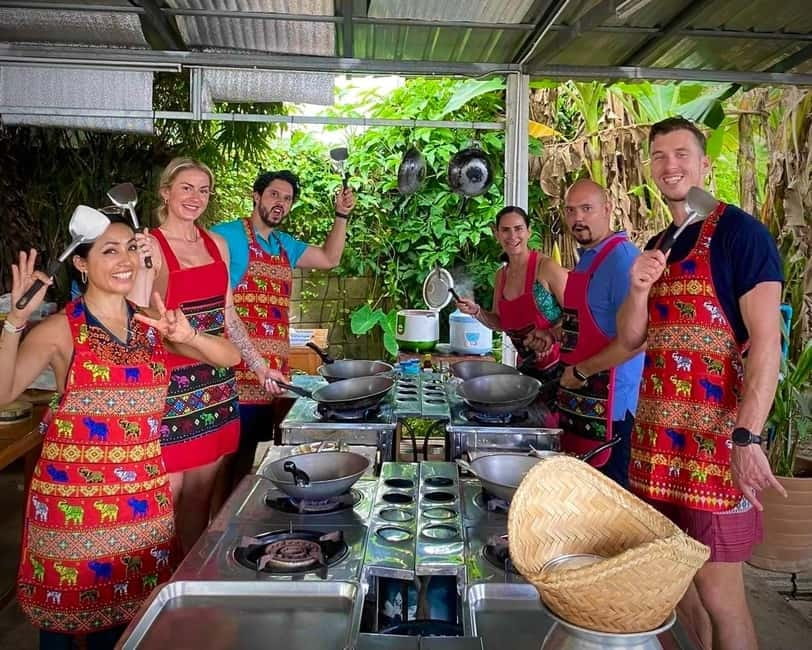
This class isn’t just one dish. You work through a full Thai meal rhythm with choices in each category. That makes it more valuable for learning, because it shows you how Thai flavors move from starter to main to dessert.
You can also read our reviews of more tours and experiences in Chiang Mai



Starters you can choose
You can pick from options such as:
- hot and sour prawn
- local chicken soup
- chicken in coconut milk
- turmeric chicken soup
Hot-and-sour style is a great starting point because it teaches you how Thai sourness and heat balance. Turmeric-forward soups also show how color and warmth carry flavor, not just appearance.
Main courses: from Pad Thai to curry-adjacent stir-fries
For mains, you can choose classics like:
- Pad Thai
- chicken fried rice
Or go for options such as:
- fried chicken with cashew nuts
- Pad Kra Pao
This range matters. Pad Thai and fried rice teach stir-fry timing and seasoning balance. Pad Kra Pao brings you into the chili-garlic-herb zone where fragrance hits early. You can end up with a meal that feels varied rather than repetitive.
Dessert: sticky rice with mango
Then comes sweet sticky rice with mango. It’s simple, but it teaches you how Thai desserts often rely on contrast: creamy, fragrant sweetness against a more structured base. It’s also a satisfying finish after the savory work.
Spice and ingredient swaps
You can make your food spicy or non-spicy. The school also states that vegan, vegetarian, gluten-free, halal, and allergy needs are welcome, with alternative ingredients available. This flexibility is a big deal for value. It means you’re not forced into a boring plain version of the meal.
What I’d call the real value: ingredients, structure, and a recipe book
At $31 per person for 210 minutes, the price is low compared to the time and the experience you get. You’re not paying for a meal alone. You’re paying for:
- hotel pickup and drop-off
- market + Thai herb garden visit
- hands-on cooking guidance
- all ingredients
- an English-speaking instructor
- a digital recipe book (PDF)
The recipe book is the quiet hero here. You get a PDF version of the recipes online, so you can recreate your dishes later with less guesswork. For me, that makes the class feel like a skill investment rather than a one-day event.
One more value point: the menu choices in multiple categories mean you can steer the class toward what you actually want to eat. Instead of doing a fixed set of dishes, you’re building a meal that matches your tastes.
Group energy and instruction style: what names you might hear
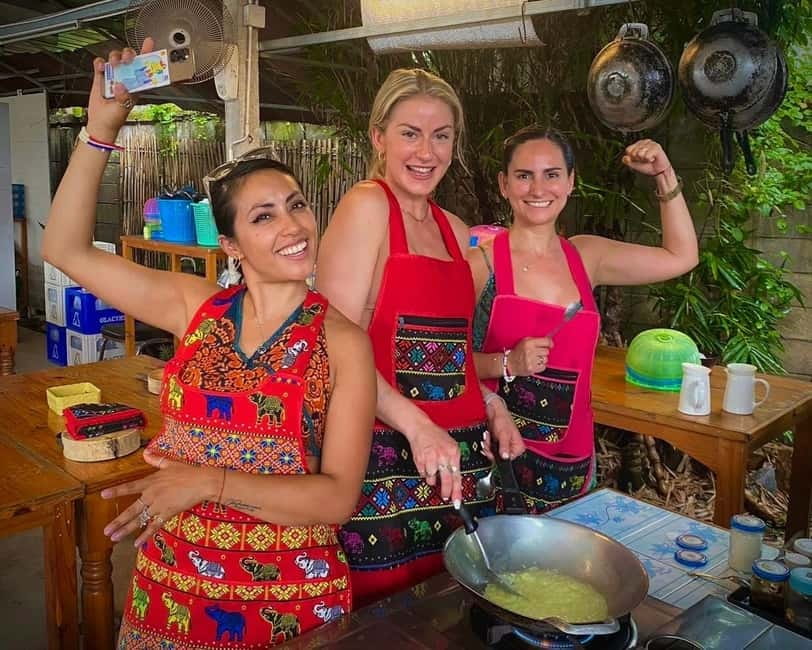
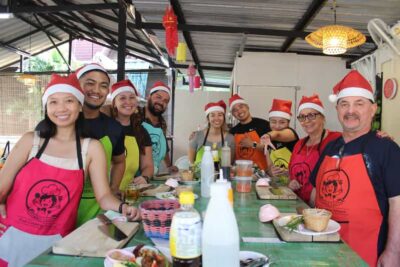
The format often runs as a group class, which is part of the fun. You get to share space, learn from other cooks’ questions, and keep the day lively.
The most praised hosts mentioned in the course materials include English-speaking names such as Wave and Tu. Other highly rated instructors you may encounter include Flook, Balloon, Kat, and Toey. Across those names, the consistent theme is clear, friendly teaching paired with a relaxed vibe.
If you’re worried about English clarity or understanding steps, this is the kind of class where instructors are set up for explanation, pacing, and Q&A.
Who should book this, and who should skip it
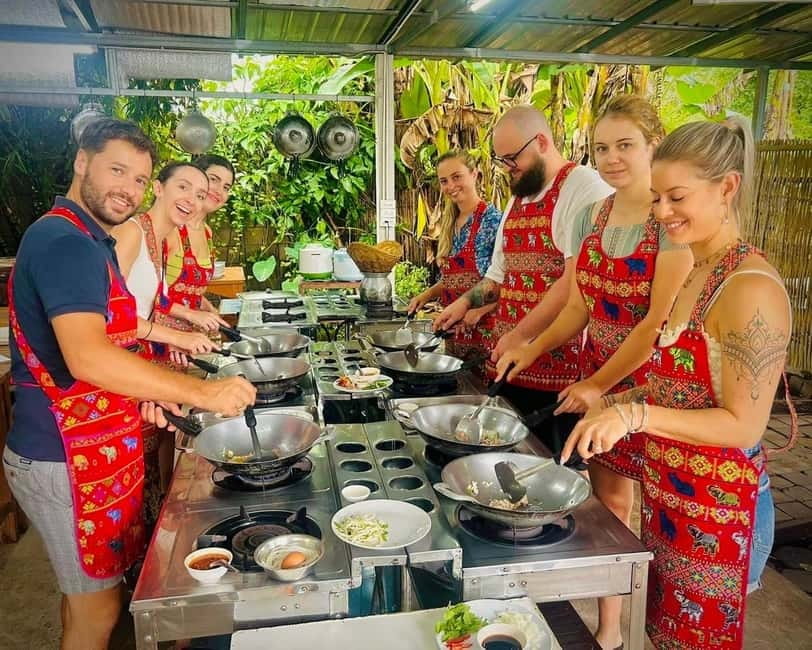
This cooking class is a strong fit if you:
- want a practical way to learn Thai flavors fast
- like structured lessons with real hands-on cooking
- enjoy market shopping and tasting ingredients in context
- want to cook again later using a PDF recipe book
It may not be the best fit if you:
- need a fully self-paced experience with zero group coordination
- travel with very young children, since it is not suitable for children under 5
- are very elderly, since people over 95 are not suitable
Price and logistics: making the $31 plan work for your schedule
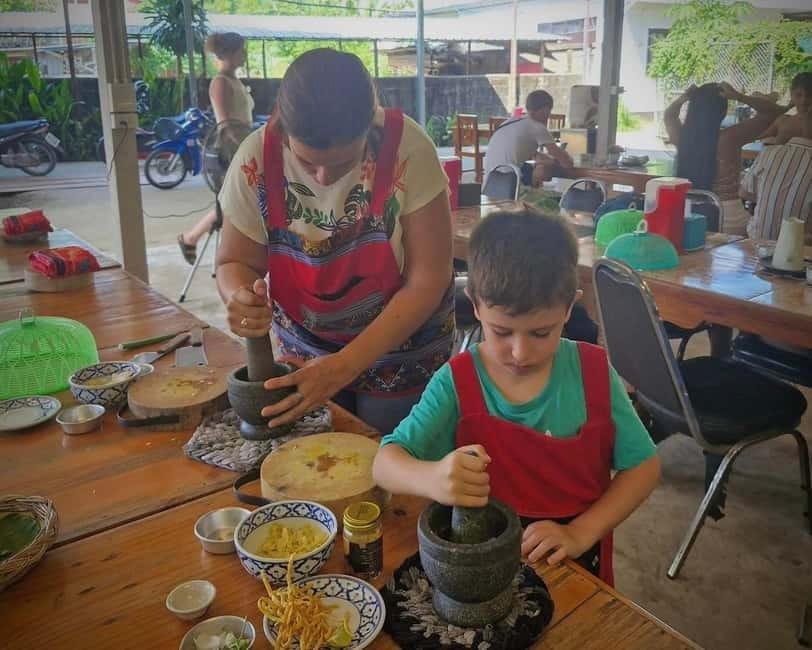
Let’s be straight about logistics. You’re paying for a package, not just a cooking station. Pickup and drop-off is included within 3 km of Chiang Mai Old Town, and the organizer asks you to wait in your hotel lobby when they come. They typically arrive 15–30 minutes before the class begins, though traffic can delay things.
If you’re staying farther away, you may need to meet at the meeting point. That’s a normal tradeoff for keeping a group tour from falling behind.
Alcohol isn’t included, but it is available for purchase. Food and ingredient work are included, and the school provides what you need to cook.
For timing, the class lasts 210 minutes. That’s about 3.5 hours. Plan this as a real half-day anchor, then schedule lighter activities around it.
Should you book this Chiang Mai cooking class?
Yes, I think you should book it if you want a Thai cooking lesson that actually teaches you flavor building, not just how to assemble a plate. The curry paste-from-scratch part is the standout for anyone who’s ever tried Thai food at home and wondered why their curry tastes flat. Add in the market and the herb garden, and you get a full arc from ingredient to dish.
Skip it only if your day can’t handle a 3.5-hour block or you need totally private instruction. Otherwise, for the money, it’s one of the most “learn what matters” options in Chiang Mai.
FAQ
How long is the cooking class?
The duration is 210 minutes.
Does the price include hotel pickup and drop-off?
Yes. Pickup and drop-off are included, with free transfer offered within 3 km of Chiang Mai Old Town.
What language is the instructor?
The instructor speaks English.
Do you choose what dishes to cook?
Yes. You can choose dishes from starter, main, curry paste style, and dessert options.
Can I request less spicy or non-spicy food?
Yes. You can make your food spicy or non-spicy to suit your preference.
Are dietary restrictions accommodated?
Yes. Vegan, vegetarian, gluten-free, halal, and allergies are welcome, with alternative ingredients available.
Is alcohol included?
No. Alcoholic beverages are not included, but they are available for purchase.
What should I bring?
Wear comfortable clothes.
Is the class suitable for children?
It is not suitable for children under 5 years old. People over 95 years old are also not suitable.