REVIEW · CHIANG MAI
Chiang Mai: Elephant Sanctuary & Waterfall Group Tour
Book on GetYourGuide →Operated by PON ELEPHANT (THAILAND) CO., LTD. · Bookable on GetYourGuide
Rescued elephants plus a jungle waterfall day. This Chiang Mai outing pairs hands-on (and ethical) elephant time with a real hike deep into the green, then tops it off with Thai food and a cool river-and-waterfall break.
I especially love how the day is built around no riding, no forcing—the staff let the elephants lead, so you’re observing and interacting on their terms. I also like the mix of activities: feeding and river bathing at Pon Elephant Thailand, followed by a Mae Wang waterfall visit with an actual jungle trek. Guides can be great here, and names like Beer, Yaya, Nop, and Aamm come up often in people’s experiences, usually with clear explanations and lots of care.
One consideration: the day can get wet and muddy. A towel and a change of clothes aren’t included, so if you want to feel human afterward, pack for water and dirt from the start.
In This Review
- Key highlights worth planning for
- Chiang Mai to Mae Wang: a clear 7-hour rhythm
- Pon Elephant Thailand: briefing, learning, and first contact
- Feeding and walking: where the real connection happens
- River bathing: the coolest moment on a hot day
- Lunch after elephant time: Thai comfort food breaks up the day
- Mae Wang Waterfall: jungle hike and safety-first water time
- What to pack for a wet jungle day (seriously)
- Price and value: how $50 can work
- Group vibe and guide quality: what varies and what doesn’t
- Who this tour is best for (and who should skip)
- Should you book this Chiang Mai elephant sanctuary and Mae Wang waterfall tour?
- FAQ
- How long is the Chiang Mai Elephant Sanctuary & Waterfall group tour?
- Where do I get picked up?
- Is elephant riding included?
- What elephant activities are included?
- What should I bring for the waterfall and river bathing?
- Can I swim at Mae Wang Waterfall?
Key highlights worth planning for
- Ethical elephant care with elephant-led behavior and riding prohibited
- Hands-on but regulated interaction: feeding, touching, and guided learning
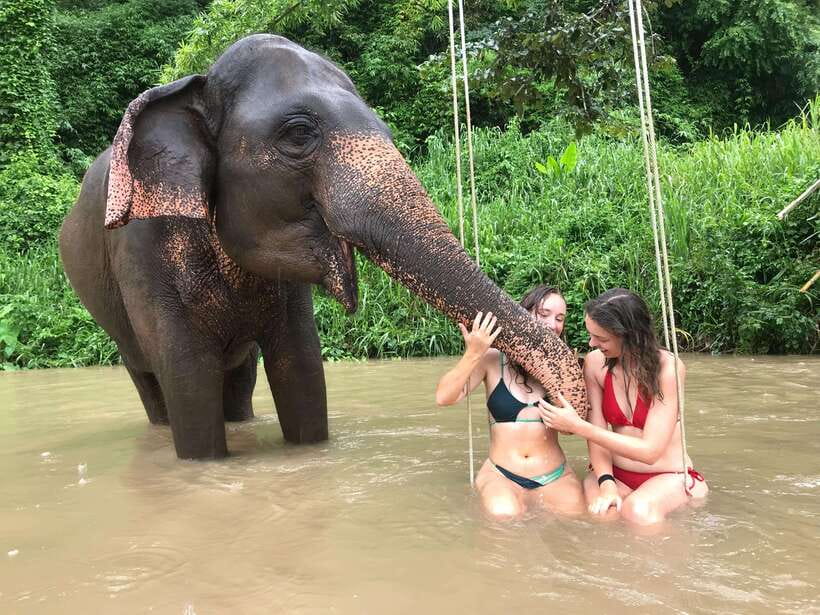
- River bathing to help the elephants cool off on a hot day
- Mae Wang Waterfall hike with a safety-first approach to swimming
- Thai lunch included, plus seasonal fruits and Thai desserts
- Comfortable van transfers from Chiang Mai city (city-center pickups)
Chiang Mai to Mae Wang: a clear 7-hour rhythm
This tour is designed like a smooth day trip, not a rushed checklist. You’ll start with hotel pickup (only from Chiang Mai city center) or you can meet at Pon Elephant Thailand’s office in town. Then you travel southwest for about 80 minutes—long enough to settle in, but short enough to still feel like you have daylight left when the fun starts.
Once you arrive, the schedule keeps moving: a few hours with the rescued elephants, then a waterfall break. The total time is listed as 7 hours, and the flow matters because elephant interaction isn’t meant to feel like a conveyor belt. You get time to see the animals forage and move, not just pose with them.
The transport setup gets strong marks too, with 91% of people scoring it perfect. In practice, that usually means you can focus on the day instead of worrying about the ride.
You can also read our reviews of more tours and experiences in Chiang Mai.



Pon Elephant Thailand: briefing, learning, and first contact
Pon Elephant Thailand is in the Maewang district area, and your day starts with a warm welcome followed by a briefing. You’ll hear comparisons about Asian and African elephants, plus the sanctuary’s purpose and elephant welfare approach. That context helps you understand why certain activities are available (feeding, walking, bathing) and why others are not (like riding).
You also get a quick lesson before you interact. Part of the experience includes learning how to make healthy snacks for the elephants—so your “feed time” feels more thoughtful than just handing over food. And yes, there’s a clear theme used by the sanctuary staff: no food, no friend. The idea is simple. Elephants aren’t something you control; trust is built through calm behavior and appropriate interaction.
Elephants are rescued and cared for here, and the guides explain their histories and personalities. In the reviews, guides like Sunny, Mimi, and Lek are repeatedly praised for being friendly while also respectful about space—important, because ethical animal care still means boundaries.
Feeding and walking: where the real connection happens
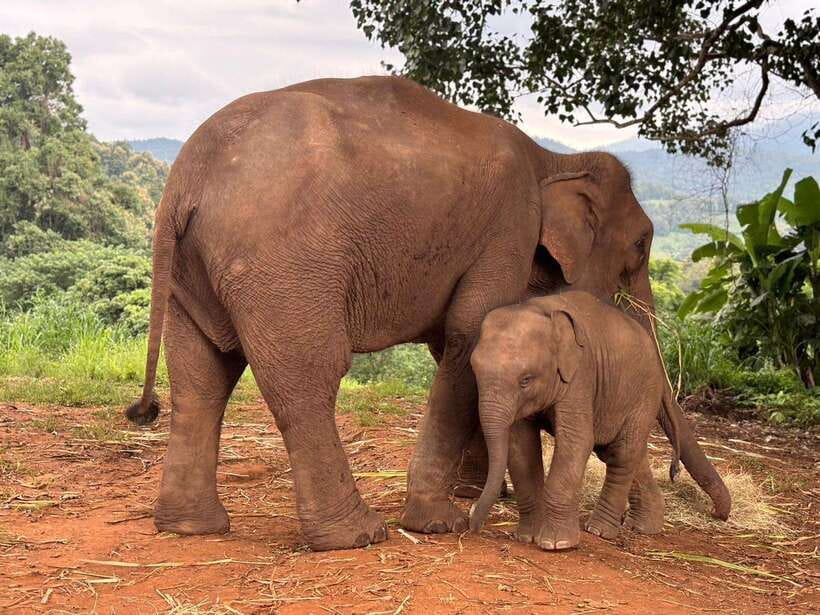
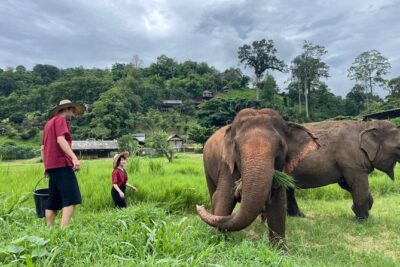
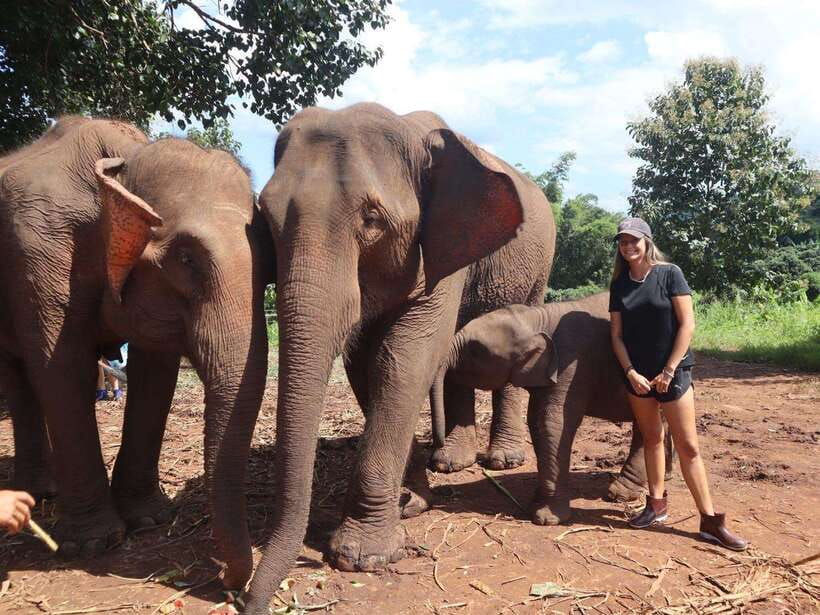
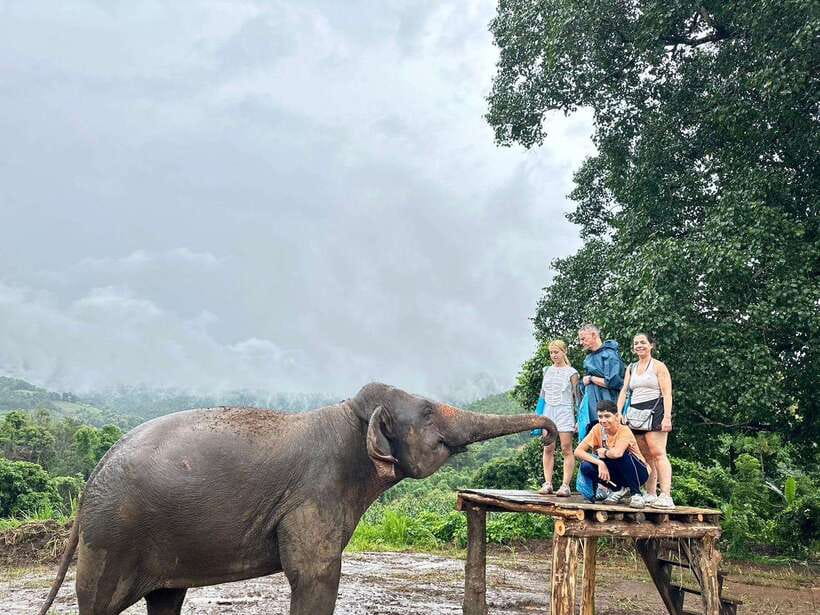
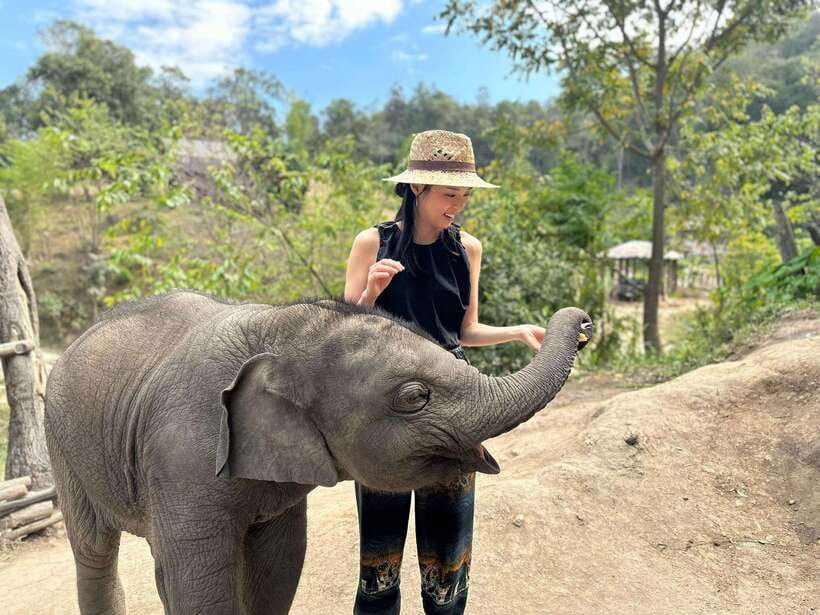
At the main elephant area, you’ll meet the rescued herd and spend a solid window learning how to be around them safely and respectfully. The tour includes guidance on how to feed, how to touch appropriately, and how to listen and watch. You’re not just “doing activities.” You’re learning elephant behavior—how they forage, how family groups interact, and how they communicate.
A lot of people love this part because you can see how calm the elephants are when the staff let them stay in charge of what happens next. One reason the tour works well is that it’s not framed as performance. The elephant handling is described as non-forced, and elephant riding is explicitly prohibited.
You’ll also notice the walking portion has a purpose. You’re moving through the sanctuary environment while the elephants forage. That makes the experience feel more natural than a staged photo spot.
If you care about animal welfare details, this is a good match for you. The day is built to support enhanced elephant welfare, and the staff emphasize care and medicine, not tricks.
River bathing: the coolest moment on a hot day
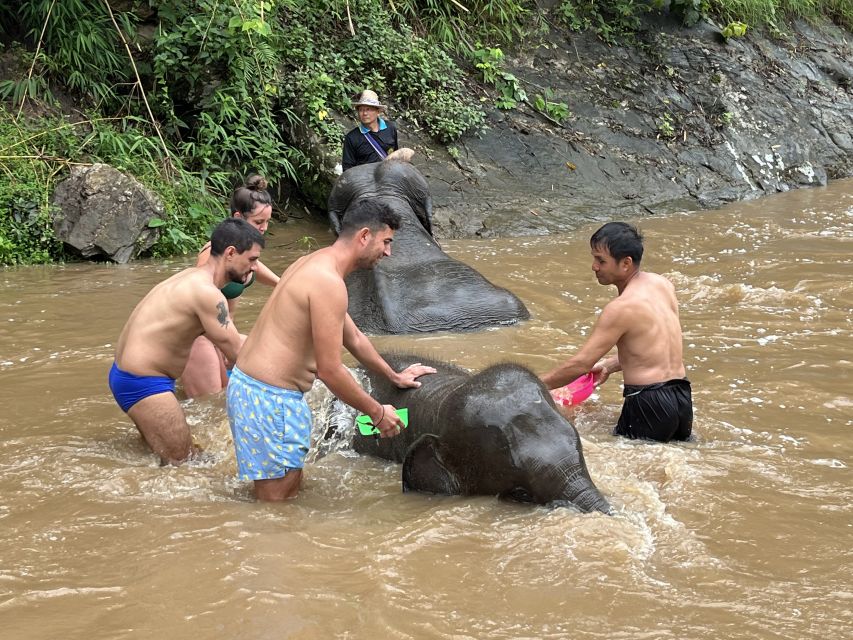
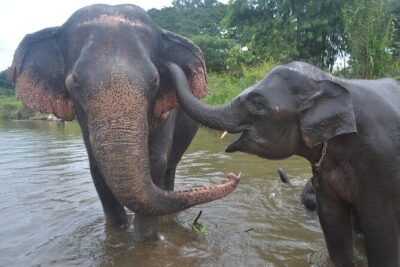
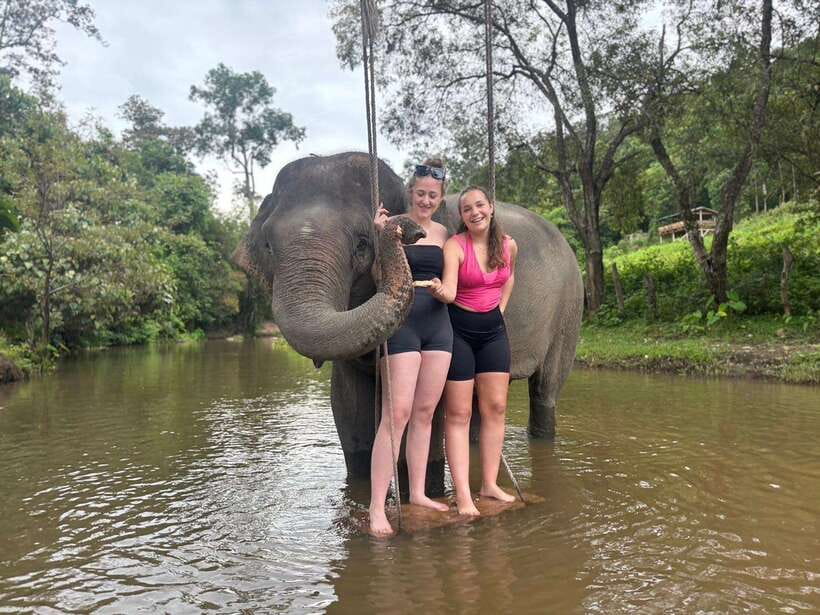
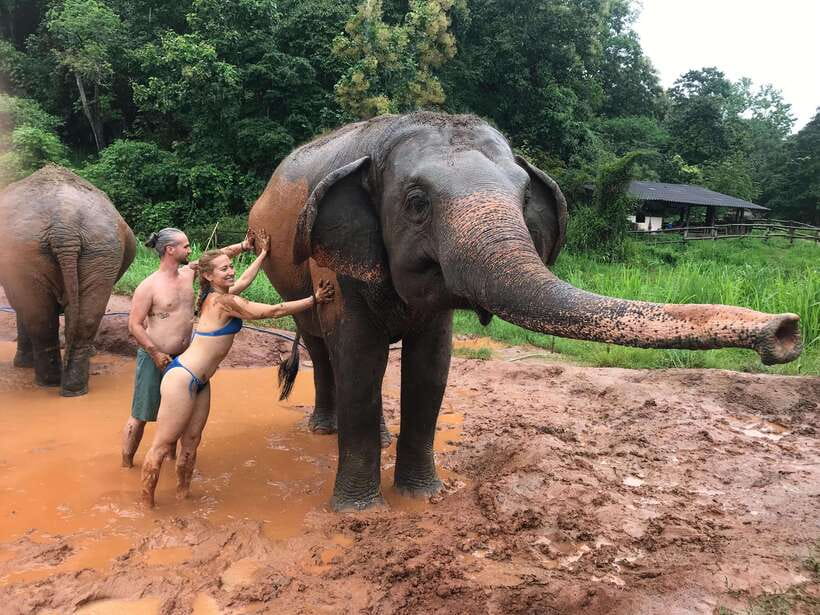
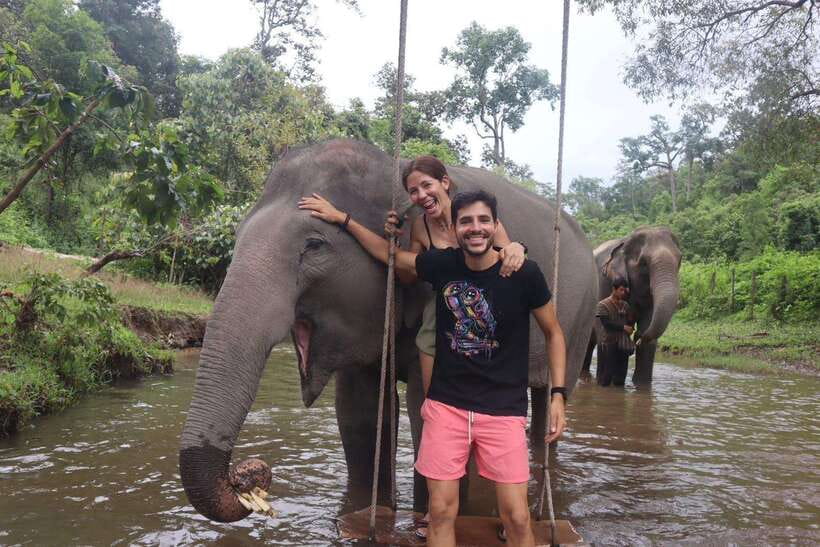
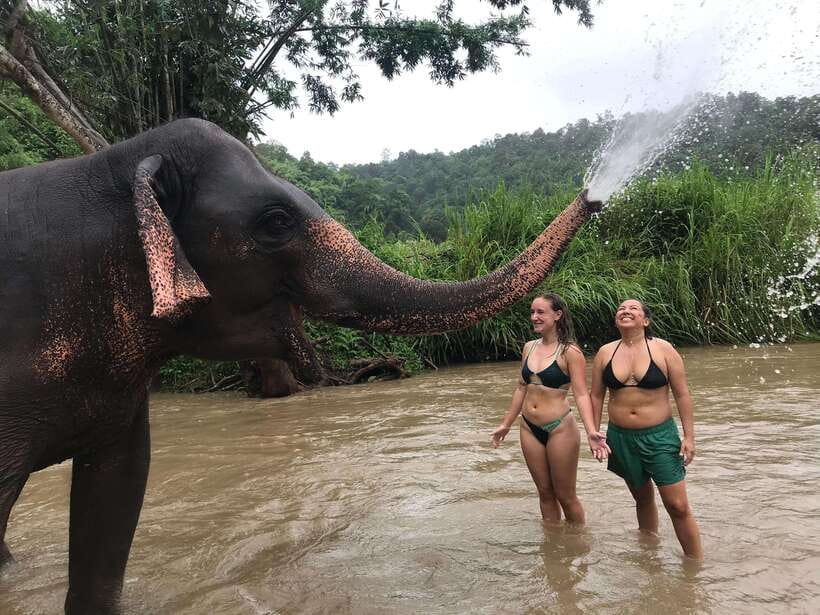
One of the most memorable parts is the river bathing. This isn’t marketed as a party splash for humans. It’s described as a favorite activity for the elephants, to cool them down during hot weather. You’ll join in the bathing experience under staff guidance, then you’ll move with the elephants from the cool river area and return for another round of feeding before a final goodbye.
Expect this segment to shape the whole day. People often talk about it as the highlight because you’re right there in the moment—watching how the elephants respond to the water and how the handlers keep everything calm.
Just be practical: the tour info is very clear that you should bring swimwear and a change of clothes, plus a towel (not provided). Even if you’re confident in the water, plan for getting dirty. From a comfort standpoint, that’s the difference between having a great story and spending the rest of the afternoon feeling sticky and cold.
Lunch after elephant time: Thai comfort food breaks up the day
After the elephant interaction and bathing, you get a traditional Thai lunch with seasonal fruits and Thai desserts. People mention the lunch as genuinely good, not just a filler meal, and at least one person specifically noted hot lunch served in tiffin tins—a very Thai-style practical touch.
This is also a smart break in the schedule. You’ve been in the sun, walking, and handling a wet environment. Lunch gives you a reset before the next outdoor portion: the waterfall hike.
If you’re sensitive to food changes, you might want to eat slowly and see how your stomach handles Thai flavors and fruit. But the tour’s food description is standard: seasonal fruit, Thai dessert options, and a traditional lunch.



Mae Wang Waterfall: jungle hike and safety-first water time
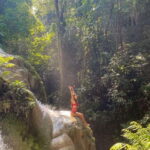
The waterfall part of the day is called out as a hike and nature exploration. You’ll travel from Pon Elephant Thailand to Mae Wang Waterfall and then have about 1 hour at the site, including hiking through a nature forest area.
Mae Wang Waterfall is described as coming from Doi Inthanon Mountain. That matters because it helps explain why water conditions can change quickly. The tour info also warns that sometimes, especially when it’s heavy rain, you may not be able to swim—safety comes first.
So here’s how to think about this segment: it’s not guaranteed to be a dramatic swim fest every day. Some days you’ll be able to cool off in the water more easily; other days you’ll still enjoy the hike, the scenery, and the refreshing feel, but follow the guidance of the staff about what’s safe.
You’ll want to wear shoes that can handle uneven ground. Reviews repeatedly encourage trainers, and it’s also smart to bring flip-flops or sandals for the watery areas if you like having options.
What to pack for a wet jungle day (seriously)
This tour is simple, but the packing list is not optional. Here’s the equipment that keeps you comfortable and safe:
- Swimwear (for the river bathing)
- Change of clothes + towel (not included, but strongly needed)
- Sandals and sports shoes (you’ll do both walking and water handling)
- Sunscreen + insect repellent (sun and bugs are part of the deal)
- Insect repellent + hiking pants (especially for jungle sections)
- Cash (you’re told to bring it)
- Medicine if you need it
- Camera (this is a visual day, and some guides even help with photos)
One practical trick from experience: people recommend having sturdy shoes ready, because you can switch quickly once you hit water zones. That’s easier than trying to make one footwear choice work for every moment.
Price and value: how $50 can work
At $50 per person for about 7 hours, this is positioned as a value day out in Chiang Mai. What you’re getting matters:
Included:
- Hotel transfers to and from Chiang Mai city center only
- English guide
- Drinking water and lunch
- Food for feeding elephants
Not included:
- Towel and a change of clothes
So the real “cost” isn’t just the price. It’s the gear you choose to bring so you don’t end the day miserable. If you pack the basics, the value is strong because you’re getting transport, a guided elephant day, and a waterfall hike with lunch and fruit.
If you’re on a tighter budget, this kind of package is often the sweet spot: you pay once and you’re covered for the biggest time blocks. If you’re comparing to other elephant experiences, look closely at whether riding or forced behavior is involved. This one explicitly bans riding and keeps interaction elephant-led.
Group vibe and guide quality: what varies and what doesn’t
This is a group tour. That can be a plus or a minus depending on your style. The upside is energy: you’re learning and walking together, and the guides can keep the group moving in a friendly way.
Guide quality looks consistently high in the feedback, with names like Beer, Yaya, Nop, Ronnie, Mimi, Sunny, and Amy showing up in praise for being attentive, fun, and organized. There are also notes that communication can be a bit imperfect on occasion—one person found English slightly difficult—so I’d treat the English guide as helpful, but not perfect like a textbook.
What doesn’t change, based on the structure:
- elephant interaction follows a guided welfare approach
- no riding
- waterfall safety comes first
- lunch and water are included
Who this tour is best for (and who should skip)
This experience isn’t for everyone, and the “not suitable” list is long. It includes children under 2, pregnant women, people with back problems, mobility impairments, heart problems, wheelchair users, vertigo, respiratory issues, epilepsy, animal allergies, visually impaired people, high blood pressure, recent surgeries, low fitness, motion sickness, people over 70, hearing-impaired people, and those with insect allergies.
If any of those apply, you should take the list seriously. There’s hiking, time outdoors, and a wet river component. Also, the tour is active even if the elephants are calm. Your body still has to do the walking.
Who it suits best:
- You want an ethical elephant experience (with no riding and non-forced interaction)
- You like nature travel that includes a short hike, not just sitting
- You’re comfortable with getting wet and changing clothes afterward
- You want a guided day with lunch and transport included
Should you book this Chiang Mai elephant sanctuary and Mae Wang waterfall tour?
I’d book it if you want a single-day plan that checks three boxes: meaningful elephant time, a real jungle waterfall hike, and Thai lunch included. The ethical positioning is a big part of the appeal—plus the elephant-led interactions and the river bathing make this feel more than a quick stop.
I would hesitate if you hate wet days, can’t do uneven ground, or you fall into any of the listed health or mobility categories. Also be honest about one thing: even a calm day with elephants includes physical activity and outdoor conditions.
If you go prepared—with swimwear, shoes you can walk in, repellent, sunscreen, and a towel plus change of clothes—you’re set up for a day that feels both gentle and exciting.
FAQ
How long is the Chiang Mai Elephant Sanctuary & Waterfall group tour?
It runs for about 7 hours total, including transfers and time with the elephants and at Mae Wang Waterfall.
Where do I get picked up?
Pick up is offered from Chiang Mai city center hotels. You can also meet your guide at Pon Elephant Thailand (office in town).
Is elephant riding included?
No. Elephant riding is prohibited, and the tour focuses on observing and interacting in an ethical, non-forced way.
What elephant activities are included?
The tour includes learning and interaction such as feeding the rescued elephants, walking with them, touching (as instructed), and bathing them in the river.
What should I bring for the waterfall and river bathing?
Bring swimwear, a towel, and a change of clothes (towel and change are not included). Also pack sandals or water-friendly footwear, sports shoes, sunscreen, insect repellent, hiking pants, and personal medicine.
Can I swim at Mae Wang Waterfall?
Sometimes conditions may not allow swimming, especially when there is heavy rain. The tour emphasizes safety first, so follow the staff’s instructions on-site.