REVIEW · CHIANG MAI
Chiang Rai White Temple Blue Temple and Hill Tribe Village Tour
Book on Viator →Operated by WanderSiam · Bookable on Viator
Three temples, one long day, zero guesswork. This Chiang Rai tour mixes big-name landmarks with a more local hill-tribe stop, and it’s built around a practical rhythm: ride out from Chiang Mai, soak and snack, then switch from temple art to village life. Two spots that really pull you in are Mae Khachan Hot Spring (yes, you can soak your feet and use the same heat to boil eggs) and the contrast between Wat Rong Khun and Wat Rong Suea Ten, both packed with strong visual design.
I also like the way the day is structured for minimal friction. You get hotel pickup (limited to the Chiang Mai old town area or just outside it), a/c transport, an English-speaking guide, and bottled water—so you spend your energy on photos and walking, not figuring out how to get between sites.
One thing to keep in mind: the day is long, about 11 hours, and Wat Rong Khun’s entrance fee (50 THB) is not included—plus you’ll want shoulders and knees covered for temple visits.
In This Review
- Key highlights worth planning for
- A full day from Chiang Mai to Chiang Rai (and why it’s worth it)
- Mae Khachan Hot Spring: breakfast with real heat
- Wat Rong Khun (White Temple): glasswork, bright angles, and crowds
- Wat Rong Suea Ten (Blue Temple): a non-active temple with modern flair
- Wiang Pa Pao and the Lahu hill-tribe village: walking beyond the postcard
- What’s included (and how that changes the value)
- Getting picked up: where you’ll meet and how to avoid headaches
- Temple dress code: the rule that can ruin your day if ignored
- My honest take on the long-day timing and comfort
- A quick reality check before booking
- Who this tour is best for
- Should you book this Chiang Rai White and Blue Temple day trip?
- FAQ
- What’s included in the Chiang Rai White Temple Blue Temple and Hill Tribe Village Tour?
- What entrance fees do I need to pay during the tour?
- Do I need cash for the day trip?
- What time does the tour start, and how long will I be out?
- Where do I meet the tour if my hotel is outside the pickup area?
- Is hotel pickup offered, or do I need to go to the meeting point?
- What should I wear for the temples?
- If I need to cancel, can I get a refund?
Key highlights worth planning for
- Mae Khachan Hot Spring foot soak + boiled eggs using natural heat from the site
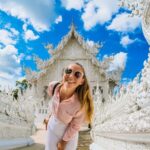
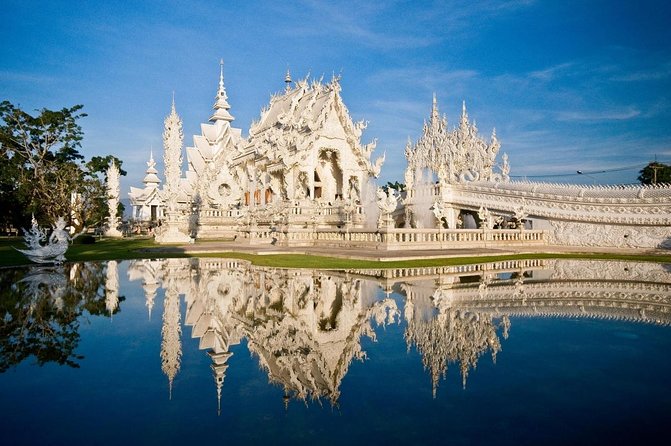
- Wat Rong Khun’s white facade and glass-in-plaster sparkle in the sun
- Wat Rong Suea Ten’s Blue Temple with a White Buddha statue and modern-style Buddhist art
- A Lahu hill-tribe village walk/trek plus dessert at the end of the visit
- Hotel pickup is convenient but limited to the old city area; otherwise you meet at Thapae Gate
- Wat Rong Khun fee is cash on arrival (50 THB), so bring a few bills
A full day from Chiang Mai to Chiang Rai (and why it’s worth it)
If you’re staying in Chiang Mai and you want Chiang Rai highlights without hiring separate drivers or stitching together multiple tickets, this tour is made for you. The big payoff is timing: the itinerary includes travel time in both directions, so you’re not constantly asking when the next transfer is or where the group is meeting.
The schedule starts at 7:30am and runs about 11 hours. That’s a long stretch, but it’s the kind of long that makes sense: you’re crossing from Chiang Mai into Chiang Rai early enough to enjoy each stop while you still have daylight and energy. The tour uses an air-conditioned vehicle, which matters in Thailand when the morning turns hot fast.
Group size is described as small-group friendly, with a maximum of up to 100 travelers. Translation: you’re likely to feel guided and organized, but you should still assume you’ll be sharing space with other visitors at the most famous temple sites.
You can also read our reviews of more tours and experiences in Chiang Mai.


Mae Khachan Hot Spring: breakfast with real heat
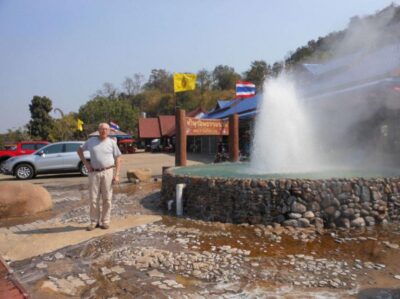
The day’s easiest win is Mae Khachan Hot Spring, the stop designed to knock out two needs at once: a break in the travel and a quick breakfast.
You can do a foot soak in mineral water, which is exactly the kind of reset your body appreciates after hotel pickup and time on the road. The natural hot spring water is about 90°C, hot enough to boil eggs right there. The tour includes boiled eggs at the hot spring, described as creamy and served with sauce for dipping.
The practical value here is that the breakfast isn’t just a snack you eat while standing around. It’s tied to the site. You get the warm soak, then you get the meal made from the same heat source. It’s also a good mood-setter before you head to the formal temple stops, where you’ll want your pace to feel calmer.
A minor consideration: hot water is hot. If you’re sensitive or you want to avoid discomfort, take it slow when you put your feet in.
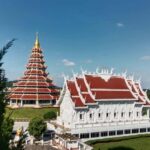
Wat Rong Khun (White Temple): glasswork, bright angles, and crowds
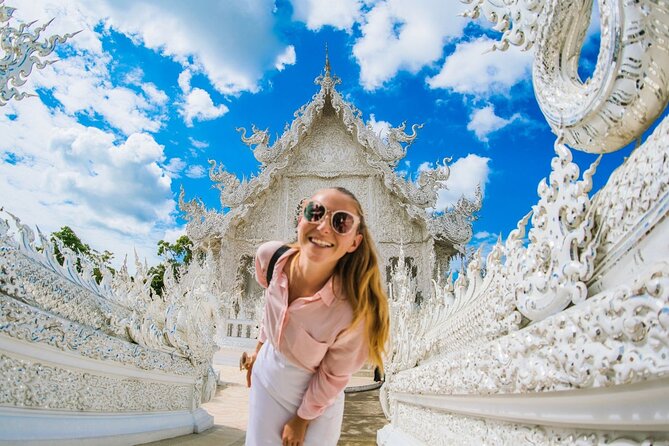
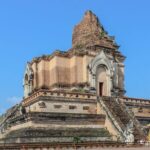
Next comes Wat Rong Khun, Chiang Rai’s famous White Temple. It’s outside town, and it draws a lot of visitors—Thai and foreign—so expect a busy, photo-focused atmosphere.
What makes this place memorable isn’t only the color. The temple’s surface uses pieces of glass embedded in the plaster. When the light hits, those bits can look like they’re sparkling and shifting as you move. For photos, that means your best shots often come from walking a bit, changing your angle, and letting the sun do the work rather than trying to force one perfect frame from a single spot.
Time-wise, you’ll have about 2 hours here. That’s enough to see the main layout, wander at an easy pace, and take breaks when the crowd thickens.
Two practical notes:
- Entrance fee is not included: you’ll need to pay 50 THB per person in cash at the attraction.
- Dress code matters: shoulders and knees need coverage at sacred places, so bring something that makes that easy.
If you’re the type who likes iconic art with clear design rules—white, sharp forms, reflective materials—this stop will feel like a strong start to Chiang Rai’s “wow” factor.
Wat Rong Suea Ten (Blue Temple): a non-active temple with modern flair
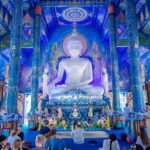
After the white-and-glass drama of Rong Khun, Wat Rong Suea Ten is a tonal shift. It’s called the Blue Temple and is known for its sapphire blue coloring, layered with gold embellishments.
One key detail: this is not an active temple. No monks live here. That can actually make the visit feel different—instead of a working religious space, you’re touring a carefully designed Buddhist artwork environment.
Inside the great hall, the centerpiece is a large White Buddha statue in a sitting position. Around it is contemporary Buddhist art in a modern style. In practice, that means you’re not just looking at classic temple figures; you’re seeing a mix of old symbolism and newer visual language.
You’ll have about 1 hour here. That’s enough time to follow the main interior and exterior design elements without feeling rushed, especially after a longer first temple stop.
The only drawback I’d flag: because it isn’t active in the way some temples are, the atmosphere may feel more like a designed attraction than a living sanctuary. If you’re hoping for monk-led rituals, this may not be the place for that—but if you want design and symbolism, it works well.
Wiang Pa Pao and the Lahu hill-tribe village: walking beyond the postcard
The last major content-rich stop is Wiang Pa Pao, focused on Lahu hill tribe community life. This is where the day stops being only temple sightseeing and starts feeling more like you’re learning how people live in the hills.
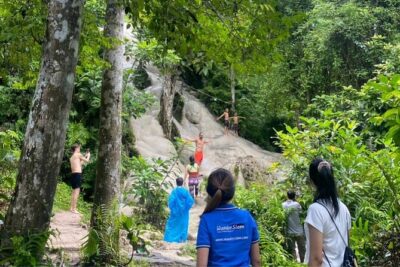
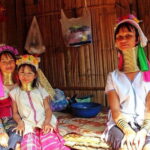
You’ll have time to walk and trek around the mountainous area and see small settlements. The tour description emphasizes that these settlements are often remote because of strong commitment to maintaining Lahu way of life—so you get the sense that the village isn’t just a stage for visitors. It’s a place shaped by geography and by choice.
The cultural context provided is that the Lahu originally lived on the Tibetan plateau, then migrated gradually to Yunnan, and likely moved into north Thailand in the late 1800s. That background matters because it explains why the settlements remain away from roads and towns.
You’ll also get dessert at the hill tribe village. It’s a small included detail, but it helps keep the visit from feeling like a quick “look and leave.” Instead, you get a pause that makes the stop feel more human-scale.
A practical consideration: the village area is mountainous, and the tour includes walking/trekking. Wear shoes that can handle uneven ground and bring a bit of patience for slower going.

What’s included (and how that changes the value)
This tour lists the core comforts clearly, and that’s part of why it’s priced the way it is.
Included:
- Licensed English speaking tour guide
- Hotel pickup and drop-off from the Chiang Mai old town area
- Air-conditioned vehicle
- Boiled eggs at the hot spring
- Dessert at the hill tribe village
- Bottled water
Not included:
- Wat Rong Khun entrance fee: 50 THB per person
- Personal expenses
Now the value math. At $56.93 per person, you’re paying for a full logistics day: round-trip transport between Chiang Mai and Chiang Rai, guide service, and timed admissions for two temple stops (one included as free, one fee-based). On paper, 50 THB doesn’t sound like much, but the real value is that the tour handles the timing and transfers so you don’t have to price out multiple private rides and entrance tickets separately.
Also, the inclusion of hot-spring eggs and dessert helps you avoid the classic Thailand day-trip problem: spending extra money at every stop because your schedule doesn’t cover food. Here, breakfast and a sweet finish are already built in.
Getting picked up: where you’ll meet and how to avoid headaches
If you’re in the Chiang Mai old town area (or just outside the city center), pickup is available. If your hotel is outside the pickup zone, you’ll meet at Burger King in front of Thapae Gate.
The starting location is Tha Phae Gate and the road address is given for the meeting point. The tour ends back at the meeting point, so you don’t have the stress of figuring out a different drop-off location.
This setup is simple, but here’s the practical tip: when you book, double-check which pickup option applies to your exact hotel. If you’re staying even slightly beyond the boundary, you might be routed to Thapae Gate instead.
Temple dress code: the rule that can ruin your day if ignored
The tour notes that temples are sacred places and require appropriate dress. In Thailand that usually means cover shoulders and knees.
Don’t wait until you arrive at Wat Rong Khun to solve this. Bring a light layer that you can wear under the heat. If you’re in shorts and a tank top, add something easy to pack—scarf, shawl, or lightweight cover-up. You’ll thank yourself at the entrance.
My honest take on the long-day timing and comfort
The most honest way to describe this tour is: it’s a “see the highlights” day with scheduled breaks. You’ll spend time in a vehicle, you’ll walk inside and around temples, and you’ll do walking/trekking in the hills.
So it’s not for people who want a relaxed, slow morning and a quick afternoon. It’s for people who want a packed Chiang Rai overview and don’t want to do the planning.
Comfort-wise, bottled water and air-conditioning help. Still, bring your own basics too: a hat, sunscreen, and a small towel or tissue. Nothing fancy, just the stuff that makes long outdoor stops easier.
A quick reality check before booking
This tour is popular—one data point shows it’s often booked around 19 days in advance. That suggests it runs frequently and tends to be in demand.
Still, do consider the one risk that comes with any shared-day tour: things can change. In one unhappy case tied to the operation, a booking was canceled the previous night even after payment, leaving the traveler with a lost day (refund followed, but no extra compensation was mentioned). I can’t predict if that will happen to you, but it’s a good reminder: don’t book this as the only plan on a tight travel day.
If your Chiang Mai itinerary is flexible and you can absorb a schedule upset, you’ll probably enjoy it more. If your timing is razor-thin, keep a backup option in mind.
Who this tour is best for
You’ll like this tour if:
- you want top Chiang Rai temples without juggling transport on your own
- you enjoy a mix of art-and-design temple stops plus a village walk
- you appreciate included food moments like hot-spring eggs and dessert
- you’re okay with an early start and a full 11-hour day
You might skip it if:
- you hate long road days
- you’re looking for a temple visit centered on current monastic life (Wat Rong Suea Ten is not active)
- you don’t want to pay a small cash entrance fee at Wat Rong Khun
Should you book this Chiang Rai White and Blue Temple day trip?
I’d book it if your goal is a high-clarity Chiang Rai highlights day: White Temple spectacle, Blue Temple modern Buddhist art, and a Lahu village stop that goes beyond just “look from the gate.” The included hot-spring egg breakfast is the kind of detail that feels thoughtfully planned, not tacked on.
I’d hesitate only if you’re sensitive to long days, or if your schedule is so tight that any last-minute change would break your trip. If you have some flexibility, this tour is an efficient way to see a lot of Chiang Rai in one go—while still getting a more human village moment to balance the temple photos.
FAQ
What’s included in the Chiang Rai White Temple Blue Temple and Hill Tribe Village Tour?
The tour includes a licensed English-speaking guide, hotel pickup and drop-off from the Chiang Mai old town area, an air-conditioned vehicle, boiled eggs at the hot spring, dessert at the hill tribe village, and bottled water.
What entrance fees do I need to pay during the tour?
Wat Rong Khun entrance fee is not included. It’s listed as 50 THB per person, and you pay by cash at the attraction.
Do I need cash for the day trip?
For Wat Rong Khun, yes. The tour notes that the 50 THB entrance fee is not included and needs to be paid in cash at the temple.
What time does the tour start, and how long will I be out?
The tour starts at 7:30am and lasts about 11 hours, including travel time between Chiang Mai and Chiang Rai.
Where do I meet the tour if my hotel is outside the pickup area?
If your accommodation is outside the pickup area, the meeting point is in front of Burger King at Thapae Gate in Chiang Mai.
Is hotel pickup offered, or do I need to go to the meeting point?
Pickup is offered only for hotels/accommodations in the Chiang Mai old city area or just outside the city center. Otherwise, you meet at Thapae Gate.
What should I wear for the temples?
You’ll need to dress appropriately for sacred places. Shoulders and knees need to be covered.
If I need to cancel, can I get a refund?
Yes. You can cancel up to 24 hours in advance for a full refund. If you cancel less than 24 hours before the experience starts, it won’t be refunded.