REVIEW · CHIANG MAI
Chiang Mai: Elephant Sanctuary Feeding Program Half-Day Tour
Book on GetYourGuide →Operated by PON ELEPHANT (THAILAND) CO., LTD. · Bookable on GetYourGuide
Feeding elephants in their own forest shifts your day. This half-day tour from Chiang Mai takes you to Pon Elephant Thailand, where you learn elephant habits and interact in a safe, non-riding setup. You’ll also get hands-on with elephant food prep, from herbal treats to the simple act of offering grass and fruit.
I love how the day is organized into clear stations, so you’re never stuck waiting around or guessing what’s next. I also like that the elephants have room to move and act like elephants, not like props, with activities based on what the herd chooses to do.
One thing to plan for: there’s some walking between stops, and the river segment can leave you soaked. Pack accordingly, or you’ll spend the afternoon uncomfortable in damp clothes.
In This Review
- Key Highlights You’ll Care About
- Why this Chiang Mai elephant sanctuary tour feels different
- The half-day schedule: from hills to four feeding stations
- Orientation at Pon Elephant Thailand: etiquette before you feed
- Feeding Napier grass, sugarcane, bananas, and making herbal treats
- The river bathing stop: when elephants choose the timing
- Ethics you can judge quickly: no riding, elephant-led behavior
- Price and value: what $27 gets you in real time
- Logistics that matter: walking, timing, and what to pack
- Who should book this half-day and who should skip it
- Should you book this Chiang Mai elephant sanctuary feeding tour?
- FAQ
- How long is the Chiang Mai elephant sanctuary feeding program?
- Where is the tour and how do I get there?
- Is hotel pickup and drop-off included?
- What do I feed the elephants?
- Will I get to bathe or swim with the elephants?
- What should I bring to avoid problems?
- What is not allowed during the tour?
- Who can’t participate?
Key Highlights You’ll Care About
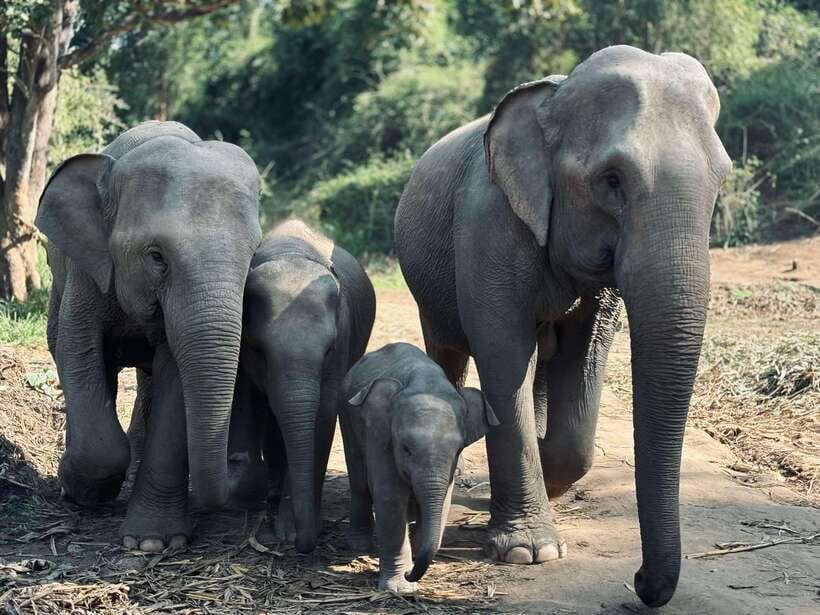
- A scenic 1.5-hour drive south of Mae Wang through hills, forests, and farms to reach the sanctuary.
- A real briefing first on habitat, history, habits, and how to behave around elephants.
- Feeding that’s hands-on and specific (Napier grass, sugarcane, bananas) in the elephants’ natural environment.
- Four interaction stations with MC-style guidance and plenty of time for photos.
- River bathing is elephant-led; if they choose not to bathe, the plan adjusts at short notice.
- Strong organization and comfortable transport for a smooth half-day, even when timing matters.
Why this Chiang Mai elephant sanctuary tour feels different
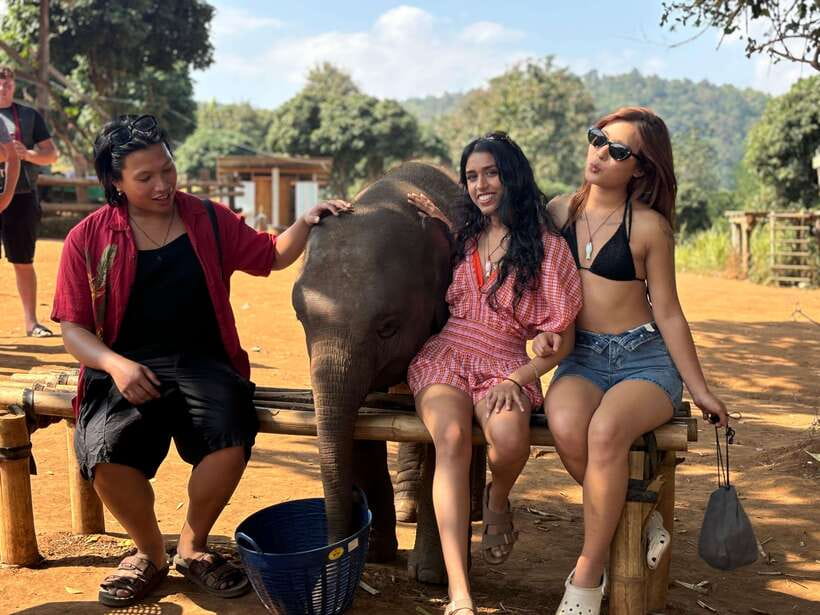
Most elephant experiences in Thailand fall into two buckets: scripted shows or questionable contact. This Chiang Mai elephant sanctuary feeding program aims for a third bucket: respectful, low-pressure interaction in a forest setting where elephants can control what happens next.
What makes the day work is the rhythm. You don’t just walk in and start feeding. You start with a briefing about behavior and safety. Then you move through the day’s spots—feeding, learning, and observing—so you understand what you’re doing and why. It’s that “do it right” feel that makes the experience calmer and easier to enjoy.
The sanctuary also ties the elephants to the local community forest. You’re not only meeting elephants; you’re supporting the long-term protection of a shared habitat.
You can also read our reviews of more tours and experiences in Chiang Mai

The half-day schedule: from hills to four feeding stations
Your day begins with travel south of Mae Wang, about 1.5 hours through hills, forests, and local farms. This is a nice setup because it gets you out of the city and into a more “Thailand countryside” pace before you ever meet the elephants.
If you chose hotel pickup, you’ll be collected and dropped off after the tour. If not, your meeting point may vary by option. Either way, plan for a real morning block: the total duration is listed at 5 hours (330 minutes).
Once you reach Pon Elephant Thailand, the program typically runs as a set of stops that many people describe as four stations. Between stations, there’s light walking. It’s not a marathon, but it’s enough to matter if you’re carrying a wet bag, wearing slippery sandals, or not used to uneven paths. One review even mentioned a wobbly bridge, described as part of the adventure and kept safe.
That station format is a big plus for first-timers. You get a sense of flow, and the staff can rotate groups without rushing anyone.
Orientation at Pon Elephant Thailand: etiquette before you feed
Right when you arrive, you meet the team and get a briefing on how the elephants live and how they behave. You’re also taught what matters for safety and respect: how to stand, when to wait, and how to move around the elephants without crowding them.
This matters more than people expect. When you know elephant behavior basics, the whole interaction feels less random. You notice body language instead of just trying to grab the best photo. You also understand why certain things happen on elephant time.
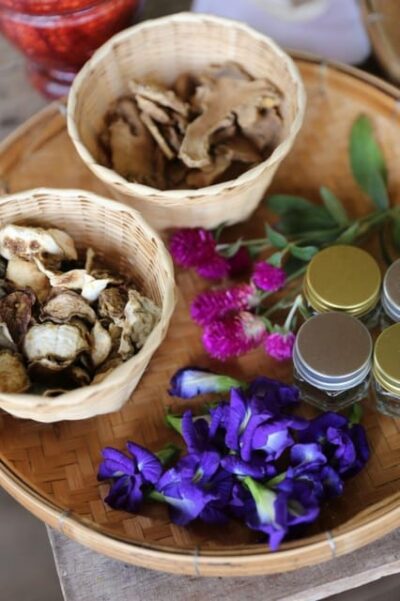
You’ll also hear about Asian elephants—their history, habits, and what their care looks like in a sanctuary context. The tour includes a chance to learn how to prepare herbal treats for the elephants, which adds a “behind-the-scenes” layer beyond feeding fruit and grass.
In the feedback, guides such as Tuto and Pat came up repeatedly for being engaging, funny, and genuinely invested in the elephants’ well-being. Even if your guide is different, you can expect that same teaching energy: clear rules, then real time with the animals.
Feeding Napier grass, sugarcane, bananas, and making herbal treats
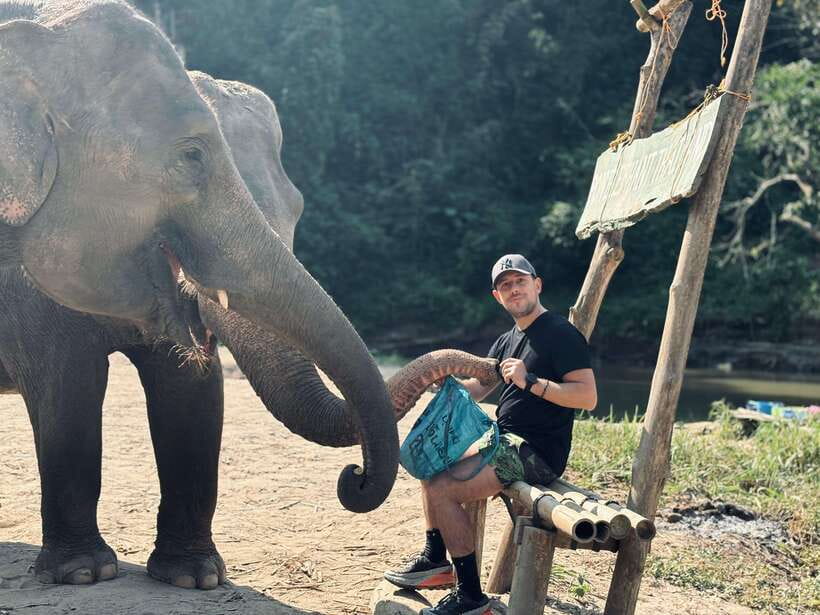
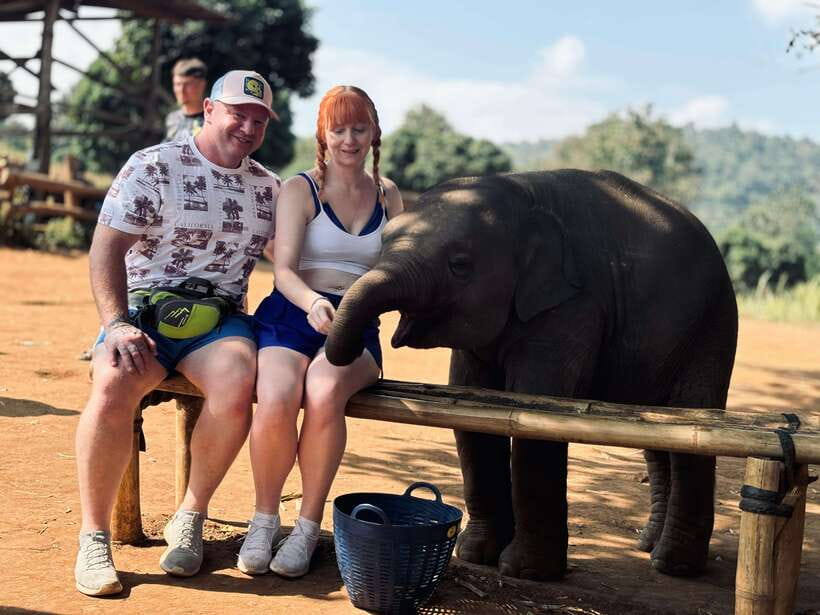
This is the heart of the half-day: you get to feed the elephants in a safe area while rangers and the team explain what you’re offering and why it fits their diet and routine.
The foods named in the program are:
- Napier grass
- Sugarcane
- Bananas
You’ll also receive fruit for elephants as part of what’s provided during the visit. The goal is not just “contact.” It’s understanding. The day connects feeding to care: what the elephants eat, what they’re like throughout the day, and how humans can support without forcing behavior.
A standout detail here is the herbal treat component. You’ll learn how to prepare these treats, which turns feeding into an activity you participate in—not just something you observe while holding a banana in your hand.
In the feedback, people also described very close, gentle interactions, including the chance to help prepare food like vitamin balls for an elderly elephant. That’s the kind of moment that makes the day feel personal without getting reckless.
The river bathing stop: when elephants choose the timing
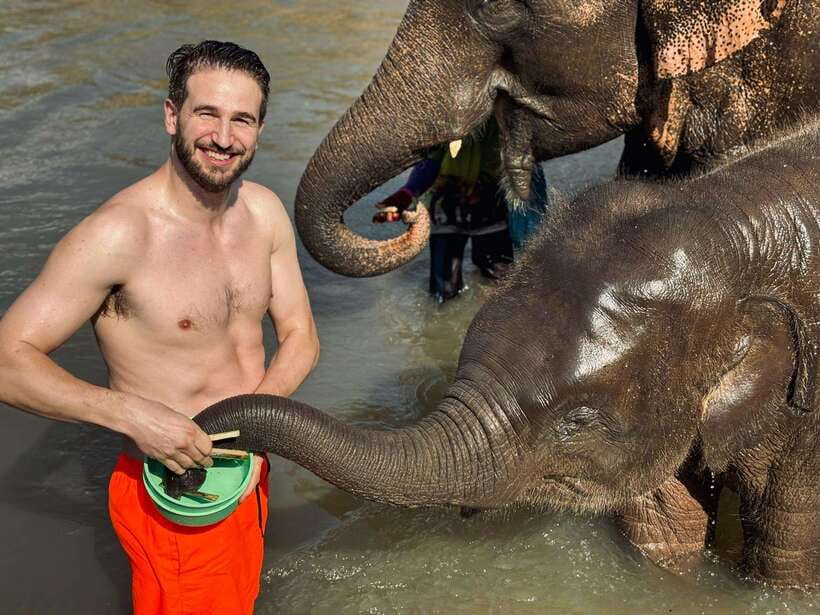
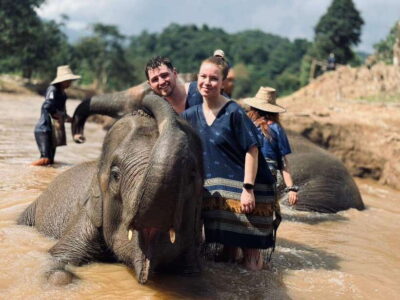
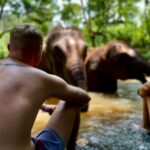
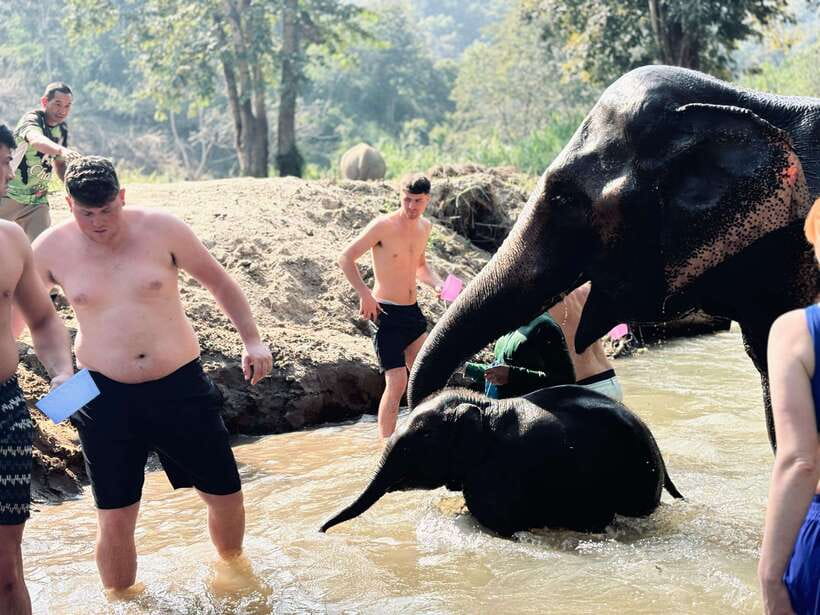
After feeding, the program includes a river segment. Many people come specifically for the chance to see the elephants bathe, swim, and splash around.
Important note: the elephant bathing is not forced. The elephants choose to enter the water, and the tour says the schedule may change at short notice because of that. Translation: if the herd isn’t in the mood at a certain moment, you won’t be told to force it.
When the elephants do go to the river, it can be magical in a very practical way. You get a calmer view of their bodies and their behavior in a natural setting. You’ll also likely get wet—one feedback highlight called it a water-fight kind of fun, with people getting soaked.
Plan your clothing like you mean it. The tour doesn’t include a towel or a change of clothes, so you’ll want to bring:
- beachwear
- a change of clothes in a bag
- a camera you can protect with a pouch or dry bag
This is the most “Thailand hot day” moment of the half-day. If you come prepared, it’s a highlight. If you don’t, it can turn into a damp finish line.



Ethics you can judge quickly: no riding, elephant-led behavior
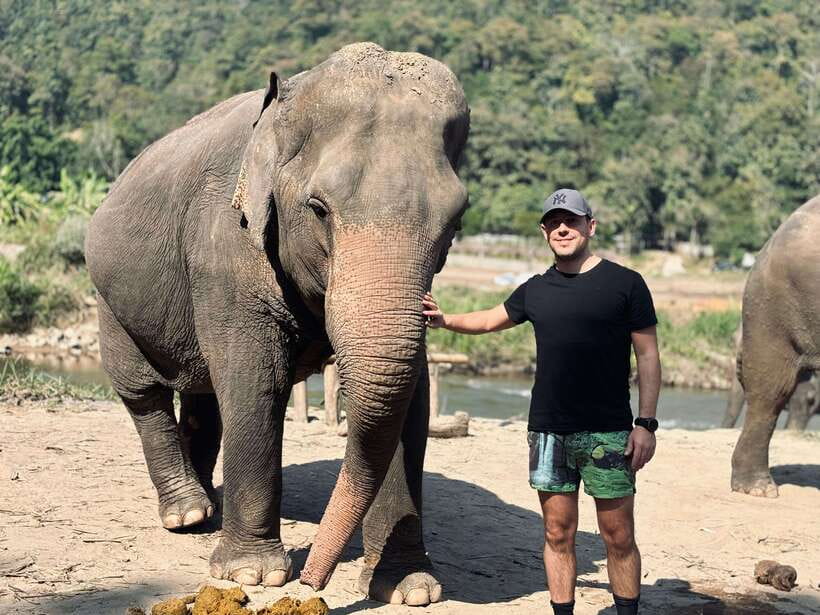
If you care about ethical tourism (and you should), this is one of the better-structured elephant experiences in Chiang Mai.
The program explicitly says activities are based on elephants who are not forced to do anything. It also lists no riding and bans making elephants perform in party-style situations. The rules are meant to keep the interaction calm and reduce stress on the herd.
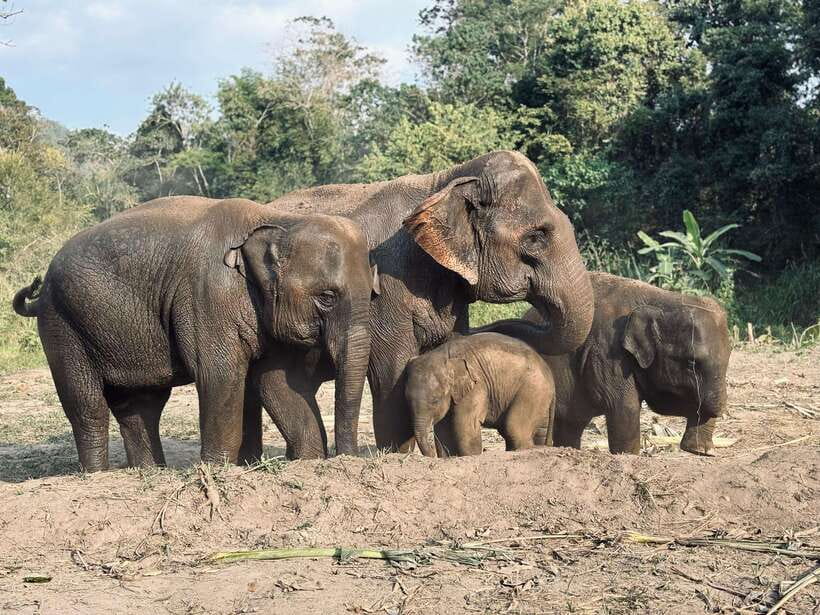
You’ll also hear that some elephants are domestic while there are rescued animals at the sanctuary too. People specifically described rescued elephants from past mistreatment, and staff talked about the care work involved. Even without hearing every detail, you can usually tell whether an elephant is comfortable: how they move, where they choose to go, and whether their behavior looks relaxed.
One more ethical detail that matters: the tour supports local villages and long-term community forest protection. That turns your ticket from a one-day photo moment into support for ongoing habitat care.
Price and value: what $27 gets you in real time
At about $27 per person for a 5-hour experience, the value depends on what you want from your day.
You’re not only paying for elephant contact. You’re paying for:
- guided interpretation (English and Thai)
- hotel pickup/drop-off when selected
- insurance
- drinking water
- fruit/food provided for the elephants
- a structured experience that includes feeding plus learning plus river time
You also get the practical benefit of transport that many people describe as clean and comfortable, with a highly rated score from the majority of people.
So if you want one well-run half-day that mixes education with close interaction, this price is easy to justify. If you’re chasing a full-day retreat feel with endless free time, you might wish for more hours. But for most schedules, the half-day length hits the sweet spot.
Logistics that matter: walking, timing, and what to pack
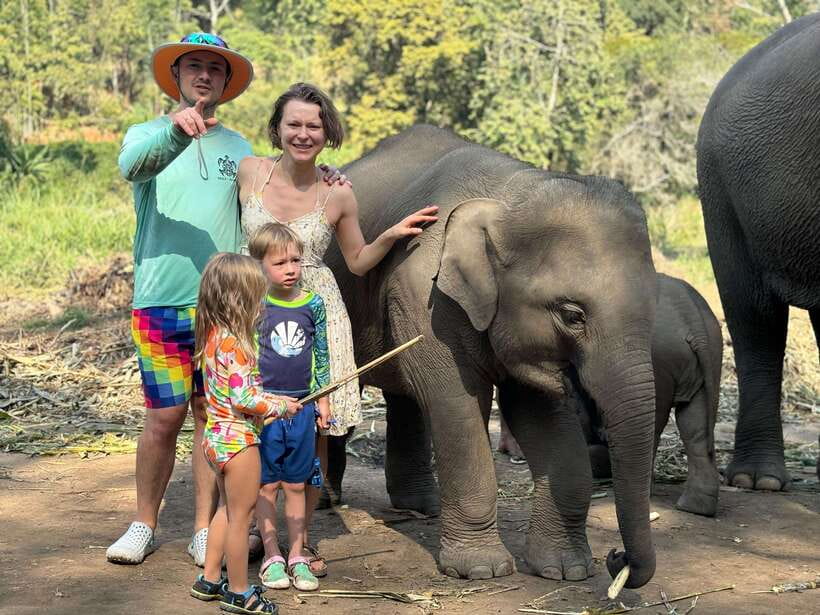
This tour is short enough to fit into a packed Chiang Mai schedule, but it’s not “sit and watch.” There’s light walking between the four stations, and you should expect uneven ground.
Also, don’t treat the river stop as optional in your packing. Even though bathing depends on the elephants, you’ll be operating in a wet environment if you’re there. Bring clothes you don’t mind getting dirty. One of the best pieces of advice here is simple: wear quick-dry shoes and expect a damp bag.
What to bring (from the tour guidance) includes:
- change of clothes
- camera
- biodegradable sunscreen
- comfortable clothes
- beachwear
- cash (handy)
- clothes that can get dirty
- passport or a copy accepted
- charged smartphone
- biodegradable insect repellent
It’s also worth thinking about your phone battery. You’ll want photos, and you’ll probably be moving a lot.
Finally, transport timing: if you selected pickup, be in the hotel lobby 5 to 10 minutes early. Drivers are listed as waiting no longer than 5 minutes after the scheduled pickup time.
Who should book this half-day and who should skip it
This tour tends to suit people who want close elephant interaction without crossing into riding or forced performance. If you like learning, you’ll appreciate the briefing on behavior and the herb-treat prep.
It can also work for families, but keep expectations realistic. One review mentioned an experience with a 6-month-old baby being cared for by guides so parents could enjoy the elephants. Still, there’s walking and uneven terrain between stations.
Skip it if you’re in these categories listed as not suitable:
- back problems
- mobility impairments
- wheelchair users
- epilepsy
- animal allergies
- visually impaired people
- recent surgeries
- low fitness
- insect allergies
That list is important. The day includes walking and time outdoors in natural conditions.
Should you book this Chiang Mai elephant sanctuary feeding tour?
Book it if you want a well-run ethical elephant sanctuary experience with structured guidance, hands-on feeding (Napier grass, sugarcane, bananas), herbal treat learning, and the chance to see river bathing when the elephants choose to do it.
Don’t book it if you need fully accessible surfaces, you can’t handle walking between stops, or you strongly prefer dry, low-effort activities. Also, if you’re the type who hates uncertainty, remember that the river segment can change based on elephant behavior.
My practical take: if your goal is to meet elephants in a way that feels safe and respectful, and you’re okay with a bit of walking plus possible soaking, this half-day hits a great value-and-quality balance for Chiang Mai.
FAQ
How long is the Chiang Mai elephant sanctuary feeding program?
It lasts 5 hours (listed as 330 minutes).
Where is the tour and how do I get there?
The tour is in Chiang Mai Province, traveling about 1.5 hours south of Mae Wang to Pon Elephant Thailand. Your meeting point may vary depending on the option booked.
Is hotel pickup and drop-off included?
Hotel pickup and drop-off are included if you select that option. If not, pickup may not be included.
What do I feed the elephants?
You can feed elephants Napier grass, sugarcane, and bananas. Fruit for elephants is also provided.
Will I get to bathe or swim with the elephants?
The program includes taking elephants to the river for swimming and bathing. However, the elephants choose to bathe, so some activities may change at short notice.
What should I bring to avoid problems?
Bring a change of clothes, camera, biodegradable sunscreen, comfortable clothes, beachwear, cash, clothes that can get dirty, a passport copy, a charged smartphone, and biodegradable insect repellent.
What is not allowed during the tour?
Weapons or sharp objects, intoxication, alcohol and drugs, fishing, littering, feeding animals, skateboards, firework/explosive substances, party groups, making fire, and riding the animals are not allowed.
Who can’t participate?
The tour is listed as not suitable for people with back problems, mobility impairments, wheelchair users, epilepsy, animal allergies, visually impaired people, recent surgeries, low level of fitness, or insect allergies.