REVIEW · CHIANG MAI
Half-Day Thai Cooking Class at Organic Farm in Chiang Mai
Book on Viator →Operated by Smile Organic Farm Cooking School · Bookable on Viator
Thai cooking starts with real herbs. This half-day class sends you out of central Chiang Mai to Smile Organic Farm, with a quick market stop first, so you learn what Thai flavor is built from before you ever touch a pan. I love the hands-on curry paste process (chopping, grinding, and stirring for yourself), and you’ll also get a real sense of the organic farm behind the ingredients as you tour the herb and vegetable garden with the team.
The cooking is guided by energetic chefs you might recognize by name from past classes, like Lilli, Luna, Love, or K. One thing to plan for: it’s a lot of food, so come hungry-but not empty—and don’t expect a light snack experience.
In This Review
- Key Things That Make This Class Worth Your Time
- Getting from Chiang Mai City to the Countryside (Without Wasting the Day)
- Market Stop: Spices, Veggies, and Fast Context for the Dishes
- Smile Organic Farm: Where the Ingredients Come From
- Choosing Your Menu: How the Class Stays Flexible
- The Hands-On Cooking Part: Curry Paste to Spring Rolls
- Curry Paste: The Flavor Foundation
- Curry and Stir-Fry: Learning the Balance
- Soup: Thai Comfort, Not Just Something Light
- Spring Rolls: The Practical Technique
- How Much You’ll Eat (And Why You Should Plan Your Hunger)
- Price and Value: Why $29.35 Can Make Sense
- Who This Class Fits Best (And Who Might Want Something Else)
- Practical Tips Before You Go
- Should You Book This Thai Cooking Class in Chiang Mai?
- FAQ
- How long is the Thai cooking class?
- Do they pick you up from your hotel?
- Do you visit a market before cooking?
- What cooking categories will I learn?
- Can the dishes be vegan or vegetarian?
- Can I choose how spicy the food is?
- How many people are in the group?
- Is a mobile ticket used?
- What are the child pricing rules?
- What is the cancellation policy?
Key Things That Make This Class Worth Your Time
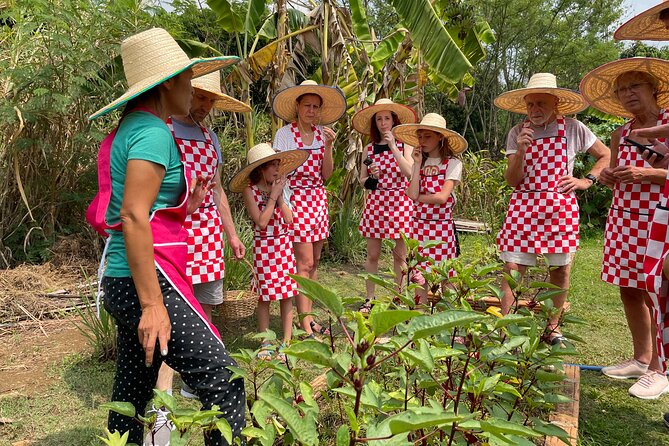
- Organic garden stop before you cook, so ingredients make sense (and taste better)
- Choose your menu across Thai cooking categories, with vegan or vegetarian options
- Spice control lets you go mild or make it properly fiery
- Small group (max 12), which helps you actually get hands-on attention
- Round-trip pickup from Chiang Mai city to keep the day easy
- Outdoor/relaxed cooking setup that feels more like a meal with guidance than a school lecture
Getting from Chiang Mai City to the Countryside (Without Wasting the Day)
The day usually starts with pickup from your hotel or accommodation in Chiang Mai city. From there, you head to a local market for a brief visit, then continue by car to Smile Organic Farm Cooking School in the countryside.
Why this matters: if you only eat Thai food in restaurants, you can miss how much the flavor comes from the raw materials—herbs, aromatics, chili, and those pantry spices that Thailand uses in very specific ways. The route also means you’re not stuck figuring out transport, which is a real quality-of-life win when you’re booking a half-day activity.
The total time is about 6 hours. It’s not just time in the kitchen; it includes getting there, learning what you’re cooking, and then eating what you made.
You can also read our reviews of more cooking classes in Chiang Mai
Market Stop: Spices, Veggies, and Fast Context for the Dishes
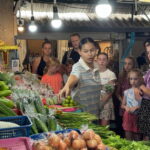
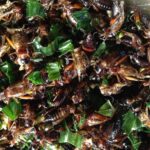
Before the farm, you’ll visit a local market for a short look at Thai ingredients. This is where you’ll get your bearings: what herbs look like, how spices show up in everyday Thai cooking, and what vegetables you’ll likely chop later.
A small market stop also keeps the class practical. You don’t need a long lecture to enjoy Thai cooking, but you do want a quick mental map. Even if you’re not a spice nerd, this kind of preview helps when the cooking steps start moving quickly.
Tip: if you’re the type who asks a lot of questions, this is your moment. Your guide will point out ingredients and explain what they do in curries, stir-fries, soups, and the spring-roll filling.
Smile Organic Farm: Where the Ingredients Come From
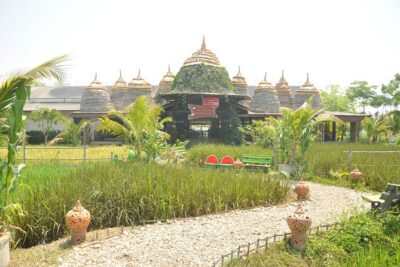
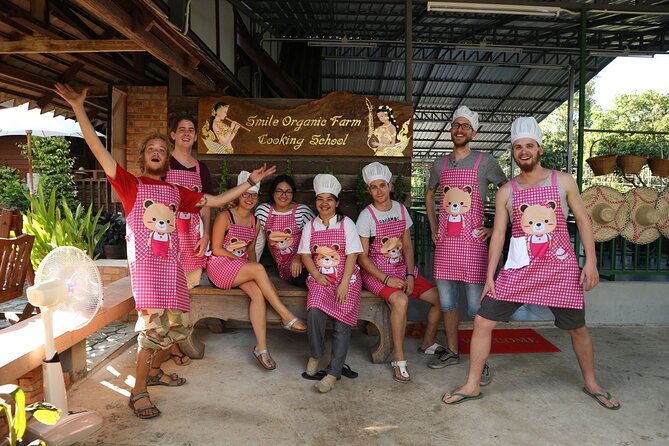
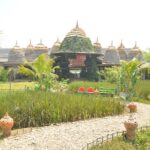
At Smile Organic Farm, you’ll be shown the menu structure and then you can choose what you cook across the class categories. Before the wok work begins, you learn about Thai herbs and vegetables directly in the garden, which is the best part of the “organic” claim—you get to see it, not just hear it.
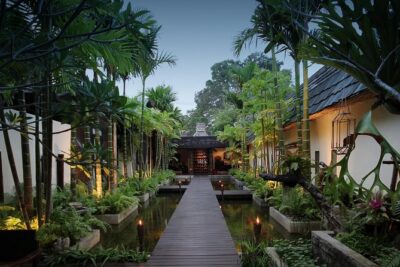
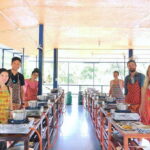
The farm setting also changes the vibe. Cooking in a lively outdoor kitchen area feels more relaxed than a studio class. And because the group is small (maximum 12 travelers), the staff can keep things organized without making it stiff or rushed.
You might also spot farm animals as part of the overall experience, like tortoises and dogs mentioned in prior classes. Think of it as a gentle add-on that makes the day feel personal, not a hard agenda item.
Choosing Your Menu: How the Class Stays Flexible
Here’s how this class avoids the usual cooking-class problem: one fixed menu for everyone. After you arrive, you’ll hear what dishes are available by category and then choose your own set to cook.
You’ll learn basic Thai cooking across five categories:
- Curry Paste
- Curry
- Stir-Fried dishes
- Soup
- Spring Rolls
And every menu can be made vegetarian or vegan. You can also choose your spice level, from mild to spicy.
Why this is a big deal for value: you’re not paying for a one-size-fits-all meal. You can tailor the experience toward what you actually want to learn and eat. If you’re vegetarian, you’ll still get the Thai flavor architecture—just without meat-based ingredients.
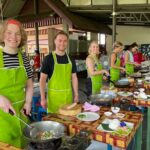
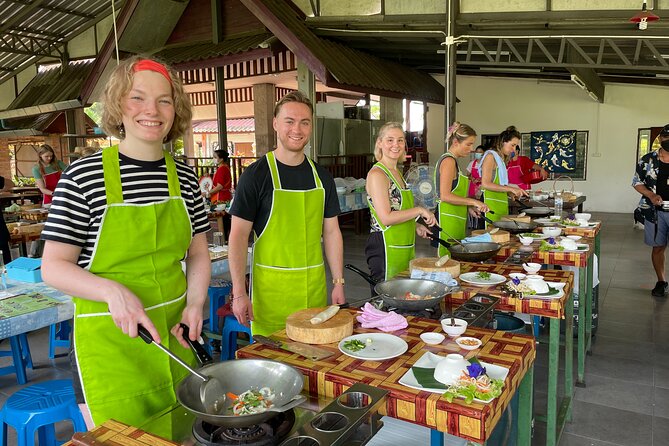
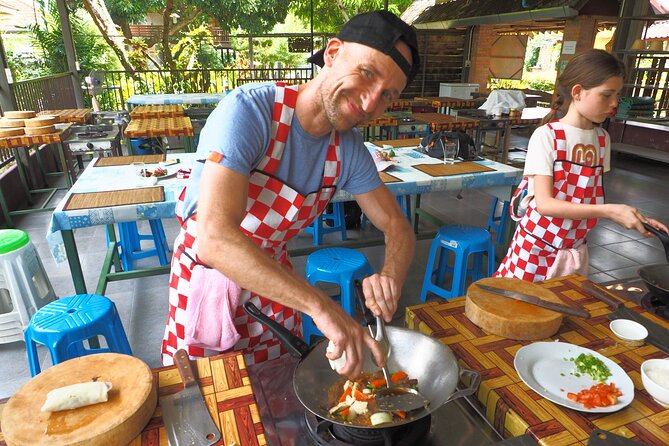
Also, with a small group and hands-on stations, you’re not standing around watching someone else cook. Many classes also run with personal cooking stations, so you do the chopping and stirring yourself.
The Hands-On Cooking Part: Curry Paste to Spring Rolls
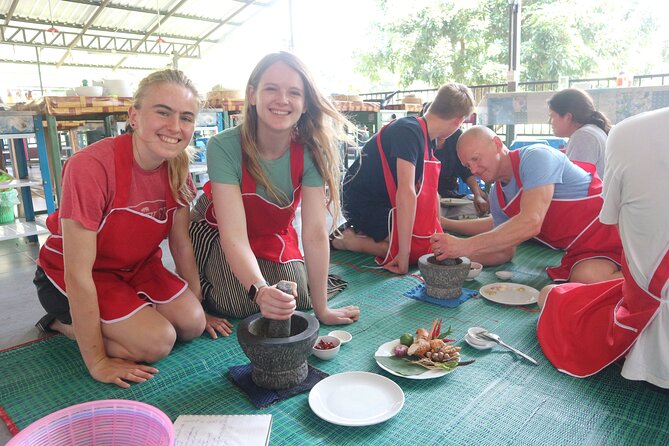
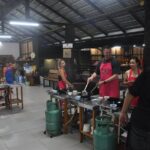
This is where the class earns its reputation. You learn by doing: chopping ingredients, grinding curry paste, stir-frying, and assembling spring rolls. Even the early steps feel meaningful because Thai curry paste isn’t just “seasoning.” It’s the flavor engine.
You can also read our reviews of more tours and experiences in Chiang Mai
Curry Paste: The Flavor Foundation
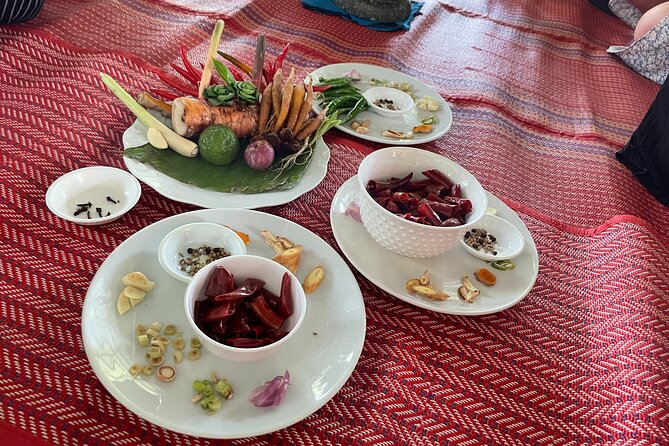
You’ll spend time learning how to prepare curry paste. Expect mixing and grinding techniques, not just dumping pre-made paste into a pan. This is the part most people remember after they’re back home, because it teaches you what the flavor should taste like at each step.
Curry and Stir-Fry: Learning the Balance
After curry paste, you’ll move into curry and stir-fry. This is where guides usually help you understand what to adjust—heat, texture, and timing—so the dish tastes right, not just hot.
Soup: Thai Comfort, Not Just Something Light
Soup in this class is part of the core learning set, not an afterthought. It’s one more way to practice flavor-building and how Thai cooking treats herbs and aromatics differently depending on whether they’re cooked quickly (stir-fry) or left to develop (curries and soups).
Spring Rolls: The Practical Technique
Spring rolls are the final hands-on category most classes include. You’ll practice assembly and cooking so you leave with a real idea of how they’re put together in Thai cuisine.
How Much You’ll Eat (And Why You Should Plan Your Hunger)
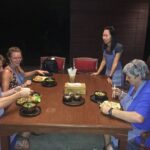
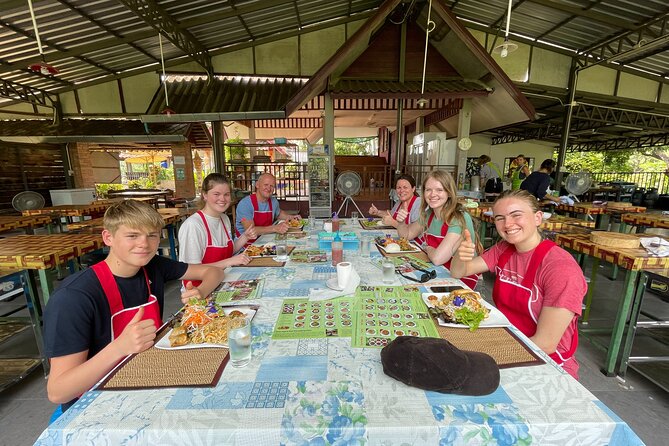
This is not a “tiny tasting” class. You’ll enjoy the Thai food you cook yourself in a relaxing setting afterward. Multiple past classes describe the portion size as big, sometimes so big that people couldn’t finish it all.
So here’s my practical take:
- If you’re coming from breakfast time with an empty stomach, pace yourself.
- If you love second helpings, great—this is built for it.
- If you hate waste, plan to save room and maybe ask your guide what’s best to sample first.
One possible downside: some half-day menus may not include a dessert. Since the meal already runs full, you might not miss it. Still, if dessert is part of your travel joy, keep your expectations realistic.
Price and Value: Why $29.35 Can Make Sense
At $29.35 per person, this is priced like a bargain for what you’re getting: a countryside farm visit, a market stop, guided cooking instruction, and round-trip transfers from Chiang Mai city, all with vegan/vegetarian flexibility.
What makes it feel like good value isn’t just the price tag. It’s the structure:
- You learn the ingredient logic (market + garden).
- You cook the dishes (multiple categories).
- You eat what you made (not a separate restaurant meal).
If you compare this to paying for a market tour plus a cooking class plus a taxi or shared transfer separately, the math usually starts to look better. And since the group is capped at 12, you’re more likely to get real help while you cook.
Who This Class Fits Best (And Who Might Want Something Else)
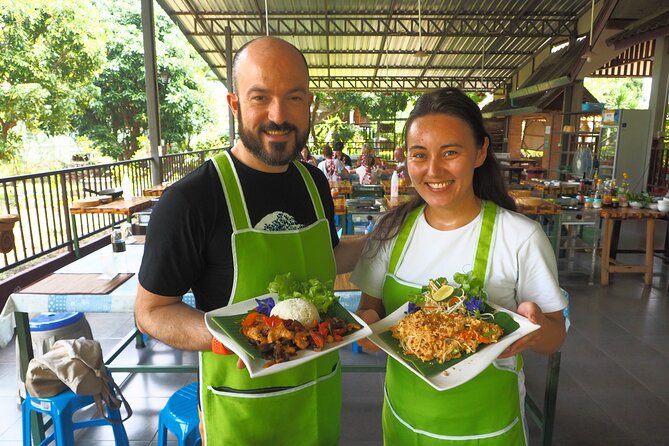
This class is ideal if you:
- want a hands-on Thai cooking experience in Chiang Mai
- care about ingredients and want to see a working organic farm setting
- cook for family or friends and want recipes you can repeat at home
- want vegetarian/vegan Thai cooking that still feels authentically Thai
You might think twice if you:
- only want a quick food sample and hate cooking steps
- are sensitive to spiciness and don’t like spicy ingredients at all (you can choose mild, but the ingredients and flavor profiles will still show up)
- prefer a full-day retreat over a half-day schedule (this one is busy, with travel time plus hands-on cooking)
Practical Tips Before You Go
A few small things can make the day smoother:
- Wear comfortable clothes for chopping and cooking around heat.
- If you’re picky about spice, decide early how mild you want it—your guide can help you adjust.
- Don’t plan to eat a huge meal right before pickup. This class is designed for real appetite.
- Bring a tote bag for any personal items you want to keep dry and handy.
If you like to learn by asking, this is a good class for that too. Guides such as Luna, Love, K, and Lilli have a way of keeping instruction clear while making the process fun.
Should You Book This Thai Cooking Class in Chiang Mai?
I’d book it if you want more than Thai food—you want the method behind the flavor. The mix of market context + organic garden + hands-on cooking is a rare combo for a half-day class. At this price, with pickup and a small group, it’s one of those practical activities that gives you something to take home: cooking skills and a better understanding of Thai ingredient flavor.
If you’re unsure, ask yourself one question: do you want to cook, or do you just want to eat? If you’re leaning toward cooking and learning, Smile Organic Farm Cooking School is a smart pick.
FAQ
How long is the Thai cooking class?
The experience runs for about 6 hours (approx.).
Do they pick you up from your hotel?
Yes. Round-trip transfers are included, and pickup is offered from your hotel or accommodation in Chiang Mai city.
Do you visit a market before cooking?
Yes. The day includes a brief visit to a local market before you head to Smile Organic Farm Cooking School.
What cooking categories will I learn?
You’ll learn basic Thai cooking in five categories: curry paste, curry, stir-fried dishes, soup, and spring rolls.
Can the dishes be vegan or vegetarian?
Yes. Every menu can be made vegetarian or vegan.
Can I choose how spicy the food is?
Yes. You can decide whether you want your food spicy or mild.
How many people are in the group?
The maximum group size is 12 travelers.
Is a mobile ticket used?
Yes. The tour includes a mobile ticket.
What are the child pricing rules?
Children 0–3 years old are free of charge. There are different participant/visitor rules for ages 4–8, and children above 9 years can have their own cooking stations as participants.
What is the cancellation policy?
You can cancel for a full refund up to 24 hours in advance of the experience’s start time. If you cancel less than 24 hours before, the amount paid will not be refunded.
If you want, tell me what month you’re going and whether you’re vegetarian/vegan. I can suggest a smart schedule around it in Chiang Mai (so you don’t end up rushing or overstuffed).