REVIEW · CHIANG MAI
Chiang Mai: Kayak the Jungle River of Chiang Dao Valley!
Book on GetYourGuide →Operated by CHIANG MAI MOUNTAIN BIKING & KAYAKS · Bookable on GetYourGuide
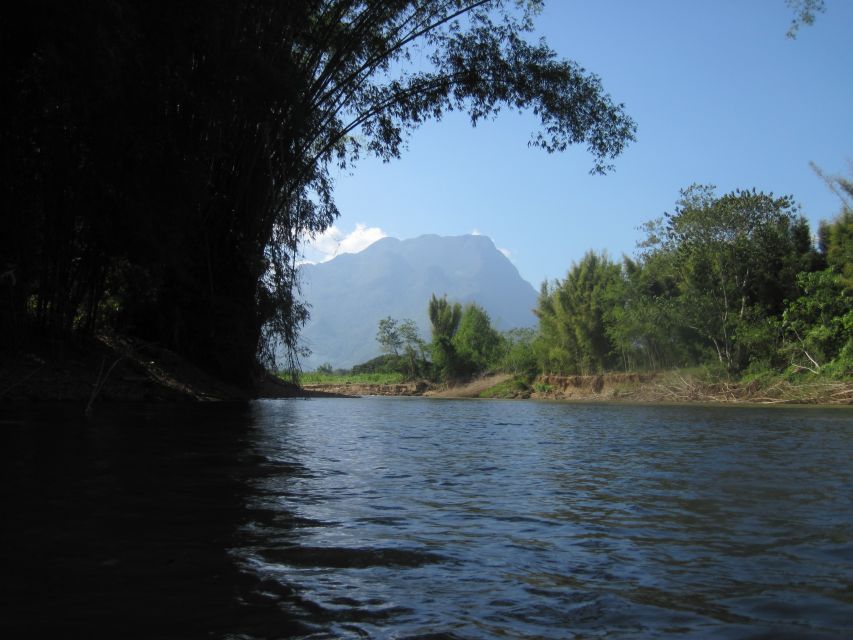
Paddling under Chiang Dao feels prehistoric. This 1-day Chiang Mai kayaking trip takes you into the shadow of the Chiang Dao mountain range and along the Ping River through jungle creeks, flooded patches, and stretches of farm land. You duck under branches, glide past bamboo, and move at a pace that lets you actually notice birds and wildlife overhead.
I love how pro instruction turns a beginner outing into a confident one. Guides (including coaches like Aidan, when he’s leading) correct your technique in real time, and that patient coaching matters when you’re learning how to steer a kayak without panicking.
I also like that the trip is built for real comfort and control: hard-shell single and double kayaks, a safety-first setup, a support truck following along, and a planned lunch break at the end. The main drawback to consider is that you may have to get in and out of the water a couple of times around weirs, and if the landing spot is muddy or rocky, it can be a bit awkward.
In This Review
- Key Things to Know Before You Go
- Chiang Dao Jungle Kayaking: What Makes This Trip Worth Your Day
- Pickup, Transport, and the 20-Minute Safety Briefing
- Google Earth Orientation and Learning to Paddle Like a Captain
- On the Water for About Three Hours: Creeks, Flooded Forest, and Bamboo
- Weirs, Getting Out, and the One Practical Challenge
- Lunch in Chiang Dao: Simple, Convenient, and Veg-Friendly
- The Value of Small Group Numbers (Limited to 10)
- Gear and Safety: Hard-Shell Kayaks, Water, and a Following Support Truck
- Price and the Extra River Fee: Is It a Good Deal?
- Who This Tour Suits Best (And Who Might Want Another Option)
- Practical Tips: What to Bring for Comfort
- Should You Book This Chiang Dao Jungle River Kayak?
- FAQ
- Do I need kayaking experience?
- How long is the kayaking portion?
- Is the group small?
- What language will the instructor use?
- Is lunch included, and are there vegetarian or vegan options?
- What extra fee should I expect?
- What should I bring with me?
Key Things to Know Before You Go
- Beginner-friendly coaching so you can learn while you paddle, not after
- You steer your own kayak in singles or doubles, with a guide staying close
- Flooded forest sections where branches and plants grow right over the water
- Wildlife spotting and local stories from hunters and fishermen who know the area
- Support truck + secure storage so you’re not juggling valuables on your trip
- Two weir crossings can mean land-and-drag moments that feel physical, especially the second time
Chiang Dao Jungle Kayaking: What Makes This Trip Worth Your Day
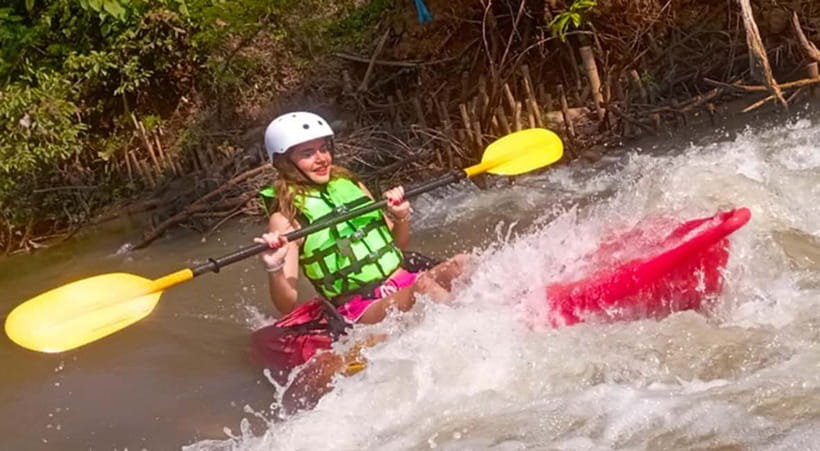
The big draw here is that you’re not just doing a straight “water ride.” You’re kayaking through a working river corridor in northern Thailand, where jungle growth meets farmland, and where the scenery changes as you move downstream.
One moment you’re in narrow, shaded creeks with plants leaning over the water. The next, you’re gliding along parts that feel more open, with a mix of river life and people’s land nearby. That blend is why this feels more authentic than the most touristy canal-style paddles.
You also get the advantage of depth and guidance. The plan includes a safety briefing, skills practice, and ongoing coaching. So you’re not left to figure everything out with a stranger’s sense of direction and a questionable paddle stroke. It’s the difference between “doing an activity” and feeling like you’re actually part of the landscape’s rhythm.
You can also read our reviews of more tours and experiences in Chiang Mai

Pickup, Transport, and the 20-Minute Safety Briefing
Your day starts with pickup options depending on where you’re staying, either in Chiang Dao or around Chiang Mai. If you’re in the Chiang Dao area, you’ll want to contact the operator so you can get the estimated pickup time, which runs between 10:30 and 11:15.
From there, you ride in an air-conditioned van as the main mode of transport, with 4×4 SUVs sometimes used for smaller groups. The total drive time breaks into short legs, and you end up traveling into the Chiang Dao side before the water time begins.
Once you’re at the pro-shop area, expect a safety briefing and orientation. This is not just rules-and-lectures. You’ll be shown how to handle your kayak setup and what to do if you get turned around or need help with technique. Since the instructors are first aid and CPR certified, the focus is practical, not theatrical.
Google Earth Orientation and Learning to Paddle Like a Captain
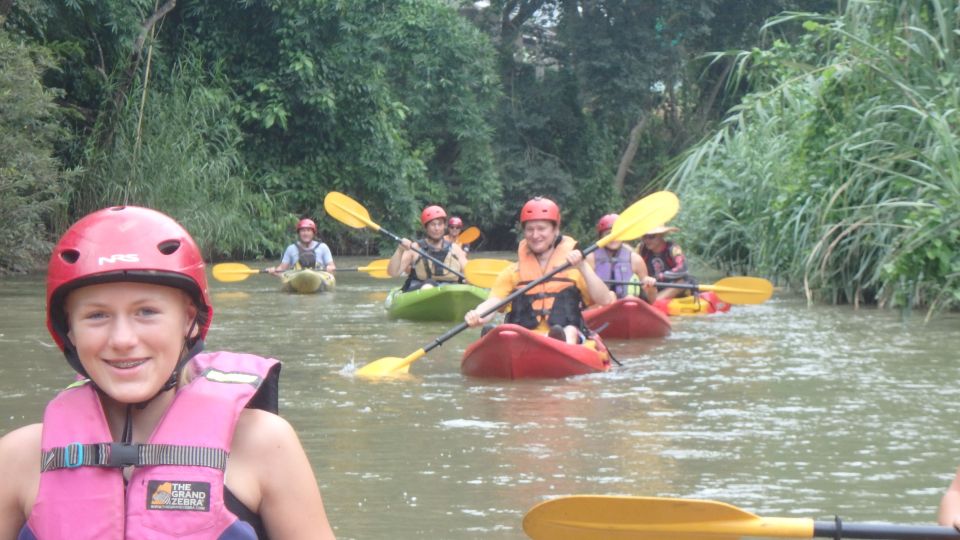
This is one of those tours where the “intro” part matters. Before you head out on the river, you’ll get an orientation using Google Earth, along with a kayak briefing at the pro-shop.
Why it’s valuable: when you understand what you’ll pass through, you stay calmer while you’re paddling. Instead of feeling like every curve is a surprise, you get a sense of where the river goes and what conditions look like farther ahead.
You’re also reminded that you’re the captain of your own boat. That doesn’t mean you’re abandoned. It means you control your kayak, your line, and your pace, while the guide stays close enough to help with technique. In the field, this is what reduces the most common beginner problems: awkward steering, wasted strokes, and getting stuck trying to “power through” when you should angle and glide.
If you’ve never kayaked, you’ll probably be surprised by how quickly your body learns once you get simple cues. The coaching is tailored enough that you can make mistakes and still enjoy the river, because someone is there to guide you back onto a good path.
On the Water for About Three Hours: Creeks, Flooded Forest, and Bamboo
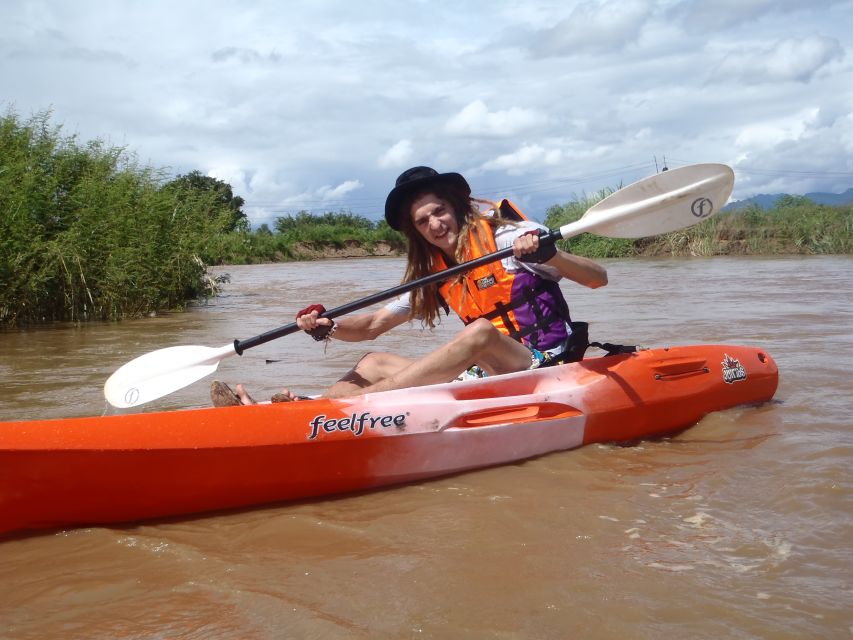
Now for the fun part: roughly three hours of kayaking on the Ping River system in the Chiang Dao Valley.
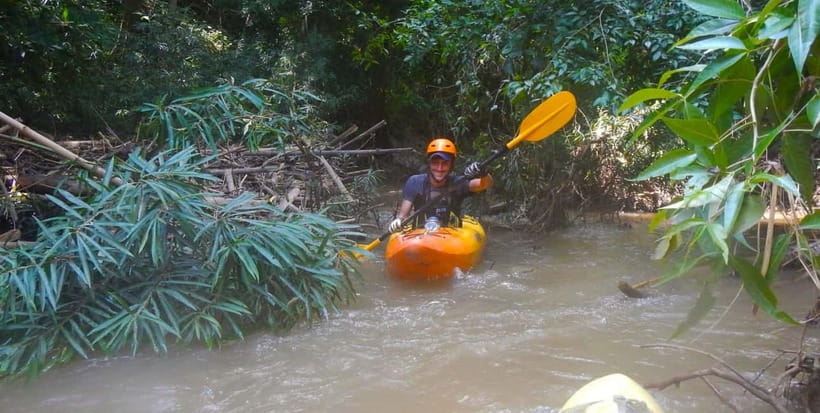
You’ll paddle through areas with thick trees and plants that grow over the water. That’s where the experience feels most “jungle” and least staged. You may need to duck under low branches, adjust your height, and keep your strokes smooth so you don’t catch on vegetation.
The trip also includes moments where flooded forest conditions can make the water look calmer while the surroundings still feel intense and alive. You’re moving through a tunnel of green and shadow, and it’s exactly the kind of setting where small things matter: a bird popping out of a branch, a sudden splash as something disturbs the water, or the quiet rhythm of your kayak sliding forward.
You’ll often hear local stories tied to the river—how hunters and fishermen read this land, where they watch for activity, and why certain bends or stretches matter. Even if you don’t learn every detail, those stories give context. The river stops being scenery and starts becoming a place with human rhythms nearby.
Weirs, Getting Out, and the One Practical Challenge
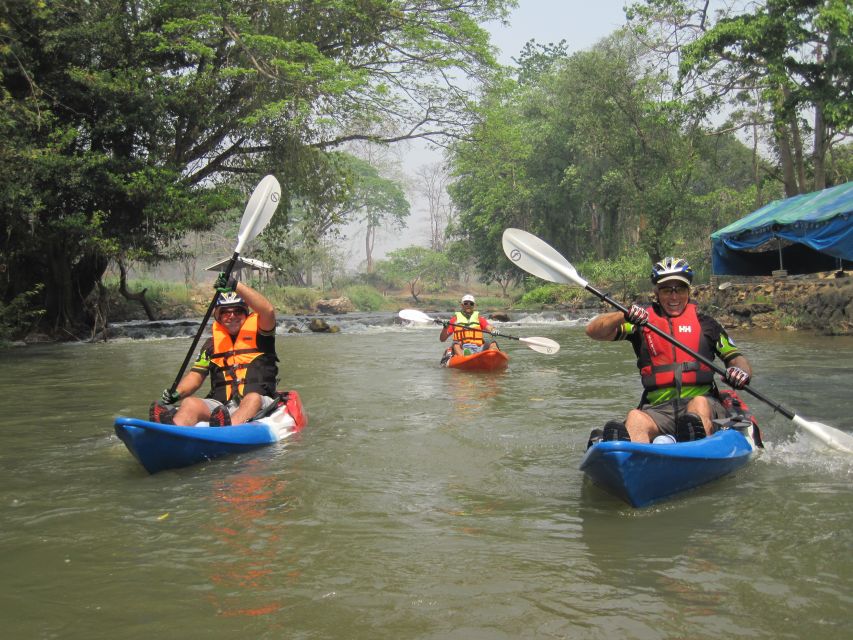
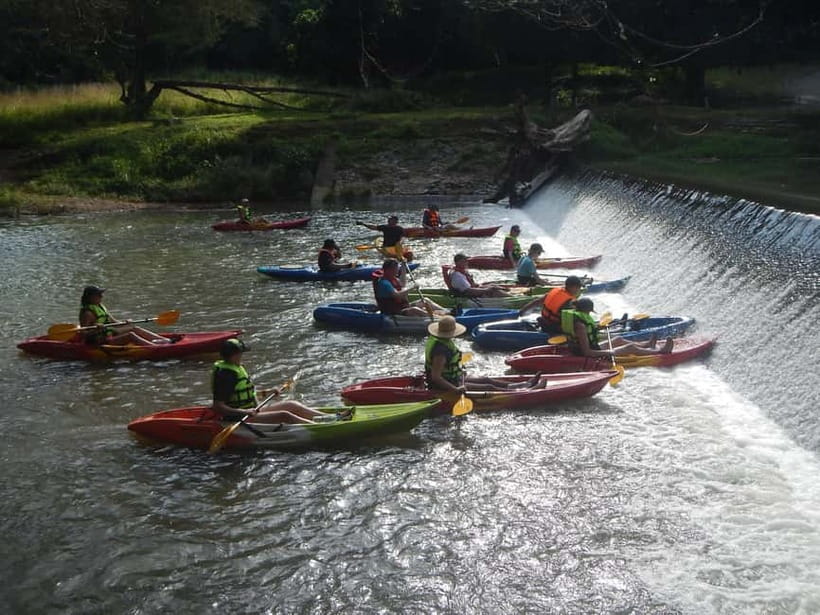
This tour isn’t extreme, but it does have a real-world kayaking requirement: weirs. In practical terms, that means you may need to get out of the water at least twice to pass your kayak around the weir sections.
Here’s the key: guides handle the harder parts. You might see them do boat dragging for you if your setup or footing isn’t ideal. That’s a huge help for beginners.
Still, you should prepare for the physical part of changing water levels and footing. One of the most notable issues is that the second exit spot can be muddy and include sharp stones, which makes balance and comfort tricky. If you have sensitive feet, or you’re the type who doesn’t like squishing around near rocks, bring extra care.
What I’d do: plan for a careful second landing, go slow, and wear what you feel confident walking in. And bring a change of clothes, because you’ll be glad you did.






Lunch in Chiang Dao: Simple, Convenient, and Veg-Friendly
After your time on the water, there’s a break and then lunch at the end of the kayaking block. The lunch is at Mango Plantation Restaurant, with vegetarian and vegan options available.
Why you’ll probably appreciate timing like this: after a few hours paddling, your body is ready for a meal that doesn’t feel like a chore. You’re not trying to eat in the middle of gear management and wet clothes. You get a reset, you dry off, and then you can focus on the last transfer back.
The lunch itself is described as simple, which I like for this kind of day. You don’t want a fancy, long meal that turns into a sleepy detour. You want energy, plain food, and enough time to recover before heading back.
The Value of Small Group Numbers (Limited to 10)
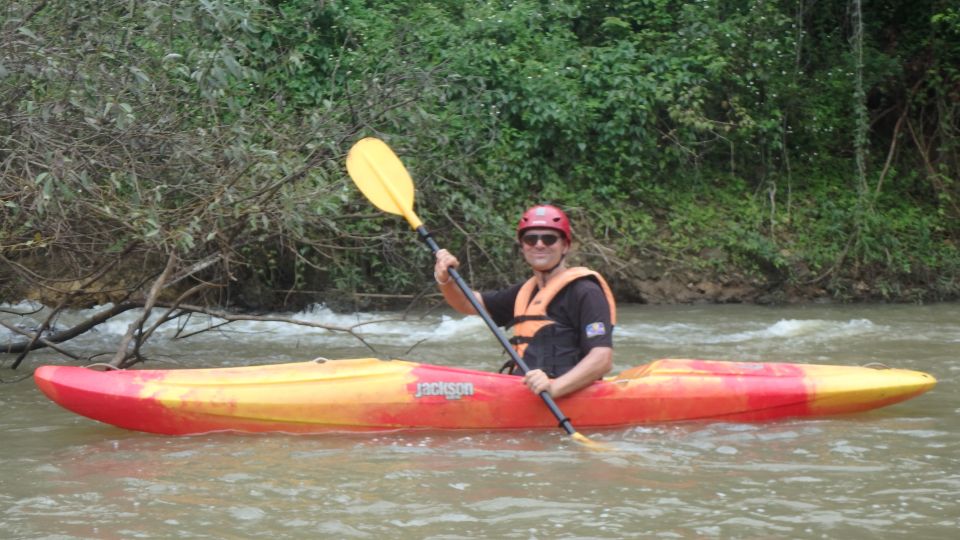
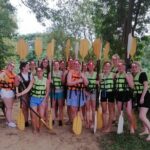
This kayaking run is capped at a small group of up to 10 participants. That matters more than people think.
With a smaller group, guides can keep eyes on everyone without constantly playing catch-up. It also makes learning easier because you’re not buried in a crowd at the start or during technique checks. When you’re learning how to steer and avoid getting too close to hazards, fewer people creates breathing room.
If you like nature time but dislike the grind of big-group logistics, this fits that sweet spot.
Gear and Safety: Hard-Shell Kayaks, Water, and a Following Support Truck
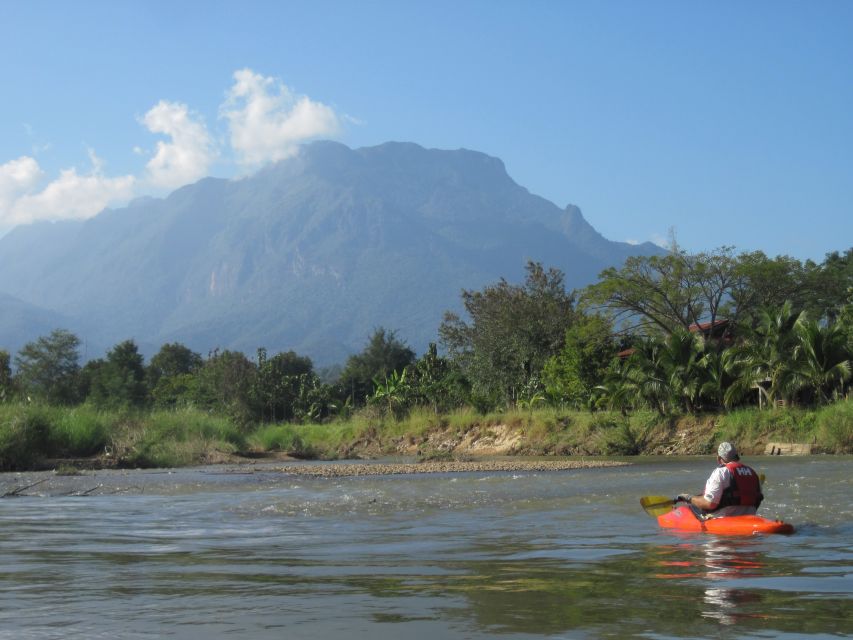
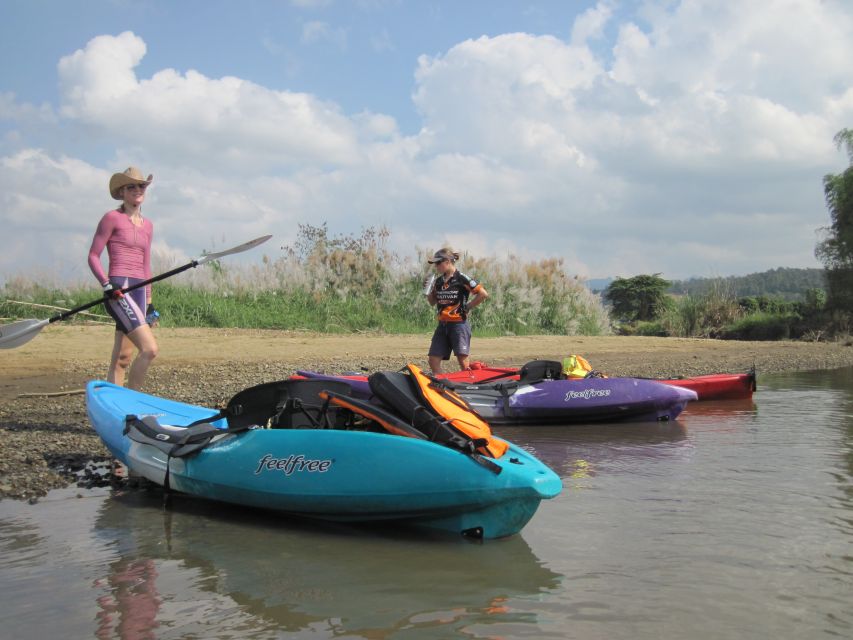
You’re not riding a floppy beginner raft. The operator provides top-quality hard-shell single and double kayaks. Those solid boats track better, feel more predictable in the water, and reduce the stress of trying to fight your kayak’s behavior.
There’s also hydration planned: water for hydration packs and bottled water are available during the event. When you’re exerting yourself in humid conditions, having water on hand is a small thing that prevents the big problem—getting behind on fluids.
For safety and peace of mind, there’s a support truck following ready to assist. It includes secure storage for your valuables, which is a real relief when you don’t want to worry about phones, wallets, or cameras taking a swim.
Price and the Extra River Fee: Is It a Good Deal?
At $64 per person for a full day, this is priced like an active outdoor day with real guidance, transport, and lunch included. You’re not just paying for a kayak; you’re paying for coaching, safety staffing, and the logistics required to reach the river and handle common obstacles like weirs.
What makes the value stronger:
- You get hard-shell kayaks and both singles/doubles options
- You receive orientation and safety briefing before paddling
- Lunch is included with vegetarian and vegan options
- You have support (truck following, secure storage, trained instructors)
One cost item to remember: river fee 150 THB, not included, and you’ll need to provide your passport number at check-in. Also, insurance isn’t included, so if you rely on travel insurance, confirm it covers active water activities before you go.
Who This Tour Suits Best (And Who Might Want Another Option)
I’d recommend this tour if you want:
- a beginner-friendly intro to kayaking with real coaching
- a day outdoors that feels far from city crowds
- a mix of jungle creeks, flooded forest sections, and river scenery
- a small group pace with time to actually look around
It may be less ideal if:
- you hate any chance of getting out of the water onto muddy or rocky spots
- you have very sensitive feet and don’t want to risk uncomfortable landings around weirs
- you’re expecting a completely hassle-free, flat beginner experience with no physical moments
That said, the guides do the heavy work when it counts, and the structure keeps most people in control.
Practical Tips: What to Bring for Comfort
Plan for a wet, active day. Bring:
- a change of clothes
- hat, sunscreen, and insect repellent
- anything you normally use for sun protection and bug protection in Thailand
And if you’re planning footwear for the muddy weir landings, choose something you can walk in carefully and rinse off easily afterward.
Also, think about your valuables. Since there’s secure storage via the support truck, you don’t need to stuff everything into a waterproof bag if you’re not sure. Still, treat electronics like they’re on vacation from water resistance.
Should You Book This Chiang Dao Jungle River Kayak?
If you’re craving a real northern Thai nature day—one that trades crowds for quiet jungle creeks—this is an easy yes. The combination of small group size, pro guidance, and hard-shell kayak reliability makes it feel both adventurous and controlled.
Book it if you’re okay with a little real-world kayaking friction, like getting out around weirs and navigating muddy ground once or twice. Skip it only if you strongly dislike rocky landings or you want a strictly effortless paddle.
Bottom line: it’s a solid value for a guided kayaking day in the Chiang Dao Valley, and it’s the kind of outing that leaves you with more than photos. You come away with a calmer sense of how the Ping River moves through local life.
FAQ
Do I need kayaking experience?
No. The tour is designed so you can learn on the water, with instruction and support from the guides throughout.
How long is the kayaking portion?
The kayaking time is about three hours, with additional time for transport, briefings, and a lunch break.
Is the group small?
Yes. The experience is limited to a maximum of 10 participants.
What language will the instructor use?
Instructors speak Thai and English.
Is lunch included, and are there vegetarian or vegan options?
Lunch is included, and vegetarian and vegan options are available at Mango Plantation Restaurant.
What extra fee should I expect?
A river fee of 150 THB is not included, and you’ll need to provide your passport number at check-in.
What should I bring with me?
Bring a change of clothes, plus a hat, sunscreen, and insect repellent.