REVIEW · CHIANG MAI
No.1 Full-Day Chiang Mai Caving & Jungle Kayaking: Chiang Dao
Book on Viator →Operated by Chiang Mai Mountain Biking & Kayaks · Bookable on Viator
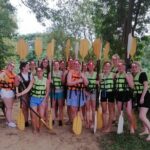
Cave air, then river splashes. This full-day Chiang Dao trip strings together headlamp-lit caverns and a beginner-friendly kayak lesson along the Mae Ping River, with a Thai lunch break in between. You’ll see Buddhist shrines and big cave rooms underground, then float through bamboo jungle aboveground with your guide keeping you safe and moving.
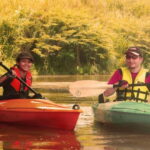
I also like how hands-on the day feels. You get fitted with life jackets, you choose your hard-shell single or double kayak, and you get a clear kayak briefing before you hit the water. The group stays small, with a max of 15 travelers, so you’re not stuck watching someone else do the fun parts.
One consideration: the cave walk includes some tight crawl sections and you’ll want decent mobility. If you show up in very short shorts, you may need to cover up inside the cave complex, and you should be ready for the kayak portion to get you wet.
In This Review
- Key highlights you’ll care about
- Base Camp briefing, kayak fitting, and what you’re really signing up for
- Chiang Dao Cave walk: big rooms, shrine areas, and where your comfort matters
- The lunch break at the cave-side restaurant
- Mae Ping River kayaking: jungle views, being your own captain, and getting wet
- Transport, timing, and group vibe from Chiang Mai
- Guides make or break the day
- What to pack so nothing ruins your fun
- Price and value: $81.53 for cave + kayak + lunch (and why it can be worth it)
- Who should book this Chiang Dao caving and jungle kayaking trip
- Should you book? My decision guide
- FAQ
- What time does the tour start?
- How long is the experience?
- Is hotel pickup included?
- Do I need kayaking experience?
- What’s included in the price?
- Are there extra fees for the river or insurance?
- What gear should I bring or buy on-site?
Key highlights you’ll care about
- Small group max 15 so the guides can actually manage everyone on river and in the cave
- Hard-shell single and double kayaks plus life jackets, headlamps, and real rescue support
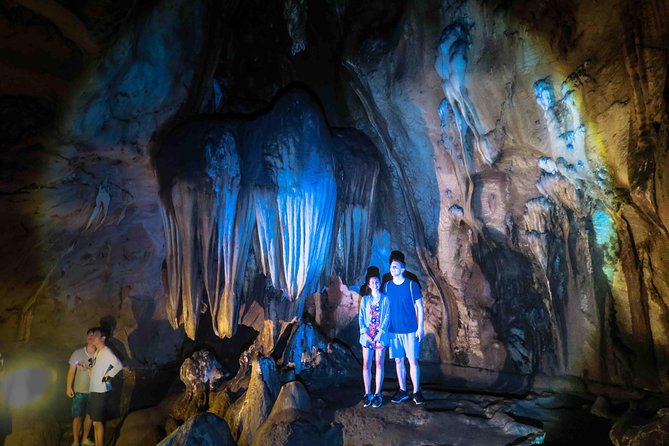
- Chiang Dao Cave walk with shrine rooms and bat sightings in large open caverns
- Mae Ping River float with mixed water that can include small rapids depending on conditions
- Vegetarian and vegan lunch at a cave-side restaurant (plus hydration during the day)
- You paddle your own boat with a support truck following and a van/shuttle between stops
Base Camp briefing, kayak fitting, and what you’re really signing up for
Your day starts at 8:30 am, usually with pickup offered from your area in Chiang Mai. Expect a transport van first, and in smaller-group cases you may ride in a 4×4 SUV. Either way, plan for a full day that’s built around outdoor timing, not museum-style pacing.
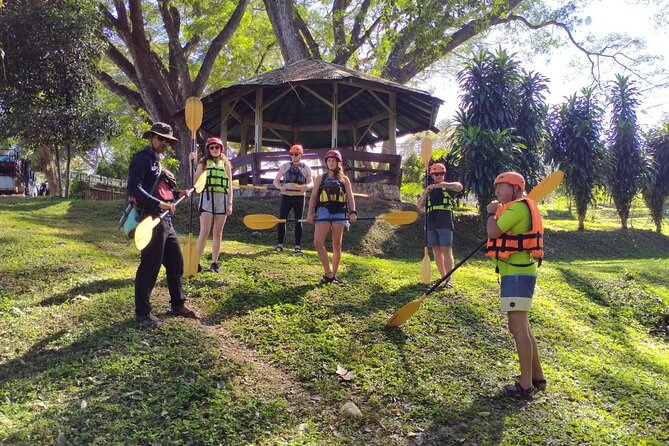
Before you head out, you’re back at Base Camp for a safety briefing and kayak setup. You’ll confirm which kayak you’re using, get fitted with a life jacket, and get the quick course you need to feel comfortable. You’re not expected to have kayaked before, because instruction happens before you go.
At the pro-shop, there’s also an orientation using Google Earth plus a kayak briefing. It’s a smart move: you get a mental map for where you’ll paddle and what to watch for, so the river doesn’t feel like a mystery once you launch. And yes, you’re the captain of your own boat, meaning you steer and paddle instead of floating on a guided raft.
You can also read our reviews of more tours and experiences in Chiang Mai

Chiang Dao Cave walk: big rooms, shrine areas, and where your comfort matters
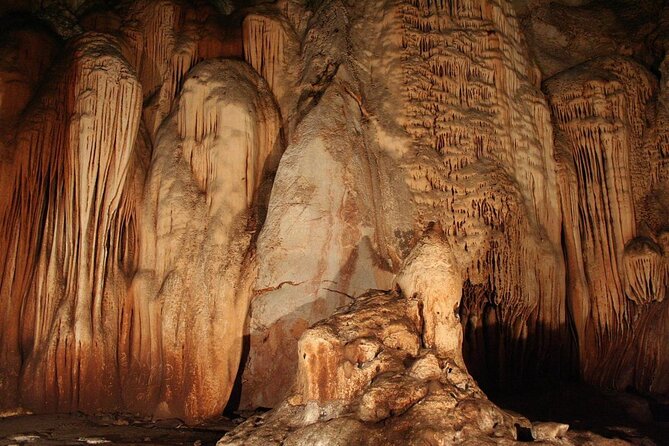
The cave portion is the main “wow” factor, and it runs about an hour as a guided walk through the Chiang Dao Cave complex. You’ll move through darker sections where headlamps are used, then connect into parts that are more like a show-cave experience with walkways and lighting.
What you can expect to see underground:
- huge caverns and open rooms, not just narrow tunnel passages
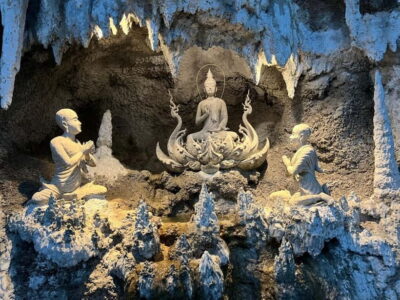
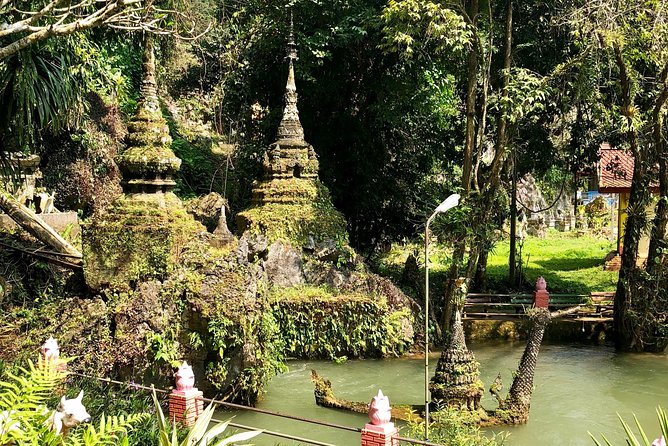
- Buddhist shrines and statues placed within cave spaces
- signs of local wildlife, including bats visible high up on the ceiling in some areas
- formations and ceiling contours that are hard to appreciate until you’re standing there
The cave also has a few tight, narrow sections. Some of these involve small crawl spaces, so if you’re claustrophobic or you struggle with mobility on uneven ground, you’ll want to think carefully. Plan to move slowly, because the cave can be slippery and the route is guided with headlamps and local cave knowledge.
Clothing matters for comfort and access. This isn’t just about being warm. If you’re in very short shorts, you might not be allowed in as-is, and you may be offered something to cover up with inside the cave area. Wear something you can crawl in without stressing every minute.
The lunch break at the cave-side restaurant
After the cave, you’ll get a meal and a break to reset before the kayaking. Lunch is at a cave-side restaurant, and vegetarian and vegan options are available. For many people, this is where the day shifts from “dark and cold cave time” to “warm Thai outdoors time.”
The food style is plain and practical: noodles and Thai staples rather than a fancy sit-down affair. Some portions can feel basic, but the point is that you’re fueled up for an active afternoon, with hydration options available during the day.
Mae Ping River kayaking: jungle views, being your own captain, and getting wet
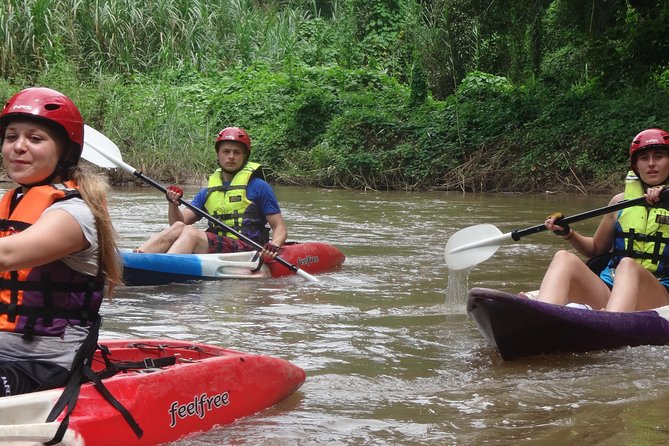
Once you’re ready, you move from the cave area down to the river. There’s a short cave-to-river shuttle (about 10 minutes) by van or truck, so you’re not stuck coordinating your own transport.
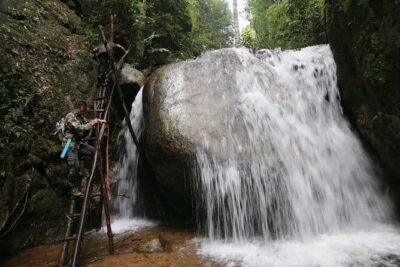
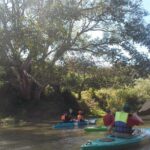
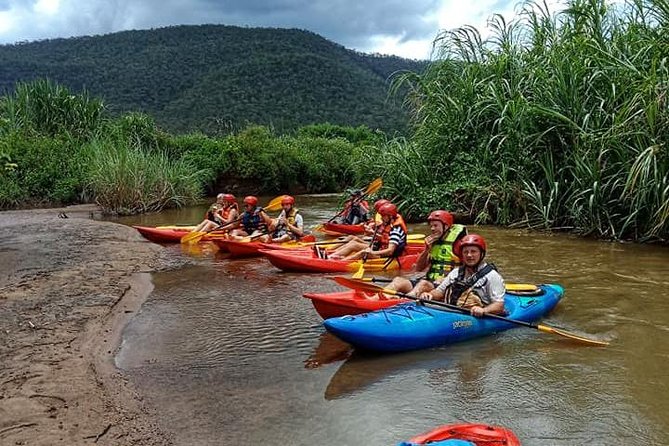
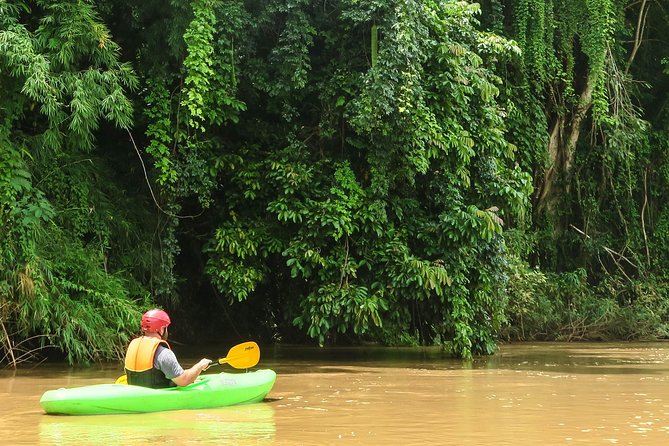
On the Mae Ping River section, you’ll paddle for around two hours. The route goes through bamboo jungle and temperate forest, and it feels more like a nature float than a white-water stunt. You’ll get to see the river as locals use it—fishing and everyday activity show up along the way.
The water conditions can change. If you’re going in late November, rain can make the river faster, meaning you’ll feel more current and possibly more energetic moments. Later, conditions can be more relaxed, turning the trip into a calmer glide with occasional small currents.
What to expect on the water:
- you’ll do most of your work with controlled paddling, guided at the start
- there may be small rapids early on, then gentler paddling later
- you should plan for splashes, and most people end the kayak portion wet
Support is part of the plan. A support truck follows the group, and staff are trained for first aid and CPR. Guides also keep the group together, which helps if you’re a first-timer or you’re unsure about turns.
Practical tip: bring a towel and anything you can use to cover up. One thing you’ll notice fast in Thailand is that “getting changed” after outdoor water time is rarely like a gym locker room. Even if there are changing areas earlier, the river endpoint may not have the same convenience.
Transport, timing, and group vibe from Chiang Mai
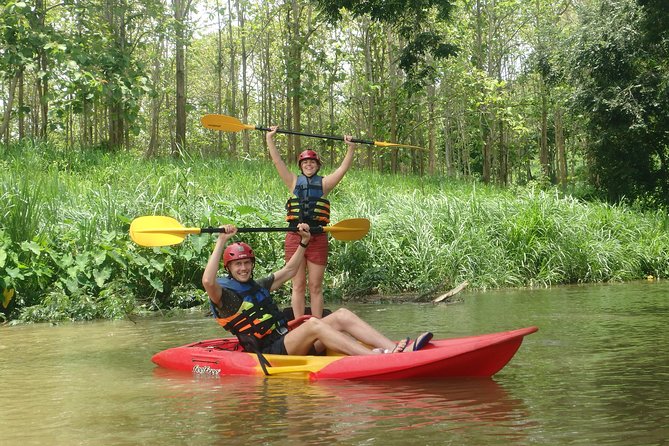
This is a long day by design, and the drives add to it. Between Chiang Mai and Chiang Dao, you should expect a ride that can stretch to roughly 90 to 120 minutes each way depending on the route and group pace. It’s not a dealbreaker, but it shapes the whole day: bring patience, water, and a light layer.
Because the max group size is 15, the experience tends to feel more personal than big-bus tours. Guides can help with individual paddling issues and keep everyone together on the river. You might even end up with a “semi-private” feel if the group is small that day.
A note on transport comfort: open-air truck style rides can happen as part of the adventure, and seats may not be as plush as you’d want for a long drive. If you’re sensitive to rough roads, plan accordingly with a neck pillow or extra layer.
You can also read our reviews of more tours and experiences in Chiang Mai



Guides make or break the day
The guides are consistently a strong part of the experience. Names that come up include Aiden, A, Jane (also spelled Janey in some mentions), Tony, Golf, Jojo, and Jayne. Even if you don’t know your guide’s name in advance, you can use this as a clue for what kind of day it will feel like: active, safe, and explanation-heavy at the right moments.
What you’re looking for from a good guide on this tour:
- clear kayak instruction that doesn’t overwhelm you
- patient coaching for first-timers (or gentle correction if you get tense)
- cave guiding that points out bats, formations, and shrine details
- quick rescue readiness if someone capsizes or gets separated
If you get Jane (Janey), for example, you can expect a lively style that mixes history and humor with real safety. On the river, guides typically talk you through where to paddle and how to handle small bends and currents, which makes the water portion feel less random.
What to pack so nothing ruins your fun
You’ll be outdoors all day, switching from cave temperatures to river sun. Here’s what matters most, based on what’s provided and what you’ll likely need:
Bring:
- water shoes or footwear that works on slippery cave floors and wet river landings (the pro-shop sells items like water shoes if you forget)
- a change of clothes in a sealed bag
- a towel for end-of-activity drying and covering up
- sunscreen and repellent if you use them (pro-shop sells these too)
- a small dry bag or waterproof pouch for your phone and valuables (the support truck helps, but it’s still you who best protects your stuff)
You’ll get:
- life jackets
- headlamps and a local cave guide
- water for hydration packs plus bottled water during the day
- secure storage support via the following truck for valuables
Also, if you’re bringing camera gear: caves are dark, so plan for low-light. On the river, you’ll want to keep electronics dry. Use common sense, because splashes are part of the deal.
Price and value: $81.53 for cave + kayak + lunch (and why it can be worth it)
At $81.53 per person, the value mostly comes from stacking three expensive parts into one day: transportation out to Chiang Dao, an hour-plus cave guide experience, and a structured kayaking program with equipment plus safety support.
You’re not just buying a boat rental. You’re paying for:
- professional escort and CPR/first aid readiness
- hard-shell kayaks and life jackets
- cave headlamps and local cave guiding
- lunch with vegetarian and vegan options
- a support truck following you on the river
- water and hydration help during the day
There are a couple of reasons you might feel the price is either fair or tight. If you get a day with faster river current, you may feel it’s more exciting than relaxing. If your group pace makes the cave feel like it has long stretches, you might wish the timing was tighter. And in some seasons the kayak segment can feel shorter than you hoped depending on water speed and flow.
My rule of thumb: this is good value if you want variety in one day and you’re comfortable with an active outdoor schedule. If you only want the cave or only want the river, you’ll probably feel like you’re paying for something you didn’t need.
Who should book this Chiang Dao caving and jungle kayaking trip
This tour fits best if you:
- want a mix of culture and nature without choosing between them
- like hands-on outdoor activities (caving is not a slideshow, kayaking is real paddling)
- are a beginner at kayaking but want instruction and support
- prefer small groups where the guide can keep an eye on you
It may not be the best fit if you:
- have limited mobility or strong claustrophobia concerns due to crawl spaces and tight cave passages
- want a very relaxed day with no wet gear
- dislike long road time from Chiang Mai
If you’re traveling with family, this can work too, as long as kids and adults can handle uneven cave sections and the movement on the river. The cave route can have small crawl areas, so everyone should be comfortable moving through those spots.
Should you book? My decision guide
Book it if you want one day that feels like two different Chiang Mai experiences glued together: underground Buddhist shrine rooms with bats and formations, then a jungle river paddle where you control your own kayak. With the small group size, headlamp setup, life jackets, and a support truck, the safety structure is solid for beginners.
Skip it if you know you can’t do crawl spaces or you expect locker-room convenience at the river end. Also, if you want a slow, sitting-heavy day, this isn’t that. It’s active, sometimes a bit bumpy, and you’ll come home with that outside-day feeling.
If you can handle wet clothes and tight spaces, this is one of the more memorable ways to spend a full day near Chiang Dao.
FAQ
What time does the tour start?
The start time is 8:30 am.
How long is the experience?
It runs about 7 to 8 hours.
Is hotel pickup included?
Pickup is offered.
Do I need kayaking experience?
No. Full instruction is provided, and you’ll get a kayak briefing before you paddle.
What’s included in the price?
The day includes cave exploration with a guided walk, kayaking with provided hard-shell kayaks and life jackets, lunch (vegetarian and vegan options available), headlamps, hydration, transportation (air-conditioned van as primary), a cave-to-river shuttle, and a support truck following during kayaking.
Are there extra fees for the river or insurance?
Yes. Insurance/river fees are THB 150 per person. You’ll also be asked for your passport number at check-in for an insurance ID.
What gear should I bring or buy on-site?
You might want water shoes and outdoor basics like sunscreen and repellent. A pro-shop is available to purchase items such as sunscreen, repellent, and water shoes. Expect to get wet during kayaking, so bringing a change of clothes is a smart move.