REVIEW · CHIANG MAI
Inthanon Heaven Trail(Living Green Elephant Sanctuary)
Book on Viator →Operated by Inthanon Heaven Trail · Bookable on Viator
Elephants, then a summit hike. That mix is why I like this trip: you get up close time at Living Green Elephant Sanctuary and then head for Doi Inthanon for Thailand’s highest peak. Two things I really appreciate are the capped group size and the fact you do this with a guide, not a free-for-all. One consideration: it’s a long day and the morning-to-afternoon pace leaves little room for lingering.
You’ll get picked up early, transferred with an air-conditioned vehicle, and fed too, so the day feels structured from start to finish. I also like that the sanctuary work is tied to more than entertainment, including education support for children in remote areas. The trade-off is that the hike involves uneven steps and slippery bits, so you’ll want sensible footwear and calm expectations.
Expect elephant time that stays respectful, including the note that they never force elephants to bathe. Guides can also bring the day to life with humor and solid animal knowledge, with names like Wan and John showing up for their friendly, informative approach. If you’re hunting for a laid-back half-day, this probably isn’t it.
In This Review
- Key things to know before you go
- Morning pickup and the drive to Sky Camp
- Living Green Elephant Sanctuary: what your elephant time is really about
- Lunch and the transition from elephants to the mountains
- Doi Inthanon National Park hike: Kewmaepan walk and real-world trekking
- King and Queen Pagodas: a calm cultural break during the climb
- Reaching Thailand’s highest peak (and what it feels like)
- Price and value: what $65.18 really buys you
- What to bring for comfort: your kit for elephants and jungle steps
- How the group size changes your day (for the better)
- Who this tour suits best (and who should think twice)
- Should you book Inthanon Heaven Trail?
- FAQ
- What time does the tour pick me up and drop me off?
- How long is the trek in Doi Inthanon National Park?
- What should I bring?
- Is lunch included?
- Will I be forced to bathe the elephants?
- What’s the group size?
Key things to know before you go
- A small group capped at 13 keeps the day from feeling rushed and makes elephant interactions more personal
- Sanctuary morning at Sky Camp starts with changing clothes and getting grounded in elephant behavior
- A guided Doi Inthanon hike (about 1.45 hours walking) plus pagodas and the highest peak
- Lunch and entrance fees are included, so you’re not doing surprise add-ons mid-day
- Bring rain gear and bug protection if you’re traveling during the rainy season
- No forced elephant bathing, so your experience stays on the animals’ terms
Morning pickup and the drive to Sky Camp
The day starts early, with pickup around 7:00–7:30 AM from your hotel area in Chiang Mai. From there, it’s about 1.5 hours to the Living Green Elephant Sanctuary Sky Camp, which sets the tone: this isn’t just a quick stop, it’s a real morning program.
Once you arrive, you’ll change clothes. That matters for two reasons: comfort and practicality. Elephant areas can mean you’re moving around on uneven ground, and you’ll want to feel prepared rather than dressed for dinner. If you packed a towel and a swimsuit, you’re doing yourself a favor; the kit list is designed for you to participate comfortably if water time comes up.
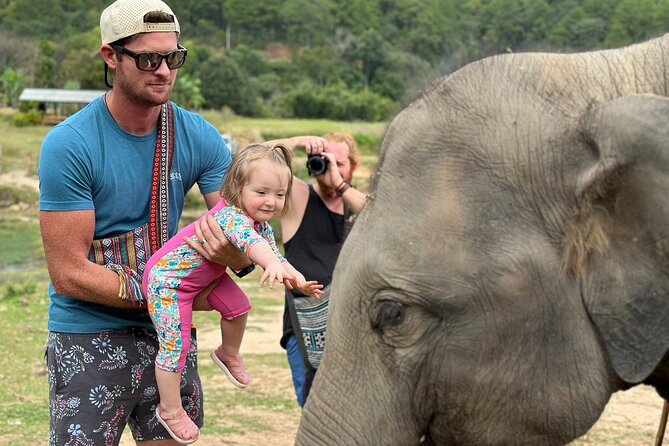
Then your guide helps you get the basics first—how to understand elephants’ behavior and what to do (and not do) around them. This is where the day becomes more than a photo op. Even if you’re not an animal expert, a little context makes your whole interaction feel calmer and more meaningful.
You can also read our reviews of more tours and experiences in Chiang Mai.



Living Green Elephant Sanctuary: what your elephant time is really about
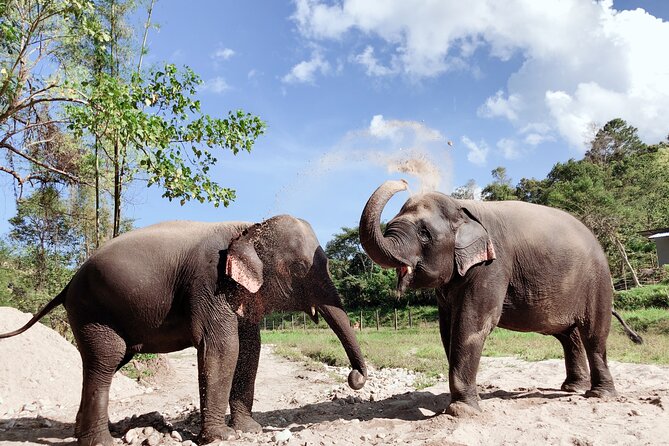
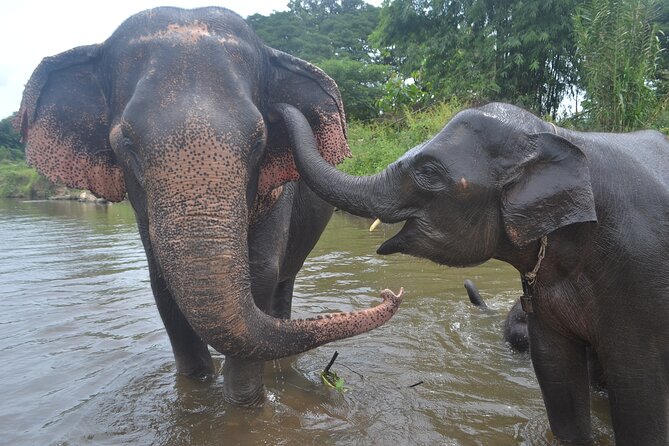
The sanctuary visit is the heart of the trip, and it’s built around “on their terms” interaction. You’ll spend the morning with the elephants, learning about them and enjoying activities with them. The key detail that I think sets this experience apart is the explicit approach: they never force elephant to bath. That single line tells you they’re aiming for care and consent, not spectacle.
You’ll likely see a rhythm to the day: get oriented, learn the basics, then gradually join in. That’s why you should bring the suggested items seriously. Towel, swimsuit, camera, insect repellent, and sunscreen are all practical. Jackets and trousers are also on the list, which is smart because mornings can feel cooler, and you’ll want protection when you’re walking.
A nice bonus built into the sanctuary mission is that the elephants’ care also funds education for kids in remote areas. You don’t need to be an activist to appreciate that. It just means you’re supporting something with a longer view than one morning of entertainment.
One more detail worth planning for: the sanctuary time is the part where you’ll want your energy. If you show up tired, you’ll rush through the learning and miss the cues that make the experience feel special.
Lunch and the transition from elephants to the mountains
After your elephant activities, you’ll have lunch. This is included, which is a big value point on a long day. It also helps you stay focused for the next phase because the hike comes after, and you won’t want to be searching for food on your own once the schedule moves.
Then it’s time to say goodbye to the elephants. Emotionally, that moment can hit harder than you expect, especially if you’ve been paying attention. Practically, it’s also a clean reset: the day shifts from animal time to nature time.
You’ll drive about 30 minutes to Doi Inthanon National Park, home to Thailand’s highest mountain. That short ride is enough to switch gears without feeling like you’re traveling forever.
Doi Inthanon National Park hike: Kewmaepan walk and real-world trekking
At the park, you’ll start trekking. The walk is about 1.45 hours at Kewmaepan. That’s not an all-day trek, but it’s also not a stroll. Expect uneven ground—there can be odd steps and some slippery bits—so your shoes matter.
If you’re worried about difficulty, here’s what helps: the trek is often described as fairly easy overall, with more downhill feel than steep climbing. Still, your feet will take the work. Pack sensible shoes and move slowly. This is also where the clothing advice shows up again—jackets and trousers help with comfort and coverage, and insect repellent matters if you’re hiking near vegetation.
What makes this portion feel worthwhile is that you’re not just walking to say you walked. You’re pairing the hike with big scenery stops tied to culture and the summit itself. So even if the hike is only about 90 minutes, it fits into a larger arc.
You’ll hike with a guide, and having that support can be the difference between enjoying the day and getting distracted by where to step next. Your guide keeps the pacing steady and helps you understand what you’re seeing along the way—especially when the route includes viewpoints and cultural stops.
King and Queen Pagodas: a calm cultural break during the climb
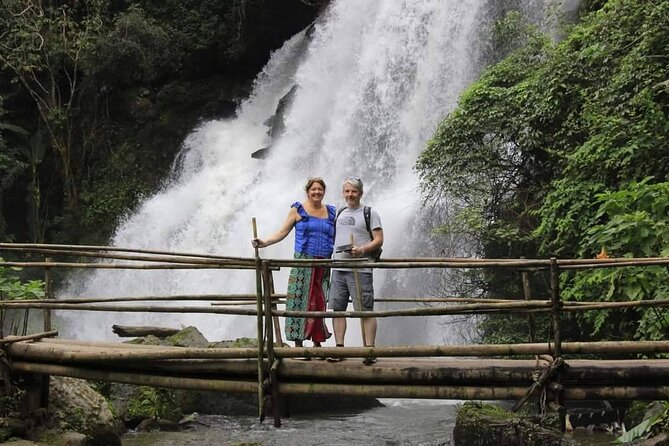
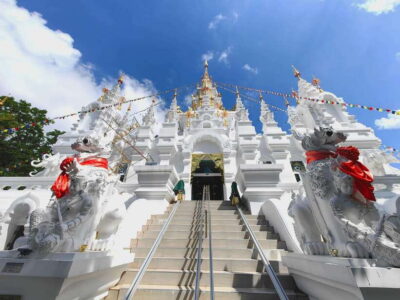
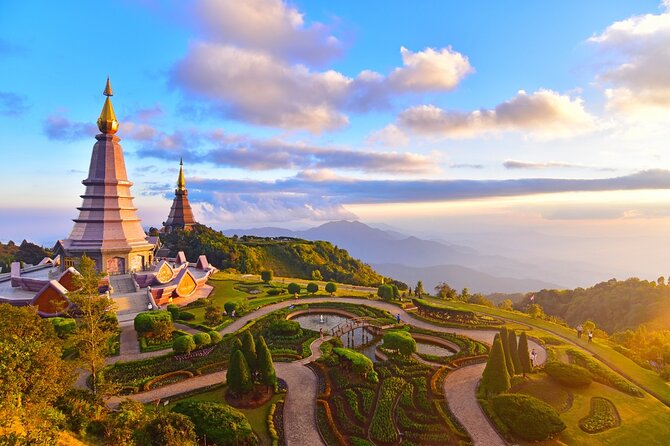
After the Kewmaepan trek, you’ll visit the King and Queen Pagoda area. This stop is a smart pacing tool. It breaks the rhythm of the hike with a change of pace, giving you a moment to rest your legs and reset your camera skills.
It also adds cultural context to the day. Doi Inthanon isn’t only about elevation and weather; these pagodas make the visit feel grounded in Thailand, not just geography. Even if you’re not the type to read every plaque, take a few minutes here. The views around the pagodas can be the kind you remember later, because you’re not rushing through them.
If it’s rainy season or conditions are damp, keep your expectations realistic. Wet steps are part of the deal. Your rain coat on the kit list isn’t optional if the weather turns.

Reaching Thailand’s highest peak (and what it feels like)
The itinerary includes the highest peak of Thailand. This is the headline, but it’s also the point where the day’s pacing pays off. By the time you reach the summit area, you’ll have already done the elephant morning, the drive, and the trek—so don’t treat this like a quick add-on.
Plan to dress for temperature swings. Even within one day, the higher you go, the more you notice the shift. That’s why jackets and trousers are on the packing list. It’s also why sunscreen still matters—cloud cover doesn’t always mean no UV, and you’ll likely spend time outdoors.
Your guide will help you time the summit moment so you can take photos and soak in the view without feeling like you’re sprinting to check a box. In a small group of 13 travelers max, you’re more likely to keep that calm flow rather than being swept along.
Price and value: what $65.18 really buys you
At $65.18 per person for about 10 hours, the pricing is best understood as a bundle. You’re paying for:
- hotel pickup and drop-off by air-conditioned vehicle
- sanctuary access and activities
- lunch
- park time, entrance fees, and guided hiking
Because entrance fees and transfers are included, the cost feels easier to justify than “paying for a guide only.” The small-group cap also matters here. In a group that small, guides can manage the pace and keep elephant interactions respectful instead of chaotic.
Is it cheap? It’s not “pocket change” either. But it’s also not the kind of add-on-heavy day trip where you keep getting asked to cover extras. If you want a structured day that mixes ethics-focused animal time with a legit hike and culture stops, the price lands in a reasonable zone.
Where value can shift for you is footwear and weather. You’re responsible for what you bring. If you forget proper shoes or rain gear during rainy season, you’ll feel the cost in comfort, not just money.
What to bring for comfort: your kit for elephants and jungle steps
Use the packing list as your base, and upgrade your comfort where you can. The experience suggests:
- towel
- swimsuit
- camera
- insect repellent
- jackets and trousers
- sunscreen
- rain coat (especially during rainy season)
- and your love for elephants
My practical take: bring a small day bag with dry backup layers if rain is likely. Keep your insect repellent handy, not buried deep. And plan on using your towel rather than just carrying it.
Shoes are the big one. The trek includes steps that can feel odd and sections that can be slippery. Comfortable, grippy soles are worth it. If you only pack flip-flops because you’re thinking of the elephant area, you’ll regret it once you’re on the Kewmaepan walk.
Also, bring what you need to stay hydrated and warm. The day runs until around 18:00–18:30 drop-off, and you’ll spend a lot of time outside.
How the group size changes your day (for the better)
This tour caps at 13 travelers, which is one of the real advantages. In elephant settings, smaller groups help you keep space. They also reduce the constant “wait while the last people catch up” problem that happens with bigger groups.
Small-group size also helps on the hike and summit stops. You’re less likely to get separated, and the guide can manage the pace. That’s especially helpful if the ground is slippery or steps feel awkward.
If you like your experiences calm and organized—rather than rushed and crowded—this format fits that preference.
Who this tour suits best (and who should think twice)
This is a strong match if you want a single day that combines:
- ethical elephant time at a sanctuary
- a guided hike in national park terrain
- culture stops like King and Queen Pagodas
- the summit experience of Thailand’s highest peak
It’s also a good fit for families, as long as kids and parents are comfortable with a long day and moderate walking. The trip calls for moderate physical fitness, and that includes being able to handle uneven, sometimes slippery parts.
Think twice if you:
- hate long travel days with an early start
- want a short, easy nature outing
- have mobility issues that make stepping uneven ground hard
- are hoping for a hands-off viewing-only elephant experience
The elephant morning includes interaction time, not just watching from a distance. If you’re uncomfortable with that type of participation, the day may feel too active.
Should you book Inthanon Heaven Trail?
I’d book it if you want a balanced day: respectful elephant care in the morning, then a guided national park hike with cultural stops and a real summit finish. The value is strongest when you appreciate that lunch, entrance fees, and transfers are handled for you, and that group size stays small.
I’d skip or look for a different option if you’re the type who struggles with long outdoor days or slippery steps. This isn’t a casual stroll, and the day starts early at 7:00 AM and runs until around 6:00 PM.
If you’re deciding, use this simple test: do you want one memorable Thai day that mixes wildlife ethics with a hike you can feel in your legs? If yes, this is a solid choice.
FAQ
What time does the tour pick me up and drop me off?
Pickup is typically between 7:00 and 7:30 AM, and drop-off is between 18:00 and 18:30.
How long is the trek in Doi Inthanon National Park?
You’ll trek for about 1.45 hours at Kewmaepan.
What should I bring?
Bring a towel, swimsuit, camera, insect repellent, jackets and trousers, sunscreen, and a rain coat if you’re traveling during the rainy season.
Is lunch included?
Yes, lunch is included in the tour.
Will I be forced to bathe the elephants?
No. The experience states they never force elephants to bathe.
What’s the group size?
The tour has a maximum of 13 travelers.