REVIEW · CHIANG MAI
Private Dinner Cooking Class with Benny in Chiang Mai
Book on Viator →Operated by Benny's Home Cooking Chiang Mai · Bookable on Viator
Thai cooking turns hands-on fast. You’ll shop, cook, and eat in Benny and Nan’s Chiang Mai home—market first, curry second—and that’s the whole point. I especially liked making curry paste myself and tasting street-style bites during the local market tour. One heads-up: this is not ideal if you have leg problems, since you’ll do some walking and standing at the market and around the home.
If you want a class that feels like dinner with locals (not a scripted show), this private format helps a lot. The full-color recipe book is practical, not just decorative, and it makes the trip last after you go home. The main trade-off is timing: it runs about 5 hours starting at 4:30 pm, so it eats part of your evening.
I also like that the experience is built around real ingredients—seasonal produce from an organic garden and market finds you can actually recognize later. Vegetarian options are available if you ask ahead, and alcoholic drinks aren’t included (but other drinks are).
In This Review
- Key highlights worth marking on your Chiang Mai calendar
- Why cooking at Benny’s Chiang Mai home feels different than a class
- The 4:30 pm pickup and the ride to a market with real Thai energy
- Market tour: tastings, a menu checklist, and shopping with purpose
- Inside the organic garden: vegetables, rice nearby, and a home-cooking mindset
- Cooking lineup: curry paste, soup, stir-fried noodles, curry, and dessert
- Curry paste first
- Then soup
- Stir-fried noodles
- Curry and dessert
- What the class feels like in practice
- The recipe book: your real souvenir (and how to use it at home)
- Price and value: what you get for $97.77 per person
- Who should book this private Thai dinner cooking class
- Practical tips so you enjoy every step
- Should you book this Chiang Mai private cooking class with Benny?
- FAQ
- How long is the Private Dinner Cooking Class with Benny?
- What time does the experience start?
- Is hotel pickup and drop-off included?
- What do I do during the market portion?
- What will I cook during the class?
- Do I get a recipe book?
- Is there a vegetarian option?
- Are alcoholic drinks included?
Key highlights worth marking on your Chiang Mai calendar
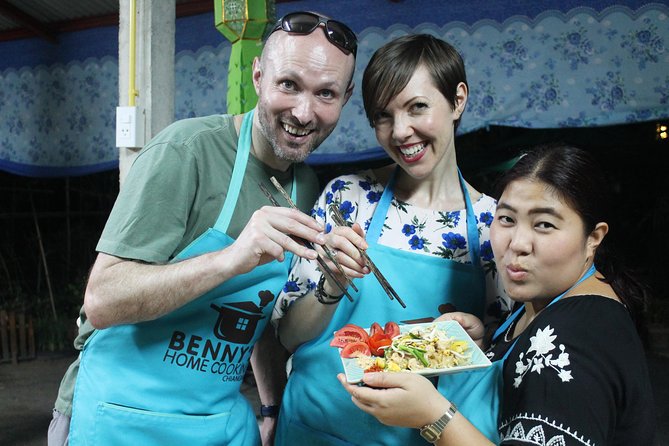
- Private, home-based class: You’re cooking in Benny’s household, not a studio kitchen.
- Market tour outside the tourist loop: You’ll see how real Thai people eat and shop, plus you’ll do food tastings.
- You make the curry paste: A hands-on step that makes your finished curry taste right.
- Five dishes, one organized session: Soup, stir-fried noodles, curry, dessert, plus your curry paste work.
- Full-color recipe book: Built to help you recreate the meals at home.
- Pickup included when selected: Round-trip transport from your Chiang Mai hotel by private vehicle.
Why cooking at Benny’s Chiang Mai home feels different than a class
Plenty of cooking classes teach recipes. This one teaches the flow of Thai cooking—starting with ingredients, then building flavor step by step, then eating what you make. That sounds simple, but it changes everything when you cook in a resident’s home surrounded by an organic setup rather than in a showroom kitchen.
I like the way the experience is organized around a living Thai day: you start with a market stop, then you move into the home garden side of life. The market portion is not just about buying stuff—it’s also a chance to understand what different ingredients taste like before you cook them. Then, once you’re at the house, you go from raw to finished dishes in a steady rhythm: curry paste, soup, stir-fried noodles, curry, and dessert.
One more small detail I appreciated: Benny and Nan keep the class friendly and structured. From the way the cooking is described, you’re not rushed through. It’s laid out so you can follow along and still have fun.
You can also read our reviews of more private tours in Chiang Mai



The 4:30 pm pickup and the ride to a market with real Thai energy
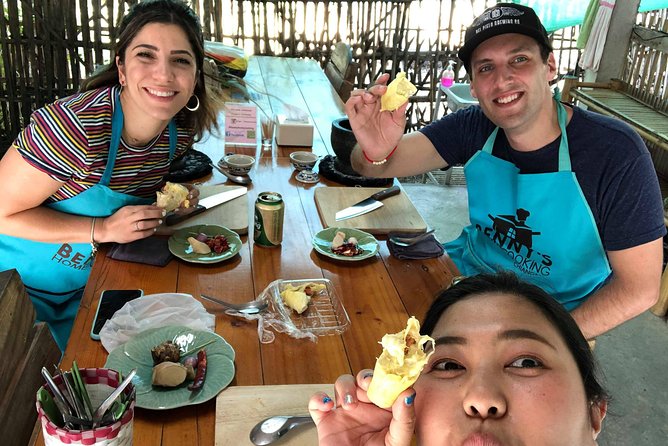
The day starts late afternoon. Start time is 4:30 pm, and if you choose the pickup option, you’ll get hotel pickup and drop-off by private vehicle. The market is a bit out of town, which matters. You’re not just seeing stalls; you’re seeing how people shop when there’s no “tourist market” pressure.
One review detail that stuck with me: people love the feel of getting to the market by local transport, including riding in a red truck. It’s the kind of small thing that turns logistics into memory.
Also plan your clothing for the market phase. You’ll want casual clothes and you’ll likely be walking. Bring a bottle of water for the market tour, since the class doesn’t stop while you’re walking and tasting.
Market tour: tastings, a menu checklist, and shopping with purpose
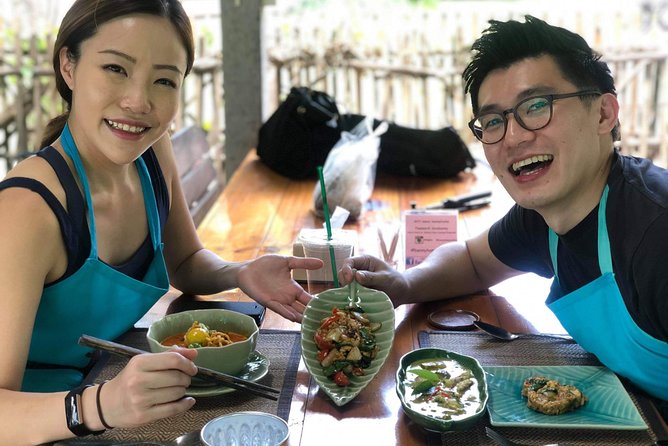
The market portion is built around two things: sampling and choosing.
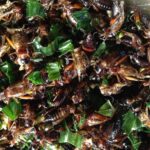
First, you do a local market tour and food tasting. The tastings are part of the education. Even if you’ve cooked Thai food before, this step helps you understand what’s “normal” in flavor and texture for dishes you’ll make later. You also get a look at everyday Thai life—food stores and ingredients that feel used, not staged.
Then you get a menu checklist for the class. You choose your preferred dishes from the categories, and the checklist includes descriptions so you can make a decision on the spot. That’s a big help if you’re the type who freezes when faced with “pick a Thai dish and go.”
After the tour and class planning, you’ll get time to walk around the market again. You can buy anything you want to eat or take photos. That second pass is handy because you’ve already learned the layout by then—you don’t feel like you’re wandering for no reason.
My practical takeaway: show up hungry. You’re tasting food, and the market section is designed to whet your appetite without stealing your entire meal.
Inside the organic garden: vegetables, rice nearby, and a home-cooking mindset
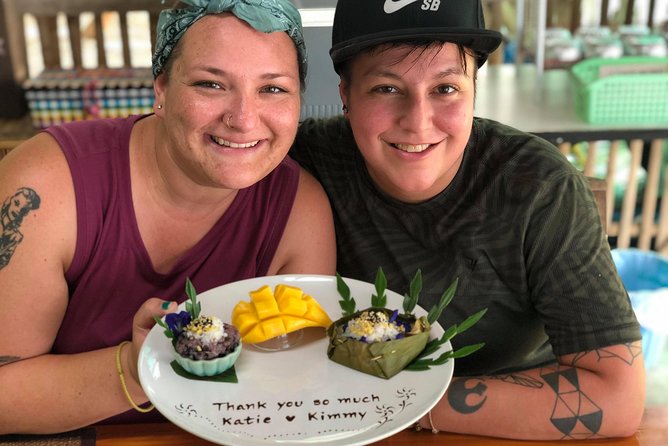
After the market, you head to Benny’s home. This part is more than scenery. The experience describes organic vegetables grown around the house and a rice paddy next door. Even if you’re not a “farm-to-table” person, it changes how the cooking makes sense.
You also get ingredients you wouldn’t necessarily pick up in a typical tourist grocery run. When you cook from garden produce and market items you’ve already seen, the flavors feel less mysterious later. And when you go to recreate the recipes at home, you know which ingredients matter most.
Vegetable picking or garden ingredient use isn’t described as a separate activity you must do, but the overall setup is clearly meant to connect you to the ingredients you’ll cook with. You’re not just receiving chopped items—you’re cooking with a story.
Cooking lineup: curry paste, soup, stir-fried noodles, curry, and dessert
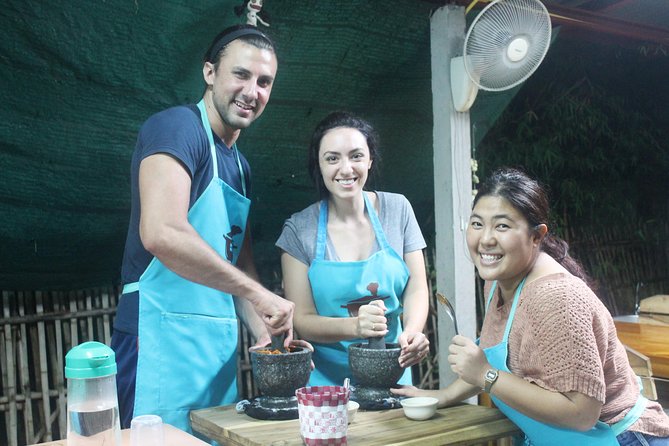
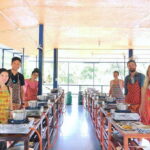
This is the core of the value: you don’t just watch. You cook. The step-by-step flow is laid out so you build flavor in a logical order.
You can also read our reviews of more cooking classes in Chiang Mai
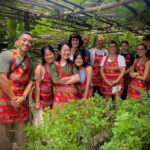

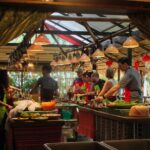

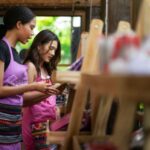
Curry paste first
You start by making curry paste by yourself. This is the step that often gets skipped or simplified in classes. Doing it yourself matters because curry isn’t just a spice blend—it’s a texture and aroma you’re building by hand.
Then soup
Next comes cooking soup. The pacing here is important. It’s early enough that you still feel fresh, but it’s after you’ve already made the paste, so the flavors start to connect.
Stir-fried noodles
After soup, you cook a stir-fried noodles dish. This helps you practice Thai cooking methods—quick, hot, and flavor-forward—rather than only learning curry logic.
Curry and dessert
Finally, you cook curry and dessert. Ending on dessert is a smart move: it gives you closure and makes the class feel like a real meal rather than a cooking workshop with leftovers.
What the class feels like in practice
From how the experience is described and how people talk about it, the class is organized, and the food portion sizes are said to land in a comfortable middle—not too tiny, not overloaded. You’re meant to enjoy what you cook, not just snack.
Also, this is private, so the pacing can feel more natural for your group. You’re not squeezed into the rhythm of dozens of people taking turns.
The recipe book: your real souvenir (and how to use it at home)
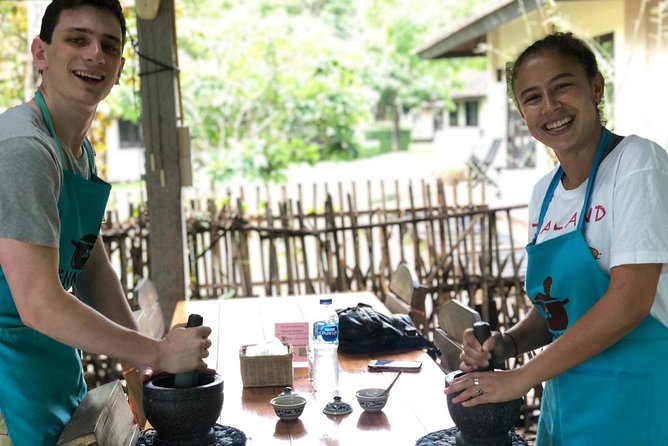
The best takeaway isn’t the photos. It’s the full color recipe book. It’s designed to help you recreate the meals at home, and it includes recipes for things like satay, curry, soup, and noodle dishes.
The book matters because it turns Thai cooking from a vague memory into steps you can repeat. If you’ve ever tried recreating Thai food and thought, Why doesn’t it taste the same?—this kind of recipe guide can help you get closer by keeping the process clear.
Practical way to use the book:
- Cook one dish first while the market ingredients still feel familiar.
- If you can, recreate ingredient sourcing before tweaking recipes.
- Use the curry paste section as your anchor. Once you get that right, the rest often falls into place.
And yes, you’ll likely eat everything you make on the day. That’s part of why the recipes stick in your head.
Price and value: what you get for $97.77 per person
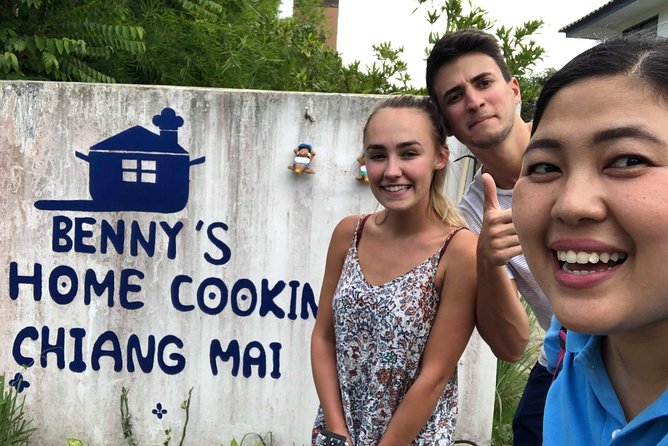
At $97.77 per person, this isn’t a budget cooking add-on. But it’s also not overpriced for what’s included—especially because it’s private.
You get:
- A private tour with a professional guide
- Local market tour and food tasting
- Beverage plus organic coffee and herbal tea
- All ingredients for cooking
- Full-color recipe book
- Hotel pickup and drop-off if you select that option
A good way to think about value: this price bundles the messiest parts of DIY Thai cooking travel. You’re paying for transport, ingredient handling, guided tasting, and structured cooking time in someone’s kitchen.
If you’re comparing to a cheaper cooking class, watch the hidden differences:
- Does it include market time and tastings?
- Do you get a recipe book meant for real home cooking?
- Is your group private, or shared with strangers?
- Are ingredients and transportation handled for you?
For many people, the “private + market + recipe book + ingredients” combo is exactly what makes it worth it.
Who should book this private Thai dinner cooking class
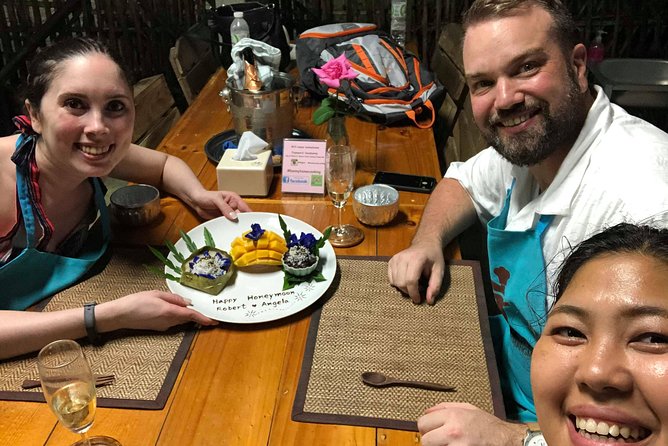
This fits best if you:
- Want a hands-on Thai cooking experience, not a lecture
- Like markets and want to learn what locals actually buy and eat
- Enjoy cooking enough to want to recreate dishes later (the recipe book supports that)
- Prefer a private setup so the class feels personal
It may not be the best match if you:
- Have leg problems (you’ll do walking and standing)
- Prefer all-day activities with minimal timing pressure (this starts at 4:30 pm and runs about 5 hours)
Vegetarians should know there’s a vegetarian option available when requested at booking. If that matters to you, plan ahead so the menu matches your needs.
Practical tips so you enjoy every step
A few simple things will make the experience smoother:
- Wear casual clothes for the market and cooking.
- Bring a bottle of water during the market tour.
- Plan to eat: the class includes market tastings and then multiple cooked dishes.
- Expect beverages (including organic coffee and herbal tea). Alcoholic drinks are available to purchase, but they’re not included.
- If you have dietary needs beyond vegetarian, you’ll want to communicate them clearly at booking since the class includes specific dishes and ingredients.
Also, note that it’s a private tour/activity: it’s set up for your group only. That’s good for comfort and attention, and it helps the cooking pace feel less rushed.
Should you book this Chiang Mai private cooking class with Benny?
I’d book it if you want a Thai cooking day that feels like a real evening meal in Chiang Mai—market first, then ingredients from an organic garden, then cooking five dishes yourself. The combination of curry paste hands-on time, a structured five-dish lineup, and a full-color recipe book is the reason this works.
Skip it only if you know you won’t enjoy walking around a market or you have mobility limits that make standing and moving hard. Otherwise, this is one of the better ways to spend an afternoon in Chiang Mai if your goal is learning the “how,” not just tasting the “what.”
FAQ
How long is the Private Dinner Cooking Class with Benny?
It runs about 5 hours.
What time does the experience start?
The start time is 4:30 pm.
Is hotel pickup and drop-off included?
Pickup and drop-off are included if you select that option, and it’s handled by private vehicle.
What do I do during the market portion?
You’ll join a local market tour with food tastings, then you’ll shop and choose from a menu checklist. Afterward, you also get time to walk around again for photos and optional extra food purchases.
What will I cook during the class?
You’ll make curry paste, then cook soup, a stir-fried noodles dish, curry, and dessert—5 dishes total.
Do I get a recipe book?
Yes. You’ll receive a full-color recipe book designed to help you recreate the meals at home.
Is there a vegetarian option?
Yes. Vegetarian options are available if you advise at the time of booking.
Are alcoholic drinks included?
Alcoholic drinks aren’t included. Non-alcoholic beverages, organic coffee, and herbal tea are included.