REVIEW · CHIANG MAI
Chiang Mai: Cooking Class with Market and Pickup
Book on GetYourGuide →Operated by Chiang Mai Daddy's Kitchen · Bookable on GetYourGuide
Cooking Thai food in Chiang Mai is easier when you start at the fresh market and end at your own hands-on cooking station. You’ll learn what Thai herbs really look like, then cook with fresh ingredients in a Thai home-style setup run by English-speaking instructors such as Wave, Cha-em, New, Tu, Toey, and Poppy.
The standout part for me is the structure: small group size (up to 10), everyone gets a station and wok, and you leave with a digital recipe e-book you can actually use later. One thing to think about: this is a full 210-minute hands-on session, and you may want to plan your day around eating a lot.
In This Review
- Key points before you book
- What Your $25 Actually Buys in Chiang Mai
- Pickup and Timing: How to Make the Start Smooth
- Fresh Market Stop: Thai Herbs You Can Finally Name
- Daddy’s Kitchen: A Thai Home Atmosphere With Real Cooking Setups
- How the Class Feels: Hands-On Teaching for Beginners and Strong Cooks
- Choosing Your Menu: Soups, Stir-Fries, Curries, and Curry Paste
- Curry Paste and Timing: Where Thai Flavor Comes From
- Mango Sticky Rice: The Sweet Finish (and a Small Note)
- The Instructor Factor: English Clarity and Humor That Keeps You Cooking
- Food Quality and Portions: Plan to Arrive Hungry
- Alcohol and Kitchen Rules: What’s Included vs Optional
- Taking the Recipes Home: PDF Book and Photos
- Who Should Book This Chiang Mai Cooking Class
- Should You Book Chiang Mai Daddy’s Kitchen?
- FAQ
- How long is the Chiang Mai cooking class?
- Is hotel pickup and drop-off included?
- How big is the group?
- Can I choose what dishes I cook?
- What’s included in the class price?
- Is there a recipe book I can take home?
- What language is the instructor?
- Are alcoholic beverages included?
- Is it beginner-friendly if I cannot cook?
- Is there an age limit?
Key points before you book
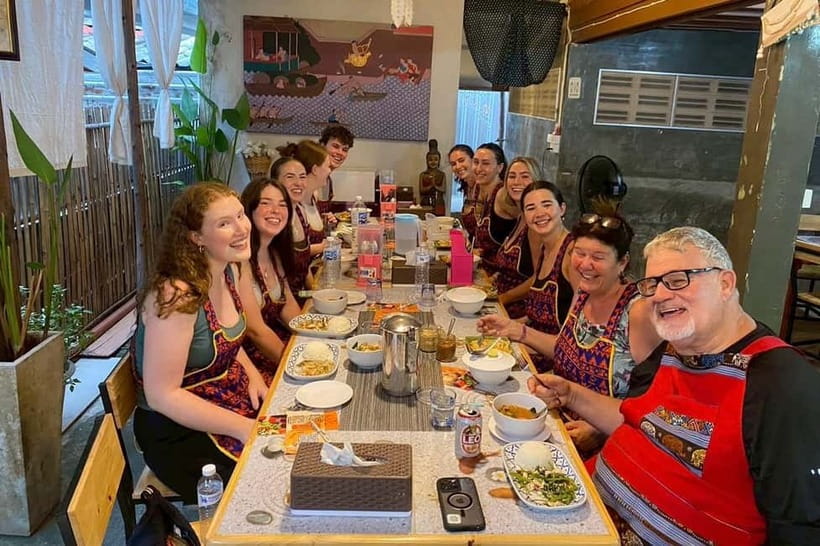
- Market shopping first so the ingredients make sense before you cook them
- Own wok and station so you’re not waiting around
- Build your own menu from soups, stir-fries, curries, and curry paste options
- Fresh herbs and ingredients used by Daddy’s Kitchen
- English instruction with lively guides who keep the pace clear and fun
- Mango sticky rice included to cap the meal, even if it’s not everyone’s favorite
What Your $25 Actually Buys in Chiang Mai
At about $25 per person, you’re paying for more than a cooking demo. You’re getting a full market-to-kitchen experience with pickup, ingredients, tools, and a hands-on class that lasts 210 minutes. That price feels realistic because you’re not just watching. You’re cooking multiple dishes and eating what you make.
Also, the format is built for payoff. After the market, there’s a welcome drink and snack, then you jump into cooking with an instructor who guides you step by step. Many people leave full and satisfied because the class is designed around making several dishes, not one small plate.
One more value point: you get a digital recipe e-book (PDF) and photos from the activities. That matters if you want to reproduce Thai flavors at home without guessing measurements later.
You can also read our reviews of more shopping tours in Chiang Mai

Pickup and Timing: How to Make the Start Smooth
This class includes hotel pickup and drop-off, and the transport is highly rated. The only practical rule: you wait in the hotel lobby 30 minutes before the class start time. If you’re running late, you’ll feel it because the schedule is timed tightly with the market and cooking flow.
You’ll typically head out to the fresh market first, then return to Daddy’s Kitchen for the cooking portion. The full session is 210 minutes, so it slots into an evening plan or a daytime plan without dragging on forever.
If you’re sensitive to long stretches, this is still a manageable length because you’re active the entire time. You’re chopping, cooking, tasting, and adjusting. You won’t spend the whole session waiting for someone else to finish.
Fresh Market Stop: Thai Herbs You Can Finally Name
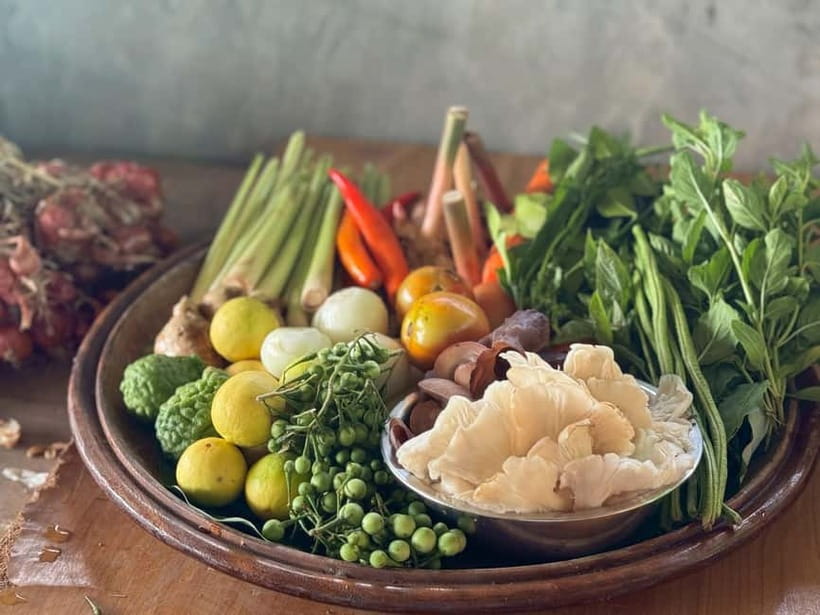
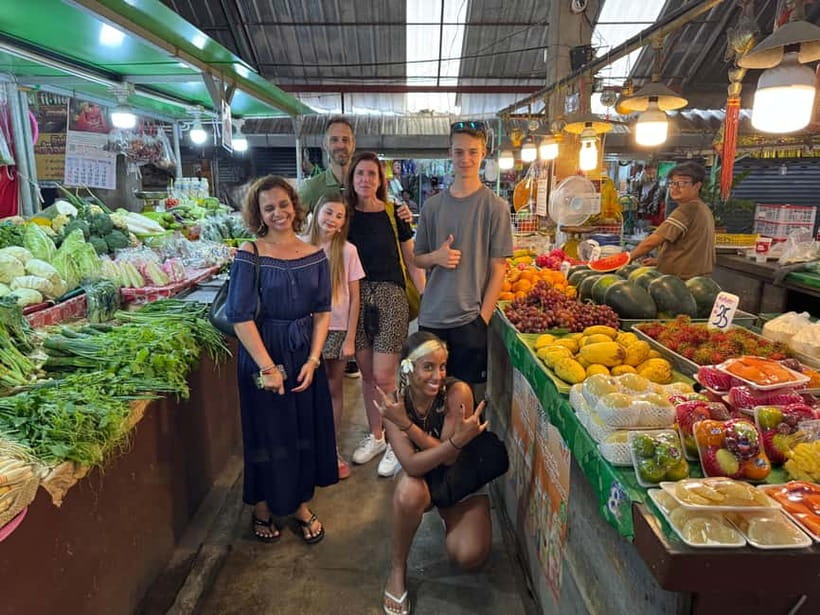
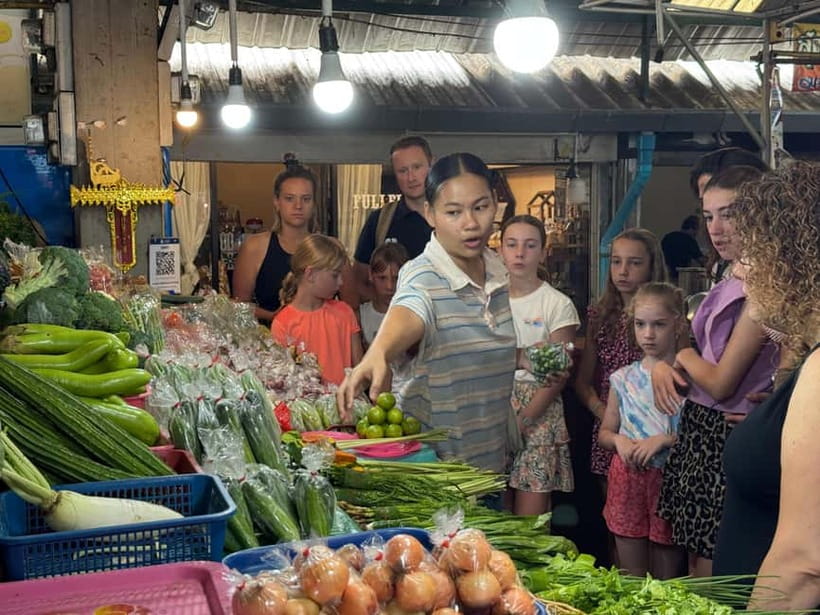
The market visit is where this class starts to feel more like learning than entertainment. You’ll walk through a local fresh market, get introduced to Thai herbs and vegetables, and buy ingredients for the dishes you’ll cook later.
What I like about this part is that it trains your senses. Thai cuisine is built on aroma and balance, and the market makes that real. You’ll see the ingredients in person, including the different types of vegetables people often struggle to identify abroad.
This stop also helps you understand why certain flavors work together. When you later cook curry paste or stir-fry, you’re not just following instructions. You recognize ingredients you handled yourself.
The market time is also a good mental reset. You go from sightseeing mode into food mode fast, and the shift keeps the rest of the evening feeling purposeful.
Daddy’s Kitchen: A Thai Home Atmosphere With Real Cooking Setups
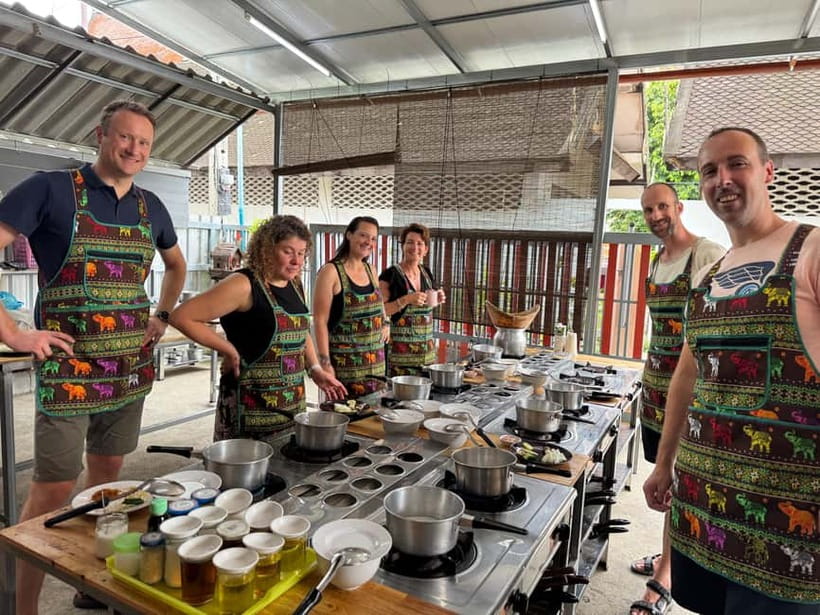
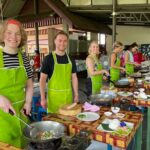
Back at the school, you’ll be welcomed with a drink and snack before cooking begins. Then you cook in what feels like a Thai family home atmosphere, not a warehouse classroom.
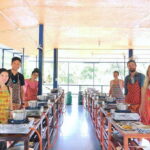
The setup is practical: everyone gets their own cooking station and wok. You also use cooking utensils that are allocated to your station, which keeps things moving. It’s much less stressful than shared equipment, especially for first-timers.
A key detail is that Daddy’s Kitchen uses fresh herbs and ingredients. That matters because Thai cooking is delicate—too much reliance on old or pre-packaged ingredients can change flavor fast. In this class, the ingredient quality supports the final taste.
If you’ve ever taken a hands-on class where you spend most of your time “helping,” this one aims to prevent that. You’re actively cooking at your own pace while the instructor keeps the group on track.
How the Class Feels: Hands-On Teaching for Beginners and Strong Cooks
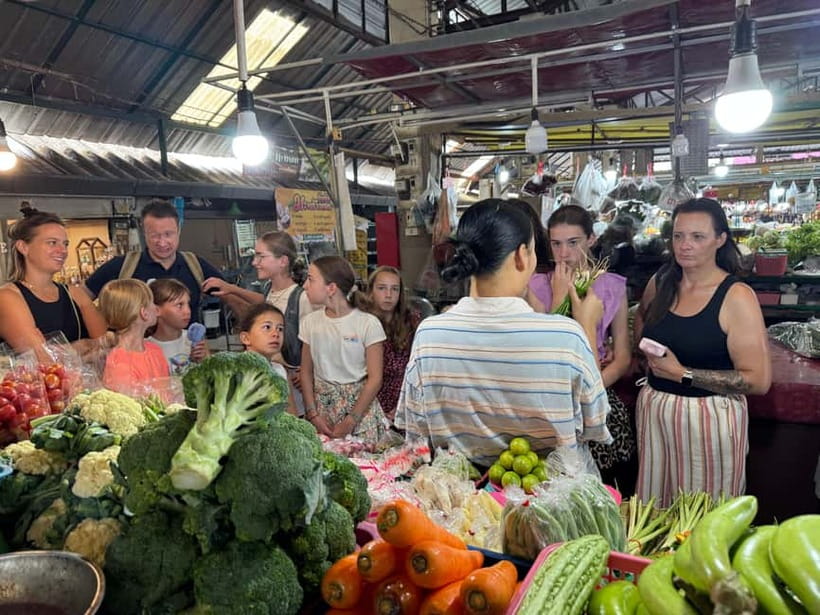
The teaching style is hands-on, with English instruction. The goal is that you can follow along even if you have zero cooking skills. Most people can succeed here because you’re coached through the process rather than just given a recipe and a timer.
There’s also a logic to how you learn. You start with ingredient understanding at the market, then you move into preparation steps before cooking. During the cooking phase, you’re not guessing when to add what. The instructor keeps timing and technique clear.
Small group size (limited to 10) helps. In a larger setting, you can feel anonymous. Here, it’s easier to get quick corrections or encouragement if your pan is too hot or your spice mix needs adjustment.
If you’re an experienced cook, you’ll still have value because you’ll learn Thai techniques and flavor building, especially around curry paste and balancing sweet, salty, sour, and spicy. If you’re new, you’ll feel supported rather than rushed.
You can also read our reviews of more tours and experiences in Chiang Mai




Choosing Your Menu: Soups, Stir-Fries, Curries, and Curry Paste
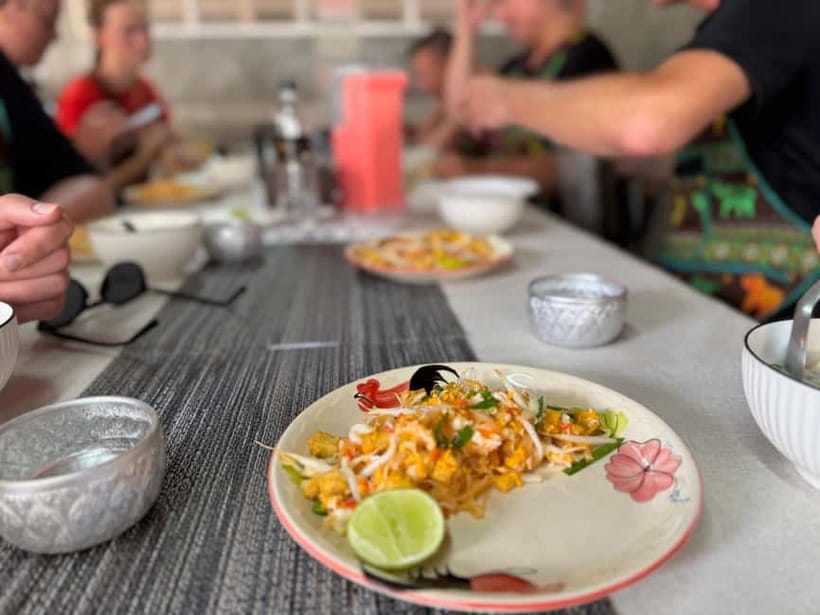
One of the best features is choice. You create your own menu instead of getting the same fixed meal as everyone else. You’ll generally pick from options like soups, stir-fries, and curries, with curry paste included as part of the experience.
In some sessions, the menu variety is quite broad. For example, people describe having choices like 3 soups, 3 stir-fries, and 4 curry options, including the paste-making element for curry. That means you can focus on the flavors you actually want—whether you prefer something lighter like a soup, something wok-fried, or a richer curry.
How many dishes you make depends on the menu choices and group flow. Many people end up cooking multiple dishes (often around four each), and solo participants typically cook a set number of dishes with team support for curry paste and sticky rice elements. If you come with a partner, you can coordinate so you taste more variety.
Practical tip: before you arrive, have a rough idea of what you like—spicy vs mild, and curry vs stir-fry—so your menu decisions are easy.
Curry Paste and Timing: Where Thai Flavor Comes From
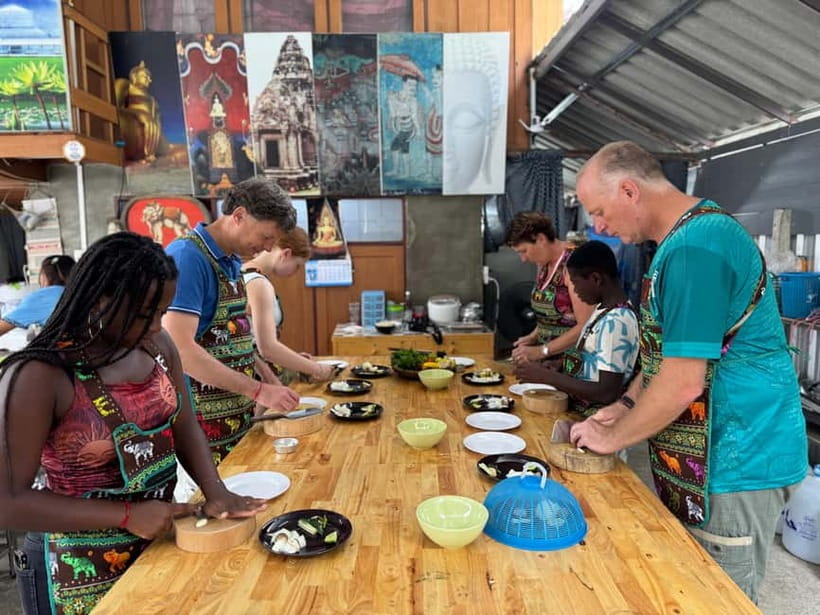
The curry part is one of the most educational sections because it shows you how Thai flavor is built. When you make curry paste, you learn that the paste is not just a shortcut. It’s a flavor engine.
You’ll spend time on preparation and then move into cooking at the right moment so the flavors bloom instead of turning flat. This is the kind of step that’s hard to learn from a restaurant meal, where you only see the final dish.
The class pace is designed to keep you moving. Multiple dish stations and your own wok reduce downtime. You’ll still have coordination moments, especially if part of the curry paste or dessert process is shared within the group, but overall it stays structured.
If you like food as a craft—not just as a taste—this is where the class pays off most.
Mango Sticky Rice: The Sweet Finish (and a Small Note)

Mango sticky rice is included, and it’s the classic Thai finish that ties the meal together. People often love it, and it also shows you how Thai desserts balance sweetness and texture.
At the same time, at least one group didn’t love the dessert as much as the savory dishes. That’s not a dealbreaker, but it’s a good reality check: if mango sticky rice isn’t your thing, you’ll still get plenty of savory food to enjoy, because you’re making multiple Thai dishes.
If you’re especially sweet-sensitive, you might plan to eat the dessert mindfully rather than as a guaranteed crowd-pleaser for your palate.
The Instructor Factor: English Clarity and Humor That Keeps You Cooking
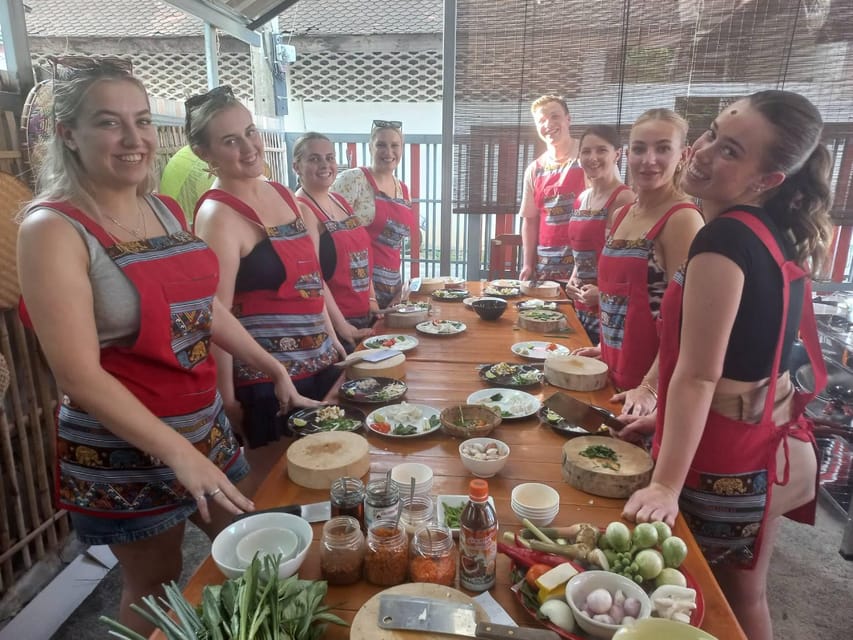
You’ll be taught by an English-speaking instructor. Names that come up often include Cha-em, Wave, New, Pe New, Tu, Em, Kimmy, Toey, Flook, Cha-de, Emy, and Poppy. The recurring theme is that guides use humor and clear instruction to keep the pace fun and understandable.
What this means for you: you’re less likely to feel intimidated. Several people mention coming in nervous about Thai cooking, then leaving confident because the steps are explained in a way that fits real beginners.
A lighter mood also helps during the busiest steps like stir-frying and curry timing. If the class felt tense, it would be harder to focus. Here, the energy helps you cook with attention instead of panic.
Just one practical note: if you’re easily distracted, humor is fun but still listen closely during timing cues. Stir-fry and curry move fast.
Food Quality and Portions: Plan to Arrive Hungry
This is not a snack class. You should come with an empty stomach or close to it. Many people mention leaving with plenty of food because you cook and share what you make.
Some people recommend not eating breakfast beforehand, especially for sessions where your first full meal happens a bit later in the morning schedule. If your day includes long sightseeing, just remember that you’ll be cooking and tasting in the middle of the session.
The upside: you get a proper meal and a learning experience at the same time. The downside: if you snack too early, you might feel full before dessert.
Alcohol and Kitchen Rules: What’s Included vs Optional
Alcoholic beverages aren’t included, but they may be available for purchase. The class also has clear rules: no alcohol and drugs are allowed during the activity.
If you’re someone who enjoys pairing meals with drinks, you can still enjoy the class, just know it’s designed around cooking and eating, not drinking. If you want a non-alcohol focus, you’ll probably appreciate the clean, food-centered atmosphere.
Also, since this is a hands-on cooking class, you’ll want to avoid anything that affects your energy or senses. Thai cooking depends on smell and taste cues.
Taking the Recipes Home: PDF Book and Photos
You get a digital recipe e-book in PDF format. That’s useful because Thai cooking often hinges on ratios and technique, and a PDF helps you replicate the dishes later.
You also receive photos from the activities. That’s a nice extra because it helps you remember which ingredients went into which dish and what you chose for your menu.
This matters for value. If you only get a brief memory, the class becomes a one-time experience. With recipes and visuals, it becomes something you can repeat in your own kitchen.
Who Should Book This Chiang Mai Cooking Class
This class is suitable for skilled cooks and also for nonskilled cooks, because the style is hands-on teaching. You don’t need fancy tools at home after, since the steps are explained in a way that translates.
It may not fit:
- Children under 5 years
- People over 95 years
For everyone else, it’s a strong match if you want a Thai cooking lesson tied to real ingredients. It’s especially good for couples and small groups because menu choice helps you try more variety instead of cooking the exact same dishes.
If you’re short on time in Chiang Mai but want a high-value food experience, this 210-minute format is a good compromise between a market morning and a cooking lesson.
Should You Book Chiang Mai Daddy’s Kitchen?
I’d book this if you want a structured Thai cooking class with real ingredient context. The market visit gives you something restaurants rarely teach, and the hands-on format with your own wok makes it more than a show.
It’s also good value at $25 per person because you get hotel pickup, ingredients, station setup, mango sticky rice dessert, and a digital recipe e-book. That combination is hard to beat for the time you spend.
Book it with confidence if you’re hungry, curious, and ready to cook. Skip it only if you dislike hands-on cooking or you don’t have time for a full 210-minute activity.
If your plans might change, you can also benefit from free cancellation up to 24 hours in advance and a reserve-now, pay-later option.
FAQ
How long is the Chiang Mai cooking class?
The duration is 210 minutes.
Is hotel pickup and drop-off included?
Yes. Pickup and drop-off are included.
How big is the group?
The class is limited to a small group of up to 10 participants.
Can I choose what dishes I cook?
Yes. You can pick your own menu from the options provided, including choices across soups, stir-fries, and curries.
What’s included in the class price?
The included items are hotel pickup & drop-off, a hands-on cooking class, all ingredients, a cooking station, mango sticky rice dessert, and a digital recipe e-book.
Is there a recipe book I can take home?
You’ll receive a digital recipe e-book in PDF version.
What language is the instructor?
The instructor teaches in English.
Are alcoholic beverages included?
No. Alcoholic beverages are not included, though they may be available for purchase.
Is it beginner-friendly if I cannot cook?
Yes. The class is suitable for both skilled cooks and nonskilled cooks because it uses hands-on teaching.
Is there an age limit?
Yes. It is not suitable for children under 5 years, and it is not suitable for people over 95 years.