REVIEW · CHIANG MAI
11 Day Tuk Tuk Adventure in Northern Thailand
Book on Viator →Operated by The Tuk Tuk Club · Bookable on Viator
A tuk-tuk makes Northern Thailand feel personal. On this 11-day loop from Chiang Mai through Mae Hong Son and down to Pai, you get to drive yourself, with a guide team that keeps everything moving (and even starts the day with tuk-tuks ready to roll). The two big things I like most are the small-group attention and the freedom to stop for views and side roads whenever you want, but the one drawback is real: you must have an International Driving Permit (IDP) and be comfortable with mountain driving.
You’ll also get a clear rhythm: training and a temple blessing on Day 1, elephants and bamboo rafting on Day 2, then serious mountain time around Doi Inthanon before the route swings west and back through Pai. For the guide names, you may run into a crew like Boyz, Yuth, Ou, Worn, OA, or Nahm, and the pattern is consistent: early prep, calm guidance, and practical help throughout.
In This Review
- Key highlights worth planning for
- Driving Northern Thailand from the seat of a tuk-tuk
- Chiang Mai meeting point and the start that actually matters
- The Day 1 training and that temple blessing vibe
- Elephants and bamboo rafting on Day 2: active, but not frantic
- Doi Inthanon mountains: Day 3 climb and Day 4 trek + waterfalls
- Mae Sariang on Day 5: the westward reset
- Mae Hong Son on Day 6, plus a full Day 7 to choose your pace
- Pai days: mountain roads, hotel pool time, and your Day 9 choice
- How lodging, meals, and national park fees add up (and why the price feels fair)
- Guides make or break a self-drive tour—and this crew has a pattern
- What to watch: driving requirements and comfort on mountain roads
- Day-by-day pace at a glance: what each segment feels like
- Should you book the 11-Day Tuk Tuk Adventure?
- FAQ
- Do I need an International Driving Permit (IDP) to drive the tuk-tuk?
- What age can drive the tuk-tuk?
- What’s the group size?
- What does the price include?
- Where do I meet the tour, and when does it start?
- Can I request a vegetarian meal option?
Key highlights worth planning for
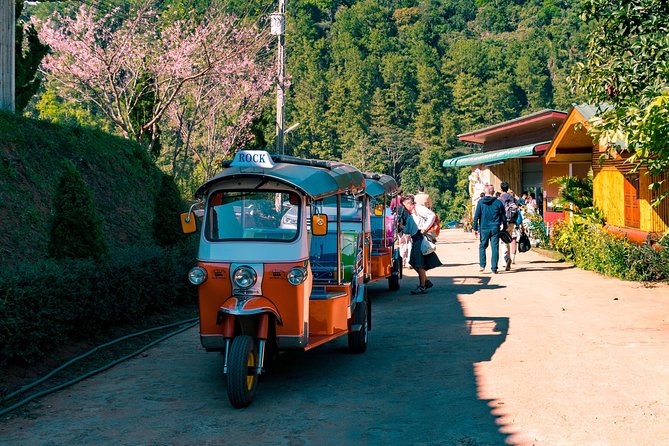
- You drive the tuk-tuk (self-drive style) with a guide overseeing the route and a support vehicle following you.
- Small group size capped at 15 people, which usually means less waiting and more time for questions.
- Mountain route + flexible stops as you move between Chiang Mai, Doi Inthanon, Mae Sariang, Mae Hong Son, and Pai.
- Built-in meals and lodging across 10 nights in multiple locations, not just one base.
- Hands-on days like trekking near waterfalls and optional exploration in Mae Hong Son and Pai.
- Guide care you can feel: tuk-tuks are cleaned and fueled and you’re looked after daily, including thoughtful touches like cold ice on hot days.
Driving Northern Thailand from the seat of a tuk-tuk
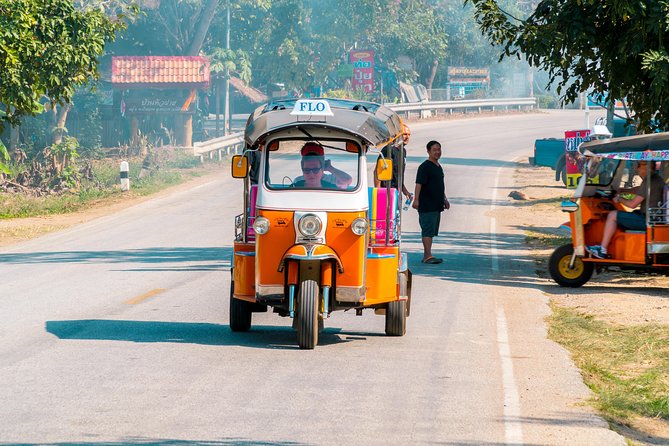
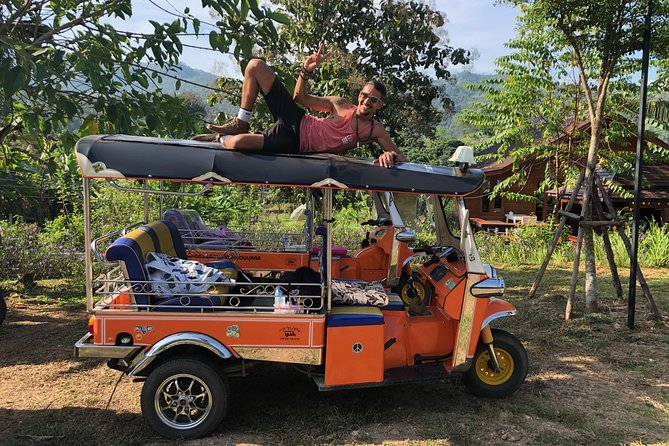
This is Northern Thailand by back roads, not a quick-hit highlight reel. The self-drive format matters because it changes how you experience the route: you’re not just riding through the scenery, you’re making micro-decisions—when to slow down, where to pull over, and when a viewpoint is worth another minute.
The route also hits a smart mix of settings. You start in the Chiang Mai area, climb toward Doi Inthanon, cross to Mae Sariang and Mae Hong Son, then return through mountain roads into Pai. That variety helps the days feel different, even though you’re following a consistent loop.
One more thing: you’re not alone on the road. There’s a support vehicle with you throughout the tour, which gives you a safety net if you’re tired, stuck behind slower traffic, or just want a breather.
You can also read our reviews of more tours and experiences in Chiang Mai.

Chiang Mai meeting point and the start that actually matters
You begin at the Chiang Mai Gate Hotel area (Wua Lai Walking Street area) with a 10:00 am start time. From there, the tour transfers you about 60 minutes to the tuk-tuk training base in Mae Wang, where you’ll get hands-on time before the mountain roads start asking questions.
That first transfer and training day are more than formalities. They’re where you learn how the tuk-tuk feels in motion, how the team expects you to position the vehicle, and how stopping works in real traffic—not in a quiet parking lot. If you’ve never driven a tuk-tuk before, this is the day that turns nerves into confidence.
The Day 1 training and that temple blessing vibe
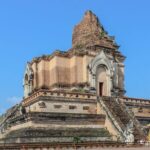
Day 1 is built around getting you comfortable and then setting a tone for the journey. After you travel from Chiang Mai to Mae Wang, you get detailed tuk-tuk training—then you head to a remote hillside temple for a blessing before the actual driving days ramp up.
I like this structure because it’s both practical and cultural. You’re not only learning gears and steering; you’re also arriving in the rhythm of northern Thai life, where temples aren’t just sights, they’re part of daily meaning.
Also, since you’re limited to 15 people, training is less rushed. You can ask the straightforward questions that matter when you’re about to steer on mountain roads.
Elephants and bamboo rafting on Day 2: active, but not frantic
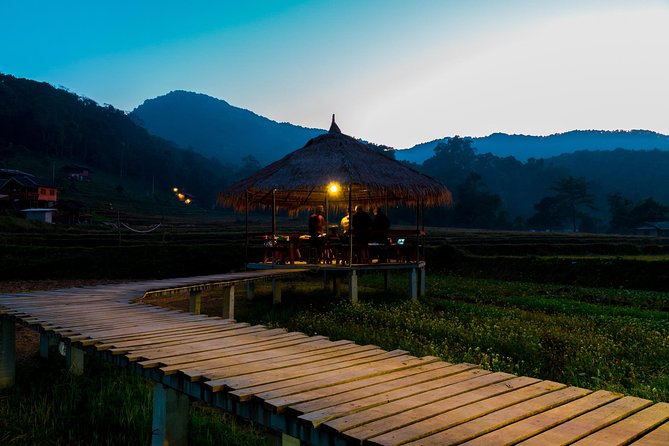
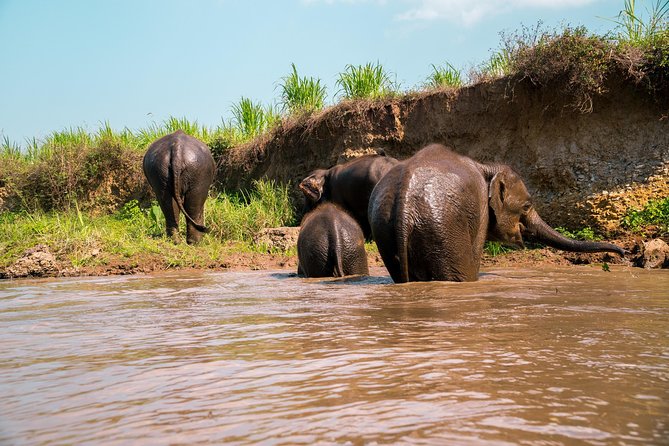
Day 2 keeps momentum without turning it into a full-throttle day. You practice more driving, then you meet elephants at a forward-thinking elephant home, and you end the day relaxing on a bamboo raft down the local river.
This is a good balance day. Driving skills get a little repetition, but the rest of the itinerary shifts your focus so you’re not grinding through mechanics all week.
One practical note: elephant days can be long in sun and heat, so your best move is to bring a small personal stash of water beyond what’s provided (the tour includes bottled water, but you can still want extra on hot days). The guide team tends to think ahead—some reviews mention cold ice being ready in the “esky”—but you’ll still feel better if you’re prepared.
Doi Inthanon mountains: Day 3 climb and Day 4 trek + waterfalls
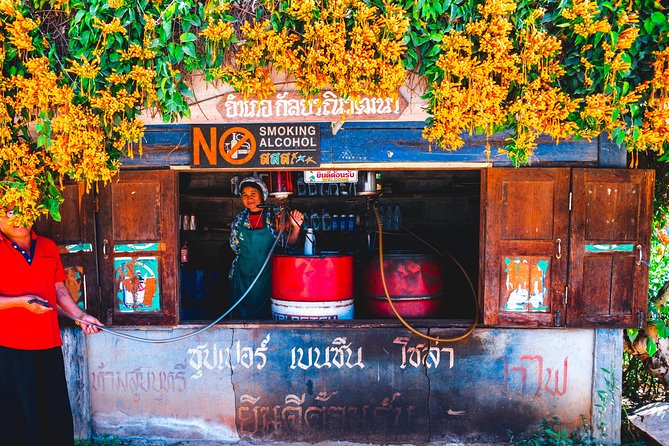
Once you hit Day 3, you go up. The route heads into the foothills of Doi Inthanon and finishes the day in a small hill-tribe village for an overnight stop. It’s the moment the tour starts to feel properly mountainous: tighter roads, more viewpoints, and more “slow down, look around” moments.
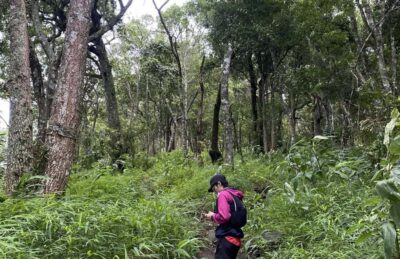
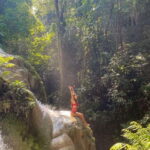
Then Day 4 turns into a nature-and-culture day. You explore forests and waterfalls around Doi Inthanon, with the option to explore a hill-tribe village too. This is one of those days where the tuk-tuk still matters, because you’ll be moving between spots where a regular bus ride would feel too rigid.
What to expect, practically: trekking and waterfalls usually means time on uneven ground and changing weather conditions at altitude. Wear shoes you trust, and don’t plan on your first pair of sandals surviving long walks.
If you want a single takeaway, it’s this: Doi Inthanon is where the tour earns its “get off the beaten path” promise.


Mae Sariang on Day 5: the westward reset
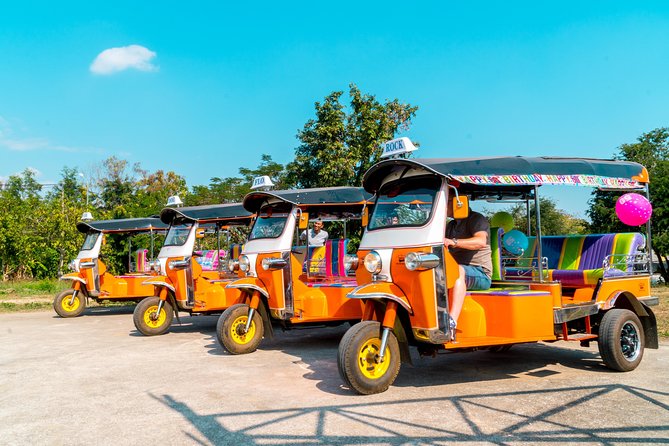
Day 5 shifts west to Mae Sariang, a smaller town where you get room to breathe. The itinerary gives you a genuine pause after the mountain push, and it includes downtime by the river and even a pool time in the afternoon.
This day is valuable because it breaks up the driving rhythm. A lot of self-drive trips fail because they keep you in motion every day. Here, you get a rest day that doesn’t feel like a wasted day—it’s a reset so you can enjoy the next mountain stretch.
Mae Hong Son on Day 6, plus a full Day 7 to choose your pace
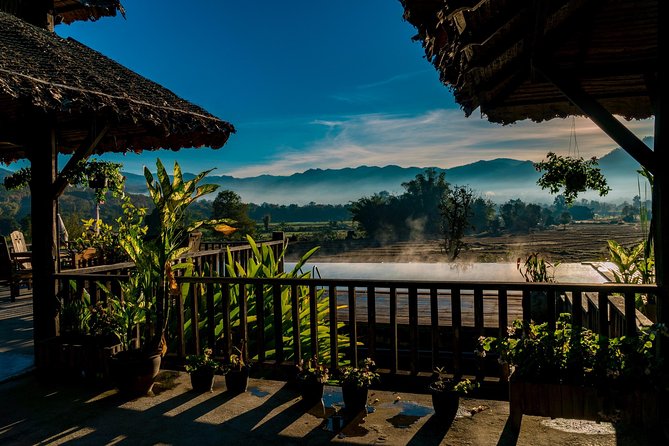
Day 6 climbs again as you head toward Mae Hong Son, with stunning views and lots of stops for local life along the way. You end in a rural resort setting around rice paddies and forest, which is a strong contrast to busy Chiang Mai.
Then Day 7 is the payoff for people who like breathing room. It’s a free day to rest or explore Mae Hong Son on your own—your schedule, your pace. That independence is part of why a self-drive style tour feels different from a fixed, bus-only itinerary.
A balanced expectation: free time can be as simple as a slow morning and a walk around town, but it can also be active. The tour doesn’t spell out exact options for this day, so decide based on your comfort level—some people want quiet; others want more walking and viewpoints.
Pai days: mountain roads, hotel pool time, and your Day 9 choice
On Day 8, you drive to Pai. This is another “roads you remember” day, with the itinerary built around mountain views and chances to stop. You arrive in Pai and end with time to relax, including pool time.
Day 9 is another option day. You can keep it easy and enjoy the view and downtime, or you can go out and enjoy Pai on your own. Even without a strict list of included activities, this freedom is one of the best ways to make sure you don’t burn out halfway through the trip.
If you’re the type who likes photos, Pai’s timing can be great for light and viewpoints, but the key is to match your energy. Driving takes focus, so plan at least one slower morning even if you feel good.
How lodging, meals, and national park fees add up (and why the price feels fair)
The price is $2,148.21 per person for 11 days, and it’s not a bargain in raw terms. But it’s also not “just a sightseeing tour,” because what you’re paying for is built-in infrastructure: 10 nights of twin-share accommodation across different locations, national park fees, bottled water, multiple guided days, and a tuk-tuk setup that includes training plus a support vehicle throughout.
Food is mostly covered too: 10 breakfasts, 5 dinners, and 3 lunches are included. Snacks and drinks beyond that aren’t included, so you’ll still want to budget for personal extras. Still, having meals handled reduces the daily friction of hunting for food and timing.
The biggest value piece for me is the combination of self-drive freedom and guided organization. You’re getting to make choices on the road, while the team handles logistics that would be a hassle to replicate—especially once you’re moving between Chiang Mai, Mae Sariang, and Mae Hong Son.
Guides make or break a self-drive tour—and this crew has a pattern
The strongest praise shows up again and again around the guide team. Names that come up include Boyz, Yuth, Ou, Worn, OA, Nahm, and others from the same crew. The consistent message isn’t just that they’re friendly. It’s that they run a tight operation: tuk-tuks are cleaned and fueled before you go, and the small details help you feel ready instead of scrambling.
This matters because self-drive trips can turn stressful when communication breaks down. Here, you’re not left to guess what comes next. The guide team also adapts to real conditions; one example from the broader experience is rerouting when weather forces changes, with minimal disruption.
Safety also comes up in the way the guides work with you. You’re not just handed keys. You’re trained, supported, and coached as the roads get more demanding.
What to watch: driving requirements and comfort on mountain roads
Here’s where you need to be honest with yourself. To drive, the minimum age is 18, and you also need a driving license and an International Driving Permit (IDP). The tour allows people from age 7 to travel, but only adults can actually drive the tuk-tuk.
If you’re prone to motion sickness, plan for it. You’ll spend real time in a moving vehicle (even though you’re driving some days, you’ll still be in motion for transfers and stops). Bring what works for you.
And yes, mountain roads can be slow. The tour is designed around viewpoints and stops, not racing through the route. If you want a holiday that feels like a packed city break, you might find it too relaxed. If you want time to slow down and look, this is exactly the right tempo.
Day-by-day pace at a glance: what each segment feels like
- Day 1 (Chiang Mai → Mae Wang training → remote hillside temple): hands-on skills first, then a cultural start.
- Day 2 (driving practice → elephants → bamboo rafting): active and varied, great reset after training.
- Day 3 (up into Doi Inthanon foothills → hill-tribe village overnight): the route turns mountainous.
- Day 4 (forests, waterfalls, hill-tribe village option): trekking + nature time.
- Day 5 (west to Mae Sariang → river-side downtime): planned rest and easy enjoyment.
- Day 6 (Mae Hong Son drive → rural resort setting): long-road scenery with frequent stops.
- Day 7 (Mae Hong Son free day): choose your pace.
- Day 8 (Pai mountain drive → pool time): roads plus relaxation.
- Day 9 (Pai free day): viewpoints, walking, or chilling.
- Day 10 (back roads → farewell dinner at base camp): wrap-up with more scenery.
- Day 11 (minivan transfer back to Chiang Mai city): return around late morning to midday.
Should you book the 11-Day Tuk Tuk Adventure?
Book it if you want a Northern Thailand trip where you’re not stuck watching from the sidelines. The self-drive format, the small group size (15 max), and the mix of temples, mountain time, elephants, and river relaxation make this feel like a real adventure with structure behind it.
Skip it if you don’t want to drive or you’re missing the IDP and license requirements. Also skip if you want a highly scheduled day-to-day program with no flexibility at all. This tour gives you choice—especially in Mae Hong Son and Pai—so it rewards people who like making decisions on the fly.
If you’re ready for curvier roads, have the documents for driving, and want your days to feel distinct, this is the kind of trip you’ll remember for the way it moves through the region—not just for what you see.
FAQ
Do I need an International Driving Permit (IDP) to drive the tuk-tuk?
Yes. A driving license and an International Driving Permit are required to drive a tuk-tuk on this tour.
What age can drive the tuk-tuk?
You must be at least 18 years old to drive the tuk-tuk. The tour allows travelers age 7 and up to join.
What’s the group size?
The tour has a maximum of 15 travelers, and it’s described as a small-group experience with local guides and support.
What does the price include?
It includes 10 nights twin-share accommodation, national park fees, bottled water, 10 breakfasts, 5 dinners, 3 lunches, local guides, a support vehicle throughout, and tuk-tuk training.
Where do I meet the tour, and when does it start?
Meet at Chiang Mai Gate Hotel in the Wua Lai Walking Street area at 10:00 am. The tour ends back at the same meeting point.
Can I request a vegetarian meal option?
Yes. A vegetarian option is available if you advise the provider at the time of booking.