REVIEW · CHIANG MAI
Chiang Dao Cave & 5 Hill Tribe villages
Book on Viator →Operated by WanderSiam · Bookable on Viator
Lantern-lit caves and hill-tribe villages in one day. This tour pairs Chiang Dao Cave with Ban Huai I-Ko, where you meet five different northern ethnic groups and learn how daily life, beliefs, and traditions vary from place to place. You also finish with a greenhouse stop for orchids and butterflies, which helps balance the day’s tighter cave parts.
I like the fact that the cave isn’t handled like a quick ticket line. You explore with lantern-guided local guides, and you get to see the stalactites and stalagmites up close, including the cave’s more “story” side that Chiang Dao is known for. I also like the smooth logistics: pickup and drop-off in the Old City area, air-conditioned transport, and a max group size of 15 so the day stays manageable.
One thing to think about: the cave route includes narrow, crawl-through passages. If you’re claustrophobic or you don’t like tight spaces, this may be a hard fit even if you’re otherwise okay with walking.
In This Review
- Key highlights worth planning for
- Chiang Dao: why this combo works so well
- Ban Huai I-Ko and five hill-tribe villages: what you’ll notice
- Chiang Dao Cave with lanterns: the highlight and the safety notes
- Bai Orchid and Butterfly Farm: where you slow down for 2 hours
- How the 8-hour day flows from pickup to cave
- Price and value: what $52.18 buys you (and what it doesn’t)
- Who this tour suits best
- Tips that make the day smoother (and kinder)
- Should you book Chiang Dao Cave & 5 Hill Tribe Villages?
- FAQ
- What is the duration of this Chiang Dao Cave and hill-tribe tour?
- Where does pickup happen, and where does the tour end?
- What’s included in the tour price?
- Is lunch included?
- Do I need to bring cash?
- Is Chiang Dao Cave suitable if I’m claustrophobic?
- Does the tour run in rain?
Key highlights worth planning for
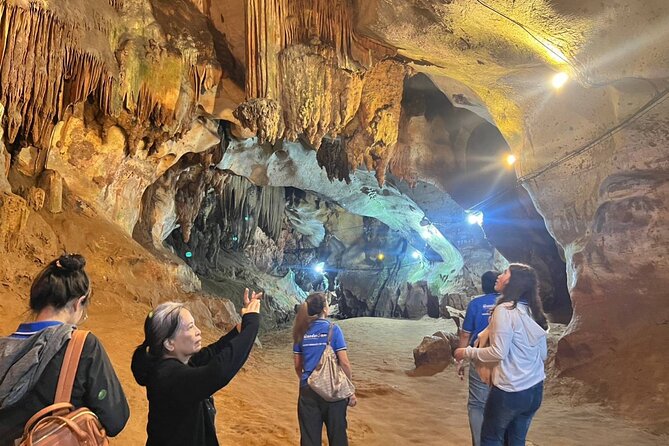
- Lantern-led Chiang Dao Cave with local guidance and dramatic rock formations
- Five hill-tribe village visit at Ban Huai I-Ko: Akha, Meo, Lisu, Karen, and Palong
- Orchid and butterfly greenhouse stop with Thai orchids you can take home
- Small-group feel with a 15-traveler maximum and Old City pickup/drop-off
- Moderate cave fitness needed including narrow areas that require crawling
Chiang Dao: why this combo works so well
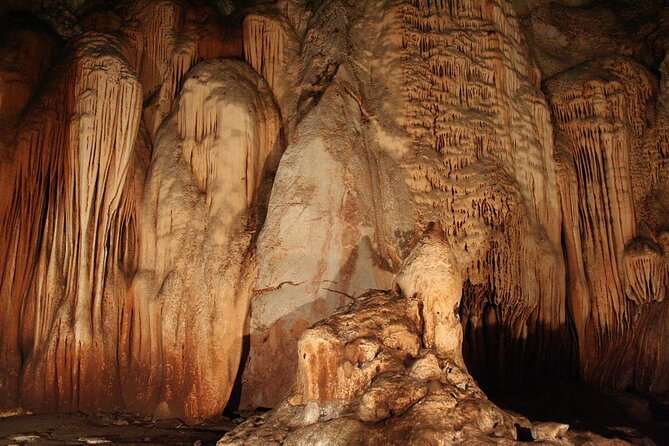
This is the kind of day trip that makes sense in Chiang Mai. You start in the city with a pickup, then you gradually swap traffic and markets for countryside roads, hill views, village life, and finally a cave walk under lantern light.
What makes the whole day click is the pacing. The villages and farms give you “people and nature” context. Then Chiang Dao Cave becomes the big, memorable finale with the sense of stepping into another world. Even better, the cave visit is guided by local cave knowledge, not just a generic tour script.
You’re not just collecting stops. You’re seeing how northern Thai communities relate to land, plants, and faith—then shifting gears to a cave that feels both physical and spiritual in its own way.
You can also read our reviews of more tours and experiences in Chiang Mai.



Ban Huai I-Ko and five hill-tribe villages: what you’ll notice
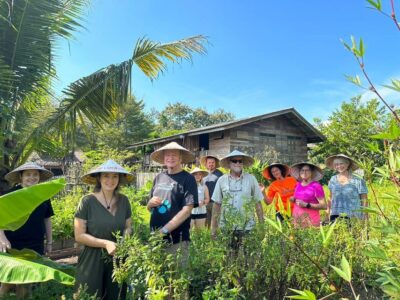
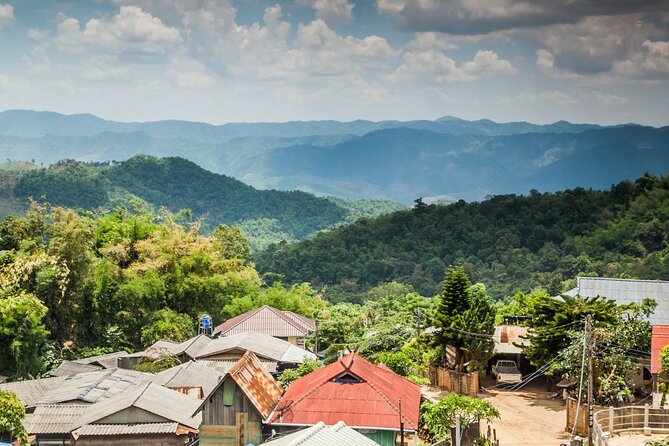
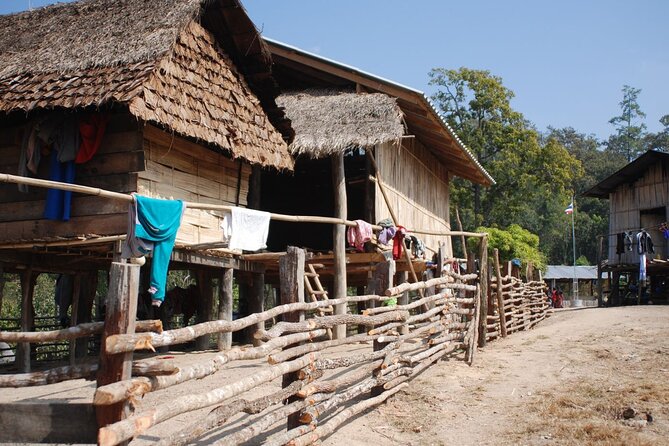
The first major cultural stop happens at Ban Huai I-Ko, where the tour introduces five hill-tribe groups you can name and compare: Akha, Meo, Lisu, Karen, and Palong. The core promise here is that each group shows a different way of life—how people live, what they value, and how beliefs show up in everyday routines.
Here’s what I’d pay attention to as you walk through the village areas:
- How houses and daily work relate to the land. You’ll see how communities function close to nature rather than in a highly commercial setting.
- Crafts and household routines. Many village visits include a chance to buy handmade goods, but you’ll also get to watch how those skills connect to daily life.
- Plant knowledge and practical uses. Several guides on this route (names that come up often include Saman, Jane, and Tik) are praised for pointing out plants and explaining how they’re used, not just naming them.
A helpful reality check: these village stops are not “theme parks.” Some parts may feel more like you’re visiting real communities than an attraction built for photo ops. That can be a positive (more genuine) or a little uncomfortable (less polished signage, less time in any one place).
Also, a fair warning from the vibe of the day: there can be moments that feel like shopping is part of the program. One review explicitly flagged pressure to buy souvenirs, and another noted the tour may encourage spending to support locals. You can handle this by going in with intention: decide what you want to support, then buy only if it feels right.
If you want a simple rule, use this: treat the visit like a conversation, not a transaction. Ask questions. Look around. If you buy, buy something you truly like and can carry easily.
Chiang Dao Cave with lanterns: the highlight and the safety notes
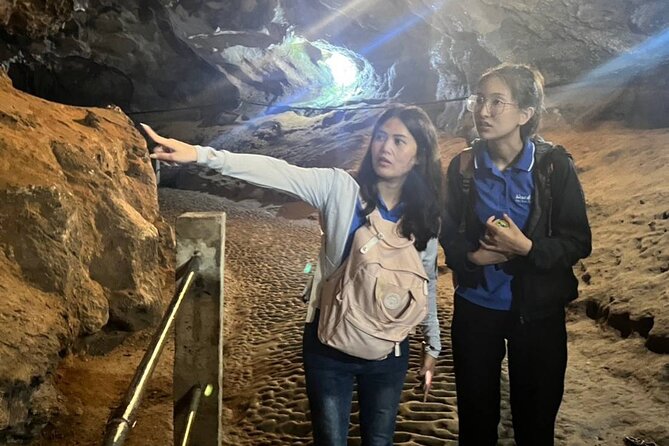
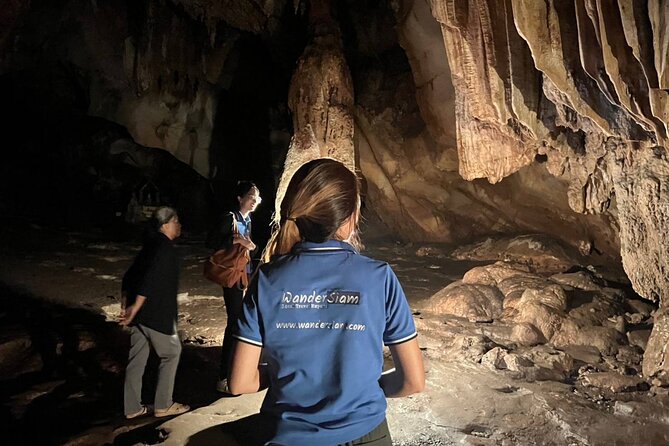
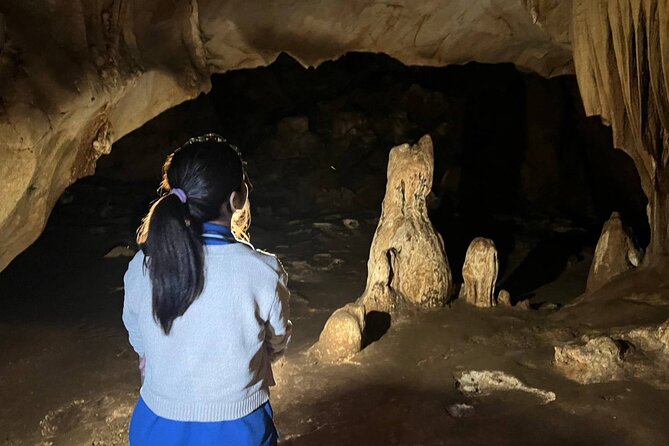
Chiang Dao Cave is the day’s big “wow” moment. You explore with local guides, and you’ll be using lantern light for the walk. Expect classic cave visuals: stalactites and stalagmites formed over long time. The cave is described as one of Chiang Mai’s biggest cave systems, with plenty of stories tied to the site.
What matters for planning is the physical side. This tour isn’t an easy stroll:
- The route includes two narrow passages that require crawling.
- The tour recommends comfortable walking shoes and specifically says to avoid flip-flops.
- It’s best suited to people with moderate physical fitness.
If you like caves but hate tight spaces, this is where you decide whether you’re in. Claustrophobia is the clear red flag noted by the operator. Even if you’re not claustrophobic, those crawl-through sections can be awkward if you’re wearing bulky clothing or if you’re carrying valuables you don’t want to risk.
Temperature is another practical factor. One participant noted the cave can feel humid, and the advice was to wear clothing that can get a bit uncomfortable. Since you’re walking and squeezing through sections, wearing something you don’t mind brushing against rock is the sensible call. A hat can help too, especially if you’re bumping your head in tighter spots—one review mentioned head-bumping as a real possibility.
And yes, you may see the typical cave “cast”: bats are mentioned, along with religious-looking features (including Buddha figures) described as part of the experience.
The good part: cave lighting and guidance can make the experience feel both safe and atmospheric. One review even mentioned the cave had sections without installed lighting, which changes the feel of the walk from standard “lit attraction” to something more natural and eerie—in a good way.
Bai Orchid and Butterfly Farm: where you slow down for 2 hours
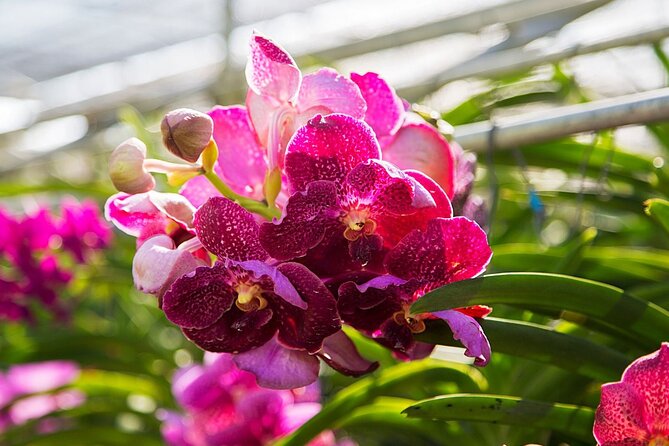
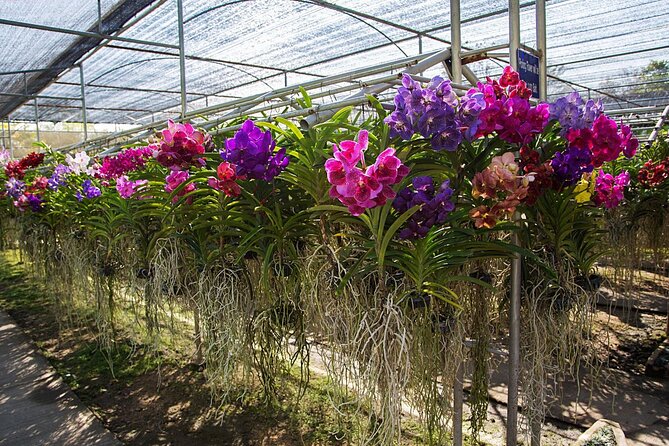
After village time, this stop gives your body a break and your brain a new focus. Bai Orchid and Butterfly Farm is set in greenhouse-like space where butterflies move around plants and flowers, including Thai orchids. The timing is short enough that it doesn’t drag, long enough that you can actually enjoy the setup.
What you’ll likely enjoy here:
- Watching butterflies flutter over orchids (you may have calmer moments where you can just stand and watch)
- Getting a nature break after the tighter cave segments
- The chance to bring orchids home, which is a memorable souvenir that doesn’t require suitcase gymnastics
One practical detail that affects your planning: the orchid farm admission isn’t included in the tour price, and it’s also noted that it takes Thai baht cash. So if you want to buy anything—or even just feel confident you can pay entry smoothly—have some baht ready.
This stop also works well as a “mood reset.” If the village portions feel emotionally intense (any cultural visit can), the greenhouse environment tends to feel lighter and more relaxed.
How the 8-hour day flows from pickup to cave
The day runs about 8 hours and starts at 9:00 am. The tour operator says departure time can fall between 8:00 and 9:00 depending on the number of participants, and you’ll get the exact timing message the day before.
Pickup and drop-off are included, limited to the Chiang Mai Old City area. The tour uses an air-conditioned vehicle, and the pace is group-based with a maximum wait time of 10 minutes after the scheduled meeting time. If you like sleeping in, this is your reminder to set your alarm.
Group size matters here. With a maximum of 15, you won’t feel like you’re trapped in a huge coach. That said, with a schedule like this, the overall rhythm is still “structured day trip.” If you want endless village roaming time, you should know the cave and greenhouse are also major parts of the agenda.
Weather is another part of the flow. The tour runs rain or shine. Thailand’s showers often don’t last long, and the plan is to continue when conditions improve. If you’re traveling in rainy season, pack a poncho or raincoat. For the village sections, rain can also make paths slick, so shoes with grip stay important.

Price and value: what $52.18 buys you (and what it doesn’t)
At $52.18 per person for a roughly 8-hour day, the value mostly comes from what’s included, not from what you pay extra for.
Included features that reduce your hassle:
- Licensed English-speaking tour guide
- Pickup and drop-off in the Old City area
- Air-conditioned vehicle
- Local village guide(s) and a local guide at the cave
- Chiang Dao Cave entrance fee
That’s a lot of “real costs” rolled into the price, especially the guides and entrance fee. For most people, the biggest additional cost becomes food and personal spending.
Not included:
- Meal
- Personal expenses
- Gratuities for driver and guides (not mandatory)
One review mentioned there’s a lunch stop, but meal isn’t included in the base price. So I’d plan to budget for lunch or snacks. And because the cave and village visits involve people-to-people interactions (and possibly small purchases), it’s smart to bring some extra Thai baht. Multiple comments specifically advised having cash for tips and for buying goods, and the orchid farm being baht-cash only makes this even more important.
A balanced way to look at the day: you’re paying less than you’d spend if you arranged a private cave guide plus village visits plus transport. The trade-off is that you’re working inside a set schedule and you may not get long, slow time in each village. If you’re okay with that, this price feels fair.
Who this tour suits best
This day trip is a strong fit if you want a practical mix:
- Culture and human-scale learning outside Chiang Mai
- A cave experience that feels guided and atmospheric (lantern walk)
- A nature break with orchids and butterflies in between
It’s also a good pick if you like guidance that goes beyond surface facts. Guides associated with this tour are repeatedly praised for connecting cave details and hill-tribe context in a way that makes the day feel coherent. Names that come up often include Saman, Jane, Tik, Amy, Leo, Duang, and Tuk.
This tour is less ideal if:
- You strongly dislike tight spaces (those crawl-through cave passages are a key issue)
- You want “shopping time” as the main event. Some village experiences may feel focused on buying crafts.
- You’re expecting long stays in every village. Some people felt the day could be more balanced, with less time spread across several village areas and more time in the places they found most meaningful.
Tips that make the day smoother (and kinder)
A few small choices can improve the whole experience:
Wear shoes that grip. The cave walk is partly crawl-and-curve. Flip-flops aren’t just uncomfortable; they’re a safety mismatch.
Keep valuables secure. Since you’ll crawl and move through tight areas, one practical tip from the experience details is to leave items you don’t need back at the vehicle.
Bring a hat and water mindset. Village sunlight can be strong, and one participant also mentioned that head protection helped during tighter cave moments. You won’t regret having something for sun and sweat.
Use cash on purpose. The orchid farm may require baht cash, and tips/purchases are part of how many visitors support the day. If you don’t want to shop much, that’s fine—just have enough cash for entry-related needs and small contributions without scrambling.
Ask questions, then decide what to do. If you’re concerned about the power imbalance that can come with village visits, the best tactic is to treat craft buying as optional. Ask about what you’re seeing. If a purchase doesn’t feel respectful or necessary, you can skip it.
Should you book Chiang Dao Cave & 5 Hill Tribe Villages?
I’d book this tour if you want a well-priced day that combines three things: a real cave adventure, a guided look at hill-tribe life, and a calming orchid-butterfly stop you can’t really replicate on your own in the same way.
I would pause before booking if you have claustrophobia, you hate crawling, or you need long free time in villages. The cave is genuinely the centerpiece, and the cave has narrow sections you should take seriously.
If you go with the right expectations—moderate fitness, comfortable shoes, baht cash ready, and a respectful attitude—you’ll get a day that feels like it moves beyond Chiang Mai’s main streets without becoming overwhelming.
FAQ
What is the duration of this Chiang Dao Cave and hill-tribe tour?
It runs about 8 hours.
Where does pickup happen, and where does the tour end?
Pickup and drop-off are included for the Chiang Mai Old City area. The tour ends back at the meeting point.
What’s included in the tour price?
Included are a licensed English-speaking tour guide, pickup/drop-off, an air-conditioned vehicle, local village guides, a local guide at Chiang Dao Cave, and the Chiang Dao Cave entrance fee.
Is lunch included?
No. The meal is not included.
Do I need to bring cash?
The orchid and butterfly farm stop notes cash is needed in Thai baht. It’s also a good idea to have extra Thai baht for tips and for buying items at villages if you want to.
Is Chiang Dao Cave suitable if I’m claustrophobic?
The cave includes narrow passages that you need to crawl through, so it is not recommended for anyone who suffers from claustrophobia.
Does the tour run in rain?
Yes, it operates rain or shine. Tropical rain showers are usually short, and the tour continues when weather improves. Cancellations due to weather are not eligible for a refund.