REVIEW · CHIANG MAI
Chiang Mai : 3-Days Slow Boat Trip to Luang Prabang, Loas
Book on GetYourGuide →Operated by SoGood Travel · Bookable on GetYourGuide
If your idea of Southeast Asia includes river time, this route fits. You get a slow boat down the Mekong, plus help crossing into Laos and reaching Luang Prabang’s old-town charm. I like that the trip is built around smooth logistics (hotel transfer + border support), and I also like the rhythm: sit back, watch the river change, and let the days unfold. One thing to consider: it’s not a private boat experience, and the guide support is focused early—so you’ll want to be ready to manage the public-boat part and the Laos visa details yourself.
Here’s the big picture: the first day is all about getting from Chiang Mai to Chiang Rai, then to the border, then into Huay Xai for the included overnight stay. Day two moves you from Huay Xai to Pakbeng by slow boat, and day three finishes in Luang Prabang. The main drawback to watch for is quality control around timing and costs on the Laos side—if your guide is late or if you’re relying on them for money exchanges or phone deals, you can get stuck, so keep your own plan for cash ready.
In This Review
- Key things to know before you go
- The slow-boat route from Chiang Mai to Luang Prabang
- Day one: Chiang Rai’s White Temple stop and Laos visa on arrival
- Day two: Huay Xai to Pakbeng on a public slow boat
- Day three: Pakbeng to Luang Prabang and the UNESCO-town arrival
- Money and the border reality: USD must be perfect
- Price and logistics: what $101 gets you, and what it doesn’t
- Where the experience shines, and where it can frustrate
- Who this trip suits best (and who should choose another plan)
- Should you book this slow-boat trip?
- FAQ
- What time is hotel pickup in Chiang Mai?
- Is White Temple entry included?
- Do I need a Laos visa, and how much does it cost?
- What USD bills are accepted for the Laos visa?
- Where is the first overnight stay included?
- Is Pakbeng accommodation included?
- Will the guide stay with us on the slow boat to Luang Prabang?
Key things to know before you go
- Public slow boats, guaranteed seats: It can be crowded in high season, quiet in other seasons. Seats are promised, but the boat itself is shared.
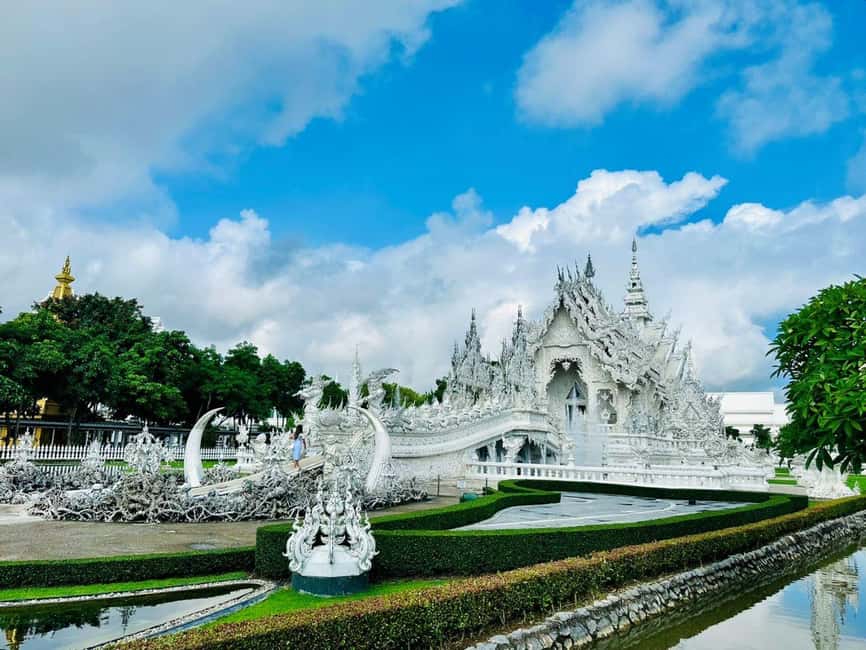
- White Temple stop is short and flexible: You’ll have a brief stop in Chiang Rai (entry fees and lunch are not included).
- Visa on arrival is strict about crisp USD: Worn banknotes can get refused at the Laos border.
- Guide help is strongest off the boat: Border and transfers are handled; the guide is not meant to stay with you the entire slow-boat journey.
- One night is included in Huay Xai: Pakbeng’s hotel is on you, so plan ahead.
- Luang Prabang is the payoff: You arrive in a UNESCO-listed town known for its walkable center and temple-filled streets.
The slow-boat route from Chiang Mai to Luang Prabang
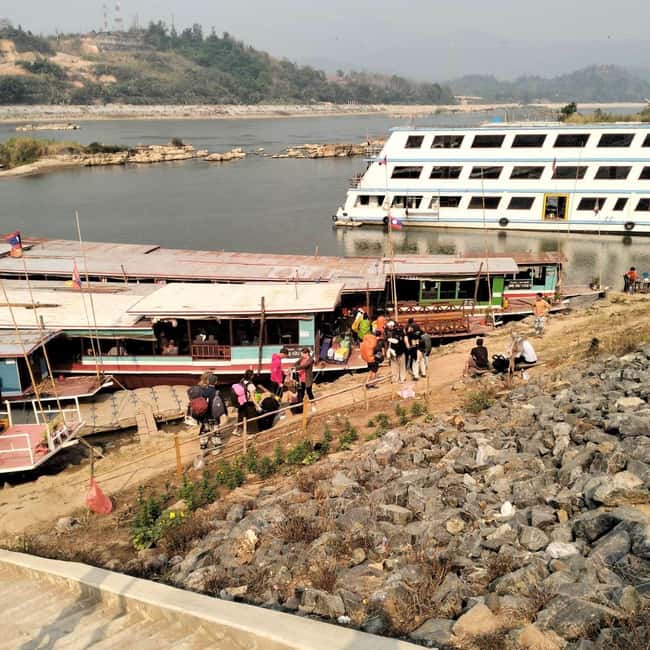
This trip is built for a very specific kind of traveler: the one who doesn’t mind “getting there slowly” because the journey is part of the reward. The Mekong River stretch between Laos towns changes by the hour—riverbanks, villages, and big-sky weather that you can’t get from a bus. If you’re chasing fast and flashy, this won’t feel like that. But if you want a calmer travel day and you like watching the river world pass, it’s a strong fit.
The value is also in the mix of logistics and freedom. You’re not left alone to figure out the transfer to the pier, the border steps, or the first overnight in Laos. Then, once you’re actually on the boat, you’re on shared transport with a public vibe—some days busier, some days lighter.
You can also read our reviews of more boat tours in Chiang Mai

Day one: Chiang Rai’s White Temple stop and Laos visa on arrival
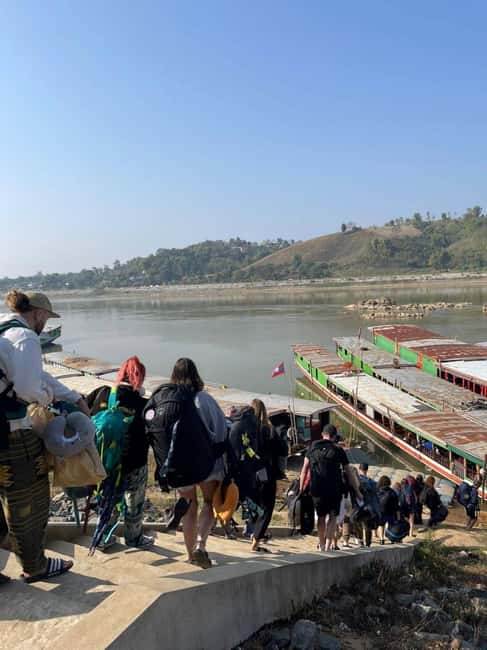
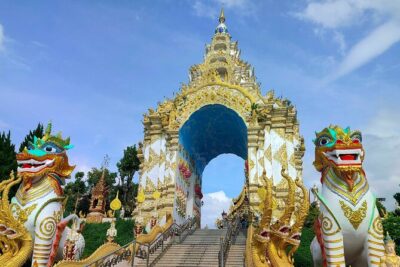
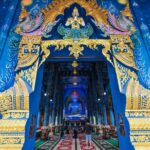
Your day starts in Chiang Mai city, with pickup around 09:00–09:40. From there, you transfer by minivan to Chiang Rai. The itinerary includes a “free” stop at the White Temple area for about 30–40 minutes. Important: entry fees are not included, and lunch there is not included either.
So think of this stop as a quick taste, not a full visit. If you want photos and a quick walk around, you can do it—just be fast, because the time window is short and the schedule is meant to keep you moving. If you were hoping for time to linger and explore every corner, you may feel rushed.
After Chiang Rai, you’ll head for the Thailand–Laos border crossing. This is where the “hassle-free” part matters most. A Laos guide supports you with the visa paperwork and helps you through immigration steps. On arrival, the visa is around 40 USD, but the border is picky: the USD bills should be pristine/perfect. If the notes look worn, they may reject them. You can also pay in Thai Baht, roughly 1,800–2,000 Baht, though the Baht-to-USD conversion can work out more expensive depending on the day’s rates.
Once you clear things, you transfer to Huay Xai, where the tour includes one night in a guesthouse (a room for two people). If you want a private room, there’s an extra 300 Baht indicated, but the standard included setup is for two.
Practical thought: this first day is where your stress level can swing. If everything runs on time, it feels organized and smooth. If you hit delays at the border, you’ll be glad the guide is there—yet you should still be prepared with the right banknotes and documents, because the process itself is strict.
Day two: Huay Xai to Pakbeng on a public slow boat
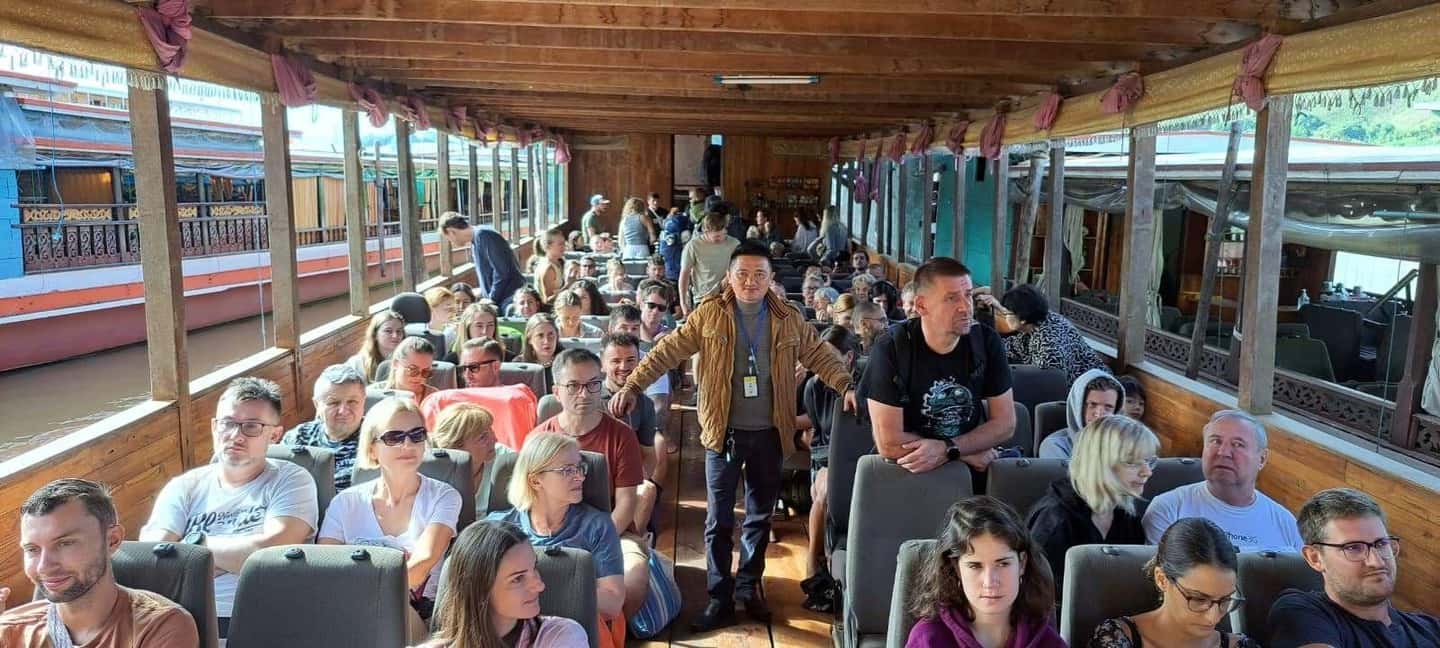
On the second morning, the guide comes to pick you up from your Huay Xai hotel. Then you head to the boat pier, with guaranteed seats for the slow boat to Pakbeng.
Here’s the part to plan around: this is a public boat, not private. That means the passenger mix can change, and the ride can be crowded in peak season and lighter on other days. The tour can’t control crowd levels, but it does provide seat assurances. Still, your view and comfort can depend on where you end up—so arrive early and don’t treat seating like a casual afterthought.
The guide’s role ends after you board. You’ll be “on your own” for the rest of the day’s cruising and the evening in Pakbeng. That’s not a problem if you’re the independent type, and it’s also how this style of river travel often works. Just don’t expect a full-time guide hanging around while you’re on the water.
Overnight in Pakbeng is not included, so you’ll need to book a room. The practical advice here is simple: book near the pier so you’re not dragging bags across town at night. Pakbeng is small enough that “nearby” matters a lot for comfort.
One more reality check: since the boat is public, your fellow passengers may be a mix of nationalities and travel styles. That can be fun—people swap tips fast. But if you hate shared spaces or unpredictable vibes, you should know you’re signing up for a shared, not curated, experience.
Day three: Pakbeng to Luang Prabang and the UNESCO-town arrival
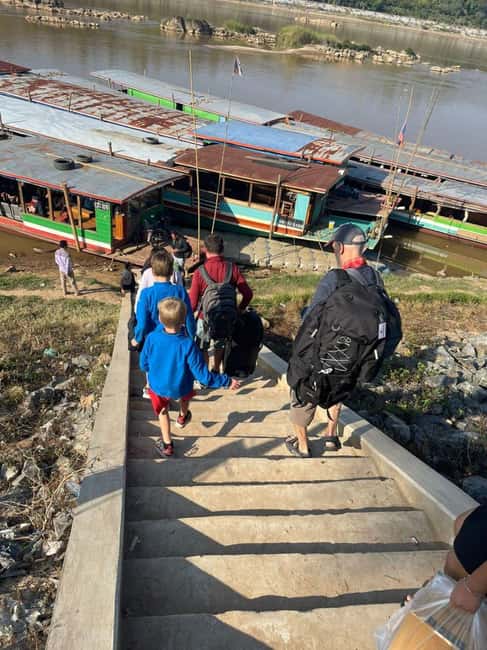
On the third day, you continue by slow boat from Pakbeng to Luang Prabang. This segment is where you get the classic slow-travel reward: Mekong views and changing scenery while you ride.
Luang Prabang is a UNESCO World Heritage town, and the timing of arrival usually gives you enough energy to start your first exploration without losing the whole day. When people talk about Luang Prabang, they usually mean temple-lined streets, easy wandering, and a town that feels like it was meant for walking.
The trade-off with a slow boat is obvious: your schedule is tied to the river and the boat’s operation. There’s no “I’ll leave whenever I want.” But that’s also what makes the journey feel different from getting there by flight or bus.
When you arrive, you’ll want to have the next few hours planned in broad strokes—like where you’re going to eat and how you’ll get oriented. If you arrive tired, don’t force a big sightseeing push. Think: shower, food, then a first walk to get your bearings.
Money and the border reality: USD must be perfect
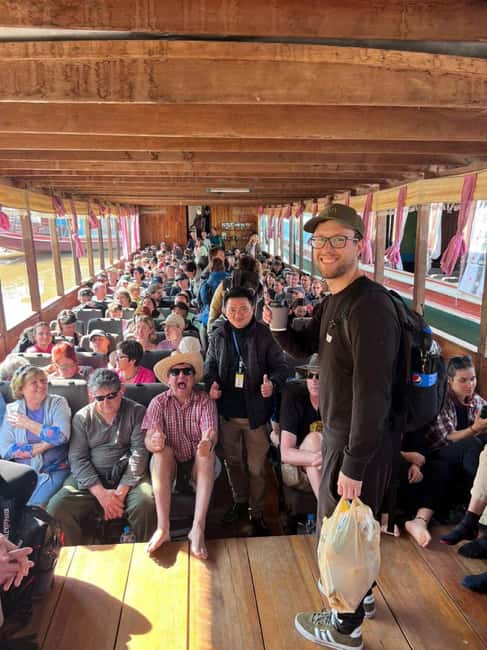
If you only remember one detail about this trip, make it this: the Laos visa-on-arrival process is strict about USD bill condition. The notes should be pristine. If you’ve been carrying crumpled, worn, or heavily handled bills, swap them at home before you go—or change them for fresh notes in Thailand before you reach the border.
Yes, you can pay in Thai Baht (roughly 1,800–2,000 Baht), but it can cost more due to the conversion rate. Still, if you’re confident with Baht and you don’t want to risk a refused USD note, it may be the safer move.
Also, keep your expectations grounded about what the transfer includes. The transfer services do not include visa-related costs, so budget for the visa fee itself, and remember that any entry fees and meals are separate.
One warning that’s worth taking seriously: don’t assume every “help” at the border or on the Laos side will be fair. I recommend you control the money exchange and phone/SIM decisions as much as possible. Have cash ready, compare prices if you can, and avoid last-minute surprises.






Price and logistics: what $101 gets you, and what it doesn’t
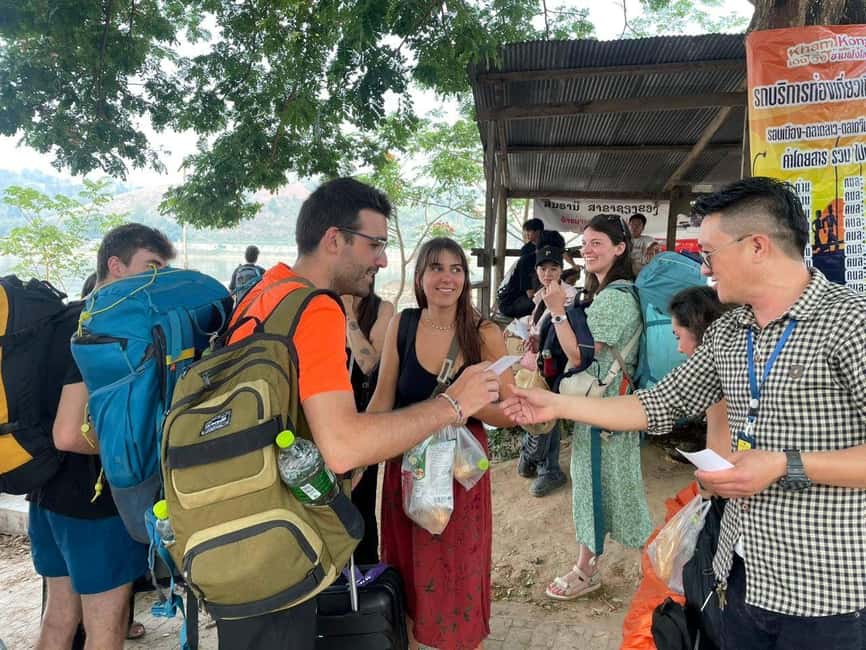
At $101 per person for a 3-day experience, this can be good value if you want organized transfers plus a guide-assisted border crossing. You’re getting:
- Pickup from your hotel in Chiang Mai (city area)
- Transfer to Chiang Rai
- White Temple area stop (short; entry fee not included)
- Transfer to the Laos border
- Assistance with Laos visa paperwork and border support
- Transfer to your Huay Xai hotel
- 1 night included in Huay Xai (room for two; private costs extra)
- Slow boat to Pakbeng
- Slow boat to Luang Prabang
What you still pay for:
- White Temple entry fee (optional)
- Lunch at White Temple (excluded)
- Visa fee at Laos border
- Pakbeng accommodation (excluded)
So the value equation depends on how you see your time and energy. If you’d otherwise spend hours figuring out transport connections, paperwork, and where to stay for the first night, this package is often worth it. If you’re a confident independent traveler who already knows how to handle the border and hates the idea of a schedule you can’t control, you could likely do the route on your own and keep more flexibility.
Also, remember that the biggest variable is the boat itself. Public boats bring public chaos: timing, crowd levels, and shared seating. The tour can promise seats, but it can’t promise a perfect, quiet ride.
Where the experience shines, and where it can frustrate
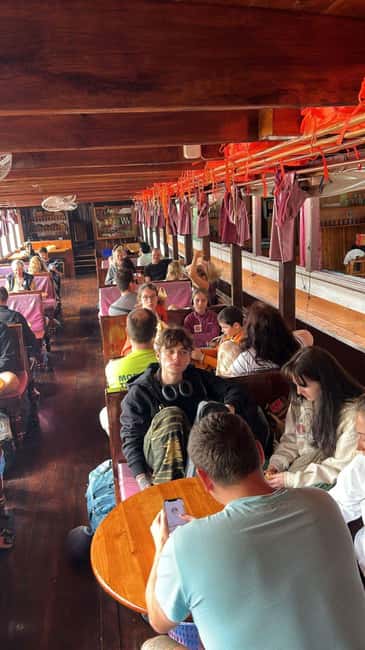
The biggest positives are tied to organization. A lot of people like this style because it removes decision fatigue: the tour takes you from Chiang Mai to Chiang Rai, then onward to Laos, with help at the border and an overnight stop so you don’t scramble on arrival.
The second big win is the river time. The slow boat breaks up the journey in a way that feels more human. You’re not just passing through Laos; you’re traveling through it, hour by hour, with Mekong River scenery as the main event.
Now the realistic frustrations to watch:
- Short White Temple timing: You’ll be rushed if you want the full experience. Plan for quick photos and a brief look.
- Guide support isn’t for the entire boat ride: The guide leaves after boarding the Pakbeng trip. If you want ongoing assistance while you’re on the water, this isn’t designed for that.
- Border strictness affects everything: A refused visa due to worn USD bills can throw your day off. Bring pristine notes or use Thai Baht.
- Public boat conditions vary: Crowding in high season can affect comfort even if you have your seat.
If you go in with the right expectations, this trip works. If you expect a private, fully guided experience all the way through, you may end up annoyed.
Who this trip suits best (and who should choose another plan)
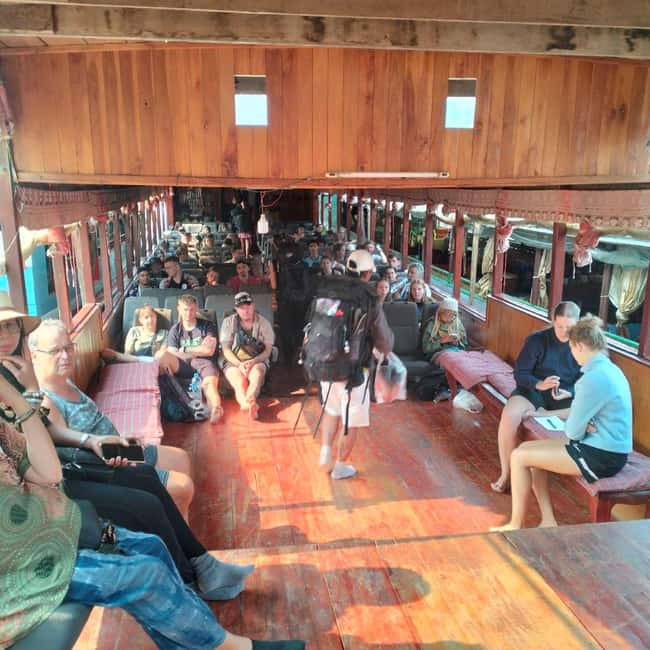
This is a great fit if:
- You like the idea of a slow, scenic river ride more than speed.
- You want help with Laos visa on arrival and prefer not to handle paperwork alone.
- You’re okay with shared transport and can roll with public-boat conditions.
- You don’t mind booking your own Pakbeng hotel nearby the pier.
You might choose something else if:
- You want a guide with you for the full slow boat journey.
- You’re very sensitive to crowding and uncertain seating positions (even with guaranteed seats).
- You hate any risk around border cash requirements and don’t want to manage pristine USD or conversion choices.
Should you book this slow-boat trip?
Book it if your priority is the Mekong experience plus organized transfers, and you’re willing to treat the boat ride as a shared, self-paced part of the trip. It’s also a smart choice if you want the included overnight in Huay Xai so day one doesn’t turn into a last-minute accommodation scramble.
Don’t book it if you’re expecting a long, fully guided sightseeing day at the White Temple or a guide hovering with you on the slow boat. And do book only if you’re prepared for the visa reality: pristine USD notes or budget for Thai Baht.
If you want one simple checklist before you go: bring your documents, plan for visa fees, carry clean banknotes, and decide in advance how you’ll handle Pakbeng lodging.
FAQ
What time is hotel pickup in Chiang Mai?
Pickup is included from your hotel in Chiang Mai city with a pickup time between 09:00 and 09:30 (around 09:00–09:40).
Is White Temple entry included?
The White Temple stop is included, but entry fees are not. Entry is optional, and you need to be fast because the stop is only about 30–40 minutes.
Do I need a Laos visa, and how much does it cost?
Yes, you’ll do a visa on arrival at the Laos border. The fee is about 40 USD, or about 1,800–2,000 Thai Baht. Visa fees are not included in the price.
What USD bills are accepted for the Laos visa?
The Laos immigration office is strict about currency condition. USD banknotes must be pristine/perfect, and worn notes may be rejected.
Where is the first overnight stay included?
The tour includes one night in Huay Xai (guesthouse). Private room upgrade is listed as an extra 300 Baht.
Is Pakbeng accommodation included?
No. Accommodation in Pakbeng is not included, and you should book in advance or upon arrival, ideally near the pier.
Will the guide stay with us on the slow boat to Luang Prabang?
The guide brings you to the boat and leaves after guests board the slow boat to Pakbeng. The tour states the guide is not with you during the boat journey portion.