REVIEW · CHIANG MAI
Chiang Mai: 7-Hour Doi Suthep National Park Summit Hiking
Book on GetYourGuide →Operated by CHIANG MAI MOUNTAIN BIKING & KAYAKS · Bookable on GetYourGuide
Steep jungle steps, temple views, real hill tribe trails. I like how this day pairs Doi Suthep-Pui national park hiking with actual temple-and-community stops, so you get more than scenery. I also like the payoff: sweeping Mae Ping Valley views near Doi Pui. The catch is you should treat it as a workout, because the trail is steep, uneven, and sometimes muddy.
What really makes it click is the structure: hotel pickup, a guide-led pace with regular breaks, and a support truck that helps keep hydration and valuables sorted. With a small group (up to 15), you’re not lost in a crowd. Still, go in expecting a long day—lunch can land later than you’d guess from a 7-hour label.
In This Review
- Key highlights that matter before you lace up
- From Chiang Mai pickup to the Wat Doi Suthep climb
- Wat Pha Lat: the monk’s trail stretch that sets your rhythm
- Wat Phra That Doi Suthep: classic temple views with a practical pause
- Doi Suthep-Pui National Park hiking toward Doi Pui
- Where lunch fits: expect late-afternoon timing and plan snacks
- The guide, the pace, and the safety net you don’t notice until you need it
- Transportation and the “two temple stops” rhythm
- What $60 buys you (and when it’s a bargain vs. too much)
- Who should book this hike (and who should skip it)
- Practical packing tips that keep the day comfortable
- Should you book the Chiang Mai Doi Suthep summit hike?
- FAQ
- How long is the Chiang Mai Doi Suthep summit hiking tour?
- What is the price per person?
- Where does the tour start and how do you get there?
- What language is the guide available in?
- How big is the group?
- Is lunch included, and can you get vegetarian options?
- Do you provide water or hydration support?
- Are temple and park entry fees included?
- What kind of footwear should I wear?
- What if a trail is closed due to weather or park rules?
- Can I get a refund if plans change?
Key highlights that matter before you lace up
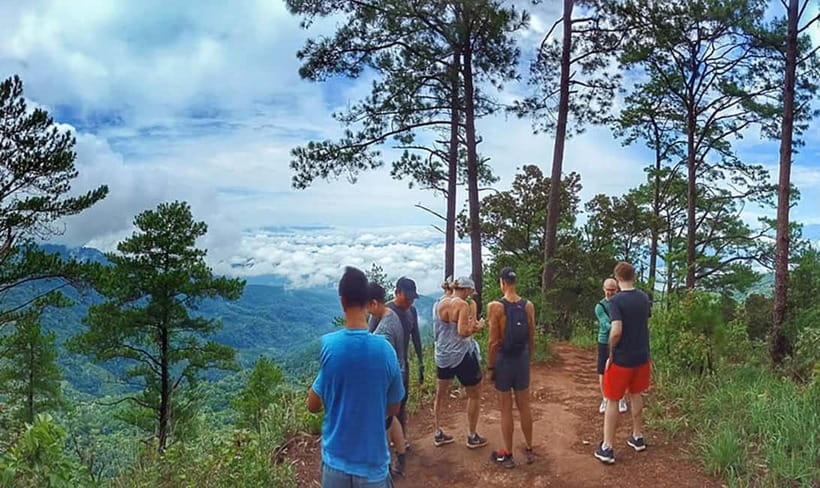
- Monk trail to Wat Pha Lat: guided walking with temple pauses on the way up
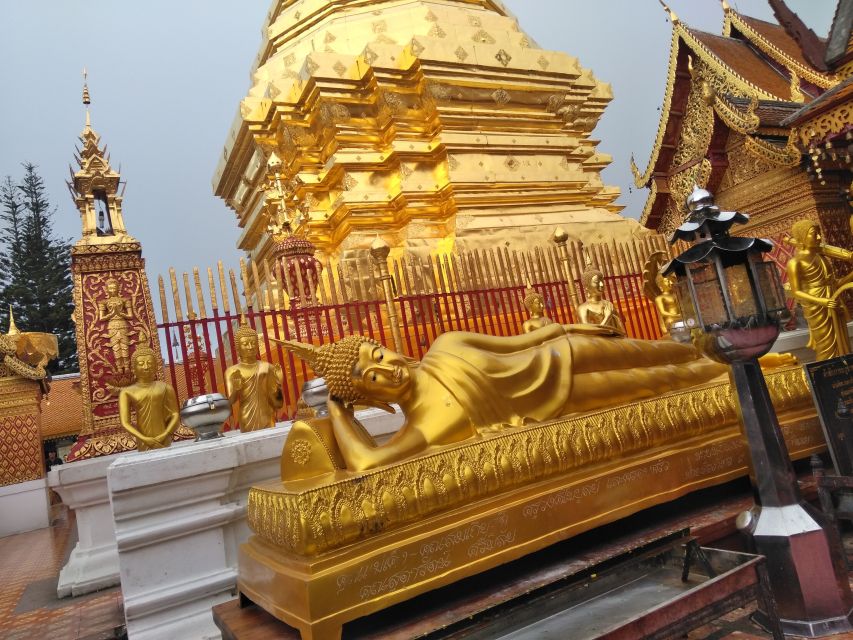
- Wat Phra That Doi Suthep viewpoints: classic summit panoramas plus photo stops
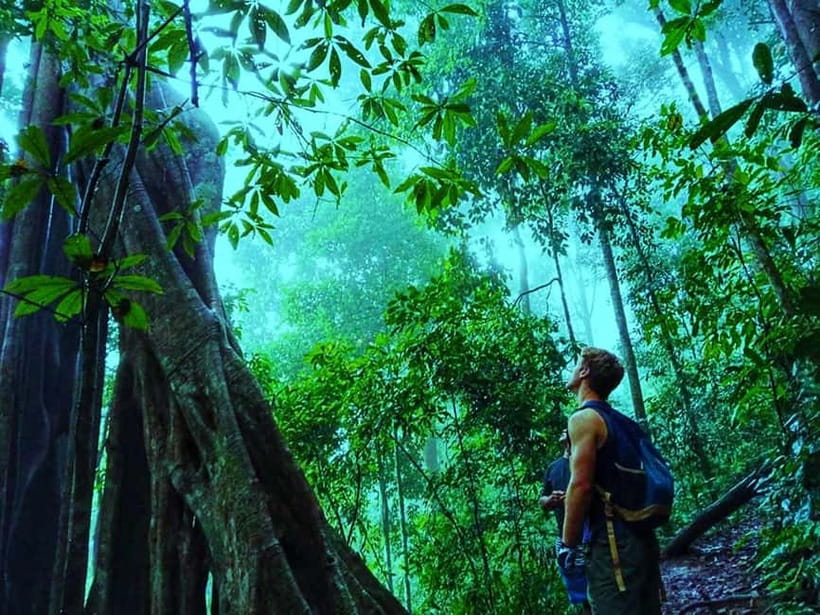
- Cool highland jungle: a real change of pace once the steps start climbing
- Hmong community near Doi Pui: a chance to see how people live near the trail
- Small-group hiking: limited to 15, with breaks that keep the pace human
From Chiang Mai pickup to the Wat Doi Suthep climb
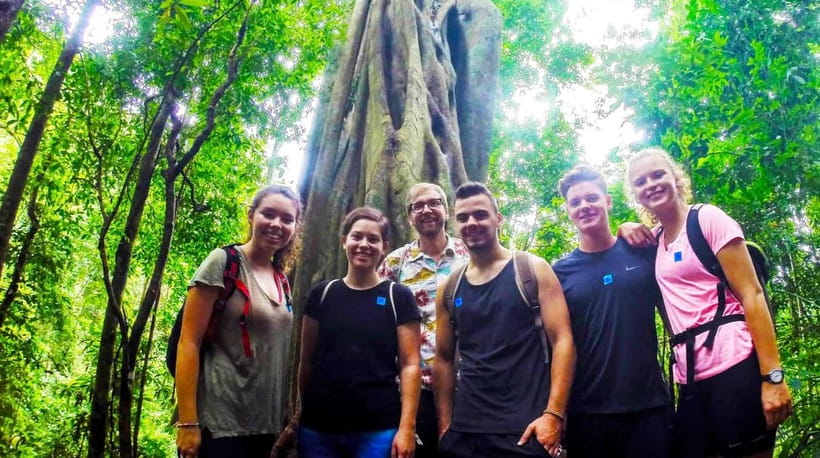
This starts the easy way: you’re picked up from your Chiang Mai hotel and transferred toward Doi Suthep. Early on, you’ll gain elevation—about 2 hours ascending to Wat Doi Suthep, around 1,100 meters. That lift in altitude is one reason the trail feels cooler than the city, especially once you get into the shade.
Your transport is practical, not fancy. There’s air-conditioned van as the main option, and 4×4 SUVs for smaller groups. The point is comfort for the drive, so you arrive ready to hike instead of already wiped out.
One detail I really appreciate here is the setup for a long day. A support truck stays available along the way, and it also has secure storage for your valuables. That matters when you’re carrying only essentials and want your phone, wallet, and extra layers to be safe during breaks.
You can also read our reviews of more hiking tours in Chiang Mai

Wat Pha Lat: the monk’s trail stretch that sets your rhythm
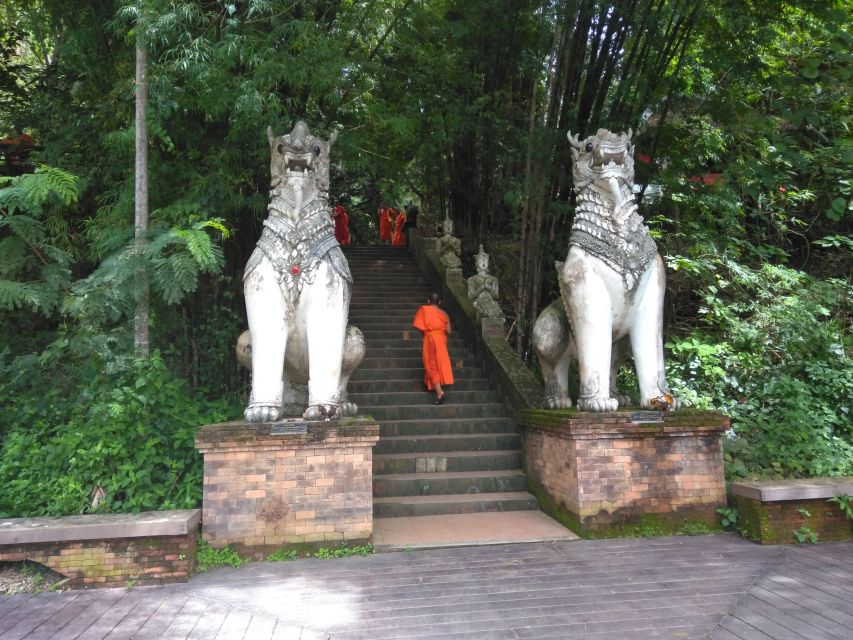
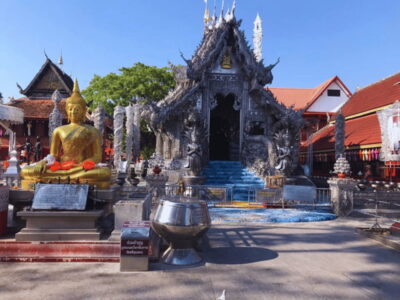
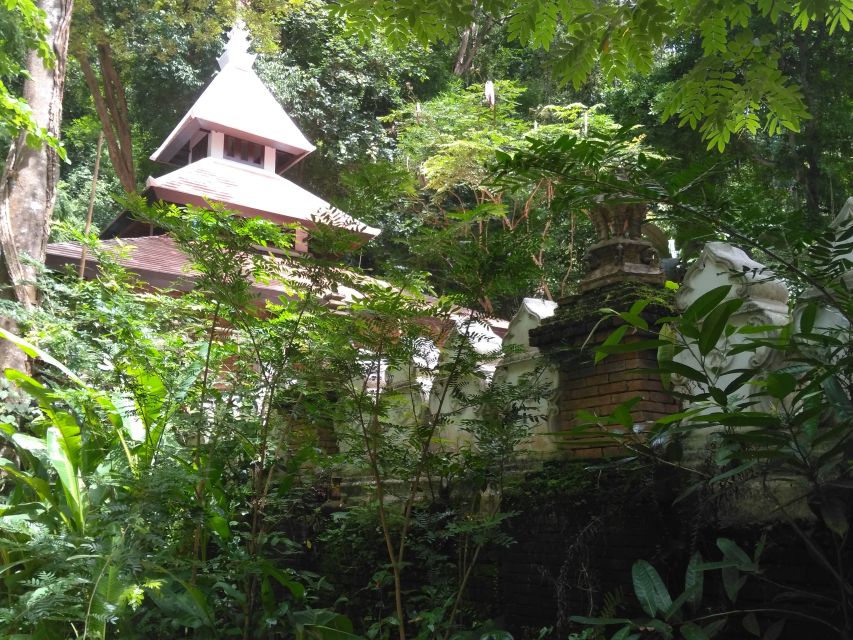
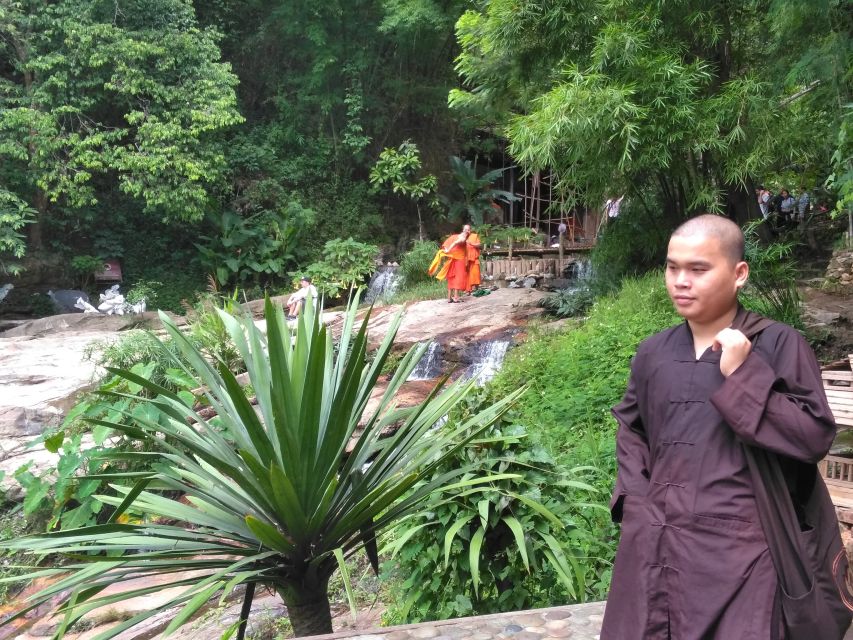
The first on-foot segment is Wat Pha Lat, with a guided “monk’s trail” style route. Plan for about 1.5 hours of guided walking and sightseeing, with a stop to appreciate what you’re seeing rather than just powering forward.
Wat Pha Lat itself is a short pause—around 15 minutes for a break, photos, and a bit of visiting time. This is the spot that helps you settle into the day’s rhythm. If you go out too fast at the beginning, the rest of the hike punishes you. If you pace it, you’ll feel steadier for the steeper sections ahead.
I also like that the guide doesn’t treat temples like quick photo backdrops. The walking includes explanations and route guidance, so you understand where you are and why the trail matters. It’s the difference between hiking and just passing through.
Wat Phra That Doi Suthep: classic temple views with a practical pause
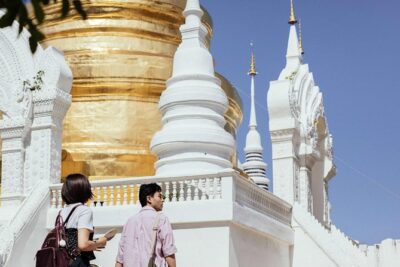
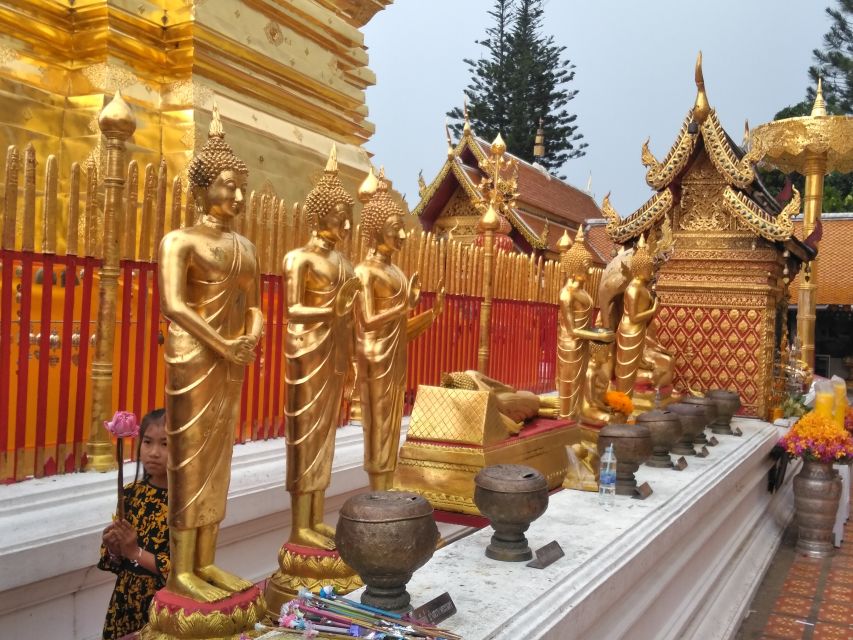
Next comes Wat Phra That Doi Suthep. Expect another brief break and photo stop (about 15 minutes), plus sightseeing and walking around. This temple is a natural place to catch your breath because you’re also dealing with elevation and the start of longer, more intense trail segments.
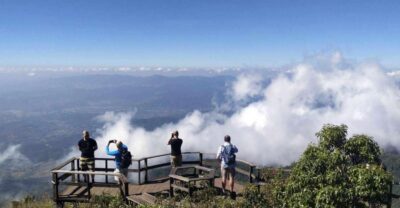
The payoff is visual. As you work your way higher, you’ll be close to major viewpoint angles. The route is built around those sightlines—especially toward the Mae Ping Valley—so you’re not slogging uphill with nothing to show for it.
One thing I’d flag: this day is not about “easy temple strolls.” Even the pauses happen because your body needs them. In the reviews I saw, guides like A and Nop were repeatedly praised for keeping things friendly and paced, which makes a tough climb feel more manageable.
Doi Suthep-Pui National Park hiking toward Doi Pui
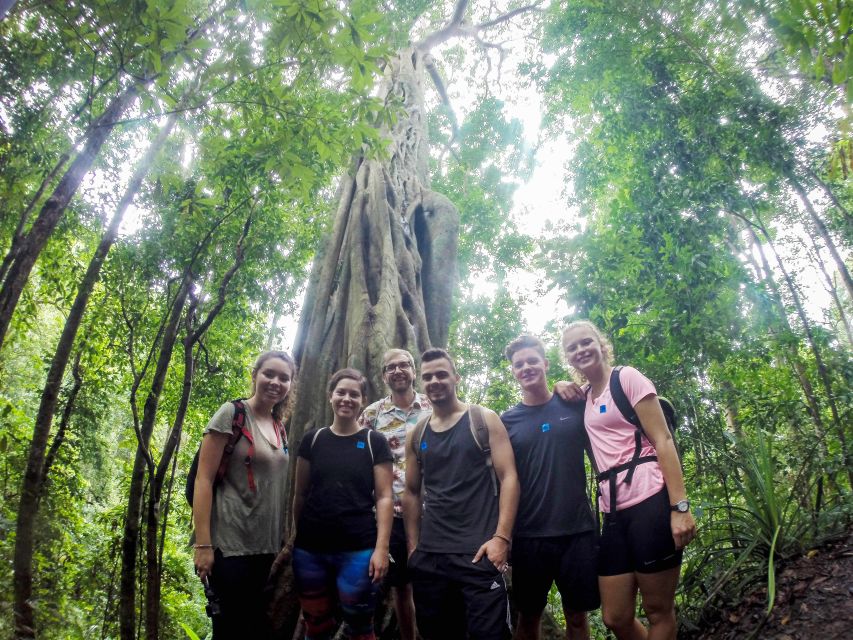
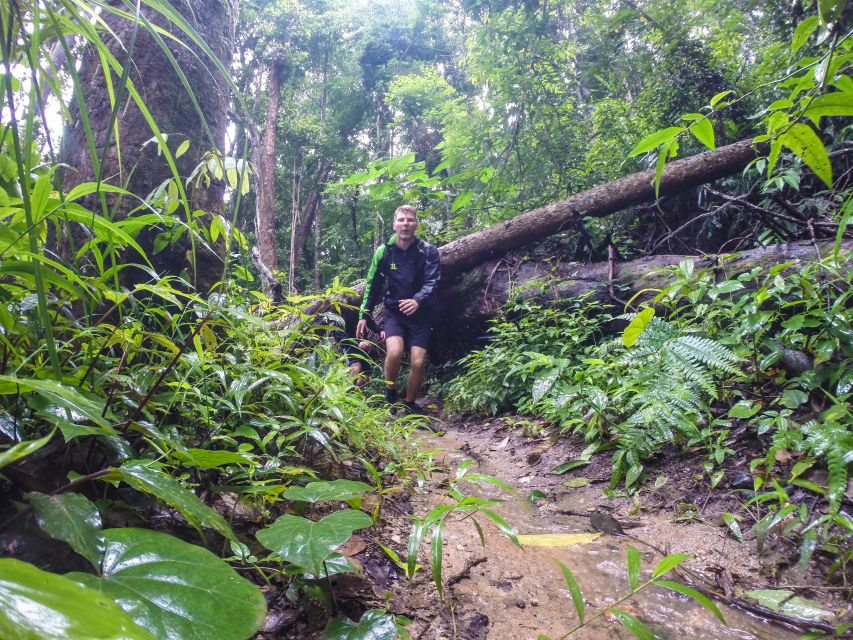
Now the real hiking begins in the national park: about 2.5 hours in the Doi Suthep-Pui National Park area. This is where you should expect the trail to test your legs.
Based on what hikers reported, the ground can be uneven, rocky, muddy at times, and undulating. There are also steep sections that feel like a glute workout. If you’re not used to climbing, you may sweat more than you planned for—there’s no shame in that. The key is to keep your breathing steady and let the guide time the breaks.
Also, don’t ignore the small “nature” details. Mosquitoes can be a problem, especially in humid jungle stretches. If you’re the kind of person who usually forgets insect repellent, this is the day to remember it.
As you near Doi Pui, you’ll shift from just jungle to a more community-connected feel. There’s a focus on trekking ancient monk trails and walking near areas linked with hill tribe life and the kinds of food-foraging and hunting-gathering routines people historically practiced in these zones.
When you reach Doi Pui (with about 1 hour for a break and photo stops), you’ll also get the reason people talk about the views. The day offers roughly 180° panoramic perspectives over the valley area, especially when clouds and haze cooperate.
Where lunch fits: expect late-afternoon timing and plan snacks
Lunch is included, and you can choose vegetarian or vegan options. That’s a big plus for value and comfort—you won’t be hunting for food after a hard climb.
But timing is the thing to know. Even though the tour is listed as a 7-hour experience, hikes like this often run long in the real world because of steep walking, photo stops, and extra break time. People reported that lunch can land closer to the late afternoon, sometimes around 2/3 PM and in other cases closer to 4 PM depending on pace and route conditions.
So here’s the practical move: bring a small snack. Think granola bar, nuts, or something you can eat fast without needing a sit-down meal. If you’re sensitive to getting hungry mid-hike, this one step can keep the day pleasant instead of cranky.
Hydration is handled well, but don’t treat it as optional. Water (both bottled and hydration support) is available throughout, and the support truck may meet you at points so you can refill. Still, I’d recommend a water bladder or at least a way to sip easily—one hiker noted a bladder can freeze if you don’t store it right before the hike, so protect it if cold nights are an issue where you’re staying.






The guide, the pace, and the safety net you don’t notice until you need it
This trip is guided by professional mountain guides, and your instructors are certified in First Aid and CPR. That safety detail matters because you’re hiking in uneven terrain where slips and sprains are plausible.
The guide also controls the emotional pace of the hike. In the feedback I saw, the best guides made the breaks feel natural—like part of the experience—rather than a stop forced by exhaustion. Names that came up often included Nop, A, Danai, Ai, Tway, and Jane, with hikers praising them for friendliness, humor, and route know-how.
What you’re really buying with the small-group limit (up to 15 participants) is attention. With fewer people, it’s easier to keep track of who’s struggling, who needs a slower pace, and who wants more photo time without holding everyone back.
Finally, remember: trail substitutions are rare, but possible if weather or park management requires it. In those cases, guides switch to an alternative route that matches the skill level and keeps the scenery.
Transportation and the “two temple stops” rhythm
One subtle design choice: you get temple stops in both the ascending and descending portions of the day. After the main hike, you return by truck and pause again at Wat Phra That Doi Suthep for panoramas and more time to visit.
That matters because it gives you two chances to see the summit viewpoints without treating the route like one long tunnel. The first set of temple photos happens when energy is still high; the later one is when you’re tired but rewarded anyway.
It also helps that the route includes multiple “reset” moments—Wat Pha Lat, Wat Phra That Doi Suthep, the national park hike to Doi Pui, and then the return temple stop. That rhythm is part of why so many hikers described the day as tough but enjoyable rather than miserable.
What $60 buys you (and when it’s a bargain vs. too much)
At $60 per person, you’re paying for more than hiking. The value comes from the package:
- Hotel pickup and main transport in an air-conditioned van or SUV
- Guiding by mountain guides with First Aid/CPR training
- Lunch with vegetarian and vegan options
- Hydration support during the day
- A support truck with secure storage
- A small group experience (limited to 15)
If you plan to hike this area on your own, you’d still need transport up the mountain, an organized route plan, a safe guide to navigate steep sections, and a way to manage food and water. That cost is hard to match solo unless you already know the trails and can handle logistics.
Is it a deal for everyone? Not if you’re looking for an easy day. The hikes described here are genuinely challenging, so if you hate steep, rocky walking, you may feel like $60 bought you pain instead of memories. But for active travelers, it often lands as fair or even excellent value.
Who should book this hike (and who should skip it)
This tour fits best if you’re comfortable with long walking and can handle steep, uneven terrain. Reviews repeatedly framed it as intermediate to hard, with hikers saying it’s not a beginner plan. If you regularly do hikes with lots of stairs or elevation gain, you’ll likely feel challenged but in control.
Skip it or consider a gentler option if:
- you don’t wear proper hiking shoes and don’t want to change your gear plan
- you get discouraged by steep climbs and rough footing
- you want a mostly flat sightseeing day
If you’re the opposite—if you like jungle walking, want temple context, and enjoy seeing the less-crowded parts of Chiang Mai beyond the obvious viewpoints—this is a strong match. The route’s focus on both temples and the highland jungle is a good way to balance culture and effort.
Practical packing tips that keep the day comfortable
Bring firm hiking shoes. That’s not a small suggestion here—it’s the difference between a workout you can manage and one that hurts your feet.
Beyond that, here’s what helps most based on the conditions and what hikers noted:
- insect repellent for jungle/mosquito moments
- a water bladder or easy-to-sip hydration plan
- a light layer for cooler highland air
- a small snack for late lunch timing
Also, if you use hydration packs, don’t treat freezing as a joke. One person mentioned their camelback froze the night before, and they had trouble staying hydrated until they adjusted.
Should you book the Chiang Mai Doi Suthep summit hike?
Book it if you want a full day that mixes temple stops, steep national park hiking, and big viewpoint reward near Doi Pui. It’s especially worth it if you’ll enjoy being guided through monk trail-style routes and want help managing a tough climb.
Don’t book it if you want a relaxed, low-effort sightseeing loop. This is a climb with rocky, steep stretches and jungle conditions, and you’ll be happier if you treat it like a workout day you planned for.
If you’re in reasonably good shape and ready to pace yourself, you’ll likely come away with the feeling that you earned the views—and saw more than just the most obvious temple photo spots.
FAQ
How long is the Chiang Mai Doi Suthep summit hiking tour?
The tour duration is 7 hours.
What is the price per person?
The price is listed as $60 per person.
Where does the tour start and how do you get there?
You get hotel pickup in Chiang Mai. You’ll then travel by van or 4×4 SUV, with additional transfers by jeep/SUV and truck during the day.
What language is the guide available in?
The tour is guided in Thai and English.
How big is the group?
The group is limited to a small group, with a maximum of 15 participants.
Is lunch included, and can you get vegetarian options?
Yes. Lunch is included and vegetarian and vegan options are available.
Do you provide water or hydration support?
Yes. Water for hydration packs and bottled water are available throughout the event, and a hydration backpack is provided.
Are temple and park entry fees included?
No. Park entry and insurance are not included, and there is a 250 baht fee. Passport details are required at check-in.
What kind of footwear should I wear?
You should wear firm hiking shoes.
What if a trail is closed due to weather or park rules?
Trail closures are rare, but if they happen, the guide switches to an alternative route that matches the skill level and scenery.
Can I get a refund if plans change?
Yes. Free cancellation is offered up to 24 hours in advance for a full refund.