REVIEW · CHIANG MAI
Chiang Mai: Afternoon Bua Tong Sticky Waterfall by Red Taxi
Book on GetYourGuide →Operated by Tanommit Lengjan · Bookable on GetYourGuide
Chiang Mai has a waterfall you can climb. That is the whole appeal of Bua Tong, the Sticky Waterfall: you move upward while the water runs around you, and the feeling is refreshingly real on your skin. I also like that you get a short countryside moment on the way out, not just a straight drive to a busy attraction.
Two things I’m especially happy about. First, the climb happens right at the cascades, so you’re not just standing there taking photos, you’re actually experiencing the waterfall. Second, the stop for rice fields makes the trip feel like an afternoon escape, not a quick errand.
One drawback to keep in mind: this is a wet, active climb. If you deal with altitude sickness, this outing isn’t suitable, and if you’re uncomfortable walking on slick rocks or wearing swim gear, you may find it more work than you expected.
In This Review
- Key Highlights You’ll Actually Care About
- Sticky Waterfall: What Makes Bua Tong Different From a Normal Waterfall
- Pickup in Chiang Mai and the Rice-Fields Photo Moment
- Riding in a Red Taxi Songtaew: Simple, Comfortable, and Insured
- Entering the Bua Tong Waterfall Park: Quiet Grounds and Real-World Safety
- The Main Event: Climbing the Rocks Into Oncoming Cascades
- How Long It Really Takes and Why Two Hours Works
- What to Bring for the Sticky Waterfall Climb (This Is Not Optional)
- Price and Value: Is $32 Worth an Afternoon Climb?
- Who This Tour Fits Best (And Who Might Prefer Something Else)
- Should You Book This Afternoon Bua Tong Sticky Waterfall Trip?
- FAQ
- What time is hotel pickup in Chiang Mai?
- How long does the Bua Tong Sticky Waterfall trip take?
- How do I get to the waterfall?
- What is included in the price?
- Do I need to bring swimwear and a change of clothes?
- What kind of climbing is involved?
- Is the waterfall park safe to visit?
- What items are not allowed?
- Is this tour suitable for people with altitude sickness?
Key Highlights You’ll Actually Care About
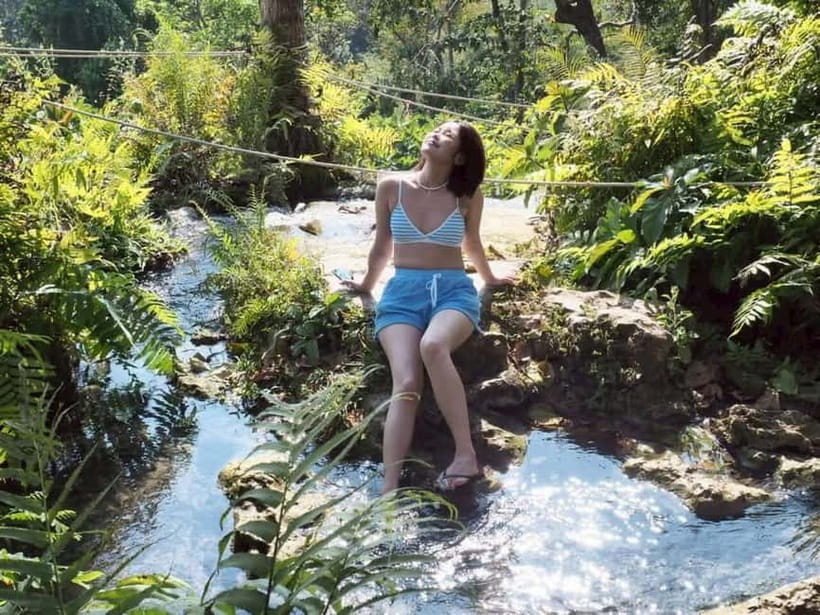
- Sticky Waterfall climbing: you climb up the rocks into the oncoming cascades, tufa (limestone) surface included
- Cool, close contact with the water: expect to feel the spray and wet your skin as you move upward
- Peaceful setting: the waterfall is about three kilometers from the main road, so it stays quiet
- Controlled safety setup: park authorities manage the area around the waterfall
- Straightforward afternoon timing: hotel pickup between 1:00 and 1:30 pm, about two hours total
- Friendly English/Thai driver: Mr. Nat (Tanommit Lengjan) is specifically praised for being accommodating and helpful
Sticky Waterfall: What Makes Bua Tong Different From a Normal Waterfall
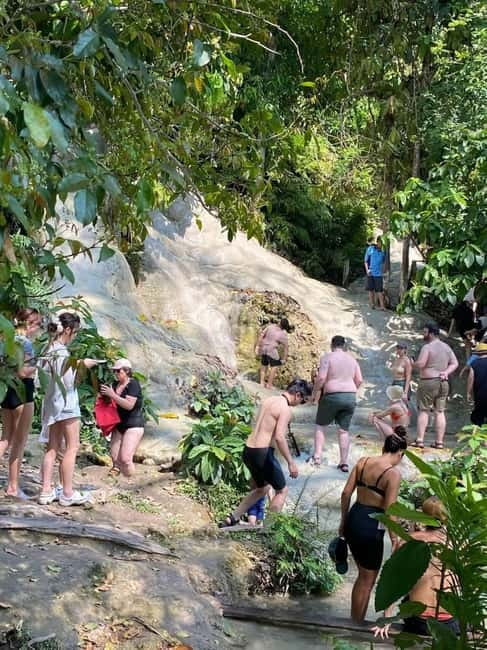
Most waterfalls in Thailand are a viewpoint situation. Bua Tong is different. The “sticky” part isn’t a marketing gimmick you have to guess at, it’s built into the experience: the waterfall’s cascades have a tufa surface, a type of limestone, and that’s what gives the climb its grip and feel.
What you’ll notice fast is that the water isn’t some far-off backdrop. It comes toward you in layers as you climb, so you’re constantly balancing steps, timing your movement, and letting the water cool you down. This turns a simple waterfall stop into a short outdoor workout you can actually enjoy.
I also like that the setting is described as peaceful and beautiful, and the location is off the main road. That matters because the best part of a climb like this is staying present. When you’re not fighting for space or constantly redirecting around crowds, you can really take in the sound and the spray and the quiet.
You can also read our reviews of more tours and experiences in Chiang Mai.



Pickup in Chiang Mai and the Rice-Fields Photo Moment
This is an afternoon-style trip that starts when you’re already awake and ready to leave the city. You’ll be picked up from your hotel in Chiang Mai city between 1:00 and 1:30 pm. The ride heads out into the countryside, and that transition is part of why this works well as a half-day plan.
Along the way, there’s a stop to see rice fields and take photos as souvenirs. It’s not a long detour, but it gives you something you can’t get if you only do temple and street walks in the old city. Even if your main goal is the waterfall, I think you’ll appreciate this small reset: you get a glance of rural Chiang Mai before you get wet and climb.
It also sets expectations. The Bua Tong experience is physical and sensory. The ride and photo stop help your brain switch modes: city heat and traffic for a moment, then cooler air, greenery, and that damp waterfall sound you can’t ignore.
Riding in a Red Taxi Songtaew: Simple, Comfortable, and Insured
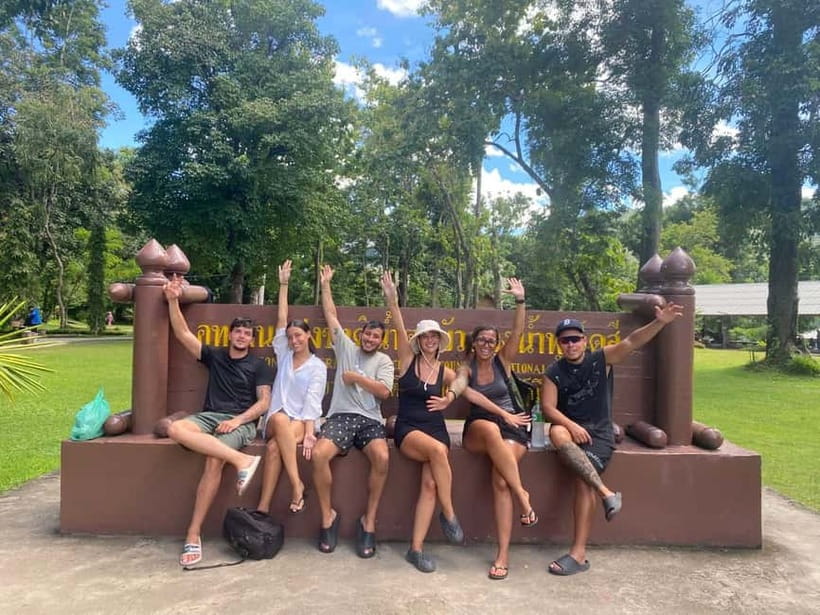
You travel by a red taxi songtaew. That matters because songtaews are common here, so the logistics feel familiar, but this particular service includes car insurance and uses a comfortable vehicle for getting you to and from the site.
A driver who can speak both English and Thai is included, and the name Mr. Nat (Tanommit Lengjan) shows up in the positive feedback. His friendliness and accommodation are the kind of practical things that reduce stress on a day trip. When pickup timing, simple directions, and small adjustments go smoothly, the waterfall part feels fun instead of rushed.
Also, you get an English/Thai driver rather than a situation where you’re stuck translating every small question. That’s useful when you want to know what to wear, where to change, or what to expect once you reach the park.
Entering the Bua Tong Waterfall Park: Quiet Grounds and Real-World Safety
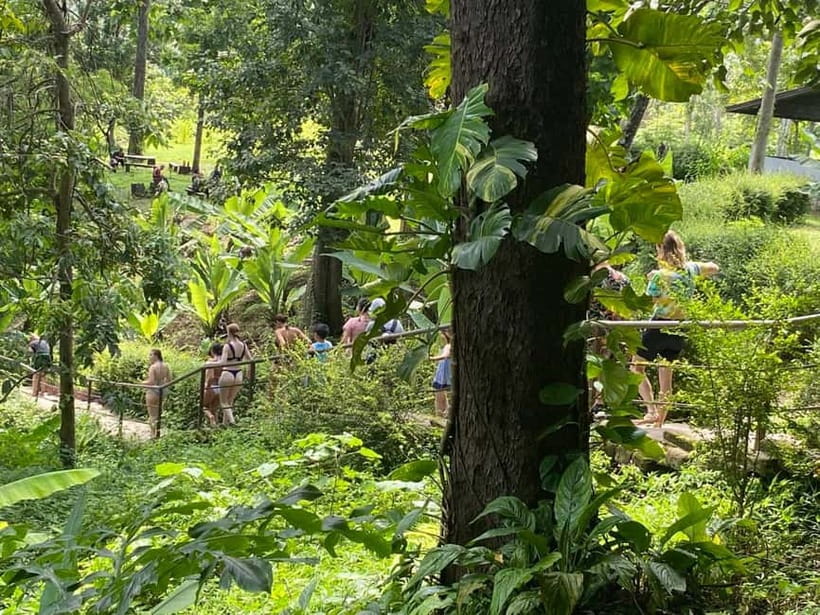
Once you reach Bua Tong, you’re entering a managed waterfall environment. The area is controlled by park authorities, and that’s a big deal with a place where you’ll be climbing and getting wet.
Here’s what to take from that: this isn’t a chaotic free-for-all. The controlled setup is designed to keep the experience safe while still letting you do the main thing—climb. It’s also described as an ideal destination for families with kids, which usually means clear rules, defined movement areas, and staff attention in the right spots.
The site is about three kilometers from the main road, so it stays quieter than the typical “quick stop with big traffic.” That quieter feel tends to improve the overall mood of the climb. You can hear the water clearly, watch your footing without constant interruptions, and take breaks without feeling like you’re slowing down everyone else.
The Main Event: Climbing the Rocks Into Oncoming Cascades

This is the centerpiece of the afternoon trip, and it’s why the “sticky waterfall” nickname makes sense once you’re there.
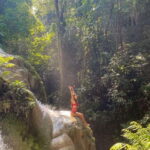
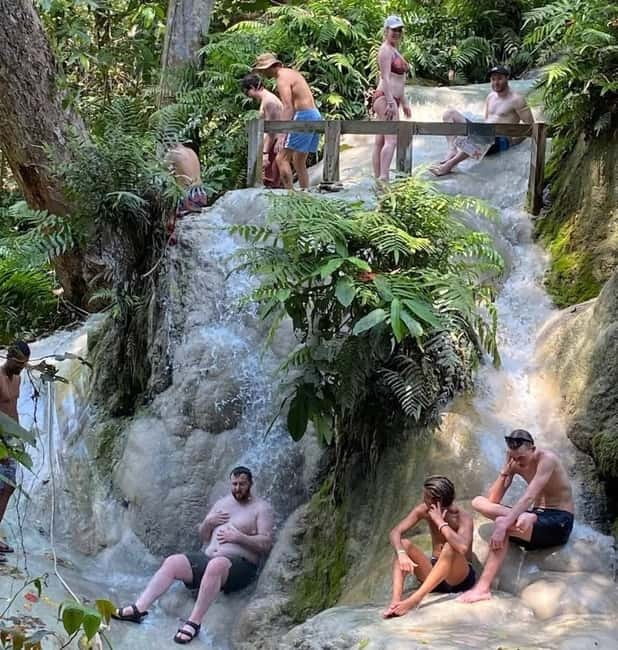
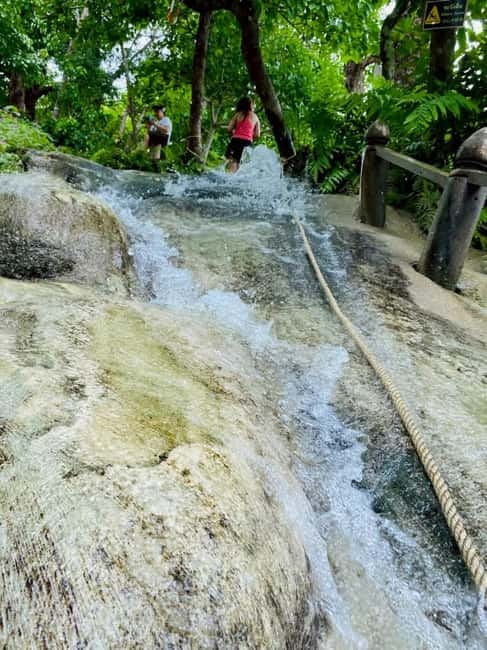
The core activity is climbing directly up the rocks into the oncoming cascading water. Instead of walking along a flat path and looking from afar, you’re physically moving up into the flow. The feeling is refreshing, but it’s also active: you’ll be stepping on rock surfaces that are slick with water, and you’ll need stable footwear and a calm pace.
The reason the water feels special here is the tufa surface. In plain terms, the rock texture helps you grip in a way that makes the climb possible for regular visitors. That’s what turns it from a scary stunt into something you can do as part of a short guided outing.
You’ll also get that “I’m inside the waterfall” effect. The water hits the front of you as you climb, so your hands and legs do real work. You’ll likely be wet quickly, so plan for that from the start rather than trying to stay dry.
One more practical point: this is often described as a refreshing hike. That’s accurate. It’s not just a climb for the sake of climbing. The cooler spray and the movement can feel energizing in Chiang Mai’s heat, especially on an afternoon when you want something outdoorsy.



How Long It Really Takes and Why Two Hours Works
The trip is listed at about two hours total. That timeframe is a sweet spot for Bua Tong. You get enough time to travel from the city, enjoy a quick countryside pause, climb the waterfall, and return without losing the whole day.
For many people, that matters because Chiang Mai afternoons can get sticky. Doing the waterfall mid-afternoon keeps the trip from stealing your morning temple plans, and it avoids turning the day into one long slog. You also get your momentum back afterward; you can still head out for dinner in town afterward if your schedule allows.
Because the activity is wet and active, shorter tours often feel better than long ones. You get to do the main thing, then you’re done before fatigue turns into frustration.
What to Bring for the Sticky Waterfall Climb (This Is Not Optional)
If you’re hoping for an easy, carefree experience, pack like you’re going swimming and hiking at the same time. The park climb is paired with water contact, so your gear makes a real difference.
Bring:
- Swimwear and a change of clothes
- A towel (you’ll want it after the climb)
- Sunglasses and sunscreen
- Flip-flops for after-water walking, plus comfortable footwear for the climb
- Food and drinks if you get hungry (the tour data specifically suggests bringing these)
- Cash
There are also clear rules on what not to do. Fishing isn’t allowed, and alcohol or drugs are not allowed. Fireworks and alcoholic drinks in the vehicle are also prohibited.
If you forget the basics, you won’t just be uncomfortable—you’ll feel slowed down. The climb is the point, so the goal is to keep your focus on stepping, not on figuring out where your extra shirt is.
Price and Value: Is $32 Worth an Afternoon Climb?
At $32 per person for a two-hour afternoon outing, the value depends on what you want from your day.
You are paying for three things:
- Transport via red taxi songtaew with insurance
- Waterfall park admission
- The opportunity to climb as part of the experience
For me, the value makes sense because you’re not only buying access to a viewpoint. You’re paying for a guided, controlled setup where you can do the signature action: climbing into the cascades. That kind of experience is harder to reproduce on your own, especially if you want a stress-free ride back to Chiang Mai.
Also, the rice field stop is a small add-on that improves the overall feel of the trip. It turns “one activity” into “an afternoon story,” which matters when you’re comparing options in the same day.
Finally, there’s flexibility built into the offer: you can reserve first and pay later, and cancellation is available for a full refund up to 24 hours in advance. That reduces the risk of booking if your Chiang Mai schedule changes.
Who This Tour Fits Best (And Who Might Prefer Something Else)
This trip is a great match if you want an active, sensory Thailand moment with a bit of nature-and-people balance.
You’ll likely enjoy it if you:
- Want something beyond temples and markets
- Don’t mind getting wet
- Like short adventures that finish while you still have energy
- Appreciate practical safety in a natural setting
It may be a poor fit if you:
- Have altitude sickness (not suitable)
- Hate wet climbing or dislike wearing swimwear
- Prefer a fully seated, low-effort sightseeing day
I also think it works nicely for families, because the area is managed and the environment is described as safe for visiting with kids. Still, keep expectations realistic: kids or not, it’s an active waterfall climb.
Should You Book This Afternoon Bua Tong Sticky Waterfall Trip?
If your ideal Chiang Mai day includes getting out of town, feeling the water, and doing something hands-on, I’d book this. The signature appeal is simple: you climb up the rock into oncoming cascades, in a peaceful, controlled setting, with an English/Thai driver and an easy two-hour structure.
Skip it if you want a dry, relaxed photo walk or if you’re dealing with altitude sickness. And if you’re unsure about physical comfort on slick rocks, don’t pretend it will be like a viewpoint. It’s a climb.
My best advice: treat it like swim-and-hike time. Pack properly, wear the right gear, and keep a steady pace. Do that, and Bua Tong turns into one of those afternoons you remember for how it felt, not just how it looked.
FAQ
What time is hotel pickup in Chiang Mai?
Pickup is from your hotel in Chiang Mai city between 1:00 and 1:30 pm.
How long does the Bua Tong Sticky Waterfall trip take?
The duration is about 2 hours.
How do I get to the waterfall?
You travel by a red taxi songtaew with included transportation.
What is included in the price?
Admission to the waterfall park and the opportunity to climb the waterfall are included, along with transportation.
Do I need to bring swimwear and a change of clothes?
Yes. The recommended items include swimwear, a change of clothes, and a towel.
What kind of climbing is involved?
You climb directly up the rocks into the oncoming cascading water of the waterfall.
Is the waterfall park safe to visit?
The area is managed by authorities, and it’s described as safe and controlled.
What items are not allowed?
Fishing, alcohol and drugs, fireworks, and alcoholic drinks in the vehicle are not allowed.
Is this tour suitable for people with altitude sickness?
No, it is not suitable for people with altitude sickness.