REVIEW · CHIANG MAI
Chiang Mai: Temples & Culture Tour
Book on GetYourGuide →Operated by Touring Center · Bookable on GetYourGuide
Three temples, one clear story. I love how the guide links each stop to Chiang Mai’s Lanna past, especially at Wat Phra Singh with its highly revered Buddha images. I also like the pace: hotel pickup, a comfy 9-seater VIP air-conditioned van, and enough time to actually look around instead of rushing through.
One consideration: this tour isn’t suitable for people with mobility impairments or wheelchair users, because you’ll be walking through temple areas between guided stops.
In This Review
- Key highlights that make this tour worth your time
- A 4-hour Chiang Mai temples circuit that actually makes sense
- Wat Chiang Man: starting with Mangrai’s 1297 AD origin story
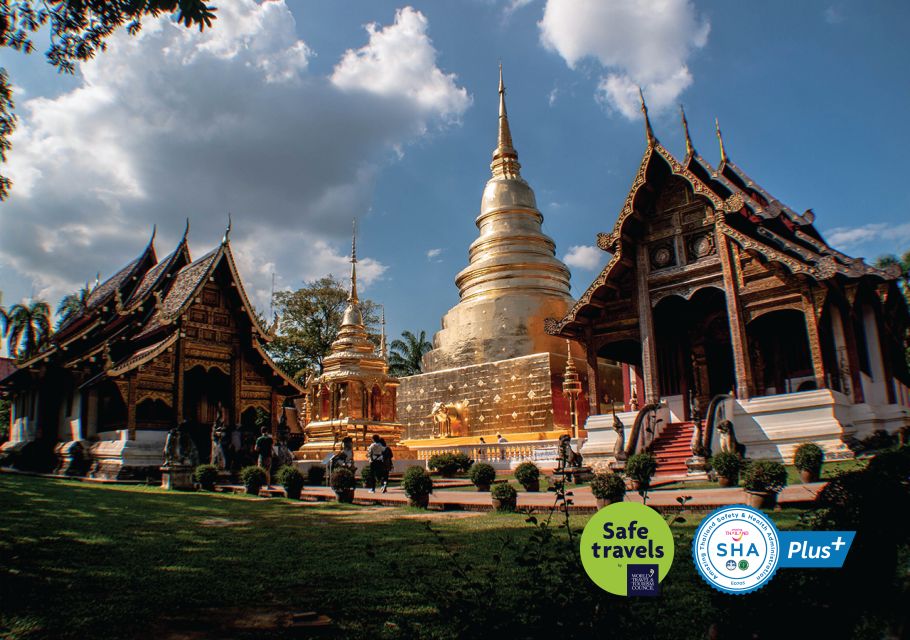
- Wat Phra Singh: Buddha images and the importance of Phra Buddha Sihing
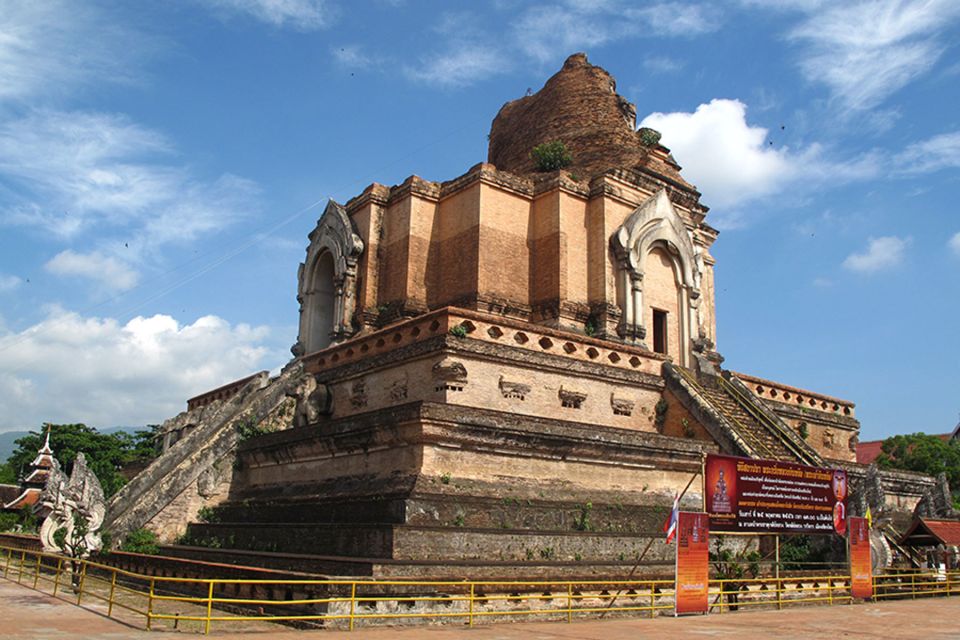
- Wat Chedi Luang: Chiang Mai’s Lanna Kingdom landmark
- Chiang Mai City Arts & Cultural Centre: the A/C museum reset you’ll appreciate
- Why the guide matters more than you think
- Timing, transport, and group size: less stress, better photos
- What to wear (and why it affects your whole half day)
- Price and value: why $36 can be a smart deal here
- Who should book this Chiang Mai temples and culture tour
- Should you book this Chiang Mai Temples & Culture Tour?
- FAQ
- Which temples are included in the Chiang Mai tour?
- How long does the tour last?
- Do you offer a morning or afternoon option?
- Is hotel pickup included, and how far out does it go?
- What should I wear to enter the temples?
- What should I bring with me?
- Is the tour suitable for wheelchair users or people with mobility impairments?
- Is there free cancellation and a pay-later option?
Key highlights that make this tour worth your time
- Wat Chiang Man (1297 AD): built by King Mangrai, with a guided walk that helps you read the site instead of just staring at it
- Phra Singh’s Buddha images: including the important statue of Phra Buddha Sihing
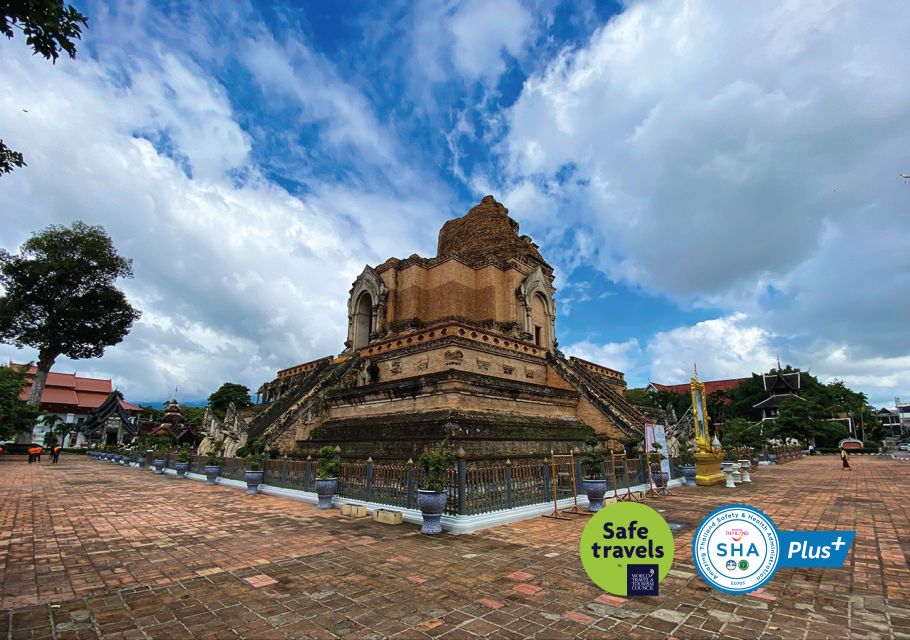
- Wat Chedi Luang’s scale: the largest monument of Chiang Mai from the days of the Lanna Kingdom
- Chiang Mai City Arts & Cultural Centre: a traditional northern-style building where the museum time stays comfortable
- Small-group format: limited to 9 participants, with professional English guidance and hotel-area pickup
A 4-hour Chiang Mai temples circuit that actually makes sense
Chiang Mai can feel like a blur of gold roofs and incense smoke. This tour is designed to reduce the chaos by giving you a clear route through three major wats, then rounding it out with museum context. In just 4 hours, you get a guided story of the city’s past—without the stress of figuring out where to go or how to move between sites.
The best part is the structure. You’re not only seeing temples, you’re learning how to connect what you’re looking at—Buddha images, Lanna-era monuments, and royal-era origins—to the broader “how Chiang Mai became Chiang Mai” picture.
And because it’s a small group (or private option), you can ask questions when something doesn’t add up—like why a certain Buddha image matters, or how rulers influenced the places you’re standing in.
You can also read our reviews of more tours and experiences in Chiang Mai.



Wat Chiang Man: starting with Mangrai’s 1297 AD origin story
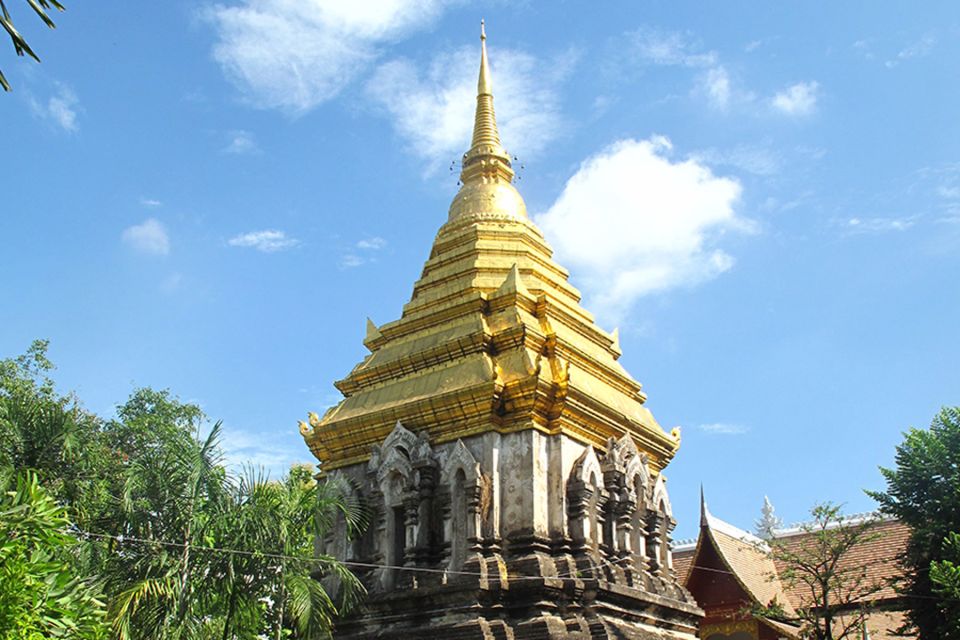
Your first temple stop is Wat Chiang Man, with a guided visit and about 45 minutes on-site. It’s built by Lanna King Mangrai in 1297 AD, so right away you’re anchored in the early timeline of northern Thai rule rather than wandering randomly through the grounds.
This is a good start because it sets expectations for how the other wats will be explained. The guide helps you notice details during the walk, so you’re not just collecting photos—you’re building a mental checklist for what to look for at each next stop.
If you like a calm beginning (instead of jumping straight into the biggest spectacle), this first segment is ideal. You’ll have enough time to settle in, listen, and then carry that context with you to the next temples.
Wat Phra Singh: Buddha images and the importance of Phra Buddha Sihing
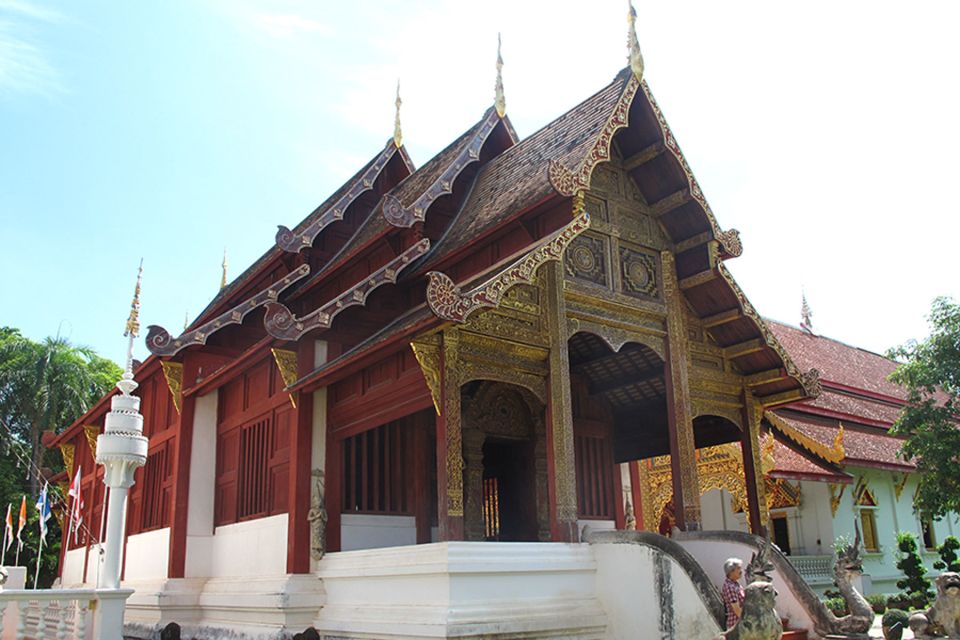
Next comes Wat Phra Singh, an “active temple” stop reached by an air-conditioned minivan. You’ll get a guided tour plus about 45 minutes to see the site at a comfortable pace.
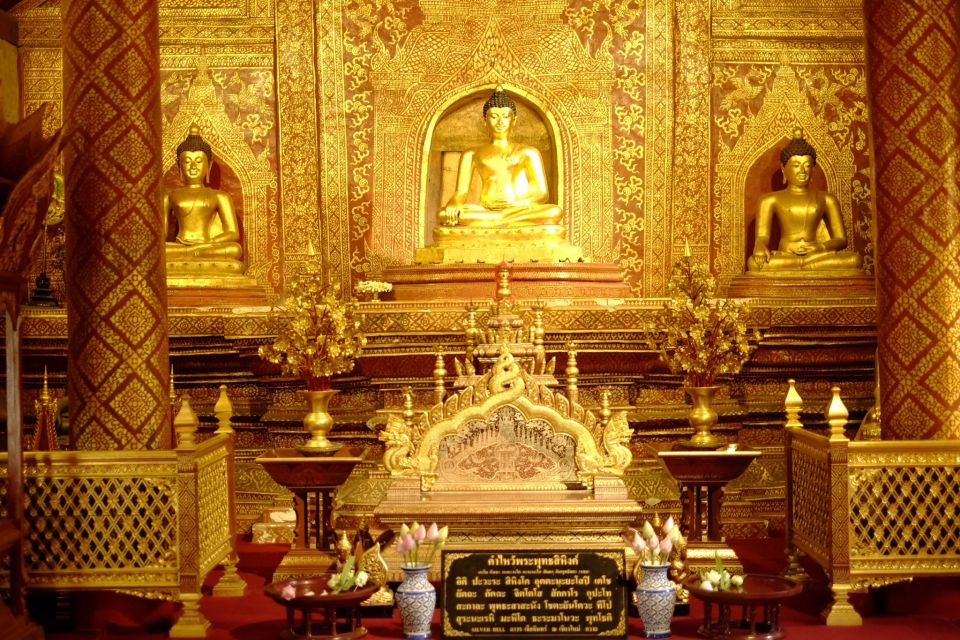
This is one of the highlights for a reason: Wat Phra Singh is known for highly revered Buddha images, including the key 14th-century monument and the important Buddha statue called Phra Buddha Sihing. The guide’s job here is to make those names meaningful—so you understand why people pay attention to particular images rather than treating everything as the same kind of altar.
In the past, guides such as Poongkie and Nong have been praised for tying the symbolism and history together in a way that’s easy to follow. That matters because temples can be visually similar unless you have a few “anchors” in your head.
Practical tip: plan for the guided walking and temple-entry rules at this stop. That’s where your clothing choices can save you time and hassle.
Wat Chedi Luang: Chiang Mai’s Lanna Kingdom landmark
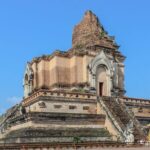
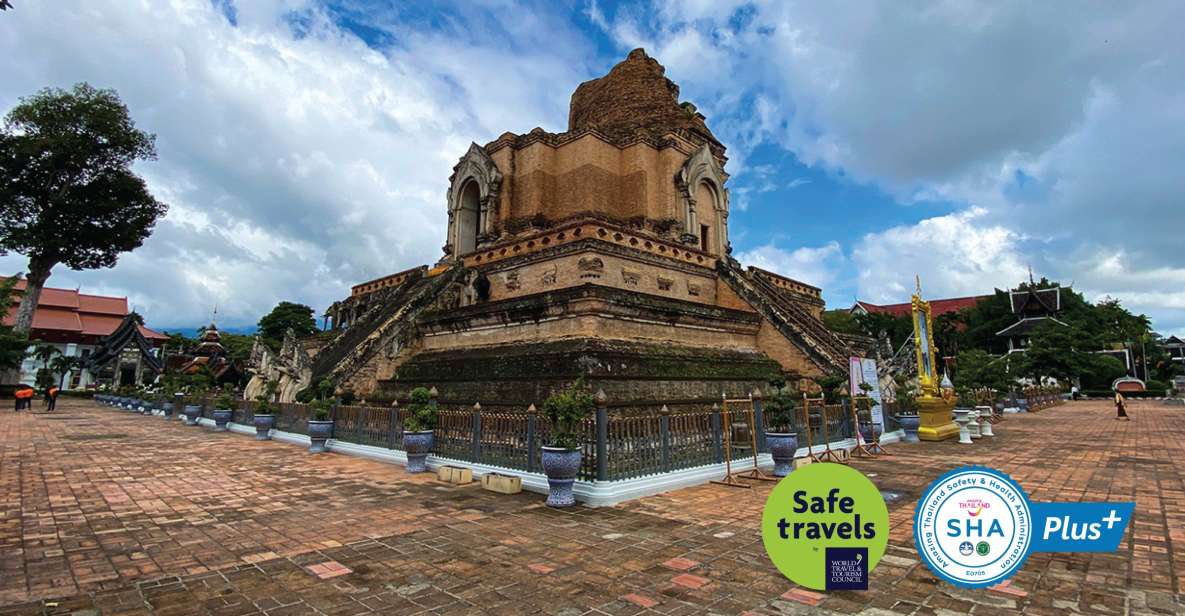
After Wat Phra Singh, you’ll head to Wat Chedi Luang, again with a guided visit and about 45 minutes. This is where the tour leans into scale: Wat Chedi Luang is described as the largest monument of Chiang Mai during the days of the Lanna Kingdom.
This stop feels different because it’s less about one specific object and more about grasping the site’s historical weight. You’ll learn about the ancient rulers of Northern Thailand as you move through the temple grounds, which helps explain why this monument mattered.
If you’re the kind of person who likes “why this was important” rather than only “what it looks like,” you’ll probably enjoy the way the guide frames the experience here.
Also, this is a good spot for photos—but don’t let that swallow your listening time. A lot of the value is in understanding what you’re looking at while you’re there.
Chiang Mai City Arts & Cultural Centre: the A/C museum reset you’ll appreciate
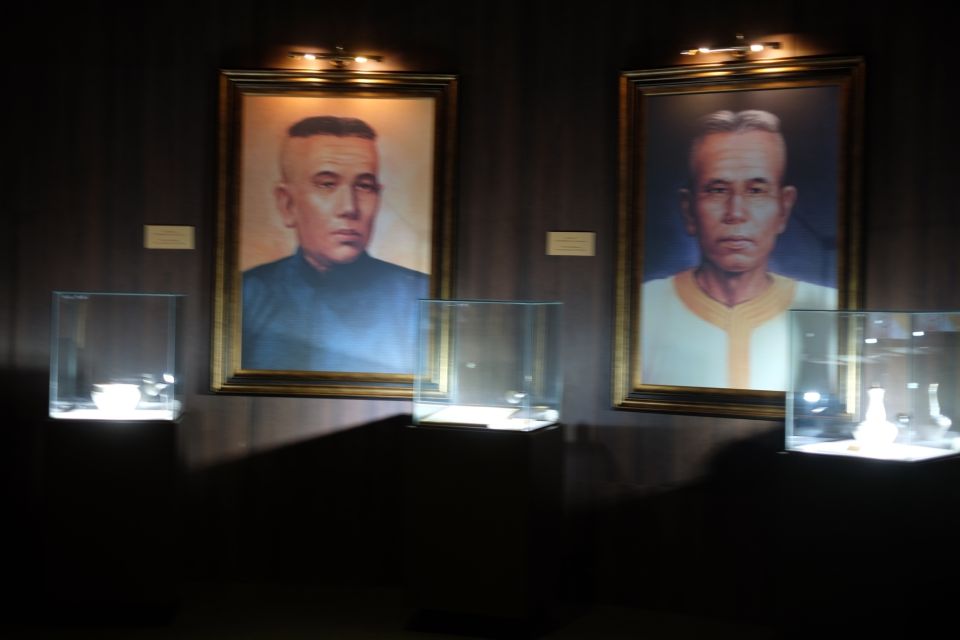
The final major stop is the Chiang Mai City Arts & Cultural Centre, where you’ll have a guided tour and about 1.5 hours plus some free time. One reason this stop works well in the middle of temple time is comfort. The museum is typically the cooler, calmer break in the schedule, with explanations provided in English.
You’ll see historical artifacts that help tell the story of the city—tied to the same Lanna-era context you’ve just heard on the temple grounds. The centre itself is also worth noting: it’s built in the traditional northern architectural style with a typical Lanna-style look, so you’re not leaving the theme when you step indoors.
This part is especially useful if you want the trip to “stick.” Temples give you the visual language; the museum fills in the missing background so you can connect names, dates, and objects into one narrative.
If you’re someone who tends to remember stories more than signs, this museum segment is the part that turns a good half-day into a better understanding of Chiang Mai.



Why the guide matters more than you think
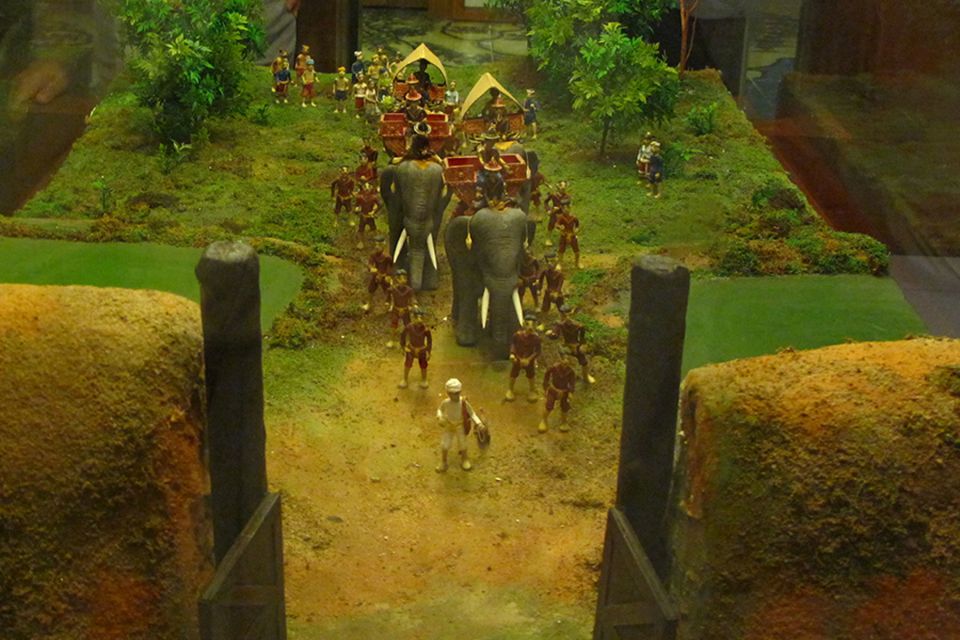
With temples, the difference between an average visit and a memorable one is usually the guide. A strong English guide can take a site that would otherwise feel like a bundle of beautiful things and turn it into a set of understandable clues.
In the guide experience you provided, English-speaking hosts like Poongkie, Nong, Paul, and Po are repeatedly highlighted for clear explanations, friendly interaction, and the ability to keep the pace relaxed. That shows up in what people like most: you’re not rushed, you get time to look, and you understand what you’re seeing before you move on.
One practical win: when a guide is tuned in to your questions, you also get better “after tour” advice. For example, Nong is mentioned for recommending a local food choice afterward—useful if you want your half-day to lead straight into a great meal plan.
If you’re visiting Chiang Mai for the first time, I’d treat the guide as your translator. Go in with a few questions in mind, like what time period you’re hearing about or which Buddha image is most important—and use the guide while you still have them.
Timing, transport, and group size: less stress, better photos
This is a 4-hour tour with a choice of morning or afternoon start. That choice is not just convenience—it changes the feel of your day. Guides are sometimes praised for taking morning tours when it’s cooler and quieter, which can make both walking and listening easier.
You’ll travel in a 9-seater VIP air-conditioned minivan, with an experienced driver. The smaller vehicle and air-conditioning matter here because Chiang Mai heat and time spent moving between spots can wear you down fast. When transport is comfortable, you’re more likely to enjoy each temple stop instead of just enduring the next one.
The group stays small—limited to 9 participants—or you can choose a private option depending on what you select. Either way, the format is set up so you aren’t stuck in a long line behind people who don’t care about the explanation.
Also, hotel pickup and drop-off are included for city-center hotels. That cuts out one of the most annoying parts of temple hopping: figuring out where to meet and losing time to transfers.
What to wear (and why it affects your whole half day)
Temple entry rules are strict enough that they can ruin your tour if you show up unprepared. You must cover your shoulders and knees. That means bringing long pants and a long-sleeved shirt if you want to avoid last-minute outfit changes.
The tour also says shorts and sleeveless shirts are not allowed. Add to that the recommendation to wear comfortable shoes and bring sunglasses, and you’ve got the basics of a stress-free day.
It’s one of those “small detail” issues that can become a big one. If you’re traveling light, check your packing before you schedule this tour. The time you save by being correctly dressed can be the difference between enjoying the guided flow and being slowed down at the entrance.
Price and value: why $36 can be a smart deal here
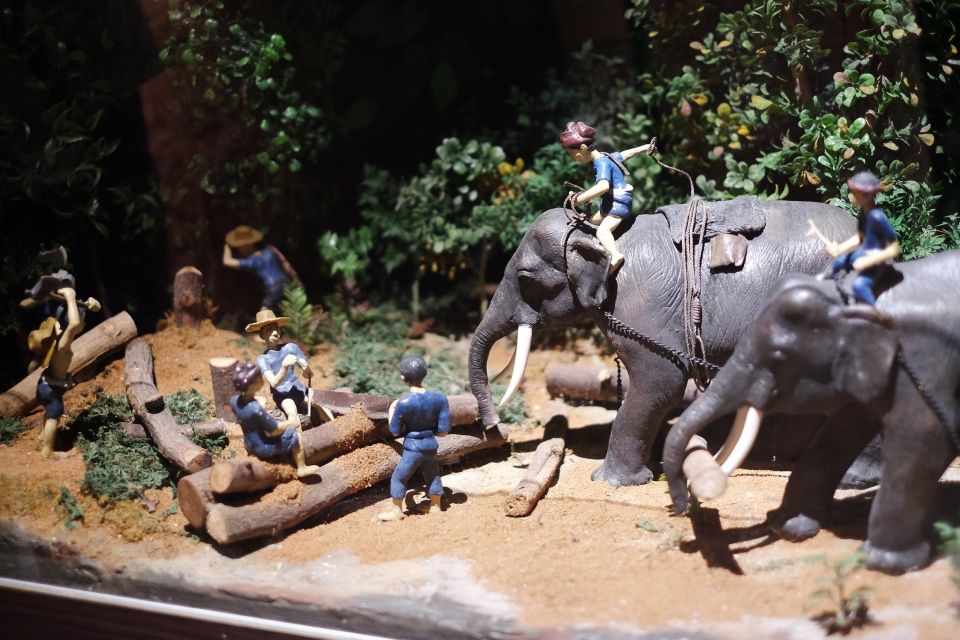
At $36 per person for a 4-hour guided temple + museum route, this tour is mostly about value in the things that cost time and effort on your own.
Here’s what you’re getting for the money:
- Hotel pickup and drop-off (city center)
- A comfortable air-conditioned minivan
- An English-speaking professional guide
- Admission fees included for the stops
- Drinking water and a refreshing towel
- Travel accident insurance
What you’re not paying for: meals and personal expenses. Also, there may be added pickup charges if your hotel is outside the city-center pickup zone.
The tour is priced so you can spend your energy on the sights, not the logistics. If you’d otherwise spend money on transport, struggle to coordinate timings, or skip the museum context because you’re short on time, the guided structure is what makes the price feel fair.
If you’re on a tight schedule and want the “big three” wats plus museum context in one clean run, this is the kind of tour that saves both time and decision fatigue.
Who should book this Chiang Mai temples and culture tour
This tour fits best if you:
- Want a first-time Chiang Mai orientation through major wats and Lanna connections
- Prefer guided explanation so you don’t miss what you’re looking at
- Like a small-group experience where you can ask questions
- Want a short day with a built-in museum break, not a full temple marathon
It might not be for you if:
- You need wheelchair access or have mobility limits (walking parts are part of the deal)
- You hate dress code constraints and don’t want to plan your outfit around temple entry
If you’re comfortable with walking and you’re willing to dress for temple visits, you’ll probably find this a very efficient use of a half day.
Should you book this Chiang Mai Temples & Culture Tour?
I think you should book it if you want a guided, organized way to see three of Chiang Mai’s most important wats and understand the Lanna thread that connects them. The mix of temple viewing plus the Chiang Mai City Arts & Cultural Centre museum time makes it more than a photo walk.
On the other hand, only skip it if mobility is an issue or if you’re not willing to follow the shoulders-and-knees temple rule. For everyone else, the combination of hotel pickup, English guidance, admission coverage, and a small-group vibe adds up to strong practical value for a 4-hour day.
FAQ
Which temples are included in the Chiang Mai tour?
The tour includes Wat Chiang Man, Wat Phra Singh, and Wat Chedi Luang, plus a visit to the Chiang Mai City Arts & Cultural Centre.
How long does the tour last?
The experience is 4 hours total.
Do you offer a morning or afternoon option?
Yes. You can choose between a morning or an afternoon tour, depending on availability.
Is hotel pickup included, and how far out does it go?
Hotel pickup and drop-off are included for hotels in the city center. Pickup is specifically noted as within 6 km from the 3 Kings Monument. If your pickup is outside the city center, there is an additional charge of 500 THB each way for distances between 6 and 15 km, and 1,000 THB each way for distances between 16 and 30 km.
What should I wear to enter the temples?
You must cover your shoulders and knees. Shorts and sleeveless shirts are not allowed, so plan on long pants and a long-sleeved shirt.
What should I bring with me?
Bring comfortable shoes, sunglasses, long pants, and a long-sleeved shirt.
Is the tour suitable for wheelchair users or people with mobility impairments?
No. The tour is listed as not suitable for people with mobility impairments or wheelchair users.
Is there free cancellation and a pay-later option?
Yes. You can cancel up to 24 hours in advance for a full refund. There is also a reserve now & pay later option where you can book and pay nothing today.