REVIEW · CHIANG MAI
Chiang Mai: Asia Scenic Thai Cooking School
Book on GetYourGuide →Operated by Oh-Hoo · Bookable on GetYourGuide
Thai cooking begins with what you pick. The day at Asia Scenic Thai Cooking School pairs a market ingredient hunt with an organic farm stop, then sends you to an open-air kitchen to cook and eat what you make. I love the hands-on ingredient picking and the take-home cookbook that makes this more than a one-off meal. One drawback to note: the transport between stops can cut into your time at the market, and that’s a trade-off you should be okay with.
The class runs as a small group (up to 10), so you’re not lost in the shuffle while chefs explain the why behind each flavor. I also like that instruction is available in English and Thai, and multiple guides (like Noon, Nan, Tommy, Olive, and Dev) are described as friendly, funny, and able to adjust recipes for different diets. If you’re hoping for a long, slow wander through the market, you may find the schedule a bit tighter than you want.
In This Review
- Key highlights that make this class worth your time
- Market mornings in Chiang Mai: ingredients you can point to later
- Organic farm visit: the flavor lesson behind herbs and produce
- Picking your dishes from the Thai classics menu
- Open-air kitchen setup: your station, your pace, your food
- Eating your handmade meals in a calm Thai setting
- Guides in English and Thai: where the lesson really lands
- Price and value: is $41 for 6 hours a good deal?
- Who should book this Thai cooking school, and who might prefer something else
- Should you book Asia Scenic Thai Cooking School in Chiang Mai?
- FAQ
- FAQ
- How long is the Chiang Mai Thai cooking school experience?
- What does the experience include?
- Can I choose what dishes to cook?
- What dishes are available to choose from?
- Does the class accommodate dietary preferences like vegetarian or vegan?
- Is pickup included, and where does it run from?
- Are there limits on who can attend?
- What languages are used during the tour?
- Is there a fee for cancellation?
Key highlights that make this class worth your time
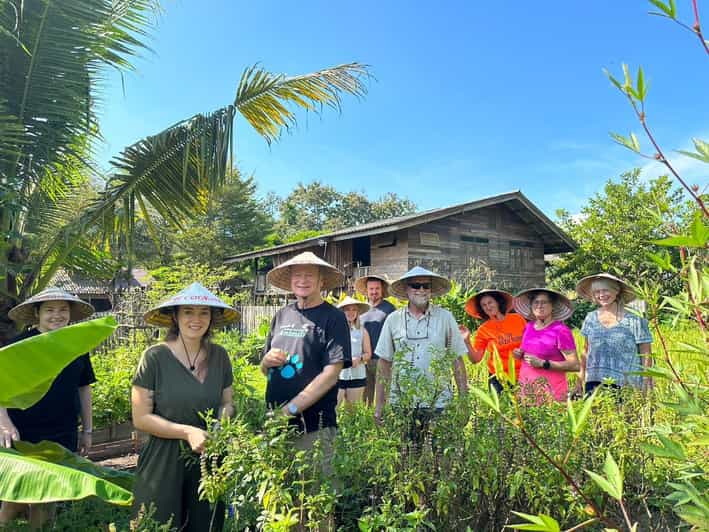
- Market tour plus tasting: You choose ingredients, then taste herbs you’ll actually use later.
- Organic farm or garden stop: You get a feel for herbs and produce before the cooking starts.
- Choose 5 dishes: From favorites like Pad Thai to curry pastes and Massaman curry.
- Open-air cooking with your own station: You cook, not just watch.
- Small group (max 10): More chances to ask questions and keep moving.
- Recipe book to take home: A practical way to repeat the flavors in your own kitchen.
Market mornings in Chiang Mai: ingredients you can point to later
This is one of those cooking classes where the story starts before the stove. You begin with a market stop in Chiang Mai, and the point is simple: Thai flavor comes from specific ingredients used at specific moments, not just from a generic jar of sauce.
You’ll pick items for your chosen dishes and get a sense of how Thai cooks think about balance. That matters because once you understand which herb adds brightness or which paste brings depth, you stop copying recipes line-by-line and start tasting your way through.
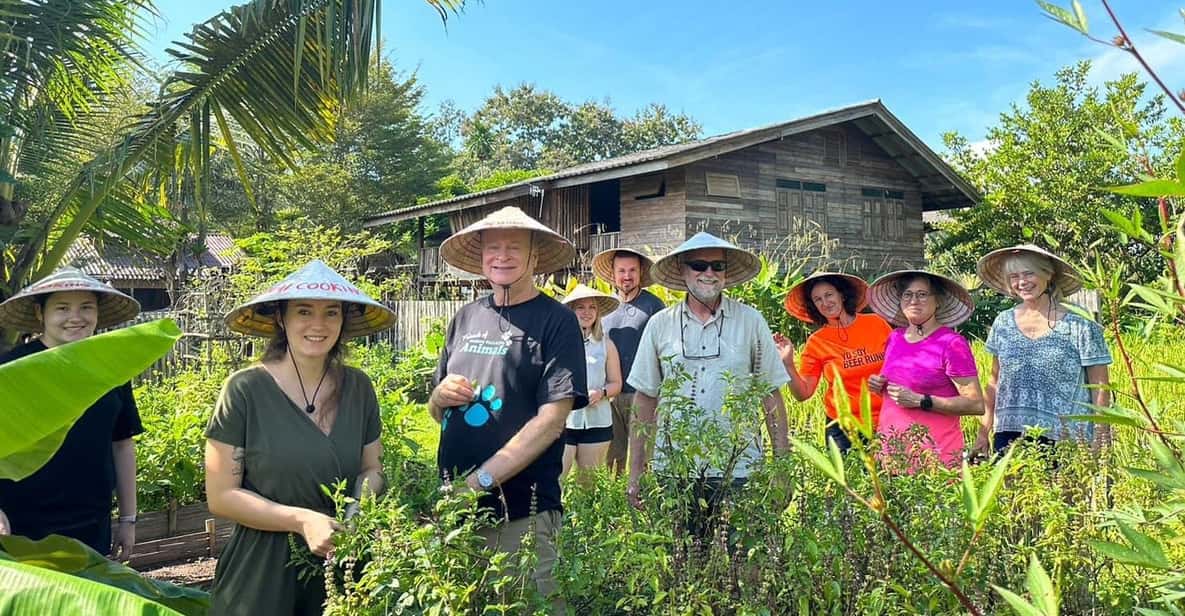
A key part of this stage is how you’re shown herbs and ingredients, not just handed a list. Some of the class time includes tasting herbs from an organic kitchen garden or farm area. That’s the kind of detail that’s hard to recreate at home without knowing the real ingredients behind the name.
One practical note: the schedule includes a bit of movement between locations. One review specifically mentioned the trip from the market to the farm felt long, with a preference for more market time. So if you’re the type who likes to linger—sniffing sauces, comparing produce, taking extra photos—pack that into your expectations.
You can also read our reviews of more cooking classes in Chiang Mai

Organic farm visit: the flavor lesson behind herbs and produce
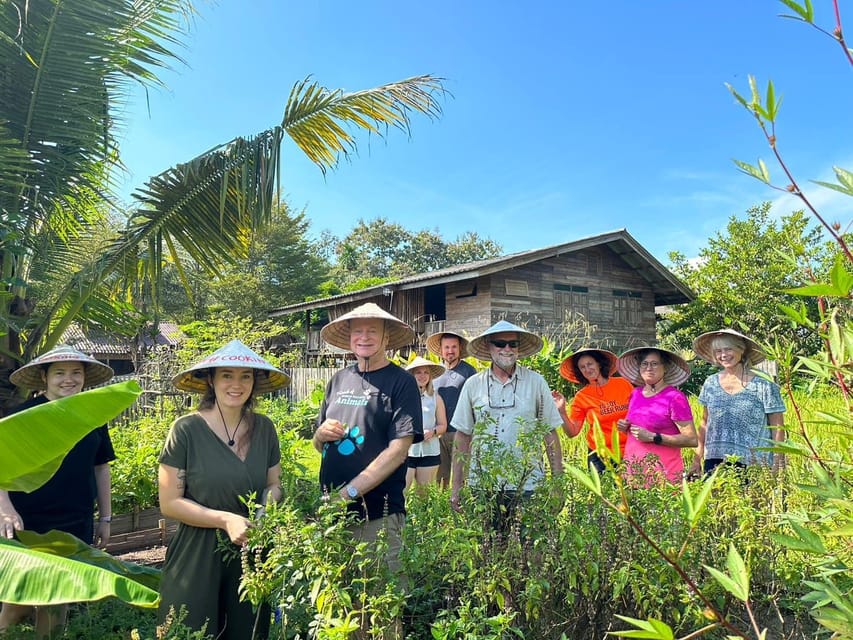
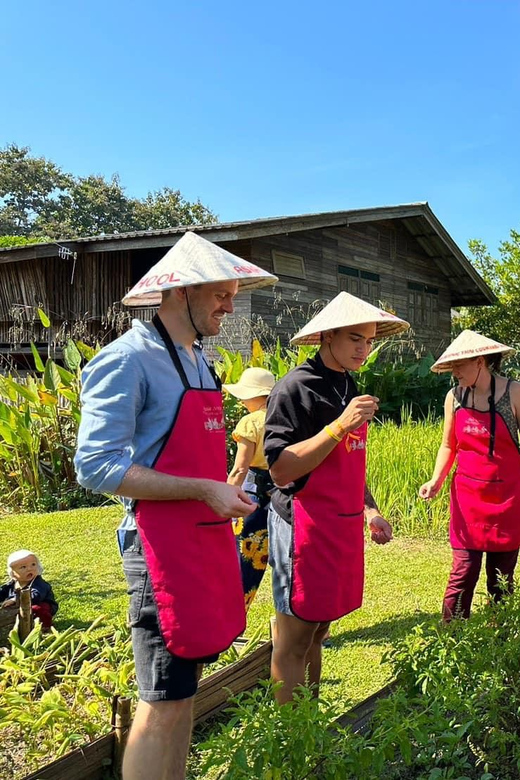
After the market, you head to an organic farm area or kitchen garden to meet the ingredients before they become your meal. This step is more than a cute photo stop. It helps you understand what Thai cooks are doing when they emphasize fresh herbs and aromatics.
You’ll see herbs and produce growing, plus you’ll taste some of them in the organic kitchen garden / organic farm setting. Reviews also highlight how instructors explain why certain ingredients matter—how herbs contribute flavor and how variations can shift a dish.
Why this is valuable for you: Thai cooking is often described as spicy, sour, salty, and sweet all in one bowl. But the real secret is freshness and timing. Seeing the ingredient first makes it easier to remember what to look for later at your local market, and how to adjust when you can’t find the exact same herb.
If you’re short on time in Chiang Mai, this farm portion is still worth it. It’s the ingredient “pre-game” that makes the later hands-on cooking feel logical instead of random.
Picking your dishes from the Thai classics menu
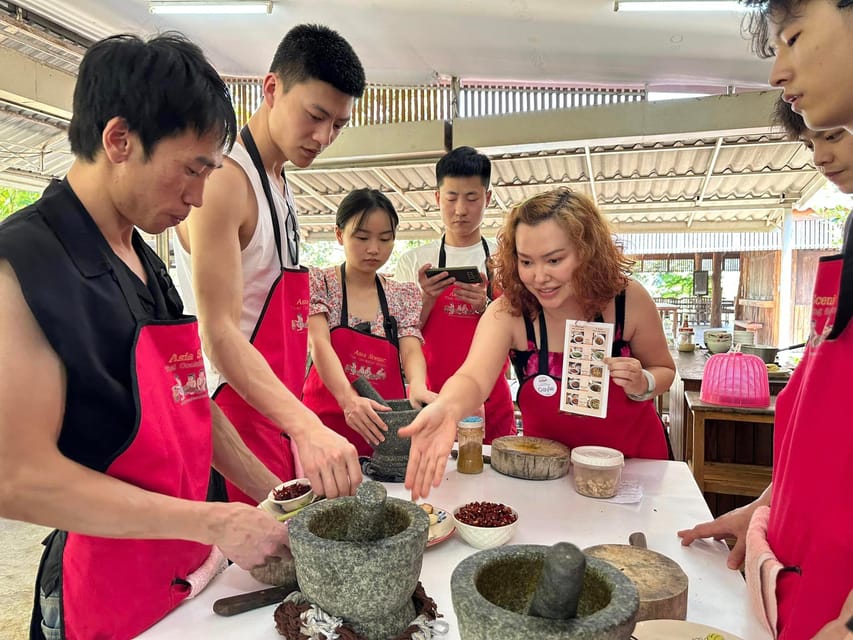
This class is built around choice. You get to choose 5 dishes from a defined menu, and that flexibility is a big part of the value. It means you’re not stuck making dishes you won’t eat.
Your menu choices include options such as:
- Stir-fried dishes: Pad Thai, Pad See Uw, Hot Basil Stir Fried, Cashewnut With Chicken
- Soups: Coconut Milk Soup, Tom Yum, Tom Sab
- Curry pastes: Red, Green, Massaman, Panang, Khaw Soi
- Curries: Red Curry, Green Curry, Massaman Curry, Panang Curry, Khaw Soi
- Spring Rolls
You should also know the class includes sticky rice practice. One of the experience highlights is watching how sticky rice is cooked. That’s useful because sticky rice is often treated like an afterthought—until you try it and realize timing and texture are everything.
How the choice helps you:
- If you love stir-fries, you can focus your learning around wok-style flavor building.
- If you’re curry-first, you can prioritize paste and curry development.
- If you’re not a spicy-food person, you can choose dishes that fit your comfort level (and instructors are set up to tailor recipes to dietary preferences).
Dietary fit is supported in the experience description and backed by reviews that mention adaptations for vegan and vegetarian needs. So if you eat a specific way, this class is a sensible option—just be sure to share your preferences clearly.
Open-air kitchen setup: your station, your pace, your food
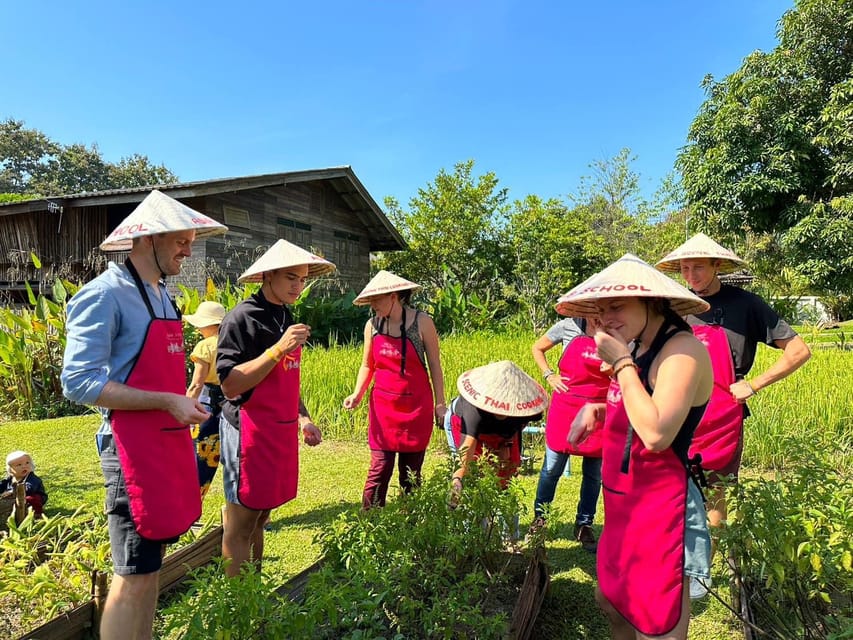
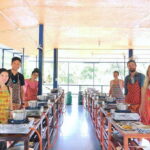
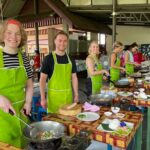
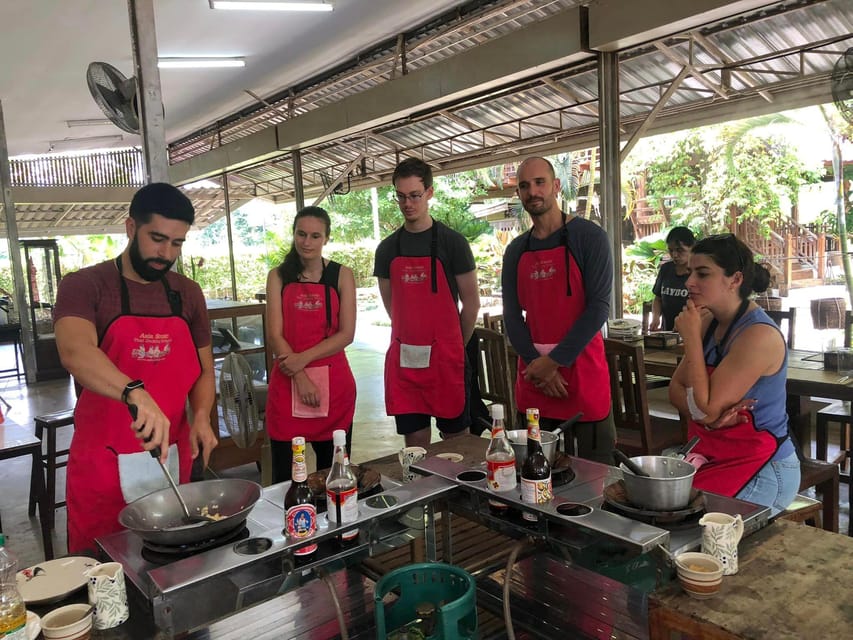
Once you reach the open-air kitchen, you move from ingredient theory to real cooking. You cook at an individual station with the ingredients provided. That setup is ideal if you’re traveling and don’t want to pack knives, measuring tools, or mystery spice bottles.
The cooking portion is designed around making and eating what you create. You’ll learn to prepare multiple Thai dishes—this experience highlights cooking 6 traditional dishes—and you also get the sticky rice lesson. In real life, the exact number of dishes you physically prepare can vary by day and package, and some reviews mention learning 5 dishes while others describe up to 7 dishes. The consistent message is that you’re actively cooking, not just standing around.
Food breaks happen during the session, and at least one review mentioned hammocks for short breaks. Even if hammocks aren’t present every time, the tone is meant to be relaxed. You’re in an open-air kitchen, and the pace is structured enough to keep you moving while still giving you time to understand each step.
What to watch for during class:
- Ask about seasoning balance while you’re mixing curry paste or stir-fry sauce.
- Pay attention to herb timing (when fresh herbs go in can change the flavor dramatically).
- Taste as you go. Thai cooking rewards small adjustments more than strict following.
Also included: fresh coffee and herbal tea, plus a welcome snack or fruit in season. It’s a small thing, but it keeps you comfortable during a long, hands-on morning-to-afternoon rhythm.
Eating your handmade meals in a calm Thai setting
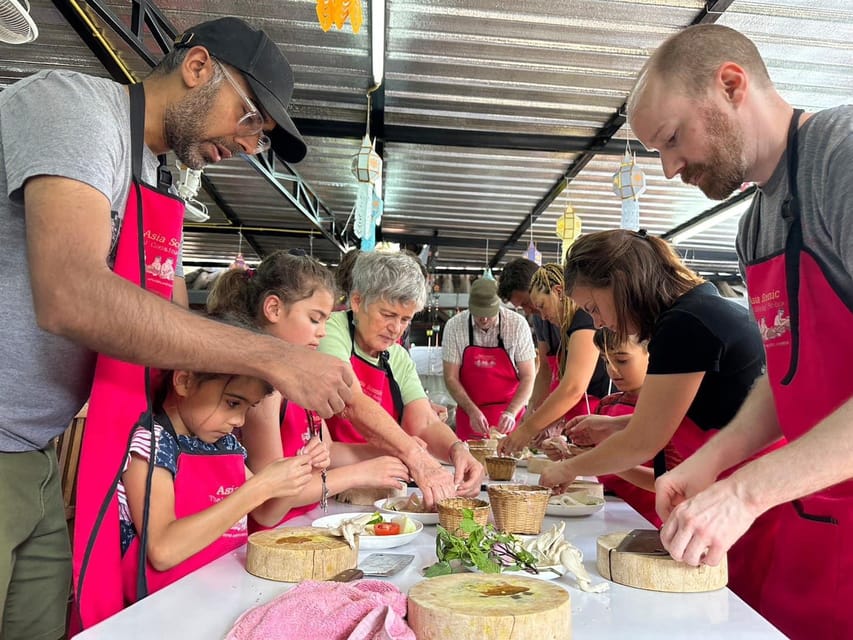
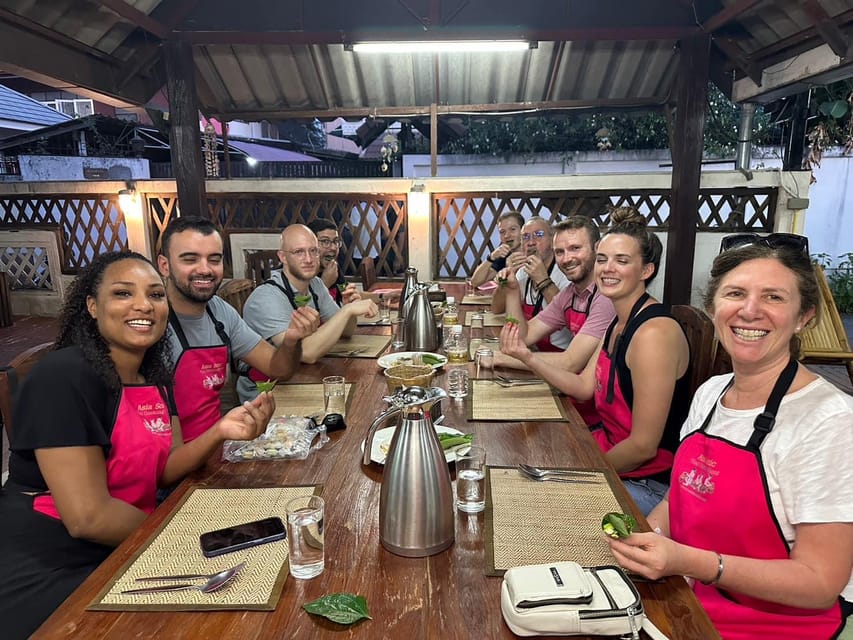
This is one of the underrated parts of cooking classes: you get to eat your food in the same day, in a relaxed environment. That matters because it reinforces what you just learned. You’ll notice how the dish tastes as a finished plate, not as separate components.
The experience is set up to feel serene rather than rushed. You’re not sprinting from one photo stop to the next, and your meal is tied directly to the choices you made earlier. That feedback loop is how you end up remembering flavors later when you try to cook at home.
For you as a traveler, this also reduces decision fatigue. You don’t have to “figure out lunch” after buying ingredients and walking around. The class does the timing for you, and you leave full with food you understand.



Guides in English and Thai: where the lesson really lands
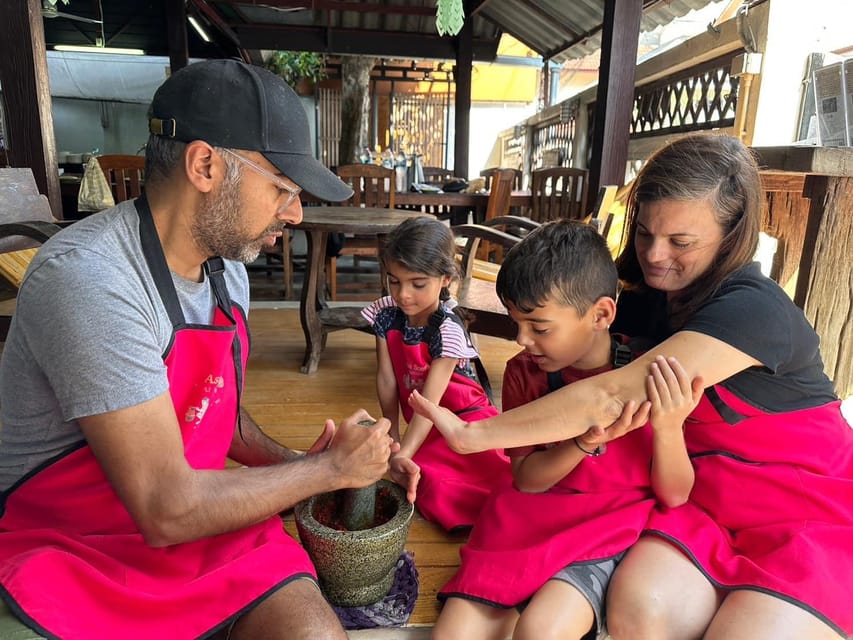
The quality of the day often comes down to the guide. Here, reviews point to strong teaching personalities and a mix of English and Thai instruction. You’ll have a live tour guide (English and Thai), and multiple guide names show up in reviews: Noon, Nami, Marium, Olive, Tommy, Nan, Sue, Thaï, and Dev.
What I take from that pattern:
- The instructors explain things in a way that keeps people engaged, including humor and clear guidance.
- Many guides are described as friendly and passionate, which helps you feel comfortable asking questions at your station.
- The class can adapt recipes for dietary preferences like vegan and vegetarian.
If you’re the type who likes learning by asking questions, a small group size helps a lot. With only up to 10 participants, you’re less likely to feel invisible while the chef demonstrates.
Also worth noting: the class operates in a way that works for food enthusiasts, couples, solo travelers, families, and groups. One review explicitly called out suitability across cooking skill levels. If you’re nervous about cooking, that’s a good sign.
Price and value: is $41 for 6 hours a good deal?
$41 for roughly 6 hours of guided market time, organic farm/herb tasting, hands-on cooking, coffee and tea, and a take-home cookbook can be very good value—especially in a small-group format.
Here’s what you’re paying for, beyond the cooking itself:
- Transport within a 3 km radius from downtown Chiang Mai: pickup is included for hotels within that area.
- An ingredient-based market tour (not just a walkthrough).
- Organic farm or kitchen garden herb/produce experience.
- Individual cooking station with ingredients provided.
- Coffee, herbal tea, and a welcome snack/fruit.
- A cookbook plus the market tour.
That cookbook piece is the “quiet” value. Without it, you’d leave with great memories and a full stomach. With it, you can recreate at least some dishes at home with the same structure you learned in class.
One value check for you: pickup is limited to hotels within 3 km of downtown Chiang Mai. If your hotel is farther out, you may need to confirm how pickup works for your exact location.
Also, plan for a full day block. Even though it’s only 270 minutes, it’s still long enough that you’ll want to eat snacks earlier or drink water before pickup so you feel good during the market and farm legs.
Who should book this Thai cooking school, and who might prefer something else
Book it if you:
- Want a practical Thai cooking foundation built around ingredients, not just recipes.
- Like hands-on learning and eating what you cook.
- Prefer a small group (up to 10) with time to ask questions.
- Want a takeaway resource (the recipe book) to keep the learning going.
This also fits well for couples and groups who want a shared activity that still feels cultural and personal. For families, it can work, but the experience isn’t suitable for children under 4 years old.
Consider a different option if you:
- Want a longer, freeform market wander. The market-to-farm transition can feel time-restricting.
- Don’t like cooking at all. This experience is built around doing the work at your station.
Should you book Asia Scenic Thai Cooking School in Chiang Mai?
If your goal is to understand Thai flavor and leave with skills you can repeat, I think this is a strong choice. The best part is the pairing: market ingredients plus organic farm context, then immediate hands-on cooking with your own station and an at-the-end cookbook.
I’d book it if you’re excited to cook dishes from the classics menu and you like the idea of seeing why fresh herbs matter. And if you have dietary preferences, the class is designed to tailor recipes, with real examples of vegan and vegetarian adjustments showing up in reviews.
I’d hesitate only if you’re specifically chasing extra-long market time. Otherwise, this is a clear, well-structured day that turns Chiang Mai street flavors into something you can cook back home.
FAQ
FAQ
How long is the Chiang Mai Thai cooking school experience?
It runs for 270 minutes, or about 6 hours.
What does the experience include?
You get transportation within a 3 km radius of downtown Chiang Mai, a market tour with tastings, a visit to an organic kitchen garden or organic farm (including herb tasting), an individual cooking station with all ingredients, a welcome snack or seasonal fruit, fresh coffee and herbal tea, and a cookbook.
Can I choose what dishes to cook?
Yes. You can choose 5 dishes from the listed options.
What dishes are available to choose from?
You can choose from stir-fried dishes like Pad Thai and Pad See Uw; soups like Tom Yum and coconut milk soup; curry pastes like red, green, Massaman, Panang, and Khaw Soi; curries like red curry and green curry (including Massaman and Panang); plus spring rolls.
Does the class accommodate dietary preferences like vegetarian or vegan?
The experience says recipes can be tailored to your dietary preferences, and reviews mention adaptations for vegan and vegetarian options.
Is pickup included, and where does it run from?
Pickup is included for all hotels within 3 km of downtown Chiang Mai. The operator confirms the exact pickup time by email.
Are there limits on who can attend?
Children under 4 years old are not suitable for this experience.
What languages are used during the tour?
The live tour guide speaks English and Thai.
Is there a fee for cancellation?
Free cancellation is offered up to 24 hours in advance for a full refund.