REVIEW · CHIANG MAI
Chiang Mai: Doi Suthep Temple & Hmong Village Tour
Book on GetYourGuide →Operated by Joinusthai · Bookable on GetYourGuide
Chiang Mai rewards you fast. This tour pairs Wat Phra That Doi Suthep with the mythic Naga staircase and then tops it off with a Hmong hill tribe village visit, all in one smooth half-day. I love the golden pagoda details and the way the viewpoint turns the city into a map. I also love that you’ll get an English guide who explains what you’re seeing rather than just pointing. The main trade-off: the Hmong village stop is short and includes shopping time, so you’ll need to keep your expectations realistic for browsing.
You’ll be picked up from downtown areas around the 8:00 to 9:00 am window (different times for different neighborhoods), then ride up into the rolling hills for a 4-hour loop. If you want a relaxed, unhurried day, this might feel a bit structured. If you want highlights without planning, it’s strong value.
In This Review
- Key things I’d circle before you book
- Wat Phra That Doi Suthep: the hike that’s really a story
- The view is the other big ticket
- Cable car vs. 306 steps: how to choose without overthinking
- The Hmong village visit: cultural learning plus shopping reality
- A practical tip for your mindset here
- The pacing: how the 4 hours actually feel
- Pickup and drop-off: where you’ll be met
- What’s included (and why it matters for value)
- What to bring, what to wear, and what to avoid
- Who this tour suits best (and who should skip it)
- Should you book? My decision rule
- FAQ
- What time does pickup happen?
- How do I get to the top of Wat Phra That Doi Suthep?
- Is the cable car ticket included in the price?
- Is the museum ticket at the Hmong village included?
- What should I bring and wear?
- Is this tour wheelchair accessible?
Key things I’d circle before you book
- Doi Suthep’s golden pagoda with Lanna-style details, plus the cable car option
- 306 Naga staircase steps (or skip them via the included cable car)
- Panoramic view at 3,520 ft / 1,056 m so you can actually get your bearings in Chiang Mai
- A guided Hmong hill tribe village visit that’s focused on daily life and local crafts
- Hotel pickup/drop-off across much of central Chiang Mai with an English-speaking licensed guide
Wat Phra That Doi Suthep: the hike that’s really a story
The Doi Suthep side of this tour is the headline, and for good reason. Wat Phra That Doi Suthep sits on a mountain, and the site is designed to funnel you through an experience, not just a destination.
You start at the bottom and then choose your pace. You can take the cable car up (included), or walk the 306 steps to the temple. Those steps aren’t plain stairs. They’re decorated with the body of a mythical, dragon-headed serpent—called the Naga—snaking its way up the staircase. Even if you don’t slow down for photos every few steps, the design keeps you engaged because it’s hard to ignore.
Once you reach the top, you’ll see the temple’s golden centerpiece in Lanna architectural style. The pagoda is covered with engraved gold plates, and it’s flanked by four ornamental umbrellas. It’s one of those visuals that feels almost over-designed until you see it in person. From a distance, it reads as gold. Up close, you notice texture, pattern, and the way the ornaments frame the main feature.
Time check: you’ll spend about 1 hour at Wat Phra That Doi Suthep with a guided visit. That’s enough time to look closely, get a few solid photos, and still move on before you start to feel rushed by the schedule.
You can also read our reviews of more tours and experiences in Chiang Mai.



The view is the other big ticket
This is one of the best moments to take your time, even if you’re not normally a “sit and stare” person. The mountain viewpoint gives you a wide look across Chiang Mai. The tour describes the viewpoint at 3,520 feet / 1,056 meters, which helps explain why the city looks spread out in a way it doesn’t from ground level.
If you arrive feeling jet-lagged or a little out of sorts, the viewpoint does something practical: it helps you orient yourself. After you see the city from above, most of the landmarks you’ll pass later make more sense.
Cable car vs. 306 steps: how to choose without overthinking
If you’re deciding between the cable car and the staircase, think about two things: comfort and photos.
Take the cable car if:
- You want to save energy for the rest of the day.
- You’re traveling with knee issues, limited mobility, or just don’t feel like climbing.
Walk the 306 steps if:
- You want the full temple approach.
- You enjoy slow travel moments, even if the climb is short.
Either way, the Naga theme is built into the ascent. The cable car doesn’t erase the story; it just lets you skip the step-by-step climb so you can focus on the pagoda and viewpoint.
Also, bring shoes you trust. The tour asks for comfortable shoes, and that’s a good call here. The steps and temple grounds can be uneven, and you’ll be glad you’re not doing this in “vacation sandals but not sure” footwear.
The Hmong village visit: cultural learning plus shopping reality
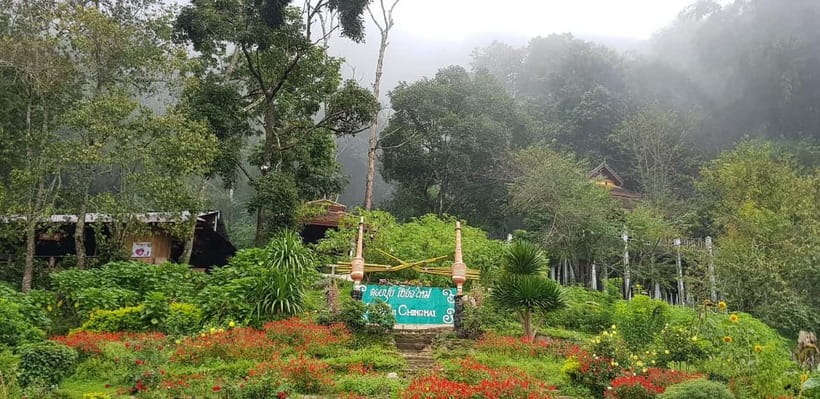
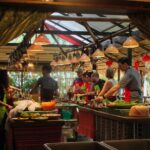
After Doi Suthep, the tour heads toward a Hmong hill tribe village. This part is about daily life—what people wear, how the community functions, and what kinds of work support village life. You’ll have a guided visit of about 40 minutes, which is a short window, so the experience is best if you treat it like a first look rather than a deep cultural study.
You’ll see colorful clothing and have time to ask questions and observe. The tour also gives you an opportunity to buy textiles, ornaments, or handicrafts. This is where the vibe can vary. Some guides are focused on explaining first, others may steer the visit toward purchases sooner. If shopping matters to you, that can be convenient. If you’re not into buying, keep it simple: look first, ask prices calmly, and decide what’s worth taking home.
There’s also an optional museum ticket mentioned for 20 Baht. Since it’s optional, you can treat it like a bonus if you’re curious about exhibits, or skip it if you’d rather spend the time outside and around the village.
A practical tip for your mindset here
This stop is a mix of education and commerce, and it’s normal. The key is how you manage your expectations. With only about 40 minutes, you likely won’t have time for a long, slow browse like you might at a proper market day. If you want textiles, set a few “must buy” categories in your head (like scarves, small woven items, or ornaments) so you don’t feel overwhelmed once stalls start calling for attention.
And if you do plan to shop, bargain smart:
- Compare with what you see elsewhere in the village before you commit.
- Keep your tone friendly and direct.
- Don’t feel pressured to buy just because someone is explaining.




The pacing: how the 4 hours actually feel
The schedule is structured, and that’s part of the value. You’re not guessing where to go or how to get there. You’re also not stuck waiting around alone.
Here’s how the day flows:
- Van ride (about 1 hour) to reach the Doi Suthep area through Chiang Mai’s surrounding hills.
- Wat Phra That Doi Suthep (about 1 hour) with guided time.
- Short transfer (about 20 minutes) to the village area.
- Hmong village (about 40 minutes) with guided visit.
- Drive time (about 70 minutes) back, finishing at your selected drop-off locations.
That totals about 4 hours, which can feel quick if you love lingering. But if your goal is to see Chiang Mai’s top temple view plus a hill tribe village in one go, the pacing makes sense.
One more note: this is a morning departure tour, with pickup windows that vary by neighborhood. The tour lists pickup times like:
- 8:00–8:30 am for Night Bazaar and Old Town areas
- 8:30–9:00 am for Santitam and Nimman areas
If you’re staying just outside the pickup radius, confirm your exact pickup point so you don’t waste time.
Pickup and drop-off: where you’ll be met
Pickup is a major part of why this tour is easy. It includes hotel pickup and drop-off within downtown.
You’ll be picked up from areas that include:
- Old Town
- Night Bazaar
- Nimman Haemin
- some Santitham
The exact pickup depends on the option you choose, and the meeting point can vary. If you’re booking and your accommodation is listed oddly (especially with an Airbnb that only has an address), you may need to select a nearby building that’s easy to find on Google Maps.
Drop-offs are described as including locations like McDonald’s in Chiang Mai and 임호텔-타패점 (a hotel-area stop). It’s convenient if your hotel is near those zones, but if you’re staying farther away, plan to walk or grab a short ride afterward.
What’s included (and why it matters for value)
At $22 per person for a 4-hour half-day, the price feels reasonable because several big items are bundled.
Included highlights:
- Hotel pickup and drop-off within downtown
- Wat Phra That Doi Suthep ticket and cable car
- Licensed English tour guide
- Travel accident insurance
Not included:
- Personal expenses
- The optional museum ticket at the Hmong village (20 Baht)
That cable car ticket matters. If you were going independently, you’d pay for transport, entry costs, and the climb logistics. Bundling them under one price is what turns this into a low-effort highlight tour.
Also, the tour emphasizes a licensed English guide. Even when you’re traveling to “just look,” a good guide helps you connect what you see (Naga, Lanna pagoda design, temple layout) with what it means—so the stops don’t feel like a checklist.
What to bring, what to wear, and what to avoid
This tour is very practical about clothing and packing rules.
Bring:
- Comfortable shoes
- Camera
- Sunscreen
- Water
Wear:
- Modest clothing tends to fit better at temples. The tour specifically says to avoid short skirts and sleeveless shirts.
Avoid:
- Pets
- Luggage or large bags
- Non-folding wheelchairs
- Non-folding strollers
- Unaccompanied minors
If you’re traveling light, that’s easy. If you came from another long leg of travel with a bulky bag, you’ll want to keep things minimal for this outing.
Who this tour suits best (and who should skip it)
This is a strong match if:
- You want Doi Suthep and the panoramic viewpoint without arranging transport yourself.
- You’re happy with a guided experience where you learn while you go.
- You like the idea of a short cultural stop that also includes time to look at crafts.
This is less ideal if:
- You want long free time at the Hmong village market area.
- You dislike shopping-oriented stops or feel uncomfortable in sales-heavy environments.
- You prefer a slower schedule with minimal structure.
A good compromise approach is to treat the Hmong village as a cultural overview and pick one item you truly like, instead of trying to shop every category in 40 minutes.
Should you book? My decision rule
I’d book this tour if your priority is Wat Phra That Doi Suthep + the city view, and you want a simple morning plan with pickup, tickets, and a guide included. The golden pagoda details, the Naga staircase theme (even if you use the cable car), and the viewpoint at 1,056 meters make the temple part worth the effort.
I’d think twice if your top priority is spending lots of time shopping or going deeper into exhibits at the village. The village stop is brief, and the experience includes craft browsing and purchases, so you’ll want to go in knowing it’s not an all-day market immersion.
FAQ
What time does pickup happen?
Pickup times vary by neighborhood. It’s listed as 8:00–8:30 am for Night Bazaar and Old Town areas, and 8:30–9:00 am for Santitam and Nimman areas.
How do I get to the top of Wat Phra That Doi Suthep?
You can take the included cable car from the bottom to reach the top, or you can walk up 306 steps to the temple.
Is the cable car ticket included in the price?
Yes. The tour includes the Wat Phrathat Doi Suthep ticket and the cable car.
Is the museum ticket at the Hmong village included?
No. The museum ticket at the Hmong hill tribe village is optional and costs 20 Baht.
What should I bring and wear?
Bring comfortable shoes, a camera, sunscreen, and water. For clothing, avoid short skirts and sleeveless shirts.
Is this tour wheelchair accessible?
The tour is listed as wheelchair accessible, but it also notes restrictions for non-folding wheelchairs.