REVIEW · CHIANG MAI
Chiang Rai IG Lalitta Cafe and White, Blue, Red Temples Tour
Book on GetYourGuide →Operated by CHIANG MAI DAY TRIP · Bookable on GetYourGuide
White, blue, red temples in one long day. I love how this Chiang Rai day trip strings together Wat Rong Khun (White Temple) and Wat Huay Pla Kang (Red Temple) with a sensible mix of sightseeing and breaks. I also like that the English-guided explanations land clearly, including when your knowledge of Buddhism is basic. The main drawback to plan for is the long day on the road, with pickup in the morning and a late return around 20:00.
On top of the temples, you get a proper stop at Lalitta Cafe, a popular photo spot in Chiang Rai, plus a quick break at Mae Khachan Hot Springs. If you want the Long Neck Village, it’s an optional add-on that can also be paid on the day with an entrance fee. Just know you’ll be moving through multiple major landmarks, so comfy shoes and patience help.
In This Review
- Key points
- Day Trip Rhythm: Pickup at 7:00–7:45 and Back Around 20:00
- Mae Khachan Hot Springs: A Stretch-and-Rest Stop, Not a Swim
- Long Neck Village Option: Culture Visit With a Pay-If-Needed Fee
- Wat Rong Khun White Temple: The Architecture That Demands Slow Walking
- Thai Lunch Break: About One Hour to Reset
- Blue Temple Wat Rong Suea Ten: Calm Time With Blue Roof and Gold Details
- Red Temple Wat Huay Pla Kang: Giant Buddha Plus the 9-Floor Pagoda
- Lalitta Cafe Entrance Included: An Instagram Spot With a Real Rest Window
- Price and Value: Why $53 Can Work for a Packed Day
- Temple Etiquette and What to Pack for a Smooth Day
- Who This Tour Fits Best (and Who Should Skip)
- Should You Book This Chiang Rai Temples and Lalitta Cafe Tour?
- FAQ
- What temples are included in this Chiang Rai tour?
- Is lunch included?
- Are entrance fees included?
- What time is pickup, and when do you return to Chiang Mai?
- Is Mae Khachan Hot Springs for swimming?
- Do I need to purchase Long Neck Village in advance?
- What are the rules for what I can bring and wear?
Key points
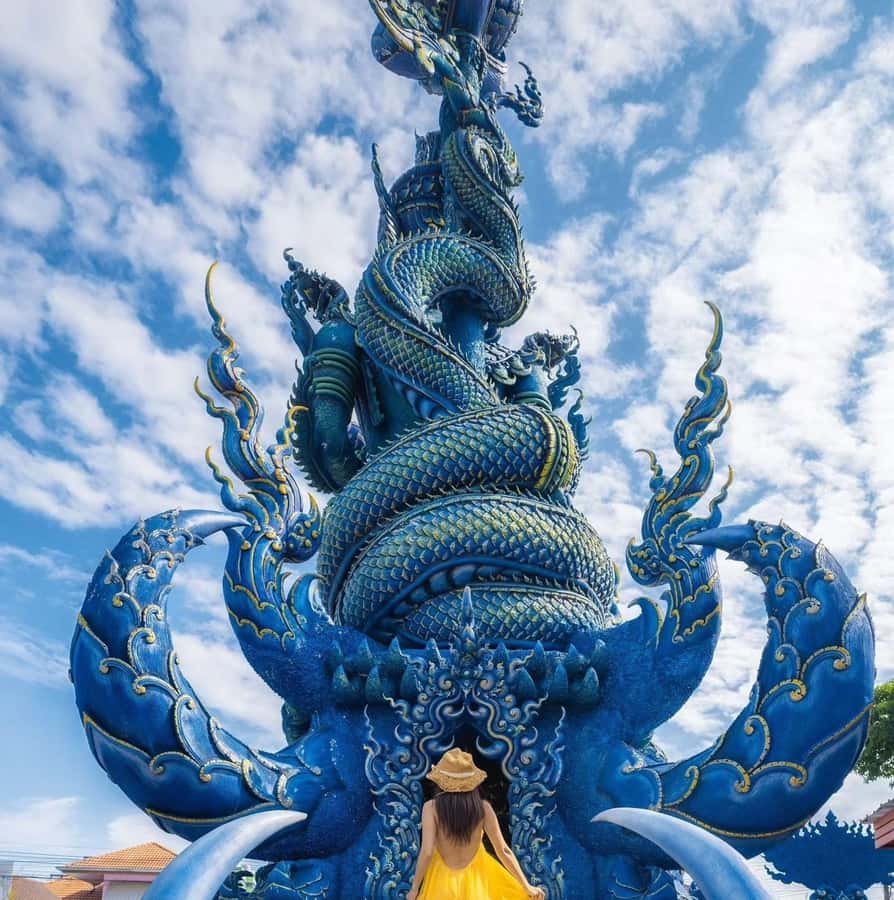
- White Temple details at Wat Rong Khun give you plenty to look at and photograph.
- Mae Khachan Hot Springs is mainly a rest stop, not a swimming break.
- Blue and Red Temple contrast makes the architecture feel like a full mini-tour of styles.
- Lalitta Cafe entrance is included, and you can order food or drinks separately.
- All the big entries plus lunch and transport are included in the $53 price.
- Temple etiquette matters: shoulders and knees covered, and shoes off in main areas.
Day Trip Rhythm: Pickup at 7:00–7:45 and Back Around 20:00
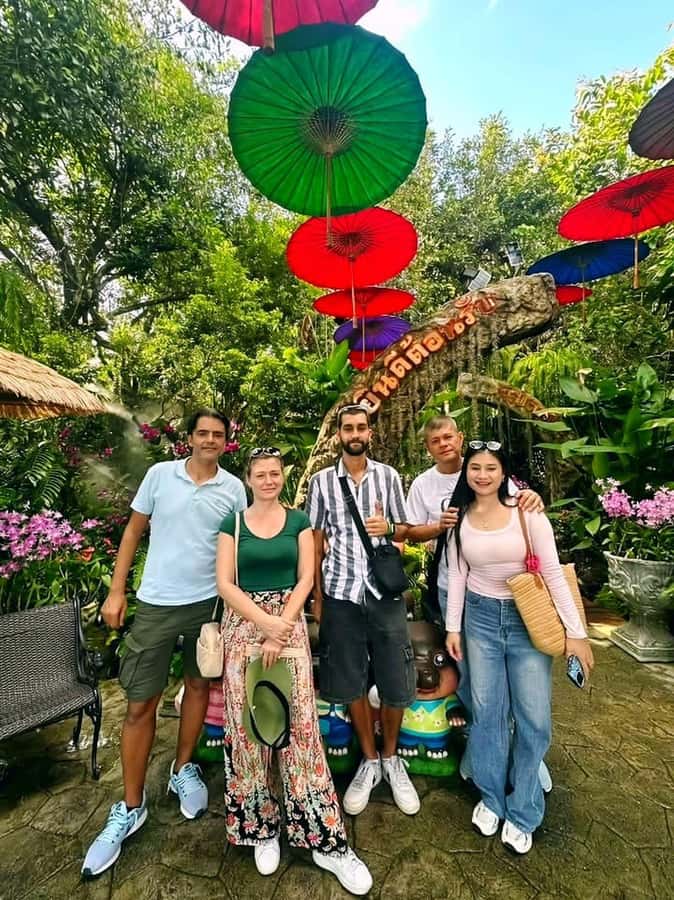
This is a classic long-day, from Chiang Mai to Chiang Rai and back in one go. Pickup is typically between 7:00 am and 7:45 am, and you’ll be back in Chiang Mai around 20:00 pm, depending on season and road conditions.
The good part: you’re not left to plan routes or hunt down meeting points between temples. The van ride is air-conditioned, and the schedule is built around the daylight hours you need for photography and temple visits.
The not-so-good part: you’ll spend a lot of time in a vehicle. If you need it, you can ask for a break during the long drive, but don’t expect the day to feel slow.
You can also read our reviews of more tours and experiences in Chiang Mai.


Mae Khachan Hot Springs: A Stretch-and-Rest Stop, Not a Swim
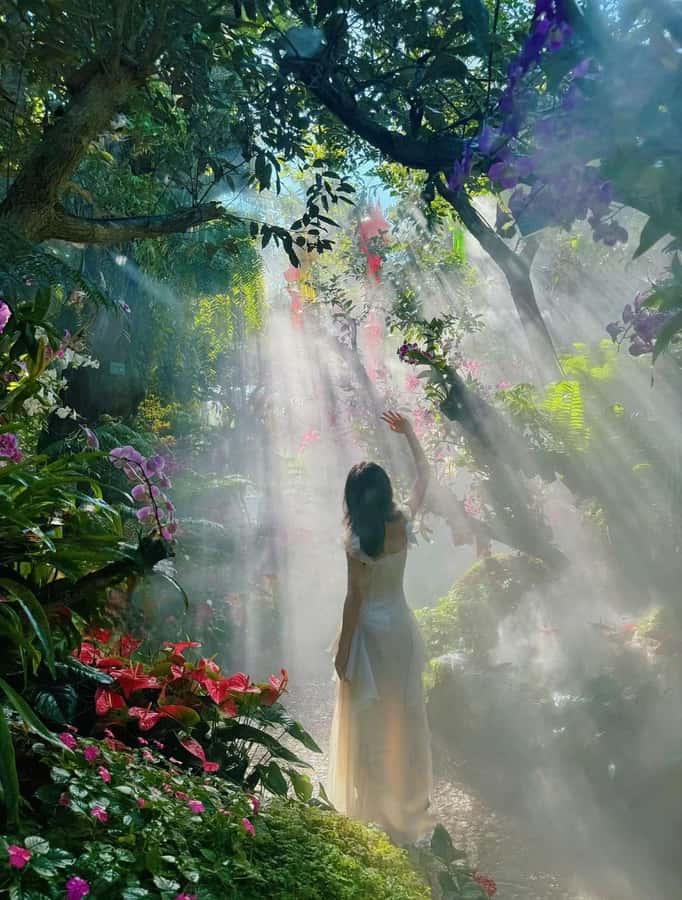
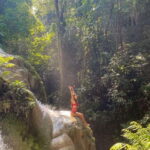
The first real stop is Mae Khachan Hot Springs, reached after about 1.5 hours driving from Chiang Mai. It’s described as a place to come for a short pause, not to swim. So think legs-stretching, restroom break, and a quick reset before you jump back into the van.
If you’re the type who gets temple fatigue, this stop is useful. Even just being able to stand up and walk for a few minutes makes the next stretch more comfortable.
Also, bring a little patience here. Everyone’s waiting on the same bus timing, and that’s normal for a group van day.
Long Neck Village Option: Culture Visit With a Pay-If-Needed Fee
Next up is Long Neck Village, but only if you purchased that option. If you did not buy it in advance and you’re still interested, you can pay a 300 THB Thai baht entrance fee through the guide.
This is the one part of the day that feels less like a temple and more like a community visit. If you’re sensitive to how these experiences are presented in tourist settings, take your time and watch your own comfort level.
Either way, treat it like a cultural stop: respectful behavior, listening, and avoiding rushed photos. That mindset will help you get more out of the visit.
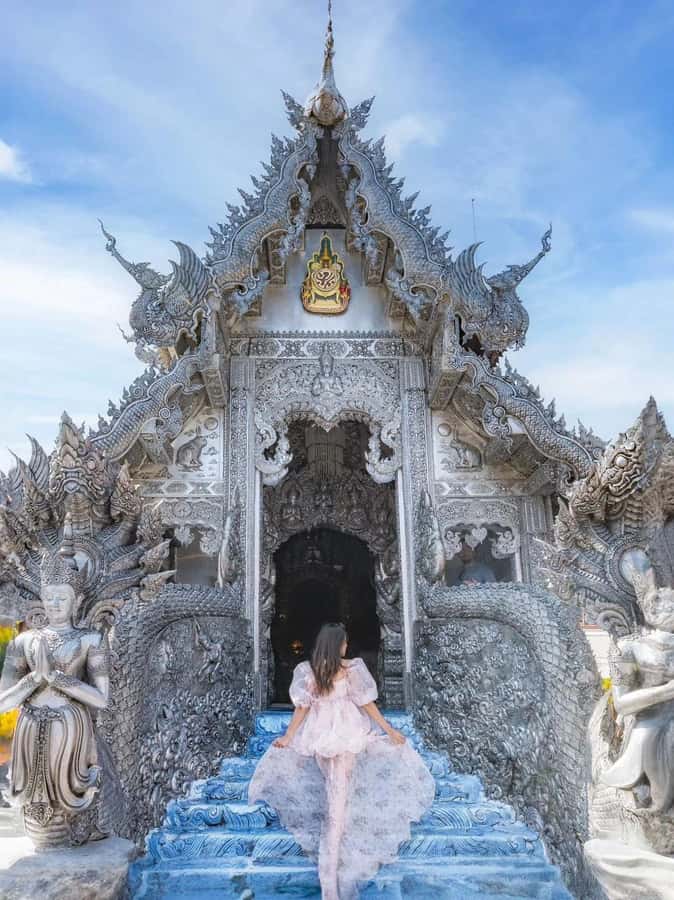
Wat Rong Khun White Temple: The Architecture That Demands Slow Walking
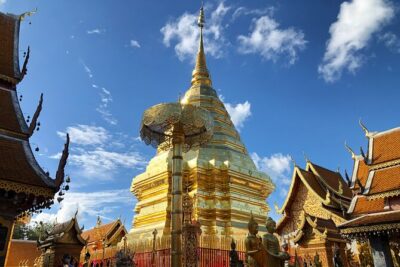
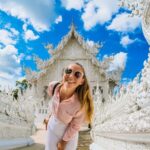
After another drive of about 1.5 hours, you arrive at Wat Rong Khun, also known as the White Temple. This is one of Chiang Rai’s most visited landmarks, and the reason is straightforward: the design is intensely detailed and built to be seen up close.
You’ll get time to wander around and take photos of the bright white surfaces and the intricate look of the temple grounds. The best approach is simple: walk, pause, look up, and then look again from a few angles. Up close, it becomes less about one big sight and more about many small details you notice only when you slow down.
Practical note: follow temple etiquette from the start. Dress with shoulders and knees covered, and expect to remove shoes when entering main areas.
Thai Lunch Break: About One Hour to Reset
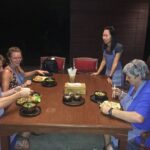
Lunch comes after the White Temple, with about one hour for the group meal. This timing is smart. It keeps you from doing temple-to-temple hunger burnout, and it gives you a mental reset before the next architecture styles.
You’ll be eating with your group, so conversations tend to be a mix of temple questions and photo planning. Use the time to drink water and take a breather, because the rest of the afternoon is still packed.
Lunch is included in the tour price, which is a big part of why this day trip can feel good value.

Blue Temple Wat Rong Suea Ten: Calm Time With Blue Roof and Gold Details
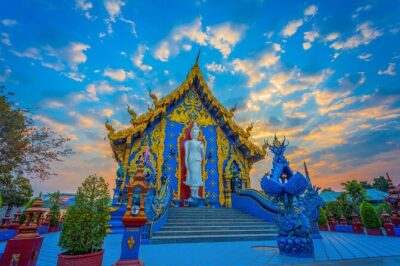
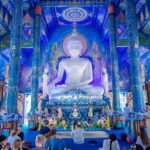
The next stop is Wat Rong Suea Ten, often called the Blue Temple. It’s a well-known contrast to the White Temple, and you’ll notice it immediately when you see the blue roof and the ornate golden decorations.
This stop is also described as a calm place. That matters because not every temple visit feels peaceful when you’re in a crowd. Here, the architecture does the work, and your time feels more like strolling with quiet attention than rushing for the next stamp.
When you plan your photos, think about layers: roof lines, gold ornaments, then the surrounding space. Even if you aren’t obsessed with architecture, the colors give you natural framing.
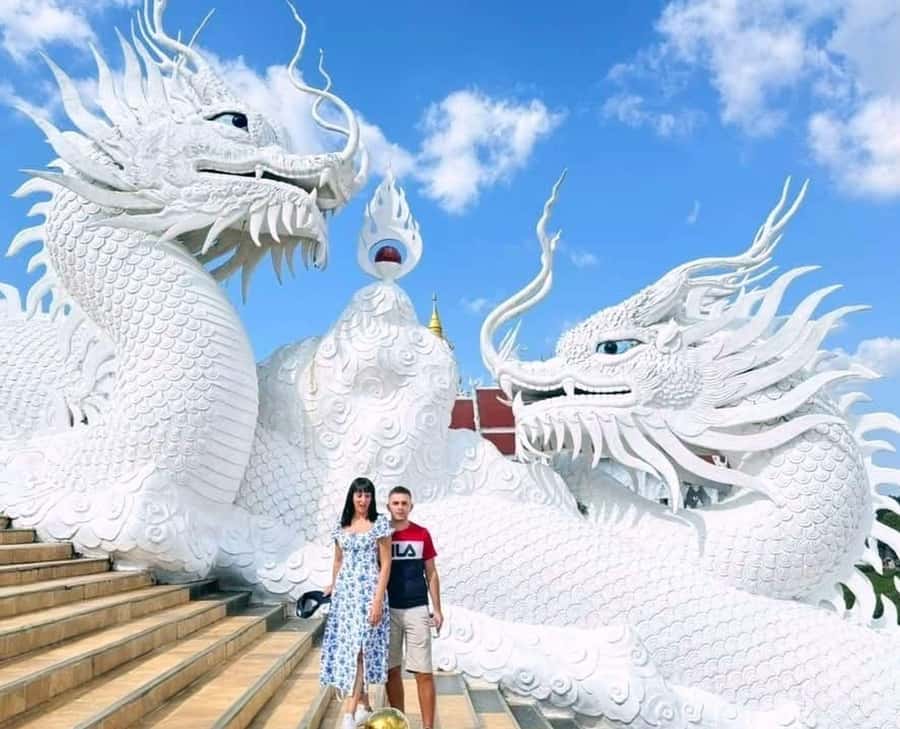
Red Temple Wat Huay Pla Kang: Giant Buddha Plus the 9-Floor Pagoda
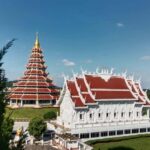
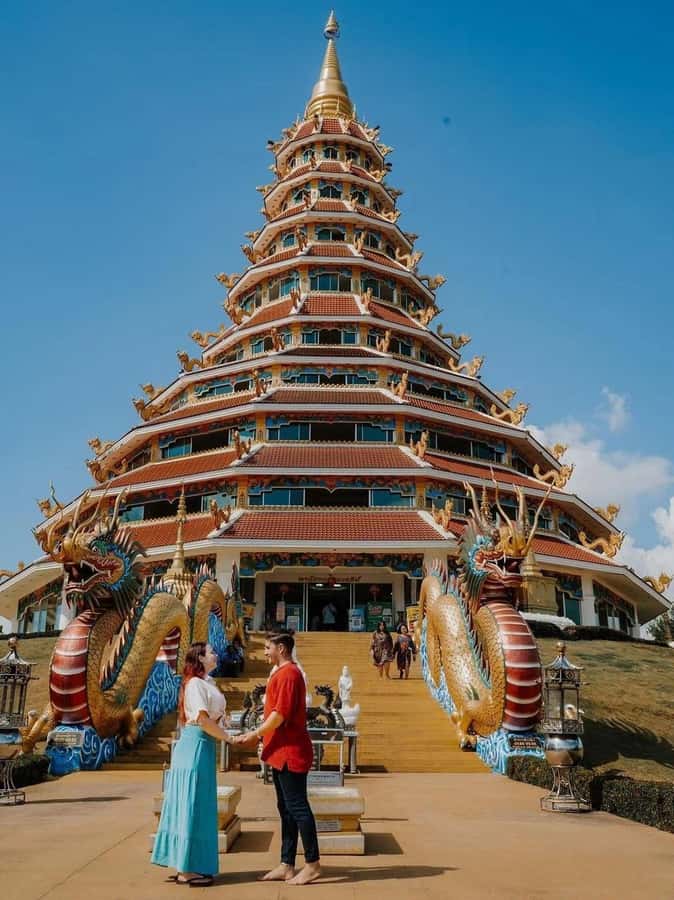
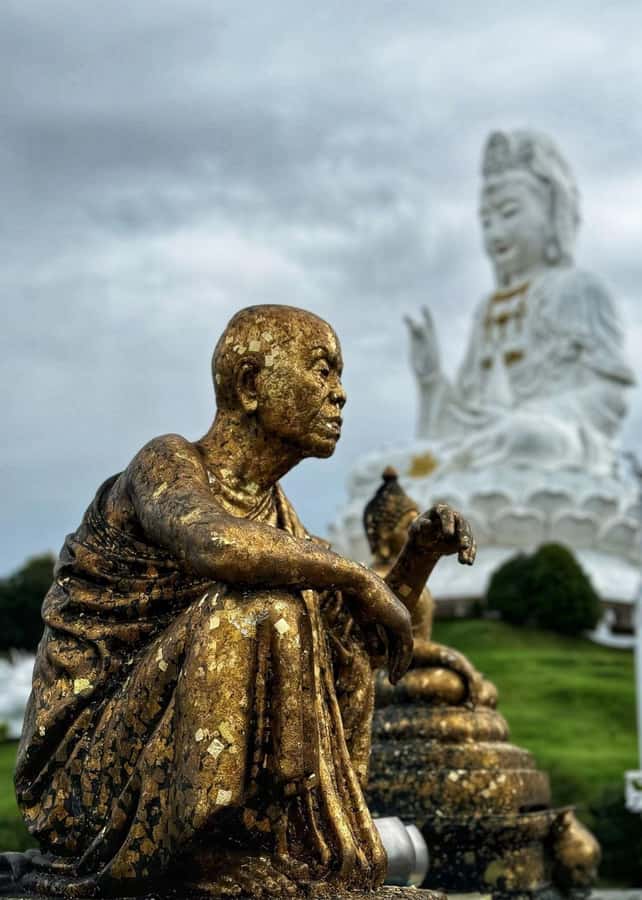
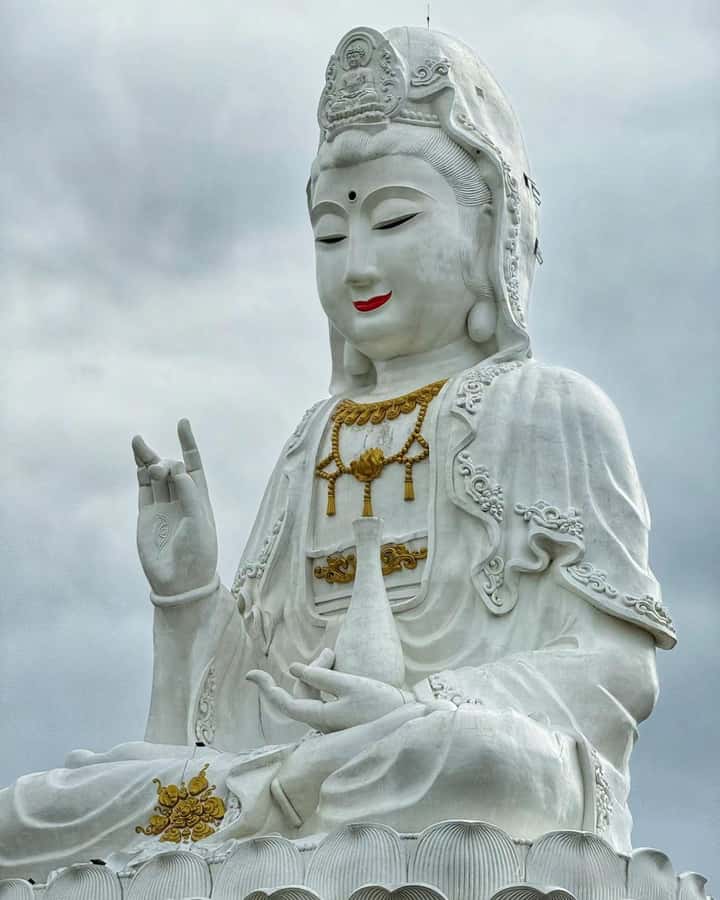
For the “wow” finale before the cafe, you visit Wat Huay Pla Kang, known for the giant Buddha, the 9-floor pagoda, and 12 structures surrounding the main statue. This is the kind of stop where it’s hard not to look up—because so much of it is built to be seen from multiple angles.
It’s also described as the most giant Buddha in the area, which is basically the headline. But the more interesting part is that the temple isn’t just one huge object. You get the pagoda height, the statue scale, and the surrounding structures all in the same view range.
This is where you’ll want comfortable shoes, because you may walk around to see the key elements from different directions. Bring your phone camera expectations down a notch and focus on just seeing it clearly.
Lalitta Cafe Entrance Included: An Instagram Spot With a Real Rest Window
After the temples, the day ends at Lalitta Cafe. The entrance fee is included, so you don’t have to do any extra payment just to get in. This is one of Chiang Rai’s must-check-in places, and even if you’re not a hardcore photo person, it’s still a fun stop.
You’ll have time to explore the decor and take photos. If you want a break that feels more like an afternoon pause than another walking stop, this is the right place. You can order foods or drinks, but those are paid by you.
Tip: treat this like your decompression window. Grab something light, sit for a few minutes, and let your legs recover before the trip back to Chiang Mai.
Price and Value: Why $53 Can Work for a Packed Day
At $53 per person, you’re paying for more than just entry tickets. The tour includes round-trip hotel pickup and drop-off in downtown Chiang Mai, air-conditioned transport, an English-speaking guide, lunch, entrance fees, and 1 free bottle of drinking water (500ml).
Here’s the value logic that matters: you’re hitting multiple major attractions—White Temple, Blue Temple, Red Temple, plus Lalitta Cafe—with guided coordination. If you tried to piece it together on your own, you’d likely pay separately for entrance fees, local transport, and guide time (and you’d still be figuring out the best route order).
This is a day trip that makes sense if you want structure and a driver-handled route, especially if you don’t want to deal with transfers.
Temple Etiquette and What to Pack for a Smooth Day
Temple rules are part of the experience here, not a side note. You’ll want shoulders and knees covered, and you’ll need to remove shoes before entering the main chapel areas.
The tour also has a strict vehicle policy:
- No pets
- No large luggage or bags
- No smoking in the vehicle
- No alcohol or drugs
Luggage-wise, you’re allowed 1 small personal item up to 50cm (H) x 35cm (W) x 20cm (D) and 7 kg. It should sit on your leg and not take space from other people.
If your luggage is heavier than 7 kg, you must book an additional seat. That can be an easy way to avoid stress on arrival—just check your bag weight before you go.
And no, this tour isn’t suitable for wheelchair users, based on the tour info.
Who This Tour Fits Best (and Who Should Skip)
This Chiang Rai temples and Lalitta Cafe tour is a great match if you want a one-day hit of major sights from Chiang Mai without planning the logistics. I’d also recommend it if you like having an English guide explain what you’re seeing, since the guidance is designed to be easy to follow, even if your English is limited.
It’s especially worthwhile if you’re temple-photo focused but still want a couple of palate-cleansers: Mae Khachan Hot Springs for stretching and Lalitta Cafe for a sit-down moment.
If you strongly dislike long drives, this may feel tiring. Also, if you need a slower pace with fewer stops, the packed schedule might not be your style.
Should You Book This Chiang Rai Temples and Lalitta Cafe Tour?
Book it if you want Wat Rong Khun, Wat Rong Suea Ten, Wat Huay Pla Kang, and Lalitta Cafe in one coordinated day, with lunch and entrance fees included and pickup handled for you. It’s a practical way to see the key Instagram-and-architecture anchors without wasting time on route math.
Skip it if you hate long vehicle time or if you need a highly flexible, slow itinerary. Also, be realistic about the hot springs stop: it’s a rest stop, not a swim scene.
If you go in prepared—covered clothing, comfy shoes, and a “see, pause, see again” mindset—you’ll get more out of every temple moment.
FAQ
What temples are included in this Chiang Rai tour?
The tour includes Wat Rong Khun (White Temple), Wat Rong Suea Ten (Blue Temple), and Wat Huay Pla Kang (Red Temple), which is known for the giant Buddha and the 9-floor pagoda.
Is lunch included?
Yes. Lunch for the group is included in the tour.
Are entrance fees included?
Yes. Entrance fees are included, and the Lalitta Cafe entrance fee is included as part of the tour.
What time is pickup, and when do you return to Chiang Mai?
Pickup is typically around 7:00 am to 7:45 am, and you arrive back in Chiang Mai at around 20:00 pm.
Is Mae Khachan Hot Springs for swimming?
No. Mae Khachan Hot Springs is described as not a place to swim. It’s mainly for a short break, restroom use, and stretching your legs.
Do I need to purchase Long Neck Village in advance?
If you purchased the Long Neck option, it’s included in the plan. If you did not purchase it but want to go, you can pay an entrance fee of 300 THB to the guide.
What are the rules for what I can bring and wear?
You should pack a small personal item up to 50cm x 35cm x 20cm and 7 kg. You also need respectful temple clothing: cover shoulders and knees and remove shoes before entering main chapel areas.