REVIEW · CHIANG MAI
Chiangmai : Doi Inthanon unseen spot , Rice terrace & temple
Book on GetYourGuide →Operated by Journey D Travel · Bookable on GetYourGuide
Waterfalls and Karen life in one day. This Doi Inthanon day trip strings together Wachiratarn Waterfall, a mountain temple stop, and a Karen hill-tribe visit, ending with a changing panorama of rice terraces. I love the chance to meet people at Ban Mae Klang Laung, sip their homemade coffee, and admire woven textiles, and I love that the final viewpoint lets you watch the terrain shift from lush greens toward harvest gold during the rainy months. The drawback is simple: it is a full day outdoors with a trek up toward Huay Sai Laung Waterfall, so bring decent shoes and plan for rain.
You start with convenient hotel pickup at 8:00 AM from Chiang Mai, Central Chiang Mai Airport, or Three Kings Monument, then you’re back around 5:00 PM. The day runs as a guided experience with a live English/Thai/Chinese-speaking guide (private or small groups available), while lunch and any optional entrance tickets you hit along the way are extra.
In This Review
- Key things that make this Doi Inthanon day trip worth your time
- The day’s rhythm: a 8:00 AM pickup with a 5:00 PM finish
- Wachiratarn Waterfall: why the rainbow idea is more than a gimmick
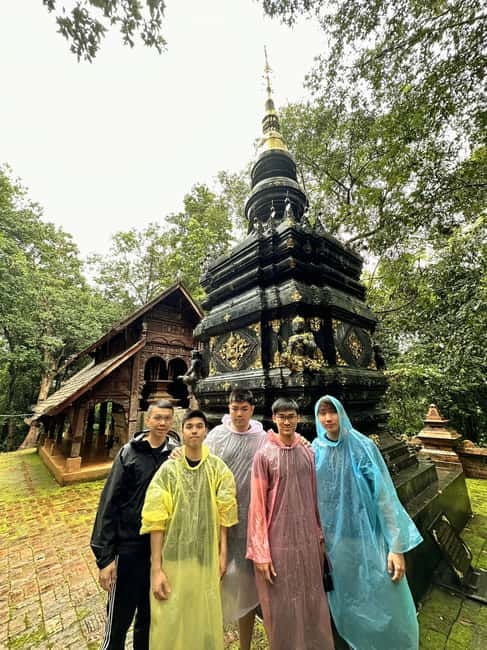
- Wat Pgageyo Ram: a mountain temple stop that changes the pace
- Ban Mae Klang Laung Karen life: coffee, textiles, and real questions
- Huay Sai Laung Waterfall: the trek portion and how to prep
- Rice terraces near Doi Inthanon: the color-changing finale
- Price and value: what your $70 covers (and what it doesn’t)
- Guide quality matters: Eddie’s style and what to expect from a small group
- Who should book this (and who should skip it)
- Should you book? My practical take
- FAQ
- Is lunch included in the tour price?
- What does the $70 price include?
- Are entrance fees included?
- What are the pickup and drop-off options?
- What languages is the guide available in?
- Can I cancel and get a full refund?
Key things that make this Doi Inthanon day trip worth your time
- Wachiratarn Waterfall with a real chance of rainbow colors when conditions line up
- Wat Pgageyo Ram temple time, away from the loudest crowds
- Ban Mae Klang Laung Karen life, including coffee tasting and woven textile viewing
- Huay Sai Laung Waterfall trek for that near-the-summit feeling
- Rice terraces near Doi Inthanon that can shift colors in July–October rain season
The day’s rhythm: a 8:00 AM pickup with a 5:00 PM finish

This is set up like a proper Chiang Mai escape, not a slow “wander and see.” You’re picked up at 8:00 AM from one of three central points, then you’re driven into Doi Inthanon National Park for a structured day of nature and culture, and you’re dropped back close to your starting area at about 5:00 PM.
That timing matters for two reasons. First, it gives you enough daylight to reach the waterfalls and still have time for the rice terrace viewpoints at the end. Second, it keeps the day from turning into an all-day slog where you’re too tired to enjoy the best parts.
If you’re trying to pack in a lot without spending extra nights, this format makes sense. But if you hate walking, or you get uncomfortable at higher elevations, you should think twice, since the plan includes a trek and Doi Inthanon is high-country.
You can also read our reviews of more tours and experiences in Chiang Mai.


Wachiratarn Waterfall: why the rainbow idea is more than a gimmick
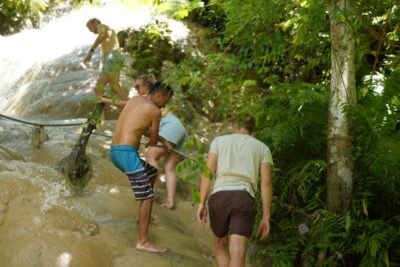
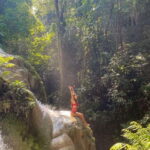
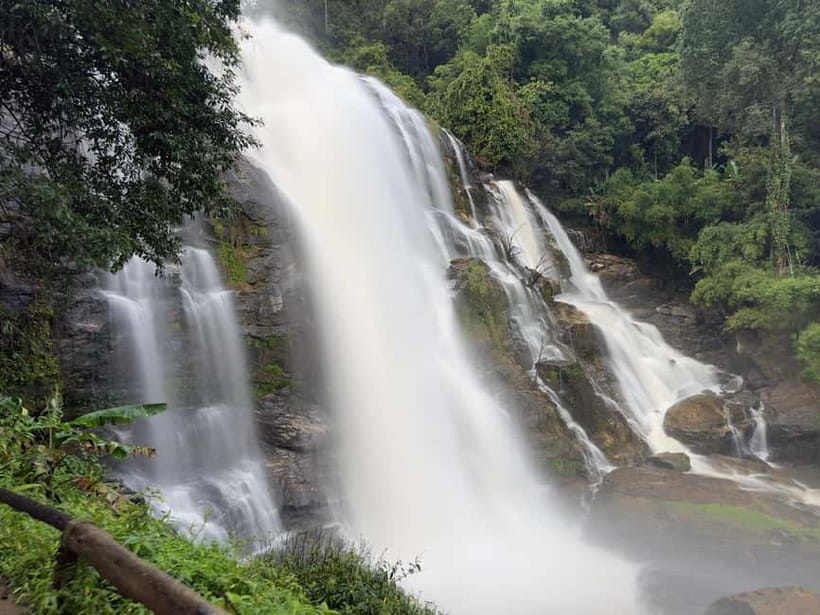
The morning kicks off at Wachiratarn Waterfall, described as one of the park’s standout sights. The tour also leaves room for the classic possibility of a rainbow appearing in the spray, which is the kind of thing that only happens when weather and light cooperate.
Here’s what I like about starting with Wachiratarn. You get the big visual pay-off early, when your legs and energy are fresh. Even if the rainbow doesn’t show, you’ll still be there for the main show: a waterfall you can feel in the air and hear from a distance.
Practical note: rain gear and layers can matter here. You’re in mountain weather, and the trip’s theme is water, so you’ll want to avoid cotton-heavy clothes that stay wet for hours.
Wat Pgageyo Ram: a mountain temple stop that changes the pace
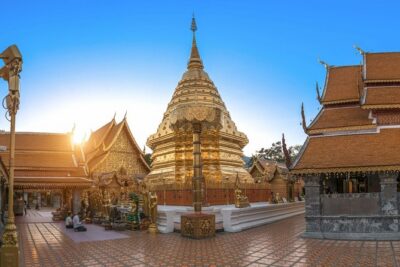
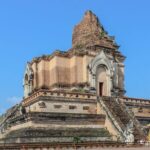
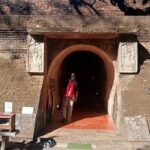
After the waterfall, the day shifts gears toward culture with Wat Pgageyo Ram, a temple found in the mountains that’s described as a more tucked-away experience. This is the kind of stop that helps the day feel balanced: one part nature, one part spiritual and local life.
What makes a temple stop like this valuable on a day trip is context. Waterfalls can blur together if you only chase scenery. A temple gives you a slower moment to look closely, notice how people use the space, and reset your pace before the next outdoors section.
One caution: temple time can also mean stairs and uneven ground. If you’re not comfortable moving carefully on natural surfaces, take it slow. The tour is not framed as a low-mobility day.
Ban Mae Klang Laung Karen life: coffee, textiles, and real questions
This is one of the best reasons to book the tour: the Karen hill-tribe visit at Ban Mae Klang Laung. You get to experience day-to-day life, including trying their homemade coffee and admiring woven textiles made with careful handwork.
This section is more than a quick “look and leave” moment. It’s designed around interaction and observation. Coffee tasting is a good hook because it’s sensory, not just visual. And textiles are a smart focus because they connect craft to identity in a way you can see and understand quickly.
If you’re the type who asks questions (and you should, politely), this is where the day can feel personal. I’d also come with curiosity. The tour is set up for you to notice details: how people present their craft, how the community organizes daily life, and what they choose to show visitors.
Huay Sai Laung Waterfall: the trek portion and how to prep
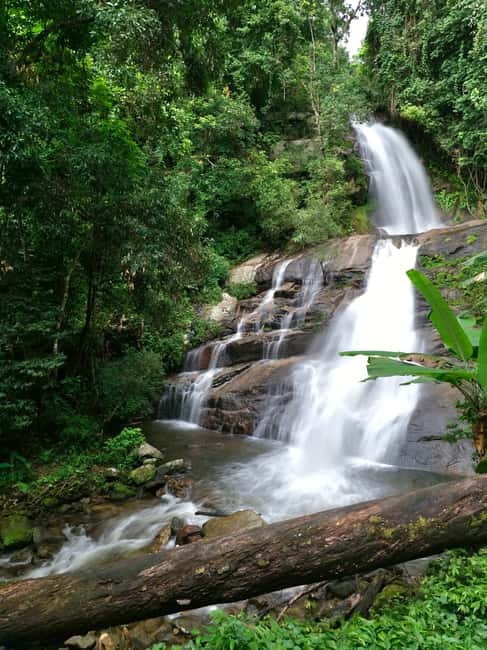
After lunch (which you pay for on your own), you head into the more physical part of the day: a trek to Huay Sai Laung Waterfall, described as sitting near the mountain’s summit area.
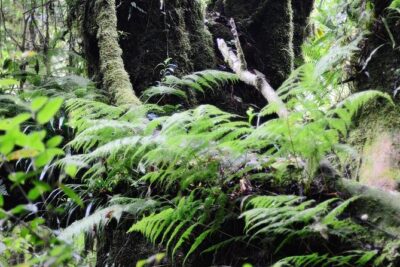
Even without exact distance details, you can plan for effort. This is not a flat stroll. You’ll want shoes with solid grip and you’ll want to dress for changing weather. If it’s been raining, the ground can be slippery, and mountain conditions can shift fast.
What I appreciate here is the payoff style. The tour doesn’t just drive past a viewpoint. It asks you to walk toward a place you’d be less likely to reach on your own. That’s the value of a guided day: you get routes and timing that fit a one-day schedule.

Rice terraces near Doi Inthanon: the color-changing finale
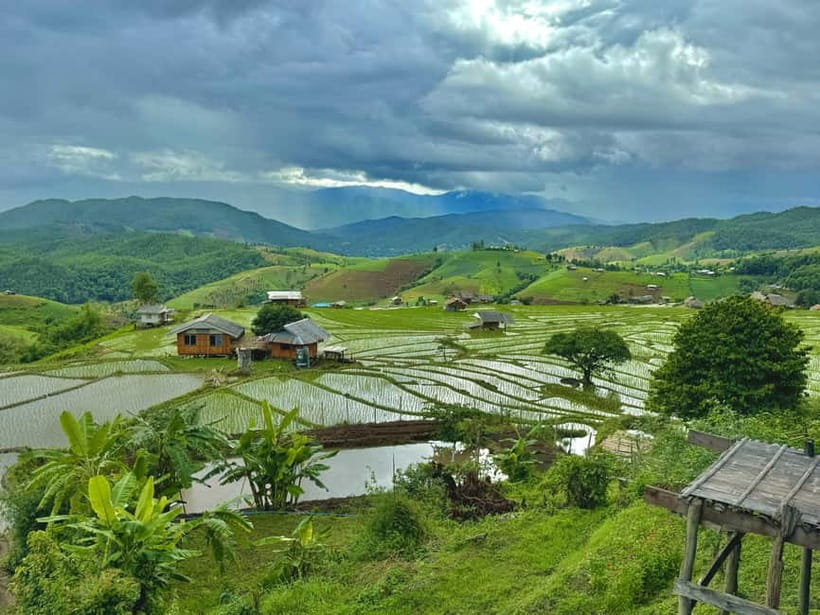
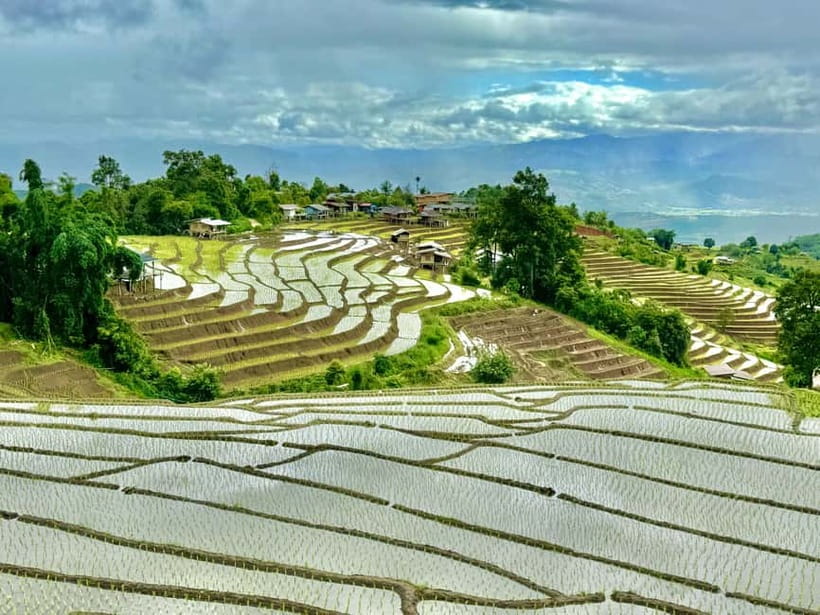
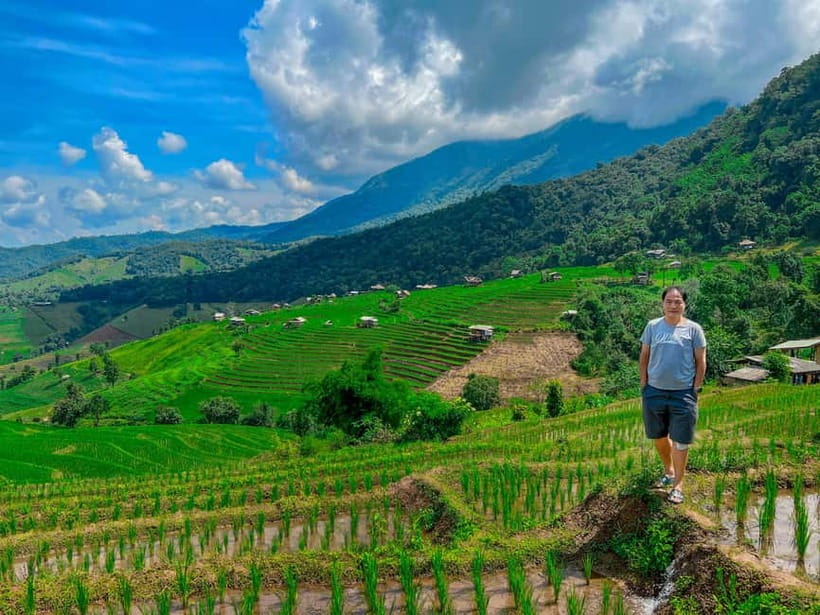
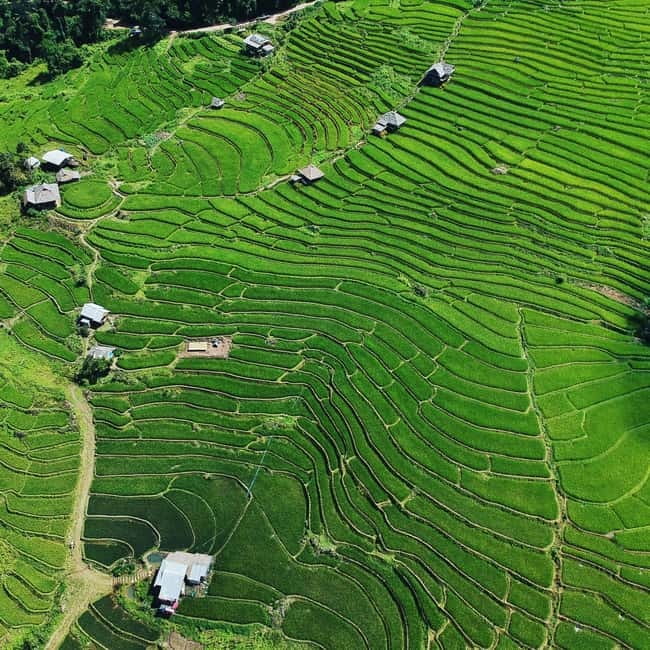
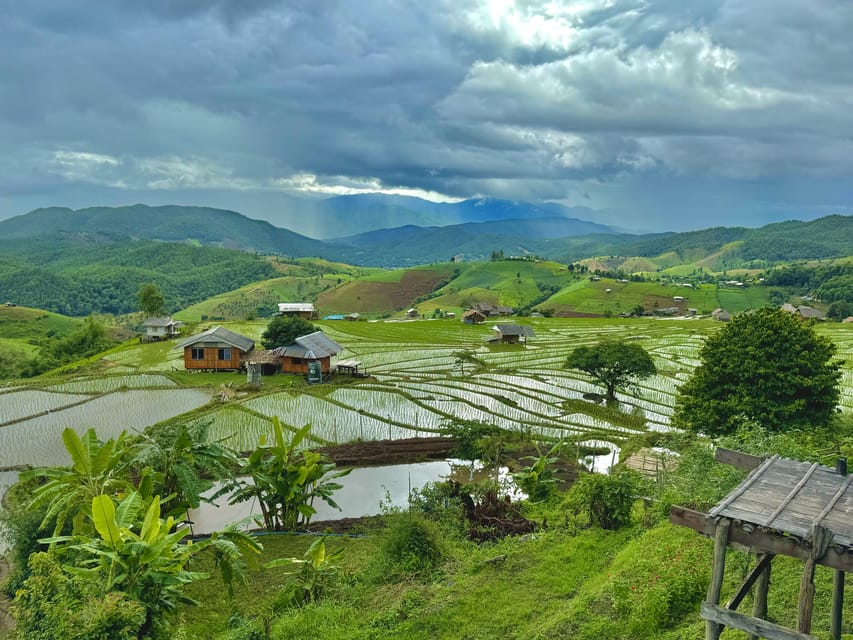
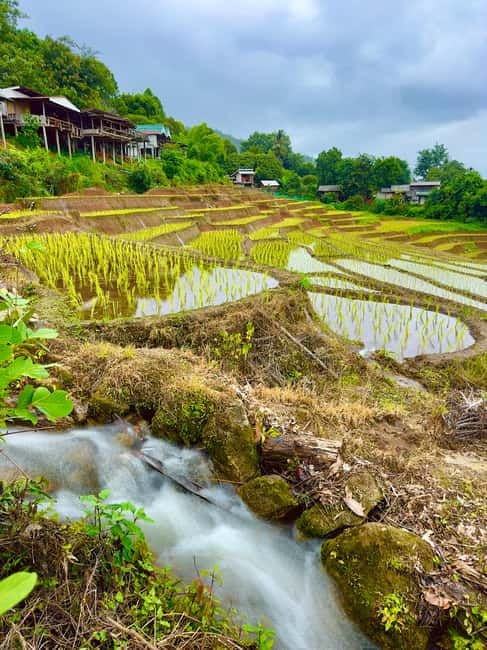
The day ends with a leisurely stroll through rice terraces with a panorama view. The key detail is timing: during the rainy season (July–October), the terraces can shift hues from lush green toward golden harvest tones. That means your “scenery” is actually seasonal storytelling.
This is a smart way to finish the day. Waterfalls are dramatic, temples add meaning, the Karen stop adds human connection. Rice terraces bring it back to the landscape and how people live with it. It’s also typically calmer than the trek part, so you can slow down, take photos, and let your brain catch up.
If you’re choosing when to go: plan for July–October if you specifically want that green-to-gold transition. If you go outside that window, the terraces may still be beautiful, but you’re less likely to get the same seasonal color drama.
Price and value: what your $70 covers (and what it doesn’t)
The price is $70 per person for a one-day tour, and it includes transportation and a guide. That’s the baseline value: you’re paying for local driving time, park logistics, and interpretation from a live guide.
What’s not included:
- Food and drinks (lunch is your expense)
- Entrance tickets for optional places you might stop at along the way
So the real cost depends on how you handle meals and any add-on entry fees. If you budget for one meal plus snacks and water, you’ll be fine. If you tend to buy drinks often and add entry fees, your total can rise.
Is it a bargain? It can be, because you’re getting several distinct experiences in one day: waterfall, temple, Karen community time, trek, and rice-terrace viewpoints. The alternative is piecing it together yourself, which usually takes more planning and more transport hassle.
Guide quality matters: Eddie’s style and what to expect from a small group
One of the most praised parts of this trip is the guide experience. Eddie is specifically mentioned as being very organized, friendly, and attentive to preferences, with the flexibility to offer an alternative route when weather changes the plan. There’s also mention of the guide taking photos with a professional feel, and even producing drone-style video clips in some cases.
That’s not something you should treat as guaranteed across all guides, but it’s a useful signal: the experience is geared toward thoughtful guiding, not just driving.
English can vary. One note in the provided feedback says the guide and driver had limited English. If English is your main language and you want lots of detailed conversation, ask about language support when you reserve, and use simple questions you can easily get answers to.
Small group or private options are a big plus here. It makes it easier for the guide to manage pace and keep stops enjoyable rather than rushed.
Who should book this (and who should skip it)
This trip is a strong fit if you want a full day outside Chiang Mai that mixes nature, culture, and a bit of walking. It’s ideal for visitors who like photo time, enjoy short treks, and want more than the main road sights.
Skip it if you:
- use a wheelchair (not suitable)
- have altitude sickness (not suitable)
- are traveling with babies under 1 year (not suitable)
Also consider whether you’re comfortable in mountain weather. Rain can affect waterfalls, pathways, and how “pleasant” the trek portion feels. Even when the itinerary adapts, you’ll still be out there.
Should you book? My practical take
Book this tour if you want a one-day combo that actually moves through the area: a standout waterfall, a mountain temple stop, meaningful Karen community time with coffee and textiles, a trek toward Huay Sai Laung Waterfall, and then rice terraces as a seasonal finale. The pricing works best when you value guided access and don’t want to coordinate transport and stops yourself.
Don’t book if you’re trying to avoid walking, you’re sensitive to altitude, or you need a fully low-mobility day. And if English is critical for you, plan to manage expectations and communicate early.
If you go with the right mindset—good shoes, layers, and curiosity—this is the kind of Chiang Mai day that leaves you tired in a good way.
FAQ
Is lunch included in the tour price?
No. Lunch is not included, and you’ll buy it yourself during the day.
What does the $70 price include?
The price includes transportation and a live guide. Food, drinks, and entrance tickets for optional stops are not included.
Are entrance fees included?
Entrance tickets are optional for additional places on the way, and they are not included in the tour price.
What are the pickup and drop-off options?
You can be picked up from Chiang Mai, Central Chiang Mai Airport, or Three Kings Monument, and you’ll be dropped off at the same three locations.
What languages is the guide available in?
The live tour guide is available in Chinese, English, and Thai.
Can I cancel and get a full refund?
Yes. You can cancel up to 24 hours in advance for a full refund.