REVIEW · CHIANG MAI
Elephant Habitat Park Feeding Entry & Rafting Van Transfer
Book on GetYourGuide →Operated by Chiang Mai Butler Services · Bookable on GetYourGuide
Elephants up close, then bamboo rafting. This Mae Wang Elephant Habitat Park day pairs elephant feeding with making herbal vitamin balls, followed by an afternoon bathing session and a calm bamboo-raft ride (about 45 minutes) along the Mae Wang River. I especially like the guided, handler-led flow: you get the basics first, then you step in and feed the elephants yourself, with friendly guides such as John and Lily helping you feel comfortable.
The one real consideration: you’ll likely get wet and muddy, so if you hate damp clothes or you show up without a towel and change of clothes, the afternoon bathing part won’t feel like a relaxing add-on. Also, meals aren’t included, so plan for food on your own after the activity.
In This Review
- Key Things You’ll Remember
- Mae Wang Elephant Habitat Park: The Easy Chiang Mai Pickup
- The Handler Briefing: Why This Part Changes Your Whole Day
- Feeding Time: Getting Up Close Without Feeling Lost
- Making Herbal Vitamin Balls: Your Hands-On Elephant Moment
- Elephant Bathing (Afternoon): Mud Baths Make Sense
- Photography and Up-Close Interaction: Best Tips for Getting Great Shots
- Bamboo Rafting on the Mae Wang River: Calm, Scenic, and About 45 Minutes
- Price and Value at $33: What You Actually Get
- What to Bring: A Packing List That Matches the Actual Day
- Who This Tour Fits Best (And Who Should Rethink It)
- Should You Book This Elephant + Rafting Daytrip?
- FAQ
- How far is the transfer from Chiang Mai?
- What will I do with the elephants?
- How long is the bamboo rafting?
- Is food included?
- What should I bring for the day?
- What language are the guides in?
- Is it suitable for young children?
Key Things You’ll Remember
- Van transfer from Chiang Mai makes this a low-effort daytrip you can start without stress
- Meet-and-greet + handler talk before feeding helps you understand what you’re doing
- Herbal vitamin balls workshop turns the visit from watching into participating
- Elephant bathing and mud baths show why the afternoon feels practical, not just cute
- Mae Wang bamboo rafting (about 45 minutes) gives you a calmer finish with river views
Mae Wang Elephant Habitat Park: The Easy Chiang Mai Pickup
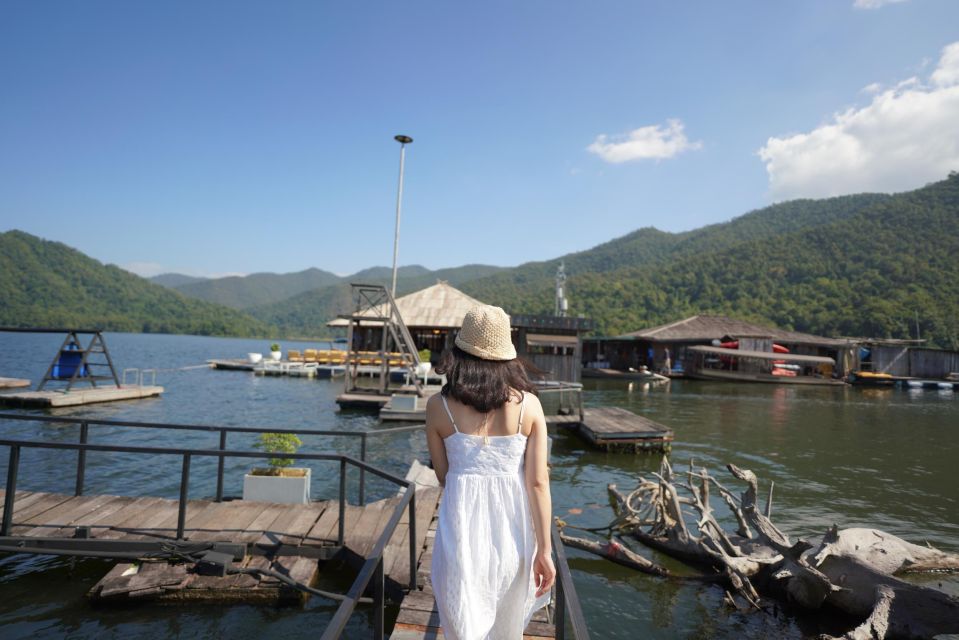
This is the kind of outing that works well when you want a full day with minimal logistics. You start with a van transfer out of Chiang Mai—about a 1-hour and 20-minute journey into the south—so you’re not left juggling taxis, timing, or directions.
Once you arrive, there’s a straightforward meet-and-greet with the local staff. The vibe is hands-on from the start, and you’ll be guided through what happens next instead of being dropped into a scene and told to figure it out. That matters with elephants. Knowing the rules and the rhythm before you interact keeps everything smoother for you and for the elephants.
You can also read our reviews of more tours and experiences in Chiang Mai

The Handler Briefing: Why This Part Changes Your Whole Day
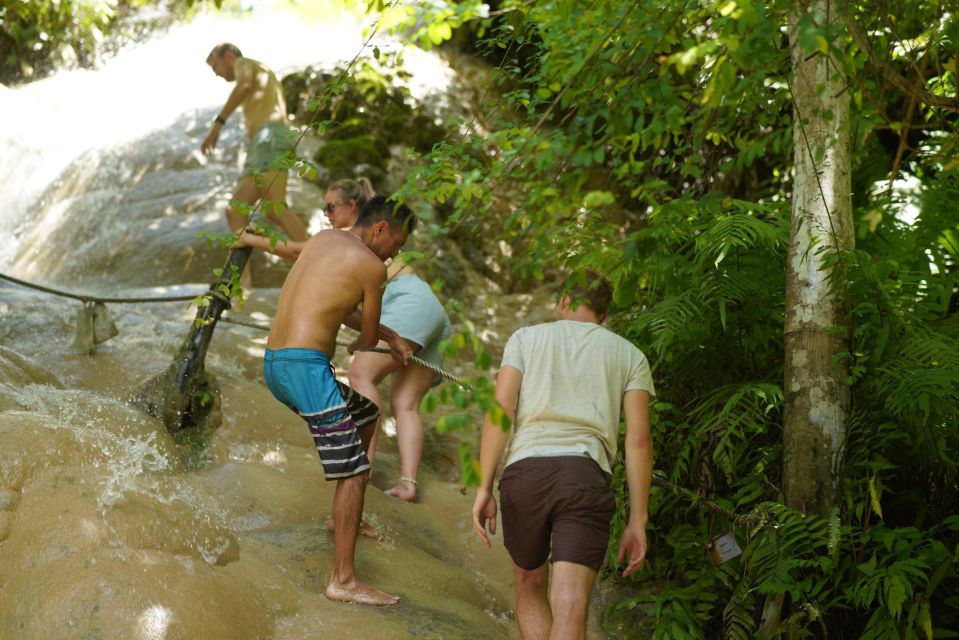
Before feeding, handlers share facts about elephants and how they’re cared for. This isn’t just trivia. It sets expectations for the way you’ll approach the animals, the pace of the experience, and why the handlers focus on specific routines.
If you’re nervous about being close to large animals, this briefing is your confidence builder. It gives you a sense of what’s normal in the habitat and what to pay attention to in the moment. I like that you’re not treated as a random spectator—you’re a participant, and the talk helps you understand your role in the day.
You’ll then follow your guides as they assist you with feeding. That “assist” part is key. It keeps you from feeling like you need to improvise in a high-energy setting.
Feeding Time: Getting Up Close Without Feeling Lost
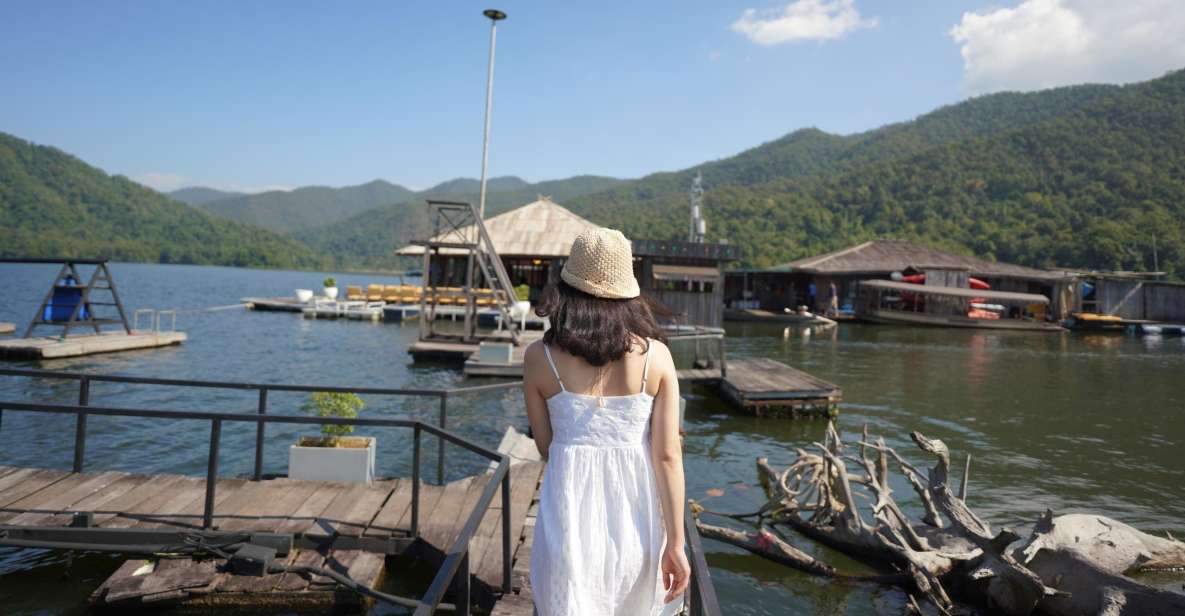
Feeding is the core of the experience, and it’s designed to be personal. You get to be close enough to observe body language, and you’re guided through feeding with the help of staff. This is where the day shifts from learning to doing.
Two things I find especially worthwhile:
- You’re supported while interacting, not left to figure things out on your own.
- You get real photo moments, because you’re truly in the space—not across a barrier.
That close access can be thrilling, but it also means you should come prepared for physical proximity. The day is not a passive viewing experience. If you want elephants at a distance with a big “look but don’t touch” buffer, you’ll want to choose a different style of visit.
Making Herbal Vitamin Balls: Your Hands-On Elephant Moment
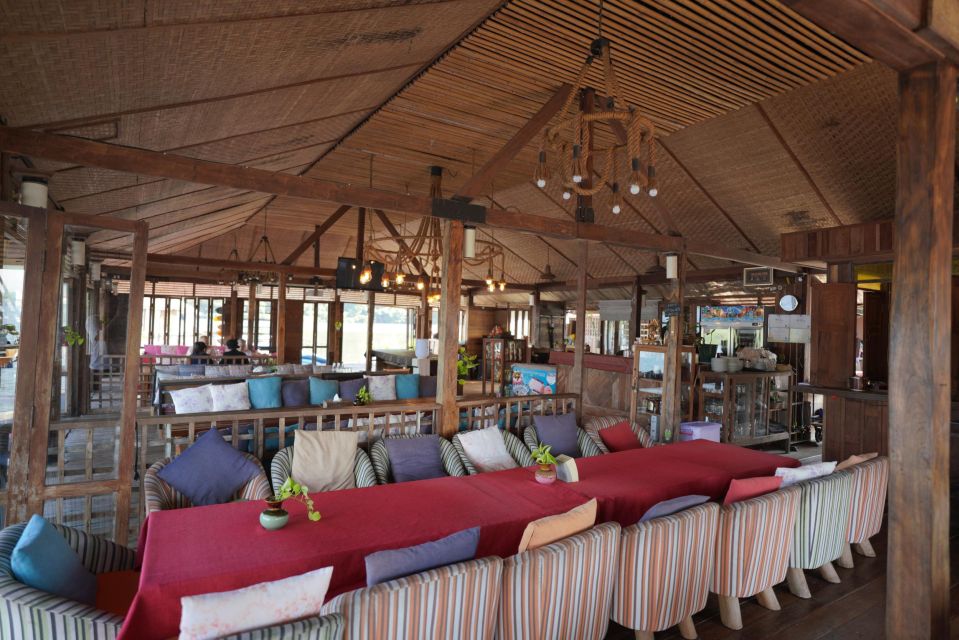
After the initial feeding guidance, you’ll make herbal vitamin balls for the elephants. This is more than a craft stop. It’s part of how you learn what elephants eat and why the food you’re preparing is a purposeful nutrition activity.
The workshop is a great “brain-and-hands” pause in the schedule. You focus on the herbs and the shape-making, then you move back into feeding. That flow helps the experience feel structured, not rushed.
I also like the practical value here: by the time you’re feeding, you understand the goal of what you’re doing. Instead of just handing something over, you’re creating and delivering the nutrition you learned about moments earlier.
Elephant Bathing (Afternoon): Mud Baths Make Sense
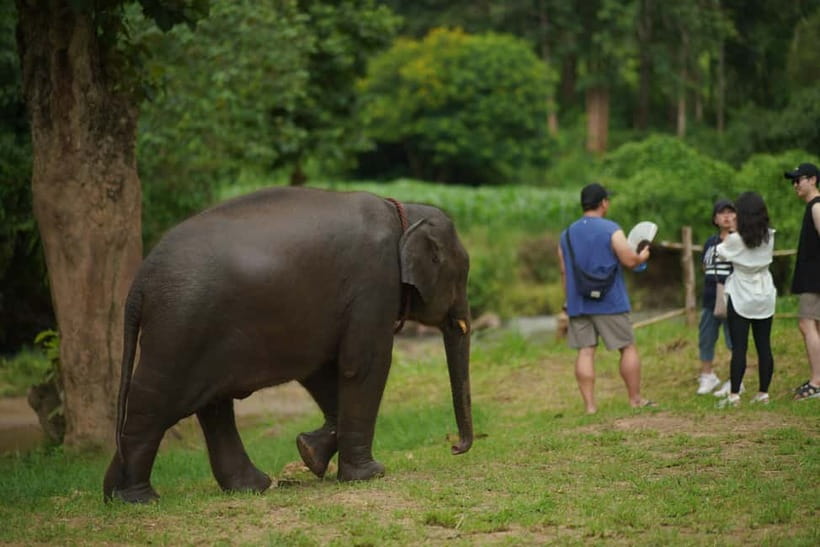
The afternoon session is built around why elephants enjoy bathing—especially in hot climates. You’ll learn that mud baths help regulate body temperature and also protect the skin from things like sun exposure and insect bites. In other words, the mud isn’t only for show.
Watching the bathing is fun, but it also changes how you view the elephants in the habitat. You stop thinking of them as a “tour attraction” and start seeing them as animals doing essential daily behaviors.
Because this part involves water and mud, you should treat it like the main event for being messy. Bring what you need, and don’t plan on staying dry.




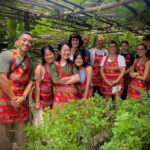
Photography and Up-Close Interaction: Best Tips for Getting Great Shots

The experience includes photography opportunities, and you’ll be close enough for memorable images. You can expect plenty of chances to photograph elephants during feeding and interaction time.
A few practical tips so your photos come out better:
- Wear clothing that’s okay if it gets wet or dusty
- Bring a way to protect your phone or camera (a waterproof bag helps)
- If you’re using your phone, clean off dust quickly—smudges show up fast in bright light
- Keep your posture relaxed and follow the guide cues, so you’re not fumbling when it’s time to step in
Guides matter for photos too. In past experiences with this style of day, guides such as John, Lily, Tono, and Nop were praised for helping people capture moments and keeping the day comfortable. That’s a good sign if you care about photos but don’t want the stress of directing everything yourself.
Bamboo Rafting on the Mae Wang River: Calm, Scenic, and About 45 Minutes
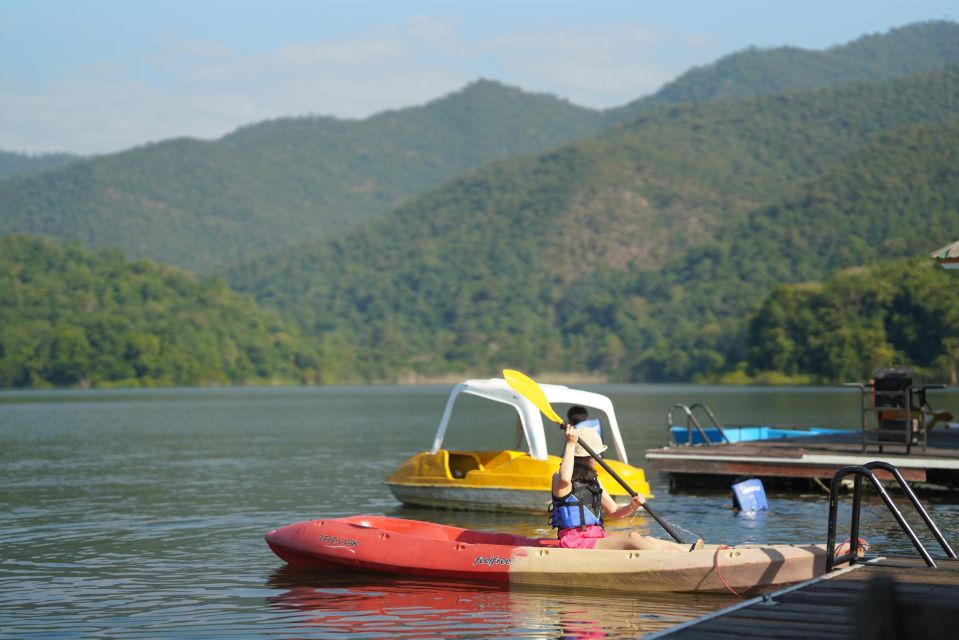
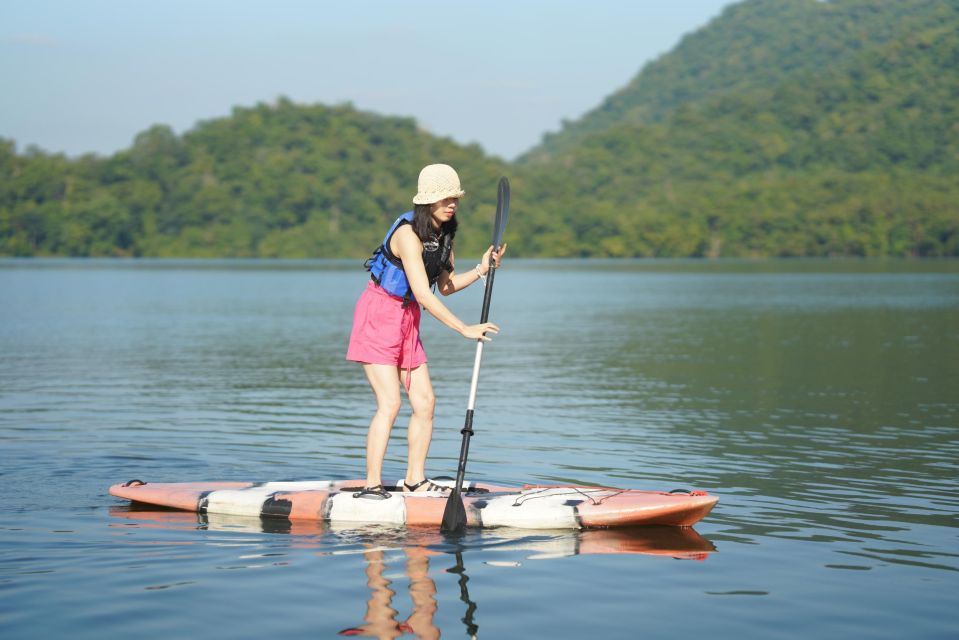
After elephant time, you switch to water—this time bamboo rafting along the Mae Wang River. The rafting segment runs about 45 minutes, which is a smart length: long enough to enjoy the ride, short enough that you don’t feel like you’re spending your whole day on transport or gear.
The rafting part also gives you a nice contrast. Elephant feeding is intense and close-up. Rafting lets you breathe, look around, and enjoy the river scenery at a calmer pace.
It’s also a heat-relief move. If you’re visiting in warmer weather, you’ll probably appreciate how the water cools you down, especially after the afternoon bathing.
Price and Value at $33: What You Actually Get

At $33 per person, the value comes from stacking multiple activities into one organized day:
- hotel van transfer from Chiang Mai
- guided elephant interaction, including feeding
- making herbal vitamin balls
- bathing observation as part of the afternoon session
- bamboo rafting (about 45 minutes)
- drinking water
You’re paying for convenience and for the full flow of a guided day—not just a single activity. If you were to do elephant time plus a separate rafting plan on your own, you’d likely spend more time coordinating transport and finding compatible schedules. Here, the schedule is already handled for you.
The only “cost” you should budget for is what’s not included: meals and personal expenses. Plan to eat after, and bring a little extra spending money if you want drinks or snacks during the gaps.
What to Bring: A Packing List That Matches the Actual Day
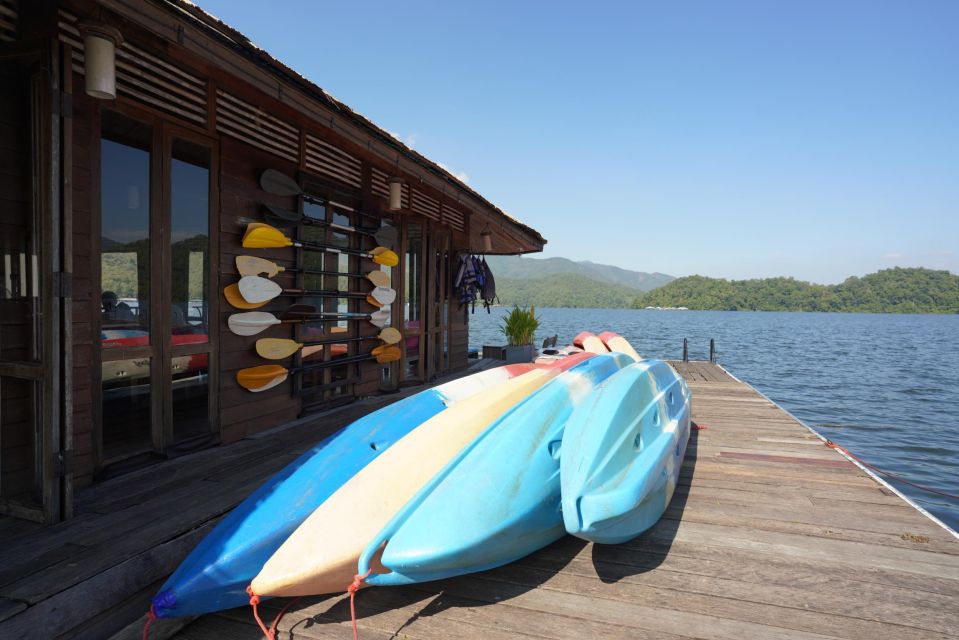
This outing is hands-on and water-involved, so pack like the afternoon will get messy. Use this as your checklist:
- Comfortable shoes (closed-toe is best)
- Sunglasses
- Change of clothes
- Towel
- Sunscreen
- Waterproof bag
If you forget a towel or an extra shirt, you’ll feel it later. If you forget sunscreen, bright sun + time outdoors can catch you off guard quickly.
Also consider having your basics ready for after rafting too. Even if you think you’ll stay dry, the day involves water in more than one section.
Who This Tour Fits Best (And Who Should Rethink It)
This is a strong fit if you want:
- a structured day with a van transfer from Chiang Mai
- hands-on elephant time: feeding and making food
- an educational component with handler guidance
- a relaxed finale with bamboo rafting
It may be less ideal if:
- you hate getting wet or muddy (the afternoon bathing session can do that)
- you prefer low-contact experiences and lots of distance
- you’re traveling with a very young child (it’s not suitable for children under 2 years)
If you’re comfortable with close interaction and you come prepared for damp conditions, this day is built for you.
Should You Book This Elephant + Rafting Daytrip?
I’d book it if you want a complete Chiang Mai change-of-pace day: elephants up close in a habitat setting, plus a calm Mae Wang River bamboo ride to cool off. The value feels strong for the mix of transfer, feeding, a herbal workshop, bathing observation, and rafting, all guided in English.
Don’t book it if your top priority is staying clean and dry, or if you need meals included. This is an active day where you provide your own food plans, and you should treat the afternoon like a water-mud activity.
If you match those conditions, this is the kind of day you’ll remember long after you’ve left Chiang Mai.
FAQ
How far is the transfer from Chiang Mai?
You’ll start with a van journey of about 1 hour 20 minutes into the south of Chiang Mai.
What will I do with the elephants?
You’ll get a guided introduction, learn from handlers, then feed elephants and help make herbal vitamin balls for them, plus observe an afternoon bathing session.
How long is the bamboo rafting?
The bamboo rafting on the Mae Wang River is about 45 minutes.
Is food included?
No. Meals aren’t included. Drinking water is included.
What should I bring for the day?
Bring comfortable shoes, sunglasses, a change of clothes, a towel, sunscreen, and a waterproof bag.
What language are the guides in?
The tour is listed as English.
Is it suitable for young children?
It’s not suitable for children under 2 years.