REVIEW · CHIANG MAI
From Chiang Mai: Doi Inthanon National Park Day Trip
Book on GetYourGuide →Operated by CHIANGMAI FOOTSTEP TOUR&TRAVEL CO.,LTD · Bookable on GetYourGuide
That cool morning air at Doi Inthanon hits fast. This 1-day van trip from Chiang Mai strings together big nature moments and real hill-tribe culture, with the day ending at some of the park’s most dramatic waterfalls. I particularly love the mossy cloud-forest walk along the Ang Ka Luang Nature Trail and the calm, garden-framed King and Queen Twin Pagodas with mountain views. One thing to plan for: it’s a mountain day, so you’ll want a warm layer and expect moderate walking.
You also get a nice mix of altitude + culture, not just scenery. The tour fits in time for a bustling Hmong market, lunch in Mae Klang Luang (Karen village), and the chance to see how coffee is produced in the highlands. The pace is full-day, so it’s not ideal if you hate crowds, long drives, or being on your feet more than usual.
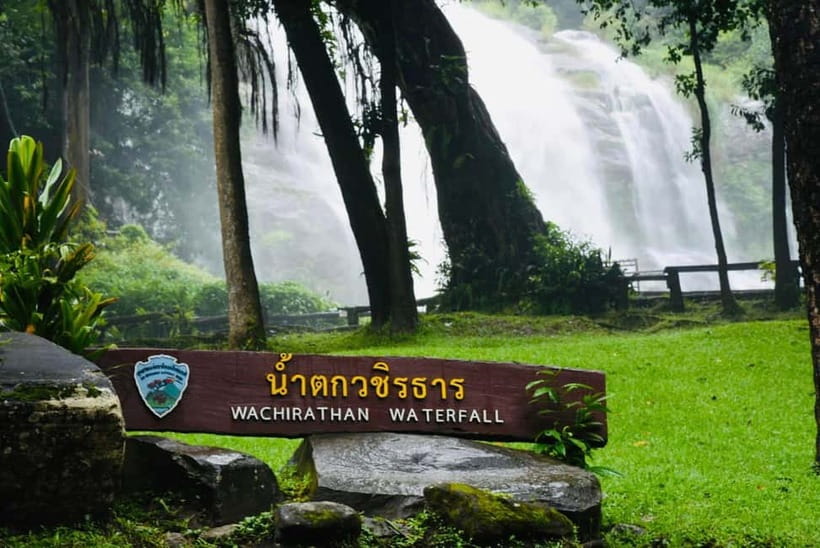
Finally, the waterfall sequence is the kind of payoff that makes the early start feel worth it. Sirithan brings a misty, relaxing cascade, then Wachirathan turns the volume up with a bigger, rainbows-in-sunlight feel. If you’re sensitive to cooler weather or altitude, pack smart and take the health notes seriously.
In This Review
- Key things I’d put on your radar
- A full-day van rhythm from Chiang Mai
- Reaching 2,565 meters: highest point plus the Ang Ka Luang Nature Trail
- King and Queen Twin Pagodas: gardens, views, and a royal connection
- Hill tribe market time: Hmong crafts and seasonal fruit
- Mae Klang Luang Karen village: lunch with terraces and coffee ties
- Two waterfalls, two moods: Sirithan and Wachirathan
- What to pack for mountain weather and quick walking
- Price and value: what $61 covers for a full park day
- Who should book—and who should skip this one
- Quick etiquette and safety notes that make the day smoother
- Should you book the Doi Inthanon Day Trip from Chiang Mai?
- FAQ
- What is the duration of the Chiang Mai to Doi Inthanon day trip?
- How much does the tour cost?
- What’s included in the price?
- What should I bring for the day?
- Is photography allowed?
- Is this tour suitable for pregnant women or wheelchair users?
- Who is the tour not suitable for regarding altitude or health?
Key things I’d put on your radar
- Thailand’s highest point (2,565 m): crisp air and a cloud-forest feel near the peak.
- Ang Ka Luang Nature Trail: a short boardwalk that’s easy on timing, but still scenic.
- King and Queen Twin Pagodas: landscaped grounds and panoramic mountain views.
- Hmong market + Karen village stops: craft browsing and a Karen lunch with organic coffee ties.
- Sirithan to Wachirathan waterfalls: two very different falls in one day.
A full-day van rhythm from Chiang Mai
This tour is built as a one-day circuit, using a van to move you between altitude stops, viewpoints, markets, and waterfalls. That matters because Doi Inthanon is spread out, and doing it on your own in a single day would likely mean more driving stress and less time to enjoy each spot.
You start early from Chiang Mai, then gradually work your way up into cooler, mistier mountain conditions. Expect a schedule that feels packed but logical: peak area first, then pagodas and gardens, then culture stops, and finally the waterfalls. It’s the classic “morning cool, midday market, afternoon water” flow.
Your guide is English-speaking, which really helps when you’re bouncing between nature facts, cultural context, and practical “what to look for” moments. If you like learning what you’re seeing—why a trail matters, or what a shrine/pagoda is commemorating—this format works well.
You can also read our reviews of more tours and experiences in Chiang Mai
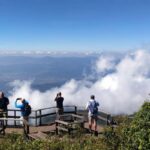
Reaching 2,565 meters: highest point plus the Ang Ka Luang Nature Trail
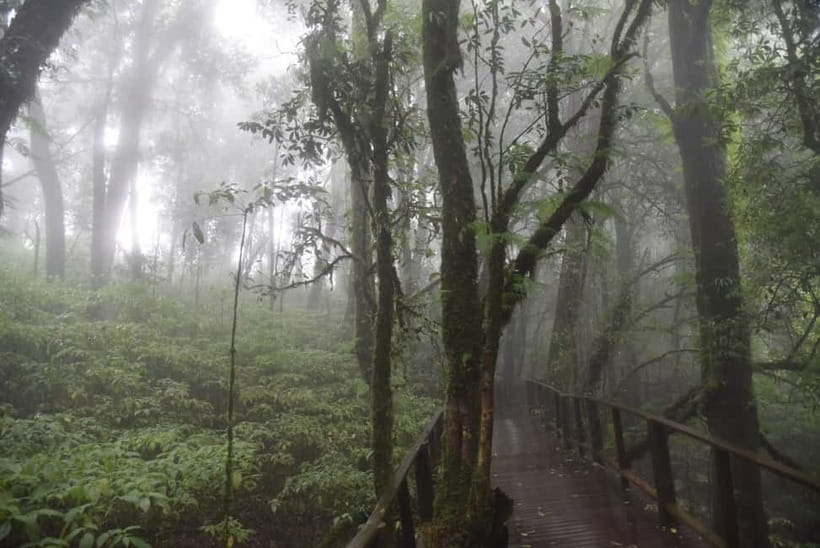
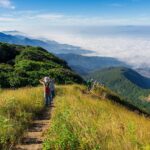
The day’s altitude highlight is Thailand’s highest point in the park, sitting at 2,565 meters above sea level. When you arrive, the air feels cooler and often misty, even if Chiang Mai was warm that morning. It’s not just a bragging-right stop; it’s also your gateway into one of Doi Inthanon’s signature ecosystems.
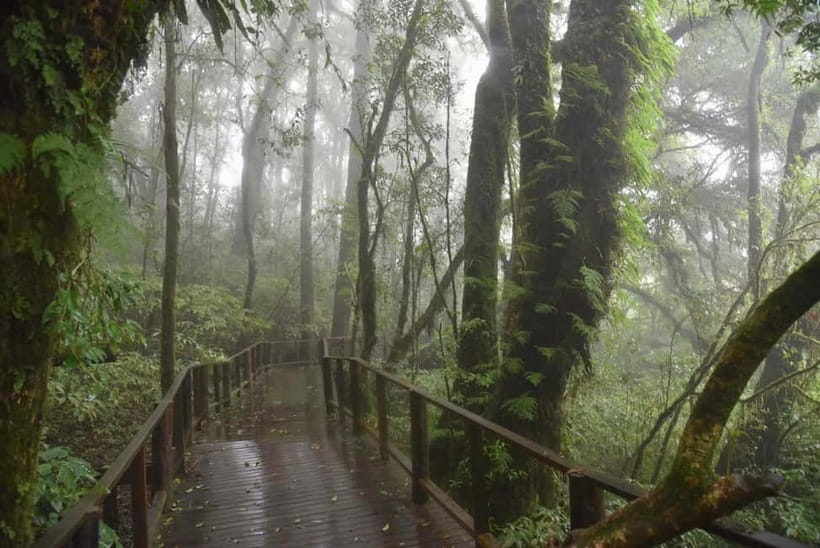
At the highest area, you visit the King Inthanon Memorial Shrine, which connects the park’s name to the ruler it honors. From there, you walk the Ang Ka Luang Nature Trail. This part is especially worth your time because it’s described as a short boardwalk through a mossy cloud forest.
Why I like this sequence: the trail gives you a tangible sense of the altitude change. You’re not just looking at mountains from far away; you’re stepping into the damp, shaded conditions that make cloud forests feel different from lower-elevation greenery.
Practical note: wear comfortable walking shoes. Even if the trail is short and boardwalk-style, you’ll be moving. I’d also keep an eye on the sky—rain can roll in up high, and the cool mist can turn slippery if surfaces get wet.
King and Queen Twin Pagodas: gardens, views, and a royal connection
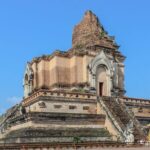
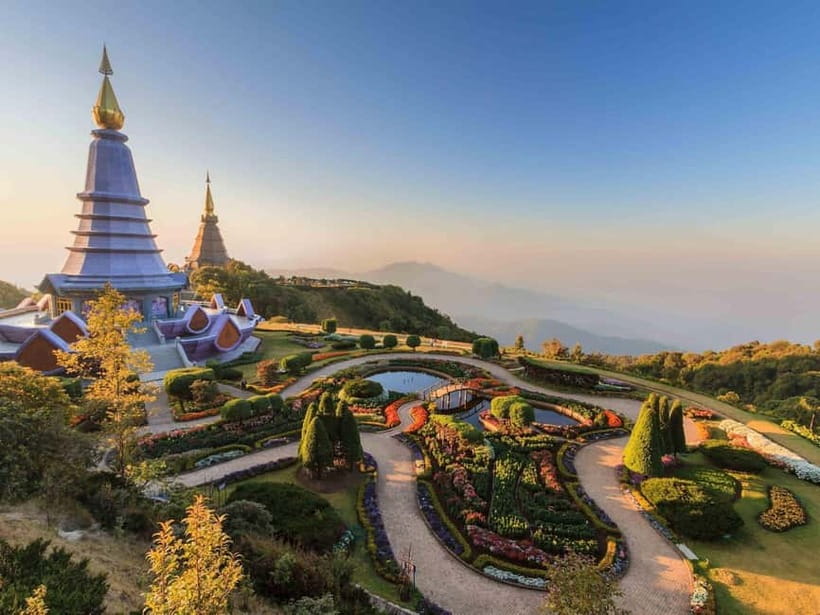
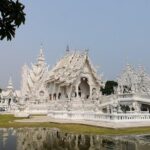
After the higher-elevation nature time, the tour shifts to the big viewpoint moment at the King and Queen Twin Pagodas. These pagodas were built to commemorate King Bhumibol Adulyadej and Queen Sirikit. That detail matters because it gives the site more meaning than just “pretty temples.”
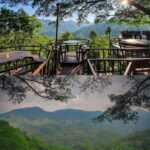
The pagodas sit inside carefully landscaped gardens, with flowers and neat paths that make the area feel orderly and peaceful. From here, you get panoramic views over the surrounding mountains and valleys. On a clear day, these are the kinds of views where you can actually see layers of ridgelines.
Why this stop is a strong value in a one-day itinerary: you get culture + views in one place without needing a long trek. It’s also a calmer pause compared to waterfall chaos. If you like to take photos, this is a great setting for wide shots, garden details, and cloud-meets-mountain atmosphere.
One consideration: if you’re traveling in misty weather, the views can soften. Still, the gardens and pagoda structures keep the stop interesting, and the scenery often has a quiet, moody look even without full visibility.
Hill tribe market time: Hmong crafts and seasonal fruit
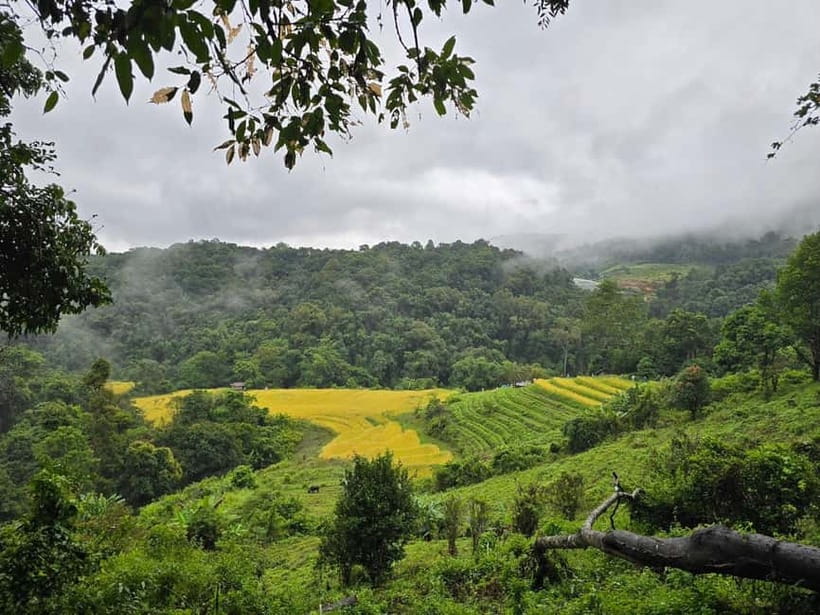
Next up is a local market tied to the Hmong hill tribe. This is where the trip shifts from “scenery” to “people and daily life,” and it’s one of the most memorable parts if you enjoy hands-on cultural moments.
You can browse handmade crafts and pick up a few souvenirs, and you’ll also see fresh produce. The tour highlights the highland seasonal fruit you might spot—like sweet strawberries and persimmons—grown in the cooler elevations.
I like market stops in structured tours because you don’t have to figure out where to go or how to order. Your guide can point out what’s relevant and help you navigate how things work in that setting.
That said, markets can move quickly. If you want to really slow down and shop, give yourself permission to be picky. Look for quality and fair pricing rather than grabbing the first thing you see, especially at stalls full of bright colors.
Mae Klang Luang Karen village: lunch with terraces and coffee ties
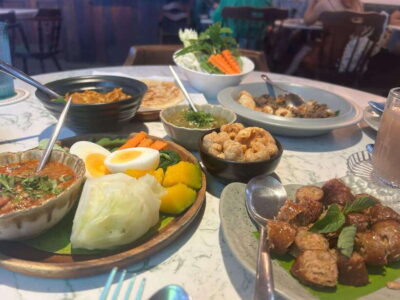
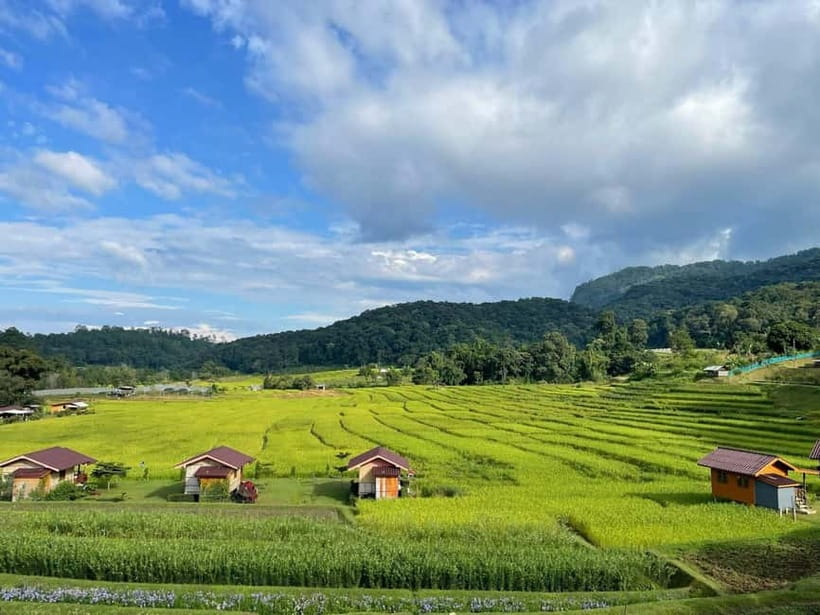
Lunch is taken at Mae Klang Luang, described as a charming Karen hill tribe village with terraced rice fields and a tranquil feel. This is a good midpoint in the day: you’ve had altitude, you’ve had pagoda views, and now you get a slower pace with real food.
The food is Thai dishes prepared with fresh ingredients. Even if you’re not a “foodie,” this matters because you’ll likely be hungry after walking, cooling down at altitude, and spending time outdoors. Having lunch included also keeps the day from turning into constant add-on costs.
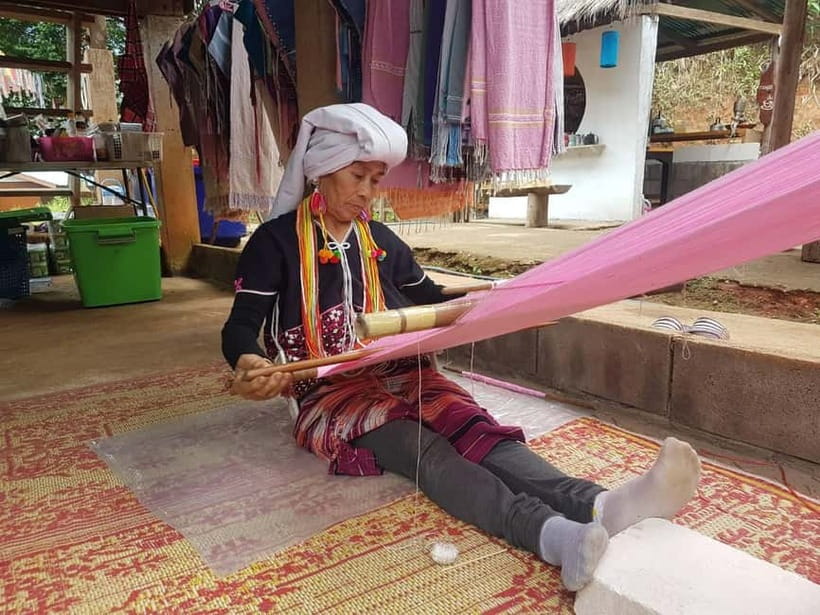
After eating, you stroll around the village to learn about the Karen people’s traditional lifestyle and their sustainable farming practices. A special mention here is organic coffee production—the tour frames it as part of their highland way of life.
Why this stop feels like more than a photo break: the coffee tie gives you a practical angle. Instead of just seeing a village, you get a thread that connects daily agriculture to what you might taste later. If coffee is your thing, this is the part where you’ll understand why those highland conditions can matter for flavor.
Your best move here is to dress modestly and be mindful with photos. The tour notes that photography is allowed, but you should ask permission before taking photos of local people or inside homes. Simple manners go a long way, and it also makes your guide’s job easier.



Two waterfalls, two moods: Sirithan and Wachirathan
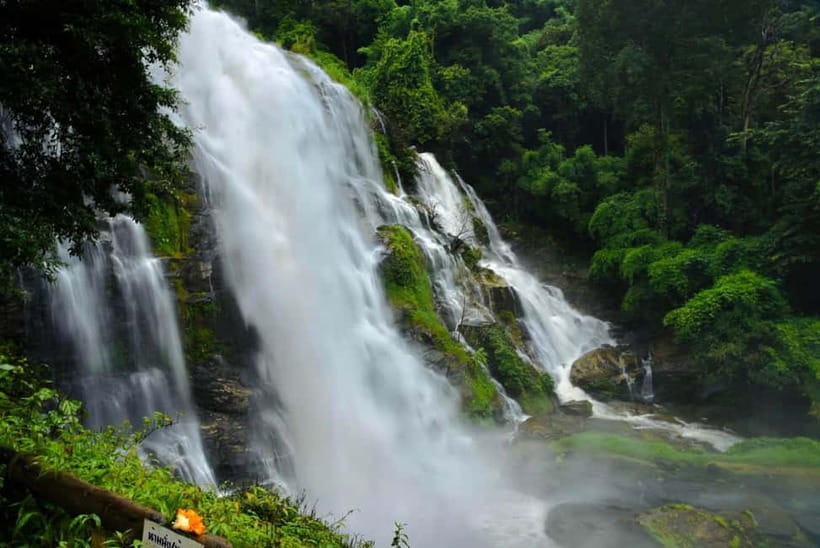
This tour saves the loudest natural payoff for the end: Sirithan Waterfall first, then Wachirathan Waterfall.
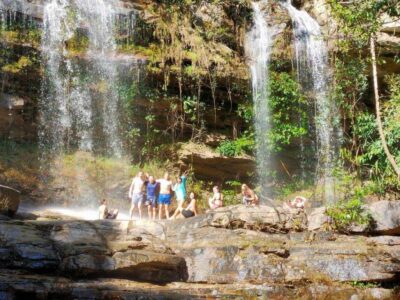
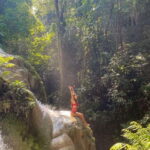
Sirithan is described as an enchanting 40-meter cascade fed by the Mae Klang River. The setting is lush, and the cool mist plus the rushing water sound creates a relaxing atmosphere. This is a good spot to reset your brain after market-and-village time. If the morning was cloudy, Sirithan can still feel dramatic because the mist works in your favor.
Then you move to Wachirathan, which the tour calls one of the largest and most powerful falls in the park. Here, water tumbles dramatically over a granite escarpment, and the sunlight can create rainbows. There are viewing platforms where you can get different angles, and you can feel the spray.
If you’re choosing this day trip for one “wow,” my vote is Wachirathan. It’s visually bigger and more forceful, and the viewing platforms help you get the angles without needing risky climbing or scrambling. You’ll still want to watch your footing—water spray and wet surfaces can be slick.
What to pack for mountain weather and quick walking
Even though this is a one-day tour, it’s still a mountain day. The tour’s packing list is practical because it matches how Doi Inthanon feels in the morning and around waterfalls.
Bring:
- Comfortable shoes for a moderate amount of walking
- Warm clothing / a jacket, especially early in the morning
- Hat for sun and drizzle days
- Sunscreen (yes, even in the mountains)
- Water
- Insect repellent
- Camera for views and falls
Be ready for rain. A raincoat or umbrella could be useful because you’re in a place where mist and showers can happen. Also note that smoking and alcohol/drugs aren’t allowed on the tour, so plan accordingly.
If you tend to get cold easily, don’t treat “cooler mountain air” as a suggestion. You’ll be outside at multiple stops, and wind and mist at altitude can make temps feel lower than you expect.
Price and value: what $61 covers for a full park day
At $61 per person, this tour can be good value if you add up what’s included: van transportation, an English-speaking guide, entrance fees to Doi Inthanon National Park, lunch at a local restaurant, and insurance.
The value is less about the sightseeing itself (you could see waterfalls and pagodas in other ways) and more about the friction the tour removes. You don’t need to source tickets for the national park entrance, figure out logistics between dispersed stops, or pay extra for a guide to translate what you’re seeing.
Personal expenses aren’t included, so you should budget for snacks, drinks beyond lunch, and any shopping at markets. If you like buying crafts or small gifts, carry some cash, but keep spending flexible because market items can vary a lot.
Bottom line: for a one-day plan that hits multiple altitude zones, two waterfalls, and two culture moments, the price works best if you want a structured day with less planning work.
Who should book—and who should skip this one
This tour fits best if you want a single-day sampler of Doi Inthanon: highest peak area, nature trail, pagoda viewpoints, hill tribe markets, Karen village lunch, and two waterfalls.
It may not fit if:
- You’re pregnant, have back problems, or you need wheelchair accessibility (not suitable per tour info)
- You’re traveling with children under 3
- You weigh over 220 lbs (100 kg) (not suitable per tour info)
- You have health issues related to altitude. The tour specifically advises checking with a doctor if you have altitude-related concerns.
Also consider your comfort with outdoor walking. The walking is described as a moderate amount, but it’s still a full schedule. If you prefer very light movement, you might find the peak-to-trail-to-waterfall day a bit much.
If you’re traveling solo, this also works because a van day trip with an English guide means you’re not left figuring it all out. And if you like photography, the mix of cloud forest boards, royal pagoda gardens, and waterfall viewing platforms gives you plenty of opportunities—just be respectful about photos of local people.
Quick etiquette and safety notes that make the day smoother
A few rules keep the experience respectful and drama-free:
- Dress modestly when visiting hill tribe villages.
- Ask permission before taking photos of local people or inside homes.
- Use insect repellent, especially around forest edges.
- Keep your jacket handy even if the sun comes out.
- Watch your step near waterfall areas and platforms.
These aren’t “nice-to-haves.” They directly affect how enjoyable the stops are, how smoothly the schedule goes, and how comfortable everyone feels.
Should you book the Doi Inthanon Day Trip from Chiang Mai?
I’d book this day trip if you want the highlights of Doi Inthanon without turning the day into a DIY logistics puzzle. The combination of 2,565-meter peak area, the Ang Ka Luang Nature Trail, the Twin Pagodas, a Karen village lunch with coffee context, and Sirithan + Wachirathan waterfalls is exactly the kind of packed itinerary that works well in one day.
Skip it (or at least reconsider) if altitude is a concern for you, if you need mobility accommodations, or if you strongly dislike cooler mornings and moderate walking.
If your goal is an authentic-feeling Northern Thailand day—scenery plus local markets plus meaningful cultural stops—this is the right kind of tour to choose.
FAQ
What is the duration of the Chiang Mai to Doi Inthanon day trip?
The tour lasts 1 day.
How much does the tour cost?
The price is $61 per person.
What’s included in the price?
It includes van transportation, an English-speaking guide, entrance fees to Doi Inthanon National Park, lunch at a local restaurant, and insurance.
What should I bring for the day?
Bring comfortable shoes, warm clothing (a jacket is suggested), a hat, a camera, sunscreen, water, and insect repellent.
Is photography allowed?
Photography is allowed, but you should ask permission before taking photos of local people or inside their homes.
Is this tour suitable for pregnant women or wheelchair users?
No. The tour is not suitable for pregnant women and wheelchair users, based on the tour information.
Who is the tour not suitable for regarding altitude or health?
If you have health issues related to altitude, you should consult your doctor before booking. The tour is also not suitable for people with back problems and for children under 3.