REVIEW · CHIANG MAI
Long Neck Village, Silver Temple & Chiang Mai Top Sites
Book on GetYourGuide →Operated by CanalTour x ExploreSiam · Bookable on GetYourGuide
Silver, stupa ruins, and Karen culture in one route. This tour works because it strings together Chiang Mai’s signature temple sights with a very human cultural stop at the Karen Padaung Long Neck Village. I like that you’re not stuck in a museum-like rhythm—you get real context for what you’re seeing as you ride around town.
I also love the way the itinerary balances the big, famous names with one stop that feels more hands-on: the silverwork at Wat Sri Suphan. If you’re lucky enough to have an English guide like Mosquito (or Magie / Margareth), the temples make more sense fast, not later.
One consideration: don’t assume every temple fee is included in the base price. You may be asked for small extra payments at some temple entrances, and certain temple interior areas can have gender-based access limits, so plan for exterior viewing in those cases.
Key points worth your time
- Red Songthaew ride: a classic Chiang Mai shared taxi that makes getting between stops feel local
- Wat Chedi Luang’s chedi story: a majestic ruin with deep spiritual connections
- Wat Phra Singh’s gold + murals + Phra Buddha Sihing: a must-see Northern Thai Buddhism landmark
- Wat Sri Suphan’s handcrafted silver: you’ll notice details you’d miss on your own
- Long Neck Village at Karen Padaung: weaving and artisan support are the point, not just photos
- Cash and dress code matter: cover shoulders/knees and bring small bills for temple moments and personal spending
In This Review
- Four Hours on a Red Songthaew: The Route You Actually Feel
- Wat Chedi Luang: Ruins, Lanna Style, and the Emerald Buddha Echo
- Wat Phra Singh: Golden Pagodas, Murals, and Phra Buddha Sihing
- Wat Sri Suphan Silver Temple: Craftwork You Can’t Fake
- Long Neck Village (Karen Padaung): Weaving, Living Culture, and Artisan Support
- Price and Temple Fees: What $22 Covers, and What Might Cost Extra
- What to Wear and Bring: The Small Stuff That Makes the Day Easy
- Who This Tour Is Really For (and Who Should Skip It)
- Should You Book: Long Neck Village + Silver Temple + Chiang Mai Top Sites
- FAQ
- How long is the tour?
- What is included in the price?
- Where is the pickup, and what if my hotel is outside the pickup area?
- Do I need to bring cash?
- Is the Long Neck Village entrance fee included?
- Is there a dress code for the temples?
- Is this tour wheelchair accessible?
Four Hours on a Red Songthaew: The Route You Actually Feel

This is a 4-hour tour, so you’re moving, not loitering. The pacing is built around three temple stops close enough to make sense in one session, plus the Karen Long Neck Village as the cultural finish.
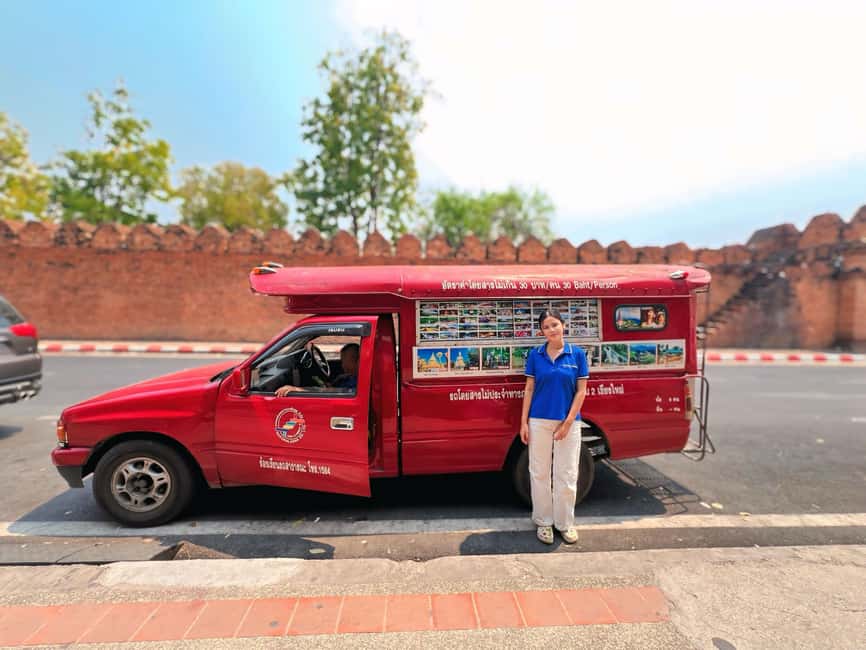
You travel by a traditional red Songthaew, Chiang Mai’s shared “taxi” truck. That’s not just decoration. It’s practical: you avoid the hassle of coordinating multiple rides, and you get small glimpses of daily street life as you pass through the city.
Pickup is included—but only if you’re in the hotel zone near Chiang Mai’s old city or just outside it. If you’re farther out, the meeting point is in front of Burger King at Thapae Gate. My advice: confirm your pickup details the day before, then arrive a little early. With any short tour like this, ten minutes of delay feels huge.
You’ll also do better if you’re comfortable with temple rules. You need shoulders and knees covered, and the sites involve walking and uneven ground in spots. If you expect a fully flat, stroller-friendly experience, set that expectation now.
Wat Chedi Luang: Ruins, Lanna Style, and the Emerald Buddha Echo
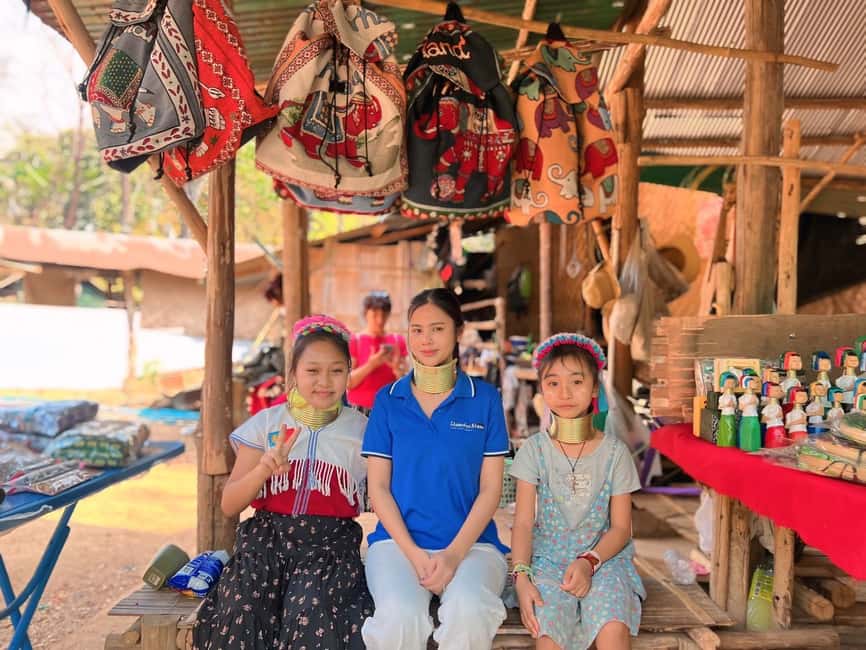
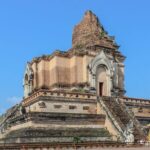
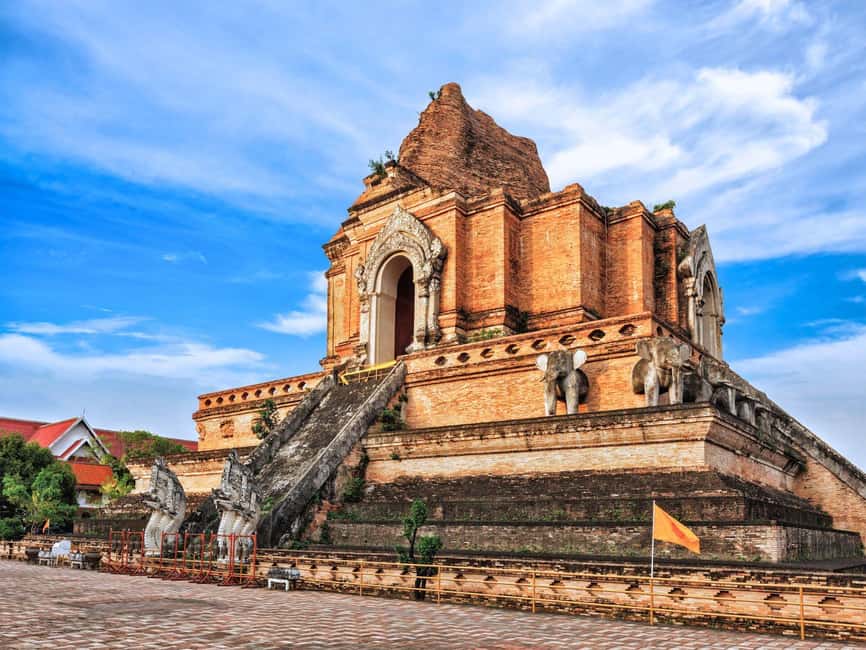
Your tour starts at Wat Chedi Luang, the so-called Temple of the Great Stupa. Even when you only see it from the outside at first, you can tell you’re looking at something built to last. The chedi (stupa) is partially ruined, yet it still feels imposing—like the temple is large even when time has done its thing.
Here’s what makes it meaningful: this chedi once housed the revered Emerald Buddha. That connection turns the ruin from sad and random into historically important. Your guide’s job is to help you read the place: the Lanna architecture patterns, the way the complex was arranged, and why this site became a key spiritual stop in Chiang Mai.
I like this first stop because it gives you a framework for the rest of the day. Once you understand the kind of stupa worship that’s happening here, the later temples aren’t just pretty buildings. They become a system—pagodas, statues, and sacred spaces with roles in Northern Thai Buddhism.
Practical note: expect some stair steps and uneven surfaces around temple compounds. Wear comfortable shoes even if your outfit looks nice on purpose.
You can also read our reviews of more tours and experiences in Chiang Mai.

Wat Phra Singh: Golden Pagodas, Murals, and Phra Buddha Sihing
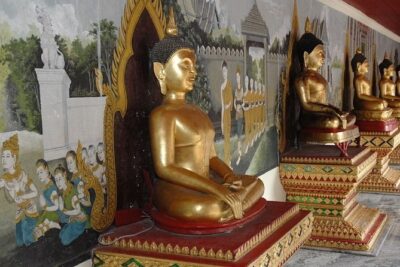
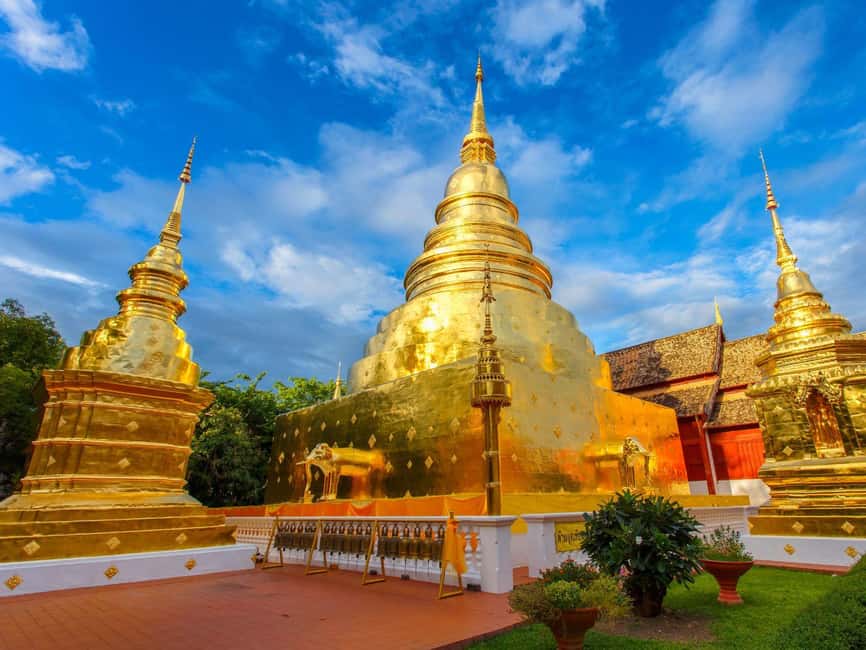
Next up is Wat Phra Singh, one of Chiang Mai’s most sacred temples. This stop is a highlight for people who love visual detail, because you’re looking at a mix of golden pagodas, traditional temple structures, and religious art meant to guide your attention.
What you’re looking for:
- The golden pagodas that mark the main sacred areas
- Ancient murals, which can be hard to interpret without help—so let your guide point out the story elements
- The Phra Buddha Sihing statue, a major symbol in Northern Thai Buddhism
The Phra Buddha Sihing connection matters because it links Wat Phra Singh to a wider religious world beyond just Chiang Mai. You’re not only seeing local culture; you’re seeing how Northern Thai Buddhism expresses reverence through key statues and sacred imagery.
Timing-wise, this is a strong “second stop” because you’ve warmed up to temple etiquette and now you can slow down a bit mentally. If you rush, you’ll miss the little visual cues—how gold highlights certain parts of the complex, how mural scenes are arranged, and what parts of the site draw worshippers most.
If you want the best experience, keep your phone away for a moment. Look first, then photograph. It sounds simple, but it makes a big difference at temples like this.
Wat Sri Suphan Silver Temple: Craftwork You Can’t Fake
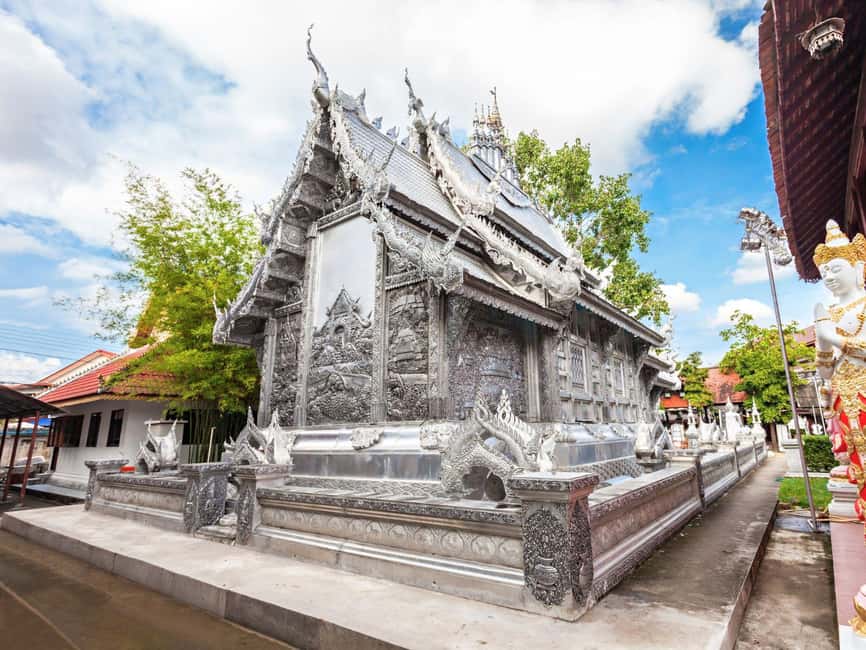
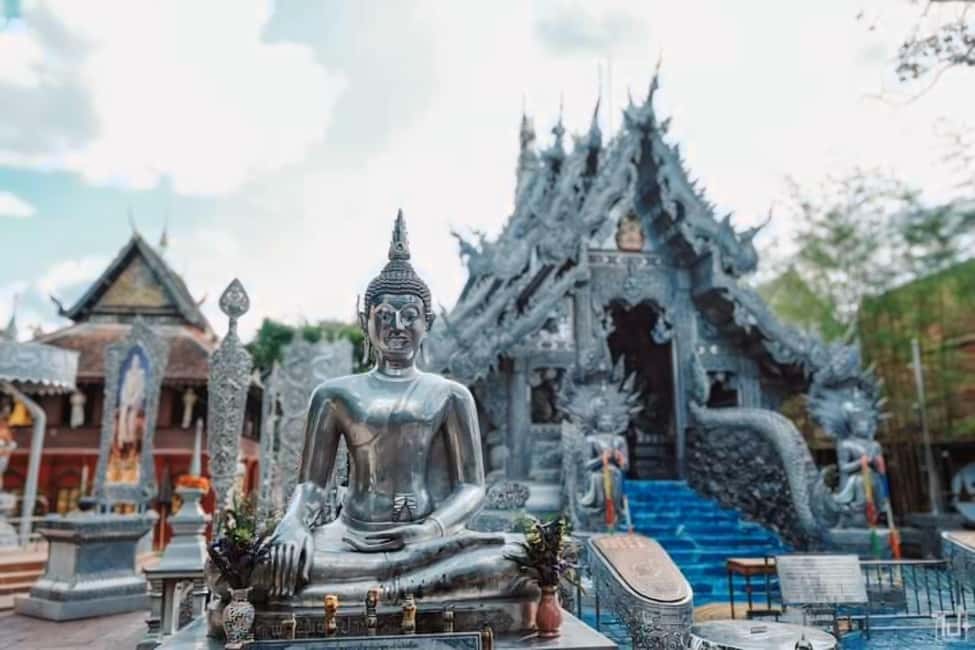
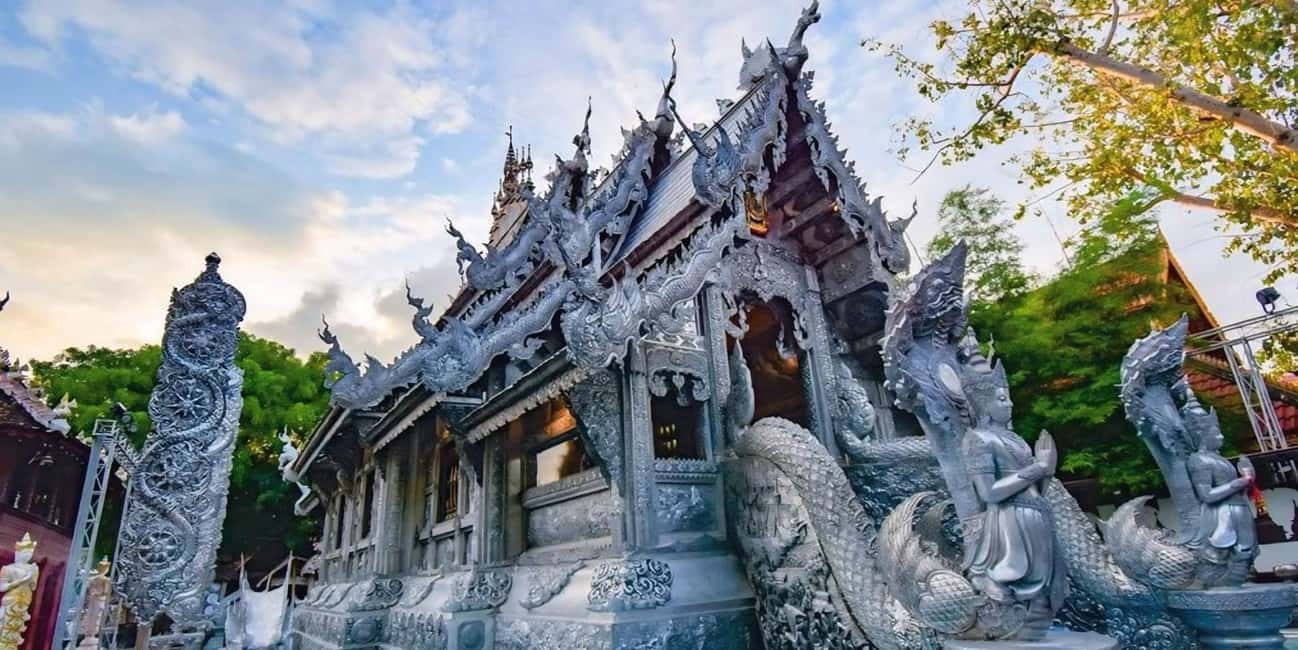
Then comes the reason many people book this route: Wat Sri Suphan, also called the Silver Temple. This is where you’ll notice that “silver temple” isn’t a marketing nickname. The handcrafted silverwork is detailed in a way that makes you stop moving.
The silver decoration shows traditional Lanna artistry and Buddhist symbolism. Even when you don’t catch every visual reference, you can still appreciate the craftsmanship—patterns, reflections, and ornament placement that’s clearly meant for both worship and storytelling.
One heads-up from real-world practicalities: some temple interiors have gender-based access limits in certain areas. The silver temple interior is one of the spots where women may not be allowed inside, but you can typically still see outside the silverwork. Plan your mindset around exterior viewing too. That way you don’t feel stressed if you’re asked to wait or watch from another point.
This is also the stop where your guide can add a lot. Guides who know how to point out the symbolism can turn “pretty decorations” into “oh, that’s the message.” With English guides like Mosquito or Magie / Margareth (based on past guest experiences), the temple details tend to land better.
Long Neck Village (Karen Padaung): Weaving, Living Culture, and Artisan Support
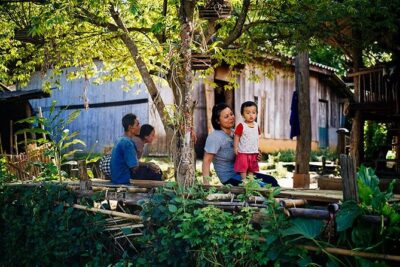
You finish at the Karen Padaung Long Neck Village. This is the cultural contrast to the temple loop, and it’s the part of the tour where you can shift from “architecture appreciation” to human stories.
What you’re there to learn and see:
- The traditions of the Karen Padaung people
- Weaving techniques, including how traditional textile work is carried out
- A chance to support local artisans, including buying items from the people working on crafts
This stop works best when you approach it respectfully. Yes, there’s the iconic look you might associate with long-neck traditions. But the real value is in understanding the daily skills, craft knowledge, and community economy tied to those practices.
Also, this is where bringing small money helps. The tour includes the entrance fees for the Karen Long Neck Village, but your purchases are personal. Some places may not accept credit cards, so bring cash.
One more practical note: you’ll be wearing temple-appropriate coverage all day. That’s fine, but bring comfortable layers. It can get warm in Chiang Mai, and you’ll want to stay comfortable during the cultural portion.
Price and Temple Fees: What $22 Covers, and What Might Cost Extra
The advertised price is $22 per person for a 4-hour guided tour, including:
- Transportation by red Songthaew
- An English-speaking guide
- Entrance fees for the Karen Long Neck Village
- An opportunity to support local artisans
The “value” here is less about getting everything for cheap and more about getting a guided, time-efficient route between major sites. In a city like Chiang Mai, that shortcut has real worth.
But here’s the consideration you should plan for: some temple entrances may have additional fees on the ground. In past experiences, three temples were noted as not included in the starting price, at about 50 baht per temple. That’s not a huge amount, but it’s enough to make the difference between feeling prepared and feeling annoyed mid-tour.
So I recommend you do two things:
- Bring enough small cash for any extra temple entrance fees
- Keep some spare money for personal spending and souvenirs
If you dislike surprises, this matters. If you’re okay with small add-ons as long as the guide keeps things smooth, this tour still looks like good value.



What to Wear and Bring: The Small Stuff That Makes the Day Easy
For this tour, the big “things that matter” are simple.
Wear
- Comfortable clothes
- Shoulders and knees covered for temples
This isn’t just rule-following. Covered skin makes the visit feel easier with staff and less likely to trigger delays.
Bring
- Cash (not every place takes credit cards)
- Comfortable shoes
If you’re prone to travel-day headaches, pack water and plan for sun. Meals and beverages aren’t included, so you’ll handle that yourself before or after the tour.
Also note the practical limitations: this tour isn’t listed as suitable for wheelchair users, and it’s not recommended for people with back problems or pregnancy. Even if the stops are close, temple compounds typically involve uneven ground and stair sections.
One more “small hack”: keep your phone charged. You’ll want photos at Wat Sri Suphan and for village scenes, but you’ll also want to use directions and payment apps only if you’re sure card acceptance is available.
Who This Tour Is Really For (and Who Should Skip It)
This is best for you if you want:
- A tight Chiang Mai introduction without planning a temple circuit yourself
- A mix of Lanna temple architecture and a cultural craft-based stop
- A guided visit where the meaning behind statues and murals is explained in plain terms
You’ll also enjoy it if you like to shop a little, especially ethically: the Karen Padaung stop is tied to artisan support, not just random souvenir booths.
Skip this tour if you:
- Need a fully accessible route (wheelchair users aren’t catered to)
- Have mobility or back limitations that make uneven ground difficult
- Prefer a slow, sit-down day. This is a move-along itinerary.
If you’re traveling with the right expectations, you’ll come away with three major Chiang Mai temples plus one of the city’s more culturally focused stops, all in a single afternoon.
Should You Book: Long Neck Village + Silver Temple + Chiang Mai Top Sites
I’d book this tour if you want an efficient “best of” day that doesn’t feel like a rushed photo sprint. The strongest reasons are the combo: Wat Chedi Luang for stupa context, Wat Phra Singh for golden temple symbolism and key statues, Wat Sri Suphan for silverwork you can actually see up close, and the Karen Padaung Long Neck Village where weaving and artisan buying tie the experience together.
Book it with eyes open if you dislike extra costs or you’re picky about interior access rules. Have cash ready for possible temple entrance fees, and don’t assume every temple interior area is accessible to everyone.
If you’re the kind of traveler who enjoys learning why a place matters—not just what it looks like—this one is a solid fit.
FAQ

How long is the tour?
The tour duration is 4 hours.
What is included in the price?
Transportation by traditional red Songthaew, an English-speaking guide, entrance fees for the Karen Long Neck Village, and the chance to support local artisans are included.
Where is the pickup, and what if my hotel is outside the pickup area?
Pickup is included from hotels/accommodations in the old city of Chiang Mai or just outside the city center. If your place is outside the pickup area, the meeting point is in front of Burger King at Thapae Gate.
Do I need to bring cash?
Yes. You should bring cash for personal expenses since not all places accept credit cards.
Is the Long Neck Village entrance fee included?
Yes. Entrance fees for the Karen Long Neck Village are included.
Is there a dress code for the temples?
Yes. Shoulders and knees need to be covered because temples are sacred places.
Is this tour wheelchair accessible?
No. It is not suitable for wheelchair users, and it’s also not suitable for people with back problems or pregnant women.