REVIEW · CHIANG MAI
Half-Day Elephant Experience at Rantong
Book on Viator →Operated by Ran-Tong Save & Rescue Elephant Centre · Bookable on Viator
Elephants and rescue care in a half-day block. This Ran-Tong experience is built around close, calm interaction, with small-group attention and hotel pickup that keeps your morning (or afternoon) stress-free. One thing to watch: the drive into the countryside takes time, and rides can feel cramped or rough depending on your van.
Pick a morning or afternoon start and you’ll head out from Chiang Mai city to the Ran-Tong Save & Rescue Elephant Centre in Mae Taeng District. Once you arrive, you’ll change into Mahout-style Karen clothing, then get into an elephant-focused “school” moment: what the centre does, how elephants live day-to-day, and how they’re cared for. The best part is that you’re not just watching—you’re learning and participating.
Guides like Seven, Rambo, Nikon, and Oh-Oh show up in the feedback as big reasons the day feels personal. It’s also widely described as ethical and clean, with no elephant riding and plenty of space for elephants to set their own pace. If you’re prone to motion sickness or you hate being jostled in traffic, plan for a little discomfort on the road.
In This Review
- Key moments I’d circle before you go
- Ran-Tong Save & Rescue: why this half-day feels worth it
- Pickup from Chiang Mai: the road time is real
- Karen clothing and elephant-school basics: what happens when you arrive
- Feeding and walking: close contact without forcing the moment
- Bath time in a more natural setting: bring the right stuff
- The Thai meal break: lunch or dinner that actually satisfies
- Guides make the day: Seven, Rambo, Nikon, and Oh-Oh
- Price and value: is $58.70 a fair deal?
- Who this experience suits (and who should think twice)
- Should you book Ran-Tong’s half-day elephant experience?
- FAQ
- How long is the Half-Day Elephant Experience at Rantong?
- Do they pick me up from my hotel in Chiang Mai?
- What time should I choose, morning or afternoon?
- How many people are in the group?
- What activities are included with the elephants?
- What should I bring for the trip?
- Is there free cancellation?
Key moments I’d circle before you go
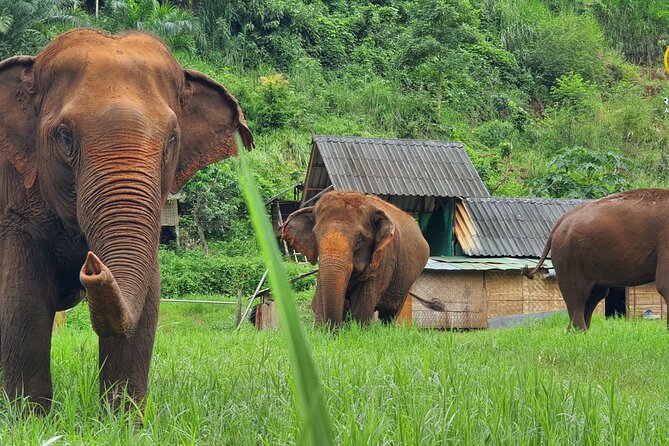
- Small-group limit of 15 means more time with elephants and fewer people crowding your turn
- Hotel pickup and drop-off saves you from the usual “where do we meet” scramble
- You make elephant vitamins (including care for pregnant, injured, and older elephants)
- Feeding, walking, and bath time are hands-on, with clear instructions so it stays calm
- Thai meal plus seasonal fruit ends the session on a satisfying note
Ran-Tong Save & Rescue: why this half-day feels worth it
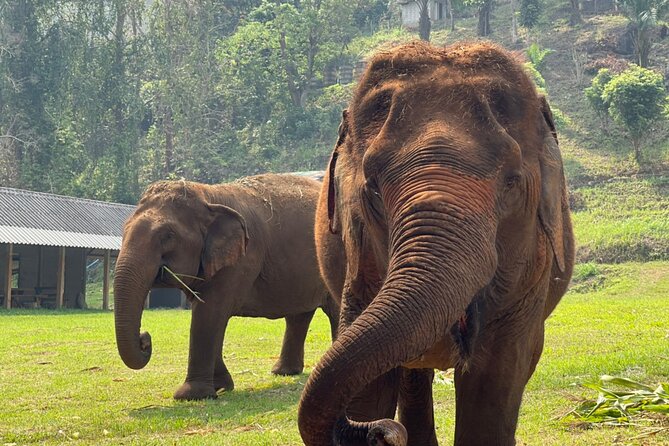
This is one of those tours that makes sense if you’re short on time but still want real interaction. You leave Chiang Mai for a centre that focuses on rescue and rehabilitation, then you spend your time learning how the elephants are cared for. The half-day format matters because it’s long enough to feel like a full experience, but short enough that you won’t lose an entire day to logistics.
What I like most is the balance: you get hands-on moments like feeding and bathing, but the day also includes a structured “elephant school” part where you understand what you’re seeing. You’re not just taking photos. You’re learning why these activities exist and how the elephants’ routine is managed.
A second strong point is the group size. With a maximum of 15, you’re less likely to feel like you’re in a human conga line. That matters for elephant interactions because calm spacing keeps everything smoother.
You can also read our reviews of more tours and experiences in Chiang Mai



Pickup from Chiang Mai: the road time is real
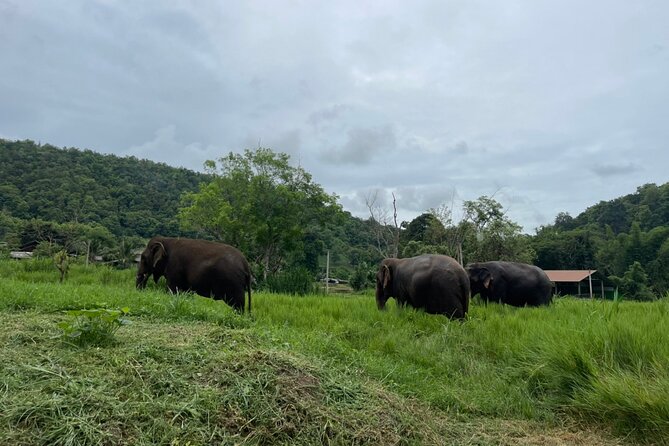
The tour runs about 5 hours total, and the drive to Ran-Tong is roughly an hour each way, give or take traffic. In practice, some people report the trip feels closer to 45 minutes, while others mention it can run longer. That variation is normal in Chiang Mai traffic, but it’s still something you should plan around.
Pickup is included from your hotel or accommodation in Chiang Mai city. For most people, that’s the best part of the logistics. No meeting point searching. No buses full of wrong turns. Just a driver and a schedule.
Now the drawback. A few reviews mention uncomfortable vans and rough driving. It doesn’t sound universal, but you should treat the ride as a consideration, not a guaranteed smooth transfer. If you’re tall, sensitive to motion, or you care a lot about comfort, I’d mentally prepare for a bumpy country road and pack accordingly (water, and maybe a light layer if air-con feels aggressive).
Karen clothing and elephant-school basics: what happens when you arrive
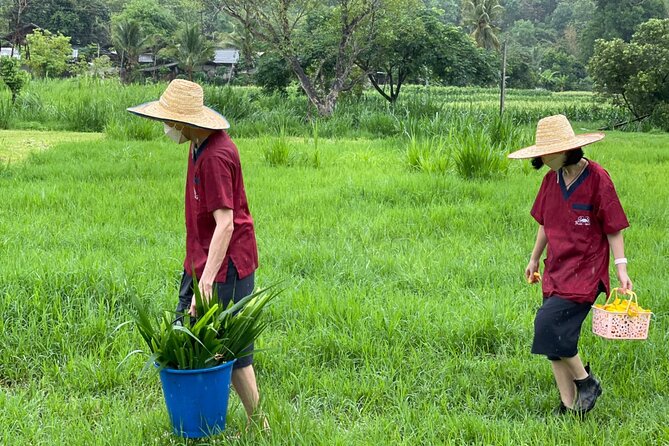
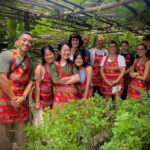
After arrival at Ran-Tong Save & Rescue Elephant Centre, you’ll switch into Mahout-style Karen clothing. This isn’t just for the photos. It signals you’re entering the centre’s structured routine, and it helps you feel like part of the day instead of an outside spectator.
Then you start the elephant school. This is where the day shifts from activity to understanding. You’ll learn what the centre does, and you’ll hear how rescued elephants are handled and supported in day-to-day care. The goal here is not to overwhelm you with facts; it’s to give you the context to make sense of what you’ll do next.
One of the most specific, standout parts of the program is preparing vitamins for elephants. That includes care for pregnant elephants, injured elephants, and older elephants. You might not realize before a visit that a sanctuary needs different kinds of care depending on the elephant’s life stage and health. This is one of the clearest ways the tour connects your hands-on participation to real animal welfare.
Feeding and walking: close contact without forcing the moment
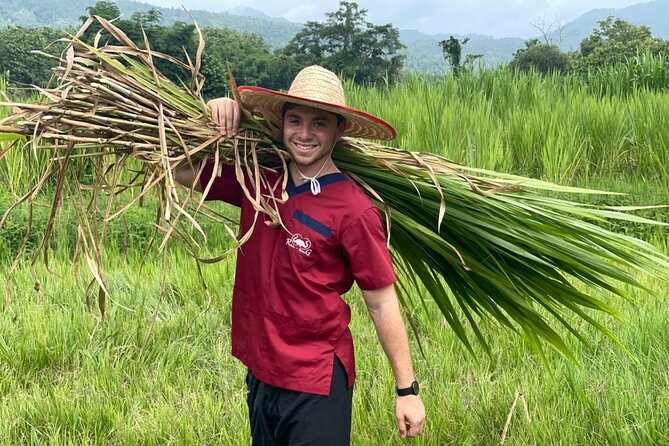
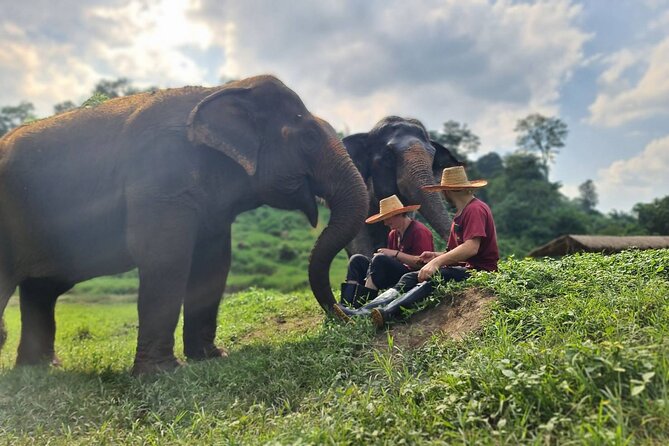
Your interaction time includes meeting the elephants, walking with them, and taking part in activities like feeding. The key word is guided, not pressured. The best feedback repeatedly emphasizes that elephants aren’t made to perform. Instead, you’re given instructions and then the elephants move at their own comfort level.
During feeding, expect clear guidance on how to approach, how to hold food, and what to do to keep it calm for both you and the elephants. This is where the small group size helps again: you get time to learn the rules, then you actually have a chance to do it without feeling rushed.
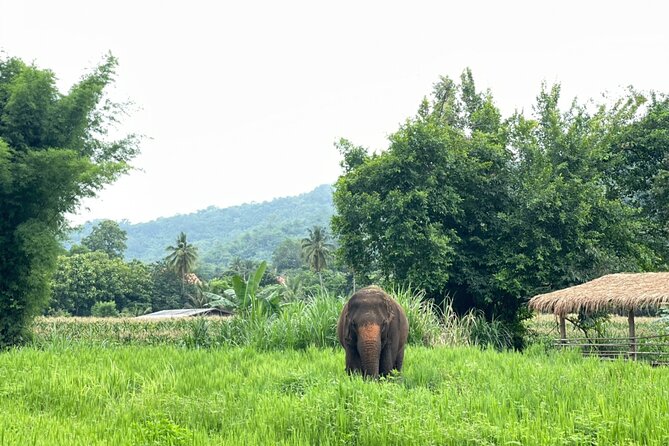
Walking with elephants can sound like a simple photo op, but in this setting it’s more about observing how they behave and how caretakers manage interactions. You’ll be watching elephants in a setting closer to their habitat, not just in a tight performance area.
If you’re someone who worries about ethical practices, pay attention to how the tour is run. A lot of people highlight that the experience feels respectful and that elephants can opt out of interactions. That’s exactly what you want to look for in an ethical elephant day.
Bath time in a more natural setting: bring the right stuff
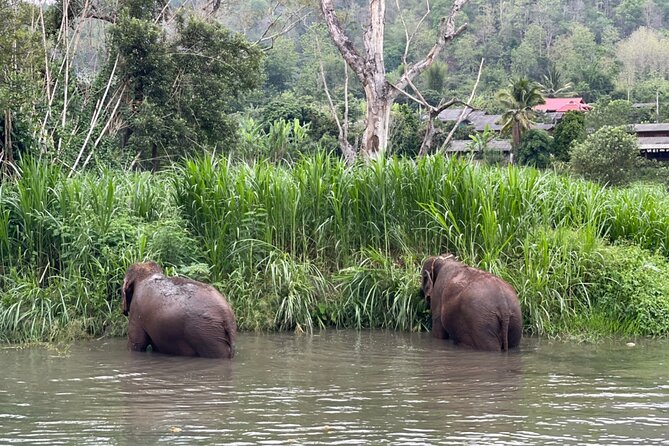
One of the biggest highlights is bath time. You’ll take a bath for the elephants, and you’ll also observe them in conditions close to their natural habitat. This is the moment most people remember because it’s active, wet, and genuinely impressive.
To do bath time comfortably, pack like a person who expects to get dirty:
- spare clothes (you will need them)
- comfortable shoes or sandals you don’t mind getting wet and dirty
- shampoo and soap
- insect repellent or mosquito spray
- a camera if you want photos (there’s no mention of it being provided)
Even if the centre provides some help with gear, don’t assume it solves everything. One review notes change of clothes and boots are provided, and another mentions shower space with towels and shower gel. That’s great news. Still, your best move is to bring your own hygiene basics so you’re never stuck.
Also, timing matters here. Bath time isn’t just splash play—it’s coordinated with the elephants’ routine and the day’s flow. If you’re nervous, start by watching how the caretakers work, then follow the guide’s instructions closely. You’ll feel more confident fast.




The Thai meal break: lunch or dinner that actually satisfies
After the elephant time comes a meal. You’ll have lunch or dinner with Thai food, seasonal fruits, and drinking water. The exact menu can vary by season and timing, but people describe it as tasty and plentiful.
One review specifically mentions pad Thai, and several comments praise the food as a real bonus rather than a rushed afterthought. For many half-day tours, the meal is small. Here, it’s part of the experience ending in a proper way—food, fruit, and water after you’ve been in the heat and wet.
If you have any dietary needs, you’ll want to check with the operator at booking time. The provided info only says Thai food with seasonal fruit and water, so the safest approach is to ask directly rather than guessing.
Guides make the day: Seven, Rambo, Nikon, and Oh-Oh
The elephants are the headline, but the guide is the difference between a good visit and a great one. Multiple names show up in the feedback: Seven, Rambo, Nikon, and Oh-Oh. People describe them as engaging, informative, and genuinely fun.
What you’re really buying with a guided program is translation. Elephants communicate with body language, movement, and timing, and without guidance it can be hard to know what you’re seeing. The better guides give you the “how to interact safely and calmly” part, plus the “what does this behavior mean” part.
Also, guides help you get photos and manage the pace of interactions. A few reviews call out photo support for solo travelers, which tells me staff pay attention to the details of the experience, not just the animal time.
Price and value: is $58.70 a fair deal?
At $58.70 per person, the price is not cheap. But it lines up with what you get for that money: transportation (hotel pickup and drop-off), a full half-day with a structured educational component, hands-on feeding and bath time, and a Thai meal with fruit and water.
Here’s why this can feel like value compared to many elephant options:
- You’re not paying extra for the core activities; feeding and bathing are included.
- The group limit to 15 supports a more personal pace.
- You get a practical clothing change and gear support for the wet part of the day.
- The ride is included, which is a hidden cost if you’d otherwise hire your own transport.
Is it perfect value for everyone? Not if you’re only looking for a quick photo stop or you really hate bumpy rides. But if you want a real half-day in an elephant rescue setting and you can handle getting wet, the price feels fair.
Who this experience suits (and who should think twice)
This tour says most travelers can participate, and the format is friendly for families in particular. The interactions are guided, and there are instructions throughout, which helps many first-timers.
You’ll likely enjoy it most if you:
- want an ethical, rescue-based elephant experience
- care about hands-on moments like feeding and bathing
- like structured guidance and small groups
- have a morning or afternoon free and want a compact plan
Think twice if you:
- get motion sick easily or hate cramped vans
- have a strong aversion to getting wet and dirty
- want a purely observational experience with zero participation
And if you’re the type who’s worried about safety or animal welfare, focus on the way the tour is run: clear instructions, calm spacing, and no pressure on elephants to act out of comfort.
Should you book Ran-Tong’s half-day elephant experience?
If you want a half-day in Chiang Mai that mixes learning with real interaction, this is a strong pick. I especially like the structure: pickup, a proper arrival routine (including changing into Mahout-style Karen clothes), hands-on activities tied to elephant care, bath time with preparation tips, and a Thai meal that keeps you from running hungry.
Book it if you’re okay with getting wet, you can handle a countryside drive, and you want a small-group day focused on rescued elephants rather than staged tricks. Skip it if comfort during transport is your top priority or you want something purely hands-off.
FAQ
How long is the Half-Day Elephant Experience at Rantong?
It runs for about 5 hours.
Do they pick me up from my hotel in Chiang Mai?
Yes. Hotel pickup and drop-off are included, so you do not need to find a meeting point.
What time should I choose, morning or afternoon?
You can choose a morning or an afternoon start time.
How many people are in the group?
The maximum group size is 15 travelers.
What activities are included with the elephants?
You’ll meet the elephants, walk with them, take a bath for them, and observe them in conditions close to their natural habitat. You also learn about the centre and help make vitamins for the elephants.
What should I bring for the trip?
Bring spare clothes, comfortable shoes (or sandals you don’t mind getting wet and dirty), shampoo and soap, a camera, and mosquito spray or insect repellent.
Is there free cancellation?
Yes. You can cancel up to 24 hours in advance for a full refund.