REVIEW · CHIANG MAI
Meditation Retreat and Self-Care in Nature
Book on Viator →Operated by Meditation & Yoga in Chiang Mai · Bookable on Viator
Slow down in Chiang Mai’s green calm. This 3-hour meditation and self-care session is interesting because you practice mindful walking and guided sitting in nature, with Amori’s clear instruction to help you find inner calm. One note: private transport isn’t included, so you’ll likely need a taxi to get to the Doi Saket meeting point.
I like that the session is built around the here and now, then ends with a quiet tea or coffee break in a garden—so the calm isn’t just theoretical. You’ll also be in a small group (max 5), which keeps things personal, especially if you’re new. The main tradeoff is the format is short, so if you want a full day-long retreat vibe, you may leave wanting more.
In This Review
- Key things that make this retreat work
- Chiang Mai’s quiet reset starts in Doi Saket
- Mindful walking and guided sitting in nature
- Gentle yoga or stretching, adapted to you
- Tea or coffee in a garden: the calm finish line
- Why this feels like self-care, not just a class
- Group size and timing: realistic expectations for 3 hours
- Price and value: what $47.20 actually buys
- Logistics that matter: meeting point, getting there, and what to wear
- Who should book this retreat in Chiang Mai?
- Who might want to skip it?
- Should you book this meditation and self-care session?
- FAQ
- Where does the retreat start and end?
- What time does the experience begin?
- How long is the meditation and self-care retreat?
- What’s included in the $47.20 price?
- Do I need to arrange my own transportation?
- What kind of meditation and movement is practiced?
- Is there a fitness requirement?
- How many people are in the group?
- Can I cancel and get a full refund?
Key things that make this retreat work
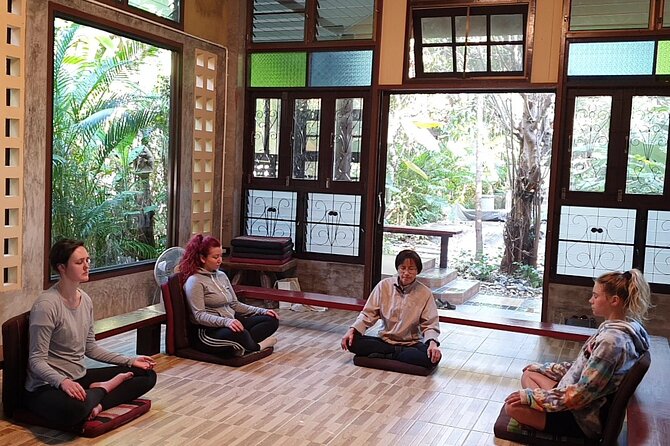
- Mindful walking first, sitting second to help your mind settle through movement
- Amori’s guided approach that explains the practice as you go
- Yoga or gentle stretching, adapted to your body
- Garden tea or coffee that turns relaxation into a real finish line
- Small group size (up to 5) for less waiting and more attention
Chiang Mai’s quiet reset starts in Doi Saket
This experience is set in the Doi Saket District area, outside the busiest parts of Chiang Mai city. The meeting point is at Doi Saket District, Chiang Mai 50220, and the activity ends back at that same point. Start time is 3:30 pm, so you’re going in at a sweet hour—late afternoon light, less harsh heat than midday, and a natural lead-in to slowing down.
The big practical thing for you: private transportation is not included. That means the success of your afternoon will depend on how you plan your ride. If you’re staying in town, you’ll want to assume a taxi is part of the plan and budget for it. The upside is that the retreat itself stays simple and focused—three hours in a small group, then you’re done.
Because the session is short, think of it as a reset button during your Chiang Mai stay, not a replacement for multiple nights of rest. The retreat’s own promise is re-balancing body and mind, and you do feel that it’s designed to make your later evening better, not just give you one hour of calm and then send you back stressed.
You can also read our reviews of more tours and experiences in Chiang Mai.



Mindful walking and guided sitting in nature
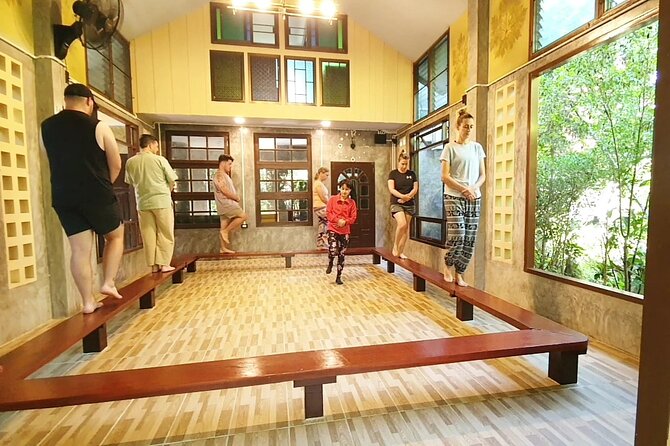
The core practice has two parts: mindful walking and guided sitting meditation, both done amongst nature. That order matters. Walking gives you something concrete to do right away—notice your steps, notice where your attention lands, and slowly stop chasing thoughts as if they’re urgent emergencies.
Then comes guided sitting meditation. This is where you learn how to settle rather than just try harder. The retreat emphasizes being present in the here and now, so the instruction is meant to help you return to your breath or your awareness when the mind wanders. In the best moments, you’ll notice you’re not fighting your thoughts—you’re simply turning your attention back to what’s happening.
This is also where you get value if you’re the type who wants an explanation, not just a “do this” command. One of the strongest themes in the feedback is that Amori provides extensive explanations of the practice itself. That tends to be the difference between a meditation session you half-understand and one you can actually carry home.
If you’ve tried meditation before and felt lost, the guided structure here is likely to feel supportive. If you’re brand-new, you’ll still be fine because the session is framed as learning—walking meditation, then sitting meditation—so you’re not thrown into the deep end.
Gentle yoga or stretching, adapted to you
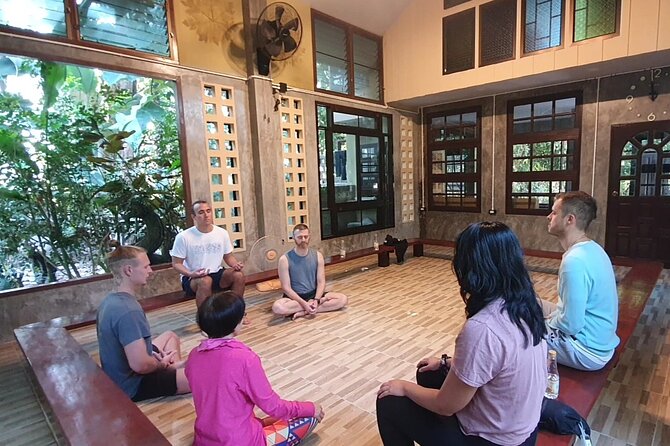
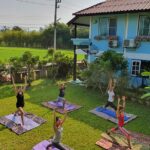
After meditation, you’ll practice yoga or gentle stretches. The key detail: yoga is adapted to practitioners. That’s important in Thailand, where retreats can sometimes lean toward one “standard” form. Here, the promise is that your practice should fit you, not the other way around.
What that means for you practically:
- If you’re stiff, this is a chance to move without pushing.
- If you’re flexible, you still benefit from breath-led movement and gentle alignment.
- If you’re cautious about your body, you have permission to go slowly and make the practice work safely.
The retreat asks for a moderate physical fitness level. You don’t need to be athletic, but you should be comfortable walking outdoors and doing light movement. Also, you’ll want to arrive feeling reasonably mobile—this isn’t a chair-only session.
The good news is that yoga here functions as self-care, not a performance. You’re using movement to loosen up, then returning attention to the present. For many people, that combination leads to that feel-better outcome: less stiffness, more body awareness, and a calmer mind.
Tea or coffee in a garden: the calm finish line
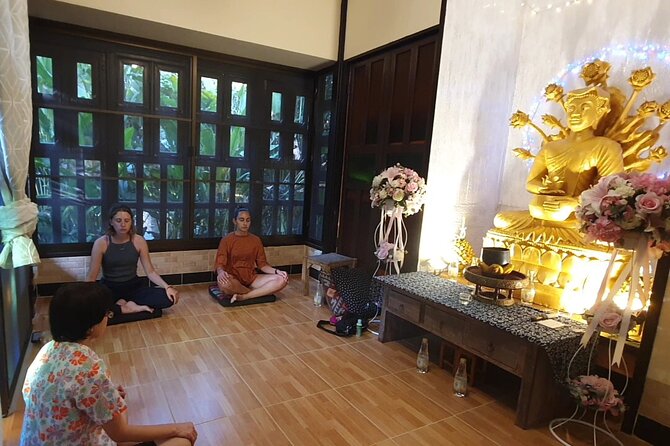
After the practice and a bit of time in nature, you’ll have a cup of tea or coffee in a beautiful garden. Snacks are included along with the drink. This part sounds simple, but it’s actually smart pacing.
A lot of meditation experiences stop right when you’re starting to feel less tense. This one gives you a gentle landing. Sitting with a warm drink helps you keep the shift going—your body relaxes, your mind slows down, and you’re not immediately back in motion.
It also gives you a natural moment to notice what you gained. Are you clearer? Are you more grounded? Do you feel less frayed around the edges? The retreat’s own description notes that after practice and exploring nature, you may already feel more energetic and clearer minded. That’s the kind of payoff that makes a short retreat worth it.
And yes, you get real included comfort items: cushions and a yoga mat. So you’re not scrambling to improvise gear while trying to relax.
Why this feels like self-care, not just a class
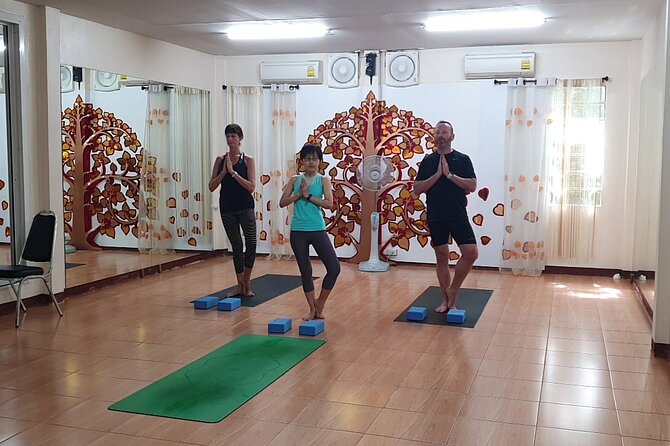
What makes this retreat different from an off-the-shelf yoga class is the structure. You’re not only stretching your body—you’re training attention.
Here’s the rhythm:
1) mindful walking to settle through movement
2) guided sitting to teach you how to focus and return
3) gentle yoga or stretching to rebalance
4) tea or coffee to cool down and integrate
That’s a self-care loop. It helps you come away with more than soreness relief. It gives you a way to handle mental chaos by practicing the return to the present, even if your day is messy.
One of the standout themes in the feedback is that people left with more to think about, plus a better understanding of the practice itself. That tells me the instruction is more than spiritual pep talk. It’s practical—like the difference between hearing a mindfulness buzzword and actually learning what to do with your attention when it wanders.
If you’re the type who wants calm but also wants to know what you’re doing, this is a good match.



Group size and timing: realistic expectations for 3 hours
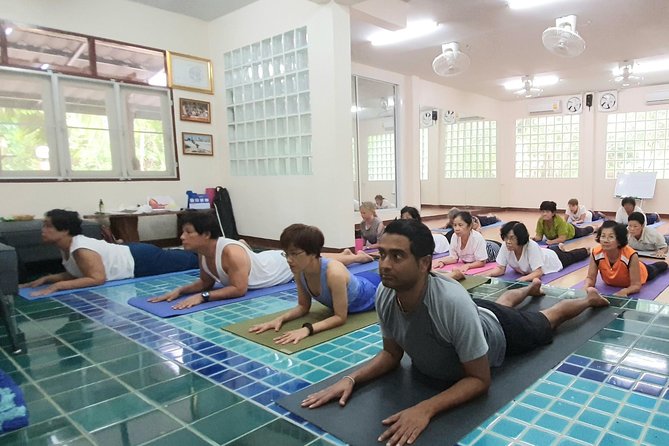
This experience runs about 3 hours and keeps the group to a maximum of 5 travelers. That small cap matters. In bigger groups, beginners can feel lost, and teachers spend more time checking everyone and less time explaining. Here, you’re more likely to get personal guidance and smoother transitions between walking, sitting, and stretching.
The start time—3:30 pm—also affects your experience. You’re not starting at dawn with a forced schedule. You’re starting in a part of the day that naturally supports slowing down. Expect the afternoon to feel like a deliberate break from your routine.
The short duration is the other side of the coin. If you want a full retreat experience with hours and hours of practice, you might feel it’s brief. But if your goal is to restore your mind during your Chiang Mai stay and leave with tools you can repeat, this length is a strength. It’s easy to fit into a travel plan without eating your whole day.
Price and value: what $47.20 actually buys
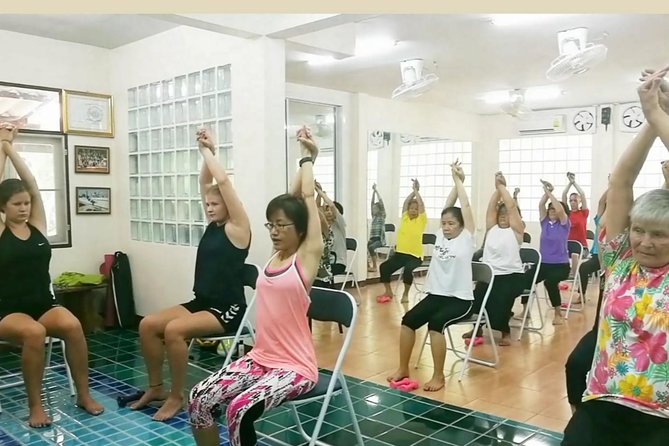
At $47.20 per person, this is priced like a focused guided session rather than a multi-day package. The value comes from what’s included and how the time is organized.
You get:
- cushions and a yoga mat
- coffee and/or tea plus snacks
- guided mindful walking and guided sitting meditation
- yoga or gentle stretching adapted to you
What you don’t get is private transportation. That’s the main cost you may add, depending on where you’re staying.
So the real value calculation looks like this: you’re paying for guided practice, included comfort gear, and a calm end-of-session ritual. If you’ve ever paid for a class and then realized you forgot half of what you were supposed to do, the inclusion of explanations and a guided flow is often what makes the session feel worth it.
Also, in a small group, your time with the teacher matters. That’s part of why the $47.20 can feel more reasonable than it first appears.
Logistics that matter: meeting point, getting there, and what to wear
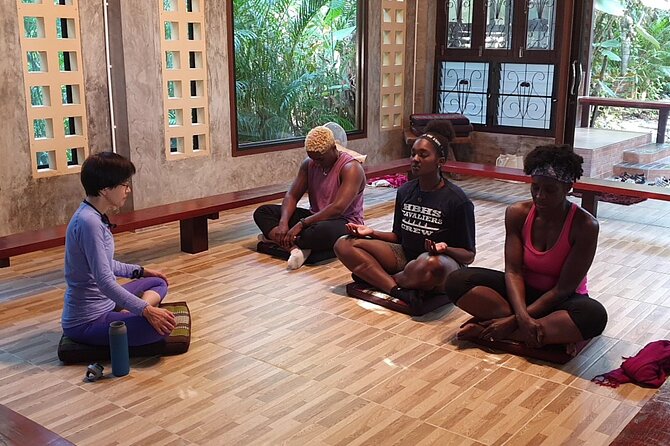
This tour starts in Doi Saket District and ends back at the meeting point. You’ll use a mobile ticket. Service animals are allowed, and the activity is designed for travelers with a moderate physical fitness level.
For you, the practical success factors are:
- Plan your transport ahead of time since private transportation isn’t included.
- Wear comfortable clothes you can move in for mindful walking and gentle yoga or stretching.
- Bring a calm attitude. This type of practice works best when you let the schedule guide you instead of rushing to get results.
If you’re thinking about scheduling, treat the session like a gentle reset before a relaxed evening. The tea or coffee break isn’t an afterthought—it’s part of how you absorb the session.
Who should book this retreat in Chiang Mai?
This is a great fit if you:
- want a beginner-friendly entry into meditation with guided structure
- feel stiff and want gentle movement that supports the mind
- like the idea of nature-based practice without a full-day commitment
- prefer small groups (max 5) over a crowded class
- want a calm Thai-cultural-feeling experience connected to wellbeing
The strongest promise here is practical inner calm. People also mention feeling more alive, less stiff, and more in tune after the session—exactly the kind of outcomes that suggest you’ll walk away feeling better physically and mentally.
Who might want to skip it?
You might skip this if:
- you need transportation included in the price
- you want a longer, multi-day retreat structure
- you’re looking for intense yoga rather than gentle stretching adapted to you
- you have very limited mobility and aren’t comfortable with moderate physical fitness requirements
For most people, the format is manageable. But it’s still a walking-and-stretching experience, so honesty with yourself is key.
Should you book this meditation and self-care session?
Yes, you should book it if you want a short, guided way to reset in nature in Chiang Mai, with real instruction and a calm landing at the end. The small group size, included mat and cushion, and the guided sequence from mindful walking to sitting meditation to gentle movement make it a smart value.
If you’re planning based on logistics, build in a taxi or ride plan since private transportation isn’t included. And if you’re craving a big, all-day retreat, treat this as a first step—then consider adding a couple nights in Chiang Mai to keep the calm going.
If you match that mindset—slow down, learn a practice you can repeat, and let the garden tea be your finish line—this is the kind of experience that can genuinely change how your next days feel.
FAQ
Where does the retreat start and end?
It starts in Doi Saket District, Chiang Mai 50220, Thailand, and ends back at the same meeting point.
What time does the experience begin?
Start time is 3:30 pm.
How long is the meditation and self-care retreat?
It lasts about 3 hours.
What’s included in the $47.20 price?
You get cushions and a yoga mat, plus coffee and/or tea and snacks.
Do I need to arrange my own transportation?
Yes. Private transportation is not included.
What kind of meditation and movement is practiced?
You learn mindful walking and guided sitting meditation, followed by yoga or gentle stretches adapted to practitioners.
Is there a fitness requirement?
Yes. Travelers should have a moderate physical fitness level.
How many people are in the group?
The experience has a maximum of 5 travelers.
Can I cancel and get a full refund?
Free cancellation is available. You can cancel up to 24 hours in advance of the experience start time for a full refund.