REVIEW · CHIANG MAI
2-Day Kindred Spirit Elephant Sanctuary in Chiang Mai
Book on Viator →Operated by Kindred Spirit Elephant Sanctuary · Bookable on Viator
Elephants and Karen culture in two calm days. This two-day sanctuary-style visit pairs free-roaming elephant time with a night in a real hill-tribe home area, not a theme setup. You’ll drive through the Doi Inthanon region, stop in Mae Chaem for lunch, and spend your second day hiking and learning in the forest environment.
I love the way you’re not just watching from a distance. The day-two jungle hike beside the elephants gives you a sense of how they move and behave when people aren’t “performing” for them. I also really liked the human side of the trip—cooking with a host family and learning basket weaving from a village elder makes this feel like a shared day, not a quick photo stop.
One thing to keep in mind: the outing includes moderate hiking and an early start on day two, plus modest dress rules (cover knees and shoulders) during the stay. If you’re hoping for a fully hands-off, low-walking experience, this may feel more active than you expected.
In This Review
- Key highlights to expect
- Road to Doi Inthanon: The Mae Chaem Market Break
- Karen Village Life: Cooking Class and Basket Weaving
- Homestay Night: Basic, Clean, and Community-Focused
- Forest Morning with the Elephants: Watching Natural Behavior
- Jungle Picnic Lunch and the Trip Back to Chiang Mai
- How Ethical Elephant Sanctuaries Work (and What to Ask)
- Price and What You Get for $216.51
- Pace, Packing, and Who This Trip Fits
- Should You Book This 2-Day Elephant and Karen Experience?
- FAQ
- What time does the tour start?
- Where do I meet for pickup?
- How long is the experience?
- Is round-trip transport included?
- How large is the group?
- Is the accommodation a hotel?
- What should I wear?
- Is there a vegetarian meal option?
- What meals are included?
- Is there moderate hiking?
- What happens if I cancel?
Key highlights to expect
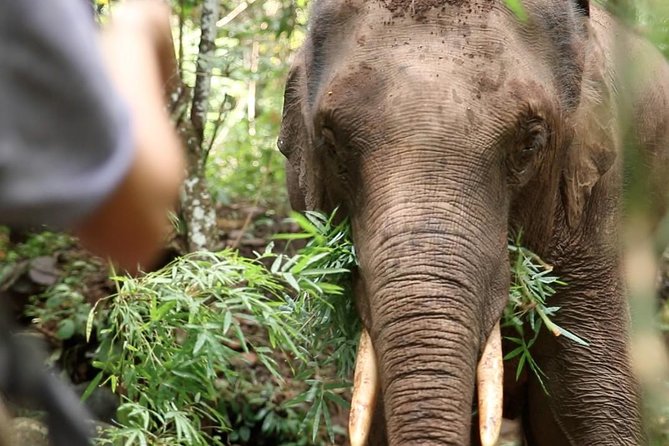
- Jungle hike with elephants in their natural roaming environment, with an expert guide explaining what you’re seeing
- Karen village homestay night in a family home setting, with dinner and breakfast included
- Hands-on cooking and basket weaving taught by people from the village
- Forest lunch (picnic-style) taken in the jungle area during the elephant day
- Small group format (max 15) plus round-trip pickup from the Chiang Mai area
Road to Doi Inthanon: The Mae Chaem Market Break
You start the day at 9:00 am with pickup from the Chiang Mai meeting point area, then head out by private vehicle with a local driver/guide. The drive takes you through the Doi Inthanon national park region—think “mountain road” scenery and cooling air when the elevation kicks in.
The first stop is Mae Chaem Market, where you’ll have about 45 minutes for lunch. The pace here is practical: quick fuel, quick browse if you feel like it, then back into the truck to continue on. This matters because day one later has activities that run long enough that you’ll be glad you ate before the village arrival.
A small note on mindset: the schedule moves by car, so your day has that “travel morning, then hands-on afternoon” rhythm. If you tend to get travel-jitters, you can settle in early—bring water, keep your phone charged, and use the market stop to handle any last-minute needs.
You can also read our reviews of more tours and experiences in Chiang Mai



Karen Village Life: Cooking Class and Basket Weaving
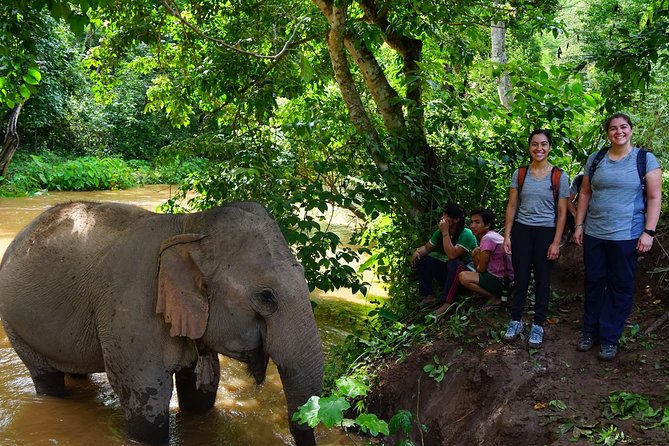
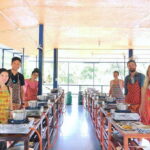
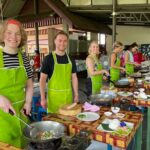
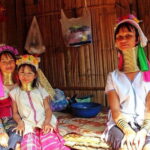
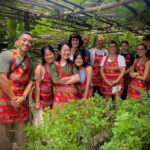
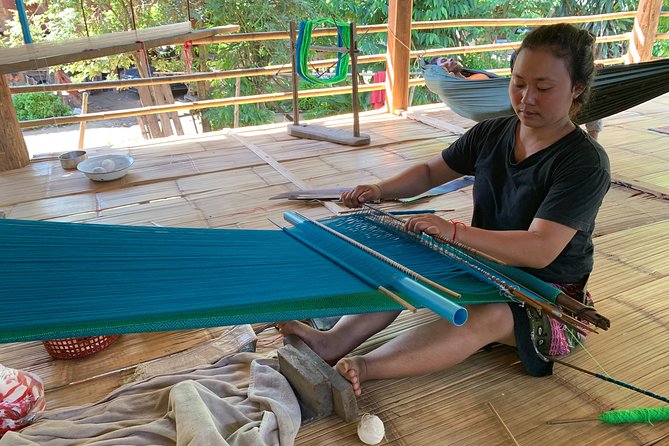
Once you reach the village and sanctuary area, you meet your homestay family and the team there. Day one is built around cultural exchange: you cook with your hosts and learn traditional handicrafts—specifically basket weaving—with help from a village elder.
I like this part because it’s not performance-based. You’re joining normal daily skills: chopping, tasting, rolling, mixing, learning the rhythm of how they prepare food, then switching gears to weaving techniques. Even if you don’t consider yourself “crafty,” you’ll likely finish with a small, satisfying sense of accomplishment.
And because the cooking and weaving are taught inside a real community context, you should go in with a respectful attitude. Keep your questions simple and sincere. Ask how ingredients are chosen or what the weaving is used for. This kind of curiosity usually earns better answers than a checklist style of questioning.
From the practical side, you’ll want clothes you can move in during hands-on work. Also, remember the dress rule: modest clothing covering knees and shoulders is required during your stay in the village.
Homestay Night: Basic, Clean, and Community-Focused
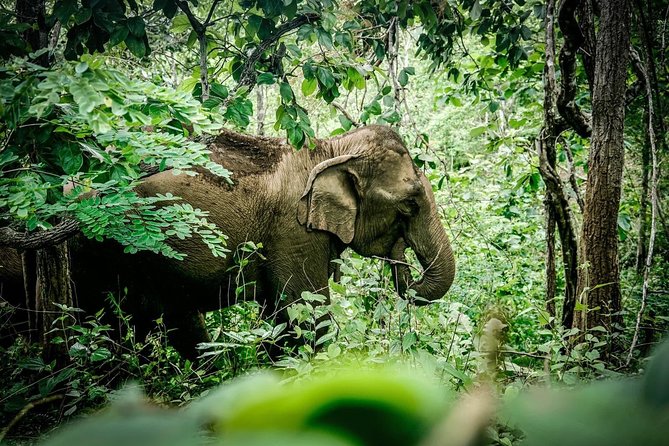
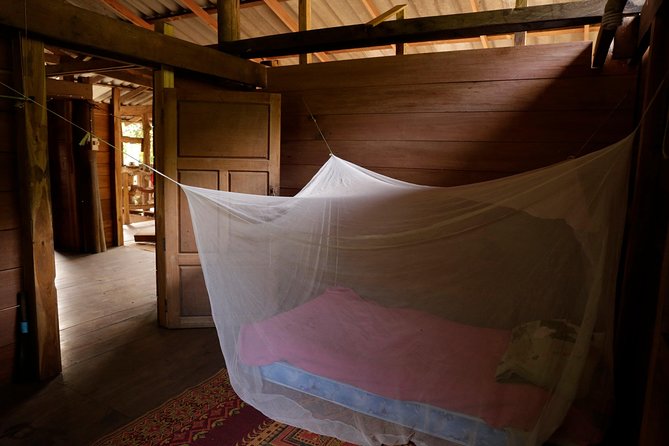
Your overnight is in a homestay within the Karen village area. This is the “real life” part of the trip, and the best way to handle it is to set expectations early. One review highlighted that accommodations are basic but very clean and comfortable, and that the food is good. That combination—clean and comfortable, not luxury—sets the tone for a respectful, community-centered experience.
You’ll have dinner at the homestay and breakfast the next morning included, so you’re not scrambling for meals. You’ll also spend the evening immersed in how a family home runs: the slower pace, the shared space, and the way volunteers and staff fit into daily life.
Here’s the drawback angle: if you’re used to predictable hotel routines—hot showers at all times, quiet walls, and perfectly private space—homestays can feel a bit different. It’s usually manageable if you’re mentally prepared. If you want a purely low-effort overnight, you may find this portion more “different” than expected.
Forest Morning with the Elephants: Watching Natural Behavior
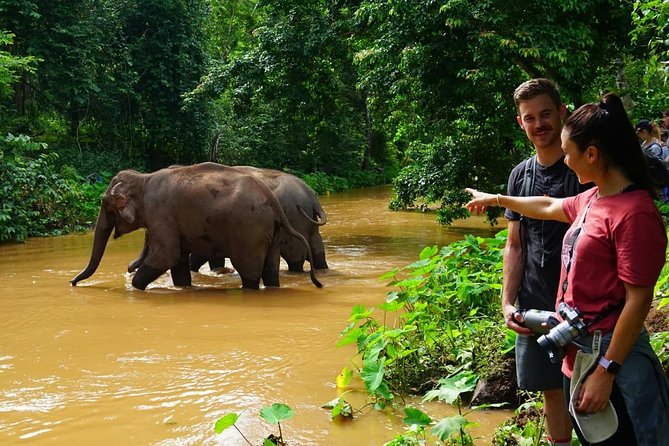
Day two starts early. You’ll wake up and head out to hike in the forest to find the elephants. Then you’ll spend all morning and afternoon observing them, learning from an expert guide, and understanding elephant behavior in a way that feels grounded in ecology rather than staged entertainment.
I really appreciate how this part is framed around time and observation. Elephants don’t rush through a day because you’re on a schedule. If you can slow down your expectations—no guaranteed “tricks,” no “instant show”—you’ll probably get more out of the experience. Look for small cues: how they move through the vegetation, how groups space themselves, and how the guide connects behavior to environment and routines.
The hiking is part of the day, and it’s described as moderate. That can mean uneven ground, forest paths, and some steady walking. Wear shoes you trust. This is one place where good footwear beats packing optimism every time.
Also, take in the fact that the sanctuary is described as non-profit and home to rescued and retired elephants. The value here isn’t just the animals; it’s the attempt to provide a safer, natural-roaming life rather than an attraction model.
Jungle Picnic Lunch and the Trip Back to Chiang Mai
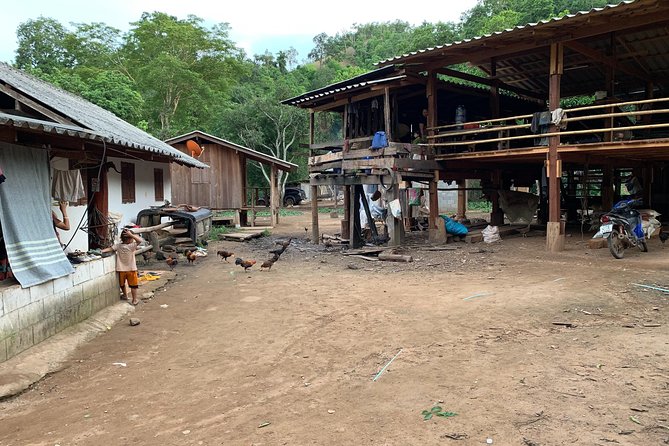
You’ll have lunch in the forest with the elephants. Practically, this is a relief: you don’t have to manage meal hunting during the longest “elephant day” portion. The trip includes lunch twice total, and this second lunch is a picnic-style moment in the jungle area.
After that, you return to Chiang Mai in the afternoon. The end result is that your second day has two layers: first, long elephant time, then a calmer travel finish. If you’re the type who likes to decompress after a big activity day, this structure helps.
One small thought: don’t plan an intense evening right after you get back. You’ll likely be tired from early waking and time outdoors. Build in downtime—bathroom reset, laundry if needed, and a low-key dinner near your hotel.



How Ethical Elephant Sanctuaries Work (and What to Ask)
Elephant experiences are emotional. They should be. But there’s also a reason these sanctuaries spark debate online: elephant care can take many forms, and people measure “ethics” differently.
In the material I reviewed for this tour, there’s a sharp negative critique claiming the elephants may be connected to private renting arrangements by village residents, not purely sanctuary-owned. The operator’s response states that the elephants in their care are privately owned by local villagers. That means: there’s an ethical question you should understand before you go.
So here’s my practical take. You can’t fully solve ethics from a brochure. But you can ask good questions before booking, like:
- How are the elephants cared for day-to-day by staff and volunteers?
- Where do the elephants sleep, and what’s the routine during non-hike days?
- How does the sanctuary measure animal welfare (health checks, injury response, long-term support)?
- What does free-roaming mean in practice for the way humans interact with elephants?
If you ask these questions and feel satisfied, you’ll likely enjoy the experience even more because you’ll understand the context behind your hike.
Price and What You Get for $216.51
At $216.51 per person for a two-day format, the big question is: what’s included and what’s actually the value?
Here’s what you’re getting that affects value:
- Pickup and drop-off by private vehicle from the Chiang Mai area (Thana hotel pickup/drop-off is listed)
- A small group experience (max 15)
- A Karen village homestay night, plus dinner and breakfast
- Lunch stop in Mae Chaem and a jungle lunch later
- National park fees
- A moderate hiking experience with an expert guide
- Mobile ticket support (so you’re not fighting paper at each stage)
What’s not included is straightforward: alcoholic drinks and personal expenses.
Is it cheap? No. But it’s also not a “day pass” around one photo moment. You’re paying for two full activity blocks—village learning and a full forest elephant day—plus transport, meals, and local guide time. If you’re the kind of person who prefers meaningful interaction (cooking and weaving) over a quick look, the price starts to make more sense.
One more planning detail: this trip is commonly booked 83 days in advance on average, so if you have fixed dates, early booking helps. Also note it requires at least 2 people per booking, so single plans may not be possible on every date.
Pace, Packing, and Who This Trip Fits
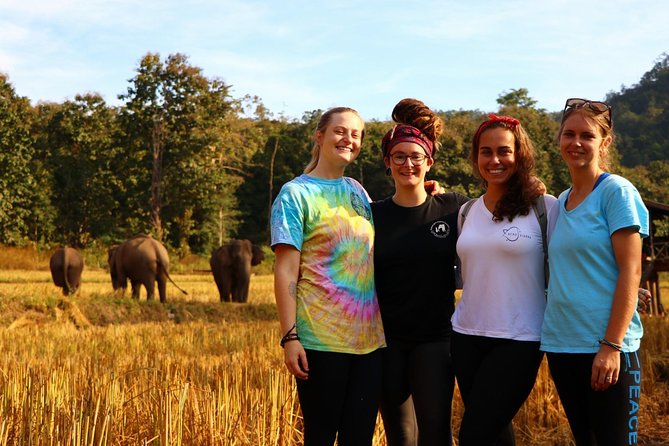
This is not a couch-and-cable-car outing. You’ll hike moderately and follow a modest dress approach during the village stay.
You’ll likely be happiest if you:
- enjoy cultural exchange like cooking with a host family and learning crafts
- are comfortable being outside for long blocks (forest conditions)
- like learning from guides rather than just “seeing animals”
- don’t mind that the homestay is basic rather than hotel-style
You might want to think twice if you:
- need a low-walking day (day two includes an early start plus forest hiking)
- dislike modest clothing requirements
- expect a fully private, high-comfort accommodation setup
Packing-wise, keep it simple: breathable layers, a light rain layer if weather shifts, and shoes with grip for uneven ground. Also bring a reusable water bottle if you like having control, though you’ll want to follow whatever water guidance the guide gives on the day.
If you’re vegetarian, there’s a vegetarian option—just advise at booking.
Should You Book This 2-Day Elephant and Karen Experience?
I’d book this if you want a two-day mix of elephant time and real community skills—especially if hands-on cooking and basket weaving appeal to you. The format is designed for more than a brief encounter, with long observation time and a homestay that includes meals rather than leaving you to fend for yourself.
But I’d also book with eyes open. Since ethical elephant sanctuaries can be complicated, take five minutes before you go and ask the provider the questions about daily elephant welfare and ownership context. If you feel comfortable with the answers, you’ll likely leave with a story that’s about both elephants and people—not just selfies.
If you’re looking for a totally effortless nature day with minimal walking, this isn’t it. If you’re okay with moderate hikes and modest attire rules, this could be a memorable Thailand experience that feels grounded in everyday village life.
FAQ
What time does the tour start?
It starts at 9:00 am.
Where do I meet for pickup?
Your meeting point is Top North Hotel, 41 Mun Mueang Rd, Tambon Si Phum, Amphoe Mueang Chiang Mai, Chang Wat Chiang Mai 50100, Thailand.
How long is the experience?
It’s a 2-day experience.
Is round-trip transport included?
Yes. Thana hotel pickup and drop-off by private vehicle is included, and the tour ends back at the meeting point.
How large is the group?
The maximum group size is 15 travelers.
Is the accommodation a hotel?
No. You stay overnight at a homestay in the Karen village area.
What should I wear?
You must wear modest clothes covering knees and shoulders during the stay.
Is there a vegetarian meal option?
Yes. A vegetarian option is available if you advise at booking.
What meals are included?
The tour includes breakfast, dinner, and lunch twice (including lunch in the forest). Alcoholic drinks are not included.
Is there moderate hiking?
Yes. The tour notes a moderate amount of hiking and a moderate physical fitness level is required.
What happens if I cancel?
The experience is non-refundable and cannot be changed for any reason.