REVIEW · CHIANG MAI
Chiang Mai: Doi Inthanon National Park and Pha Dok Siew Trek
Book on GetYourGuide →Operated by Trips Chiang Mai · Bookable on GetYourGuide
Doi Inthanon is where Thailand slows down. This full-day trip takes you up into cooler mountain air for national park scenery, iconic royal pagodas, and a guided walk that ends at a waterfall-filled stretch of jungle.
I especially liked two parts: the Pha Dok Siew Nature Trail hike, which feels manageable while still delivering real forest views and cascading water, and the chance to see the King and Queen Twin Pagodas in landscaped grounds with big mountain panoramas. When guides like Matthew, Bobo, and Mint are in charge, the day also stays fun and moving, not stiff or rushed.
One consideration: the trek is described as easy to moderate, but it’s still heavy on downhill steps, so if you have knee/ankle issues (or you go during rainy weather), you’ll want strong shoes and a careful pace.
In This Review
- Key highlights worth your attention
- A Day Above Chiang Mai: Doi Inthanon’s Cooler Air and Waterfall Focus
- Van Time, Café Breaks, and How the Route Really Works
- Doi Inthanon National Park: Highest-Peak Territory Without the Strain
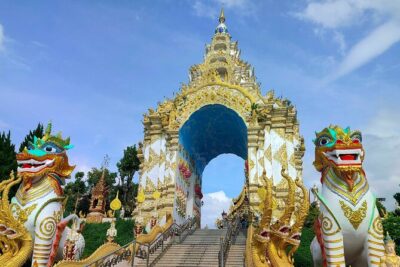
- The Twin Pagodas: King and Queen Views with a Calm Garden Stroll
- Pha Dok Siew Nature Trail: The Best Part and the One You Must Prepare For
- Karen Village, Fresh Coffee, and Village-Side Culture Stops
- Wachirathan Waterfall: The End Payoff When the Weather Turns
- Price and Logistics: Is $39 Good Value for a One-Day Package?
- What to Pack: Shoes, Insects, and a Layer for the Top
- Who Should Book This (and Who Should Skip It)?
- Should You Book This Doi Inthanon and Pha Dok Siew Day Trip?
- FAQ
- How long is the trek on Pha Dok Siew Nature Trail?
- Is lunch included, and is there a vegetarian option?
- Are entrance fees included in the price?
- What kind of difficulty should I expect?
- What should I bring for the tour?
- Is the tour suitable for pregnant travelers or wheelchair users?
Key highlights worth your attention
- Downhill trek with real steps on Pha Dok Siew, plus multiple cascades
- King and Queen Twin Pagodas with gardens and mountain views
- Karen village + freshly brewed coffee from locally grown beans
- Seasonal rice terrace colors that change from green to golden (or dry/freshly planted)
- Wachirathan Waterfall as the big end-of-day payoff
- Small-but-real culture stops like Mae Klang Luang and visitor center snack shopping
A Day Above Chiang Mai: Doi Inthanon’s Cooler Air and Waterfall Focus
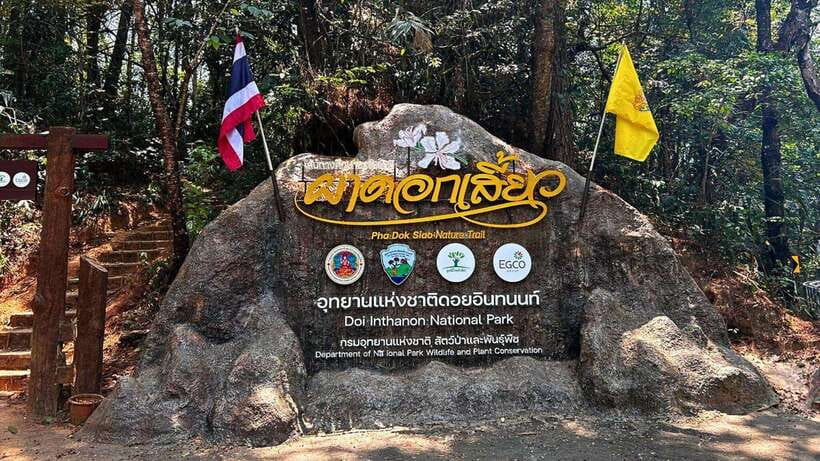
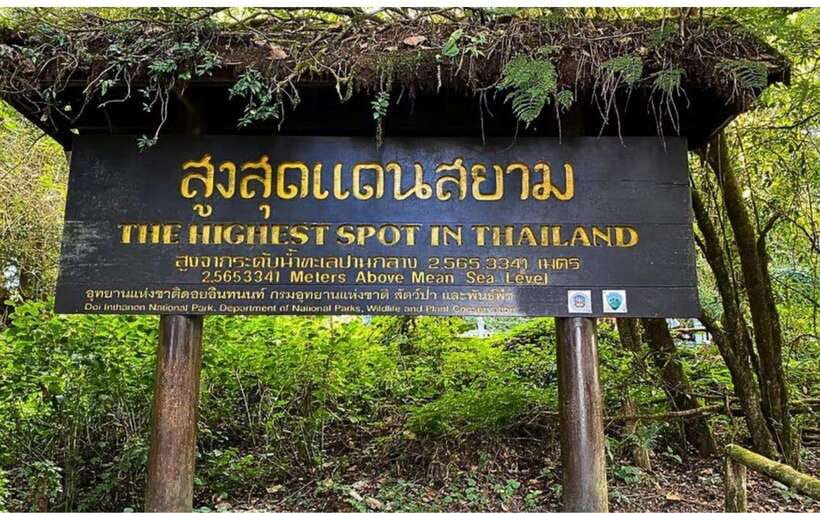
If you’re based in Chiang Mai and want a day trip that actually feels like a change of country—this is it. Doi Inthanon National Park sits high (Thailand’s highest peak is about 2,565 meters), so the air can feel noticeably cooler than the city. That temperature shift matters because it makes the whole day easier on your energy: less heat fatigue means you can enjoy the views instead of just surviving them.
The day has a clear theme: nature first, culture in helpful doses, then pay-off waterfalls at the end. You get the royal-side highlights too, with the King and Queen Twin Pagodas, but the route keeps you from spending the day stuck inside buildings.
The trail end of the day is where the trip earns its keep. You’re not just “walking somewhere pretty.” You’re following a guided nature route along a stream corridor, and you’ll pass waterfall moments that keep appearing as the trail winds through jungle and terraces.
You can also read our reviews of more hiking tours in Chiang Mai

Van Time, Café Breaks, and How the Route Really Works
This is a full-day schedule, so think in terms of flow rather than one long hike. The route starts with pickup in Chiang Mai, then a quick van ride and a local café break before heading into the park area.
Here’s the practical rhythm:
- Hotel pickup in Chiang Mai (downtown focus)
- Local café stop for a break
- A longer van drive up toward Doi Inthanon
- Multiple short “this is worth it” stops (visitor area, pagodas, waterfall)
- One main guided hike in the middle
Two small tips make the ride smoother. First, bring a light layer. Even when Chiang Mai feels warm, the higher elevation can get chilly, and you’ll feel it especially later in the day. Second, hydrate early; you’ll get drinking water during the day, but you’ll also burn more water than you think on stair-heavy downhill sections.
If your hotel isn’t in the pickup zone, you’ll need to use the listed pickup points: McDonald’s Im Thapae or MAYA Lifestyle Shopping Centre. If you want a drop near the airport, let the operator know in advance; the driver will drop you on the main road to make access easier.
Doi Inthanon National Park: Highest-Peak Territory Without the Strain
The park stop is built around scenic photo moments and a guided component, with about 1.5 hours at this first park area. This is a smart approach for a one-day format: you get a taste of the park’s cool air and big views without committing to an all-day climb.
What you’re looking for here is atmosphere more than a single “must-see” object. Doi Inthanon is the kind of place where clouds, mist, and altitude change the look of everything—waterfalls look louder, and vegetation feels more layered. On clearer days, you may catch stronger panoramic views; in cloudy conditions, the park still feels dramatic, just different.
A heads-up from the reality of this type of visit: you may not have time to linger at every viewpoint. This route is designed for variety in one day—so if you love one specific photo spot, you’ll still get it, just not forever.
The Twin Pagodas: King and Queen Views with a Calm Garden Stroll
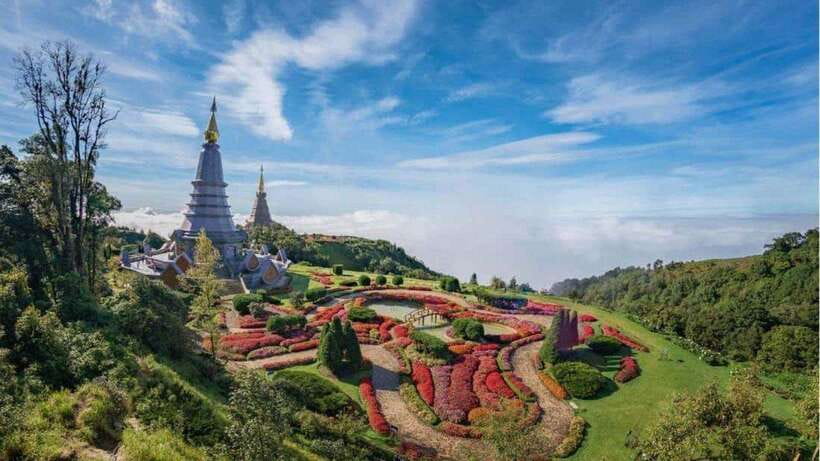
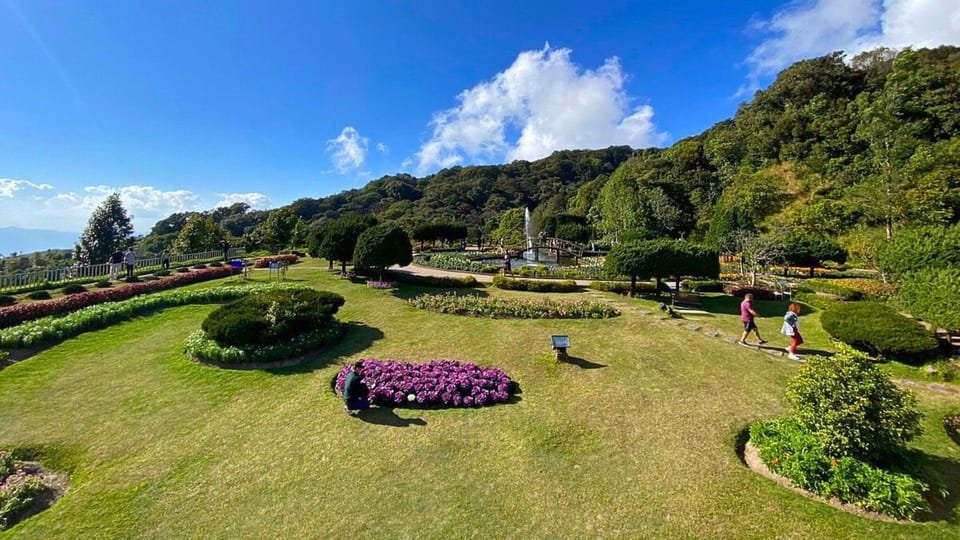
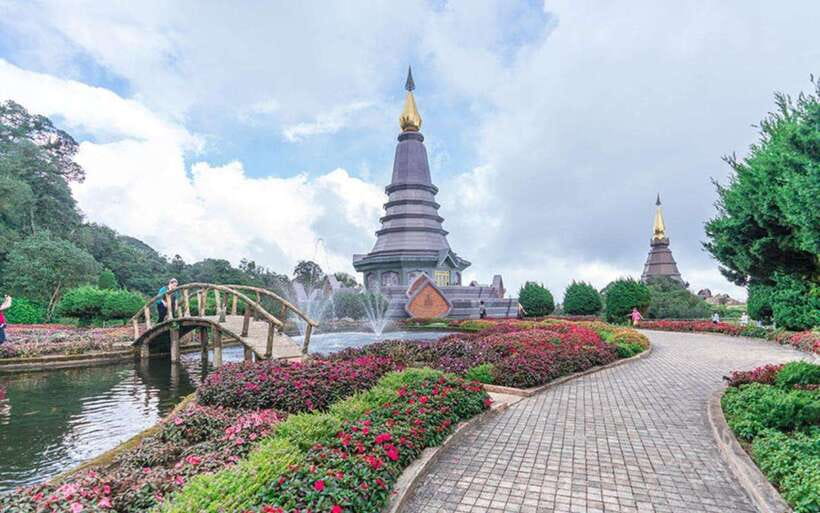
The Pra Mahatat Noppamethanedon and Pra Mahatat Nopphonphusiri stops are about 45 minutes with photo opportunities, sightseeing, and a walk through the area. These pagodas are iconic not just because of their architecture, but because of how the setting frames the mountains.
I like these pagodas because they’re visually satisfying but not exhausting. You’re walking gently, taking photos, and getting those “mountain air” views without the physical cost of a long trek. If you’ve had enough temples for one day, this still works because the gardens and viewpoints are the main event.
A small trade-off: the timing is tight. You’ll get enough to enjoy the pagodas, but don’t plan this as your only deep dive into Thai religious history or details. The goal is to keep your energy for the hiking portion and the waterfall finish.
Pha Dok Siew Nature Trail: The Best Part and the One You Must Prepare For
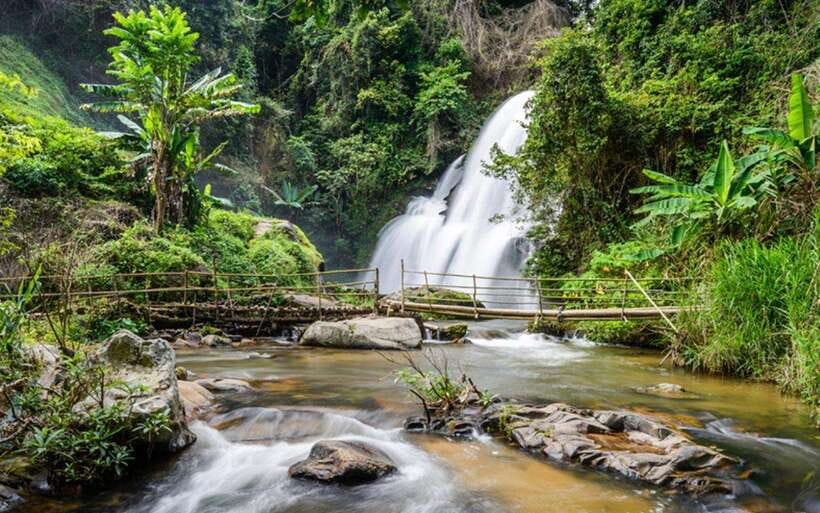
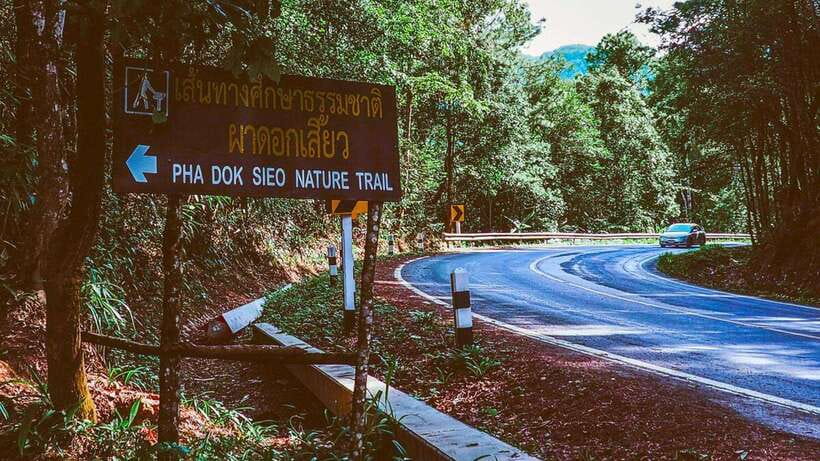
This is the heart of the day. The Pha Dok Sieo/Pha Dok Siew Nature Trail is a guided hike of about 2 hours, following a mountain stream through forest paths and rice terrace-adjacent areas. The highlight is the walk through jungle with waterfall moments along the way.
Difficulty is often marketed as easy to moderate, and I agree with the “manageable” idea—but you still need to plan for how it feels underfoot:
- The route has downhill sections (about 500 meters of descent is listed for the overall day)
- Many parts involve stairs and steps
- During rainy periods, the trail can be slippery
- You’ll likely want long trousers if you’re sensitive to insects (leeches are specifically mentioned)
This is why your shoe choice matters more than people think. You want grip for wet rock and stability for stair steps. If you have knee or ankle issues, take your time on the downhill and consider whether you’d rather do a flatter hike instead.
One more detail that helps expectations: scenery depends on the season and farming cycle. The terraces can be lush green (July–September), golden when harvest-ready (October–November), or dry/freshly planted in other months. Weather changes that too, so don’t chase a single color outcome—chase the walk and the water.
Guides on this part of the day often point out plants and small details along the trail, which is exactly what you want on a nature hike. Even the less “romantic” moments—mud, steps, finding footing—turn into something you understand instead of something you simply endure.





Karen Village, Fresh Coffee, and Village-Side Culture Stops
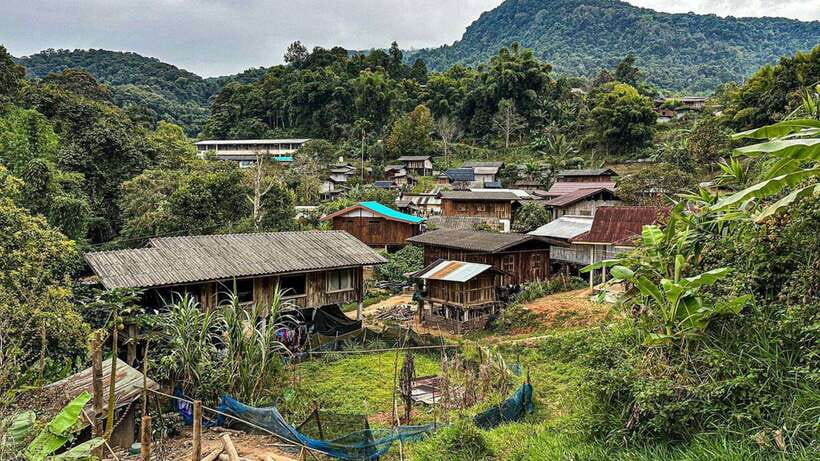
This trip includes a Karen village visit and a coffee experience. If you’re craving more than souvenirs, this is one of the better culture stops on a one-day itinerary because it connects to everyday life: growing, brewing, and learning from local guides.
The coffee part is designed around locally grown beans and freshly brewed tasting. Some people find this a fun break (and the warmth can feel welcome after cooler mountain air). Others wish there were more behind-the-scenes detail in the processing story. Either way, it’s a memorable sensory moment—especially if you like trying regional flavors beyond the usual Thai iced coffee.
In addition, you may pass through or pause at areas where you can snack, browse small items, or visit the visitor center market area. There’s also a Mae Klang Luang stop with photo time and shopping, which can be nice if you want a quick look at village life without adding extra walking.
My practical take: treat these cultural stops like seasoning, not the whole meal. If you want a long, slow immersion in one community, you’d need a different kind of trip. But for one day, this setup gives you contact with local life and food while still keeping your waterfall and hike time intact.
Wachirathan Waterfall: The End Payoff When the Weather Turns

Wachirathan Waterfall is your late-day statement. You’ll have around 20 minutes here for a break, photos, and sightseeing. That short window can be perfect—if you go in with the right mindset.
Waterfalls always look best when you don’t treat them like a checklist. If the weather is misty or cloudy, you’ll still get the sound and the dramatic feel. If it’s rainy, expect the trail conditions earlier in the day to be the bigger challenge, but the waterfall mood often turns into full-on spectacle.
Because your time at the waterfall is limited, come with two strategies:
- Take a couple of quick photos, then slow down and listen.
- Watch your footing—slick surfaces can be sneaky around waterfall areas.
This is also where the earlier prep pays off. If you wore shoes with good grip and kept a steady pace on the downhill steps, you’ll enjoy the waterfall more. If you pushed too fast earlier, your legs may feel done right as you reach the finish line.
Price and Logistics: Is $39 Good Value for a One-Day Package?
This trip is listed at $39 per person for 1 day, and the real value depends on which fee option you choose.
- Option A (All fees included): entrance fees are covered, and you shouldn’t need additional cash for park entry and the twin pagodas.
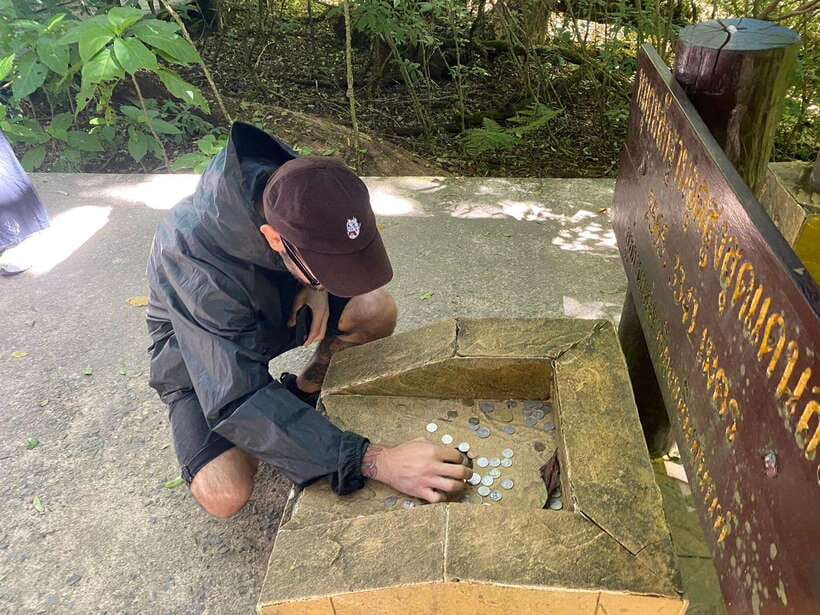
- Option B (excluding entrance fees): you pay in cash on the day—300 THB per person for the national park and 100 THB per person for the twin pagodas. The pagodas are optional; you can wait at the parking area if you choose not to enter.
Either way, the package also covers the main “hard parts”:
- Hotel pickup/drop-off
- Air-conditioned transport
- An English-speaking tour guide
- A local hiking guide on the trail
- Lunch set menu with vegetarian option on request
- Drinking water and accident insurance (passport copy/photo required)
When I think about value in Chiang Mai day trips, I care about three things: time saved, guide quality, and whether you actually see the big targets. This itinerary hits all three. You’re getting one of Northern Thailand’s most important national park experiences plus a guided nature trail and famous pagodas, all without needing to organize your own transport up the mountain.
The trade-off is that you’re “scheduled.” If you hate being on the clock, look for something with fewer stops and more free time. But if you want a full day with structure, this is the kind of route that saves you hassle.
What to Pack: Shoes, Insects, and a Layer for the Top
The recommended packing list is spot-on for this kind of trekking day:
- Sunglasses and a hat
- Hiking shoes (non-negotiable for steps and downhill)
- Sunscreen
- Insect repellent
- Hand sanitizer or tissues
Then add two practical upgrades based on how the day can feel:
- Bring a sweater or light rain jacket. The higher elevation can feel cold later in the day.
- Consider long trousers, especially in rainy season or if you’re walking through dense, wet jungle sections.
Also, a small but important rule: pets aren’t allowed.
If you’re the type who likes to plan ahead, this is one of those days where good prep changes everything. Proper shoes reduce stress on knees and ankles. A layer keeps your energy steady when the temperature drops.
Who Should Book This (and Who Should Skip It)?
This trip fits best if you:
- Want an easy-to-moderate day hike with a downhill feel
- Love waterfalls and jungle walks
- Prefer guided structure over DIY navigation
- Enjoy mixing nature with short cultural stops like the Karen village and village markets
It’s often a good fit for families, beginners, and older hikers, as long as everyone is okay with stairs and steps. If your group can manage downhill walking, you’ll likely find it enjoyable and not overly cardio-heavy.
Skip it (or choose a different option) if you:
- Have major knee or ankle problems (the repeated downhill steps are not subtle)
- Are pregnant (listed as not suitable)
- Need wheelchair access (listed as not suitable)
- Have tight timing or same-day arrivals (timing can vary due to traffic and operations)
Also keep in mind that English clarity can vary between guides and local guides. Many guides do a great job, and the best ones keep explanations simple and on time. Still, if you’re picky about deep historical detail, you may want to ask questions as you go.
Should You Book This Doi Inthanon and Pha Dok Siew Day Trip?
Book it if your goal is a one-day “greatest hits” of Northern Thailand nature: cooler mountain park air, the Twin Pagodas, and a guided waterfall-focused trail that doesn’t feel like punishment.
I’d skip or switch plans if you want a low-step experience. This day can be a lot of downhill stairs, and rainy conditions can make it physically harder than the label suggests.
One last decision helper: if you want to see waterfalls and you don’t mind being on a full itinerary schedule, this is a solid bet for value. The route is designed to keep you seeing multiple highlights in one day without requiring you to drive, map, or coordinate. For most people, that’s exactly the win.
FAQ
How long is the trek on Pha Dok Siew Nature Trail?
It’s about 2 hours, guided, following a nature trail through forest paths and along a mountain stream.
Is lunch included, and is there a vegetarian option?
Yes. A Thai set-menu lunch is included, and vegetarian options are available upon request.
Are entrance fees included in the price?
It depends on the option you choose. Option A includes entrance fees with no additional payment on the day. Option B requires cash payments on the day: 300 THB per person for the national park and 100 THB per person for the Twin Pagodas (optional).
What kind of difficulty should I expect?
The hike is described as easy to moderate with an overall downhill component (about 500 m descent). Expect stairs and steps, and take extra care if it’s wet.
What should I bring for the tour?
Bring sunglasses, a hat, hiking shoes, sunscreen, insect repellent, and hand sanitizer or tissues. A sweater or rain jacket can also help for cooler higher areas.
Is the tour suitable for pregnant travelers or wheelchair users?
No. It’s not suitable for pregnant women or wheelchair users. Pets are also not allowed.