REVIEW · CHIANG MAI
Chiang Mai: Hmong Village, Doi Suthep and Wat Pha Lat Trek
Book on GetYourGuide →Operated by Chiang Mai Everywhere · Bookable on GetYourGuide
Wat Pa Lat walk feels like stepping back. You get a calm Monk’s Trail climb through the forest, then a quieter temple stop, followed by the big views at Doi Suthep and a look at everyday life in a Hmong hill tribe village. The one thing to plan around is that this is a trekking day, so the walking won’t suit low fitness or mobility limits.
I really like how the day mixes three different styles of Chiang Mai: sacred temple time, mountain nature time, and cultural village time. Even better, the tour is built as a small-group outing (up to 9), so the guide can answer questions and you do not feel herded from one photo stop to the next. One practical consideration: the hiking can run a bit differently by group and conditions, so be ready for it to feel shorter or longer than the headline.
If you want a structured day that still feels personal, this is a solid way to do it without stressing over transport, tickets, or timing. You’ll start with hotel pickup, spend real time outdoors, and end back at your door.
In This Review
- Key things that make this Chiang Mai day tour worth your time
- From hotel pickup to Monk’s Trail in Chiang Mai
- Hiking Monk’s Trail: the forest pilgrimage path
- What you should expect physically
- Wat Pa Lat: a quieter 14th-century Lanna resting place
- Car to Doi Suthep: the iconic chedi and Chiang Mai views
- How much time you’ll have
- Doi Suthep-Pui National Park: a mountain pause between temples and culture
- Hmong hill tribe village: culture, handicrafts, and coffee
- The coffee stop is more than a snack
- One practical tip for this stop
- Price and value: what $57 covers for a 7-hour active day
- Group size, pacing, and comfort level
- What to bring for Wat Pa Lat, national park air, and Hmong village walks
- Who should book this Chiang Mai trek and cultural day
- Should you book? My practical take
- FAQ
- FAQ
- How long is the tour?
- Where does the pickup happen?
- Is this tour suitable for people with mobility issues?
- What languages is the guide available in?
- How big is the group?
- What should I bring for the hike?
Key things that make this Chiang Mai day tour worth your time
- Monk’s Trail forest atmosphere with a pilgrimage-style route monks and locals still use
- Wat Pa Lat’s calm Lanna Kingdom vibe tied to 14th-century meditation and resting for monks
- Doi Suthep’s golden chedi and skyline views over Chiang Mai from the temple grounds
- A national park pause at Doi Suthep-Pui National Park for fresh-air breathing space
- Hmong village culture and handicrafts, plus a coffee break
- Small group flow that keeps the day from feeling like a factory line
From hotel pickup to Monk’s Trail in Chiang Mai
This tour starts the easy way: you’re picked up from your hotel in Chiang Mai City, with pickup options including the Old City area. You’ll want to be ready in the lobby about 10 minutes before the scheduled pickup time so you do not end up rushing.
Right away, you can feel what the operator is aiming for: you’re not just doing temples. The day is built like a full loop that balances driving with walking, so you still get variety without spending your whole vacation trapped in a vehicle.
With an English-speaking guide (and Thai as well), you’ll get enough context to make the stops feel meaningful. And because it’s a small group limited to 9, you usually get a bit more room to ask follow-up questions.
You can also read our reviews of more hiking tours in Chiang Mai

Hiking Monk’s Trail: the forest pilgrimage path
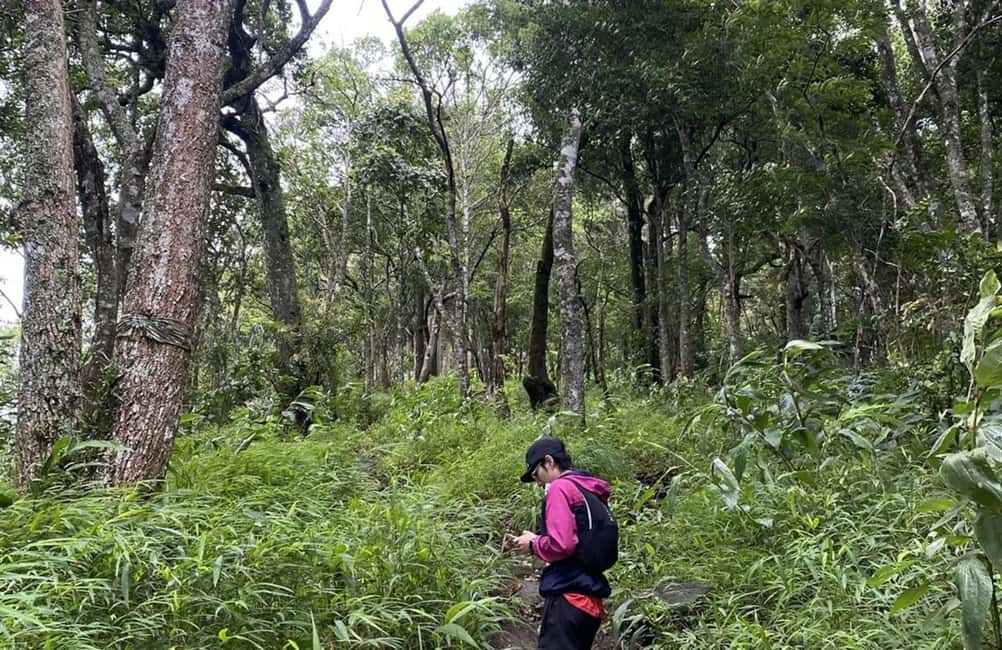
The first active stretch is the Monk’s Trail, a serene forest path used by monks long ago to climb up to Wat Pa Rat. Today, monks and locals still walk it as a form of pilgrimage.
This is the part of the tour that sets the tone. Instead of jumping straight into temple crowds, you start with greenery, shade, and the soundscape of the forest. If you like being slightly away from the loud city feel, this works well.
What you should expect physically
You’re not looking at a long expedition, but it is still trekking. The experience is described as involving a 2+ hour hike, and you should treat the day as active. You’ll want hiking shoes (not just sneakers that are fine on flat sidewalks) and insect repellent, plus a hat and light layers.
If you’re wondering about pacing: one past guest noted that the hiking felt closer to about an hour for their group. That’s exactly the kind of thing that can happen depending on conditions and group tempo, so I’d plan for a hike that is real enough to require proper shoes, but not assume it will be a constant, never-changing endurance test.
Wat Pa Lat: a quieter 14th-century Lanna resting place
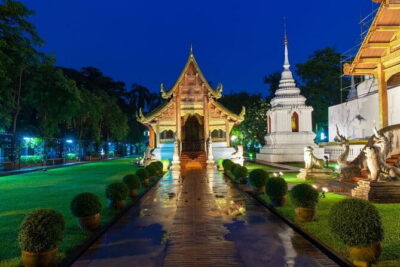
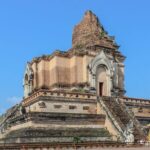
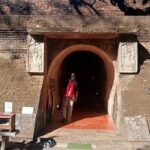
After the trail, you arrive at Wat Pa Lat, a peaceful temple connected to the Lanna Kingdom and built around the 14th century. This spot is described as a resting and meditation place for monks traveling toward Doi Suthep.
What I like about this stop is the contrast. Doi Suthep is the famous headline. Wat Pa Lat is the calmer side story, and it shows you how the spiritual journey was once paced—stop, rest, and reflect—before reaching the bigger shrine.
This is also the kind of place where you can slow down. You’ll have time to look around at a natural pace and soak in the quiet. Dress respectfully, keep your voice down, and you’ll get more out of the experience than if you rush it like another scheduled stop.
Car to Doi Suthep: the iconic chedi and Chiang Mai views
Next comes the shift from forest calm to the famous landmark: Wat Phra That Doi Suthep. You head there by car, then spend time at the temple grounds.
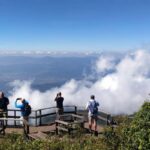
This is where you see why this temple became the icon. Inside the golden chedi are sacred relics of the Buddha, and the temple grounds offer panoramic views over Chiang Mai. Even if you’ve seen photos before, the perspective from up there can still surprise you.






How much time you’ll have
You’ll have a shorter visit window here (about 30 minutes for the temple visit, plus additional time earlier in the day tied to the park). That means: do the key views first, then decide how much time you want for slower wandering.
If you’re the type who likes to take in views before you start reading details, you’ll have enough time to do both—just don’t overplan. The whole day is designed to keep the momentum while still giving you meaningful moments.
Doi Suthep-Pui National Park: a mountain pause between temples and culture
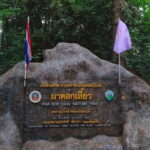
Between the temple time and the village visit, you’ll stop at Doi Suthep-Pui National Park for about an hour. This is an underrated part of the day because it breaks up the religious focus with nature breathing space.
You likely won’t be spending your whole time in a single dramatic spot here. Instead, think of it as a reset: cooler air, outdoor views, and a chance to catch your energy before the next leg.
If you’re traveling with a camera, this is often where you get variety—textures of the landscape, greenery, and the kind of scenery that feels different from the city.
Hmong hill tribe village: culture, handicrafts, and coffee
The final cultural stop is a traditional Hmong hill tribe village above the clouds. The Hmong are an ethnic minority originally from the highlands of southern China, Laos, Vietnam, and Myanmar.
This part of the day is built around more than passing through. You’ll get time for photos and a guided visit, plus free time to walk around and take in daily life at your own pace. Handicrafts are part of the experience, so if you like seeing how people make things by hand, this is the moment for it.
The coffee stop is more than a snack
Coffee at the village is specifically mentioned, and I like that it turns a cultural visit into something sensory. It gives you a simple, local-feeling break before you head back.
One practical tip for this stop
Bring a curious but respectful attitude. This is a community visit, not a theme park. Ask questions if your guide encourages it, watch how people work, and keep your photo-taking considerate—especially when you’re near craft activities.
You’ll also have an additional hiking segment here (described as about 1.5 hours). So by the end of the day, your legs have had a workout twice: once in the forest trail earlier, and again during the village outing.
Price and value: what $57 covers for a 7-hour active day
At $57 per person for a 7-hour outing, this is priced like a practical small-group tour rather than a premium private guide experience.
What you get for your money is the real value:
- Hotel pickup and drop-off inside Chiang Mai City (Old Town and also Nimman are included)
- An English guide (and Thai)
- Entrance fees for the temple/attraction stops
- Car transport between the main sites
- A meaningful amount of trekking time, including the Monk’s Trail and additional hiking in the village-area segment
You still pay for your own meals and personal expenses, so plan on at least one meal or snack stop you handle yourself. But compared with piecing together multiple taxis, tickets, and guide time, this can be a time-saver with good structure.
If you’re traveling as a couple or a small group, you may even end up with very few people on your departure. One past guest described their group as just two, and when that happens, the experience tends to feel less rushed and more responsive to what you want to prioritize.
Group size, pacing, and comfort level
The tour limits the group to 9 participants, which matters more than it sounds. With smaller groups, you’re less likely to feel squeezed at viewpoints, and the guide can keep a steady rhythm.
Pacing-wise, it’s a “balanced active day” rather than a gentle sightseeing loop. You will do:
- A forest hike early
- Temple visit time (including Doi Suthep with iconic views)
- National park time
- Village walk/hiking time later
If your plan is to do lots of walking that day and you’ll still be happy afterward, you’re in the right lane. If you want a relaxed day with mostly short strolls, you might find this tour too physical.
What to bring for Wat Pa Lat, national park air, and Hmong village walks
Bring gear that helps you enjoy the trek instead of just surviving it. The tour’s recommended list is spot-on:
- Hiking shoes
- Insect repellent
- Sunglasses and a hat
- Weather-appropriate clothing and outdoor clothing
- A daypack
I’d add one simple mindset: if you get even slightly warm, you’ll appreciate breathable layers. Temple grounds and forest sections can feel very different temperature-wise.
Who should book this Chiang Mai trek and cultural day
This tour is best for you if you:
- Enjoy a mix of temples + trekking + local culture
- Want the Doi Suthep views without figuring out logistics on your own
- Prefer small groups and a guide who can answer questions in English
- Are comfortable walking on uneven terrain and doing more than a casual stroll
You should probably skip it if you have:
- Mobility impairments
- Heart problems
- Low fitness
Even though the tour is described as a day trip (not an overnight expedition), the trekking and hiking segments mean you need a baseline comfort with walking.
Should you book? My practical take
I’d book this tour if you want one organized day that hits the most important spiritual landmark (Doi Suthep), adds a quieter temple stop (Wat Pa Lat), and finishes with real cultural contact (Hmong village and coffee), all while keeping you in a small group.
If your top goal is purely sitting, photographing, and moving on with minimal effort, look for a different, gentler option. But if you’re happy to work your legs a bit for views and meaning, this is a strong match.
FAQ
FAQ
How long is the tour?
The duration is 7 hours.
Where does the pickup happen?
Pickup is available from your hotel in Chiang Mai City, including areas such as Old Town and Nimman.
Is this tour suitable for people with mobility issues?
No. It involves trekking and may not be suitable for people with mobility issues or heart problems.
What languages is the guide available in?
The live guide is available in English and Thai.
How big is the group?
The tour is a small group limited to 9 participants.
What should I bring for the hike?
Bring sunglasses, a hat, hiking shoes, insect repellent, weather-appropriate clothing, outdoor clothing, and a daypack.