REVIEW · CHIANG MAI
Chiang Mai: Elephant Sanctuary & Thai Cooking Workshop
Book on GetYourGuide →Operated by PON ELEPHANT (THAILAND) CO., LTD. · Bookable on GetYourGuide
A day with elephants and Thai cooking is a rare mix. You’ll spend hours with gentle elephants in a sanctuary setting, then cook classic Thai dishes using herbs you pick on-site, plus recipes to take home. My favorite part is how the day flows naturally from fresh ingredients to hands-on cooking, and then into a calm, respectful elephant routine. The main trade-off to plan for: there’s no towel or spare clothes provided, and river bathing depends on the elephants’ own choices, so not every river moment is guaranteed.
If you like Thailand when it feels local, not staged, this one hits the mark. Small group size (up to 10), English-speaking guide time, and included lunch or dinner keep the day feeling organized without turning it into a rushed checklist. Just remember this is a long 9-hour outing and you’ll want to bring swimwear, sunscreen, and insect repellent.
In This Review
- Key Highlights You’ll Really Feel
- A Full Day Where Elephant Care Meets Thai Cooking
- Getting There: The Van Ride and the Real Starting Point
- Cooking First: The Organic Garden and Five Flavor Thinking
- What You’ll Actually Cook (And Why Choice Matters)
- After Lunch: Elephant Habitat Briefing and How to Behave
- Feeding the Gentle Giants: Napier Grass, Sugarcane, and More
- The River and Bathing Moment: When the Elephants Decide
- Value for $63: Why This Feels Like a Fair Deal
- Morning vs Afternoon Sessions: Market Swap and Timing
- Who Should Book This (And Who Might Skip It)
- What to Bring So You’re Not Stuck in the Changing Room Problem
- Should You Book This Chiang Mai Elephant and Thai Cooking Day?
- FAQ
- How long is the Chiang Mai Elephant Sanctuary and Thai Cooking Workshop?
- What time do the morning and afternoon sessions return to Chiang Mai?
- Does this tour include a market visit?
- Is hotel pickup included?
- What will I cook during the Thai cooking workshop?
- Are vegetarian and vegan options available?
- What do you feed the elephants?
- Is elephant bathing in the river guaranteed?
- What should I bring?
Key Highlights You’ll Really Feel
- Ethical elephant interactions built around feeding, observing, and learning how to behave around them
- Organic garden herb picking before cooking, so your flavors start with real plants from the sanctuary area
- Hands-on Thai cooking with choice: you select dishes and learn the five core flavor directions (sweet, sour, salty, bitter, spicy)
- Classic Northern and Thai dishes like Pad Thai, Khao Soi, Tom Yum Goong, green curry, mango sticky rice, and more
- River time with elephants (the elephants decide), with the fun possibility of getting splashed while staying respectful
- Small group energy: up to 10 people, so you get real instruction and time with both food and animals
A Full Day Where Elephant Care Meets Thai Cooking
This is the kind of Chiang Mai day that works whether you’re traveling solo, on a couple trip, or with friends who all have different interests. You get the emotional centerpiece—being around elephants in a setting focused on welfare—and you end it with a practical skill: Thai cooking you can repeat at home.
I like the structure because it’s not “cook for 45 minutes, then run to elephants.” It’s more like two connected chapters. You start with garden herbs and flavor building, then you learn elephant routines and behavior, then you reconnect over lunch or dinner and the food you made.
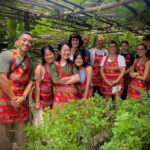
One more plus: the guide experience seems to matter a lot here. Names like Pimdao, Air, Som, Totu, and Noi show up repeatedly with one common theme—clear explanations, lots of energy, and a focus on making sure the group is comfortable.
You can also read our reviews of more cooking classes in Chiang Mai
Getting There: The Van Ride and the Real Starting Point
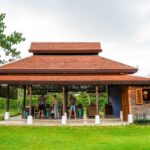
You meet at the Pon Elephant Thailand office in town about 10–15 minutes before departure. From there, the transport heads out by air-conditioned van toward the sanctuary area (about 1 hour 20 minutes from Chiang Mai).
This matters for planning. You’re not just sitting in town waiting—this is a real day trip with a travel component, and being comfortable in the car helps. Also, the sanctuary day is outdoors, so your “start time” mindset should be practical: sunscreen on early, water in mind, and don’t pack the day like it’s a museum visit.
Pickup is optional if you choose hotel transfers, but it’s limited to Chiang Mai town only. If you’re staying outside town, you’ll likely use the office meeting point.
Cooking First: The Organic Garden and Five Flavor Thinking
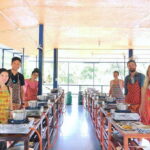
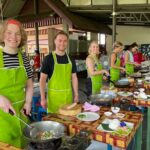
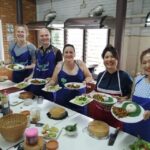
The cooking part isn’t generic. Before you touch a stove, you go into the organic vegetable garden to gather herbs fresh for your meal. That alone changes the whole cooking feel. Thai cuisine is built on aromatics—if your herbs are bright and fresh, the dish tastes more alive even after you follow the recipe.
Then the guide puts Thai flavors into a simple framework: the five basic flavors—sweet, sour, salty, bitter, and spicy. I like this because it gives you a way to troubleshoot while cooking. If your pad thai tastes flat, you can ask what direction it’s missing instead of just hoping the next step fixes it.
You’ll also get instruction on traditional ingredient bases (the tour description frames it as learning the building blocks of Thai cooking). Even if you’re a total beginner, this framing helps you cook with confidence, not by guessing.
What You’ll Actually Cook (And Why Choice Matters)
You’ll learn to prepare multiple dishes, and what you make is tied to preferences under the guide’s direction. Common picks include Pad Thai, Khao Soi, Tom Yum Goong, green curry, and mango sticky rice. Some groups also mention Northern Thai favorites like Chiang Mai sausage and other options like Pas Sew.
This “choose your dishes” piece is more than a nice perk. It’s how you leave with meals you genuinely want to cook again at home. Thai cooking is easier when you repeat dishes you already love, and having options makes that more likely.
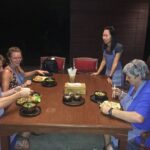
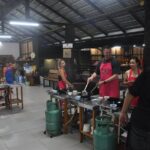
You’ll cook using traditional methods, not just a simplified demo. The workshop includes all the ingredients you need, plus a recipe booklet so you can recreate your favorites later. Lunch is included in the morning session, and dinner is included in the afternoon session, so you aren’t leaving hungry or trying to find food last-minute.
Vegetarian and vegan options are available, which matters because many Thai cooking classes quietly assume meat or fish sauce as the default. Here, you can ask for plant-forward choices without losing the full workshop structure.
After Lunch: Elephant Habitat Briefing and How to Behave
Once you finish eating, the day shifts from cooking class rhythm to elephant routine. You’ll get a briefing on the elephants’ habitat, history, habits, and behavior—plus guidance on how to act around them.
That sounds like “safety talk,” but it’s really about respect. When you understand how elephants communicate and what calm signals look like, the whole visit feels better for you and for the animals. It also reduces the urge to treat the day like a photo shoot.
Then you walk through the natural environment with the elephants, guided and supervised. The goal here isn’t “make them do something.” You observe, you learn what’s normal in the group’s day, and you interact in ways that fit the sanctuary approach.
You can also read our reviews of more tours and experiences in Chiang Mai



Feeding the Gentle Giants: Napier Grass, Sugarcane, and More
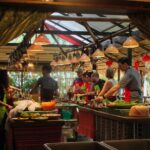
Your closest elephant moments center on feeding. You’ll have the chance to feed foods like Napier grass, sugarcane, and bananas. In the same spirit, fruit for the elephants is included.
I like feeding because it turns the interaction into something meaningful and focused. Instead of random touching or crowding, you participate in a routine the elephants understand. It also helps you slow down. You watch how they approach, how they choose food, and how their family group moves.
One practical note: have your expectations set for gentle, not constant. Elephants have their own plans. The better you match their pace, the more natural the whole encounter feels.
The River and Bathing Moment: When the Elephants Decide
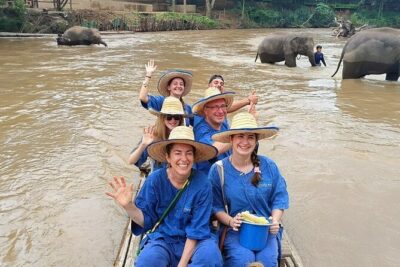
This is the part people remember, and it’s also where you should plan flexibly. The tour may include taking elephants to the river and time for swimming and bathing.
But here’s the key: the elephants choose to bathe in the river, and they’re not forced. That means some river activities can shift during the day depending on what the elephants are comfortable doing.
If you want the best odds, come prepared. Bring beachwear and flip-flops, and use sunscreen that’s biodegradable. You might end up with a splash or shower, which can be fun, but you should still treat it as water play, not a guaranteed schedule slot.
Some groups also mention a short ride in a pickup truck as part of the moving-around time. It’s not something to rely on as a main highlight, but it’s part of how the day can feel outdoors and hands-on.
Value for $63: Why This Feels Like a Fair Deal
At $63 per person for a 9-hour day, this can be strong value in Chiang Mai—especially because you’re not paying separately for transportation, a full meal, elephant-focused time, and the cooking workshop materials.
What you’re getting for the price is fairly bundled:
- An English-speaking guide for the day
- Air-conditioned transport
- Lunch or dinner depending on session
- All cooking ingredients
- A recipe booklet
- Fruit and feeding elements for elephant time
- Insurance included
Small group size (up to 10) also matters for value. With fewer people, the guide can explain ingredients, help you adjust flavors, and keep the elephant interactions calm and respectful.
If you’ve done cheaper “elephant experiences” elsewhere, you’ll quickly notice the difference here: the emphasis is on welfare and behavior, and the elephant time is paired with something genuinely useful (cooking skills), not just a photo stop.
Morning vs Afternoon Sessions: Market Swap and Timing
The morning and afternoon versions are similar in the elephant-and-cooking backbone, but the timing changes the flow.
Morning session (7:30–8:00 start window, return around 5:00 PM) includes a market visit plus lunch. The earlier you start, the easier it can be to handle heat and enjoy the garden-to-stove part without feeling rushed.
Afternoon session (start around 12:30–1:00, return around 9:00 PM) does not include a market visit, and dinner is included instead. If you prefer a later start or want to keep your daytime free for other Chiang Mai plans, this can fit better.
Both sessions include an organic farm tour as part of the package. The difference is where the day’s food sourcing happens—morning with market time, evening with dinner time.
Who Should Book This (And Who Might Skip It)
This is a great fit if you want a Chiang Mai day that balances emotion and skills. I’d point you toward it if you:
- care about elephant welfare and want a sanctuary-style encounter (not riding and not show tricks)
- love Thai food and want to cook dishes you can name and recreate at home
- learn best when you’re hands-on, not just watching
- want a small-group experience with an energetic, English-speaking guide
You might skip it if you’re not comfortable with a long day outdoors and potentially wet conditions at the river. It’s also not suitable for children under 5 or people over 70, based on the tour’s own guidance.
What to Bring So You’re Not Stuck in the Changing Room Problem
The tour does not include a towel or change of clothes, so bring those yourself. Beyond that, pack like you’ll spend time in sun and water:
- Change of clothes
- Camera
- Sunscreen (and biodegradable sunscreen is recommended)
- Flip-flops
- Beachwear
- Cash (useful for small purchases)
- Passport or ID card (a copy is accepted)
- Biodegradable insect repellent
This is not a “light packing” day. If you plan for wet and sun front-to-back, you’ll enjoy it more.
Should You Book This Chiang Mai Elephant and Thai Cooking Day?
If your ideal Chiang Mai day has two ingredients—ethical animal time and real food learning—then yes, this is worth booking. It’s not just a “look at elephants” excursion. You leave with a concrete takeaway: how to build Thai flavors, cook classics like Pad Thai and Khao Soi, and use herbs you actually picked.
Before you commit, think about two practical questions. First: can you handle a full 9-hour day with outdoor time and possible river water? Second: do you want cooking instruction that’s hands-on enough to be useful, not just a tasting?
If you answered yes to both, you’re likely to have one of those days that sticks for the right reasons.
FAQ
How long is the Chiang Mai Elephant Sanctuary and Thai Cooking Workshop?
The experience runs for about 9 hours.
What time do the morning and afternoon sessions return to Chiang Mai?
The morning session returns around 5:00 PM. The afternoon session returns around 9:00 PM.
Does this tour include a market visit?
The morning session includes a market visit. The afternoon session does not include a market visit.
Is hotel pickup included?
Hotel pickup is optional. If you select the pickup option, transfers cover hotel pickup and drop-off in Chiang Mai town only.
What will I cook during the Thai cooking workshop?
You can choose dishes based on your preferences, and common options include Pad Thai, Khao Soi, Tom Yum Goong, green curry, and mango sticky rice. Vegetarian and vegan options are available.
Are vegetarian and vegan options available?
Yes. The tour offers vegetarian and vegan options.
What do you feed the elephants?
You’ll feed Napier grass, sugarcane, and bananas. Fruit for elephants is also included.
Is elephant bathing in the river guaranteed?
No. The elephants choose to bathe in the river, and activities may change shortly.
What should I bring?
Bring a change of clothes, camera, sunscreen (biodegradable if possible), flip-flops, beachwear, cash, passport or ID card, and biodegradable insect repellent. A towel is not included.