REVIEW · CHIANG MAI
Chiang Mai Lanna Northern Thai Cooking Experience with Locals
Book on Viator →Operated by Love Chiang Mai Cooking And Touring · Bookable on Viator
Cooking in Chiang Mai with real ingredients.
This Chiang Mai Lanna cooking experience turns Northern Thai flavors into something you can actually recreate at home, starting with a guided market run and ending at the host family’s countryside home. I especially like the way the instructor, Lyn, keeps the class practical and hands-on, not just a show-and-tell. From the start, you’re learning how the flavors build, and you’re not left wondering what went into the pan.
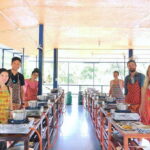
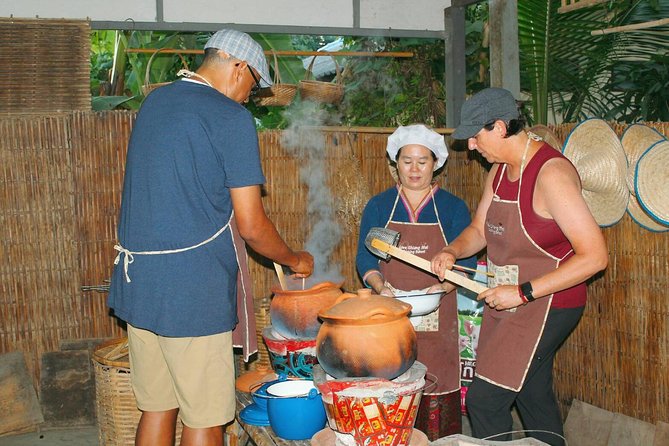
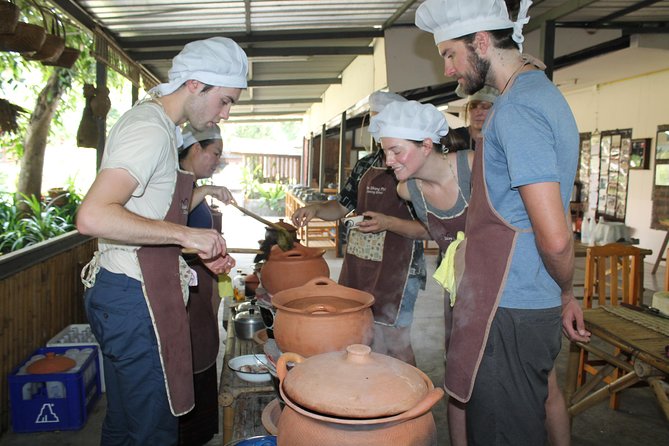
Second, I love the small-group feel and the pace. With a maximum of 6 travelers, you get personal attention while you chop, slice, pound, measure, and taste as spices are added. One consideration: you’re cooking with a charcoal stove and clay pot, so expect a hands-on day and plan for the heat and timing of traditional cooking.
In This Review
- Key highlights you’ll feel in your hands
- From pickup to the local market: where Lanna flavor starts
- Organic garden to the countryside kitchen: why the setting isn’t just scenery
- Hands-on Lanna cooking: chopping, pounding, and learning spice in context
- What you’ll cook: Khao Soi, Kaeng Hung Lay, banana-leaf pork, and Chiang Mai sausage
- Khao Soi (Chiang Mai noodles)
- Kaeng Hung Lay (Chiang Mai curry)
- Abb Moo (minced pork wrap in banana leaves)
- Sai Aou (Chiang Mai sausage)
- The meal at the end: eating what you made, the local way
- Price and value: what $109.71 includes (and why it’s not just a recipe list)
- Who this experience suits best (and who may want to choose differently)
- Practical tips for your cooking day in Chiang Mai
- Should you book this Chiang Mai Lanna cooking experience?
- FAQ
- What is the duration of the Chiang Mai Lanna cooking experience?
- How much does it cost per person?
- Do you get picked up from your starting location?
- Is there a market and garden visit included?
- What will you cook during the class?
- Are ingredients and cooking tools provided?
- Is lunch or dinner available?
- Do they offer vegetarian options?
- How are children priced?
- What is included besides the cooking and meal?
Key highlights you’ll feel in your hands
- Market visit with a purpose: You learn what to buy and why before you step into the kitchen.
- Organic garden stop: Fresh produce helps explain what Lanna cooking tastes like at its source.
- Hands-on prep: Chopping, slicing, pounding, measuring, and tasting are built into the class.
- Charcoal + clay-pot cooking: The method matters, and you get to experience it directly.
- Lunch or dinner with the host family: You eat what you make, in a countryside setting.
- Recipe book included: No extra cost to take notes and cook again later.
From pickup to the local market: where Lanna flavor starts
Most cooking classes in Chiang Mai are “cook and go.” This one starts earlier and feels more like a day you’d do with friends. Your host picks you up, then you head out to a local market. That first leg matters because you’re not just learning recipes. You’re learning ingredients as a system: how people shop, what looks right, and how certain items show up in Northern Thai kitchens.
At the market, you’ll get help picking ingredients for dishes like Khao Soi and Kaeng Hung Lay. You also get the kind of guidance that saves you from the usual home-cooking problem: getting the grocery list wrong. When you later stand in front of your own stove, you’ll remember what you bought and how fresh it should feel.
After the market, you continue on to the countryside by local transport or private car. That ride is part of the value. It quietly changes the mood from city-tour mode to real-life mode.
One more practical detail: the class is organized for lunch or dinner, so your start time shifts depending on the session. Lunch runs 08:30 am–03:00 pm, and dinner runs 03:30 pm–10:00 pm. If you’re trying to fit this around other Chiang Mai stops, double-check which session you’re booking.
You can also read our reviews of more cooking classes in Chiang Mai
Organic garden to the countryside kitchen: why the setting isn’t just scenery
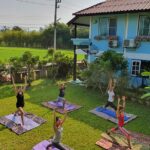
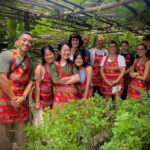
Next comes a visit to a local village and an organic garden. This isn’t just a nice photo stop. It helps you understand why Northern Thai food feels different from what you may expect in Thai cooking overall. You’re seeing produce in a farm-and-season context, not just in plastic packaging under fluorescent lights.
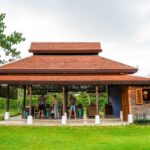
The countryside setting is also a big part of why the meal at the end feels meaningful. You’re surrounded by rice fields, fruit orchards, and an organic farm, and that changes how you taste. The day builds toward eating like locals do, not tourists do.
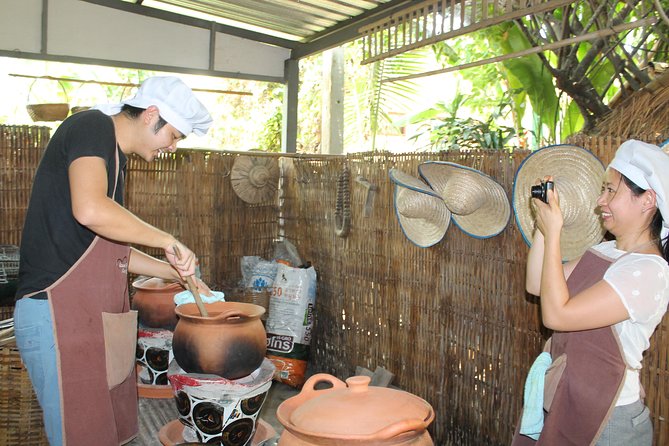
When you arrive at the cooking place, you’ll be cooking Northern Thai Lanna food with a charcoal stove and clay pot. That combination affects more than aesthetics. Clay holds heat differently than modern cookware, and charcoal cooking brings a distinct depth that you can’t fully copy in a normal weeknight kitchen. Still, what you learn is transferable: ingredient balance, texture, timing, and how to adjust flavors as you go.
Hands-on Lanna cooking: chopping, pounding, and learning spice in context
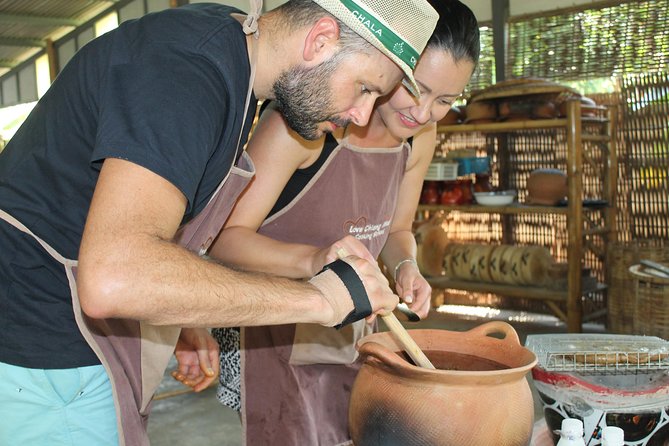
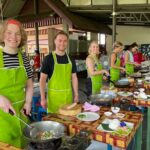
This is a small-group class, so the instructor can actually guide you while your hands are moving. The overall format is straightforward: you visit, you gather ingredients, you cook together, and then you sit down to eat. The details are what make it work.
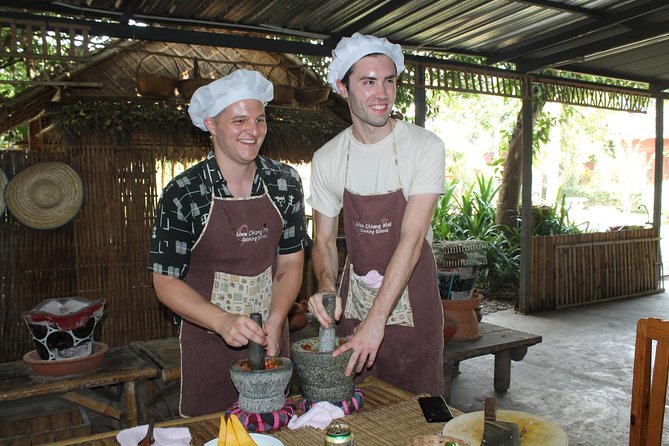
You can expect to do real prep tasks—chopping, slicing, and pounding—not just stirring a pot. You’ll also measure ingredients and learn how the same flavors behave differently depending on how they’re added. One of the best parts is tasting as spices go in. When you taste throughout the process, you start to recognize what each flavor is doing rather than relying on guesswork later.
Also, Lyn’s teaching style is built around pacing. If you need a slower step-by-step approach, the class adjusts. That matters if you’re a nervous beginner or if your travel day has already been full. You’re here to learn, not to speed-run a recipe.
Finally, the class includes tools and ingredients, so you’re not hunting down obscure Thai items before you arrive. For most visitors, that alone is a money-saver.
What you’ll cook: Khao Soi, Kaeng Hung Lay, banana-leaf pork, and Chiang Mai sausage
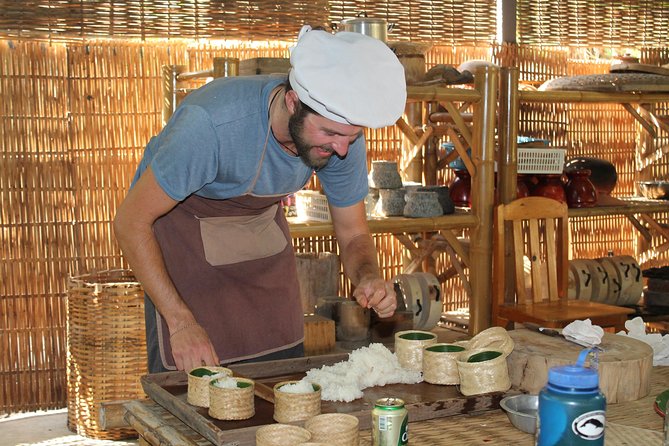
There are 4 dishes to cook, including dessert. The savory part usually includes a mix that represents Chiang Mai’s range—creamy noodles, Northern curries, wrapped pork, and sausage-style flavors.
Here’s what’s typically on the list:
Khao Soi (Chiang Mai noodles)
This is a Northern Thai classic, known for its layered textures and creamy-spiced profile. In a class like this, the value isn’t just learning the final plating—it’s understanding how the sauce and toppings come together. You’ll be cooking in a way that teaches you balance, not just order-of-operations.



Kaeng Hung Lay (Chiang Mai curry)
Northern curries can feel different from central Thai curries, and this is one of the best examples. You’ll learn how the curry’s character comes through the ingredient choices and how the flavors develop during cooking. If you’ve ever had Kaeng Hung Lay before and wondered why yours didn’t taste the same, this is where the explanation becomes practical.
Abb Moo (minced pork wrap in banana leaves)
This is the kind of dish that teaches technique. Banana-leaf wrapping changes how the flavors settle and how the pork feels at the end. It’s also a great dish to practice attention to detail, because wrapping and sealing takes focus.
Sai Aou (Chiang Mai sausage)
Sausage-style dishes are where seasoning and texture really matter. You’ll get to see how the mixture behaves and how it turns out through the cooking method. This is the kind of dish you’ll want to recreate later because it’s distinctively Chiang Mai.
And then there’s dessert, which is included as part of the 4-dish set. The exact dessert isn’t specified in the details you have here, but it’s part of the included cooking session and the meal afterward.
The meal at the end: eating what you made, the local way
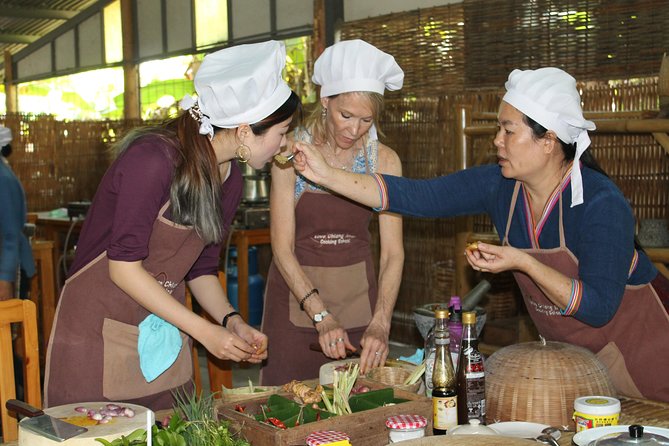
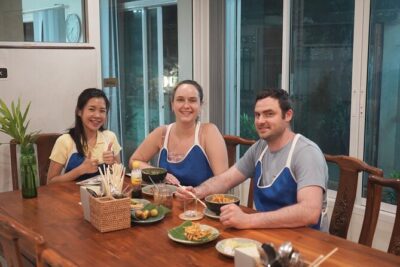
At the end of class, you dine on your creations. That sounds simple, but it’s a key difference between a real cooking class and a cooking demo. You get to taste your work while the flavors are fresh in your memory, right after you’ve made them.
The host setting is in the countryside, surrounded by farmland. You’ll share the meal with your hosts in a way that reflects local life. The goal is less performative and more family-style: talking, sharing experiences, and getting a real sense of how people eat together.
You’ll also have coffee and/or tea, plus water and fruit in season included. That means your meal doesn’t feel like an add-on. It’s part of the full experience, from market to finished dishes.
If you’re vegetarian, you’re in good shape here: vegetarian requests are welcome. Still, because the menu includes specific items like pork and sausage, it’s smart to flag your dietary preference as early as possible so the kitchen can plan appropriately.
Price and value: what $109.71 includes (and why it’s not just a recipe list)
At $109.71 per person for about 6 hours 30 minutes, this class sits in the mid-range for Chiang Mai cooking activities. The reason it can still feel like good value is what’s included and what you’re practicing.
You’re getting:
- All ingredients and kitchen tools
- Coffee/tea, water, and fruit in season
- A recipe book at no extra cost
- Travel insurance that’s required under Thailand tourism regulations
- Small group size (max 6 travelers)
- Pickup offered
That combo matters. Many cooking classes include ingredients but feel scripted or overly rushed. Here, the small group supports hands-on learning and guidance, and the recipe book gives you something tangible to recreate later without guessing.
Also, the experience includes transport between the market and the countryside cooking area, either by local transport or private car. For visitors who don’t want to solve logistics on their own, that’s part of the real convenience value.
One more timing note: classes run for lunch or dinner. If you can match the session to your itinerary, you can reduce wasted hours in Chiang Mai. That’s not “fun math,” it’s travel sanity.
Who this experience suits best (and who may want to choose differently)
This class is a strong fit if you:
- Want to learn Northern Thai Lanna cooking, not just generic Thai dishes
- Enjoy hands-on cooking and want to practice skills like chopping, pounding, and seasoning
- Prefer learning from a real family setting rather than a classroom-style workshop
- Appreciate market context and ingredient selection
You might consider skipping or switching to something else if:
- You want a fully hands-off experience (this one is active)
- You dislike heat or don’t want to cook with charcoal and clay pot methods
- You’re only looking for a quick bite-size tasting tour
If you’re traveling with kids, there’s a 50% charge for children under 12, and followers are also charged 50% of the adult price. That can help you budget if you’re bringing younger food lovers.
Practical tips for your cooking day in Chiang Mai
A few small choices make a big difference in how much you enjoy the day:
- Wear comfortable clothes you don’t mind getting splashed or scented. You’ll be preparing food, and food smells linger.
- Come with a spice preference in mind. If you like mild flavors, tell the instructor early so they can guide you while you taste and adjust.
- If you’re vegetarian, confirm your needs right away. Since the standard dishes include pork and sausage, you’ll want the kitchen to plan substitutions.
- Choose lunch or dinner based on your energy. The day is long, and cooking takes focus.
If you do these things, you’ll leave with more than recipes. You’ll understand why the food tastes the way it does.
Should you book this Chiang Mai Lanna cooking experience?
Yes, if you want a cooking class that feels grounded in ingredients, technique, and local life. The biggest strengths are practical: market-to-kitchen learning, a small group size, and hands-on guidance from Lyn that includes tasting as flavors build. You also get real value from eating what you make right after cooking, in a countryside host setting with fruit, coffee/tea, and a shared table.
Book it if your goal is to cook Northern Thai food with confidence when you’re back home. Skip it if you only want a quick tasting, because this is about doing the work as much as enjoying the results.
FAQ
What is the duration of the Chiang Mai Lanna cooking experience?
The experience lasts about 6 hours 30 minutes.
How much does it cost per person?
The price is $109.71 per person.
Do you get picked up from your starting location?
Yes, pickup is offered by your host.
Is there a market and garden visit included?
Yes. You visit a local market and also visit a village and an organic garden.
What will you cook during the class?
You cook 4 dishes, including dessert. The dishes listed include Khao Soi, Kaeng Hung Lay, Abb Moo, and Sai Aou.
Are ingredients and cooking tools provided?
Yes. All ingredients and kitchen tools are provided.
Is lunch or dinner available?
Yes. The experience is offered in lunch time (08:30 am–03:00 pm) and dinner time (03:30 pm–10:00 pm).
Do they offer vegetarian options?
Vegetarian requests are welcome.
How are children priced?
Children under 12 years old (and followers) are charged 50% of the full adult price.
What is included besides the cooking and meal?
Included items are the recipe book, coffee and/or tea, water, fruit in season, and travel insurance required by Thailand tourism regulations.