REVIEW · CHIANG MAI
From Chiang Mai: Chiang Dao Cave Trekking Full-Day Tour
Book on GetYourGuide →Operated by TripGuru Thailand · Bookable on GetYourGuide
Caves and a climbing waterfall in one day. That’s the appeal of this Chiang Dao Cave trekking tour: limestone caverns packed with Buddha statues and stalactites, then a walk-up waterfall that’s famous for mineral traction.
I especially like that it’s a small-group format, with hotel pickup and a guide who helps you move through the day without feeling rushed.
One drawback to plan around: there are tight cave passages and a real climb at the sticky waterfall, so it’s not a match if you have claustrophobia, mobility limits, back issues, or heart problems.
5 limestone caverns and Buddha statues below the mountain
Optional deeper cave segment with a lantern guide (extra cash on the spot)
Bua Thong Sticky Waterfall: climb using sticky rock and a safety rope
Lunch + market time for real local food stops
GSTC-certified, low-impact approach (glass bottles + carbon offset)
English-speaking guide experience, often with strong photo help
In This Review
- Entering Chiang Dao Cave: Five Caverns, Buddha Shrines, and Cool Air
- The optional lantern guide section is the “choose your adventure” moment
- From Chiang Mai Pickup to a Real Day Trip Rhythm (8 Hours That Works)
- Chiang Dao Cave Timing: What You Actually Do for 2.5 Hours
- Lunch and Local Market Time: Fuel That Actually Tastes Like Northern Thailand
- Practical note on cash
- Bua Thong Sticky Waterfall: How the Mineral Climb Works
- Shoes and clothes: what works best
- Guides Who Make Dark Caves and Slippery Rocks Feel Easy
- Responsible Travel: GSTC Certification and the Glass Bottle Detail
- What to Bring (So Your Cave and Waterfall Feel Comfortable)
- Who Should Book This, and Who Should Skip It
- Price and Value: Why $106 Makes Sense for This One-Day Combo
- Should You Book This Chiang Dao Cave and Bua Thong Tour?
- FAQ
- What’s the total time for the tour?
- Do I need cash during the day?
- Is a flashlight required for Chiang Dao Cave?
- How active is the Bua Thong Sticky Waterfall stop?
- What language is the guide?
- Is this tour suitable for everyone?
Entering Chiang Dao Cave: Five Caverns, Buddha Shrines, and Cool Air
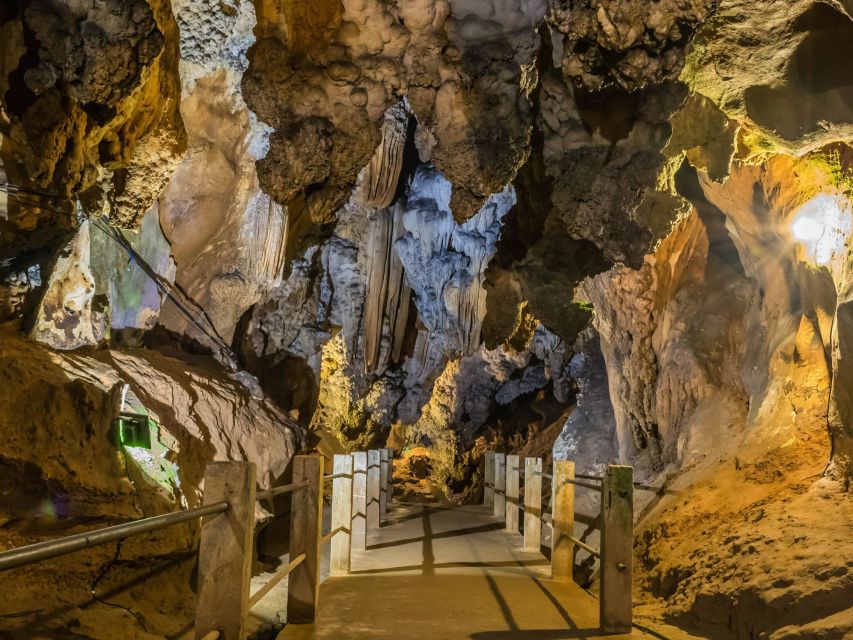
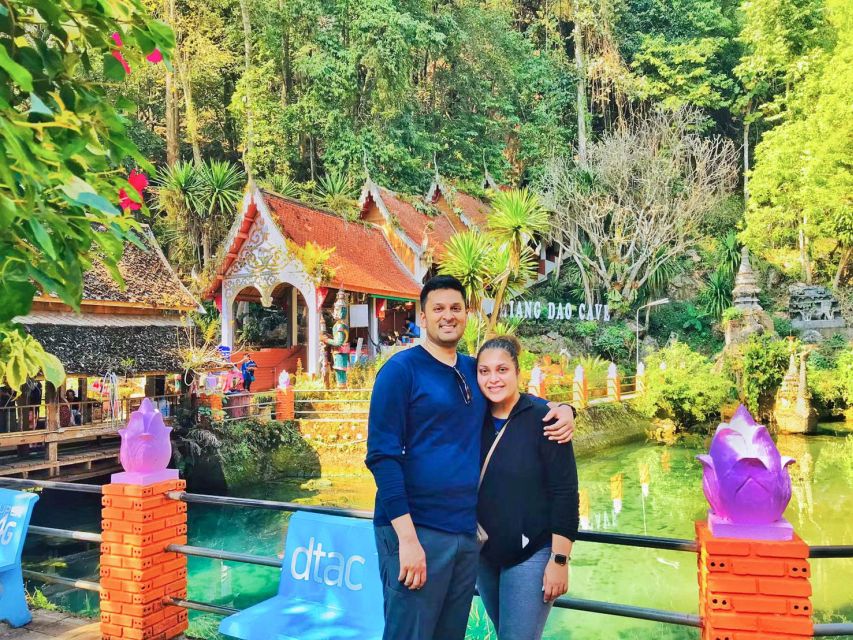
Chiang Dao Cave (Wat Tham Chiang Dao) is the kind of place that makes you lower your voice. The entrance leads into a vast, interconnected system that extends deep into the mountain—cooler than Chiang Mai’s streets, especially on warmer days when humidity can sneak in.
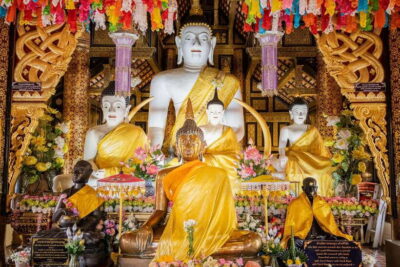
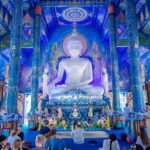
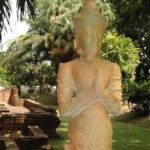
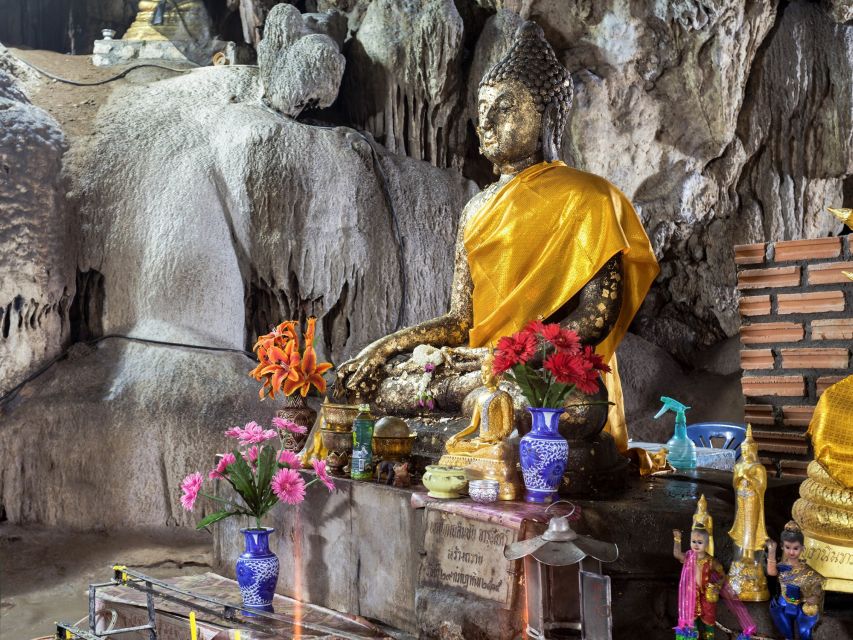
What I love here is the variety inside the cave. You’re not just walking through one long tunnel. You’ll pass five limestone caverns, with formations like stalactites and stalagmites, plus religious details including Buddha statues and offerings from visitors. One moment that sticks with people: a row of five seated Buddhas in the first cavern, and another highlight is a 13-foot reclining Buddha.
Some parts of the caves have electric lights, which helps you actually see the textures instead of guessing in the dark. Still, darkness is part of the charm. Bring a flashlight even if you think you won’t need it—you’ll feel better when paths narrow or when you want to look closely at carvings.
The optional lantern guide section is the “choose your adventure” moment
There’s often an extra paid segment you can add for deeper exploration with a local lantern guide. In practice, that means about 300 baht in extra fees paid on the spot, in cash. Reviews consistently describe this as worth it if you like getting off the simplest route: you’ll crawl or squeeze through tighter areas, and the lantern guidance makes it easier to understand what you’re seeing.
If you’re comparing options, here’s how to think about it: the free portion is impressive, but the paid deeper part is where you feel the full “cave trekking” vibe. Guides also tend to point out shapes and details in the formations—small cues that make the cave feel personal, not just scenic.
You can also read our reviews of more hiking tours in Chiang Mai

From Chiang Mai Pickup to a Real Day Trip Rhythm (8 Hours That Works)
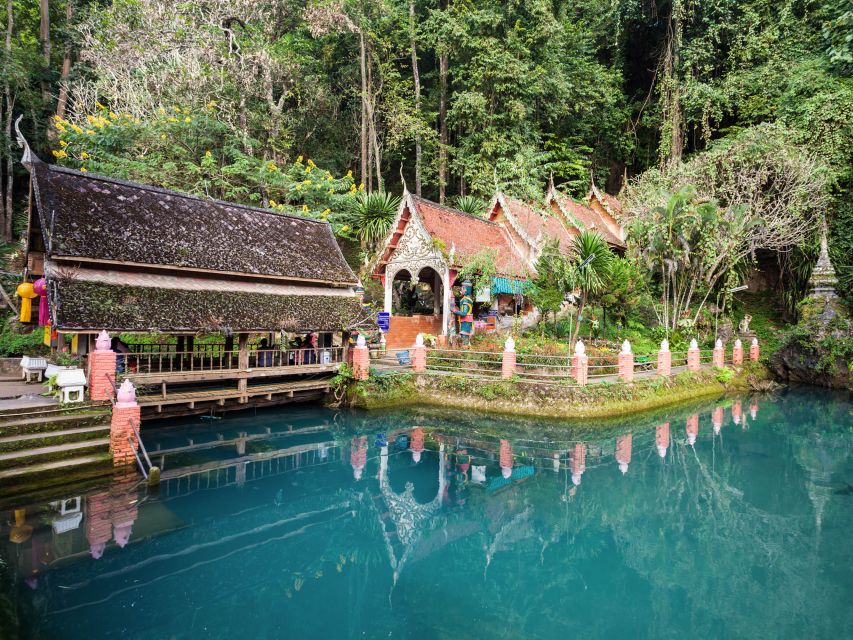
This is an efficient full-day outing built around one big goal: get you out of Chiang Mai and into nature fast, then bring you back before your legs fully file for retirement.
Pickup is from hotels or registered accommodations in central Chiang Mai. The ride to Chiang Dao is about an hour each way, and the tour uses an air-conditioned vehicle, which matters in the heat. Expect a planned rhythm: cave first, then food and market time, then the sticky waterfall, and finally the return van.
Small group size is a real quality factor here. The limit is up to 9 participants, and that tends to mean fewer waits at checkpoints and more flexibility for your guide to slow down for photos or questions. Some departures can even feel like a private tour if you’re the only booking that day, and that typically makes the pace feel very tailored.
The overall structure also helps you with energy management. The cave is not “sit and look.” You’ll be walking and moving through uneven surfaces. After that, having a lunch and then the waterfall stop gives you a change of activity—less mental fatigue than doing two heavy hikes back-to-back.
Chiang Dao Cave Timing: What You Actually Do for 2.5 Hours
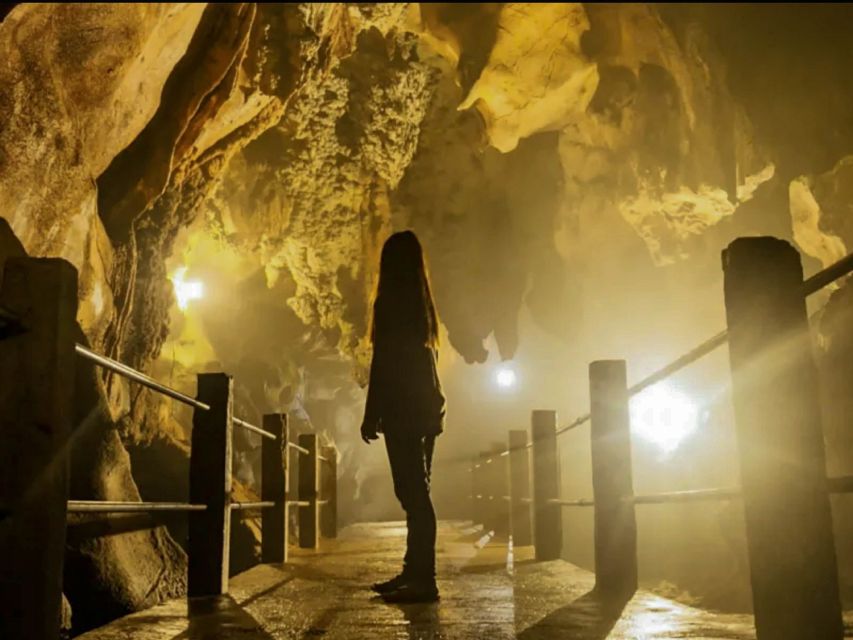
Plan for the cave visit to take around 2.5 hours. Most of that time is active walking, occasional climbs/steps, and navigating through areas that can feel tight. Even if you’re fairly fit, keep in mind you might need to crouch or squeeze at a few points.
Here’s what the experience tends to feel like from the inside: you move between larger chambers and narrower connecting passages. In the chambers, you can take in the statues and shrines, and in the connecting sections, your focus shifts to footing and orientation.
You’ll also likely be guided through the religious meaning behind what you see. That matters because the cave isn’t just geology—it’s a place with ongoing faith and visitor offerings. A guide can help you connect the physical sights (stalactites, Buddha carvings) with the cultural context, so the cave feels like a living place rather than a museum.
Lunch and Local Market Time: Fuel That Actually Tastes Like Northern Thailand
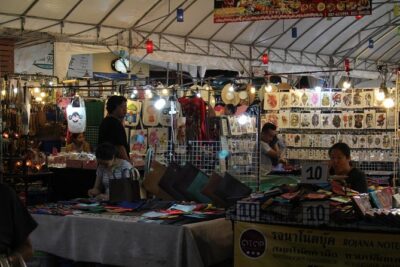
After the cave, you’ll head to a restaurant area for lunch, often combined with time at a local market. This is where the day becomes more than sightseeing. Market visits let you see what people eat and how they shop, and guides can point out items you might otherwise overlook.
The tour doesn’t include your food and drink cost, but it does set you up with the right stops—so you’re not scrambling for lunch after a sweaty cave session. Reviews mention really satisfying local meals here, including favorites like khao soi, along with snacks and fruit.
If you like to eat casually but thoughtfully, this part is a big win. You’ll get a chance to try things that feel specific to the region rather than default tourist menus. And if you’re the kind of person who likes asking questions, the market time is perfect for it—guides often explain what you’re looking at and how locals choose what to buy.
Practical note on cash
Your entrance and many basics are covered, but you may still need cash for cave extras. Also, for lunch you’ll be paying yourself. Bring some bills so you’re not forced into a last-minute ATM hunt.
You can also read our reviews of more tours and experiences in Chiang Mai




Bua Thong Sticky Waterfall: How the Mineral Climb Works
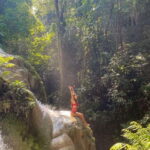
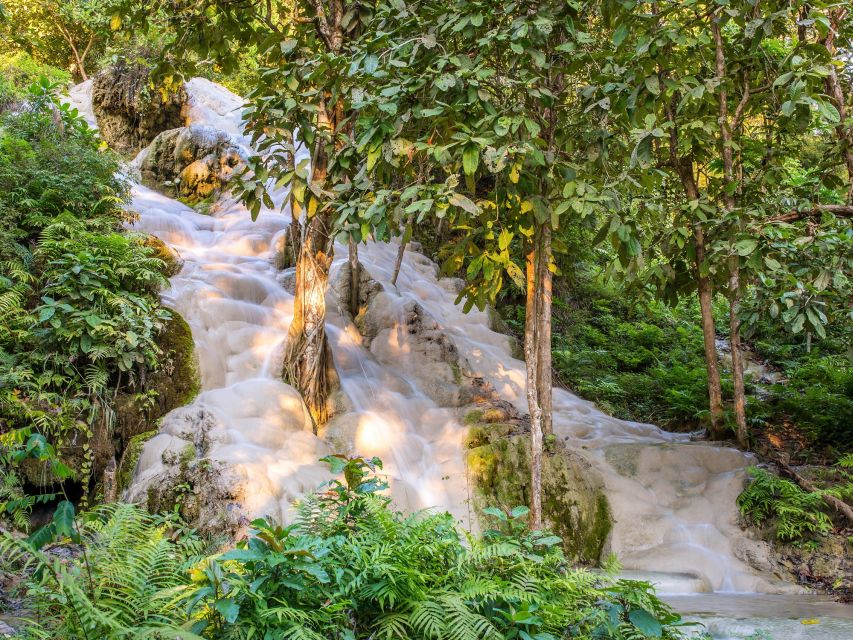
Then comes Bua Thong Sticky Waterfall, and it lives up to the name in a way most “sticky waterfalls” don’t. This isn’t a slippery waterfall where you hope for the best. The attraction is the mineral deposits on the rock that create natural traction—so you can climb upward without falling as easily.
You’ll have around 2 hours here, which is enough time to walk through the area, cool off, and (if you want) climb for views. A safety rope is provided to help you manage balance on the steeper sections. You’ll also see people climbing with confidence, but don’t mistake that for a guarantee that it’s easy. You’ll still work your legs and core.
Shoes and clothes: what works best
Because it’s wet and climb-focused, you’ll be happiest with gear that handles traction and getting wet. Many people wear water shoes or rubber footwear. Barefoot is possible because the rock provides traction, but it’s not always comfortable, and it can hurt if you’re not used to it.
Bring swimwear, a towel, and a change of clothes. The waterfall stop is a cooling reset, but you don’t want to dry off in sweaty clothes while you’re waiting for the drive back.
The one “mental adjustment” to make: you’re not just watching a waterfall. You’re participating in it—slowly climbing, pausing, and repositioning. If you expect a quick photo stop, you might feel like you didn’t do enough. If you expect a full workout, you’ll likely feel pleasantly surprised by the time you spend exploring.
Guides Who Make Dark Caves and Slippery Rocks Feel Easy
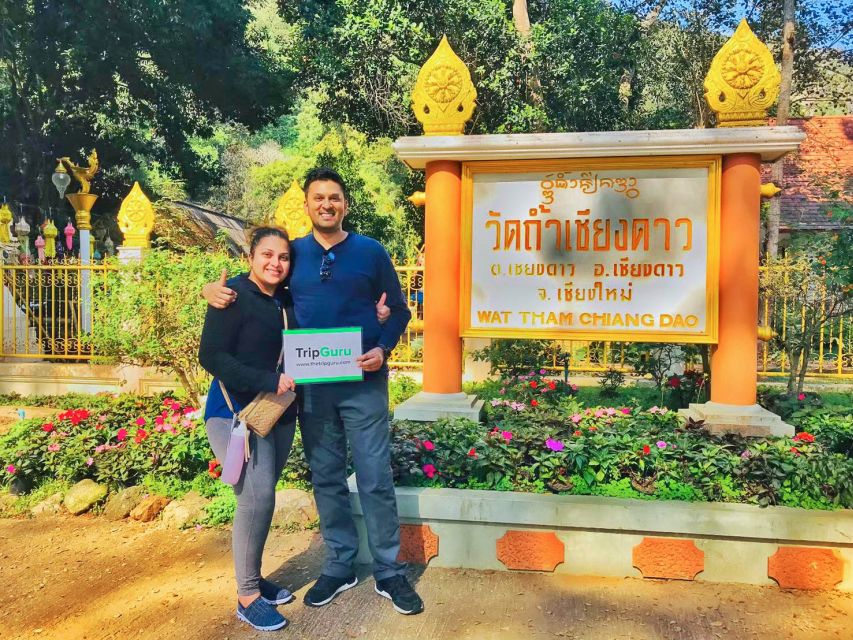
A big reason this tour gets such high praise is the human factor: the guide. The cave is naturally confusing—you’re under a mountain, light changes constantly, and passages can feel repetitive until someone helps you read them.
In reviews, guides like Samphan, Art, Avi, Cookie, Leela, and Nom are specifically praised for being attentive, informative, and good at pacing. Others are mentioned for photography help (like Art and Avi, who took lots of pictures without fuss). There are also guides such as Pranom, Tik, Nong, and Tim who are repeatedly described as giving clear explanations about the cave, Buddhist context, and how to climb the waterfall safely.
Here’s what that means for you: you’ll get more than “walk here, see that.” You’ll usually learn what to look for, when to slow down for key statues, and how to avoid feeling rushed. When the experience includes tight spots and wet surfaces, feeling guided is half the success.
Responsible Travel: GSTC Certification and the Glass Bottle Detail
This tour is described as GSTC-certified and designed for lower-impact travel. You’ll also get water in glass bottles, and the operator states they offset carbon emissions with each tour.
The practical value of this isn’t just feel-good branding. Glass bottles reduce single-use plastic waste, and carbon offset programs can reduce the footprint of transport-heavy day trips. It’s still smart to travel efficiently anyway, but it’s reassuring when the logistics are built with some responsibility in mind.
What to Bring (So Your Cave and Waterfall Feel Comfortable)
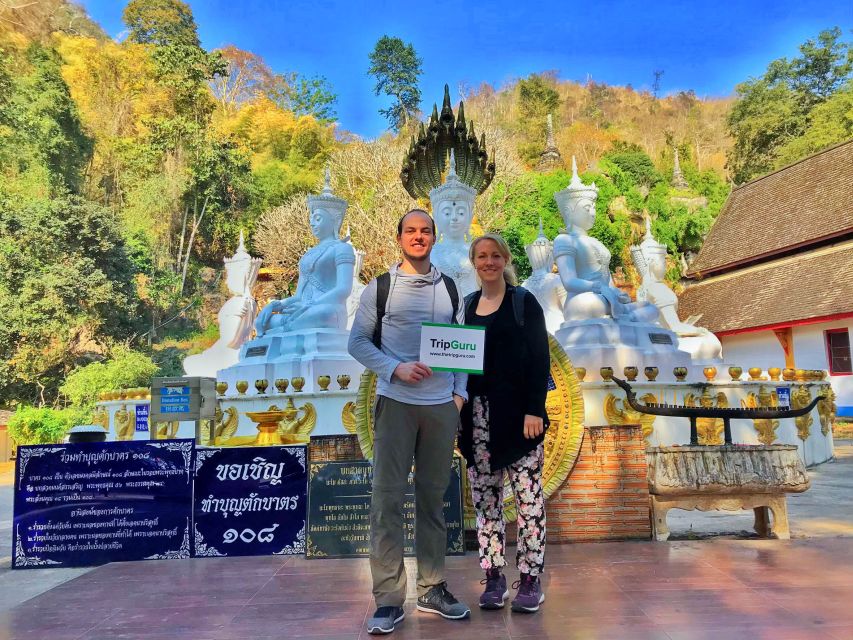
This is one of those days where packing like a realist pays off. Bring items that match the surfaces and the temperature swings between daylight heat and cave coolness.
Recommended:
- Long pants and a long-sleeved shirt
- Swimwear, change of clothes, and a towel
- Cash for on-the-spot cave extras (lantern guide fee) and personal spending
- Flashlight, even though some sections have light
- Trekking gear if you like secure footing
A quick clothing strategy: wear something you’re willing to get slightly damp and that you can move in. Cave rules often mean covering up more than you’d expect, so long pants help you avoid discomfort.
Also, if you’re tempted to “just bring flip-flops,” remember Bua Thong is about traction. Choose footwear that you trust on wet rock.
Who Should Book This, and Who Should Skip It
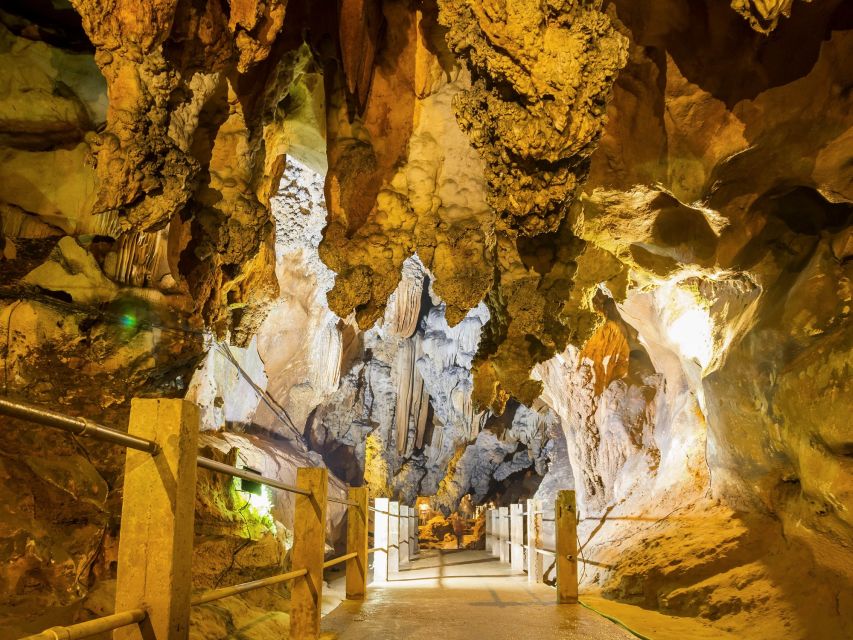
This tour is best for you if you want a day that mixes culture and physical fun. You like dark, cool places. You enjoy seeing religious sites up close. And you don’t mind climbing a bit at the waterfall.
It’s also a good fit for people who appreciate small-group attention. With a max of 9 participants, you generally get better guidance and less waiting around for the next turn.
Skip it if you:
- have claustrophobia (tight passages in the caves are part of the experience)
- have mobility impairments
- have back problems
- have heart problems
For everyone else, go in with the right mindset. Expect movement, uneven terrain, and a waterfall climb that’s more active than “viewing.”
Price and Value: Why $106 Makes Sense for This One-Day Combo
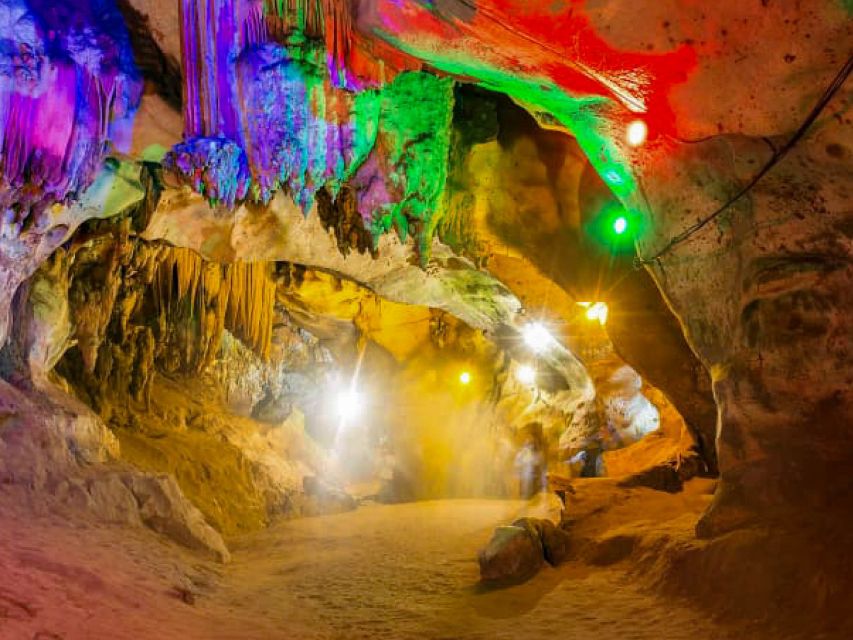
At $106 per person for about 8 hours, the value comes from what’s included, not just the headline number. You’re getting:
- hotel pickup and drop-off
- an English live guide
- air-conditioned transport
- entrance fee to Chiang Dao Cave
- insurance
- at least one glass bottle of drinking water
Food and drink costs are on you, and the cave lantern guide fee for deeper exploration is an extra on-the-spot cash charge. That means your true spend depends on whether you add the deeper cave segment and how you choose lunch.
But here’s the trade-off that matters: you’re paying to bundle transportation, cave access, and guided storytelling into one organized day. That’s usually cheaper and smoother than trying to stitch together a driver, entrance tickets, and a guide all separately—especially if you want an orderly route through cave + waterfall without wasting time.
If you love photos, this tour can also pay off emotionally. Several guides are noted for taking strong pictures and knowing good spots, which means you’re more likely to leave with memories that actually look like what you experienced.
Should You Book This Chiang Dao Cave and Bua Thong Tour?
Book it if you want an active, off-the-main-route Chiang Mai day with real variety: Buddha caves underground, then a waterfall you can physically climb using sticky rock. The small-group size and guide focus help a lot, especially if you’re unsure about what to expect inside the cave.
Skip it if you dislike tight spaces or want a purely relaxed sightseeing day. The day includes walking, climbing, and cave sections that can feel cramped.
My practical advice: if you’re even mildly excited by the idea of a lantern-lit cave and the unique sticky-waterfall climb, you’ll likely feel glad you booked. Just pack smart, bring cash for the cave extra if you want it, and don’t underestimate how satisfying it feels to end the day cooled off and muddy-in-a-fun-way.
FAQ
What’s the total time for the tour?
The full experience runs about 8 hours, including pickup, travel, cave time, lunch/market time, the sticky waterfall, and the return trip to Chiang Mai.
Do I need cash during the day?
Yes. Food and drinks aren’t included, and there’s also a fee on the spot in cash for the local guide and lantern if you choose to explore further inside the cave.
Is a flashlight required for Chiang Dao Cave?
It’s recommended. Even though some cave areas have electric lights, having a flashlight can help you navigate darker sections comfortably.
How active is the Bua Thong Sticky Waterfall stop?
It’s an active stop. You climb using traction from sticky mineral deposits and a safety rope, so bring swimwear and expect some effort.
What language is the guide?
The live guide provides the tour in English.
Is this tour suitable for everyone?
No. It’s not suitable for people with back problems, mobility impairments, claustrophobia, or heart problems.