REVIEW · CHIANG MAI
Evening Cooking Class in Organic Farm with Local Market Tour
Book on Viator →Operated by The Best Thai Cookery School · Bookable on Viator
Thai cooking comes with a ready-to-use plan. This 5-hour evening class in Chiang Mai pairs a quick market stop with a hands-on farm kitchen, so you learn flavors and techniques you can actually repeat later. I like that you get individual cooking stations instead of watching from the sidelines. I also like that the teacher brings the lessons to life, with Perm standing out in the kind, funny, hands-on style that makes learning easier.
You’ll start with Somphet Market (including admission), then head out to a farm area to cook, eat what you made, and return to your hotel. The big upside is the full package for the money: market time, cooking instruction, the meal, and round-trip hotel transfers are all part of the deal. The one thing to consider is timing: it starts at 3:30 pm, and the market visit is only about 30 minutes, so you’ll want to commit to the schedule rather than squeeze in extra sightseeing right beforehand.
In This Review
- Key Highlights to Know Before You Go
- Why This Evening Format Works in Chiang Mai
- Somphet Market: 30 Minutes to Pick Real Ingredients
- The Organic Farm Kitchen: Your Own Station, Your Own Curry
- Curry paste and the dish lineup
- Cooking Demo + Group Picture: Learning With a Little Structure
- What You Eat: Dinner That Proves the Lesson
- The Teacher’s Style Matters More Than You Think
- Price and Value: Why $29 Can Actually Make Sense
- Who This Tour Is Best For (and the Tradeoffs)
- Should You Book This Evening Cooking Class?
- FAQ
- What time does the cooking class start?
- How long is the tour?
- Is hotel pickup and drop-off included?
- Do I visit Somphet Market before cooking?
- Is admission included for the market and the cooking course?
- How many dishes do I learn to make?
- Is there a cooking demonstration included?
- How big is the group?
- What is the cancellation policy?
Key Highlights to Know Before You Go
- Somphet Market in Chiang Mai for ingredient spotting before you cook
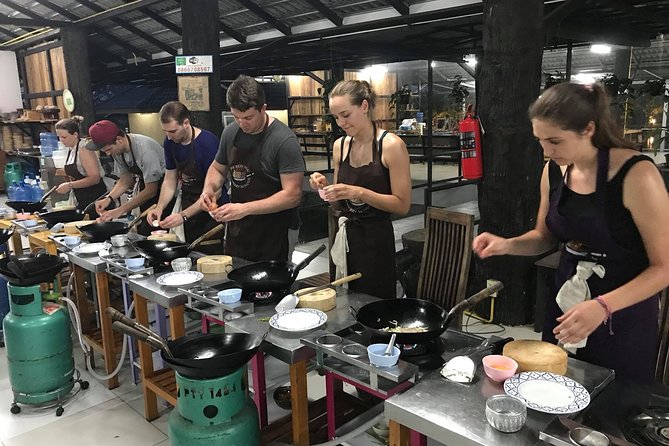
- Individual stations so you can chop, mix, and cook with your own setup
- Curry paste from scratch plus a set of six dishes you’ll make
- Papaya salad and mango sticky rice shown in a cooking demonstration
- Small group size (max 10) that keeps the class interactive
- Eat right after class—you sit down and enjoy what you cooked
Why This Evening Format Works in Chiang Mai
Chiang Mai afternoons can be split into two types of plans: “wander and snack” or “commit to an activity.” This class fits the second type nicely. You’ll begin at 3:30 pm and finish after dinner, so you get the fun of Thai cooking without losing the whole day.
What makes this format practical is the way it reduces decision fatigue. You don’t need to map out a market, find cooking ingredients, or hunt down a cooking school that fits your schedule. The experience includes round-trip hotel transfers, so you can show up, cook, eat, and go home without juggling tuk-tuks or rides at night.
It also helps that the group is capped at 10 travelers. In a small class, the teacher can check what’s happening at your station, not just at the demo table. For a beginner, that matters. Thai cooking is mostly technique—heat control, texture, and balancing flavors—and those are hard to learn from a static lecture.
Finally, the class is built for an easy evening rhythm: learn, cook, eat. In many tourist food experiences, you learn and then leave. Here, you cook and then you actually sit down and eat your own dishes, which is when flavors click and you understand what you should taste for.
You can also read our reviews of more shopping tours in Chiang Mai
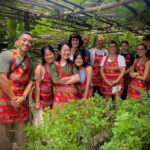


Somphet Market: 30 Minutes to Pick Real Ingredients
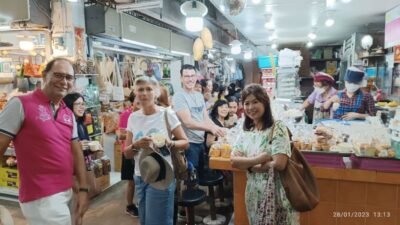
The experience starts at Somphet Market, and you get about 30 minutes there with admission included. Even though the time is short, it’s enough for a useful goal: get your eyes—and your nose—trained on what Thai ingredients look and smell like.
This isn’t presented as a shopping spree. It’s more like a guided ingredient walk. You’ll be shown what matters for the recipes you’re about to cook. A chef-style approach also shows up in the details: you may get the chance to smell herbs and plants, which is a smart way to learn Thai flavor building. Once you understand what the herbs smell like, it’s much easier to reproduce taste when you’re chopping at your station.
One thing I appreciate about market-led classes is that they teach you how to think. Instead of just memorizing a dish name, you learn what goes into it and why. That changes the whole experience from entertainment into a skill you can use later.
In at least some groups, you may also get a bit of free time to wander the market, which is great if you want to pick up a snack or look around without feeling rushed. Just keep in mind you’re on a tight schedule. If you’re the type who gets distracted easily in markets, set yourself a mini goal—pick out a few herbs and spices you recognize, then come back to the group.
The Organic Farm Kitchen: Your Own Station, Your Own Curry
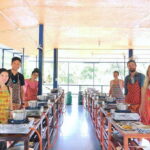
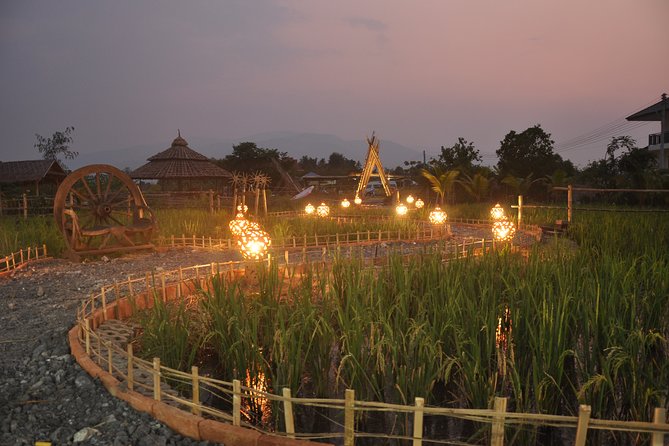
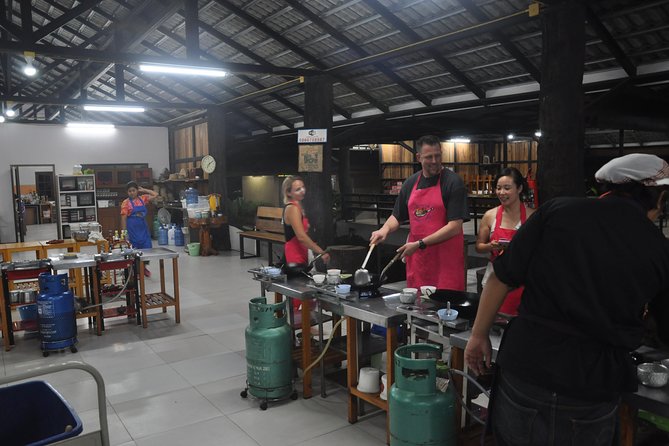
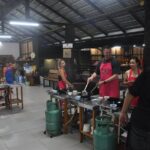
After the market, you head to a farm area a short drive from Chiang Mai. The class is led by a professional teacher, and the setup is built for hands-on cooking rather than watching.
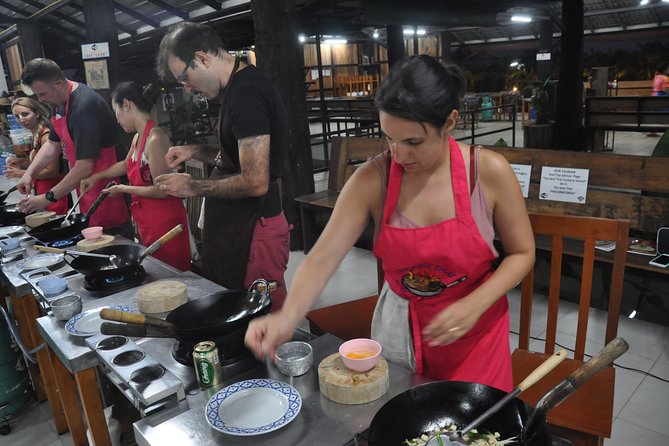
The key detail here is that you have an individual cooking station. That means you aren’t sharing counter space with a dozen other people, and you can follow the steps at your pace. Thai cooking rewards timing. If you’re waiting for someone else to finish a chop or stir, you lose the sense of when the pan is ready. With your own station, you stay in the flow.
Ingredient preparation is also part of the lesson. The experience highlights organic farming, with time to hand-pick fresh ingredients. That matters more than it sounds. Freshness affects aroma and texture, especially for things like herbs and vegetables. When you cook with ingredients that actually taste alive, the dish tastes more like the real thing—and you’ll get better at judging what to adjust.
Curry paste and the dish lineup
This course focuses on core Thai technique: you learn to make curry paste from scratch. Curry paste is where most beginners get stuck because it’s not just chopping—it’s combining ingredients into a paste with the right balance. Once you get the paste down, the dishes become easier to understand.
The structure also includes creating six dishes during the cooking session. You’ll get a demonstration featuring papaya salad and mango sticky rice, two Thai classics that explain how sweet, sour, salty, and spicy actually work together. Then you’ll sit down and eat what you cooked.
If you’re new to Thai food, this is one of the most valuable parts of the class: you see how a cuisine builds from a few fundamentals (paste, seasoning, balance) rather than feeling like every dish is its own complicated project.
Cooking Demo + Group Picture: Learning With a Little Structure
There’s a rhythm to how this class seems to run: demonstration first, then doing. That’s a good mix. If everything were hands-on with no model, it would be hard to know whether you’re aiming at the right texture or taste. If everything were just a demo, you’d never practice.
The included cooking demonstration is built around two dishes people recognize: papaya salad and mango sticky rice. Those choices make sense for a beginner course because they teach contrast. Papaya salad is about balance—often sharp, salty, and tangy. Mango sticky rice is about sweetness and texture. Learning both gives you a broader flavor map for Thai cooking.
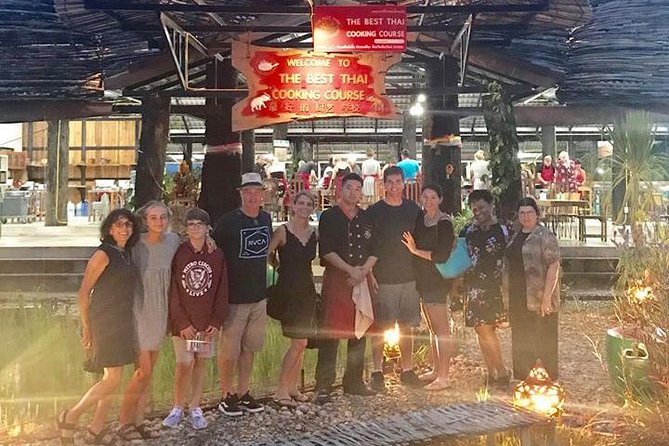
You’ll also take a group picture. It’s small, but it’s a nice reminder that you were part of an actual class day, not just a filmed show you watched and forgot.
You can also read our reviews of more tours and experiences in Chiang Mai



What You Eat: Dinner That Proves the Lesson
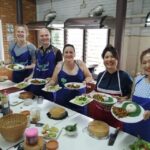
This is one of the most underrated parts of Thai cooking classes. Here, you don’t just cook; you eat what you cooked.
After the hands-on work, you sit down to dine and you taste your results while the process is still fresh in your mind. That timing helps you connect cause and effect. If your curry tastes off, you remember whether the paste smelled right, whether the heat felt too high, or whether the seasoning seemed to need more balancing. If your papaya salad tastes too mild or too sharp, you can identify what ingredient and step likely caused it.
It also makes the class feel complete. Many cooking experiences treat the meal as a bonus. This one treats it as part of the experience flow: cook, taste, learn.
And because it’s an evening class, dinner feels naturally timed. You’re not eating a late lunch and then waiting. You’re cooking and then eating right when hunger hits.
The Teacher’s Style Matters More Than You Think
In cooking classes, the teacher can make the whole thing either painless or frustrating. The feedback around this experience is strong for one main reason: the instructor approach. Perm is specifically called out as amazing and funny, and the lesson style sounds like it mixes explanation with energy.
What that means for you is simple: you’re more likely to remember the steps and less likely to panic when something looks different than expected. Thai cooking has a few moments where novices worry they did it wrong. A teacher who uses humor and clarity helps you stay calm and keep tasting your way to correct balance.
You’ll also likely get ingredient cues beyond what most people expect. Reviews highlight the chance to smell herbs and plants, which trains your instincts. When you later cook on your own, you’ll rely less on exact measurements and more on aroma, texture, and taste.
Price and Value: Why $29 Can Actually Make Sense
Let’s talk value, because $29 for an evening cooking experience in Chiang Mai can either be a bargain or a red flag—depending on what’s included.
In this case, the price covers:
- Round-trip hotel transfers
- Market stop admission at Somphet Market
- Cooking course admission
- A cooking session that includes six dishes, plus demonstrations
- The meal: you eat what you cooked
When you put it all together, you’re paying for more than instruction. You’re paying for transportation, guided market time, ingredients, a structured cooking class, and dinner. For many visitors, those added pieces are exactly what makes a cooking class worth it. You don’t have to figure out the pieces separately, and the class stays focused on learning rather than logistics.
Also, the small group size (max 10) supports the value. Small groups mean you get more attention and fewer bottlenecks at the station.
If you’re comparing options, check whether the cheaper classes include hotel transfers and the market stop. If not, the true cost can climb fast once you start adding rides and admissions.
Who This Tour Is Best For (and the Tradeoffs)
This is a great fit if:
- You want basic Thai cooking that starts with real ingredients
- You like hands-on learning with your own station
- You’re curious about Thai flavor building like curry paste
- You want a complete evening plan that ends with dinner
It’s also a strong choice if you’re traveling solo or as a pair and appreciate a small group where you can ask questions without feeling lost.
The main tradeoffs are practical:
- The market time is only about 30 minutes, so you won’t have a long, leisurely market day.
- The experience runs in the evening starting 3:30 pm, so you’ll want earlier hours free for resting or simple sightseeing.
If you’re the kind of traveler who wants a long market crawl, a slow farm day, or a class that stretches for most of the afternoon, this format may feel short. But if you want a focused, beginner-friendly Thai cooking night with real payoff at dinner, it’s hard to beat.
Should You Book This Evening Cooking Class?
I’d book it if you want a structured Thai cooking experience with real ingredients, a small group, and dinner included—without turning your evening into a transportation puzzle. The combination of Somphet Market, cooking from scratch, and the chance to eat what you made hits the sweet spot for value.
Skip it only if you already have a very open schedule and you want to spend more time browsing markets on your own. This class is more about learning and cooking than lingering.
If you’re curious about Thai dishes like papaya salad and mango sticky rice and you’d like to understand the basics behind them (especially curry paste), this is the kind of evening plan that leaves you full—and better at cooking.
FAQ
What time does the cooking class start?
The experience starts at 3:30 pm.
How long is the tour?
It runs for about 5 hours (approximately).
Is hotel pickup and drop-off included?
Yes. Round-trip hotel transfers are included.
Do I visit Somphet Market before cooking?
Yes. The tour includes a stop at Somphet Market for about 30 minutes.
Is admission included for the market and the cooking course?
Yes. Admission tickets are included for both the market stop and the cooking course.
How many dishes do I learn to make?
You’ll create six dishes during the cooking session.
Is there a cooking demonstration included?
Yes. The course includes a demonstration featuring papaya salad and mango sticky rice.
How big is the group?
The group size is capped at a maximum of 10 travelers.
What is the cancellation policy?
You can cancel for a full refund up to 24 hours before the experience’s start time. Free cancellation is available, and changes within 24 hours aren’t accepted.