REVIEW · CHIANG MAI
Chiangmai Half Day Visit and Wildlife Experience
Book on Viator →Operated by Smile Elephant Chiang Mai · Bookable on Viator
Elephants should be cared for, not put on display. This half-day trip to Smile Elephant Chiang Mai is built around elephant rescue and everyday welfare, with hands-on moments that feel calm and respectful. You also get the added value of learning how local caretakers think about wellbeing, food, and veterinary support.
What I really like is the focus on elephant welfare in a sanctuary setting rather than riding or tricks. The second big plus is the low-key, small-group feel (up to 30), plus guides who bring the experience to life with friendly, patient explanations. Names that have shown up in recent groups include Jack, Adison, Arison, and Boy.
One consideration: you’re in nature for part of the day, and the program lists moderate physical fitness as the expectation. If you’re not comfortable walking in uneven ground or getting wet during river washing, you may want to choose a different style of tour.
In This Review
- Quick Hits Before You Go
- What Makes Smile Elephant Chiang Mai Different From Typical Elephant Tours
- Morning Game Plan: Starting at 8:00 With Pickup in Chiang Mai
- Banchang and the Caretaker Mindset: What You Learn Before You Touch
- Elephant Time Up Close: Feeding, Gentle Contact, and River Washing
- What Your Money Supports: Rescue, Food, Veterinary Care, and Care Management
- The Pace, the Group, and the Little Things You’ll Notice
- Price and Value for an Ethical Half-Day Elephant Experience
- Who This Wildlife Visit Is For (and Who Should Think Twice)
- Should You Book Smile Elephant Chiang Mai?
- FAQ
- What is the price of the Chiang Mai half-day elephant experience?
- How long is the tour?
- What time does the tour start?
- Does the tour include pickup?
- How big is the group?
- Will I receive a ticket on my phone?
- Is there a fitness requirement?
- Is free cancellation available?
Quick Hits Before You Go
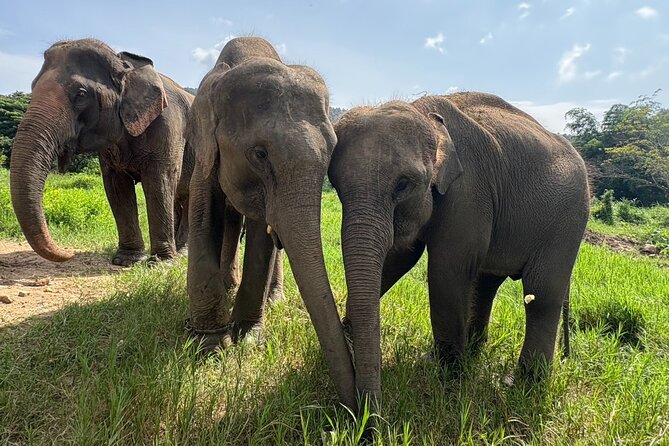
- Ethical contact in a rescue-focused sanctuary, not a ride-and-repeat show
- Local experts explain welfare and care, so you understand what you’re seeing
- Up-close feeding, gentle touching, and river washing can be part of the experience
- Small group size (max 30) keeps the pace from feeling rushed
- Local pad Thai at the end adds a satisfying, simple cultural finish
What Makes Smile Elephant Chiang Mai Different From Typical Elephant Tours
If you’ve seen the usual elephant tourist circuit in Thailand, you’ll know the common problem: too much emphasis on photos and too little on what the animal actually needs. Smile Elephant Chiang Mai is designed around rescue and ongoing care, so your visit is less about performance and more about understanding daily welfare.
In practical terms, that mission changes the tone of the day. The goal is that the sanctuary can keep supporting elephants with the basics that matter: food, routine management, and access to veterinary care. It’s not sold as a thrill ride. It’s described as a cooperative that brings together traditional Thai elephant caretakers and local residents, which matters because elephants aren’t just housed there; they’re managed by people with long experience and day-to-day responsibility.
Also, the experience is positioned as something ethical, sustainable, and focused on elephant welfare. That shows up in what you’re able to do: there’s gentle interaction, feeding, and river washing, and there’s a clear avoidance of abuse and riding-style behavior in the way the activity is described. If your priority is meeting elephants while treating them like sentient animals with needs, this is the kind of program that fits that mindset.
You can also read our reviews of more tours and experiences in Chiang Mai.



Morning Game Plan: Starting at 8:00 With Pickup in Chiang Mai

This is a half-day with a 5 hours 30 minutes runtime, starting at 8:00 am. Early start is a real help in Chiang Mai. You get going before the day heats up and before traffic and crowds fully build.
Pickup is offered, which usually saves you from the hassle of figuring out transport on your own. You’ll want to plan for the fact that mornings can be cooler but roads may still be busy. The tour also uses a mobile ticket, so you’ll want your phone charged and ready to show whatever code or confirmation is requested.
What’s especially useful here is the rhythm. You’re not doing a long day that pulls you from morning into the evening. You can fit this into your schedule without losing an entire day of city wandering, temple time, or night market browsing.
Group size is listed as maximum 30 travelers, which tends to make morning activities feel easier to manage than the huge-bus tours. You should still expect a shared experience, but this one aims to stay under control.
Banchang and the Caretaker Mindset: What You Learn Before You Touch
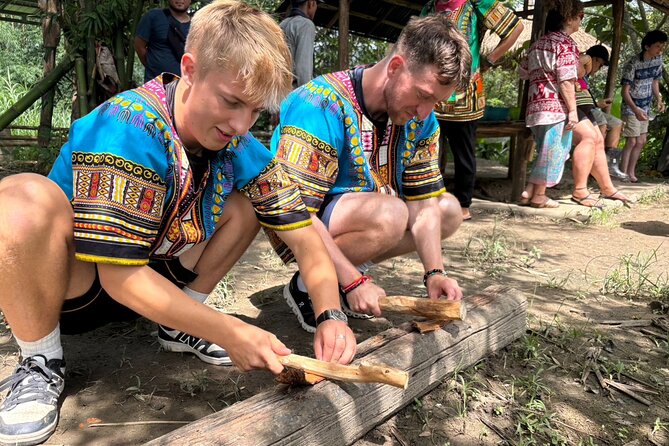
Before any up-close time, the value is in the education. This visit is built around learning about the project’s mission: rescue elephants and give them a better quality of life. You also learn how your visit supports ongoing needs, like feeding routines and veterinary care.
You’ll be guided by people who know the elephants as individuals, and the atmosphere is meant to be respectful and transparent. In recent experiences, guides have been described as friendly and funny, with names like Jack, Adison, Arison, and Boy. Those details matter because they hint that the day isn’t just a checklist; you get explanations that help you understand behavior and care.
You can treat this like your “welfare briefing.” That’s helpful when you’re about to do hands-on activities. If you know what the caretakers are trying to protect—elephant calm, safety, and comfort—you’re less likely to rush, grab at photos, or do the wrong kind of interaction.
One more note: the sanctuary is in Banchang, Chiang Mai, and the setting is described as beautiful and natural. That isn’t just aesthetics. A more natural environment tends to make interactions feel grounded in the animals’ rhythms rather than staged in a hard, artificial way.
Elephant Time Up Close: Feeding, Gentle Contact, and River Washing
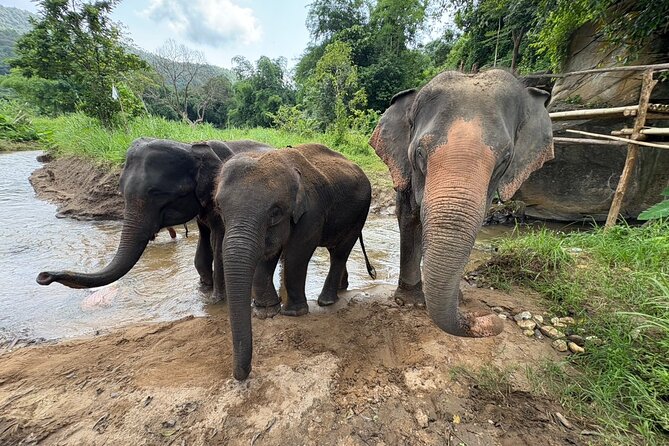
This is the part most people come for, and it’s where the ethical framing should be easy to spot. The experience includes up-close feeding and gentle interaction, along with river washing for the elephants.
From the way the experience is described, you may get to do a few kinds of contact:
- Feeding elephants up close
- Gentle touching or petting
- Washing them in the river, which can involve getting wet
That matters because it’s not a photo-op from behind a barrier. It’s still an interaction that should be controlled and respectful. Your guide plays a key role here. A good guide doesn’t just hand you a banana and walk away. They coach you on how to approach, when to pause, and how to avoid stressing the animals.
Safety and comfort are part of this. The tour notes moderate physical fitness, and you should expect some uneven ground and time near water. If you’re prone to slipping, don’t like wet clothes, or have limited mobility, the “river washing” element may not be your cup of tea.
The good news is that descriptions emphasize a peaceful, fun day in nature. Even people who felt scared at first report that the elephants were affectionate and cute once they understood the calm pace and the guidance.
What Your Money Supports: Rescue, Food, Veterinary Care, and Care Management
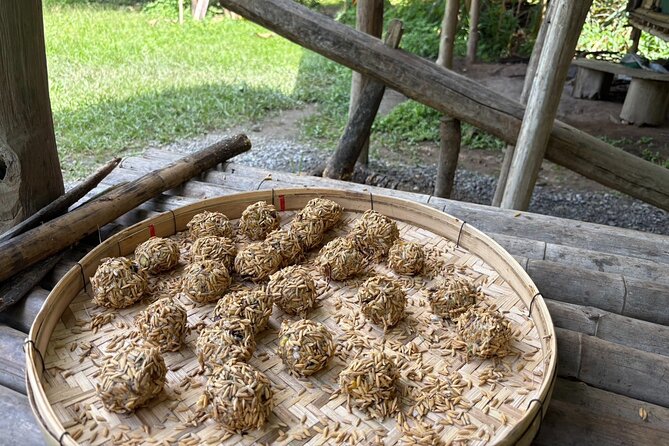
This is one of those experiences where the ethics aren’t just marketing language. Your visit supports the sanctuary’s ongoing elephant rescue work and day-to-day management. That includes the basics you’d hope for in any responsible elephant program: food supply, care routines, and veterinary support when needed.
The key “value” idea for you is simple: when you book, you’re not only buying a visit. You’re contributing to keeping elephants cared for after rescue. The sanctuary’s mission is focused on rescue and quality of life, not temporary entertainment.
I also like that the experience is presented as a cooperative involving caretakers and local residents. That suggests the project isn’t an isolated operation. It’s part of a community-based system that can keep running with local buy-in.
If you want an animal experience that aligns with your values, this is the type of tour where you can connect the dots: you interact gently, you learn care practices, and your ticket feeds into welfare work rather than disappearing into a short-term show.




The Pace, the Group, and the Little Things You’ll Notice
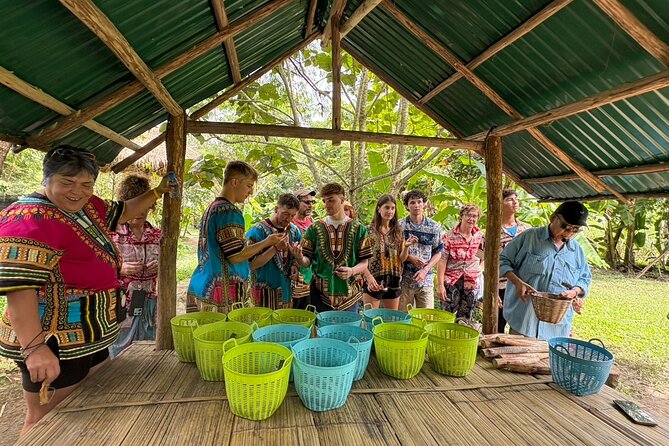
There’s a reason people call this a wholesome, kind interaction. A lot of it comes down to pacing and group size. With up to 30 travelers, the day is less chaotic than the huge crowd style tours.
Also, the guide quality seems to matter. Several descriptions highlight guides being personable, friendly, and even humorous. When the guide is good, you get two things:
1) You feel comfortable around big animals.
2) You don’t waste time guessing what’s allowed.
A final detail I find useful is the practical “finish.” You end with local pad Thai made with a lot of love, which turns a volunteer-feeling morning into something satisfying and normal. It’s not an over-the-top restaurant stop. It’s a simple local meal that fits the sanctuary vibe.
If you care about photography, you’ll also have opportunities to take photos during the contact and washing time. Just remember: in welfare-focused sanctuaries, the animals and caretakers set the pace. You’re there to participate correctly, not to sprint for the perfect shot.
Price and Value for an Ethical Half-Day Elephant Experience
At $51.84 per person, this isn’t the cheapest elephant activity in the Chiang Mai area. But it’s also not priced like a mass attraction, and you’re not just buying a ticket to watch animals do tricks.
The value case here is three-part:
- You’re paying for a sanctuary-style experience tied to rescue and welfare.
- You’re getting real instruction from local experts about care and management.
- You’re supporting a project that prioritizes ongoing needs like food and veterinary support.
Timing also supports value. Since it’s 5 hours 30 minutes and starts at 8:00 am, you’re spending less time in transit and more time in an activity that fits into a half-day Chiang Mai plan.
If your goal is an ethical elephant interaction without riding or abusive behaviors, the price starts to make sense. You’re paying for a program that treats elephant welfare as the center of the day.
Who This Wildlife Visit Is For (and Who Should Think Twice)
This tour is a great match if you want:
- An ethical elephant encounter with welfare-first priorities
- Hands-on moments like feeding, gentle contact, and river washing
- A calmer group experience (max 30)
- A meaningful “why” behind the visit, not just a photo moment
It’s also likely to suit nature lovers because the sanctuary setting is described as beautiful and in natural surroundings.
You might think twice if:
- You don’t handle wet, outdoor conditions well.
- You struggle with the moderate physical demands of being on uneven terrain and near water.
- You’re hoping for a big spectacle or entertainment-style show. This is about care and calm interaction, not performance.
If you’re coming with kids or a mixed-age group, you’ll want to judge comfort with animals and water and follow guide instructions closely. The day is described as peaceful, but it still involves working around large animals in a natural environment.
Should You Book Smile Elephant Chiang Mai?
I’d book this if your priority is elephant welfare and you want a half-day Chiang Mai activity that feels respectful, educational, and connected to rescue work. The best reasons to say yes are the mission focus, the hands-on interaction style described (feeding and river washing), and the small-group approach that keeps the day manageable.
I would pause and compare if river washing, getting wet, or moderate walking sounds unpleasant. In that case, it’s worth choosing an elephant experience that better matches your comfort level.
If you do book, go in with the right mindset: slow down, listen to your guide, and treat the elephants like guests who deserve calm. When you do that, this kind of sanctuary visit tends to land as one of the most meaningful animal experiences you’ll have in Thailand.
FAQ
What is the price of the Chiang Mai half-day elephant experience?
The price is $51.84 per person.
How long is the tour?
It runs about 5 hours 30 minutes.
What time does the tour start?
It starts at 8:00 am.
Does the tour include pickup?
Pickup is offered.
How big is the group?
The tour has a maximum of 30 travelers.
Will I receive a ticket on my phone?
Yes. The experience offers a mobile ticket.
Is there a fitness requirement?
The tour says travelers should have a moderate physical fitness level.
Is free cancellation available?
Yes, free cancellation is available. You can cancel up to 24 hours in advance for a full refund.