REVIEW · CHIANG MAI
Chiang Mai Temples Visit Walking Tour with Ex-Monk Guide Part 2
Book on Viator →Operated by Chiang Mai City Temple Visit Walking Tour With Ex-Monk Tourist Guide (Part 1) · Bookable on Viator
Chiang Mai temples make more sense when someone explains the why. This walking tour pairs classic Lanna-era sites with stories from Katoon, an ex-monk guide who’s quick with answers and patient with questions, so you’re not just sightseeing—you’re understanding. I especially liked the ex-monk perspective and the way each stop connects Buddhism to real temple details.
My favorite part was how the tour keeps it practical: you learn what people do inside temples and why, including how to approach basic rituals respectfully. I also liked that the major sights are free to enter on the schedule, which keeps the value strong for a guided afternoon. One thing to consider: it’s a 3.5-hour walk, so wear comfortable shoes, and plan around weather since the experience requires good conditions.
In This Review
- Key highlights you’ll remember
- Meeting at Three Kings Monument and learning temple basics fast
- Wat Chiang Man: Chiang Mai’s early roots from 1296
- Wat Pa Pao: Tai Yai heritage and Lady Bua Lhai’s role
- Wat Chiang Yuen: the Burmese colonial gate and a surprising backstory
- Wat Lok Molee: a wooden chanting hall with Lanna character
- Why an ex-monk guide makes the whole route click
- Timing, walking pace, and what 3.5 hours really means
- Price and value: what $25.92 buys you
- Tips to make your afternoon smoother
- Should you book this Chiang Mai ex-monk temple tour part 2?
- FAQ
- Where does the tour start?
- How long is the Chiang Mai Temples Visit Walking Tour Part 2?
- What time does the tour begin?
- How many temples are included?
- Is there an entrance fee for the temples on this route?
- What languages are the guides?
- How big is the group?
- Is bottled water included?
- What weather conditions are required?
Key highlights you’ll remember
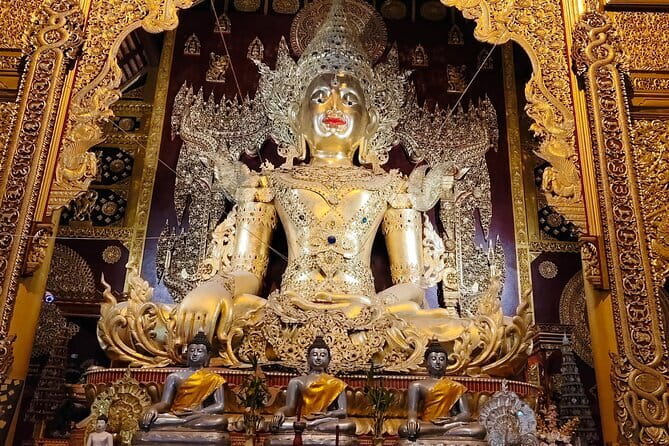
- Meet at Three Kings Monument and start with a clear intro before you move
- Wat Chiang Man (1296), one of Chiang Mai’s earliest landmark temples
- Tai Yai heritage at Wat Pa Pao, tied to Lady Bua Lhai and the Ngiaw/Tai Yai community
- Wat Chiang Yuen’s Burmese colonial gate and distinctive pavilion
- Wat Lok Molee’s wooden chanting hall with traditional Lanna style
- TAT-licensed English or Chinese-speaking guide with Q&A built in
Meeting at Three Kings Monument and learning temple basics fast
Your tour starts at Three Kings Monument, on Prapokklao Road. It’s a smart meeting point because it gives you an immediate sense of where you are in the city and where your walk will lead. Before you even hit the first temple, your guide sets expectations and gives context, so the rest of the afternoon doesn’t feel like a random string of buildings.
The headliner here is Katoon, the ex-monk who leads this part of the Chiang Mai temple circuit. From what you can expect from the way he works, the tour isn’t lecture-heavy. It’s more like guided conversation: you’re encouraged to ask questions, and he’ll explain what you’re seeing in plain terms. In particular, he’s known for being caring and patient, which matters a lot if you’re traveling with kids or if you just want to understand without feeling rushed.
You’ll also be walking in a small group setting. The tour lists a maximum of 20 travelers, which helps keep the pace comfortable and makes Q&A easier than on big bus-style tours.
You can also read our reviews of more walking tours in Chiang Mai

Wat Chiang Man: Chiang Mai’s early roots from 1296
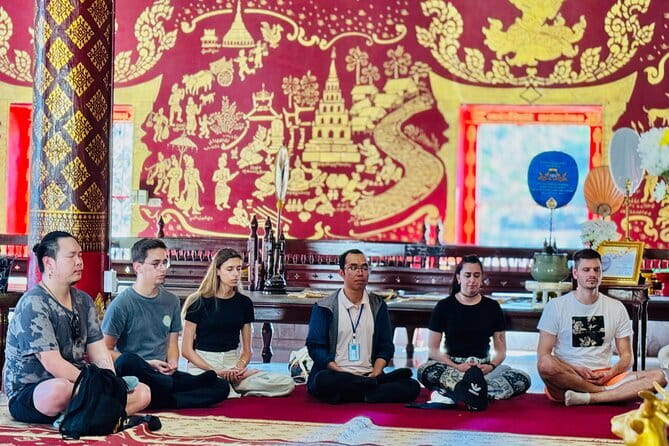
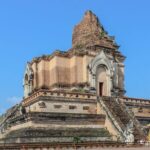
The first temple stop is Wat Chiang Man, and it’s an easy place to get your bearings. This is one of the most iconic temples in Chiang Mai, built in 1296, and it’s widely believed to be the first temple constructed in the city. That single detail changes how you view everything you see here: you’re not only looking at a beautiful site, you’re looking at a foundation for how Chiang Mai developed its religious and cultural identity.
You’ll have about 45 minutes at this stop, which is enough time to slow down. The guide’s role is crucial here. Instead of telling you only what the structures are called, he helps you connect the architectural choices and sacred space to what Buddhism means in everyday life and temple culture.
A practical note: with any major temple, you’ll want to show basic respect—dress modestly and keep your voice down. Since the guide is an ex-monk, you’re likely to get clear, no-drama reminders about what’s considered appropriate, and you’ll learn how to behave without guessing.
If you like your travel to have meaning, Wat Chiang Man is the kind of stop where the guide’s context pays off fast.
Wat Pa Pao: Tai Yai heritage and Lady Bua Lhai’s role
Next up is Wat Pa Pao, with about 30 minutes on site. This temple matters because it’s tied to the Ngiaw or Tai Yai community in Chiang Mai. If Chiang Mai’s temple story only feels like one storyline to you, this stop helps broaden it.
Wat Pa Pao is described as the first temple of the Ngiaw/Tai Yai in Chiang Mai. The details are specific and memorable: it was constructed during the reign of Prachao Intawichayont in 1883, and it was built by Lady Bua Lhai, identified as a Tai Yai concubine of the king. Those names give you something to hold onto. They turn the temple from a scenic photo stop into a snapshot of migration, patronage, and cultural identity.
What I find valuable about this stop is that it shows how temples are more than spiritual landmarks. They’re also community markers. You can look around and understand who supported the building, who belonged to the community connected to it, and why this location was chosen.
Keep your expectations realistic for the time. Thirty minutes is just enough to understand the main themes and take in key features with your guide’s explanations. You won’t have time for a long, independent wandering session here—so if something catches your eye, ask about it while you’re there.
Wat Chiang Yuen: the Burmese colonial gate and a surprising backstory
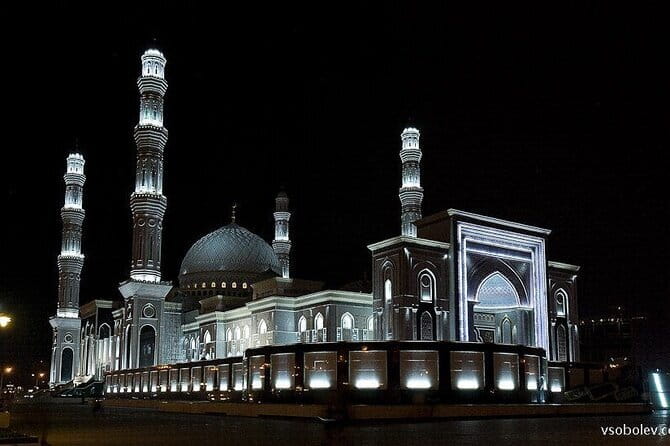
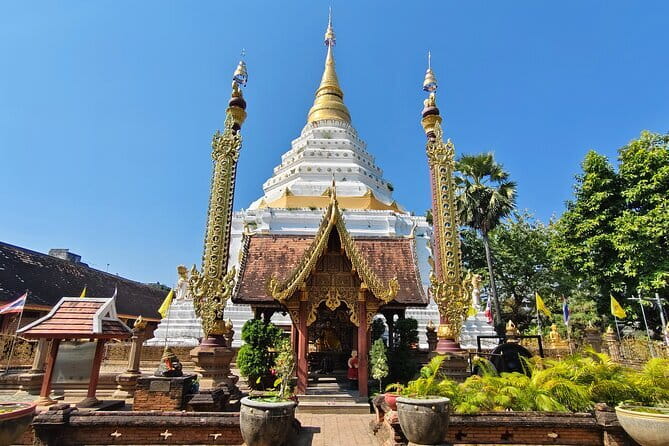
Wat Chiang Yuen is another 30-minute stop, and it comes with a strong visual feature: an ancient Burmese colonial gate and a beautiful pavilion. That combination makes it a great contrast to the more straightforwardly classic feel of some other temples.
You’re also told this temple has other unique attributes and that it played an important role in the Lanna kingdom. Even if you’re not a history student, your guide’s job is to connect those facts to what you’ll actually see—how gate styles reflect influence, and how pavilions and temple layouts relate to worship and gatherings over time.
This is the kind of stop where the guide can help you avoid a common mistake: treating temple architecture as decoration only. When you understand the regional influences and political context, the buildings become readable. Suddenly, you notice transitions in design, not just pretty details.
Because it’s a short visit, you’ll get the essentials: a focused route through the most important elements and a clear explanation of why they matter. If you enjoy learning through contrasts—how Lanna tradition meets outside influence—this is one of the more satisfying stops on the walk.
Wat Lok Molee: a wooden chanting hall with Lanna character
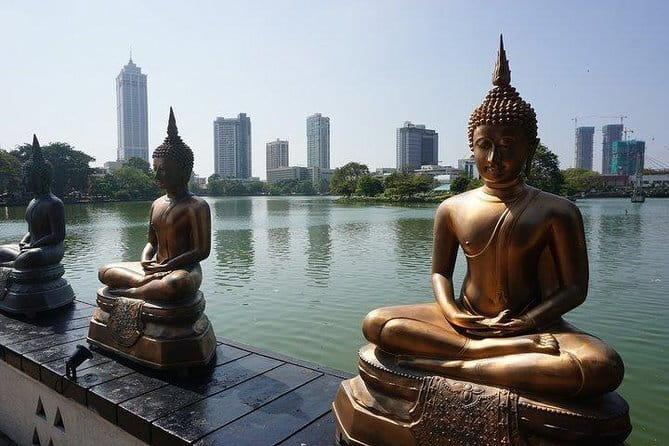
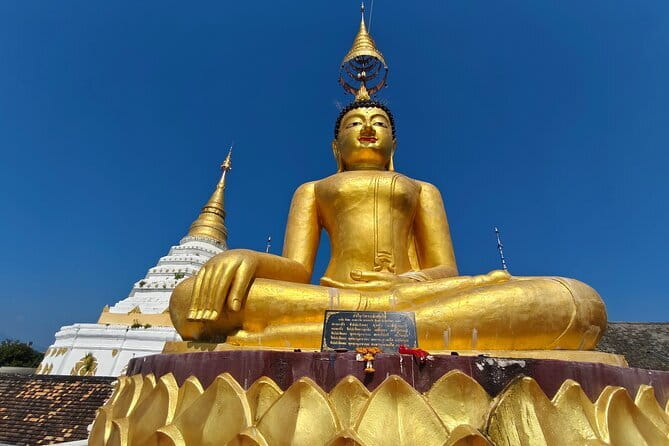
The final temple stop is Wat Lok Molee, also written as Wat Lok Moli. Here, the highlight is a beautiful wooden chanting hall with traditional Lanna architecture. The focus shifts from gates and major landmark eras to the feel of daily temple life—especially how sound, ceremony, and community happen in a space like this.
You’ll have about 45 minutes, which helps because this is the sort of site where you want a little time to simply look. Wooden halls carry a different mood than stone-heavy structures, and that matters when you’re trying to understand the lived experience of temple culture. Your guide’s explanation makes it easier to picture not just the building, but the events and practices that take place there.
In my view, this stop is a good place to ask questions, especially if you want to understand basic temple etiquette. An ex-monk guide is a natural fit for this. You’re likely to hear clear guidance about how worship works in practice—what people do, how they position themselves, and what gestures mean.
Also, if you’re traveling with kids, this is a strong “last stop” because it can feel less like a history lecture and more like you’re watching a cultural rhythm happen in front of you.
You can also read our reviews of more guided tours in Chiang Mai

Why an ex-monk guide makes the whole route click
A lot of temple tours stop at facts: who built it, when it was built, and what the place looks like. What makes this tour feel different is that the guide connects Buddhism to actions and attitudes. Katoon, the ex-monk, teaches you about temples and Buddhism and answers questions about his past life as a monk—so you’re not only learning from a guide’s notes, you’re learning from lived experience.
One detail from the way he teaches really stands out: he explains how to pray. That word can mislead Western visitors, because Buddhism doesn’t always look like what you might expect from a Western prayer concept. His approach helps you understand what the practice is actually doing—how it signals respect, intention, and mindfulness in the temple space.
If you’re the type who enjoys asking why people do what they do, you’ll like this style. The group format also helps: it’s easier to hear explanations and get follow-up answers when you’re not stuck at the back of a crowd.
This guide-led Q&A is also practical for your own visit afterward. Once you understand how to read what’s happening inside a temple, you can walk into other sites in Chiang Mai with less confusion and more confidence.
Timing, walking pace, and what 3.5 hours really means
The total duration is about 3 hours 30 minutes, starting at 1:00 pm and ending back at the meeting point. That structure is helpful because it’s a complete circuit without the hassle of end-to-end logistics.
Here’s how the time breaks down conceptually: you’ll get an intro at Three Kings Monument, then four temple visits with roughly 30 to 45 minutes each. The shorter stops work well because they keep the day moving, while the longer ones (like Wat Chiang Man and Wat Lok Molee) give you breathing room.
Because it’s a walking tour, you’ll want to plan around comfort. Bring water planning even if bottled water isn’t included. If you get warm easily, consider how you’ll handle humidity during the afternoon.
Weather matters too. The experience lists a requirement for good weather. If Chiang Mai’s skies turn gray, you’ll need to roll with the schedule changes.
Price and value: what $25.92 buys you
At $25.92 per person, this tour sits in the “worth it if you’ll actually use the guide” category. The price looks more reasonable when you consider the structure: you get a licensed guide (TAT license) speaking English or Chinese, you’re with a maximum group size of 20, and you’re visiting multiple major temples in a half-day format.
Also, the listed admission tickets for the temple stops are free, which helps keep the overall cost predictable. Still, the tour says fees and taxes aren’t included, so you should treat the price as covering guidance and the core experience rather than guaranteeing every single optional expense. In practice, you’ll usually just need basic spending for personal items, snacks, or drinks.
Where the value really comes from is the guide’s teaching style. If you want more than photos—if you want to understand what you’re seeing—this price can feel like a bargain. If you only care about checking boxes, you’d probably find it harder to justify.
Tips to make your afternoon smoother
Here are a few practical things you can do so the tour feels comfortable and respectful.
- Wear shoes you can walk in for several hours without stress. You’ll spend enough time moving between sites that comfort matters.
- Dress for temple etiquette. Modest clothing makes everything easier, especially when you’re learning how to behave in sacred spaces.
- Come ready with questions. An ex-monk guide like Katoon is at his best when you ask what you actually want to know.
- Plan for water. Bottled water isn’t included, so bring your preferred option or plan to buy along the way.
- If you’re sensitive to heat or sun, aim to go slow at the start and let your guide set the pace.
Should you book this Chiang Mai ex-monk temple tour part 2?
Book it if you want your Chiang Mai temples to feel understandable, not just impressive. This tour is a strong choice for people who like asking questions, learning religious meaning alongside architecture, and getting a guide who’s patient and clear. Katoon’s ex-monk background adds a real layer of context, especially around daily temple practices and how people do worship.
Skip it or reconsider if you hate walking, want a freeform itinerary, or you’re only interested in quick sightseeing with zero cultural explanation. At 3.5 hours, it’s focused. You’ll get a solid route and a lot of meaning, but you won’t have time to wander endlessly on your own.
If you want a balanced mix of sacred sites plus practical learning, this is the kind of temple tour that earns its price.
FAQ
Where does the tour start?
The tour starts at Three Kings Monument (QXRP+3WX, Prapokklao Road, Tambon Si Phum, Amphoe Mueang Chiang Mai, Chang Wat Chiang Mai 50200, Thailand).
How long is the Chiang Mai Temples Visit Walking Tour Part 2?
It’s approximately 3 hours 30 minutes.
What time does the tour begin?
The start time is 1:00 pm.
How many temples are included?
The tour visits Wat Chiang Man, Wat Pa Pao, Wat Chiang Yuen, and Wat Lok Molee, plus an introduction at the meeting point.
Is there an entrance fee for the temples on this route?
The schedule lists admission tickets for each temple stop as free.
What languages are the guides?
The guide is available in English or Chinese and is described as holding a TAT license.
How big is the group?
The tour has a maximum of 20 travelers.
Is bottled water included?
No. Bottled water is not included.
What weather conditions are required?
The experience requires good weather. If it’s canceled due to poor weather, you’ll be offered a different date or a full refund.