REVIEW · CHIANG MAI
From Chiang Mai: Living Green Elephant Sanctuary Tour
Book on GetYourGuide →Operated by Living Green Elephant Sanctuary Chiang Mai and Chonburi · Bookable on GetYourGuide
Elephants roam without a fence. That alone makes the Living Green Elephant Sanctuary tour near Chiang Mai feel calmer and more honest, with no chains or riding and a peaceful open-air setup by the river. I love how you get close to real elephant behavior instead of staged tricks, guided by staff who focus on welfare and day-to-day routines.
One big reason this works so well is the meal. The tour includes a vegetarian Pad Thai experience, and on the full-day option you can cook it yourself—so you leave with both memories and something tasty to recreate later. If you go full-day, guides like Pao have a knack for making elephant facts easy to remember while you’re actually watching the animals.
The main trade-off? You should plan to get wet and muddy. Bring the right gear, because bathing moments are part of the day and there’s no pretending you’ll stay clean—especially if conditions let the elephants go in the water.
In This Review
- Key things to know before you go
- Why Living Green Elephant Sanctuary feels different from the usual Chiang Mai elephant day
- Ethical elephant care: the rules that actually change your experience
- Half-day vs full-day: what’s worth your time near Chiang Mai
- Half-day (about 6–7 hours)
- Full-day (about 9–10 hours)
- Mo Hom clothing and elephant stories: start like a local, learn what matters
- Feeding and forest walking: close enough to notice details, far enough to be safe
- River bathing moments: the fun part that needs your planning
- Pad Thai workshop: you’ll eat it, and on full-day you’ll make it
- The full-day extra care activities: medicine balls and seedlings
- Price and value: is about $46 fair for a Chiang Mai elephant day?
- Getting there and how the day actually flows from Chiang Mai
- Photos and souvenirs: plan on memories, not guarantees
- What to bring (and what to skip) so the day stays comfortable
- Who this elephant sanctuary tour is best for
- Should you book Living Green Elephant Sanctuary from Chiang Mai?
- FAQ
- How far is the Living Green Elephant Sanctuary from Chiang Mai?
- How long is the tour?
- What are the half-day and full-day session times?
- Is elephant riding included?
- Are chains or performances part of the experience?
- What happens during the elephant bathing time?
- Is Pad Thai included?
- Do I get hotel pickup and drop-off?
- What should I bring for the day?
- Who can’t join this tour?
Key things to know before you go
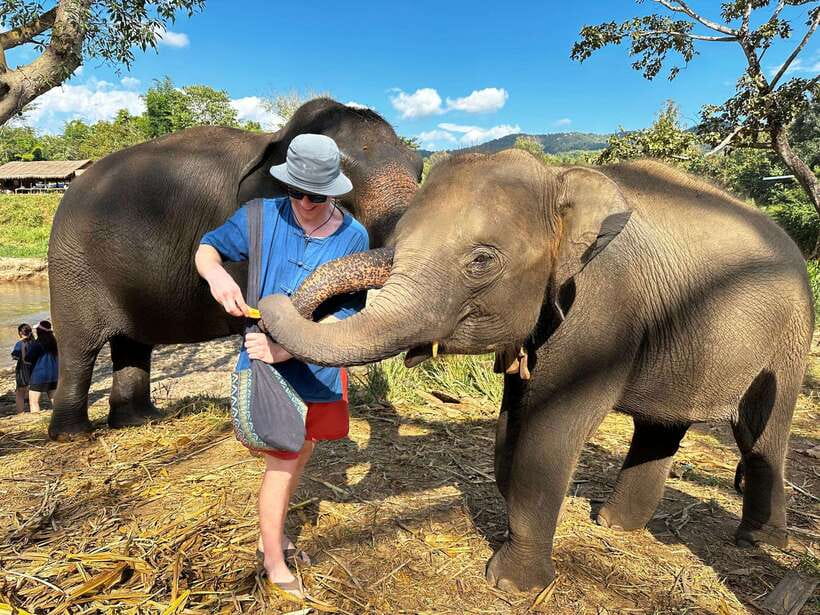
- Ethical elephant rules: no riding, no chains, no performances—just feeding, walking, and observation with caretakers.
- Open-air setting by the river: no fence feeling, and less crowd energy than the mass-attraction style.
- Half-day is enough: if you’re short on time, you still get meaningful elephant interaction.
- Full-day adds hands-on extras: vegetarian Pad Thai cooking, plus options like herbal medicine balls and planting seedlings.
- Wet-weather reality: elephants may bathe naturally, and you should come ready for water and mud.
Why Living Green Elephant Sanctuary feels different from the usual Chiang Mai elephant day
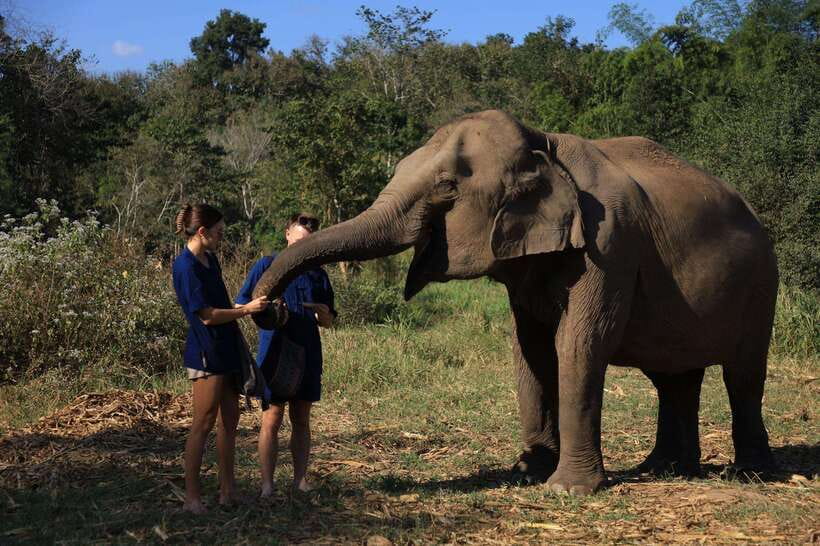
The biggest shift here is what the elephants are doing. At Living Green, the day is built around letting elephants move through their environment at their pace. You’re not there to get a quick photo and leave—your time is spent feeding them, walking alongside at an animal-friendly distance, and watching their routines up close.
The sanctuary’s setup matters too. It’s an open-air area in the jungle near the river, and that changes the vibe. You don’t feel boxed in by concrete walls, shops, or crowds, and the animals can actually come and go naturally.
I also like the staff style: friendly, gentle, and focused on animal welfare rather than pushing you through the day. Guides such as Pao and John (plus bilingual support like a Chinese guide for the full-day) are there to explain what you’re seeing, not just translate a script.
You can also read our reviews of more tours and experiences in Chiang Mai.

Ethical elephant care: the rules that actually change your experience
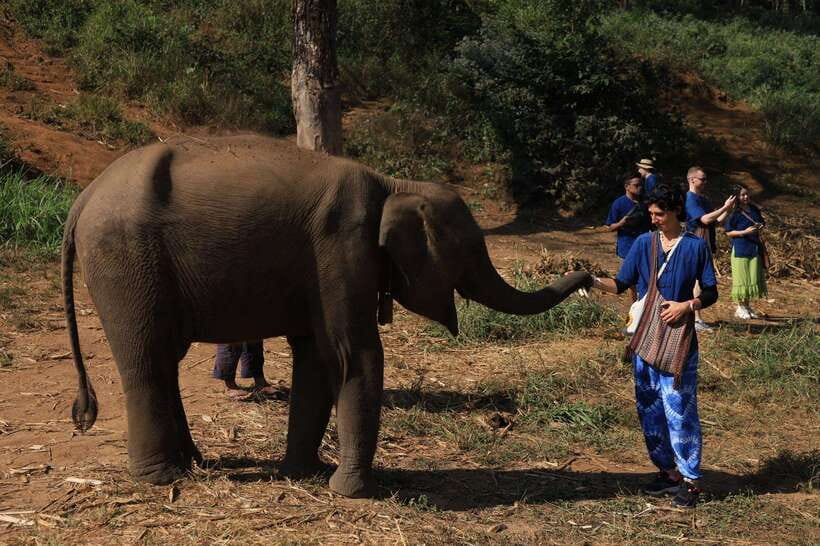
This tour keeps its ethics simple and strict, and that’s where the value shows up.
What’s clearly part of the program:
- No elephant riding
- No chains
- No performances
That means your interaction looks more like caring and observation than “using” the animals. You’re hand-feeding and walking with elephants, then you watch bathing moments when the animals go to the river and mud areas on their own.
One practical detail: in cold weather, elephants are not forced into the river. That’s not a small note. It affects what you might see that day, but it also tells you the sanctuary is prioritizing comfort over the schedule.
Half-day vs full-day: what’s worth your time near Chiang Mai

You can do this trip as a half-day or full-day, and both options include hotel transfers from Chiang Mai.
Half-day (about 6–7 hours)
You’ll do:
- pickup from your Chiang Mai hotel
- a scenic drive through rural farmland (rivers, rice fields, banana plantations)
- a welcome briefing and changing into traditional northern Mo Hom clothing
- feeding and interaction with the elephants
- a walk toward the river and natural bathing observation
- a local meal (including Pad Thai on the menu)
- return to Chiang Mai (around 1.5 hours)
If your goal is to see and connect without committing the full day, the half-day program is often the right call. People also seem to find it “enough time” to feel like they truly experienced the sanctuary rather than just rushing in and out.
Full-day (about 9–10 hours)
The full-day version builds on the half-day with extra activities, including:
- the same kind of scenic pickup drive and Mo Hom clothing
- feeding and walking in the forest
- a vegetarian Pad Thai cooking workshop (available starting 2 December)
- making herbal medicine balls (if selected)
- planting seedlings that will grow into natural elephant food (if selected)
- walking to the river for natural bathing observation
- changing clothes, saying goodbye, then heading back to Chiang Mai
If you like a structured day with hands-on learning, the full-day option is where the experience expands beyond just elephant time. It gives you a clearer idea of how the sanctuary supports digestion and long-term food sources, not just the moment you’re standing there.
Mo Hom clothing and elephant stories: start like a local, learn what matters
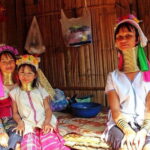
The day begins with a welcome briefing and changing into traditional northern clothing, called Mo Hom. This isn’t just for photos. It sets a tone of respect and makes you feel part of the slow, quiet rhythm of the sanctuary.
Then you get introduced to the elephants’ individual personalities and behaviors. You’re not learning a generic “elephants do tricks” story. You learn what different elephants may do in response to people nearby, what their body language can mean, and how caretakers interpret welfare needs.
This part is also where the guide energy shows. You’ll meet English-speaking staff, and on the full-day, you may also have a Chinese guide around. Names you might hear from guides include Rainbow, Nim, Mr Su, and John—each mentioned as friendly and passionate, with a focus on explaining what you’re seeing in plain terms.
Feeding and forest walking: close enough to notice details, far enough to be safe
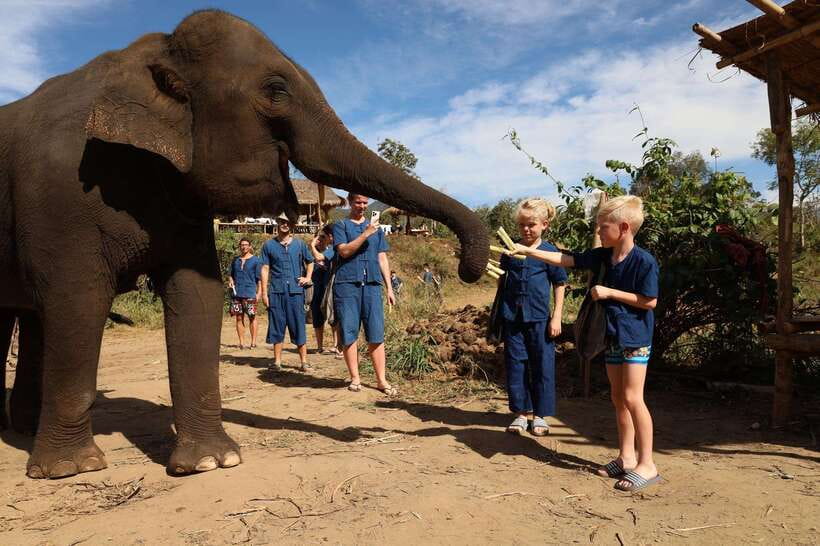
Hand-feeding and walking with the elephants is the heart of the tour. You’ll spend time close to them in the sanctuary’s natural setting, not on a paved platform. That matters because elephants behave differently when they’re not being led in a controlled “show route.”
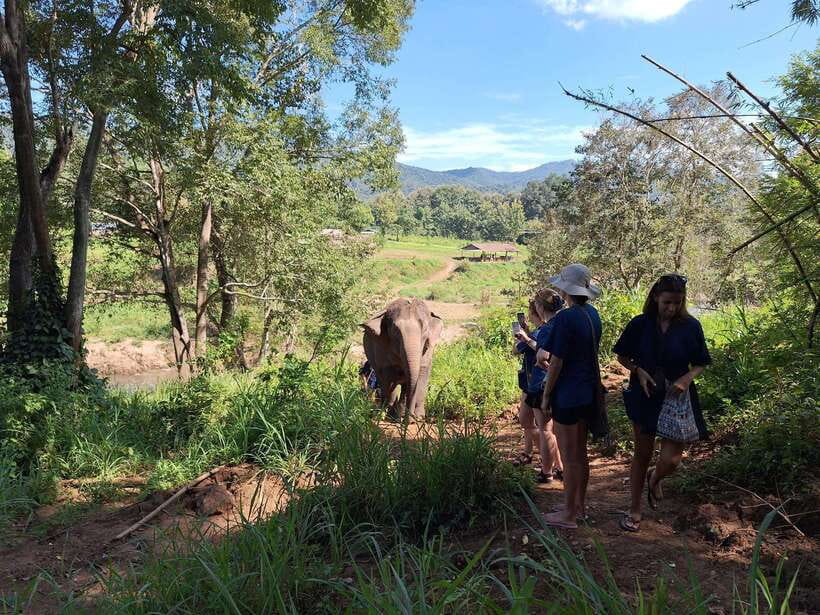
In the walk portion, you’re moving through forest trails and observing more than you interact. That gives you a chance to watch how the elephants approach food, how they pause, and how their movements look when they’re in no hurry.
If you’ve never seen elephants outside a “ride” context, this can be your first real eye-opener. The goal here is gentle, observational proximity—time with the animals in a way that supports their comfort.
River bathing moments: the fun part that needs your planning
Bathing scenes are one of the most memorable pieces of the day, but it’s not something to treat like a guaranteed water park moment.
A few key things to know:
- the elephants bathe naturally as part of their routines
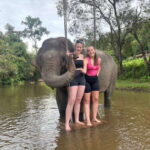
- you should come ready to get wet (you’ll likely change into swimwear and use a towel)
- the sanctuary does not force elephants into the river in cold weather
So what should you do? Pack smart.
- bring swimwear and a change of clothes
- add a towel
- wear sandals or water-friendly footwear
- use sunscreen and insect repellent
One more practical plus: the sanctuary area has facilities like toilets and showers, which makes it easier to clean up after the bathing time.
Pad Thai workshop: you’ll eat it, and on full-day you’ll make it
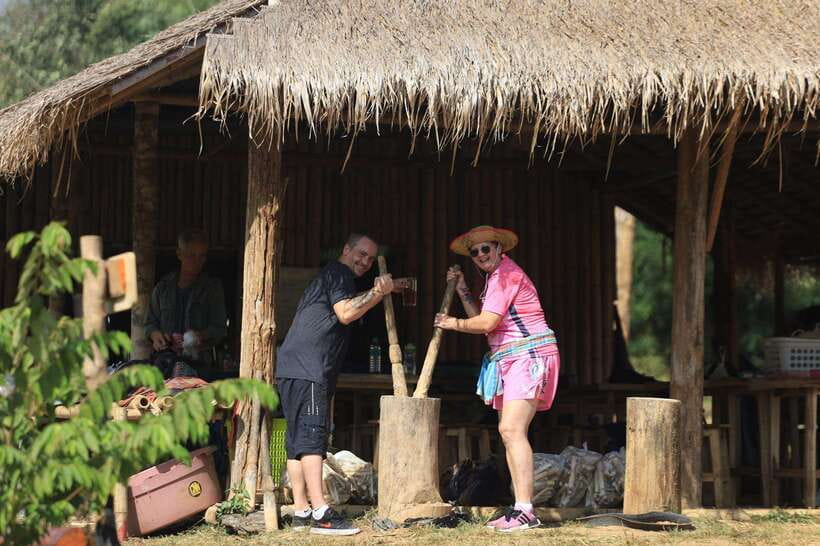
Food is one of the best “value multipliers” on this type of tour. Here, it’s not just a random meal stop.
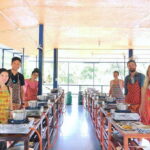
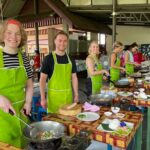
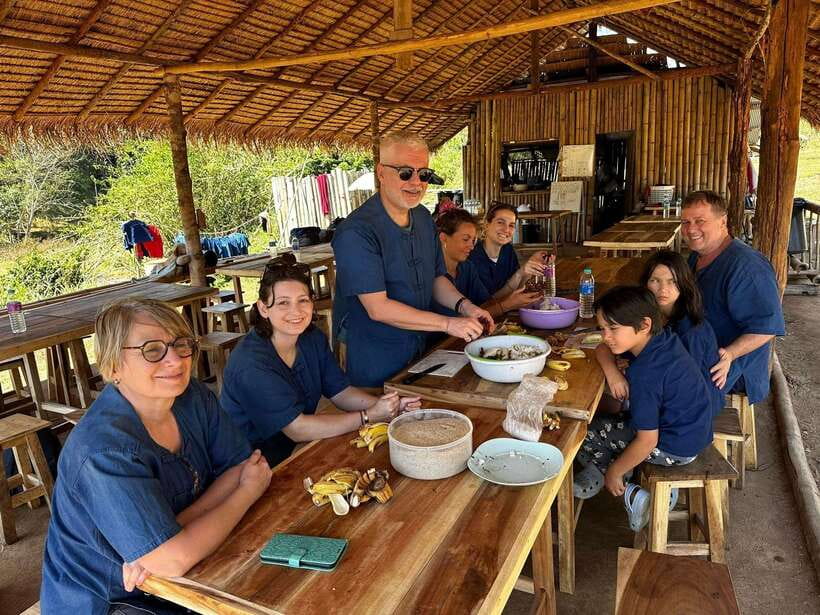
On the full-day itinerary (starting 2 December), you get a vegetarian Pad Thai cooking workshop. You’ll cook your own Pad Thai with local ingredients, then enjoy it afterward. The half-day option also includes a vegetarian Pad Thai meal, but it’s the full-day that turns it into a hands-on class.
I like this because you’re not just consuming after a long day. You’re learning a small Thailand skill that fits what Chiang Mai does best: simple, flavorful food made with care.
The full-day extra care activities: medicine balls and seedlings
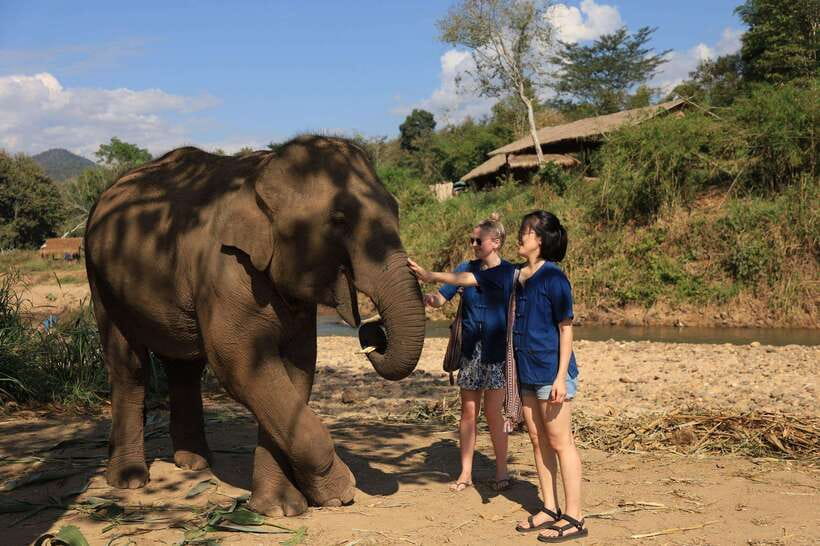
If you choose full-day, you might have optional extra tasks like:
- making herbal medicine balls to support elephant digestion
- planting seedlings that will grow into natural elephant food
These parts feel different from the usual “tourist activity.” They connect your day to ongoing care, which is exactly the kind of detail that makes an ethical sanctuary visit land in a deeper way.
Even if you’re not selecting those options, the fact they exist matters. It means the sanctuary’s work extends beyond what visitors can see during a single visit.
Price and value: is about $46 fair for a Chiang Mai elephant day?
At about $46 per person, this tour sits in a range that can surprise people—because the experience is not based on rides or staged entertainment. You’re paying for:
- hotel pickup and drop-off
- a full half-day or full-day schedule
- traditional clothing included for the visit
- caretakers focused on animal welfare
- elephant feeding and walking time
- bathing observation time
- lunch (and on full-day, a Pad Thai workshop)
Value also comes from the time cost. You get more than a quick glimpse: there’s a full chunk of the day in a quiet sanctuary environment about 1.5 hours from Chiang Mai, near mountain scenery and Inthanon National Park area.
Two quick watch-outs for value:
- traffic can shift your timing because transportation is part of the experience
- if you want the Pad Thai workshop portion, confirm it’s available for your date (it starts 2 December)
Getting there and how the day actually flows from Chiang Mai
Expect a scenic drive through rural Chiang Mai Province: rivers, rice fields, and banana plantations. The drive itself is part of the mood—less “city sprint,” more countryside transition.
Pickups are from your hotel, and the day has set session windows:
- half-day morning session starts at 07:00 and runs until around 14:00
- half-day afternoon session starts at 12:00 and runs until around 19:00
- full-day runs around 08:00 to 17:00
Voucher times show the session slot, and you’ll get an exact pickup confirmation one day before. Traffic conditions can also adjust what you feel as your total day length, so don’t schedule something tight right after.
One mild quality note: vehicle comfort can vary. Some people have mentioned driving style and window cleanliness as inconsistent, so bring a bit of patience for the road part of the trip.
Photos and souvenirs: plan on memories, not guarantees
The tour includes photography service, which is a nice touch when you’re trying to capture elephants in motion. If you’re booking with the expectation of a smooth photo delivery every time, I’d still recommend you check that your photo set is complete after your session rather than assuming everything is perfect.
There are also mentions that the sanctuary area may offer stylish traditional clothing for purchase, which can be a fun souvenir if you already love the look of Mo Hom.
What to bring (and what to skip) so the day stays comfortable
You’ll be outside, in rural air, likely near water, and around insects. Pack like you’re doing a light outdoor adventure.
Bring:
- hat
- swimwear
- change of clothes
- towel
- sandals
- camera
- sunscreen
- comfortable clothes
- insect repellent
Not allowed:
- smoking
- alcohol and drugs
- riding the animals
That rules list is part of what keeps this tour aligned with ethical care. It also helps keep the environment calm for both you and the elephants.
Who this elephant sanctuary tour is best for
This experience works especially well if:
- you want an ethical elephant sanctuary tour with no riding
- you enjoy walking outdoors and watching animals behave naturally
- you like food as part of the cultural experience (Pad Thai workshop on full-day)
It may not be a good fit if:
- you have back problems or heart problems
- you’re pregnant
- you’re traveling with children under 2 years old
And since you’ll likely get wet, this isn’t the best choice if you hate changing clothes or dealing with mud. If you can handle that one reality, the rest of the day tends to feel peaceful.
Should you book Living Green Elephant Sanctuary from Chiang Mai?
If your priority is ethical elephant care and a calm, nature-focused visit, I think it’s a strong choice. The “no chains, no riding, no performances” approach is the core reason to book, and the feeding/walking/bathing format supports that idea in a way that feels more real than a quick photo stop.
Choose half-day if you want a meaningful elephant experience without eating up your whole day. Choose full-day if you want the hands-on vegetarian Pad Thai cooking workshop and extra care activities like herbal medicine balls and seed planting.
If you do book, prep for water and plan around timing changes due to traffic. Do that, and you’ll spend your day watching elephants live their own routines, guided by people who treat their wellbeing as the point of the visit.
FAQ
How far is the Living Green Elephant Sanctuary from Chiang Mai?
It’s about 1.5 hours from Chiang Mai by van.
How long is the tour?
The half-day program runs about 6–7 hours, and the full-day program runs about 9–10 hours. Transportation time is included, and traffic can affect timing.
What are the half-day and full-day session times?
Half-day morning runs 07:00–14:00, and half-day afternoon runs 12:00–19:00. Full-day runs about 08:00–17:00.
Is elephant riding included?
No. Riding is not allowed.
Are chains or performances part of the experience?
No. There are no chains and no performances.
What happens during the elephant bathing time?
You observe natural bathing moments as the elephants go to the river and mud areas. Elephants are never forced into the river during cold weather.
Is Pad Thai included?
Yes. The tour includes vegetarian Pad Thai as part of the meal. The vegetarian Pad Thai cooking workshop is available starting 2 December on the full-day option.
Do I get hotel pickup and drop-off?
Yes. Hotel pick-up and drop-off are included.
What should I bring for the day?
Bring a hat, swimwear, a change of clothes, a towel, sandals, a camera, sunscreen, comfortable clothes, and insect repellent.
Who can’t join this tour?
The tour is not suitable for children under 2, pregnant women, people with back problems, or people with heart problems. Smoking, alcohol, and drugs are also not allowed.