REVIEW · CHIANG MAI
Morning Thai cooking class
Book on Viator →Operated by Aromdii Cooking School · Bookable on Viator
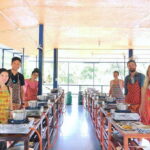
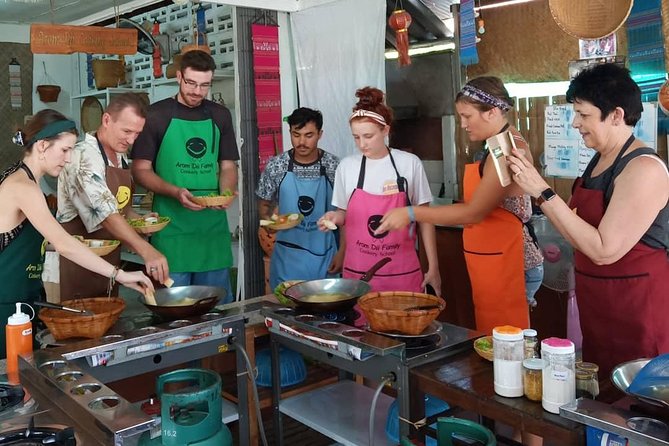
Thai flavors start with a market stroll. What I love is the small-group size that keeps things personal, and the fact you cook five traditional dishes from scratch. One thing to plan for: there’s no aircon in the kitchen or eating room—just fans—so warmer months mean you’ll feel the heat.
This is built around your choices. You pick a menu before you start, then you go shopping for the ingredients and learn what Thai veggies, spices, and herbs actually are (and how to use them). If you’re vegetarian or vegan, this class can accommodate you, since the menu has those options.
Logistically, it’s pretty straightforward. You start at Kad Kom Market (9:00 am) and finish back at the same meeting point after about 4 hours 30 minutes, with pickup/transportation included for nearby stops within 3 kilometers.
In This Review
- Key Things I’d Prioritize Before You Go
- A Market Morning Where You Pick the Ingredients
- Aromdii Cooking School Kitchen Reality Check (Fans, Not Aircon)
- The Class Flow: 4.5 Hours of Cooking That Moves
- Five Dishes From Two Thai Styles of Cooking
- Stir-fried options
- Appetizer options
- Soup options
- Curry options (with curry paste from scratch)
- Dessert options
- Stir-Fry First: Pad Thai, Noodles, and Quick Flavor
- Soup and Appetizers: Where Herbs and Sour-Sweet Actually Make Sense
- Curry Paste From Scratch: The Part You’ll Actually Remember
- Dessert Finish: Mango Sticky Rice or Pumpkin in Coconut Milk
- Transportation Within 3 Kilometers: The Quiet Convenience
- Price and Value: Why $27.70 Makes Sense Here
- Who Should Book This Morning Class
- A Quick Decision Guide: Should You Book?
- FAQ
- What time does the morning Thai cooking class start?
- How long is the experience?
- Where does the class meet?
- Is pickup included?
- How many people are in the group?
- Do I choose what I cook?
- What dishes will I make?
- Can vegetarians or vegans join?
- Is the kitchen air-conditioned?
- What’s included in the price?
- Is it possible to cancel for a refund?
Key Things I’d Prioritize Before You Go
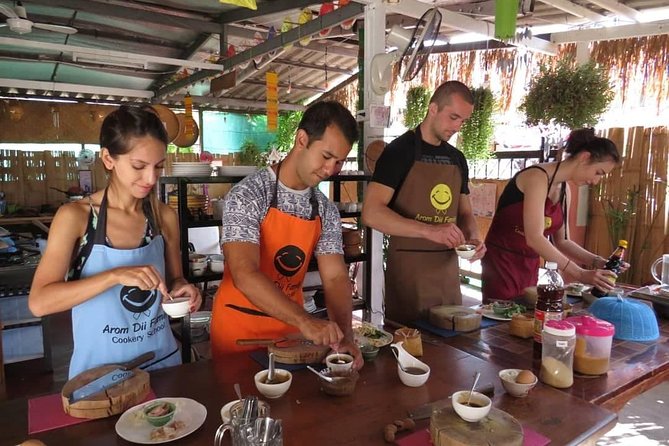
- Small group limited to eight people: easier hands-on help and more time for questions
- You choose your menu before class: you’re cooking what you actually want to eat
- Market tour is short and practical: about 15–20 minutes, focused on ingredients, spices, and photos
- Curry paste is made from scratch: not just assembling—learning the core technique
- No aircon, only fans: bring a positive attitude for warm kitchens
- Local recipes to take home: a handmade download from the school website
A Market Morning Where You Pick the Ingredients
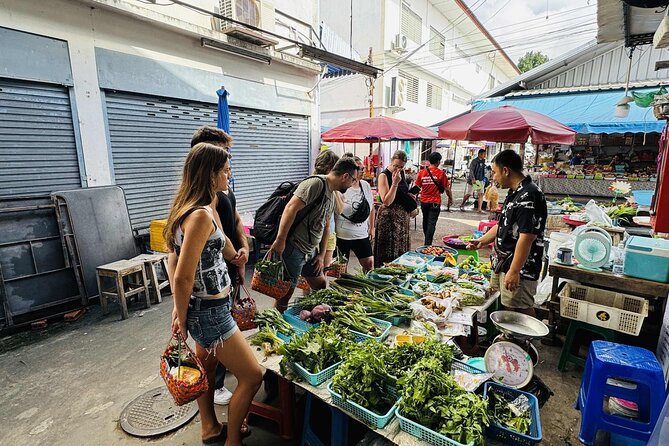
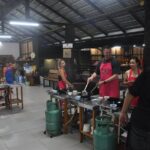
The day starts with a quick market walk around Kad Kom Market. It’s not a half-day wandering tour. It’s short—about 15 to 20 minutes—so you get what you need and move on. That makes it feel efficient, especially if you’re trying to fit Chiang Mai cooking into a busy travel schedule.
Before the class even begins, everyone chooses menus. That matters because when you arrive at the ingredient gathering stage, you’re not randomly picking items for a demo. You’re picking what matches your selected dishes. You’ll then pick up all the produce used for your chosen appetizer, soup, stir-fried dish, curry, and dessert.
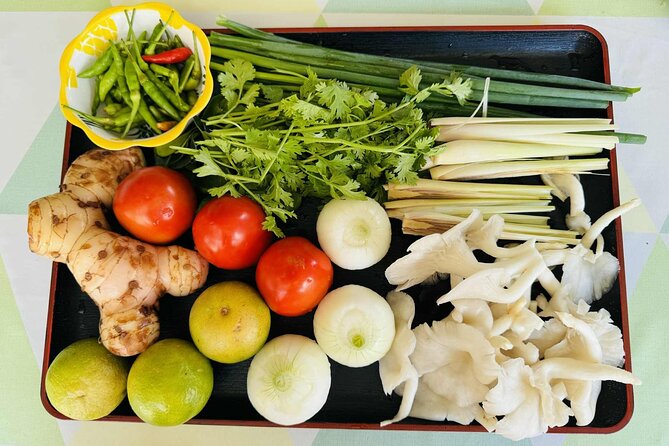
This is also when you learn the building blocks. You’ll be shown Thai vegetables, spices, and herbs. You’ll see ingredients that look similar at a glance but behave totally different in Thai cooking once you know what’s what. If you’ve ever bought spices back home and had no clue how they were meant to be used, this part helps you connect the jar to the dish.
And yes, there’s time to walk around for photos and to buy some spice to bring back home. It’s not a strict “stand here and listen” moment. You can get a few pictures, and you can also plan a practical souvenir: spices you’ll actually cook with later.
You can also read our reviews of more cooking classes in Chiang Mai
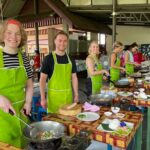
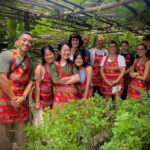

Aromdii Cooking School Kitchen Reality Check (Fans, Not Aircon)
Here’s the honest part: the kitchen and eating room don’t have air conditioning. You’ll get fans instead. In March to June (summer), July to October (rainy season), and November to February (winter), the experience will still feel warmer and more humid than a typical air-conditioned cooking setup. So wear breathable clothes and expect that the atmosphere will be more like a working Thai kitchen than a polished studio.
That doesn’t automatically make the class worse. If anything, it tends to make the cooking feel more real. Thai food is cooked in real-life conditions, not climate-controlled perfection. Still, this is worth flagging because you’ll be chopping, stirring, and cooking for hours.
The school keeps it focused for you. The space is reserved for participants, with no visitors. The class size cap (maximum 8 travelers) is the reason this works. With fewer people, you get more room—both literally and in terms of attention from the instructor(s).
The Class Flow: 4.5 Hours of Cooking That Moves
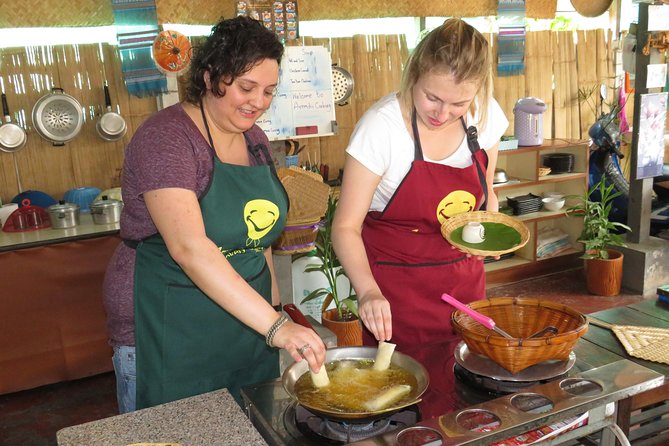
You’re looking at roughly 4 hours 30 minutes total. The schedule has a clear rhythm, and that helps you learn instead of just snack and taste.
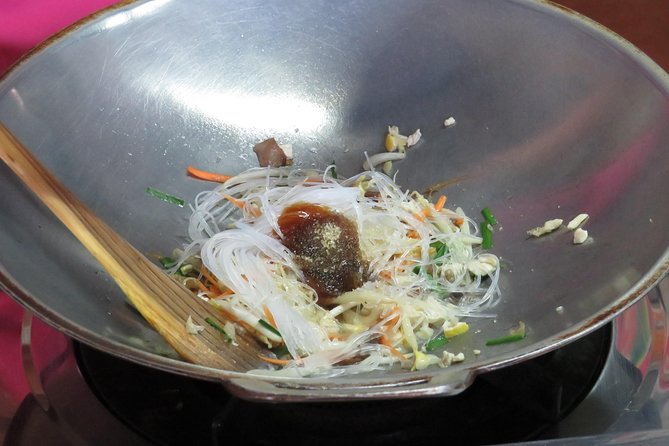
The class starts with stir-fried dishes. Then it shifts to soup and appetizer preparation. After that comes dessert and curry, including the part where you make curry paste from scratch. The sequence is smart: you build technique early (stir-fry), then you move to flavor layering (soup and sauces), and finally you end with curry paste and finishing dishes.
Everyone selects menus before class starts, so when you arrive at the cooking school, you’re set up to work toward specific results. That also means you’re not waiting around as much. You’ll be cooking the dishes you chose, using ingredients you picked from the market.
If you like structured cooking classes where you actually leave with five meals worth of skills, this format fits well.
Five Dishes From Two Thai Styles of Cooking
This experience is centered on five traditional dishes from scratch. The class structure is designed so you cover a spread of flavors and techniques, not just repetition of one cooking method.
It also focuses on two different regions of Thailand. That’s a big deal for food learning. Chiang Mai cooking has its own identity, but Thai cuisine overall varies a lot by region. When your menu includes dishes that come from different regional styles, you start noticing patterns: how herbs show up, how curry paste behaves, and how sweet-sour balances shift by dish.
Here are the menu choices you can select from:
Stir-fried options
- Pad Thai
- Fried Drunken Noodles
- Pad See Ew
- Fried cashew nut
You can also read our reviews of more tours and experiences in Chiang Mai


Appetizer options
- Papaya Salad
- Fresh spring rolls
- Fried spring rolls
- Mixed Fruits Salad
Soup options
- Hot & Sour Prawns thick soup
- Coconut chicken
- Tom Yum Chicken
- Hot & Sour Prawns clear soup
Curry options (with curry paste from scratch)
- Khao Soi (Chiangmai noodles)
- Green curry
- Massaman curry
- Red curry
Dessert options
- Mango sticky rice
- Pumpkin in coconut milk
A practical way to choose: pick one stir-fry, one soup, one curry, one appetizer, and one dessert that you already like or that you’ve been curious about. Since you’re doing everything from scratch, you don’t want to end up with a dish you don’t actually enjoy eating.
Stir-Fry First: Pad Thai, Noodles, and Quick Flavor
The class kicks off with stir-fried cooking. This matters because stir-fry is where Thai cooking often teaches speed and balance. You learn how to handle ingredients while timing stays tight, and how sauces and seasonings come together quickly.
Your menu options here are all noodle or crisp-texture style dishes: Pad Thai, Pad See Ew, Fried Drunken Noodles, or even fried cashew nut. If you choose one of the noodle options, you’ll get a practical lesson in how Thai flavor can change based on the exact noodle type and sauce combo.
Even if you’re a beginner, stir-frying tends to give you faster feedback than dishes that simmer for a long time. You can adjust and see results right away.
Soup and Appetizers: Where Herbs and Sour-Sweet Actually Make Sense
Next up: soup and appetizer. This is where Thai cooking starts to feel more than just tasty. It becomes structured.
Soup options include Tom Yum Chicken and coconut-based choices, plus hot and sour prawns soups (both thick and clear variations). Those give you a chance to understand how sourness, saltiness, and aromatics work together. Tom Yum in particular is known for that sharp, bright profile, so it’s a great choice if you want flavors that hit.
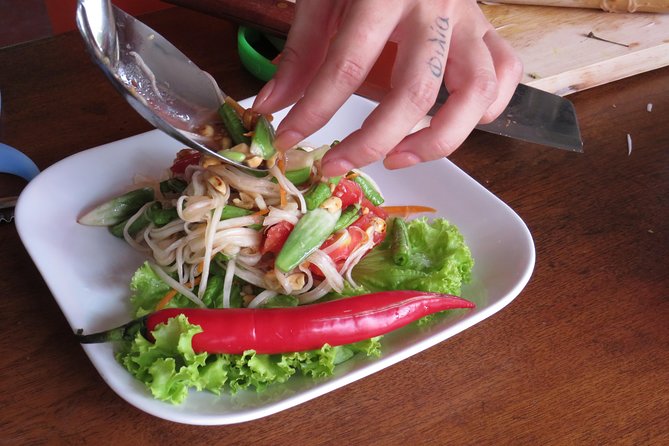
For appetizers, you might pick Papaya Salad, fresh spring rolls, fried spring rolls, or mixed fruits salad. Papaya salad is a favorite for learning balance because it’s built on a harmony of tang, sweetness, and heat. Spring rolls (fresh or fried) teach you texture—how wrappers behave and what makes fillings taste cohesive.
The class also includes a walk-through about Thai veggies, spices, and herbs. That’s not just trivia. It helps you identify what you’re putting into the bowl and why that ingredient changes the flavor.
Curry Paste From Scratch: The Part You’ll Actually Remember
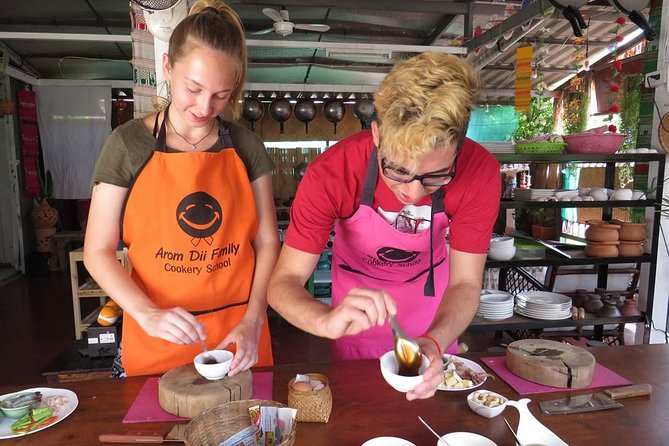
Then comes the big learning moment: dessert and curry, with curry paste made from scratch. This is one of the most valuable elements of the class for home cooks.
Buying curry paste in a store is convenient, but it’s not the same skill set as understanding the flavor base. When you make curry paste yourself, you learn how ingredients are combined and how the paste becomes the engine of the dish. It also helps you customize later if you want to adjust heat or sweetness.
Your curry choices:
- Khao Soi (Chiangmai noodles)
- Green curry
- Massaman curry
- Red curry
If you pick Khao Soi, you’re choosing a Chiang Mai signature: noodles with curry-style flavor. If you choose green, red, or Massaman curry, you’ll get a clearer comparison between Thai curry styles—how the paste profile changes and how that carries through into the finished curry.
This is also where region comes alive. Even without getting overly technical, you’ll taste the differences that separate one curry style from another.
Dessert Finish: Mango Sticky Rice or Pumpkin in Coconut Milk
The class ends with dessert, and you get two choices:
- Mango sticky rice
- Pumpkin in coconut milk
Both are classic Thai dessert styles, built around coconut richness. Mango sticky rice gives you that sweet-fruity hit paired with sticky rice. Pumpkin in coconut milk leans into warmth and creamy comfort.
Dessert is a good way to confirm what you’ve learned. By the end of the cooking session, you’ve already worked with sweet-sour and spice. Dessert then shows you how Thailand handles sweetness—often grounded in coconut flavor and not just sugar.
If you’re choosing your menu, pick dessert based on what you want to remember about the day. These two are very different vibes.
Transportation Within 3 Kilometers: The Quiet Convenience
You may get pickup offered depending on how far you are from the school. Transportation is included for nearby locations within 3 kilometers, and the activity ends back at the meeting point.
For most visitors in Chiang Mai, that makes the class easier to slot into your day. You don’t need to fight with planning for a short travel hop when you’ve got multiple hours of cooking ahead.
If you’re staying close to the meeting area around Chang Khlan and Kad Kom Market, you’ll likely find this especially convenient.
Price and Value: Why $27.70 Makes Sense Here
The price is $27.70 per person, and it’s a small-group activity booked on average about 21 days in advance. On paper, that’s a low cost for a 4.5-hour class plus market time.
Here’s where the value really comes from:
- You’re cooking five dishes from scratch, not just watching or sampling.
- You get a market ingredient run plus learning about Thai veggies, spices, and herbs.
- Curry paste is made from scratch, which is a higher-skill component than many “quick paste” classes.
- It includes bottle water and seasonal fruit during the experience.
- You leave with a handmade recipe download from the school website, which can actually help you recreate flavors at home.
If you’ve ever paid more for a cooking class where you only make one dish and call it a day, this kind of menu-based, full-course approach feels more fair. The small group limit also matters because it increases the chance you get personal guidance instead of cooking in the background.
Who Should Book This Morning Class
This is a strong match if you want:
- hands-on cooking time
- a practical market stop
- a menu where you can choose what you’ll actually eat
- a small group experience with more attention
It’s especially good for first-time visitors to Chiang Mai who want a real taste of the city beyond street snacks. It’s also helpful for people who cook at home and want transferable technique—especially curry paste making and balancing Thai flavor.
One more fit note: because there’s no aircon, it’s best if you’re okay with a warm kitchen environment and you dress for it.
A Quick Decision Guide: Should You Book?
Yes, if you want a morning that turns into real meals and real technique. The combination of small-group attention, market ingredient selection, and five dishes cooked from scratch is the core reason this works.
You might skip it if:
- you strongly need an air-conditioned kitchen, or
- you prefer very long, wandering tours instead of a short, focused market walk.
If you can handle the fan-only kitchen setup, this is one of those Chiang Mai activities that pays you back fast—both at the table that day and later when you cook some of these dishes again.
FAQ
What time does the morning Thai cooking class start?
It starts at 9:00 am.
How long is the experience?
It’s approximately 4 hours 30 minutes.
Where does the class meet?
The start meeting point is Kad Kom Market, address listed as บ้านเลขที่19 3มบ เวียงทอง 1, Tambon Chang Khlan, อ.เมือง Chang Wat Chiang Mai 50100, Thailand.
Is pickup included?
Pickup is offered, and transportation is included for nearby locations within 3 kilometers of the school meeting area.
How many people are in the group?
The class has a maximum of eight travelers.
Do I choose what I cook?
Yes. Everyone chooses their menus before the class starts.
What dishes will I make?
You’ll cook five traditional dishes from scratch, chosen from options like a stir-fried dish, an appetizer, a soup, a curry (with curry paste from scratch), and a dessert.
Can vegetarians or vegans join?
Yes. The menu includes options that accommodate vegan and vegetarian needs.
Is the kitchen air-conditioned?
No. The kitchen and eating room do not have air conditioning; there are only fans.
What’s included in the price?
The price includes bottle water, seasonal fruit, transportation when within 3 kilometers, and a handmade recipe download from the school website.
Is it possible to cancel for a refund?
Yes. Free cancellation is available. You can cancel up to 24 hours in advance for a full refund, and cancellations due to poor weather may be offered a different date or a full refund.