REVIEW · CHIANG MAI
No.1 Chiang Mai: Stand Up Paddle Board through Mae Taeng Forest
Book on Viator →Operated by Chiang Mai Mountain Biking & Kayaks · Bookable on Viator
Floating a jungle river feels like a cheat code. This half-day stand up paddle boarding trip from Chiang Mai takes you to the Mae Ping River, then guides you through the Mae Tang/Mae Taeng forest reserve area for calm, beginner-friendly paddling.
What makes it especially appealing is the way the day is paced. I like that you get instruction before you’re out on the water, and you can switch to a kayak if your arms want an easier start. The other big win is the small group feel, typically capped at 5 people (and described as 10 or fewer), so you’re not just a body floating near the back.
One thing to plan for: lunch can run late, so build in a snack plan and don’t rely on being fully fed at the exact time you expect.
In This Review
- Key things to know before you go
- Mae Ping River SUP near Chiang Mai: what this trip is really like
- Getting from your hotel to the shop: pickup and setup that matter
- The Mae Ngat valley transfer: timing, orientation, and first instruction
- SUP on the Mae Ping River: easy currents and beginner-friendly technique
- Wildlife spotting without the stress: how to watch and what to ignore
- Kayak option: when switching is the smart move
- Mango plantation lunch: included, but timing can surprise you
- Price and value: what $71.98 buys you in Chiang Mai
- Fitness level and who should book this (and who should consider the kayak)
- Practical tips that make the day smoother
- Should you book Chiang Mai SUP through the forest reserve?
- FAQ
- What time does the tour start and how long is it?
- How many people are in the group?
- Can I do kayaking instead of stand up paddle boarding?
- Is this suitable for beginners?
- What gear is included, and what should I bring?
- Is lunch included, and when do I eat?
- Are there extra fees beyond the ticket price?
- Do I need my passport number for this tour?
Key things to know before you go
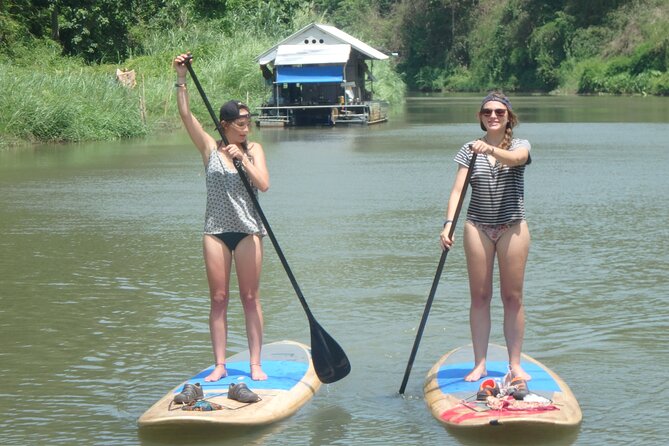
- SUP coaching first, river second: You practice balance and technique before heading down the Mae Ping.
- Kayak option on the same route: Your guide can steer you toward the easier choice if needed.
- Beginner-friendly currents: You’re on Class 1 water, with seasonal changes, not big scary rapids.
- Safety gear is part of the deal: Life vest and helmet come with the setup.
- Mango plantation lunch is included: It’s real food after paddling, but timing can slip.
- Light packing beats heavy packing: Dry clothes and water-friendly shoes help a lot.
Mae Ping River SUP near Chiang Mai: what this trip is really like
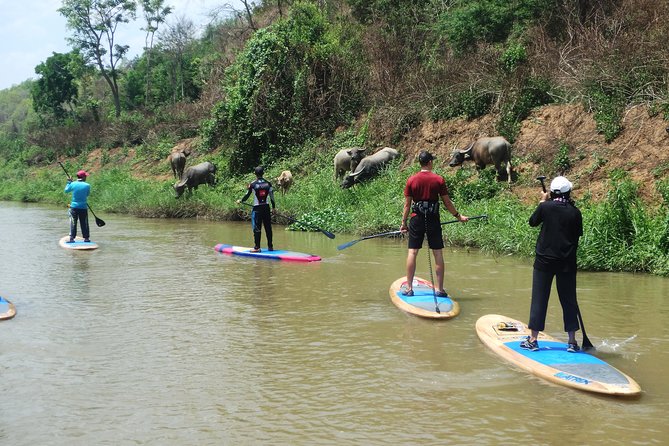
This is a straightforward half-day outing built around the idea that you’ll have fun fast. You’re not starting the day with a hard hike or complicated gear wrestling. You get picked up, you get kitted, you learn the basics, then you float.
The river stretch here is the core attraction. The Mae Ping moves gently enough to let you focus on standing, steering, and watching what’s going on along the banks. You’ll paddle through lush river-edge forest reserve terrain, and you’re in the kind of setting where it’s reasonable to spot birds and other wildlife if you stay alert (though nature never guarantees sightings).
And the “why it works” part: this trip matches a lot of first-timers. Even if you’ve only done ocean SUP before, the calmer flow inland tends to feel easier to manage. The guide keeps the day simple: get comfortable, then enjoy the ride.
You can also read our reviews of more tours and experiences in Chiang Mai
Getting from your hotel to the shop: pickup and setup that matter
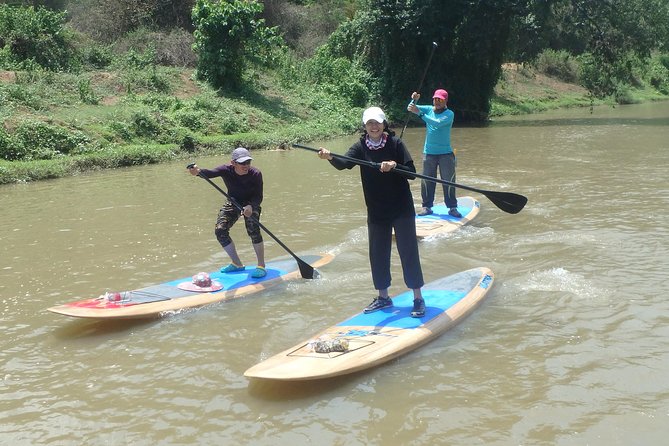
Start is 8:30am, with hotel pickup in the Chiang Mai area. That’s a big value point on a half-day. Instead of budgeting time for your own transport, you just show up in the morning with the right clothes.
Next you ride as a group (small, and often very small) to the paddle board shop. This is where you’ll handle the stuff that can make or break your experience:
- You’ll get your instructions on paddle boarding.
- You’ll be able to choose the SUP option or a kayak option.
- You’ll get fitted with key safety items.
Bring swimming gear and a set of dry clothes for after. If you have water shoes, bring them. If not, the provided sizing can include 40–45, and the pro shop can sell water shoes and water-protective phone bags if you need upgrades.
If you’re thinking about packing strategy: keep it simple. You’re going to be on the water, and you’ll want dry clothes ready for the ride back.
The Mae Ngat valley transfer: timing, orientation, and first instruction
After the shop setup, you’ll travel about 1 hour north to the Mae Ngat valley area. This stretch isn’t “scenic by accident.” It functions like a warm-up: you settle in, then you’re ready for what comes next.
At arrival, you get a safety briefing and you collect your equipment. That’s where life vest and helmet come into play. Some people might not expect a helmet for SUP, but it’s clearly part of the program, so take it as a sign that the operator plans for a safe, controlled float.
Then you’re on the water behind your guide. The guide sets the pace and keeps you moving in a way that works for all skill levels. This matters because calm water still needs direction and spacing—especially when you’re learning how your board reacts.
SUP on the Mae Ping River: easy currents and beginner-friendly technique
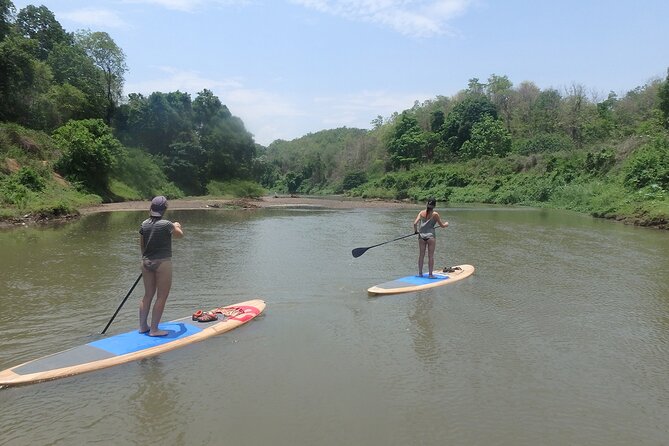
Once you’re on the Mae Ping River, the day shifts from learning to cruising. Conditions are described as calm, with some seasonal variation, and the water type is Class 1. Translation: you’re paddling on water that’s manageable, even if you’re new.
The route is through the Mae Taeng/Mae Tang Forest Reserve area, which is lush and quiet. It feels more like a nature paddle than a workout race, even though you’ll still put effort into staying balanced and steering.
Here’s what you should expect while paddling:
- You follow the guide along the river.
- You’ll get tips on navigating the currents and refining paddling form.
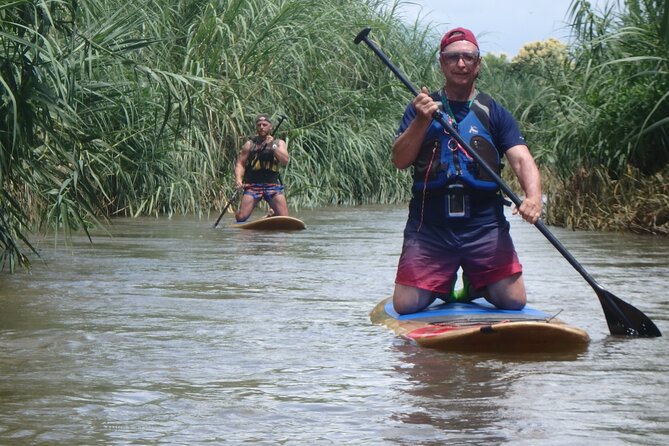
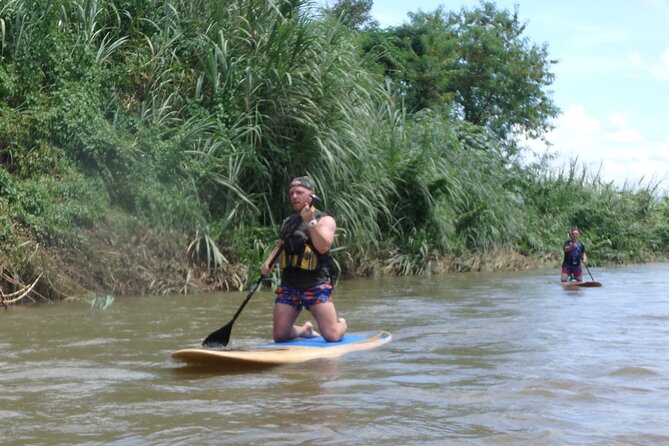
- If conditions require it, you can sit or kneel on the board. That’s a useful detail because it makes the experience less intimidating.
Boards are inflatable and are described as suitable for beginners up to 220 lbs (100 kg). If you’re above that, you’d want to confirm options in advance, but the stated limit gives you a clear baseline for who it’s designed for.
Also, the river isn’t just about the board—it’s about the feeling of being on water with trees and wildlife nearby. You’re in the open enough to see the banks, but protected enough that you’re not fighting rough chop like you might on ocean SUP.
Wildlife spotting without the stress: how to watch and what to ignore
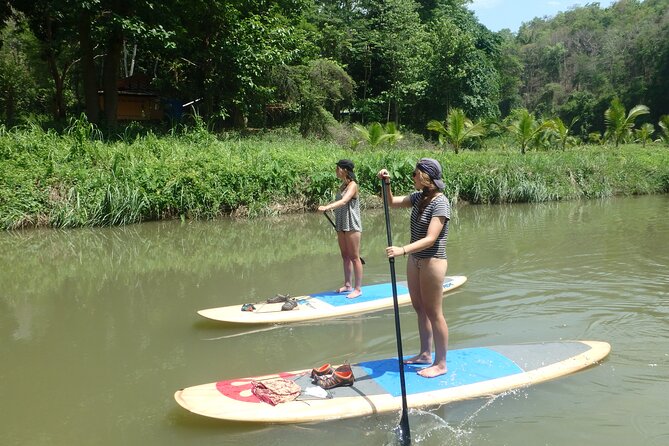
Wildlife watching is part of the point. You’ll pass through a wildlife-rich river corridor where birds are possible along the route. The trick is to watch without turning your body into a distraction machine.
Do this instead:
- Keep your eyes ahead and scan the banks during calmer moments.
- Use your guide’s pacing as your “safe time” to look around.
- Avoid twisting wildly to chase every movement.
One practical thing from the way guides coach here: the river itself helps you. Gentle flow means you’re not constantly correcting like you would on harsher water. So you can actually look up and enjoy the setting instead of white-knuckling the paddle.
If wildlife doesn’t show up in a big way, you still get a relaxing paddle with a low learning curve. That’s the real value—you get the nature feel even if you don’t go home with a bird documentary.





Kayak option: when switching is the smart move
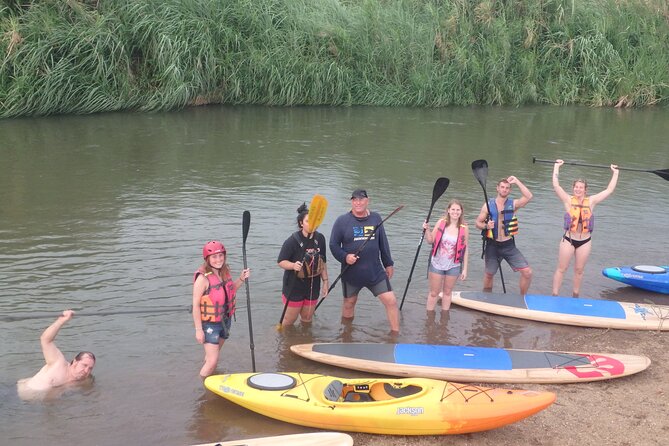
You can choose to travel by kayak instead of paddle board at the shop. That option is a big deal because it keeps the day enjoyable for more people.
The best use of the kayak option is when you know you’re not trying to turn this into an arm-burning workout. Some first-timers start on SUP and quickly realize balance is one thing, but sustained paddling is another. In that moment, switching can save the day without ruining your confidence.
It also works if you want an easier ride while still enjoying the scenery. You’re on the same river route and you still get the guided experience and safety structure.
If you’re unsure which one fits you, let your guide advise you on the day. Aidan (named by the operator’s guides in past customer experiences) is known for understanding the river and offering practical direction—like suggesting kayak first and then SUP if you’re feeling up for it.
Mango plantation lunch: included, but timing can surprise you
Lunch is included at a restaurant at a Mango Plantation/plantation resort. That’s a solid perk because it means the half-day isn’t just water time; you get proper food after paddling.
But here’s the catch: lunch can run late. In practical terms, plan for the possibility that you might eat later than you want—someone noted something like 3pm. If you’re hungry, bring a snack you can eat between paddling and lunch.
What I’d pack for the “calm stomach” plan:
- A small snack bar or crackers in a sealed bag
- Water shoes (or at least plan for wet footwear)
- Sunscreen and a way to reapply
Also, consider a dry bag. Even with bottled water and provided gear, getting your phone and small items protected makes the day less stressful. And sunscreen matters because you’ll be outside for hours.
Price and value: what $71.98 buys you in Chiang Mai
At about $71.98 per person, this is priced in the “worth it” range for a half-day activity because so many essentials come built in:
- Hotel pickup and drop-off
- A professional river guide
- Inflatable paddle board or kayak
- Life vest and helmet
- Bottled water
- Lunch at the Mango Plantation restaurant
- Starter support with watershoes available (40–45 sizing) and the option to buy more gear at the shop
Two small money notes to keep you from getting surprised:
- River fee/insurance are not included, and you’ll provide a passport number at check-in for insurance ID.
- The pro shop can sell items like waterproof phone bags and additional watershoes if you want them.
When you do the math, the real value is not just the paddle time. It’s the safe setup, the guide coaching, and the fact that you’re not arranging transportation or equipment separately.
If you’re comparing to DIY SUP, this feels like a “low hassle, good instruction” choice. If you’ve got your own board, DIY might be cheaper—but you won’t get the guided route, the safety gear, or the included lunch.
Fitness level and who should book this (and who should consider the kayak)
The activity calls for moderate physical fitness. That doesn’t mean it’s hard. It means you should be comfortable paddling for a while and handling basic balance work.
This trip is a good fit if:
- You’re trying SUP for the first time
- You want calm water with coaching
- You like wildlife and nature walks without extreme hiking
- You want hotel pickup and a simple schedule
It may be less ideal if:
- You need a very predictable, super-fast pace with no waiting
- You hate the idea of learning balance on a floating board
- You’re not ready for sun exposure and paddling effort (use sunscreen and take breaks with your guide)
The kayak option makes the experience more forgiving. If you’re willing to paddle some but want the day to stay relaxed, the kayak can turn this into a “scenery first” outing instead of a “stand and work” outing.
Also, boards are described as suitable up to 220 lbs (100 kg). If you’re close to the limit, confirm what’s available before going. It’s better to know up front than to find out after you’ve arrived.
Practical tips that make the day smoother
A few small choices make a big difference on river SUP days, and this one is no exception.
- Bring dry clothes in a bag you can open quickly after the paddle.
- Wear or bring water shoes. If you don’t, the shop may provide sizing, and they can sell options.
- Use sunscreen and reapply about every hour if you’re out in full sun. One guide-led tip here was very direct about sunscreen frequency.
- Pack a dry bag if you want your phone to survive splashes and river spray.
- Don’t wait until you’re already tired to decide between SUP and kayak. Talk with your guide early, while you still have energy to adapt.
Should you book Chiang Mai SUP through the forest reserve?
Book it if you want a calm, guided river experience that works for first-timers. The combination of hotel pickup, safety gear, real instruction, and lunch makes it a good value at this price point. The kayaking option also makes it more flexible than a board-only tour.
Skip it or choose a kayak focus if you’re extremely sensitive to sun, if you hate the idea of learning balance, or if you need lunch at an early, strict time.
Overall, this is a solid half-day plan in Chiang Mai for people who want nature time with training wheels—plus a chance to spot birds and wildlife along the Mae Ping.
FAQ
What time does the tour start and how long is it?
The tour starts at 8:30am and runs about 4 hours.
How many people are in the group?
The tour is described as having a maximum of 5 travelers, and also notes small groups of 10 or fewer.
Can I do kayaking instead of stand up paddle boarding?
Yes. You can choose to travel by kayak instead of using the paddle board.
Is this suitable for beginners?
It’s designed for all skill levels and includes instructions. The supplied paddle boards are suitable for beginners weighing up to 220 lbs (100 kg).
What gear is included, and what should I bring?
Included gear includes an inflatable paddle board or kayak, plus a life vest and helmet. Bottled water and lunch are included. You should bring swimming gear, a set of dry clothes, and water shoes if possible (40–45 sizing can be provided).
Is lunch included, and when do I eat?
Lunch is included at a restaurant at a Mango Plantation. The timing can feel late, so it’s smart to have a snack ready.
Are there extra fees beyond the ticket price?
River fee/insurance are not included.
Do I need my passport number for this tour?
Yes. A passport number is required at check-in for insurance ID.