REVIEW · CHIANG MAI
Chiang Mai: Temple And City Walking Tour Part I
Book on GetYourGuide →Operated by Journey D Travel · Bookable on GetYourGuide
Wat Chedi Luang looks even better when you know the story. This 4-hour Chiang Mai walking tour (starting at 08.20 am) links three major temple stops into one clear explanation of Buddhism in northern Thailand, with time to look closely at stupa ruins, mural details, and sacred Buddha imagery. You’re not just moving from photo spot to photo spot—you’re learning how the places fit together.
I especially love the way this tour turns temple details into something practical. With guides such as Khun Son and Katoon (many bookings describe guides as former monks), you’ll get straightforward explanations about what you’re seeing and why it matters, plus plenty of time for questions. I also like that the pace works well for the morning: early start helps you avoid the hottest part of the day while you still get a solid amount of walking in.
One consideration: it’s a walking-and-standing experience. Even if the walking is described as easy, you’ll spend a lot of time on your feet at temples, and some parts involve waiting to enter or look around.
In This Review
- Key things I’d focus on
- Starting 08.20 am: The morning rhythm that makes temple visits easier
- Wat Chedi Luang: Reading the stupa ruins like a history lesson
- What to watch for during your visit
- A small drawback to plan for
- Wat Phan Tao: Lanna ordination hall details and Buddha-life murals
- How to make the murals more than background
- Wat Phra Singh: The lion Buddha’s monastery and the Phra Singh relic
- What makes this stop special in practical terms
- The walking reality
- The value of the guide: Q&A, monk-life context, and better viewing
- How to get more out of the Q&A
- One practical caution
- Price, extra temple fees, and what you should budget
- Who this is best for in terms of value
- Dress code and behavior rules: It’s not a guesswork situation
- Who should book this Chiang Mai temple walk
- Should you book Chiang Mai Temple and City Walking Tour Part I?
- FAQ
- What is the duration of Chiang Mai: Temple And City Walking Tour Part I?
- What time does the tour start?
- How much is it, and what’s included in the price?
- Are entrance fees included for Wat Chedi Luang and Wat Phra Singh?
- Is hotel pickup or drop-off included?
- What languages is the guide available in?
- What clothing is not allowed on this tour?
- Who is the tour not suitable for?
Key things I’d focus on
- 08.20 am start: cooler walking hours and easier temple visits
- Wat Chedi Luang ruins: a 14th-century stupa shaped by the 1545 earthquake
- Wat Phan Tao murals: Lanna ordination hall views plus Buddha-life artwork
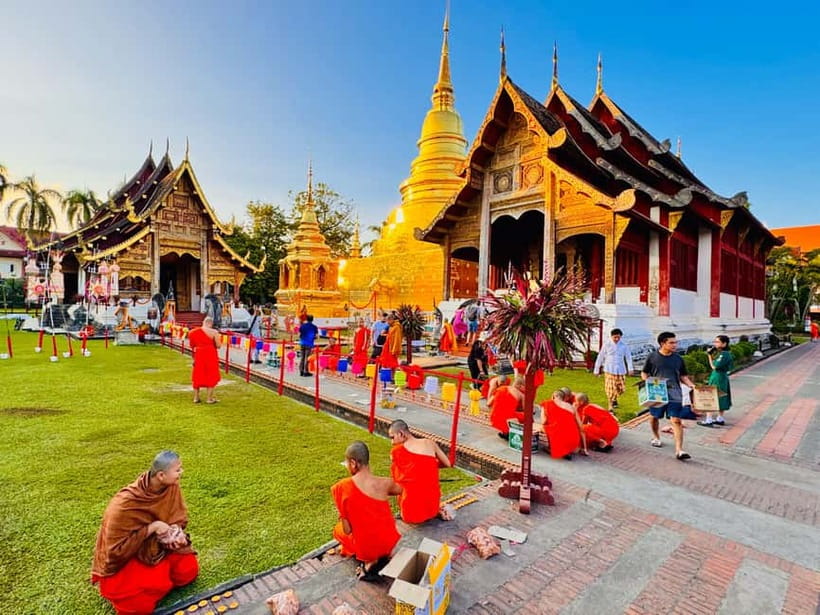
- Wat Phra Singh: the Phra Singh Buddha statue and classic temple architecture
- Ex-monk style guiding: guides like Katoon and Khun Son often explain practice and meaning clearly
Starting 08.20 am: The morning rhythm that makes temple visits easier
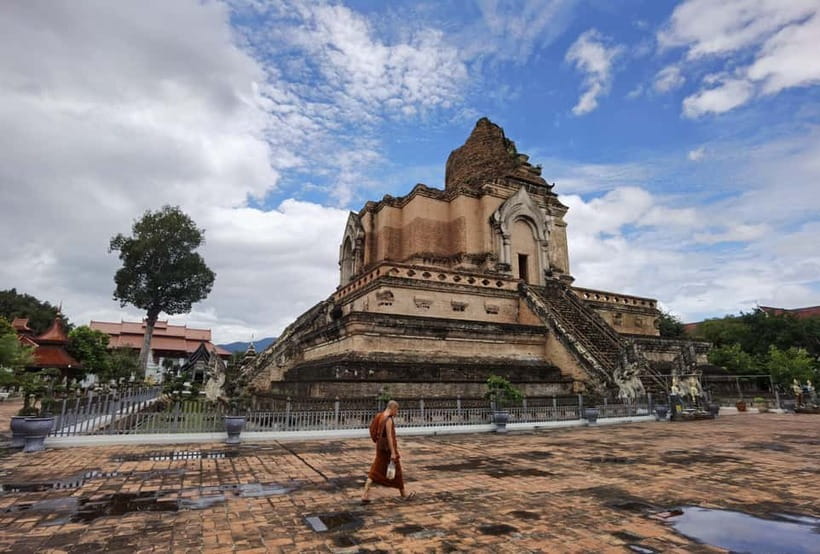
A lot of Chiang Mai temple tours go wrong at one point: the heat. This one starts at 08.20 am, which is a smart choice because you’re out before the day turns heavy. That matters for your enjoyment, not just your comfort. When you’re less sweaty and less distracted, it’s easier to notice carvings, mural scenes, and the layout of each sacred site.
The tour is labeled as a walking experience and lasts about 4 hours, so you should plan your morning accordingly. I’d treat it like a real “get moving” activity, not an effortless stroll. Wear shoes you can stand in for a while, and be ready for temple time—slow moments where the guide talks, you look, and you ask questions.
You’ll also want to pack for a temple setting. This is not the place for casual club outfit logic. The tour rules specifically say no shorts and no sleeveless shirts, plus short skirts aren’t allowed. That might sound strict, but it’s also the fastest way to avoid awkward outfit issues right when you reach the entrance.
You can also read our reviews of more walking tours in Chiang Mai

Wat Chedi Luang: Reading the stupa ruins like a history lesson
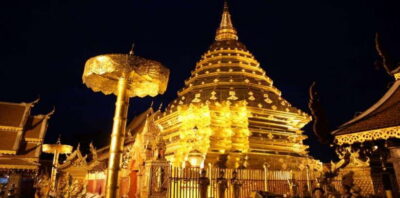
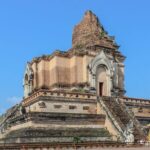
Wat Chedi Luang is usually on every Chiang Mai “must see” list, but here you’ll get something more useful than just a big structure. The stop centers on the ruined chedi (stupa), which was originally built in the 14th century and later severely damaged in an 1545 earthquake. Knowing that timeline changes how you look at the broken stonework. Instead of seeing damage only as damage, you start recognizing layers of time.
This is also where the tour’s Buddhism lessons become grounded. The guide explains what a stupa is for and how temple space connects to devotion and practice. Even if you’re not a religion-studies person, you can still follow along because the tour is set up for real-world observation: the guide points out what to notice, then connects it to meaning.
What to watch for during your visit
At this stop, I’d focus on two things:
- The scale and the damage: it’s not a “pretty ruin” by accident—it’s a reminder of history hitting hard.
- The stupa role in Buddhism: when you understand the purpose of these structures, the architecture stops being random.
A small drawback to plan for
This is a temple complex. You may need to pause and queue at certain points, and you’ll spend time standing still while your guide finishes explanations. It’s not a problem if you came with comfortable shoes, but it’s worth mentioning so you don’t assume this is all “walk, click, move on.”
Wat Phan Tao: Lanna ordination hall details and Buddha-life murals
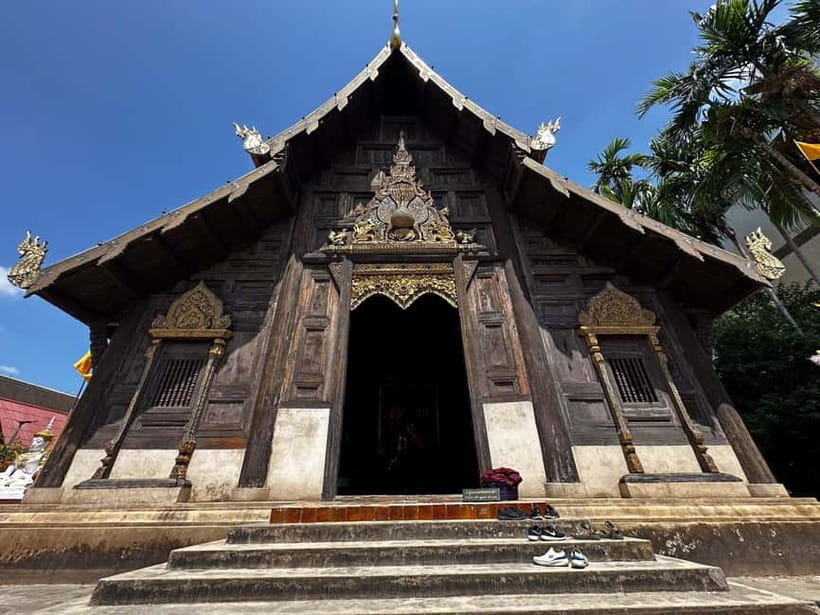
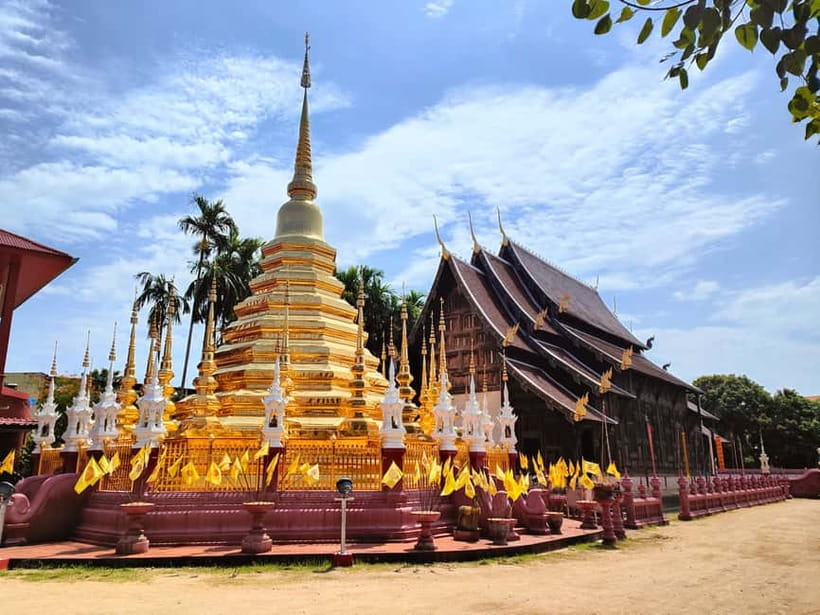
Right after Wat Chedi Luang, you’ll move on to Wat Pan Tao (often written Wat Phan Tao). This is a smaller stop, but that’s part of the appeal. It’s close by, so you keep the morning momentum without a long transfer.
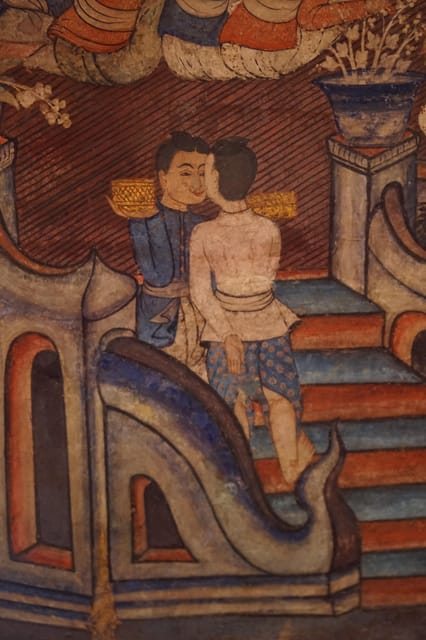
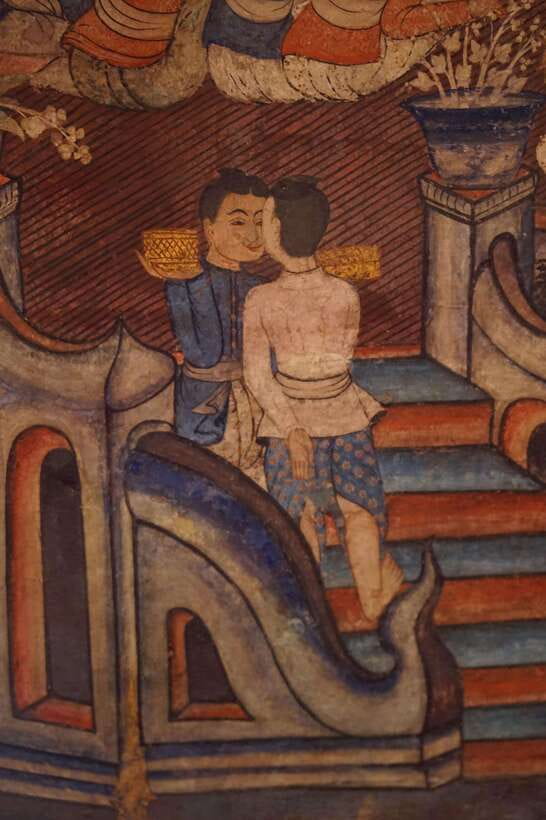
The highlight here is its Lanna-style ordination hall and the mural artwork. The murals depict scenes from the life of the Buddha, so this isn’t just decorative painting. It’s a visual story tool—one that helps you understand Buddhism through images you can actually process while you’re standing in front of them.
If you’ve ever felt lost in temple visits, this is the kind of stop that fixes that. Murals give you a narrative. The guide helps you interpret the scenes and connects them to worship practice and temple culture in northern Thailand.
You can also read our reviews of more city tours in Chiang Mai

How to make the murals more than background
Take your time with the art. Don’t treat it like a quick “look and go.” Instead, pick one section of the mural and follow the sequence the guide describes. When you do that, the whole scene starts to read like a story instead of a wall of figures.
Also, follow the rules about clothing and behavior. Temple etiquette is part of why the experience feels respectful. No climbing, no smoking, and no drones.
Wat Phra Singh: The lion Buddha’s monastery and the Phra Singh relic
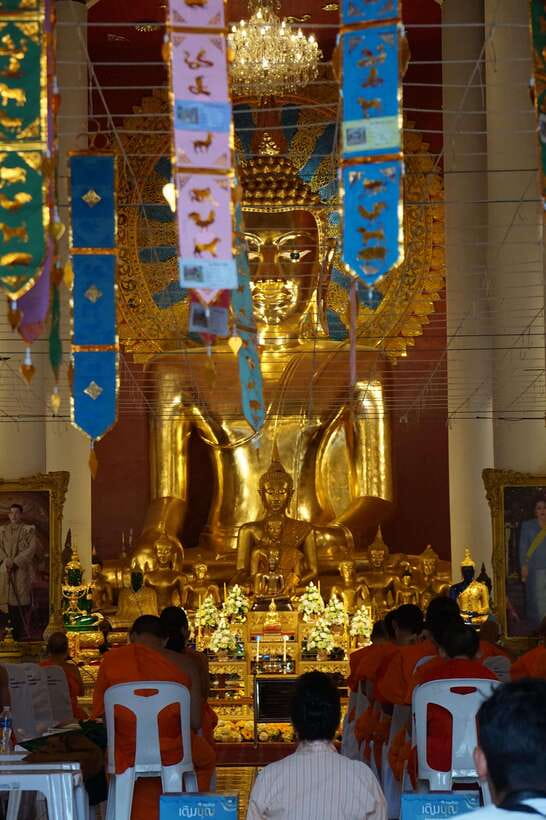
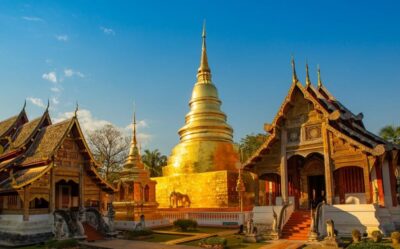
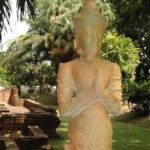
Wat Phra Singh is often described as one of Chiang Mai’s most important temples, and this tour makes that importance feel tangible instead of vague. You’ll see the monastery known as the Monastery of the Lion Buddha, and you’ll be introduced to the Phra Singh Buddha statue, described as a highly revered relic.
What I like about including this stop in Part I is that it balances the morning. Earlier, you focus on stupa ruins shaped by earthquakes and time. Here, you focus on devotion centered on a specific Buddha image and the temple grounds around it. It’s a shift from “history you can read in stone” to “reverence you can feel in the space.”
What makes this stop special in practical terms
Even without a deep religious background, you can get value from this place if you listen for meaning behind form:
- Why certain statues are arranged the way they are
- How a “relic” concept affects reverence at the site
- What temple architecture signals about devotion and community
A former monk-style guide can be especially effective here. Many reviews in the provided info highlight guides who explain not only history, but also how Buddhists relate to these images in everyday practice.
The walking reality
This is another temple where you’ll stand, look, and absorb. If you’re the type who gets restless in quiet spaces, bring patience. The upside is that when the guide explains a statue or ritual detail, you’ll likely feel like you suddenly understand what you’re seeing.
The value of the guide: Q&A, monk-life context, and better viewing
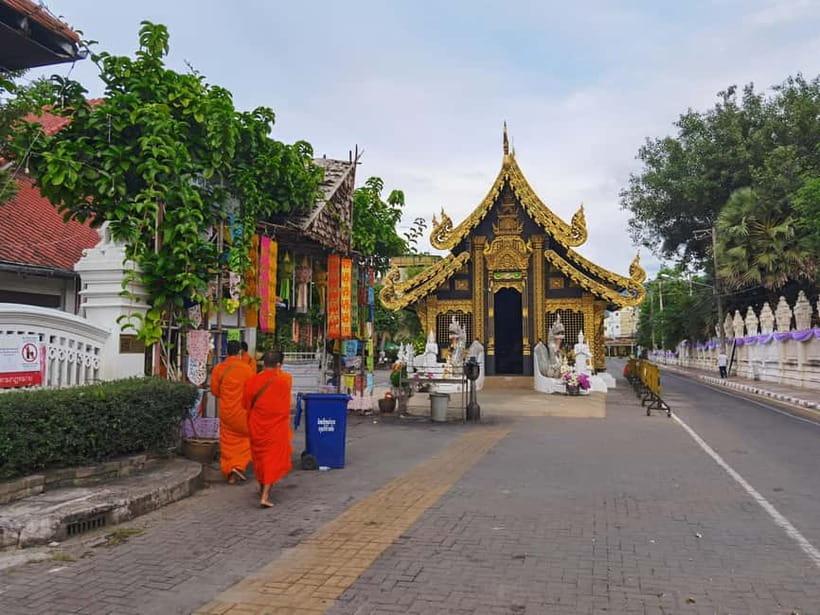
This tour isn’t just a route. It’s a guided interpretation session in a temple setting. The tour description includes a live tour guide, and the experience reviews you shared give a clear pattern: guides are often praised for how they answer questions and how they explain Buddhism in plain language.
In multiple accounts, the guide is described as a former monk (names like Katoon and Khun Son show up in the feedback). That matters, because it changes the tone of the explanations. You’re less likely to get generic temple facts and more likely to hear what practice is like, how people relate to daily worship, and why certain details matter.
How to get more out of the Q&A
If you want the best experience, come with questions that match your curiosity. For example:
- What is a stupa for, beyond the basic idea of worship?
- Why do people focus on specific Buddha statues?
- How do murals function as teaching tools?
When guides are used to questions, they often slow down and answer with clear examples. And a few reviews mention that guides will also help with photo opportunities, which can be a nice bonus if you want respectful shots without guessing angle and timing.
One practical caution
Some guides may speak more softly than you expect. If you’re in the back of the group, you’ll get more out of it by moving closer when explanations start. That’s especially true in temples where acoustics aren’t always cooperative.
Price, extra temple fees, and what you should budget
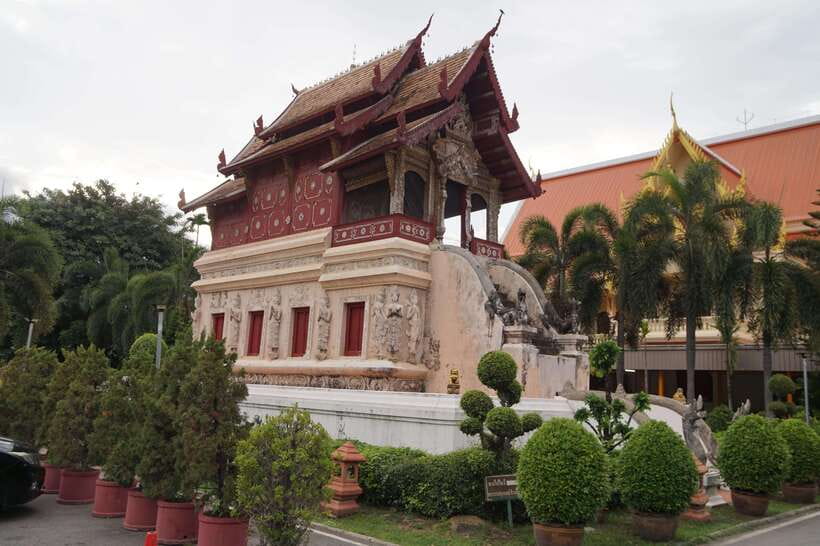
The listed price is $15 per person for a 4-hour guided walking tour. That’s strong value for three temple sites with interpretation and a live guide.
But here’s the part you need to budget for: entrance fees are not included. The tour notes the following:
- Wat Chedi Luang entrance fee: 50 THB
- Wat Phra Singh entrance fee: 40 THB
So you’re really paying two layers:
1) the guide and walking tour (included in your $15)
2) the temple entry fees (paid separately on the day)
If you’re trying to keep costs tight, this is still manageable, but it’s worth factoring it in before you book. Also, plan your money to avoid delays at entrances.
Who this is best for in terms of value
You’ll likely feel the best value if you:
- like cultural explanations more than fast sightseeing
- want context for Buddhist terms and temple symbolism
- can handle a few hours of walking and standing
If you just want a short temple hit with minimal talking, you might feel this is more “guided learning” than “tourist checklist.” But the strong rating trend you provided suggests most people come away feeling it’s worth the time.
Dress code and behavior rules: It’s not a guesswork situation
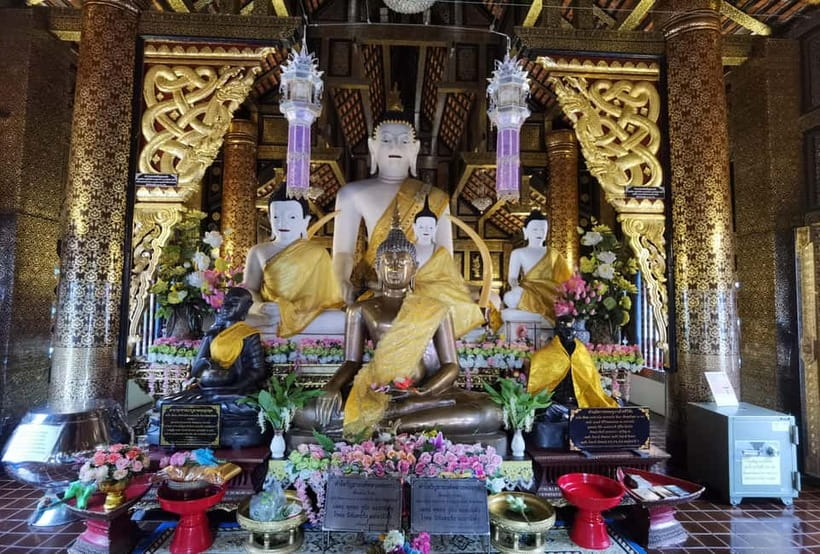
This tour has clear restrictions, and they’re tied to temple respect. You can avoid hassle by dressing ahead of time:
- No shorts
- No sleeveless shirts
- No short skirts
- No smoking
- No climbing
- No drones
- No alcohol and drugs
- No nudity
If you’re traveling in warm weather, long pants or light, breathable long-sleeve clothing is your friend. Also remember that temples can be forgiving in general, but this tour’s rules are explicit, so follow them.
Who should book this Chiang Mai temple walk
This works best for you if:
- you want to understand Buddhism in a way that connects to what you’re seeing
- you enjoy temple details like murals, stupa structures, and revered Buddha statues
- you want a morning activity that beats the heat
It may be a tougher fit if:
- you don’t do well with standing for long stretches
- you have limited mobility needs
- you’re traveling with a baby under 1 year, you’re pregnant, or you’re over 95 (the tour lists these as not suitable)
Should you book Chiang Mai Temple and City Walking Tour Part I?
My call: yes, if your goal is real understanding, not just stamps in a passport. The combination of Wat Chedi Luang, Wat Phan Tao, and Wat Phra Singh gives you a well-rounded morning—ruins, murals, and a major revered Buddha presence—while the guide (often with ex-monk context in the feedback) helps you connect the dots fast.
Book it if you’re comfortable walking for about four hours and following temple dress rules. Skip it or plan differently if you need lots of sitting breaks or you’re worried about standing time.
If you do book, go in with questions, wear good shoes, and give yourself permission to slow down at each stop. That’s where the tour earns its value.
FAQ
What is the duration of Chiang Mai: Temple And City Walking Tour Part I?
The tour lasts about 4 hours.
What time does the tour start?
It starts at 08.20 am.
How much is it, and what’s included in the price?
The price is $15 per person and it includes a live guide and the walking tour.
Are entrance fees included for Wat Chedi Luang and Wat Phra Singh?
No. Wat Chedi Luang entrance is 50 THB and Wat Phra Singh entrance is 40 THB, based on the tour info provided.
Is hotel pickup or drop-off included?
No, hotel pickup and drop-off are not included.
What languages is the guide available in?
The tour guide is available in Thai and English.
What clothing is not allowed on this tour?
Shorts, short skirts, and sleeveless shirts are not allowed.
Who is the tour not suitable for?
It’s not suitable for pregnant women, babies under 1 year, and people over 95 years.