REVIEW · CHIANG MAI
Full Day Thai Cooking at Farm (Chiang Mai)
Book on Viator →Operated by Smile Organic Farm Cooking School · Bookable on Viator
Thai food lessons should feel doable, not intimidating, and this one is built that way. You get hotel pickup plus a stop at a local market, then spend the morning learning ingredients and the afternoon turning them into dishes you can actually recreate at home. I especially like how the class lets you choose your menu and adjust spice levels, not just follow a fixed script. One thing to consider: the day is about 8 hours, so come hungry and plan your evening meal around a food coma.
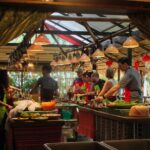
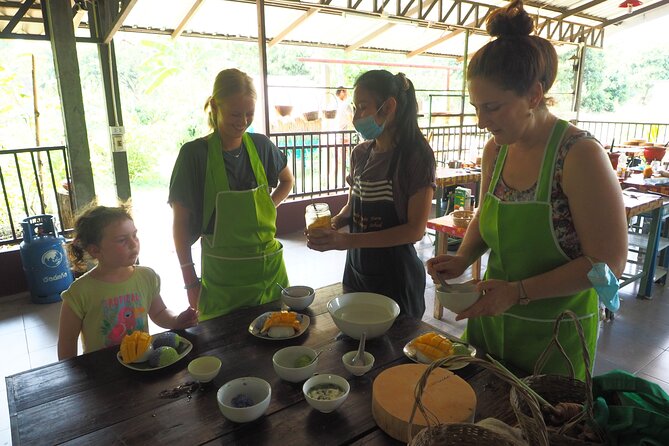
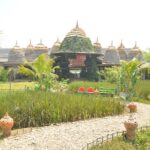
What really sells this experience is the setting and the structure. You cook in an organic farm-style environment near Chiang Mai, with time to learn about Thai herbs and vegetables in the kitchen garden before you start chopping and stirring. I also love that the tour covers eight core categories (from curry paste to spring rolls to dessert and herbal drink), with vegetarian or vegan options in every menu.
In This Review
- Small group setup, big comfort
- Key things to know before you go
- From hotel pickup to market basics in Chiang Mai
- Smile Organic Farm Cooking School and the garden ingredient lesson
- Cooking eight categories you can redo at home
- Curry paste first: why it helps everything else
- Wok and heat for stir-fried dishes
- Salads and herb use: learning balance, not just ingredients
- Dessert and herbal drink: the part most classes skip
- Choosing your menu and adjusting spice to your comfort
- The herb-and-food connection: how the day stays coherent
- Eating what you cook, in a relaxing farm rhythm
- Price and value: what $39.13 really buys you
- Who this farm Thai cooking class fits best
- Quick practical notes before you go
- Should you book this Thai cooking class at Smile Organic Farm?
Small group setup, big comfort
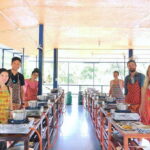
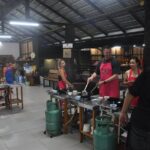
The limit of 12 travelers matters more than you’d think: you’re not just watching from the back row. You get clearer coaching while you work with woks and pans, and the pace stays calm enough to ask questions and adjust seasoning. The one drawback to flag is that if you’re looking for only quick, hands-off cooking demos, this is hands-on all day, so you’ll want to be ready to participate.
Key things to know before you go
- Hotel pickup and drop-off so the day stays low-stress
- Market visit first, then you cook what you picked up
- Smile Organic Farm Cooking School with an organic kitchen garden learning block
- Eight cooking categories with a menu choice for each section
- Vegetarian or vegan options available across every menu
- Max 12 travelers, which helps the instruction stay practical
You can also read our reviews of more cooking classes in Chiang Mai
From hotel pickup to market basics in Chiang Mai
Your day starts at 8:00am in Chiang Mai, with pickup from your hotel or accommodation in the city. That matters, because Thai cooking class logistics can eat up time fast. Here, you’re already in motion, and you can spend your energy on tasting and learning instead of figuring out transport.
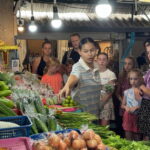
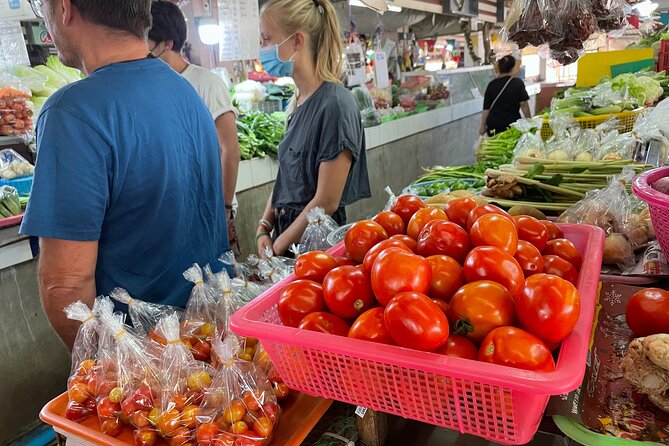
The next step is a brief visit to a local market before heading to the farm cooking school. You’re not shopping for souvenirs. You’re getting oriented to the ingredients behind Thai flavor—so later, when you’re working on curry paste or herbs for salads, it clicks faster. If you tend to get impatient at markets, keep expectations simple: it’s a short stop designed to set you up for cooking.
Smile Organic Farm Cooking School and the garden ingredient lesson
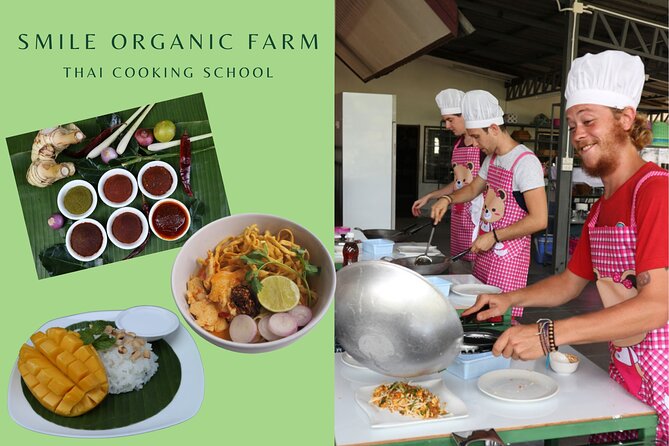
Once you arrive at Smile Organic Farm Cooking School, the instructors walk you through the menu plan and you choose what you’ll cook in each category. That choice is a quiet upgrade. It keeps the day from feeling like a one-size-fits-all cooking factory, and it lets you steer toward what you genuinely want to eat.
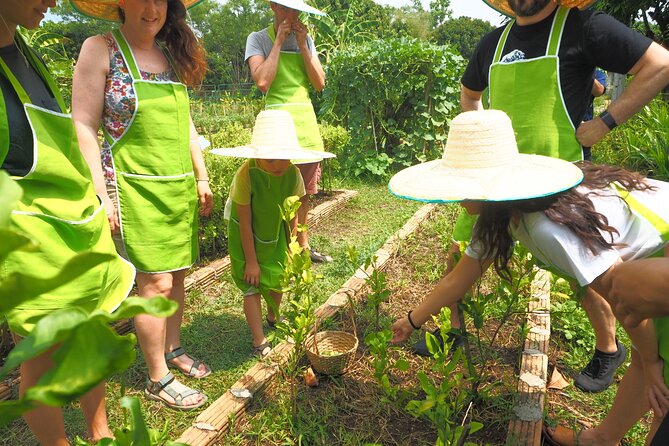
Before the big cooking push, you learn about Thai herbs and vegetables in the organic kitchen garden. This is one of the most useful parts for future cooking at home. When you understand what herbs smell like and how vegetables behave, you stop treating recipes like magic formulas. You start treating them like food.
Then it becomes hands-on. You’ll move from garden and herb education into structured cooking stations, guided step-by-step through the menu you selected.
Cooking eight categories you can redo at home
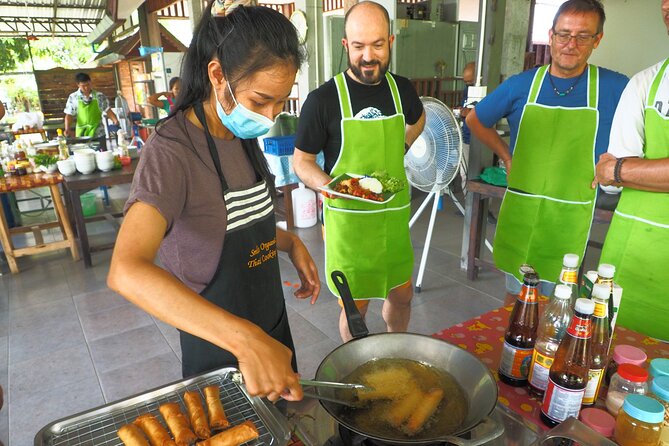
The class is organized around eight cooking categories:
- Curry Paste
- Curry
- Stir-Fried
- Soup
- Spring Roll
- Thai Salad
- Dessert
- Herbal Drink
That list is the real value. A lot of cooking classes teach one dish really well and then call it a day. Here, you’re building a skill set across Thai staples: pastes, sauces, wok work, balance in salads, and the sweet-and-refreshing finish.
Curry paste first: why it helps everything else
Learning curry paste early is smart. Curry paste is the flavor engine, so if you understand how the ingredients come together, you get more consistent results later when you make curry. Plus, it’s the category that tends to feel most intimidating before you learn it—so getting it done early boosts confidence fast.
You can also read our reviews of more tours and experiences in Chiang Mai

Wok and heat for stir-fried dishes
For stir-fried cooking, you’ll learn basics that apply beyond one meal: how to manage heat, timing, and texture. This is where many people start to feel comfortable cooking Thai food in their own kitchen, because woks are easier once someone shows you the rhythm.
Salads and herb use: learning balance, not just ingredients
Thai salads can be tricky if you only focus on the recipe line-by-line. The class approach helps you learn how the herbs and crunch work together. When you’ve handled the ingredients in class, you’ll be better at recreating the balance at home, even if you substitute one vegetable.
Dessert and herbal drink: the part most classes skip
Dessert and an herbal drink round out the day. Even if sweets aren’t your main interest, it’s useful to see what Thai cooking considers a finishing taste: something fragrant, sweet, and lighter than you might expect. The drink also makes the meal feel complete, not just heavy and fried.
Choosing your menu and adjusting spice to your comfort
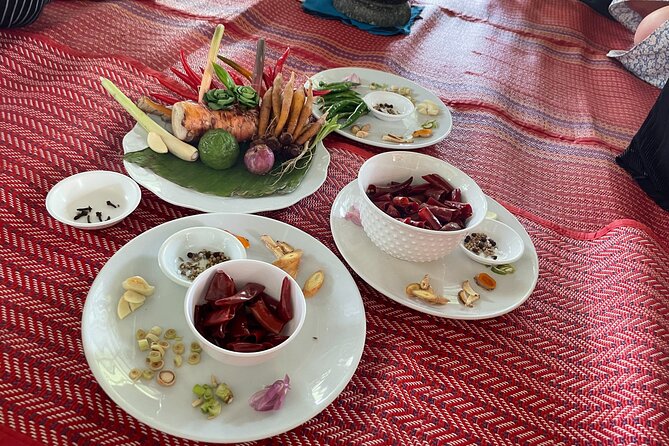
You’ll choose your own menu in each category after the instructors explain what’s available. That’s a practical design choice for mixed groups. Some people want curry-heavy plates; others want more salads and stir-fries. You’re not stuck eating what you don’t want.
You also decide how spicy or mild you want your food. That one detail helps almost everyone. If you’re sensitive to heat, you can tone it down. If you love Thai spice, you can push it without feeling like you’re breaking the recipe.
And yes, you can go vegetarian or vegan. The menu is designed so every category can be made vegetarian or vegan. That’s a big deal if you travel with dietary needs, because you can still learn the full range of Thai flavors without being sidelined.
The herb-and-food connection: how the day stays coherent
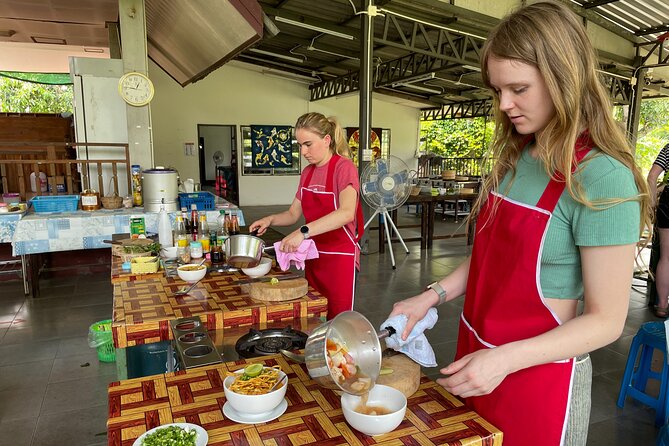
A cooking day can feel scattered when it jumps between random steps. This one flows because it ties garden learning to the cooking stations. You start by seeing ingredients as living plants. Then you turn them into pastes, sauces, and finishing touches.
That cohesion is especially helpful when you’re trying to remember recipes later. Instead of memorizing a list, you remember a process: what you learned in the garden, what you tasted in the market stop, and how the dish came together in class.
The result is not just a full stomach. It’s the kind of learning that sticks because it’s connected to real flavor decisions.
Eating what you cook, in a relaxing farm rhythm
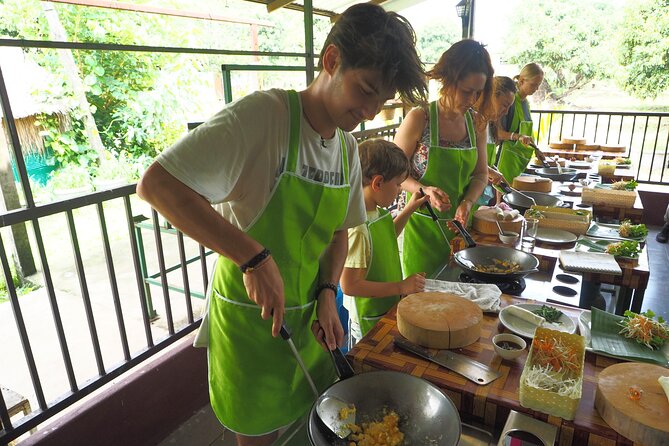
After the cooking work, you get to enjoy the Thai food you prepared with your group in the farm’s relaxing atmosphere. This part is more than a bonus meal. It’s how you confirm whether the flavors you aimed for actually landed the way you intended.
And if you like to learn by tasting, this is one of the best moments of the day. You can immediately compare what you made to what you might remember from Thai restaurants back home. If something needs tweaking—saltiness, sourness, herb intensity—you’ll recognize it quickly because you made it yourself.
If you’re the kind of traveler who always orders Thai food but never learns the method, this is the reset. You stop thinking of the dishes as restaurant-only and start thinking of them as home-cookable.
Price and value: what $39.13 really buys you
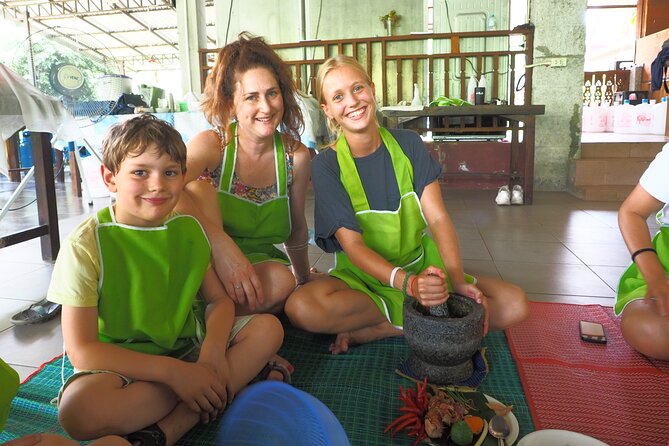
At about $39.13 per person, this class hits a sweet spot for a full-day experience. You’re paying for more than ingredients. You’re paying for structured instruction across eight categories, plus the convenience of pickup and drop-off, plus a menu system with spice control and vegetarian/vegan support.
It also helps that the class is kept small, with a maximum of 12 travelers. When group size stays low, instruction feels more personal and less chaotic. That’s how you get from watching to cooking confidently—especially if you want to work with a wok, handle curry components, or learn paste-based cooking without getting lost.
You also receive included materials: an included recipe book and a photo album, so your notes don’t live only in your memory.
Who this farm Thai cooking class fits best
This is a great fit if you want Thai cooking skills that go beyond one dish. The eight-category structure is ideal for people who eat Thai food often and want to understand what makes it work.
It also fits families in a flexible way. Kids above 9 can have their own cooking stations as participants. Children 0–3 are free of charge. If you’re traveling with a teenager who wants a real activity (not just watching adults cook), this can work well.
If you’re someone who wants a calm day out of the city—without giving up practical results—this farm setting near Chiang Mai is the right vibe. It’s also helpful if you’re vegetarian or vegan, since options exist in every menu category.
Quick practical notes before you go
Start by coming with an appetite. This is an all-day program, and you’ll be cooking and then eating what you made. Also plan for a hands-on experience, because the focus is on doing: curry paste, stir-fry, soup, spring rolls, salads, dessert, and herbal drinks.
If you’re sensitive to spice, tell the instructors your preferred level from the start. The class allows you to choose mild versus spicy, so you don’t have to “tough it out” to be part of the fun.
Finally, if you’re the type who likes taking recipes home, you’ll appreciate that the tour includes a recipe book and photo album. You can actually cook from what you learned instead of relying on blurry memory.
Should you book this Thai cooking class at Smile Organic Farm?
Book it if you want a full-day Thai cooking experience that’s structured, flexible, and genuinely useful for cooking at home. I’d especially recommend it for first-timers who feel intimidated by Thai ingredients, and for repeat Thai-food fans who want to learn the “how” behind curries, salads, and stir-fries.
Skip it only if you’re looking for a short, mostly observational tour. This is hands-on all day, and the value is strongest when you participate, taste, and adjust your spice and menu choices.
If your goal is to leave with the skills to cook Thai food you actually crave, this is one of the better buys in Chiang Mai.