REVIEW · CHIANG MAI
3-Day Chiang Dao Mountain Trek
Book on Viator →Operated by ActiveThailand · Bookable on Viator
Three days in wild Chiang Dao is worth it. This 3-day guided mountain hike takes you far north of Chiang Mai into the Chiang Dao area, with homestay nights and day hikes through bamboo, jungle trails, and ridge walking. Two things I really like: you get a small-group experience with a great guide (often Tan or Sap), and the food feels local, not packaged—home-cooked meals made for you along the way.
The main thing to consider is physical strain and village sleep. This is a moderate-fitness trek with long days, and one common heads-up from past hikers is night noise at the hill-tribe homestay—dogs and roosters can be loud, so plan on bringing earplugs.
In This Review
- Key Things To Know Before You Go
- Why Chiang Dao Feels Worlds Away From Chiang Mai
- The Trek Works Because the Guide Works
- Day-by-Day: Market Mornings, Mountain Trails, and the River-Valley Finish
- Day 1: Pickup, a local market stop, then your first real hike
- Day 2: Wake up to the mountains and tackle the hardest day
- Day 3: A three-hour descent, a waterfall stop, then riverside lunch
- Homestays and Home-Cooked Thai Food
- What This Trek Feels Like on Your Body (Especially on the Downhills)
- Price and Value: Is $256 a Fair Deal?
- Who Should Book This Trek (and Who Should Skip It)
- Should You Book This 3-Day Chiang Dao Mountain Trek?
- FAQ
- How hard is the hiking?
- What time does the trek start, and is hotel pickup included?
- How many people are in the group?
- Is this trek suitable for children?
- What meals are included?
- Can I get vegetarian meals?
- What should I wear and bring?
- Where does the tour start and end?
- What happens if weather is bad or I need to cancel?
Key Things To Know Before You Go
- Small-group cap keeps the pace friendly and the guide focused on you.
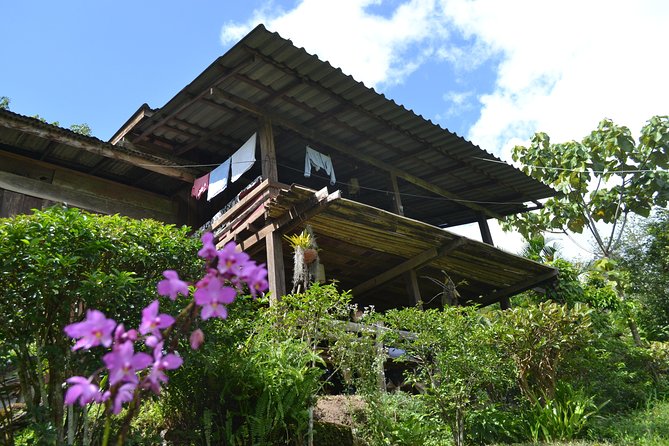
- Homestay nights give you a real look at daily life in the Maetang River valley area.
- Guides like Tan or Sap explain plants and nature and also cook the meals.
- Day 2 is the workout day with tough climbs and lots of trail time.
- Bring earplugs for the village overnight that can get noisy at night.
Why Chiang Dao Feels Worlds Away From Chiang Mai
Chiang Dao is north-country Thailand: cooler mountain air, jungle smells, and villages where life happens at a slower pace. The trek’s big advantage is how it gets you out of tourist rhythm. You start with an early pickup from Chiang Mai (within the second ring road radius), then drive north to begin the real hiking day.
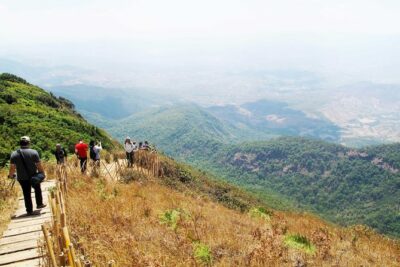
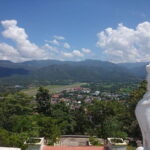
You’ll spend the trek moving through a mix of trail types—ridges, bamboo areas, and jungle paths—so the experience doesn’t feel repetitive. Even when you’re tired, there’s usually something to pay attention to: the view line changes, plants look different along the route, and the guide points out what’s around you.
And yes, the meals matter here. This tour includes multiple meals across the three days, and the homestay setting turns food into part of the experience rather than just fuel. One standout theme in feedback is how good the Thai meals are when your guide is cooking on-site.
One more reason this trek is appealing: it’s capped at a small group size (maximum 10 in the core description, with an overall maximum noted as 12). That keeps the hiking more human and makes it easier to handle slower walkers or frequent stops for explanations.
You can also read our reviews of more hiking tours in Chiang Mai

The Trek Works Because the Guide Works
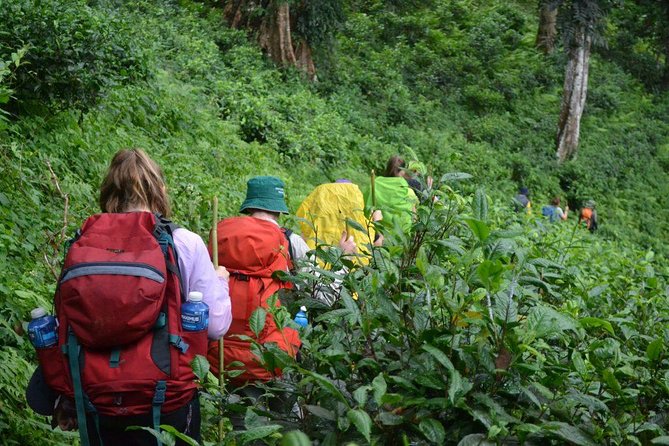
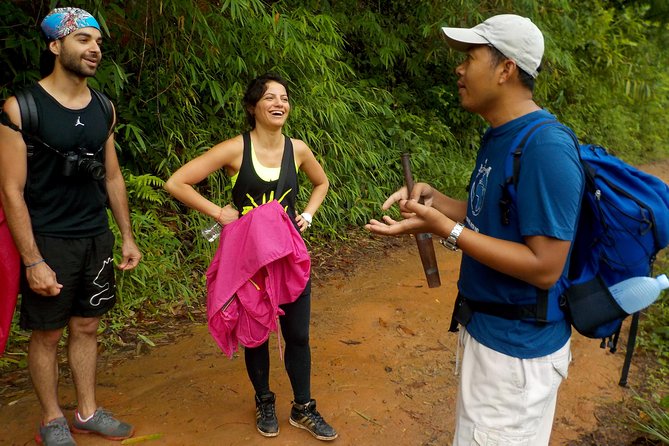
On this trek, your guide is the difference between a hike and a story. People consistently call out guides like Tan and Sap for two skills: they explain what you’re seeing, and they keep the group moving safely.
You might taste cool plants along the trail—more than once, hikers mention this as a fun, memorable detail. It’s not just name-dropping. The guide talks about local nature and how people live around it, then you connect the dots while you walk.
Also, the guide plays a practical role. Past hikers note that your guide cooks for you, so you’re not relying on restaurant schedules or guesswork about what’s available. That means more continuity: you hike, you eat, you settle into the homestay rhythm, then you repeat the next day.
A small caution: jungle trails can be overgrown. At least one hiker described moments where the guide had to clear a path with a knife. That’s part of trekking off the main trail system, and it’s another reason the guide’s presence matters.
Day-by-Day: Market Mornings, Mountain Trails, and the River-Valley Finish
Day 1: Pickup, a local market stop, then your first real hike
Your morning begins with a pickup around 8:30am from Chiang Mai accommodations within the second ring road area. You’ll drive north to get away from the city and into the Chiang Dao region. Along the way, you’ll stop at a local market, where your guide can introduce ingredients—small detail, big payoff. It helps you later when you recognize flavors in the food you’re eating.
The itinerary details for the first day keep the focus on getting you moving into the hills and setting up the pace. Expect your first chunk of hiking on the mountain trails that lead toward where you’ll spend your first night.
Day 2: Wake up to the mountains and tackle the hardest day
Day 2 starts with a breakfast that’s tied to the surrounding area—locally grown tea or coffee from nearby plantations. Then comes the day people often mention as the challenge day. This is when you’ll hike through jungle and trails that criss-cross, with mountain ridge sections thrown in.
Plan for walking time and effort. The overall tour fit guidance says you should be able to hike about 5 to 6 hours on undulating ground, and the description calls Day 2 a challenging mix of terrain. Reviews also mention a steep up-and-down feeling on Day 2, which makes the day mentally tough even if you’re strong.
If you’re the type who likes learning while you work, you’ll probably enjoy this day most. The guide tends to stop and explain plants and nature, and the trail becomes something you study—not just something you survive.
You can also read our reviews of more tours and experiences in Chiang Mai


Day 3: A three-hour descent, a waterfall stop, then riverside lunch
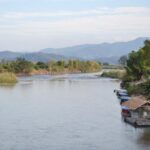
Day 3 is built around the finish. You’ll have breakfast on the mountain before your final push. The key moment is a three-hour descent to the Maetang River valley below. This is where you’ll notice a change in scenery and pace.
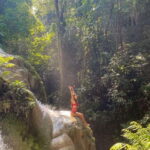
You’ll also stop at a waterfall for a break—short break, good photo chances, and a chance to reset your legs. Then there’s lunch in a quiet riverside setting, followed by the drive back toward Chiang Mai.
Homestays and Home-Cooked Thai Food
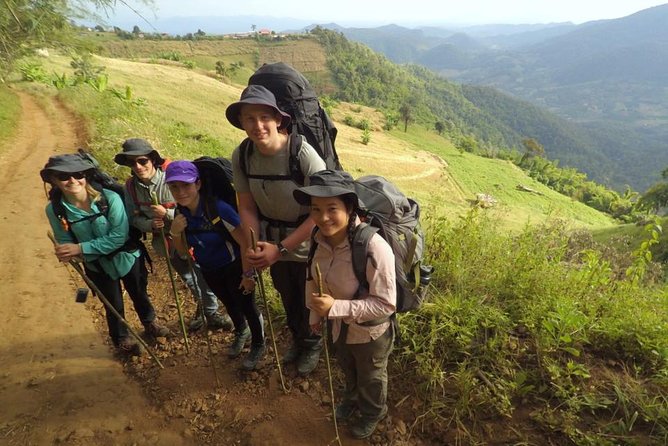
This trek is not a hotel chain experience. You’re sleeping at local homestays, which keeps the trip grounded and places you in the everyday world of the area. Past hikers describe the stays as clean and basic—often comfortable enough, just not fancy. One person even mentioned solar power in the homestay, which is a helpful sign that daily conveniences are not absent.
Now, the part you should plan for: village noise. Multiple hikers call out that the second night can be loud, with dogs barking and roosters crowing. That’s not a service failure. It’s village life.
So bring earplugs. Seriously. It’s one of the easiest “do this once and thank yourself later” items for this trek.
As for food, the tour includes breakfast, lunch, and dinner across the days (breakfast two times, lunch three times, dinner two times). Reviews consistently say the guide cooks excellent Thai meals, not just simple servings. If you’re picky, you can still probably eat well here, but vegetarian meals require planning in advance—tell the operator when you book.
One extra practical note: you’re carrying your own personal effects in a 45L backpack, and you’ll carry it through the trek. Travel light. On a mountain hike, weight adds up fast.
What This Trek Feels Like on Your Body (Especially on the Downhills)
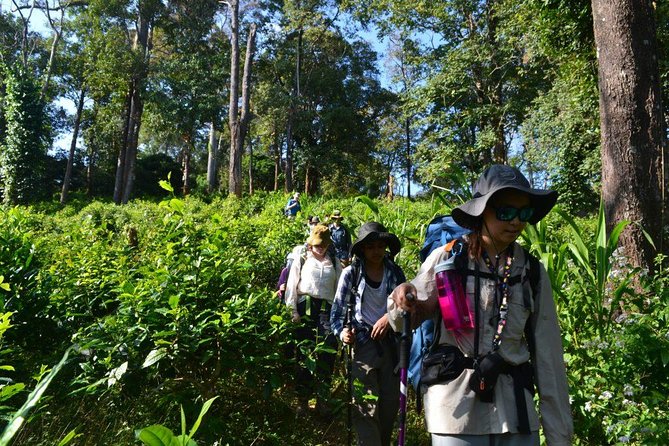
Even though the trek is described as moderate fitness, it’s still a real hike. You’re walking undulating landscapes for hours, and Day 2’s climbs and Day 3’s descent both put stress on your legs.
Here’s the advice that matters most: prepare for downhill strain. One review specifically warned that going down can hit knees hard. If your knees hate steep descents, consider hiking poles if you have them. They’re not mentioned by the tour directly, but they’re a common trekking tool for exactly this problem.
Footwear matters too. The tour guidance says wear suitable outdoor clothing, including hiking boots or runners. Don’t show up in thin sandals or slick shoes. The jungle trail days plus ridge work mean traction is your friend.
Also think about weather. The experience states it requires good weather, and if poor weather cancels the trek you’ll be offered a different date or a full refund. That’s a reminder that this is an outdoor, conditions-based adventure. Pack for rain and cool mornings if your trip falls in a wetter season.
Finally, your pace will likely be slower than you expect, because the guide stops to explain plants and the route isn’t just a simple path. If you can hike for 5–6 hours on mixed ground, you’ll be in the right zone.
Price and Value: Is $256 a Fair Deal?
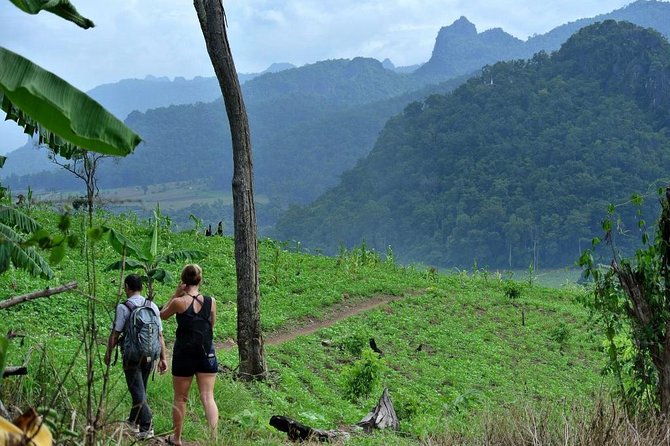
At $256 for about three days, this trek is priced like a guided, all-in small-group experience—not like a cheap “show up and figure it out” hike.
What you’re paying for (based on what’s included):
- Hotel pickup within the Chiang Mai ring area
- Round-trip transport from Chiang Mai
- Small-group hiking with a guide (often named Tan or Sap in feedback)
- Homestay accommodation
- Meals: two breakfasts, three lunches, two dinners
When you add up what that would cost separately—private transport, guided trekking, and homestay meals—$256 starts to look more realistic. The small group size also helps the value. In a group that stays under about 10–12 people, you get more attention and fewer “everyone wait while we catch up” moments.
Is it worth it if you want comfort? Probably not. This isn’t a luxury lodge trek. But if you want a real north-Thai hiking experience with homestay life and jungle-ridge walking, the value feels fair.
Who Should Book This Trek (and Who Should Skip It)
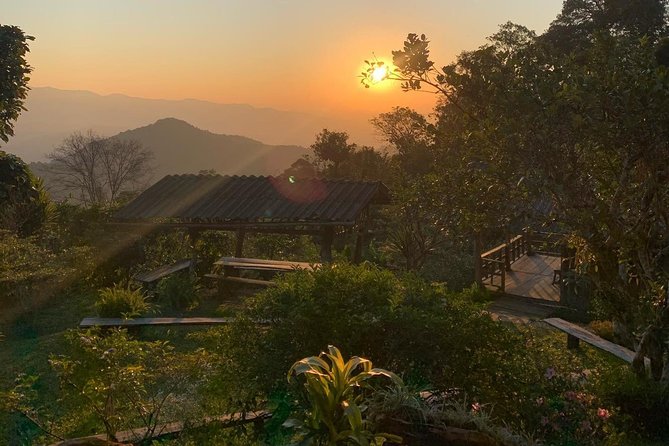
This is a great pick for you if:
- You want a guided trek off the main tourist trail in the Chiang Dao area
- You like learning from your guide as you walk
- You’re comfortable with homestays and basic lodging
- You can hike for several hours on uneven ground
You should think twice if:
- You’re not used to hiking on steep or uneven terrain, especially downhills
- You’re very sensitive to noise at night (bring earplugs)
- You’re traveling with children under 10, since the trek isn’t suitable for kids under 10 unless they’re used to multiple hours of hiking
One good sign from the feedback: the guides handle mixed ages well, with groups that included both younger hikers and people in their 60s. That suggests the pace can work if you’re physically prepared and follow the guide.
Should You Book This 3-Day Chiang Dao Mountain Trek?
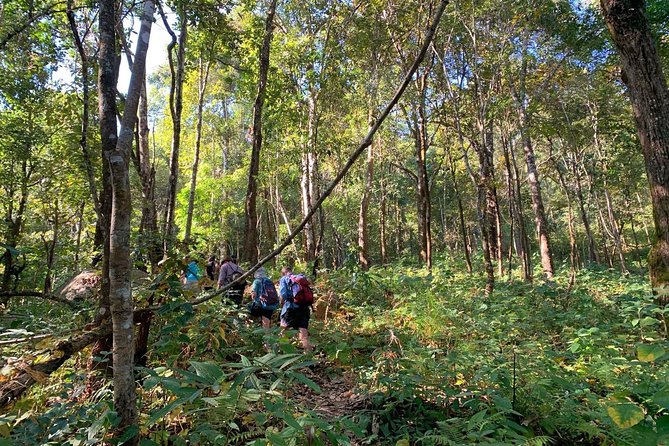
Book it if you want the kind of Thailand trip that feels like it has texture: jungle trails, ridge views, homestay nights, and a guide who actually talks about what you’re seeing. This tour’s strongest pull is the combination of small-group trekking plus real local food and homestay life. If you want to do serious hiking without turning it into a stressful logistics project, this delivers.
Skip or choose a different option if your ideal vacation is mostly flat walking and quiet nights. The hills are the point, and the village sound is part of the deal.
If you decide to go, do two things to set yourself up for success: pack light into that 45L backpack, and bring earplugs for the homestays. Those small choices make the difference between a tough trek and a memorable one.
FAQ
How hard is the hiking?
You should have moderate physical fitness. You should be able to hike about 5 to 6 hours on undulating terrain, and the trek is described as challenging, especially with jungle and ridge sections.
What time does the trek start, and is hotel pickup included?
You’ll have pickup from your hotel in Chiang Mai city within the second ring road radius, with pickup noted at around 8:30am. The activity also lists a start time of 9:00am at Le Dta’ Wan Food Market.
How many people are in the group?
The tour is described as small-group with a maximum of 10 people, and it also notes a maximum of 12 travelers.
Is this trek suitable for children?
It’s not suitable for children under 10 years old unless they are used to multiple hours of hiking.
What meals are included?
Breakfast is included 2 times, lunch is included 3 times, and dinner is included 2 times.
Can I get vegetarian meals?
Vegetarian meals need to be planned in advance. You should advise the operator at the time of reservation.
What should I wear and bring?
The tour guidance says to wear suitable outdoor clothing, including hiking boots or runners. You’re also asked to limit personal effects to fit in a 45L backpack, and you’ll be given a kit list based on the season.
Where does the tour start and end?
The start meeting point is Le Dta’ Wan Food Market (Chang Khlan Sub-district, Mueang Chiang Mai District). The activity ends back at the meeting point.
What happens if weather is bad or I need to cancel?
The experience requires good weather. If it’s canceled due to poor weather, you’ll be offered a different date or a full refund. You can cancel up to 3 days in advance for a full refund, but cancellations within 3 days of the start time are not refundable.