REVIEW · CHIANG MAI
4-Hour Doi Suthep & Hmong Hill Tribe Village from Chiang Mai
Book on GetYourGuide →Operated by Touring Center · Bookable on GetYourGuide
Four hours up the mountain, then back to town. This Chiang Mai half-day pairs Wat Phra That Doi Suthep with a Hmong Hill Tribe village stop, with guided context and big-sky views.
I love the way your guide turns the sites into something you can actually understand, especially around the temple stupa, and I like the Doi Pui museum stop that explains daily life before you wander. Guides like Pae, Kai, and Poonkie are repeatedly highlighted for thoughtful explanations and for helping you get good photos without rushing.
The main hill visit includes 309 steps to reach the stupa, though the cable car is included. If you struggle with stairs or mobility, this short trip may still feel like a lot.
In This Review
- Key things I’d focus on before you go
- The quick pitch: why this half-day trip feels worth your time
- Getting to the mountains: pickup, ride comfort, and timing
- Doi Pui Hill Tribe Village: museum first, then village wandering
- Wat Phra That Doi Suthep: 309 steps, stupa relic, and what to pay attention to
- The view from Doi Suthep: when it’s sharp, when it’s smoky
- How the guides and small group size affect everything
- Price and logistics: why $36 can be good value
- What to wear and bring so the temple doors stay open
- Who this tour fits best (and who should skip it)
- Small practical tips that make the day smoother
- Should you book this Doi Suthep and Hmong Village half-day?
- FAQ
- What’s the total duration of the tour?
- What time is pickup?
- Is hotel pickup included?
- What do we do at the Doi Pui stop?
- How do we reach the top at Wat Phra That Doi Suthep?
- What’s included in the price?
- Are meals included?
- What should I wear?
- Is this tour suitable for wheelchair users?
- How big is the group?
Key things I’d focus on before you go
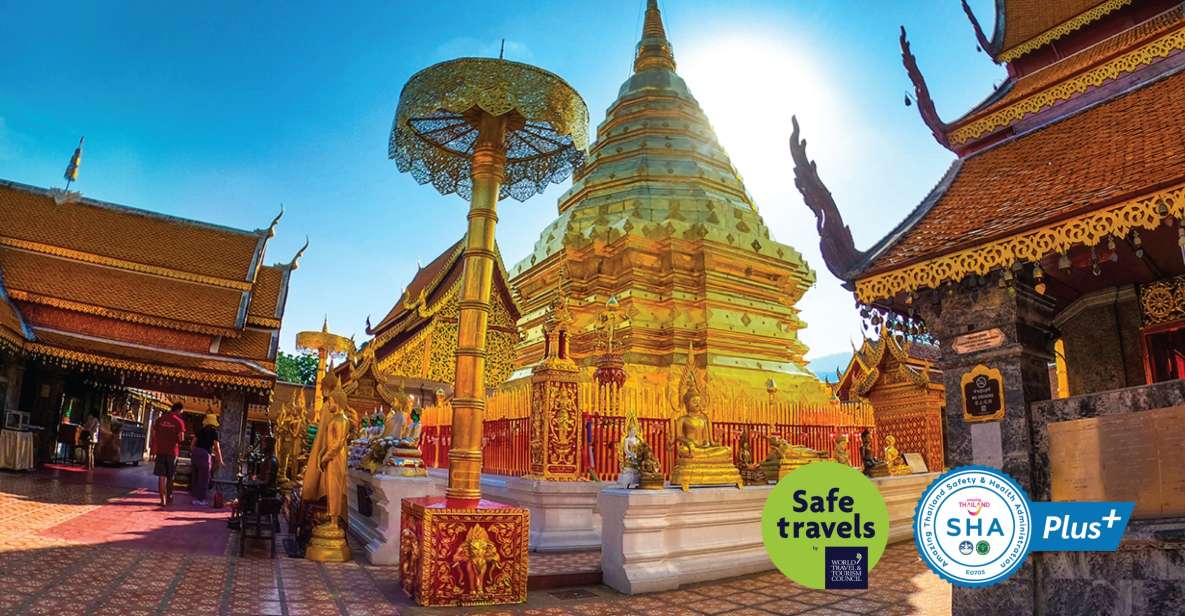
- Wat Phra That Doi Suthep: guided temple walk plus a stupa visit with a famous relic at the top
- 309 steps vs. cable car: you can choose your effort level for the climb
- Doi Pui Hill Tribe museum: a useful primer before you explore the village area
- Small group van: limited to 9 people, usually with time to take photos and ask questions
- Comfort perks that matter: air-conditioned 9-seat minivan, drinking water, and a refreshing towel
The quick pitch: why this half-day trip feels worth your time
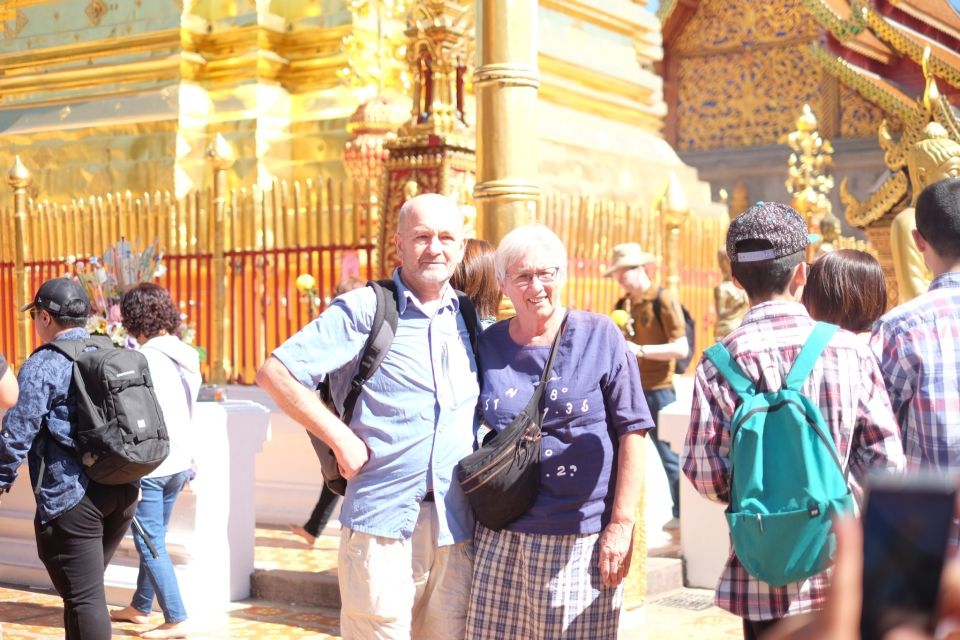
I’m a fan of tours that don’t eat your whole day, and this one does exactly that. In about four hours, you get two of northern Chiang Mai’s best cultural beats: the sacred hilltop temple and a village visit that explains how people live beyond the city’s markets.
What makes it especially good value is that you’re not just being dropped off. The pacing is built around guided time at each stop, plus the big view payoff from the Doi Suthep terrace. You’ll also have just enough breathing room to look around and pick up a few small souvenirs without feeling trapped in a factory-like checklist.
The only big trade-off: you’re going uphill, and the temple portion is active. If your body doesn’t love stairs, you’ll want to plan your route using the cable car option.
You can also read our reviews of more tours and experiences in Chiang Mai.



Getting to the mountains: pickup, ride comfort, and timing
There are two departure windows: morning pickup around 08:00–08:30 and an afternoon pickup around 01:00–01:30. That matters because you can match it to your energy level. Morning tends to feel calmer; afternoon can be easier if you want a slow start and an earlier lunch.
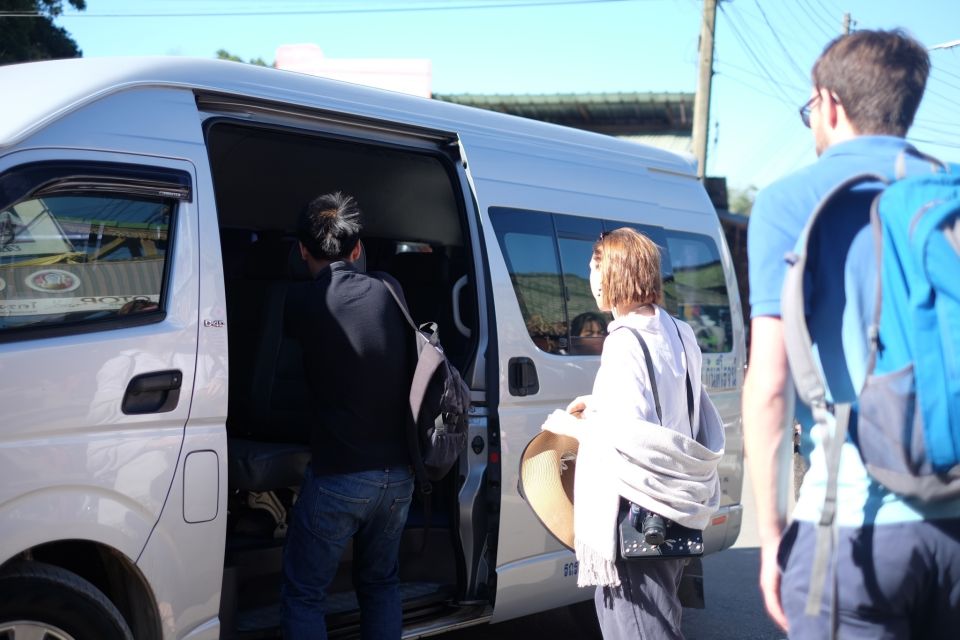
Pickup is from your hotel lobby in Chiang Mai (within 6 km of the 3 Kings Monument). From there, you head into the Doi Suthep–Pui National Park area by 9-seat air-conditioned minivan. You’ll spend about 45 minutes driving up and then another roughly 45 minutes returning, so this isn’t a “remote expedition.” It’s an organized, efficient half-day.
One practical thing: the climb to Doi Suthep is part of why the visit works. The temple sits higher than Chiang Mai’s streets, so you’re going to feel the altitude and step count more than you’d expect from a simple city tour.
Doi Pui Hill Tribe Village: museum first, then village wandering
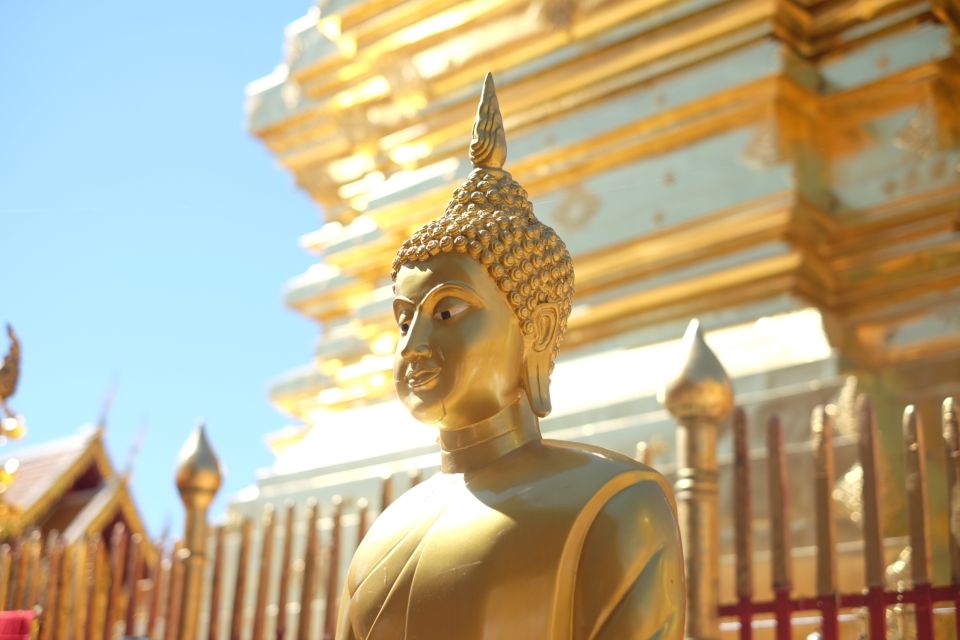
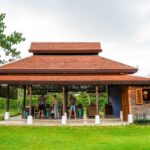
Your first stop is Doi Pui–area Hmong Hill Tribe Village, with time at the hill tribe museum and then a guided exploration around the village. This order is smart. The museum helps you understand what you’re seeing later, so the visit doesn’t feel like a quick look at stalls with little context.
In the museum area, the guide frames what life looks like in the village and gives you the background you’d otherwise miss. Then you get to wander at a human pace. You can watch everyday activity, look around clothing and crafts, and get a feel for how the village presents itself to visitors.
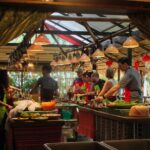
There’s often a market atmosphere here, and that’s where you’ll notice a mix of handmade items and more standard tourist goods. Some shops focus on practical souvenirs; others push higher-end pieces. If you plan to shop, bring a small backpack, keep your budget in mind, and don’t let the first offer set the tone. One helpful approach is to ask questions first, then compare prices at a couple of stalls.
Food and drinks are also part of the rhythm. You may find snacks and local treats available during the village time slot. If you’re hungry, this is one of the few chances in a half-day trip to grab something without breaking the schedule.
Wat Phra That Doi Suthep: 309 steps, stupa relic, and what to pay attention to
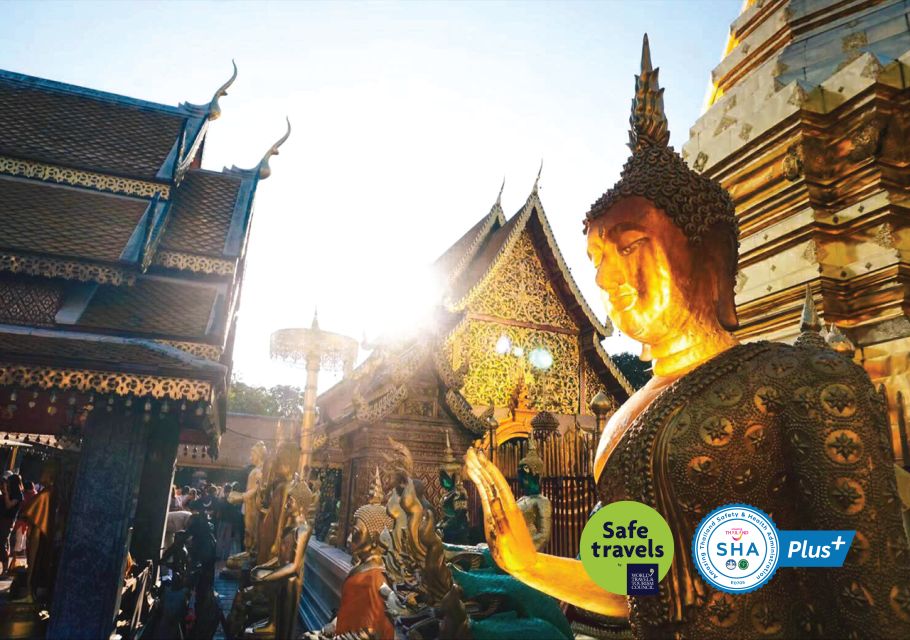
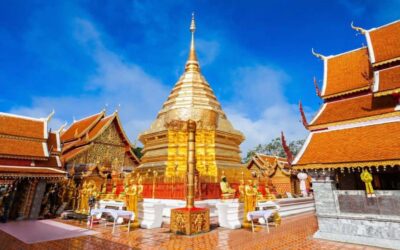
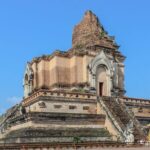
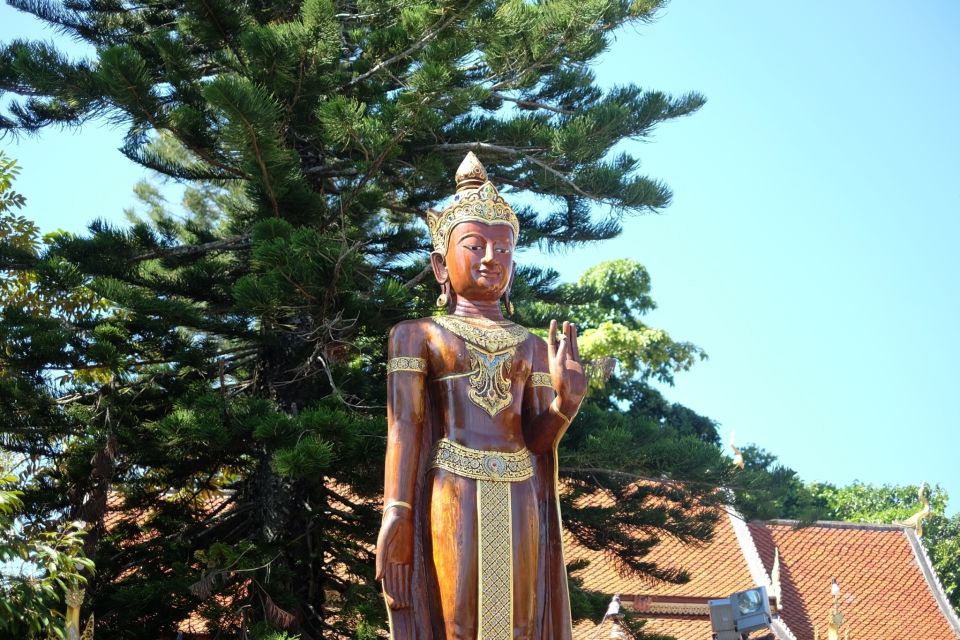
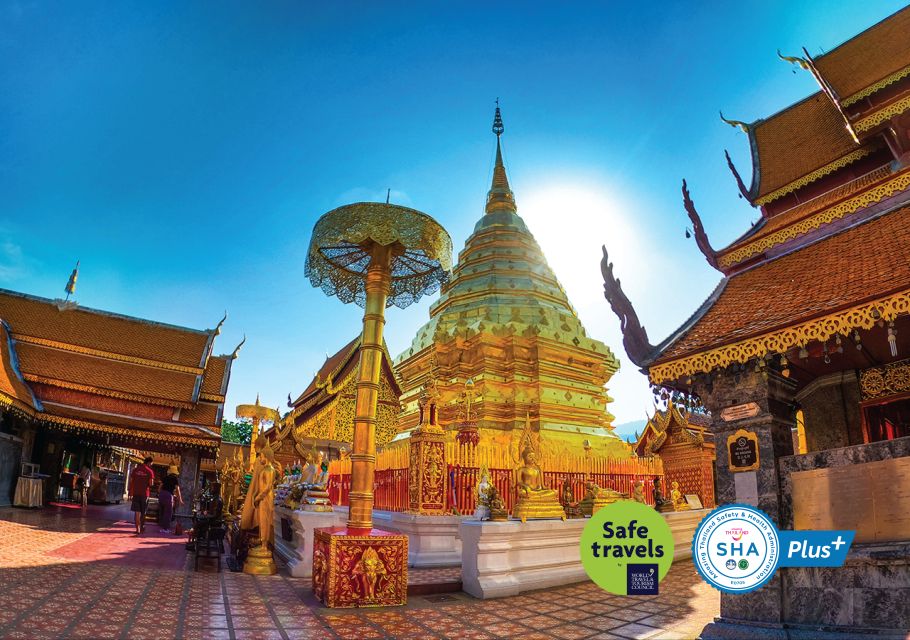
Next comes the main event: Wat Phra That Doi Suthep. This temple is one of Chiang Mai’s most important landmarks, and it’s easy to see why the place draws pilgrims.
You’ll walk with your guide through the temple grounds and then head toward the hilltop stupa area. The climb is famous: 309 steps up to the top. The good news is you’re not locked into stairs. The cable car is included, so you can choose what makes the visit comfortable for you.
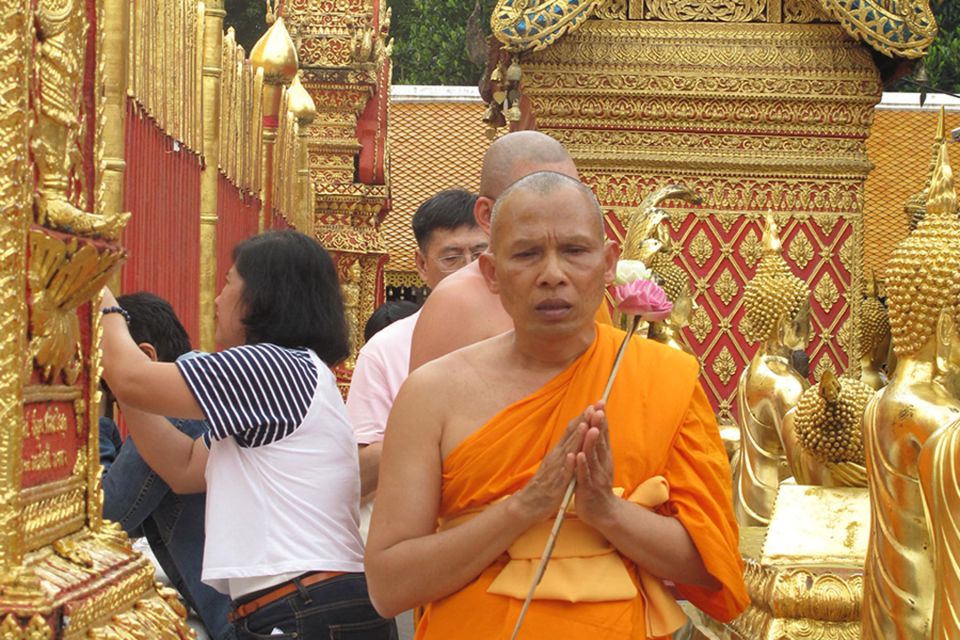
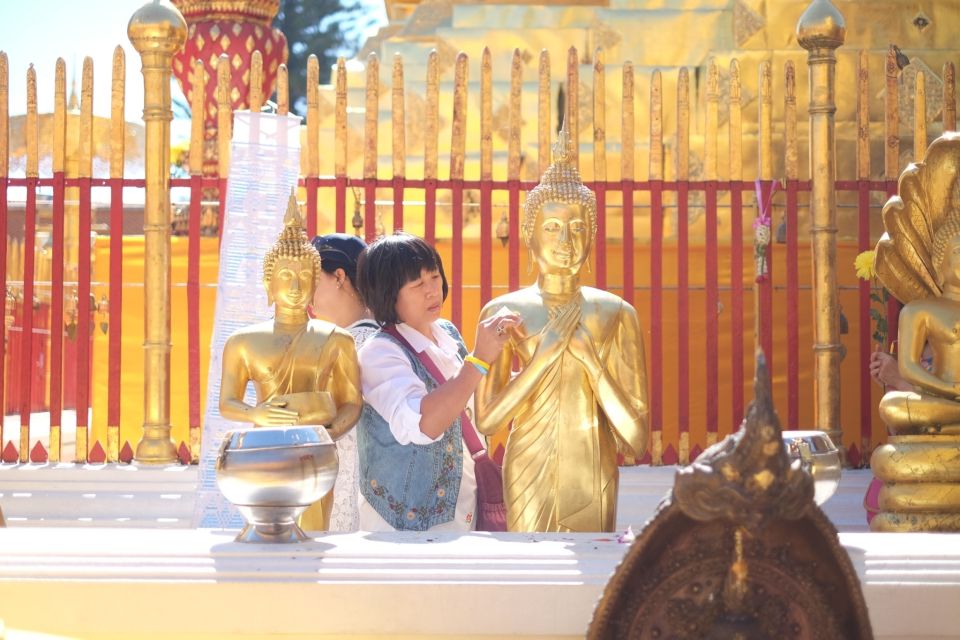
Once you’re up there, the experience shifts from effort to awe. The stupa area is associated with a holy relic of the Buddha, and your guide’s job is to translate the symbolism you’d otherwise just photograph. Look for the way different parts of the complex are arranged for worship and movement. Even if you’re not a Buddhism expert, the guide explanations make the meaning feel clearer and less mysterious.
Also note that temple sites can have ongoing maintenance. One past visitor mentioned scaffolding during their visit, so don’t be shocked if you see restoration work. It usually doesn’t ruin the visit—it just changes what’s visible.
The view from Doi Suthep: when it’s sharp, when it’s smoky
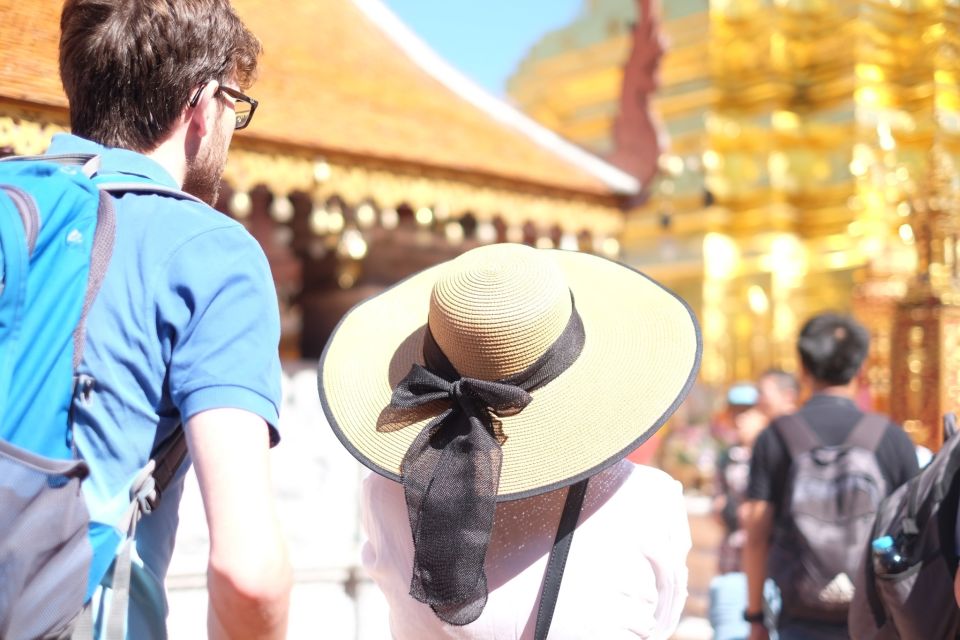
The terrace view is the payoff. From Wat Phra That Doi Suthep, you can see Chiang Mai spread out beneath you and get a sense of what makes this region feel mountainous even when you’re still near the city.
Here’s the reality check: visibility can vary. Fog or haze can soften the view, and smoke can also affect what you can see clearly. The good part is that even when the distance isn’t perfect, the temple environment stays impressive. The crowds may look different depending on weather and season, but the view point still delivers the “I’m really up here” feeling.
If you care about photos, timing helps. Morning light often makes the skyline feel crisper. Afternoon can be great too, but heat and haze are more likely to soften details. If your trip lands on a hazy day, focus on temple angles and the closer views rather than only far-distance shots.



How the guides and small group size affect everything
This tour runs in a small group capped at 9 participants, using a 9-seat minivan. In practice, that often means you can ask questions without feeling like you’re being herded.
You’ll also notice that guides matter a lot on this route. In the past, guides named Pae, Kai, Poonkie, Tui, Nut, Paul, Nong, Om, and Bee have been mentioned for guiding with patience and clear English. More importantly, they’re not just reciting facts. They help you navigate what you see—why it’s important, what you’re looking at, and where to stand for photos.
That’s why some people describe it as almost private, especially when the group is small. You might get extra time to shop in the village market area or linger in the temple complex without feeling guilty about slowing the van down. The pacing is usually relaxed enough for photos but structured enough that you’re not wandering lost.
Price and logistics: why $36 can be good value
At $36 per person for a 4-hour tour, the value comes from what’s included, not from a low price tag.
You’re getting:
- air-conditioned transport in a 9-seat minivan
- an English-speaking tour guide
- entry fees for Doi Pui hill tribe museum and Doi Suthep Temple
- cable car entry (so the 309 steps climb isn’t your only option)
- drinking water and a refreshing towel
- travel accident insurance
The main thing you’re paying extra for on your own is personal spending—snacks you buy, souvenirs, and any drinks beyond what’s provided. Since there are shops during the village visit, it helps to set a rough budget before you start browsing.
In other words, you’re paying for guided cultural time plus the main costs of getting in and up the hill. For a short half-day, that’s what keeps it fair.
What to wear and bring so the temple doors stay open
This is one place where clothing matters more than comfort.
Bring:
- comfortable shoes
- long pants
- a long-sleeved shirt
And plan for temple dress code: shoulders and knees need to be covered. Shorts and sleeveless shirts aren’t allowed.
Also pack a little mental readiness for walking and stairs. Even with the cable car, you’ll still be moving around temple paths and hill areas.
If you’re visiting in warmer months, light layers are smart. Long sleeves can feel hot, but they keep you from getting blocked at entrances and help you stay comfortable during the walk.
Who this tour fits best (and who should skip it)
This trip fits well if you:
- want a focused half-day in Chiang Mai
- enjoy history and culture with explanations, not just sightseeing
- want the Doi Suthep experience without the stress of planning transport and entry
- like small group tours where questions are welcome
It may not fit you if you have:
- back problems
- mobility impairments
- heart problems
- wheelchair use
Even though the cable car is included, the temple environment still involves movement, paths, and stairs nearby. If your mobility is limited, you’ll likely be happier choosing something flatter or asking about alternative tour formats.
Small practical tips that make the day smoother
I’d do three things before you go:
1) Start the day with water in your routine. The tour includes drinking water, but you’ll still feel the heat on the hill.
2) Set your expectations about shopping. You’ll see lots of goods in the village area, and not everything is handmade; decide your shopping priorities early.
3) Plan for photos, not just sightseeing. The terrace and stupa angles are the kind of places where a guide’s photo suggestions can save time.
Also, if you like the idea of a good meal after the tour, ask your guide for a recommendation. One past guest noted a specific restaurant recommendation given right after the visit, which can be a helpful shortcut when you’re tired and hungry.
Should you book this Doi Suthep and Hmong Village half-day?
I’d book it if you’re in Chiang Mai for a short stay and want one clear cultural highlight with a second stop that adds context. The mix works: the village museum helps you understand what you’ll see in the village, then the temple gives you the iconic hilltop experience and views.
Skip it or reconsider if stairs and mobility are big issues for you. Even with the cable car, this still isn’t a fully flat, low-effort tour.
If your goal is value—transport plus guides plus key entrance fees in a half-day—this one is a strong match. It’s also a good first excursion in Chiang Mai, since it gives you a sense of the region’s culture fast, without stealing your whole day.
FAQ
What’s the total duration of the tour?
The tour lasts 4 hours.
What time is pickup?
There are two start times: 08:00–08:30 a.m. and 01:00–01:30 p.m.
Is hotel pickup included?
Yes. Pickup is included from your Chiang Mai hotel lobby (within 6 km from the 3 Kings Monument).
What do we do at the Doi Pui stop?
You visit the Hmong hill tribe museum and explore the village area with a guided visit.
How do we reach the top at Wat Phra That Doi Suthep?
You can climb 309 steps to the stupa or take the included cable car.
What’s included in the price?
Transportation in a 9-seat air-conditioned minivan, an English-speaking tour guide, entry fees for Doi Pui hill tribe museum and Doi Suthep Temple, cable car entry, drinking water, refreshing towel, and travel accident insurance.
Are meals included?
The tour includes water and a refreshing towel, but personal expenses are not included. The data provided does not list meals as included.
What should I wear?
Bring comfortable shoes and dress with long pants and a long-sleeved shirt. Shoulders and knees must be covered for entering temples.
Is this tour suitable for wheelchair users?
No. It is not suitable for wheelchair users, and it’s also not suitable for people with back problems, mobility impairments, or heart problems.
How big is the group?
The group is small, limited to 9 participants.