REVIEW · CHIANG MAI
From Chiang Mai: Elephant Care Program and Nursery Tour
Book on GetYourGuide →Operated by Elephant Retirement Park Chiang Mai · Bookable on GetYourGuide
You go from Chiang Mai traffic to elephant mud. That shift is the whole point of this sanctuary-style Elephant Care Program and Nursery Tour in Mae Tang: up-close time with rescued Asian elephants, plus real care tasks you help with.
I love how hands-on it is without feeling like a show. You prepare food and healthy treats, feed the elephants, and learn how specialists read elephant behavior.
The main catch is simple: bring the right gear, especially a change of clothes, or you might miss the mud spa and bath parts.
In This Review
- Key things that make this tour worth your time
- Chiang Mai to Mae Tang: the morning ride that sets the tone
- Getting ready: local clothes, what to bring, and why it matters
- First contact: feeding rescued elephants and learning their behavior
- The walk and the nursery energy: spending time with babies
- Mud pool and sand spa: watching them play, then joining in
- Thai buffet lunch: the reset you’ll be glad you planned for
- Guides and the real day-to-day feel: what to watch for
- Group size and comfort: the trade-off to know
- Photos, souvenirs, and optional add-ons
- Price and value: why $53 can make sense
- Who should book this, and who might pass
- Should you book the Elephant Care Program and Nursery Tour
- FAQ
- What is the duration of this tour?
- How much does the tour cost?
- Where does the tour take place?
- What’s included with the price?
- Do I need to wear swimwear?
- Is lunch vegetarian?
- Are the elephants forced to do the activities?
- Will I get to shower after the muddy activities?
- What do I bring besides swimwear?
- Is there an on-site photographer?
Key things that make this tour worth your time
- You do actual care tasks, not just stand and watch: preparing food and feeding the herd
- Mud pool and bath time happens in a natural, playful setting, on the elephants’ terms
- The guide teaches you how to read elephants, from behavior to proper care routines
- You get a Thai buffet lunch (vegetarian-friendly) plus water, coffee, and tea
- Baby-elephant interaction and photos are a standout moment for many people
Chiang Mai to Mae Tang: the morning ride that sets the tone
This is a full half-day that starts with pickup from Chiang Mai city. If you’re staying within about 5 kilometers of the Old Town, the transfer is included. Then you’ll ride out roughly one hour toward the countryside in the Mae Tang district.
That drive matters more than you’d think. You’re leaving the city pace behind, and the day shifts from tourist mode to caretaker mode. By the time you arrive, you’re ready to listen, learn, and then get muddy.
Expect a 5–6 hour overall experience, with time built in for dressing, elephant activities, showering, lunch, and the return ride.
You can also read our reviews of more tours and experiences in Chiang Mai.

Getting ready: local clothes, what to bring, and why it matters
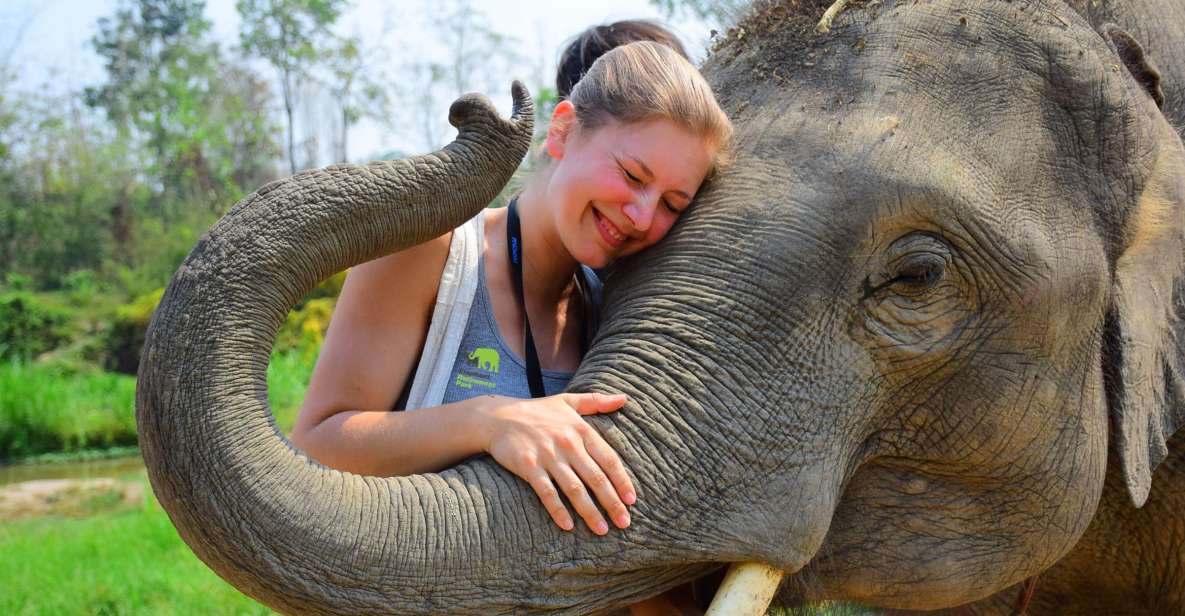
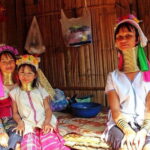
You’ll change into local clothes when you get there. You’ll also want to be ready for water, mud, and splashes. This is not the day for fragile shoes or “dry-only” expectations.
Here’s the practical checklist that keeps your day smooth:
- Swimwear
- Change of clothes
- Flip-flops
- Insect repellent
- Personal medication
One review tip is worth repeating: a lot of people wish they’d packed extra clothes because the mud spa and bath can’t be done comfortably without them. You can still participate in other parts, but having that backup makes the experience feel complete.
Also, wear flip-flops or easy sandals for moving around wet areas. You’ll be happier when the ground turns slippery and you’re not worrying about your footwear.
First contact: feeding rescued elephants and learning their behavior
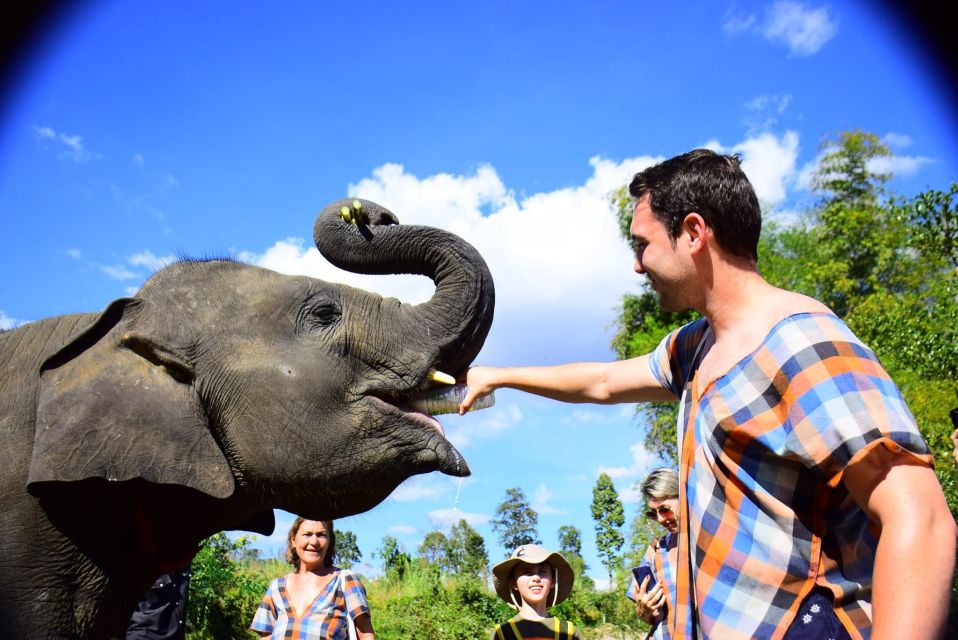
Before the mud starts, you meet the elephants and start the care rhythm. You’ll get guidance from your English-speaking live guide on how elephants behave and how caretakers approach their well-being.
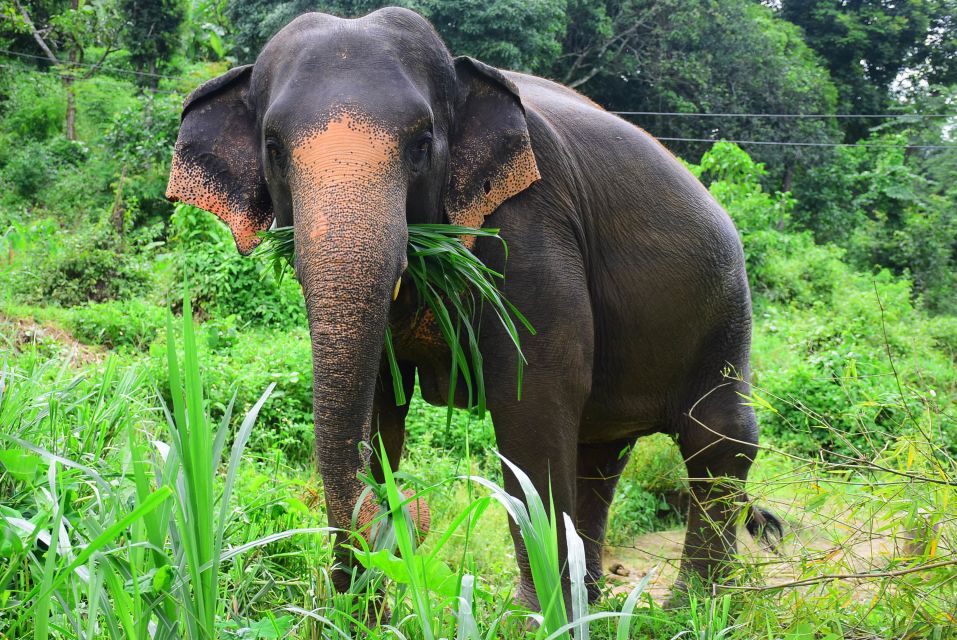
Then comes the part that people remember most: you prepare food and healthy treats, and you feed the elephants afterward. Depending on the group and timing, you may also help make items like medicine balls or elephant nutrition treats as part of the care routine.
The ethical touch here is that you’re not forcing a performance. The program is designed around elephant welfare, and the activities are based on the elephants’ comfort and choices. That shows in how the day runs: you’re guided, but you’re not dragging the animals through a checklist.
The walk and the nursery energy: spending time with babies
After feeding, you’ll walk with the elephants toward the mud and sand spa area. This isn’t a “line them up” moment. The feeling is more like joining their day, staying aware, and following the caretakers’ instructions.
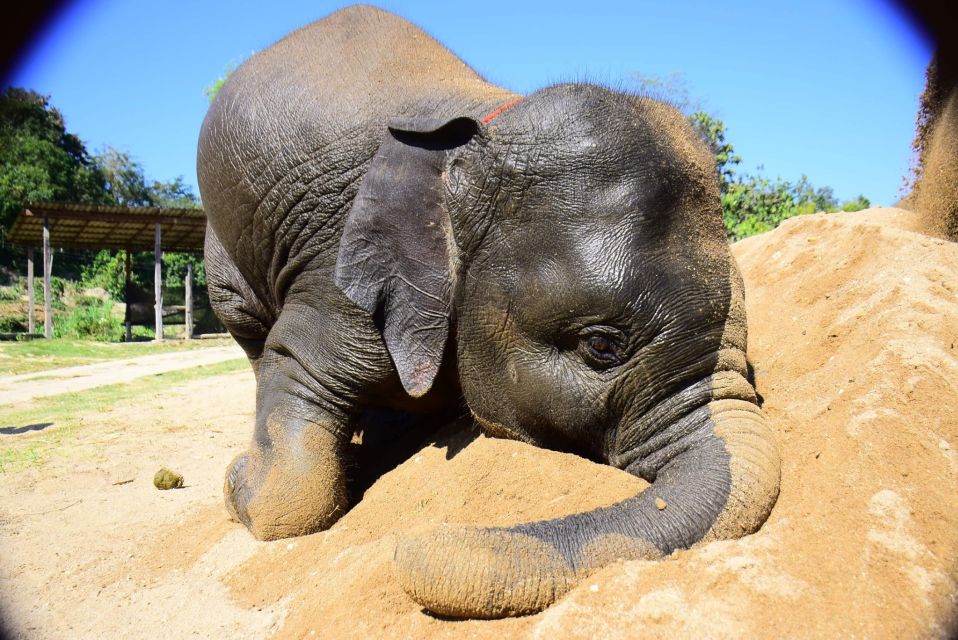
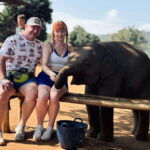
A big crowd-pleaser is the baby elephant time. Reviews call out baby elephants as an emotional highlight, with chances to play and take photos. If you’re hoping for that once-in-a-lifetime, tender moment, this is one of the strongest parts of the program.
One thing to keep in mind: baby-elephant interaction can be unpredictable in timing. When a young elephant is curious or playful, it’s great. When they’re not feeling it, the staff still keeps things safe and respectful. You’re there for the care experience, not for guaranteed baby selfies on schedule.
Mud pool and sand spa: watching them play, then joining in
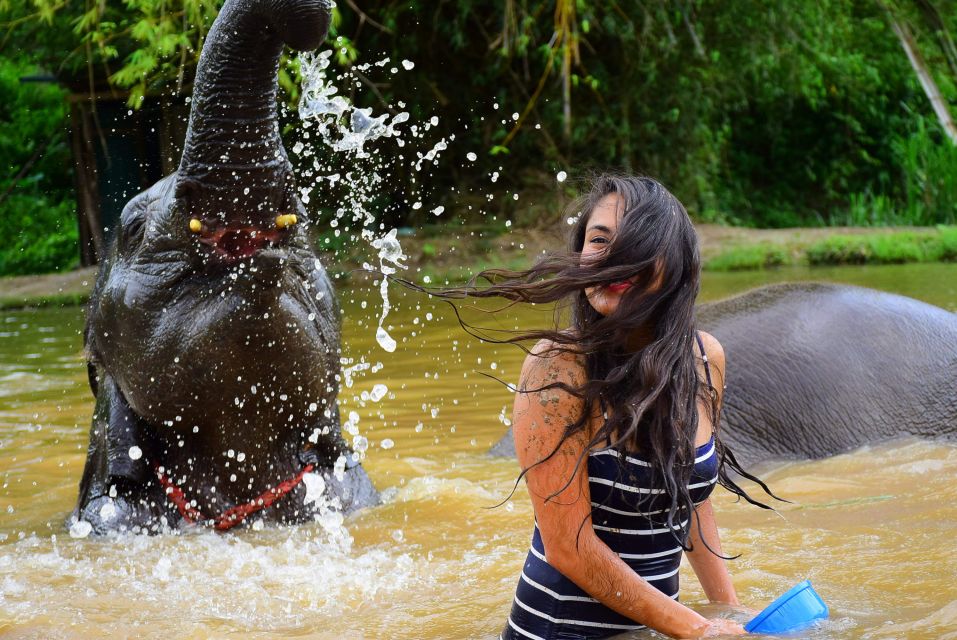
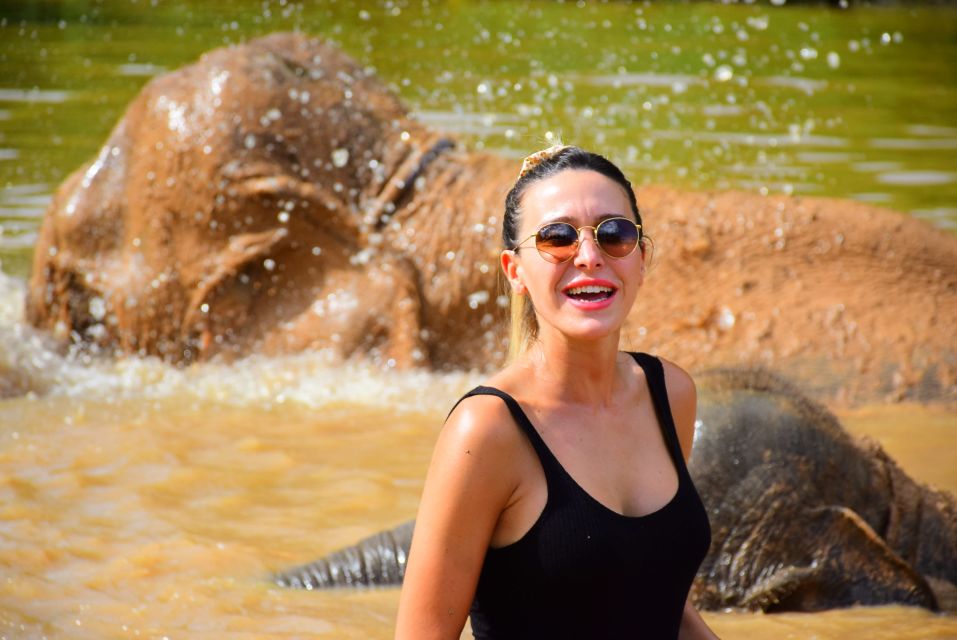
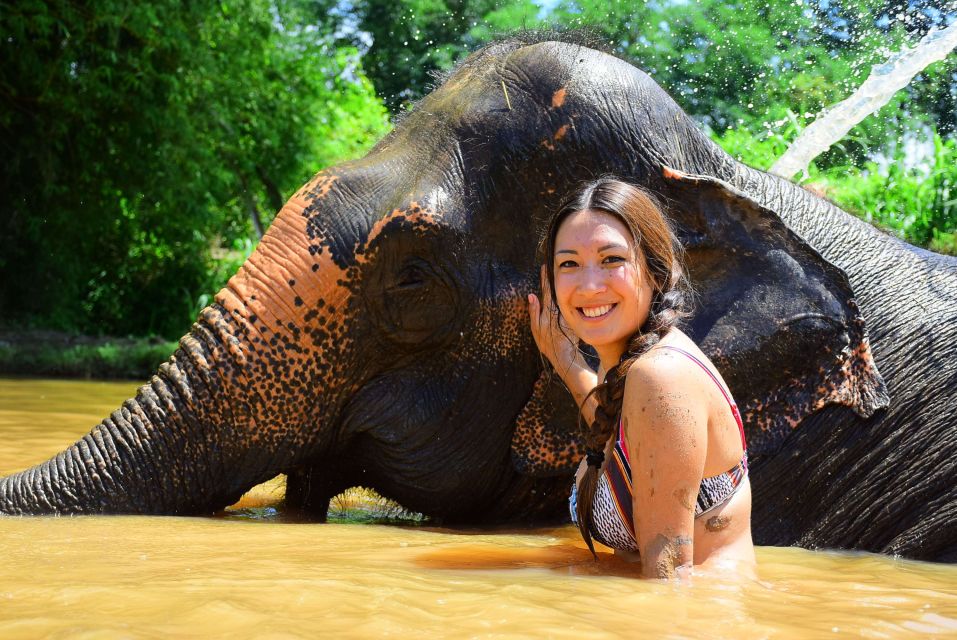
This is the star segment. You’ll head to the mud and sand spa, where you can watch the elephants play in the mud pool and then join in bathing activities.
In practice, it looks like this:
- You arrive at the water-and-mud area with staff supervision.
- You observe first, so you learn what normal behavior looks like in that setting.
- Then you take part in the mud treatment and bath routine, based on the elephants’ comfort.
The splashing can be real. One reason people love this day is that it feels alive rather than staged. You’re not just feeding them; you’re experiencing their environment and the caretakers’ gentle routines.
And yes, you wash up afterward. The plan includes shower time so you can head to lunch without feeling like a walking swamp.
Thai buffet lunch: the reset you’ll be glad you planned for
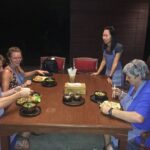
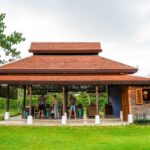
Once the elephant time is done and you’ve changed and showered, you’ll eat a traditional Thai buffet lunch. It’s vegetarian-friendly, and the setup is meant to be comfortable after the wet activities.
Lunch is included, along with complimentary water, coffee, and tea earlier in the day. This is one of those details that sounds minor until you’re halfway through a muddy experience and realize you won’t have to scramble for food afterward.
If you’re traveling with a vegetarian or you just want a reliable meal option, this inclusion is a real value point.
Guides and the real day-to-day feel: what to watch for
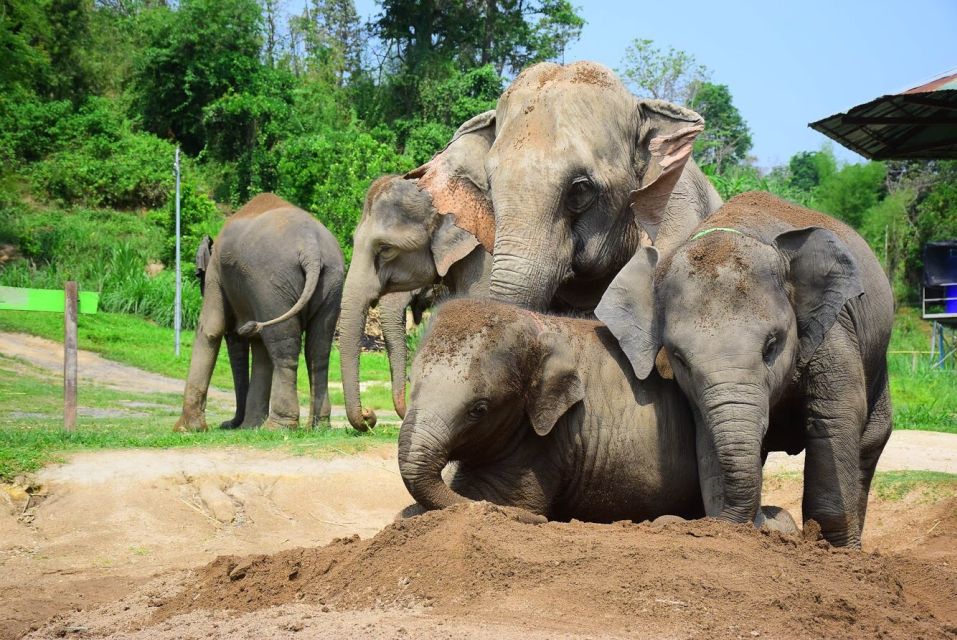
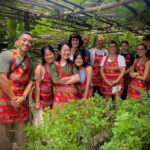
A lot of the reviews highlight that the guides shape the day. Names show up repeatedly, including Francesco, Tin, Disney, and Aom, and the common thread is clear: the guide explains what you’re seeing and how the caretakers respond to elephant behavior.
That’s not just extra talk. It changes how you experience the animals. When you understand why an elephant is acting a certain way, you stop looking only for big moments and start noticing normal, calm communication.
What I’d suggest you do during the guide briefing: ask one or two focused questions. For example, ask how the caretakers read signs that an elephant is comfortable with the process. If your guide is anything like the ones described in the reviews, you’ll get straight answers and helpful context, not a script.
Group size and comfort: the trade-off to know
This is a popular program, and some days can feel busier than others. One review mentioned a group around 20–25 people, while others described a more intimate ratio.
Either way, it helps to have the right expectations:
- You’re close to elephants, but you’re still in a shared space.
- Popular time slots can make the flow slightly tighter.
- The ethics and safety approach stay the same, but your personal space might vary.
If you care a lot about quiet, consider choosing a less crowded time when you can. If you’re flexible and just want the full experience, the program structure still works well.
Photos, souvenirs, and optional add-ons
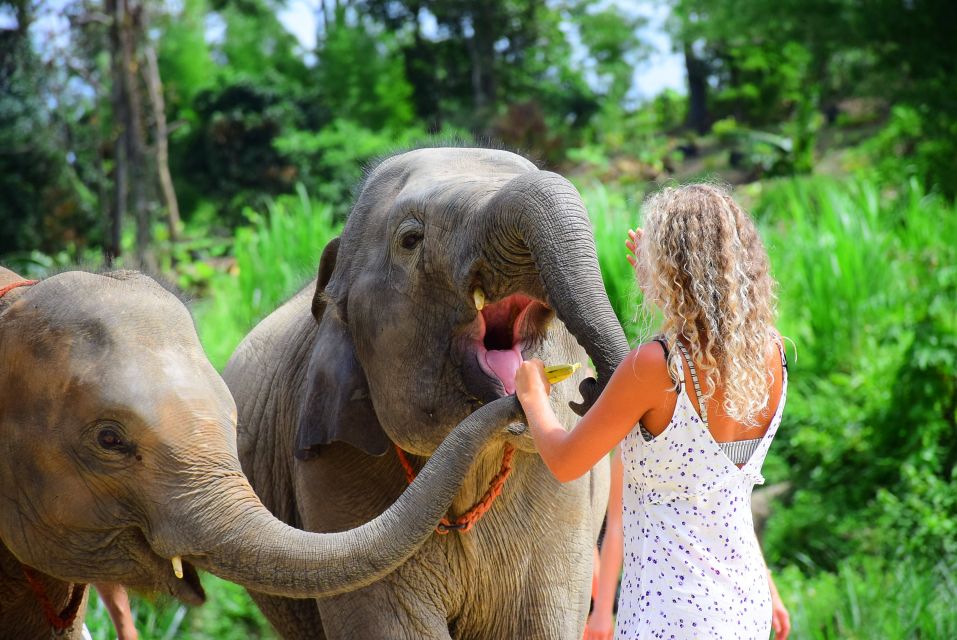
An on-site photographer is part of the experience for many visitors. Reviews say you can buy photo packages after the session, and photos aren’t included in the tour price.
Prices mentioned in reviews vary (one cited about 800 baht for 250+ photos, another mentioned Bt500 per person). So don’t assume one single package cost. The practical move: check the options at the end and only buy what you truly want.
Souvenirs also show up in reviews, including elephant-themed clothing. If you’re the kind of person who likes small, tangible reminders, those add-ons are usually how this place helps fund ongoing elephant care.
Price and value: why $53 can make sense
At about $53 per person for a 5–6 hour program, this isn’t cheap by Thai standards. But it also isn’t just a ticket to watch animals.
You’re paying for:
- Hotel pickup and drop-off (within the Old Town-area radius)
- A live English-speaking guide
- Food and treats prepared and used during the care activities
- A vegetarian Thai buffet lunch
- Water, coffee, and tea
- A structured day that includes mud treatments, bathing time, and shower break
You’re also supporting the work of an elephant retirement and care facility. Several reviews describe the elephants as rescued and retired from work, with staff emphasizing welfare and non-forced interactions.
So the real value question becomes: do you want a structured, ethical elephant care day, with time that feels hands-on? If yes, $53 for that whole package is not out of line. If you only want a quick photo stop, you’ll likely feel you’re paying for more day than you planned.
Who should book this, and who might pass
This tour fits best if you:
- Want an elephant experience focused on care and education
- Like hands-on activities where you follow the elephants’ comfort
- Care about vegetarian options for lunch
- Don’t mind getting muddy and washing up afterward
You might rethink it if you:
- Hate wet, messy activities and can’t handle mud spa/bath conditions
- Forget to pack swimwear and a change of clothes (and don’t want partial participation)
- Prefer quiet over popular, shared-group experiences
If your ideal day is watching elephants from a distance, this is probably not your format. This is a close-contact care program with guided rules.
Should you book the Elephant Care Program and Nursery Tour
I’d book it if you’re looking for a full, guided half-day that blends elephant care, behavior education, and real mud-and-bath play in a sanctuary-style setting. The best part isn’t just proximity. It’s that the day is structured around elephant welfare, with activities tied to how the animals respond.
Book with confidence if you pack correctly. Bring your swimwear and a change of clothes, use insect repellent, and plan to get splashed. If you do that, this tour earns its reputation as one of the top Chiang Mai elephant days.
FAQ
What is the duration of this tour?
The tour lasts about 5–6 hours.
How much does the tour cost?
The price is listed as $53 per person.
Where does the tour take place?
It runs in Chiang Mai Province, in the Mae Tang district countryside.
What’s included with the price?
It includes round-trip hotel transfers (for hotels within about 5 kilometers from the Old Town), a live English guide, drinking water, coffee and tea, food for feeding the elephants, and a vegetarian Thai buffet lunch.
Do I need to wear swimwear?
Yes. Swimwear is on the recommended packing list because there is mud-bath and bath time.
Is lunch vegetarian?
Yes. The lunch is vegetarian and described as a traditional Thai buffet.
Are the elephants forced to do the activities?
No. The program notes that activities are based on the elephants’ willingness, and the elephants are not forced to do anything they don’t want to do.
Will I get to shower after the muddy activities?
Yes. The program includes changing clothes and shower time before lunch.
What do I bring besides swimwear?
You should bring a change of clothes, flip-flops, insect repellent, and any personal medication you need.
Is there an on-site photographer?
Many visitors mention that a photographer takes pictures during the experience, and you can purchase photo packages afterward (photos are not described as included in the tour price).