REVIEW · CHIANG MAI
6-Hour Akha Tribe Culture and Cooking Class in Chiang Mai
Book on Viator →Operated by Oh-Hoo · Bookable on Viator
This meal teaches Akha culture fast. I like that the day mixes a local market ingredient hunt with hands-on cooking, not just watching from a seat. I also love the teaching style, with On turning the class into something you can actually follow and enjoy, plus the handy recipe book to take home. One thing to consider: it’s built around an outdoor cooking setup and the experience runs best with good weather, so plan for that.
You pick morning or evening, and the evening option is especially smart if your day is packed. The schedule also builds in time to eat what you make, so you’re not stuck hunting for dinner afterward. With a small group (up to 15), you get more attention than you’d expect in a big cooking factory.
In This Review
- Key Highlights to Know Before You Go
- Market Shopping in Chiang Mai: The Ingredient Mission
- Akha Culture Through Food: Traditions You Can Taste
- Ten Dishes, One Class: How the Cooking Works
- The Menu Breakdown: What You’ll Cook and Eat
- Appetizers to Start
- Akha Dishes with Distinct Identity
- Stir-Fry and Noodle Comfort
- Soups for the Slow, Satisfying Finish
- Curries and Curry Pastes: The Flavor Engine
- Desserts to Close the Loop
- Outdoor Kitchen vs. Air-Conditioned Dining: Smart Comfort Notes
- Where You Start, How Easy It Is to Join
- Price and Value: Why $48.83 Can Actually Make Sense
- Who Should Book This Akha Cooking Class (and Who Might Skip It)
- Quick Decision: Should You Book It?
- FAQ
- How long is the Akha Tribe Culture and Cooking Class?
- Is there a morning and evening option?
- Do I get picked up, and where does the tour start and end?
- What will I be cooking and eating?
- Can the class accommodate dietary restrictions?
- What happens if the weather is bad?
Key Highlights to Know Before You Go
- Market shopping like locals, with a same same, but different feel
- Cook and eat 10 dishes, so hunger is part of the plan
- Akha flavors on the menu, including Akha Soup and Sapi Thong dipping sauce
- Thai classics mixed in, from curries and Pad Thai to spring rolls and papaya salad
- Outdoor kitchen atmosphere, with an air-conditioned dining room for the evening option
- On the teacher front, expect easy recipes and a fun pace (and come hungry)
Market Shopping in Chiang Mai: The Ingredient Mission
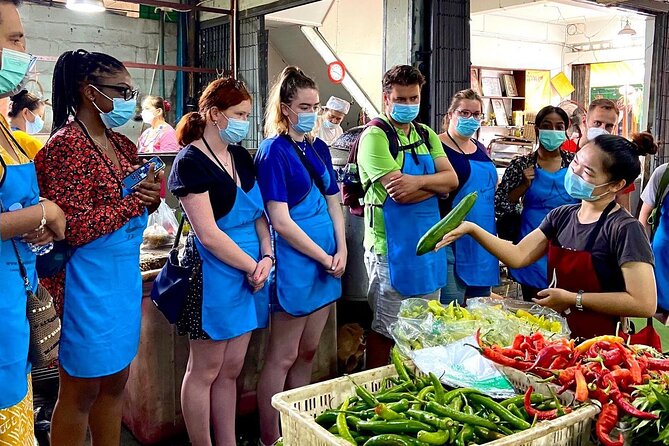
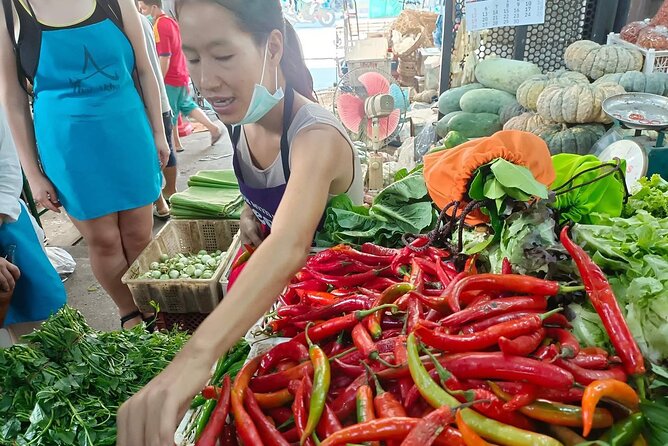
This experience starts with food shopping, and that part matters more than people think. You don’t just gather a basket of ingredients for show. You go to a local market where you’ll see how produce looks, how it’s priced, and how everyday people do their errands. The tour frames it as same same, but different, which is a great way to manage expectations if you’re used to Western grocery aisles. You’ll recognize plenty of items, but the setup, cuts, and even the way things are displayed can feel unfamiliar in a useful way.
For the morning choice, the market trip is explicitly part of the plan. For the evening choice, the emphasis is on enjoying the cooking and dinner side with less friction in your schedule, plus cooler temperatures. Either way, the goal is the same: you source your ingredients and then cook them, which turns the market into context, not just a stop on the way to class.
A practical tip: bring your appetite mindset. The class includes lots of food, and the market portion is designed to set you up for real cooking, not token tasting.
You can also read our reviews of more cooking classes in Chiang Mai
Akha Culture Through Food: Traditions You Can Taste
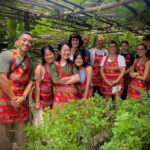
This isn’t only about Thai cuisine. You’ll also be introduced to the Akha people, a community that immigrated to Thailand in the 1900s, along with their traditions and the way Akha and Thai flavors blend together.
What I like about using food as the teaching tool is that it’s specific. You learn culture through ingredients and technique, not vague history slides. During the day, you’re learning and experiencing both Thai and Akha cuisine, and the tour also ties in Thailand’s history through food. That connection is what keeps the meal from feeling like a generic cooking workshop.
You’ll see that blend in the dish lineup. Some plates are clearly Thai standards, like the curries and stir-fries. Others feel distinctly Akha in name and style, like the Akha dishes section that includes Sapi Thong (a tomato dipping sauce), Akha Salad, and Akha Soup. The best part is that you’re not just hearing about these flavors—you’re actually cooking and eating them.
Ten Dishes, One Class: How the Cooking Works
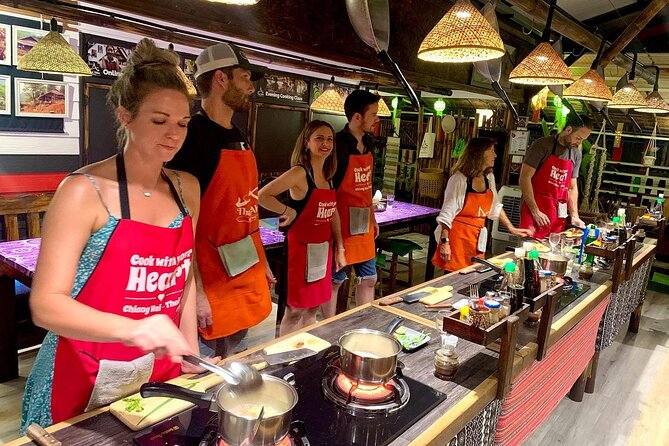
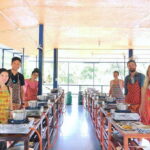
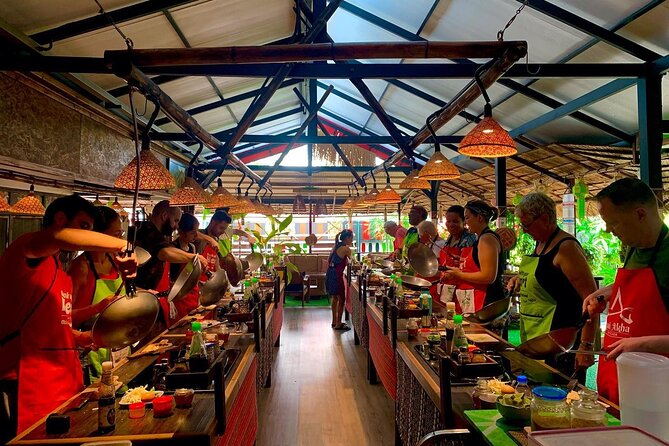
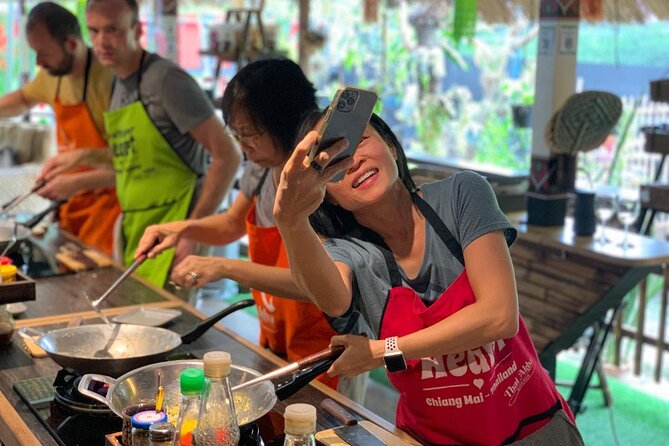
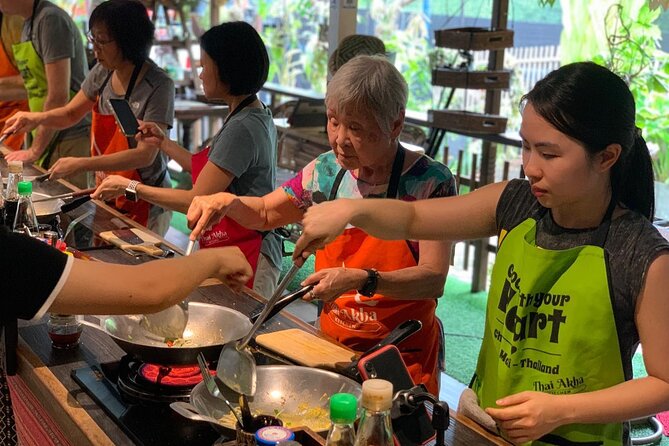
You’ll cook a total of 10 dishes during the session. That’s a key detail because it signals the format: this is hands-on, and it’s meant to be productive. You’ll have your station and learn recipes while moving through a full set of dishes, with the payoff coming right after.
The class is taught by On, and the tone is practical and fun. The teaching style sticks to recipes you can follow, and you’ll get a recipe book to help you recreate the flavors later. If you like cooking but you hate guessing measurements, this part matters.
Also, the amount of food is not subtle. One clear message from the experience feedback is to come hungry. This isn’t a small sample session with a couple bites. You eat what you make—soup, spring rolls, stir fries, and more—so your day plan should assume dinner is handled.
Dietary needs are supported for things like allergies, gluten intolerance, vegetarian diets, or other restrictions. That means you’re not stuck with a take-it-or-leave-it menu as long as you communicate your needs when booking.
The Menu Breakdown: What You’ll Cook and Eat
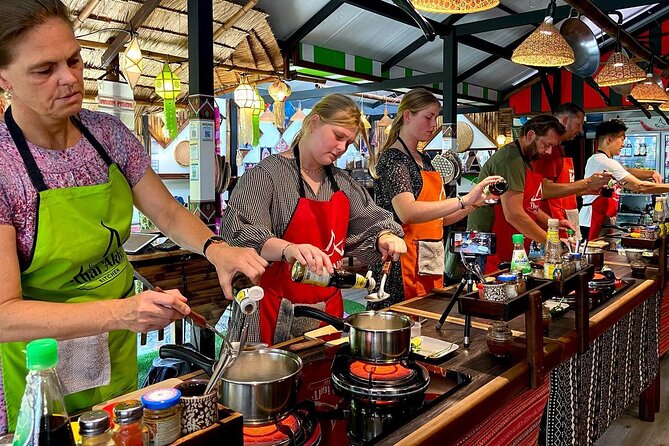
Here’s how the dish list lays out, grouped by the type of flavor you’ll get. This is also your clue to the style of meal you’ll end up eating.
Appetizers to Start
Expect two appetizer-style dishes:
- Papaya Salad
- Spring Roll
These are great starters because they bring a mix of crunch, herbs, and sweet-sour balance early. If you love Thai salads and fresh seasoning, this is where you’ll feel it first.
You can also read our reviews of more tours and experiences in Chiang Mai

Akha Dishes with Distinct Identity
You’ll also cook Akha-focused items:
- Sapi Thong (tomato dipping sauce)
- Akha Salad
- Akha Soup
This is where the day earns its name. Tomato dipping sauce plus salad and soup gives you a range: something you can taste with other dishes, something fresh and cooling, and something warm and comforting.
Stir-Fry and Noodle Comfort
For the stir-fry and quick-cook crowd, the class includes:
- Sweet & Sour Vegetables
- Cashew Nut with Chicken
- Chicken with Hot Basil
- Pad Thai
This section usually covers the flavors people crave most in Thai food: basil heat, noodle satisfaction, and sweet-sour depth. Pad Thai in particular tends to become the dish you’ll want to copy at home, and that’s where having a recipe book is a big deal.
Soups for the Slow, Satisfying Finish
Soups included in the session:
- Chicken in Coconut Milk
- Hot & Sour Prawn Soup
- Clear Soup with Egg Tofu
If you’re thinking about this as dinner, this part is why. Thai soups aren’t just starters here—they’re part of the meal rhythm, and coconut milk and hot-and-sour balance can cool down the day after market walking and chopping.
Curries and Curry Pastes: The Flavor Engine
The curry portion includes both paste/curry making elements and finished dishes:
- Chicken Green Curry
- Chicken Red Curry
- Panaeng Curry
- Massaman Curry
Curry is the heart of the Thai food reputation for a reason. These curries give you different directions: the herb-forward side, the deeper spiced side, and the creamy comfort many people associate with southern flavors. Knowing you’ll make multiple curry styles helps you understand what changes when the base paste changes.
Desserts to Close the Loop
Desserts included:
- Mango with Sticky Rice
- Pumpkin in Coconut Milk
This is a strong pairing because it mirrors Thai dessert logic: sweet, coconut-rich, and not overly complicated once you understand the basics.
Outdoor Kitchen vs. Air-Conditioned Dining: Smart Comfort Notes
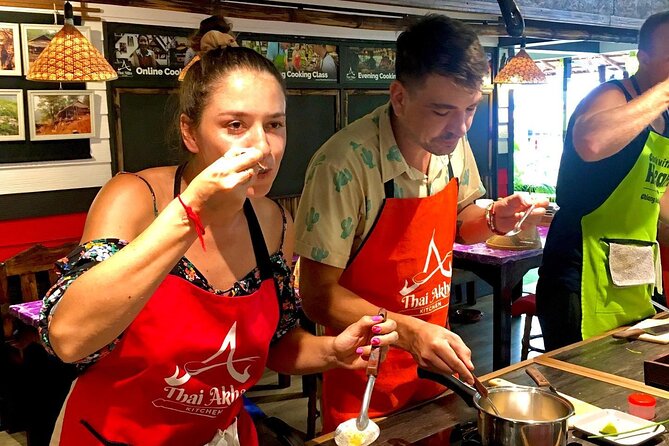
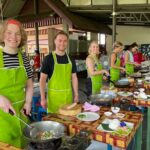
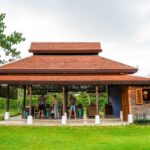
The kitchen setup is part of the experience: it’s an outdoor set up with a mix of Thai and Akha culture atmosphere. That’s genuinely part of why this tour feels more like a cultural cooking day than a restaurant class.
The evening option adds a comfort feature: the dining room with air-conditioning. That means you can enjoy the outdoor cooking energy without paying the penalty at the end when you’re ready to relax and eat.
Practical advice:
- Wear comfortable clothes you don’t mind getting splashed or smelling like food.
- If you choose evening, take advantage of the cooler timing for cooking.
- If you’re sensitive to humidity, plan to sweat through cooking but cool down quickly in the AC dining room.
And remember: the experience requires good weather. If conditions are poor, the operator will offer a different date or a full refund.
Where You Start, How Easy It Is to Join
You meet at:
Wat Pan Whean, 50 Phra Pok Klao Rd Soi 4, Tambon Phra Sing, Amphoe Mueang Chiang Mai, Chang Wat Chiang Mai 50200, Thailand.
The activity ends back at the meeting point. Pickup is offered, which is a real value in Chiang Mai, especially if you don’t want to coordinate transport before a class.
The location is also noted as near public transportation, so even if you don’t take pickup, you’re not locked into one transfer plan. You’ll receive a mobile ticket, which makes last-minute arrival easier.
Group size stays small—maximum 15 travelers—so you’re not squeezed into a giant queue system while waiting for ingredients or tools.
Price and Value: Why $48.83 Can Actually Make Sense
At $48.83 per person for about 6 hours, the value is about what you get, not just the sticker price. This day combines:
- a local market trip for ingredient sourcing,
- hands-on cooking for 10 dishes,
- cultural context around Thai and Akha food traditions,
- and full meals including soup, stir-fries, curries, desserts, and more.
That’s a lot of food for one block of time. If you’ve ever paid for a cooking class plus still had to find dinner afterward, you’ll see why this format feels efficient.
On top of that, the class provides recipe support (the recipe book) and is taught in a way that’s easy to follow. That reduces the common frustration with cooking classes: you enjoy the day, but then you can’t recreate it.
Finally, this tour is booked about 47 days in advance on average, which usually means it’s popular enough that you should plan ahead rather than waiting until the last minute.
Who Should Book This Akha Cooking Class (and Who Might Skip It)
I think this tour is a great fit if you want:
- hands-on cooking with Thai and Akha dishes in the same day,
- a market experience that feels like errands, not a staged photo stop,
- a full meal outcome where you can actually relax afterward,
- a small group setting where the teacher can keep things moving.
It’s also a strong choice if you’re traveling without a clear dinner plan. The evening option is especially useful if you want an easier schedule and cooler cooking conditions.
Skip or reconsider if:
- you hate outdoor cooking setups, even when there’s an AC dining area in the evening,
- you’re uncomfortable with weather-dependent activities, since the class requires good conditions,
- you’re looking for only sightseeing and no real cooking workload.
Quick Decision: Should You Book It?
Book this class if you want a food-focused way to understand Akha and Thai culture, and you’re happy to trade sitting around for cooking real dishes. With On as the teacher, easy-to-follow recipes, and a recipe book in your hands, it’s one of those experiences that can pay off long after Chiang Mai.
Don’t book if your ideal day is all indoor, slow-paced sightseeing, or if weather risk would make you anxious. Otherwise, this is a solid value for a full meal, market context, and a genuine taste of Thai-Akha variety in one 6-hour block.
FAQ
How long is the Akha Tribe Culture and Cooking Class?
The class runs for about 6 hours.
Is there a morning and evening option?
Yes. You can choose either a morning or evening course.
Do I get picked up, and where does the tour start and end?
Pickup is offered. The start point is Wat Pan Whean, 50 Phra Pok Klao Rd Soi 4 in Chiang Mai, and the tour ends back at the same meeting point.
What will I be cooking and eating?
You’ll cook 10 dishes and eat them afterward. The menu includes items like papaya salad, spring rolls, Akha Soup, Pad Thai, multiple curries, and desserts like mango with sticky rice and pumpkin in coconut milk.
Can the class accommodate dietary restrictions?
Yes. The experience states it can accommodate special dietary requirements, including allergies, gluten intolerance, vegetarian diets, and other dietary needs.
What happens if the weather is bad?
This experience requires good weather. If it’s canceled due to poor weather, you’ll be offered a different date or a full refund.