REVIEW · CHIANG MAI
Best seller!! Amazing Night tour, Doi Suthep + Wat umong – Top Must visit!
Book on Viator →Operated by joinusthai · Bookable on Viator
Doi Suthep looks different after sunset. This night tour strings together Wat Umong’s tunnel temple and the golden glow of Doi Suthep with hotel pickup and a small group size. Cooler air helps, crowds thin out, and the mountain view hits harder when it’s dark.
I like the straightforward format: you get two major temples without the hassle of late-night navigation. I also really appreciate the small-group feel (limited to 13) plus a guided run-through that helps you read what you’re seeing, not just pose for photos.
One thing to plan for: it’s a step-and-wind-road kind of evening. Doi Suthep’s stairs are 306 steps, and the drive up is curvy, which can make some people nauseous at night.
In This Review
- Key highlights worth planning around
- Why these temples feel so different at night
- Pickup, timing, and what the 3.5 hours really feels like
- Stop 1: Wat Umong’s tunnel temple (quiet forest, bats, and Buddha faces)
- Stop 2: Doi Suthep, 306 steps (or the funicular) and the Naga stairs
- The payoff: Chiang Mai glowing below the golden pagoda
- How the guide shapes the tour (and why it matters)
- Dress code and the small rules that keep the night running
- Cost and value: what $20-ish gets you, and what might cost extra
- Who this night tour suits best
- Should you book this Doi Suthep + Wat Umong night tour?
- FAQ
- How long is the tour?
- Where do you visit?
- What’s the pickup time like?
- Do I have to climb the 306 steps?
- What’s the dress code for the temples?
- Is the tour still running in the rainy season?
- What does the price include?
Key highlights worth planning around
- Wat Umong’s tunnel temple with Buddha images in a forest setting
- 306 Naga-stair climb to Doi Suthep, or a funicular option if needed
- Night skyline views from the mountain with the pagoda lit up
- Hotel pickup and drop-off within downtown so you’re not figuring out transport after dark
- Small-group attention (up to 13 travelers) led by licensed English-speaking guides
- Photos and photo help are a big part of the experience, with guides actively guiding angles
Why these temples feel so different at night
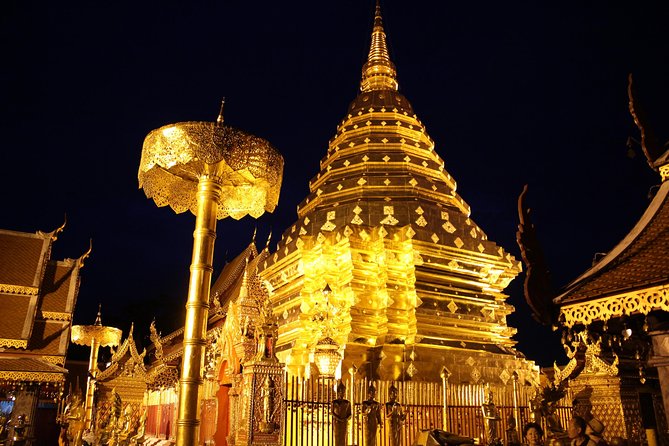
Chiang Mai’s temples don’t just get prettier after sunset. They feel calmer. The air cools down, and you’re not sharing the space with peak daytime tour waves. That changes your whole experience at Wat Umong, where the setting is already quiet and foresty—even before you notice details like the bats.
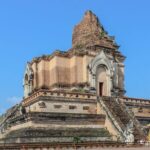
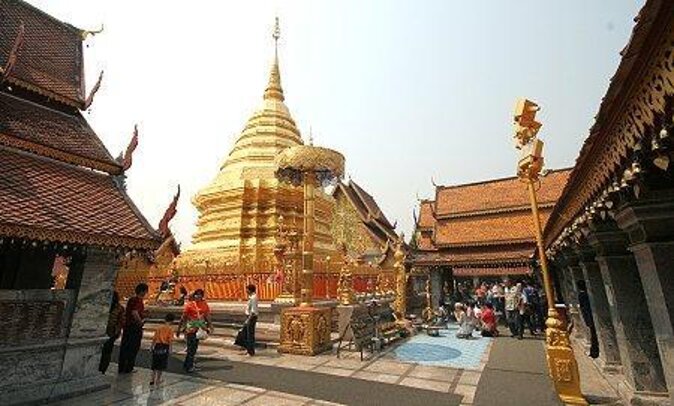
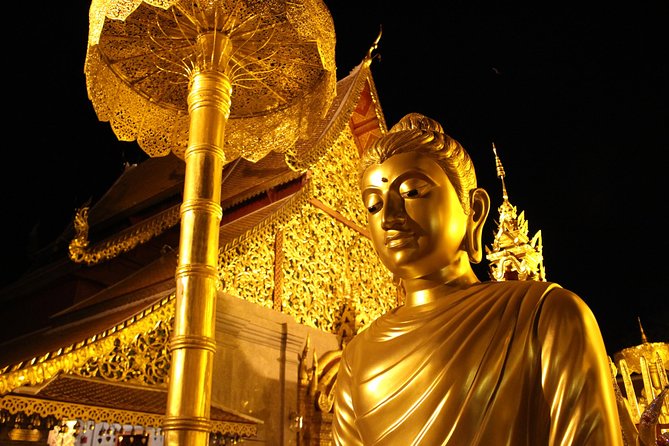
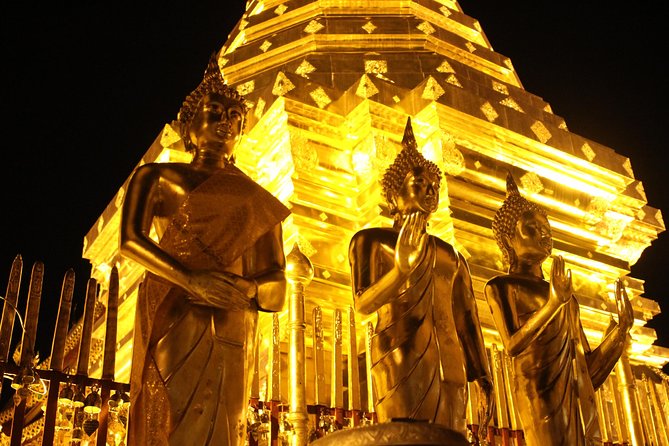
Then Doi Suthep shifts the mood completely. Up on the mountain, you’re looking down at an illuminated Chiang Mai. The golden pagoda at Doi Suthep is the star, and the lighting makes it look almost unreal from below. This is exactly the kind of “I’m glad I waited” moment that daytime visits don’t give you.
You can also read our reviews of more evening experiences in Chiang Mai



Pickup, timing, and what the 3.5 hours really feels like
This is a short, efficient night outing—about 3 hours 30 minutes total. You’ll usually get picked up somewhere in the 5:00 to 5:30 PM window or later, depending on where you’re staying. The tour also notes that pickup timing moved 30 minutes earlier starting Dec 1, 2024.
Here’s how to make this stress-free: be ready in the lobby early. It’s a join-in style tour, so the van makes multiple accommodation stops. Even if your pickup starts at 5:10–5:40 in your confirmation, the real-world arrival can slip based on the order of stops. The key point is you should plan to wait, not wander off.
Once you’re in motion, the tour rhythm is simple:
- Wat Umong first
- Then the drive up to Doi Suthep
- Back down for your hotel drop-off
Because Doi Suthep is timed around daylight fading into night, you’ll likely be there after sunset or close to it. Some people felt they arrived just before full darkness after the earlier schedule change, so if you’re a lighting-obsessed photographer, arrive with the mindset that lighting can vary a bit by season and timing.
Stop 1: Wat Umong’s tunnel temple (quiet forest, bats, and Buddha faces)
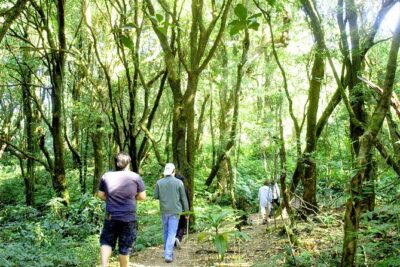
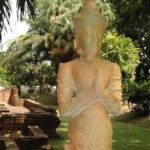
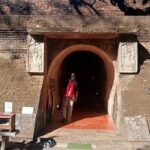
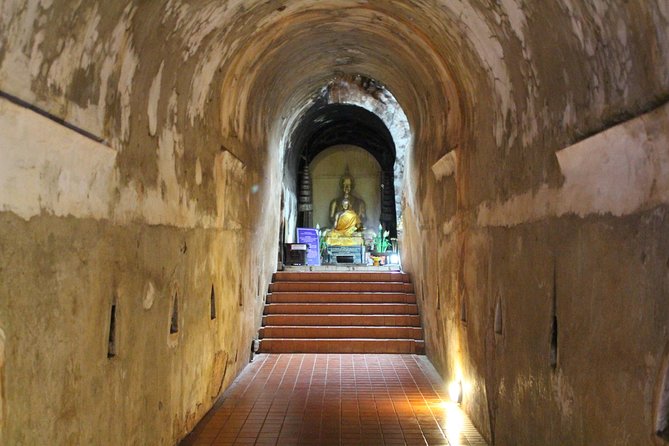
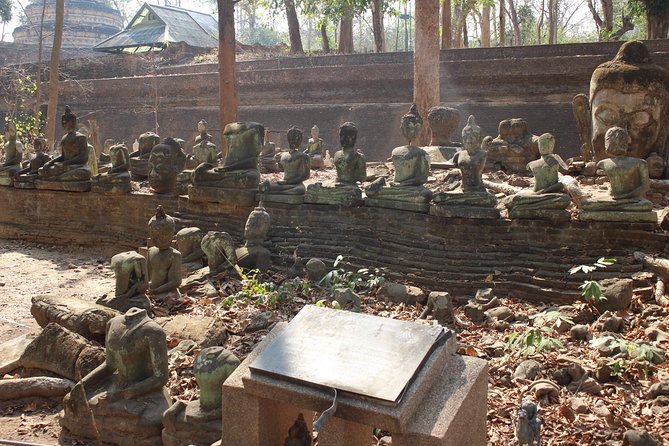
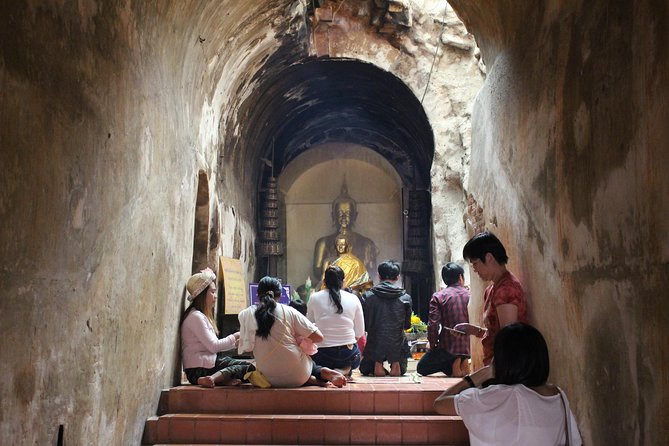
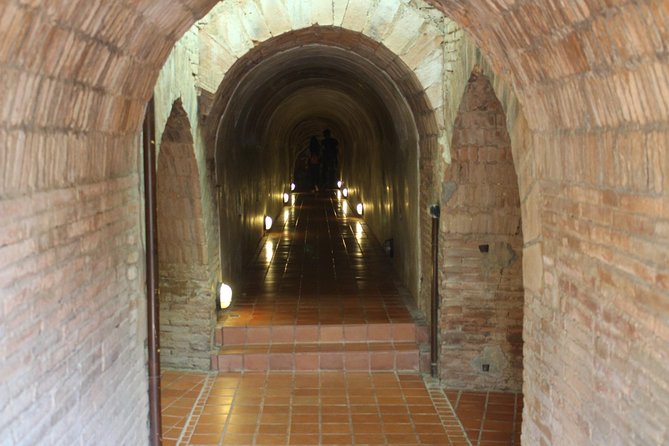
Wat Umong is the “wait, what is this?” temple on the list. It’s set in a forest atmosphere and is famous for tunnels where you’ll find Buddha imagery. Even if you’re not religious, this place reads as deeply human: you’re moving through a cool, enclosed space and noticing details you’d miss if it were a standard open courtyard temple.
This stop is about 30 minutes, and admission is included. You’ll usually get cultural context from your guide before you explore. Then you’re free to wander inside the tunnels, where the light is dim and the walls feel older than they look on a brochure.
A few practical notes:
- Wear clothes that match the temple dress code (more on that soon).
- Go slowly in the tunnels. It’s easy to rush because you want to get photos, but the best views are the ones you notice while standing still.
- You might see bats. Some reviews specifically mention the bats and the idea of not startling sleeping ones. So keep your voice low and avoid flash-style distractions.
If you’re lucky with your guide style, you’ll get small stories that make the place click. One guide (Chris, in one account) added a lot of detail and Q&A time, which made the tunnel portion feel more than just a photo checkpoint.
Stop 2: Doi Suthep, 306 steps (or the funicular) and the Naga stairs
Doi Suthep is where the night view does the heavy lifting. You’ll get two ways to reach the top:
1) Climb the 306 steps
2) Use the funicular railway (extra cost noted as 20B, and it’s not included)
The stairs themselves are part of the show. They’re decorated with the body of the mythical Naga serpent—an ornate pattern that turns the climb into a slow procession rather than a random uphill slog.
The Naga staircase is also where you should be honest with yourself. If your knees or balance are an issue, don’t force it. The tour explicitly offers the funicular option, and it can save your night.
One more practical reality: the drive up and the ride back are on a winding road. Multiple reviews mention curvy roads and nausea risk, especially at night when you can’t easily see outside. If you’re prone to motion sickness, bring what usually works for you and consider taking it before you head up.
The payoff: Chiang Mai glowing below the golden pagoda
At the top, the view is the point. The tour includes time to soak in the scene: the lit-up pagoda and a wide look over Chiang Mai. This is where the lighting makes Doi Suthep feel ceremonial instead of crowded.
A couple of details can change how much you enjoy this segment:
- It can get busy at Doi Suthep even at night, but it’s still often less chaotic than daytime.
- Depending on timing, you might get a stronger “after-dark” feel than others do. People also note that the climb can take you to the summit later in the evening—meaning you should aim for calm expectations around sunset timing.
Photos are a big part of the experience, and several guides were actively helpful. One review calls out guides taking photos for the group and guiding the best spots. Guides like Matt and Yoyo were praised for being helpful and energetic, and Tara was mentioned as a safe, smooth driver—nice to hear when you’re thinking about those curves.
If you want to make the most of this viewing time:
- Pause between photo bursts. The best shots are often after your eyes adjust to the lighting.
- Keep your phone camera steady. Night shots can blur fast.
- Don’t block walkways while you shoot. You’re sharing the viewpoint with real people trying to enjoy it too.






How the guide shapes the tour (and why it matters)
This isn’t a “watch a video and move on” tour. The guide is a big part of the value because these are temples with symbolism you’ll miss if you only follow where to stand.
That said, guide quality can vary. Some reviews mention a guide offering very little explanation and feeling rushed. Others highlight guides as extremely knowledgeable and kind, answering questions and adding stories.
In particular, guides named in reviews include:
- Paul (clear, informative hosting)
- Chris (knowledgeable and kind, with details and story-building)
- Yoyo (energetic and helpful)
- Goy (accommodating and easygoing)
- Matt (good host, walking you through both temples)
So my advice: don’t be shy about asking one or two focused questions early. If your guide’s English is limited or you feel the tour is moving too fast, ask directly for a slower walk-through. You’ll get more out of the tunnels and pagoda when you understand what you’re looking at.
Dress code and the small rules that keep the night running
You don’t want your tour to stall at the entrance. Temple rules matter here:
- Shoulders and knees must be covered
- Sandals or flip-flops are allowed
- Bring something simple like a light layer if you’re traveling in sleeveless tops
Also consider what you bring in the van. The tour notes carry-ons or large luggage can’t be accommodated—only items that can sit on your lap are allowed. If you have a bigger bag, you might need to plan how to keep it compact and secure during the ride.
Finally: rainy season runs roughly May to October. The tour says it runs even on rainy days. Bring an umbrella or raincoat. And if the roads are slick, keep your expectations flexible and brace for slower movement.
Cost and value: what $20-ish gets you, and what might cost extra
The price shown is about $20.09 per person, which is honestly solid for a guided night temple combo with hotel pickup, an air-conditioned vehicle, and included admission fees.
What’s included:
- Licensed English-speaking guide
- Admission fees (for both stops)
- Air-conditioned transport
- Travel accident insurance
- Round-trip hotel transfer within downtown area
What’s not included:
- Funicular/cable car option noted at 20B
So the deal is: you’re paying for convenience and interpretation. If you’d otherwise try to do this on your own, the hard part isn’t just getting there. It’s doing it after dark without dealing with unclear transport timing and without missing the key viewing spots.
When it’s great value: if you want a low-stress evening with two signature temples and a guide to explain what you’re seeing. When it feels less worth it: if you’re the type who wants long, unhurried temple time with heavy storytelling. In that case, a more tailored private option might fit better, especially if you’re hoping for a slower pace at both locations.
Who this night tour suits best
This is a strong match if you:
- Want a cooler, less-crowded evening temple plan
- Like getting guided context so you don’t just “collect stamps”
- Prefer a small group over a massive bus
- Want hotel pickup and drop-off so you don’t deal with late-night logistics
It’s also a good fit for first-time Chiang Mai visitors who want the two most iconic temple experiences in one evening.
It’s less ideal if you:
- Need the Doi Suthep lighting to be perfect and spend all your time waiting for sunset tones
- Have serious mobility limits and don’t want to consider the stair climb or the extra decision of using the funicular
- Get motion sick easily on winding roads at night
Should you book this Doi Suthep + Wat Umong night tour?
If you want a straightforward night temple plan in Chiang Mai, I’d book it. The combination works: Wat Umong gives you the strange-and-cool tunnel experience in the forest, and Doi Suthep gives you the big nighttime payoff from above. Add in hotel pickup, a small group limit, and guides who often help with photos, and this becomes a very efficient way to see Chiang Mai after dark.
My main “decision filter” is simple:
- If you’re okay with steps or the funicular, and you can handle a curvy ride, this tour is a strong buy.
- If you hate stairs, get sick easily in vans, or you want a long, slow, highly detailed guided walk at each temple, you may feel rushed.
If you fit the first group, this is one of the more sensible ways to hit two temple highlights when the city looks its best.
FAQ
How long is the tour?
It runs for about 3 hours 30 minutes (approx.).
Where do you visit?
You visit Wat Umong and Wat Phra That Doi Suthep.
What’s the pickup time like?
Pickup is offered in the 5:00–5:30 PM window (or 5:40–6:10 PM, depending on your location). The tour also notes pickup times may shift earlier from Dec 1, 2024. Because it’s a join-in tour with multiple pickups, the exact arrival time can vary.
Do I have to climb the 306 steps?
You can climb the 306 steps, or use the funicular railway. The cable car/funicular option is not included and costs 20B.
What’s the dress code for the temples?
You should wear polite clothes with shoulders and knees covered. Sandals or flip-flops are allowed.
Is the tour still running in the rainy season?
Yes. From May to October, the tour runs even on rainy days. You should bring an umbrella or raincoat.
What does the price include?
It includes hotel pickup/drop-off within downtown, an air-conditioned vehicle, a licensed English-speaking guide, admission fees, and travel accident insurance. The funicular/cable car is not included.