REVIEW · CHIANG MAI
Chiang Mai Authentic Trekking
Book on GetYourGuide →Operated by Thai Eco Trek Adventures · Bookable on GetYourGuide
A jungle trek with real village stops. This one-day Chiang Mai outing mixes mountain hiking with Karen hill tribe life and a forest meal that starts at a local market. You’ll drive south, walk real trails, and end with a dip at a secluded waterfall.
I love how practical and hands-on it feels. You don’t just look at plants and farms—you learn what people eat and use in daily life as you hike through rice fields, evergreen forest, and hill tribe farms. And I especially like the small-group pace; it stays calm, with time to breathe and take photos without feeling herded.
One consideration: this is a real trek. Expect steep, slippery sections, and about 4 to 5 hours of walking on mountain terrain (roughly 10–12km total). If you’re not comfortable with uphill climbs, you might find it tiring.
In This Review
- Key highlights to know before you go
- Why This Chiang Mai Trek Feels Different Than Usual Tours
- The 1-Day Schedule: From Pickup to Waterfall Dip
- Morning pickup and southbound drive
- Traditional market stop: buy your lunch and water
- Viewpoint breaks on the way to Khun Poi Village
- Arrive at Khun Poi Village (Karen Hill Tribe)
- Trek Through Rice Fields, Forest, and Edible Plants
- Rice fields and forest trails
- Your guide points out what people actually use
- Wildlife is possible, but focus on the walk
- Phalai Mountain Peak: The Big View Reward
- What you’re walking for at the top
- Lunch in the forest
- Hill Tribe Farms After Lunch: Coffee and Fruit on the Path
- Hidden Waterfall Refresh and Return to Chiang Mai
- Price and Value: Why $57 Can Work (If You Want a Real Hike)
- Best Season and What to Wear on a Mountain Day
- Who This Trek Suits Best (And Who Should Skip It)
- A Few Practical Tips That Make the Day Easier
- Should You Book Chiang Mai Authentic Trekking?
- FAQ
- How long is the trekking portion?
- What difficulty level should I expect?
- Is lunch included?
- Will I be able to swim?
- How small is the group?
- Is the guide English-speaking?
- What’s the pickup like?
- What should I bring for the day?
Key highlights to know before you go
- Small group size (up to 8) keeps the route feeling local, not like a ride-through attraction.
- Karen hill tribe village visit (Khun Poi) includes a school stop and a look at everyday agricultural life.
- Non-touristy hiking segments use trails that locals actually walk, with plenty of time for views.
- Forest lunch after buying food at the market means you eat what you can point to and track back to where it came from.
- Phalai Mountain viewpoint at the top delivers wide valley and village views, with wildlife sightings possible.
- Waterfall refresh at the end gives you a chance to swim, rinse off, and recover before heading back to Chiang Mai.
Why This Chiang Mai Trek Feels Different Than Usual Tours
Chiang Mai has no shortage of trekking options. Some are more theme-park than trail. This one is built around the idea that your feet should meet real life, not a staged set.
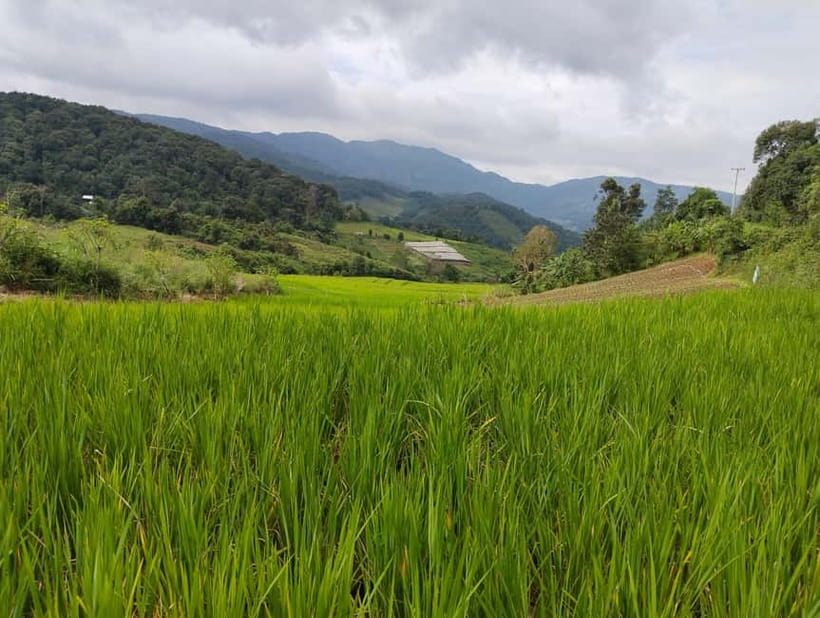
The day starts early, then moves steadily from town edges into working countryside. You get a traditional market stop for supplies, photo pauses at viewpoints on the way to Khun Poi Village, and a trek that runs through rice fields, forest, farms, and paths where you’re more likely to meet what locals know than what tour buses advertise.
The guide matters here. In the reviews, Pan is singled out for his strong English and plant knowledge, plus the way he connects what you see to how people live. If you care about understanding what you’re walking through—food plants, herbs, daily use—you’ll enjoy this a lot.
Still, it’s not a gentle “stroll and sample.” It’s medium difficulty, with a real uphill push and some rocky or muddy footing depending on season.
You can also read our reviews of more hiking tours in Chiang Mai

The 1-Day Schedule: From Pickup to Waterfall Dip
This is a full-day program that runs long enough to feel like a proper mountain outing, then still gets you back to the city by late afternoon.
Morning pickup and southbound drive
You’ll be picked up at your hotel between 7:45 and 8:00 AM. The pickup window is typical for Chiang Mai day tours, but it’s worth being ready early in the lobby since you’re asked to wait about 10 minutes before the scheduled time.
Then you’ll ride south in a van. The drive gives you a gentle reset before the physical part starts, and you’ll see the countryside shift as you leave the city behind.
Traditional market stop: buy your lunch and water
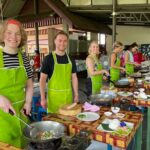
Before you get deeper into the route, you stop at a traditional Thai market. This is where you buy lunch and drinking water, and your guide introduces local ingredients and snacks so you know what you’re eating later.
This matters more than you’d think. When your lunch is already connected to where it came from, it tastes better in the moment—and you remember it longer afterward.
Viewpoint breaks on the way to Khun Poi Village
As you head toward Khun Poi Village (Karen Hill Tribe), you make short scenic viewpoint stops (with brief walking time). These are built for photos and for soaking in valley views before the trek ramps up.
You get more than one pause, which helps if you want pictures but you also want your legs to stay ready for the climb.


Arrive at Khun Poi Village (Karen Hill Tribe)
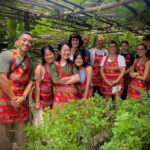
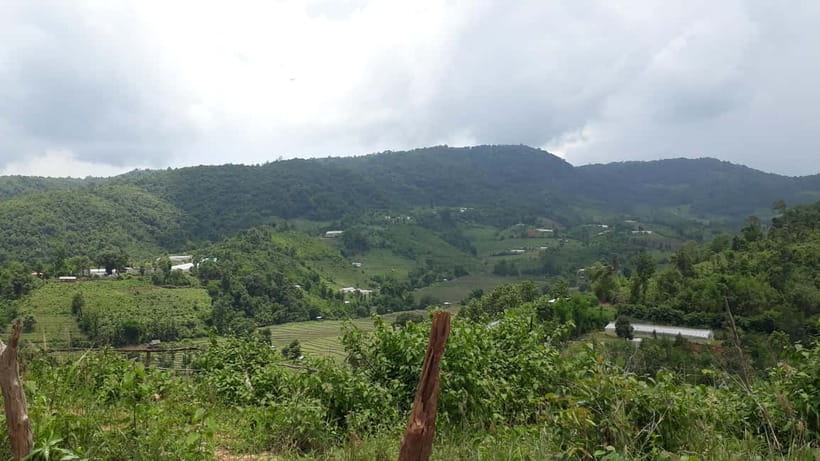
Khun Poi Village is surrounded by lush mountains and farmland. You’ll learn about the community’s agricultural lifestyle and unique culture.
Then the trek begins in a meaningful way: you start trekking from the village school, so you see children enjoying their day before you hit the trails. It’s a warm, memorable touch, and it sets the tone that this isn’t just about nature—it’s about people and place.
Trek Through Rice Fields, Forest, and Edible Plants
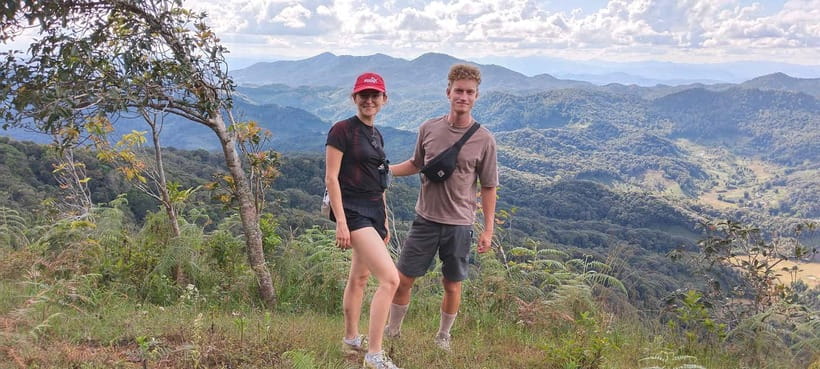
After the village introduction, the hike turns into the main event: a mountain & forest trek that’s about getting you on foot through working terrain.
Rice fields and forest trails
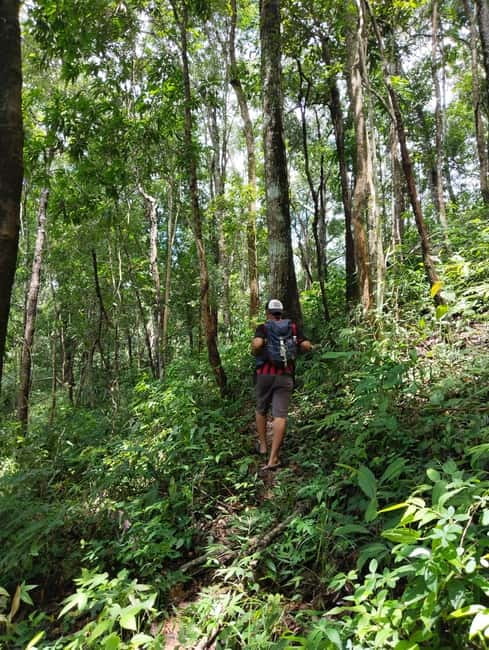
You move through rice fields, evergreen forest, and natural trails. The total trekking time is typically 4 to 5 hours, with around 10 to 12km of mountain terrain.
Some stretches can be steep. Reviews specifically call out uphill time that isn’t for the faint of heart, along with areas that are steep and slippery. Wear shoes you trust on uneven ground.
Your guide points out what people actually use
One of the most praised parts is the plant education. Your guide shows you plants used for food, medicine, and daily life. You may even taste some items along the way (based on review experiences of tasting fruits and sampling plants).
If you’ve ever wondered what “jungle” really means beyond the word, this is where it becomes practical.
Wildlife is possible, but focus on the walk
Wildlife sightings are not guaranteed, but the route area is described as having animals you might spot such as wild boar, gibbons, barking deer, and many bird species. Even when you don’t see much, the trail sounds, forest light, and changing views keep your attention.
Phalai Mountain Peak: The Big View Reward
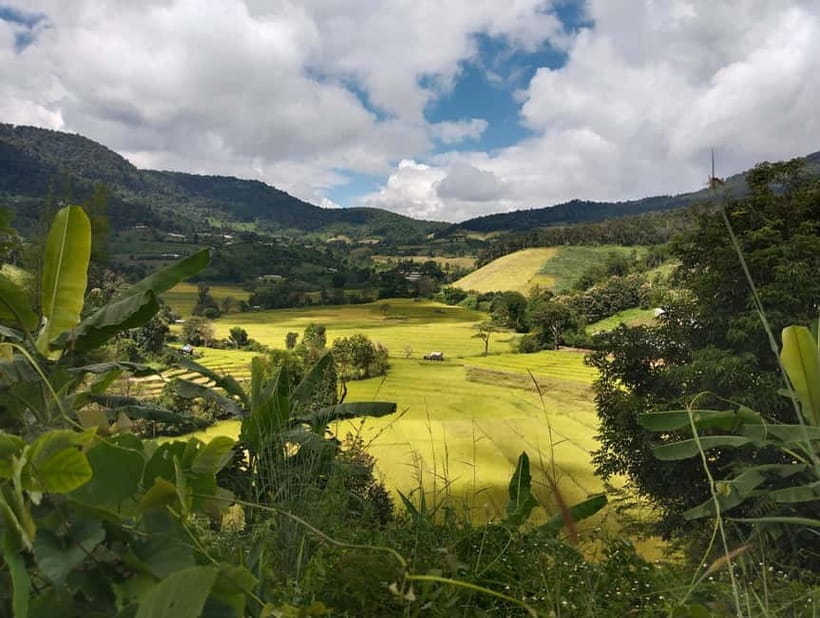
The hike pushes on toward Phalai Mountain Peak, located between Chom Thong and Mae Wang districts, connected to the Doi Inthanon National Park area.
What you’re walking for at the top
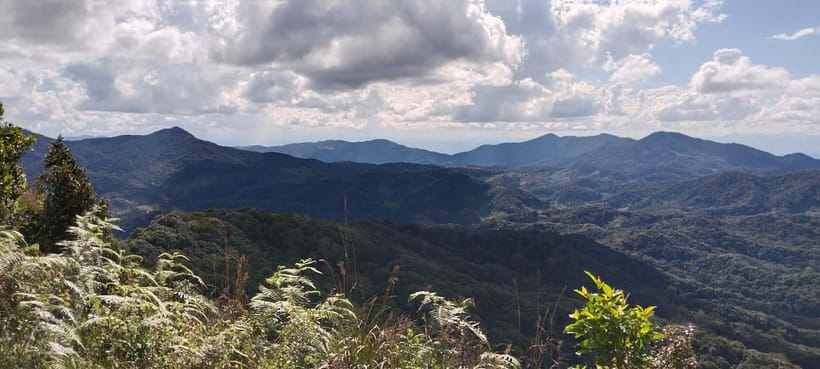
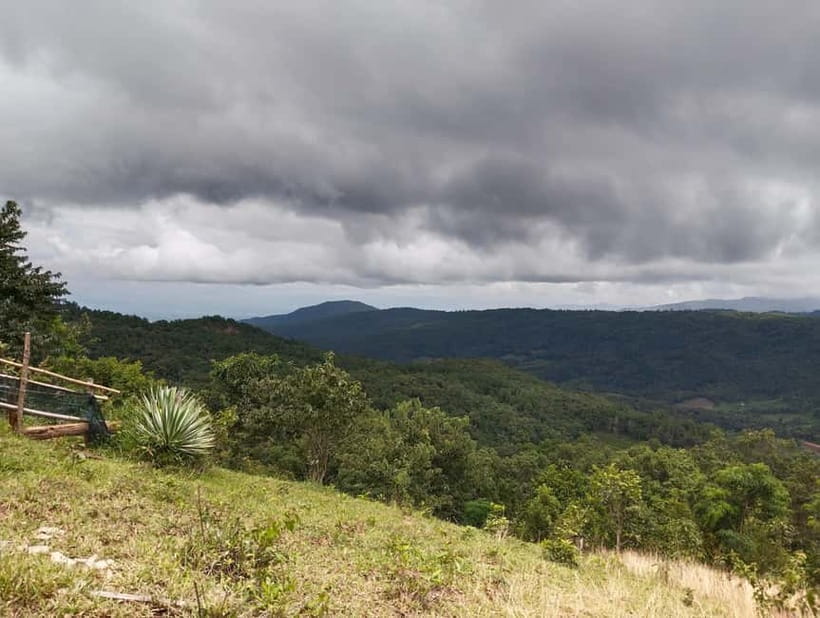
Reaching the peak is about earning wide views: valley, villages, and surrounding mountains. This is where the day’s effort pays off with the panoramic feel you came for.
If you like photo stops with purpose, you’ll appreciate the timing: you get to the top, then you eat.
Lunch in the forest
Lunch happens in the forest with fresh air and peaceful mountain surroundings. Your lunch ties back to what you bought at the market earlier, so you’re eating something you selected in the morning rather than picking from a pre-packed set at the base.
I like this approach because it slows the day down. Even if you’re sweaty and tired, the pause feels earned, not rushed.
Hill Tribe Farms After Lunch: Coffee and Fruit on the Path
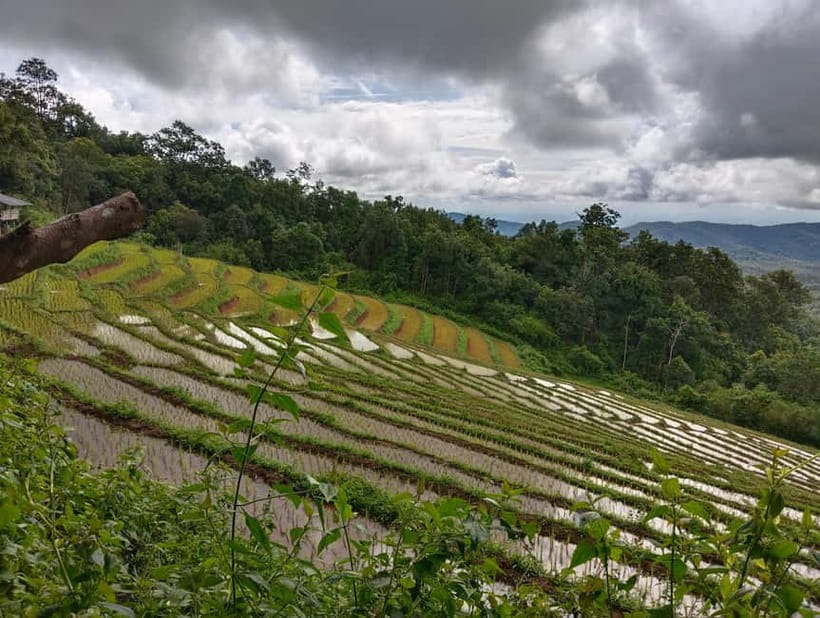
After lunch, the route continues through hill tribe farms and a mountain path. This is where you shift from “nature hike” into “working agriculture walk.”
You’ll pass crops such as:
- coffee
- passion fruit
- cape gooseberry
- tomatoes
- zucchini
- taro
…and more
This isn’t farm sightseeing from a distance. The day is paced so you can understand how the community lives in harmony with the environment—how growing things fits with the terrain and daily life.
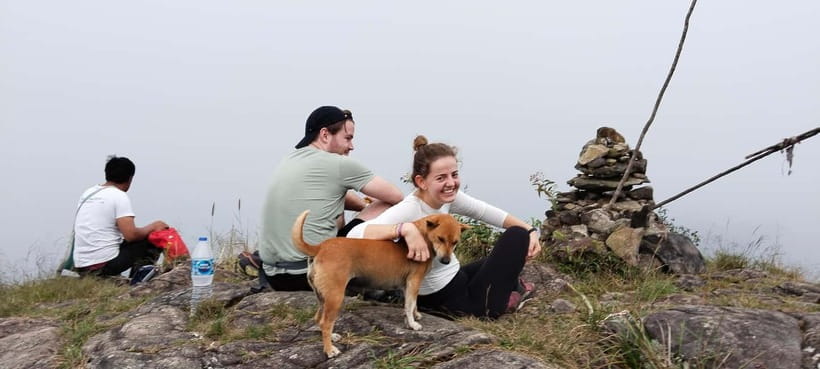
Reviews also mention walking with the guide and sometimes a small group dynamic that can include dogs joining the hike. That can be surprising if you’re expecting a silent trek. If you’re okay with a more lived-in feel, it adds to the authenticity.
Hidden Waterfall Refresh and Return to Chiang Mai
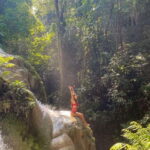
Once the hiking portion winds down, you cool off at a secluded waterfall. This is built as a refresh stop after the trek, and it’s especially welcome if you’re already thinking about what your legs will feel like tomorrow.
Swimming is part of this segment, so bring your swimwear and a towel. If you don’t want to swim, you can still relax and take photos by the falls.
After the waterfall, you return to Chiang Mai by van and typically arrive back around 5:00 to 6:00 PM. That gives you the evening in Chiang Mai for food and rest.
Price and Value: Why $57 Can Work (If You Want a Real Hike)
At $57 per person for a one-day outing, this trek is priced in a way that can feel like solid value—if your goal is a guided mountain walk with real cultural contact.
You get:
- Hotel pickup and drop-off around Chiang Mai
- Transportation by van
- English-speaking guide and a local assistant
- Accident insurance
- Lunch and drinking water
- A group limit of up to 8 people
The cost isn’t just “scenery.” It’s guide expertise, a full transport day, and food handled in a straightforward local way. Also, because it’s a smaller group, you get more attention and fewer crowd interruptions.
The main trade-off is physical effort. If you’re hoping for a casual outing, you may feel like the price buys you cardio you didn’t ask for.
Best Season and What to Wear on a Mountain Day
You’ll hike year-round, but conditions change.
- Summer season: mid-February to mid-May
- Raining season: mid-May to mid-October
- Winter season: mid-October to mid-February
Since the trek includes steep and potentially slippery sections, plan for weather variation. Bring what the day asks for, not what you hope for.
What to bring (useful checklist):
- comfortable shoes (and hiking shoes if you have them)
- sun hat and sunscreen
- insect repellent
- comfortable clothes + weather-appropriate clothing
- daypack
- swimwear and a towel
- camera
- personal medication
- cash (for souvenirs and snacks; lunch is included but extras aren’t)
You’ll also want a small plan for hydration and snacks beyond what’s provided. Souvenirs and extra drinks are your call, and that’s where cash helps.
Who This Trek Suits Best (And Who Should Skip It)
This experience fits best if you want a genuine day outdoors with cultural stops that don’t feel like a photo line.
You’ll likely love it if:
- you can handle a medium trek
- you enjoy learning about plants, farming, and how people use resources
- you want a small group and a less commercial feel
- you’re happy eating a forest lunch as part of the hike rhythm
It’s not suitable for:
- pregnant women
- people with mobility impairments
- people with heart problems
- wheelchair users
- babies under 1
- people over 95
- people over 70
If any of those apply, it’s better to choose a gentler alternative in Chiang Mai.
A Few Practical Tips That Make the Day Easier
A moderate trek can still feel easier when you’re prepared.
- Start the morning with a light, comfortable routine. Early pickup means you don’t want to wake up panicking about shoes.
- Bring insect repellent seriously. You’re in forest and near farms.
- Pack your swimsuit so it’s not a last-minute scramble at the waterfall.
- If you’re prone to sore knees, take the climb steady. Steep sections are part of the deal.
And one more thing: this kind of trek rewards a slower mindset. If you treat every step like a speed challenge, you’ll miss what the guide is showing you.
Should You Book Chiang Mai Authentic Trekking?
Book this trek if you want a one-day Chiang Mai experience that combines mountain walking, Karen village culture, and practical nature learning. The strongest reasons to choose it are the small group size, the non-commercial feel of the route, and the plant-and-life focus led by your English-speaking guide (often Pan in the reviews). Add a forest lunch and a waterfall swim, and it turns into a full day you can actually talk about.
Skip it if you’re looking for a relaxed stroll, you don’t handle steep climbs well, or you have mobility or health limits listed for the tour.
If you’re the kind of traveler who likes to sweat a little, learn a little, and leave with photos you earned, this is a very worthwhile use of a day in Chiang Mai.
FAQ
How long is the trekking portion?
The trek takes about 4 to 5 hours, covering roughly 10–12km of mountain terrain, with a total day experience lasting 1 day.
What difficulty level should I expect?
It’s listed as medium difficulty. Expect uphill sections and some areas that may be steep and slippery.
Is lunch included?
Yes. Lunch and drinking water are included, and you stop at a traditional Thai market earlier in the day where you can buy food for your meal.
Will I be able to swim?
There is a hidden waterfall refresh stop after the trek, and swimming is part of that segment. Bring swimwear and a towel.
How small is the group?
It’s a small group, limited to 8 participants.
Is the guide English-speaking?
Yes. You’ll have an English-speaking tour guide, plus a local assistant.
What’s the pickup like?
Your tour includes hotel pickup and drop-off around the city. You should wait in the hotel lobby about 10 minutes before the scheduled pickup time.
What should I bring for the day?
Bring comfortable shoes (or hiking shoes), sun hat, sunscreen, insect repellent, swimwear and towel, a daypack, camera, cash, personal medication, and weather-appropriate clothing.