REVIEW · CHIANG MAI
Chiang Mai: Elephant Sanctuary Local Hill Tribe Caretakers
Book on GetYourGuide →Operated by Johnny Boy Treks · Bookable on GetYourGuide
A morning in the Thai hills, with elephants who get to be elephants. This half-day program in Chiang Mai Province focuses on stress-free elephant care—feeding, walking, and bathing—plus a Mae Wang Waterfall hike through real forest. I like that it’s built around education and hands-on care, not stage tricks.
Two things I especially like: you get direct interaction with elephant caretakers from local Karen and Hmong communities, and the day includes a nature break that’s not just “waiting around.” The main drawback to plan for is timing: while it’s listed as about 4 hours, the day can run long if the group moves slower with activities, which can mess with your afternoon plans.
In This Review
- Key things worth knowing before you go
- Elephant Sanctuary Care in Chiang Mai: what “ethical” looks like here
- Meeting Johnny Boy Treks and getting from town to the sanctuary
- Feeding, walking, and mud: the elephant-care portion that you’ll remember
- Bath time in the Mae Wang River: what it feels like and what to bring
- The Mae Wang Waterfall trek: a 1-hour hike with real payoff
- Learning from Karen and Hmong caretakers: how the human story fits
- Thai lunch at the sanctuary: simple food, good timing
- Price and value: is $51 a good deal for this kind of day?
- Timing, groups, and why your afternoon might change
- What to bring: your “get wet and stay comfortable” kit
- Who should book this elephant sanctuary program (and who should skip it)
- Should you book this Chiang Mai elephant sanctuary visit?
- FAQ
- How long is the experience?
- What’s the pickup time in Chiang Mai?
- What’s included in the price?
- Do I get to bathe the elephants?
- What should I bring?
- Is there a hike, and how long is it?
- Who shouldn’t take the tour?
Key things worth knowing before you go
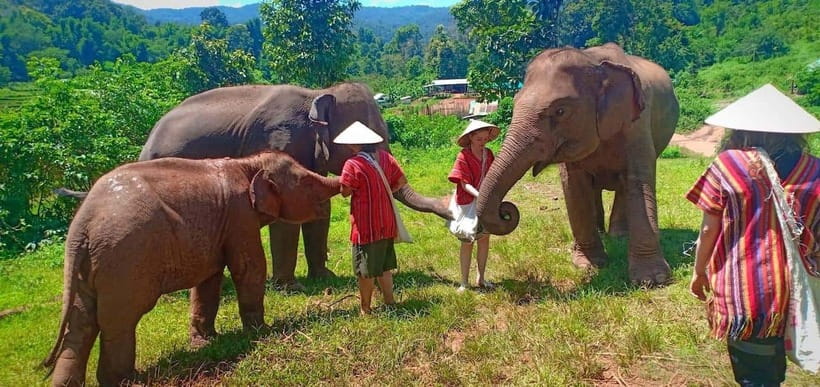
- No rides, no shows: the focus stays on care, not performance
- River bathing time: you’ll join the elephants in the Mae Wang River for a proper bath
- 1-hour jungle hike: a forest trek to Mae Wang Waterfall that keeps the day outdoors
- Karen and Hmong interactions: you’ll learn about everyday community life through the caretakers
- Round-trip pickup included: travel from central Chiang Mai is part of the value
- Bring swimwear and a change: mud and river time are not optional extras
Elephant Sanctuary Care in Chiang Mai: what “ethical” looks like here
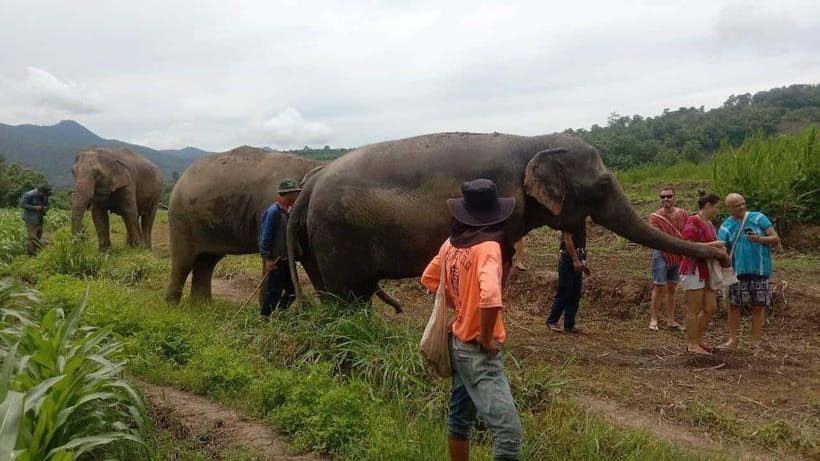
If you’ve ever seen elephants doing repetitive stunts for photos, you know how different this is. This program is designed around respectful, low-stress elephant handling. You’re not here for a shortcut. You’re here to understand the basics of caring for elephants in a natural setting and to help the animals enjoy activities they actually benefit from.
That shows up right away in the structure of the day. You’ll meet the sanctuary’s mission first, then start elephant care with guidance. The rhythm matters: learning how elephants behave, being taught what to do (and what not to do), then joining in activities like feeding, walking, and bathing. It feels calmer than the typical “look at the animal, take a photo, move on” setup.
And yes, you still get close—so you’ll want to be mentally prepared to get wet, get muddy, and treat this as active time outdoors, not a neat little sightseeing loop.
You can also read our reviews of more tours and experiences in Chiang Mai.



Meeting Johnny Boy Treks and getting from town to the sanctuary
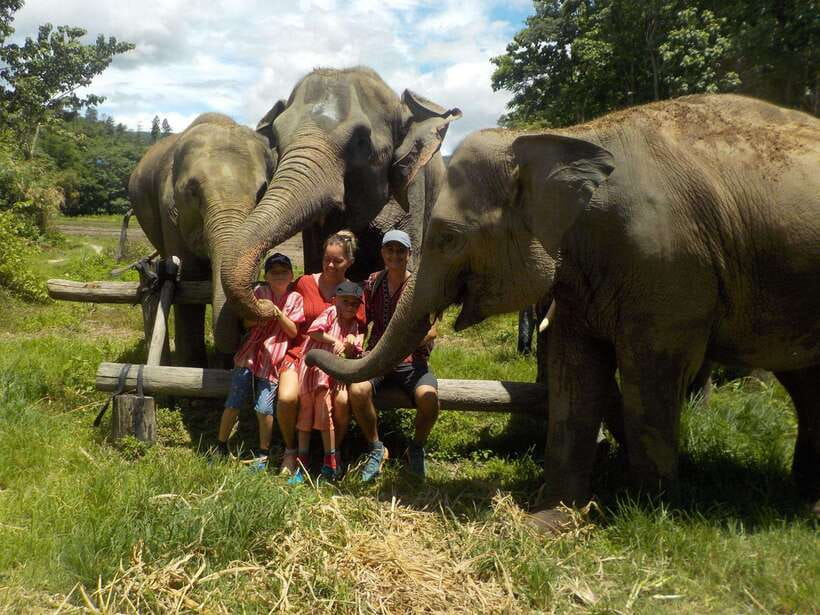
The day usually starts with a pickup from your hotel in Chiang Mai. You’ll be collected in the morning between 8:00AM and 8:30AM, or in the afternoon between 11:30AM and 11:45AM. Either way, you’re looking at roughly a 1-hour ride to the elephant camp.
Once you arrive, you’re not thrown into chaos. The program is guided, with an English-speaking tour guide, and it begins with context: what the sanctuary aims to do and how the elephants are cared for. That orientation is useful because it changes how you watch the next steps. You’re not guessing why the elephants react a certain way. You’re being coached toward understanding.
Practical note: if you’re staying outside the pickup zone, make sure your hotel location matches what the operator can access. One reported hiccup was a pickup-area mismatch and no refund, so it’s worth double-checking before you rely on the driver to find you.
Feeding, walking, and mud: the elephant-care portion that you’ll remember
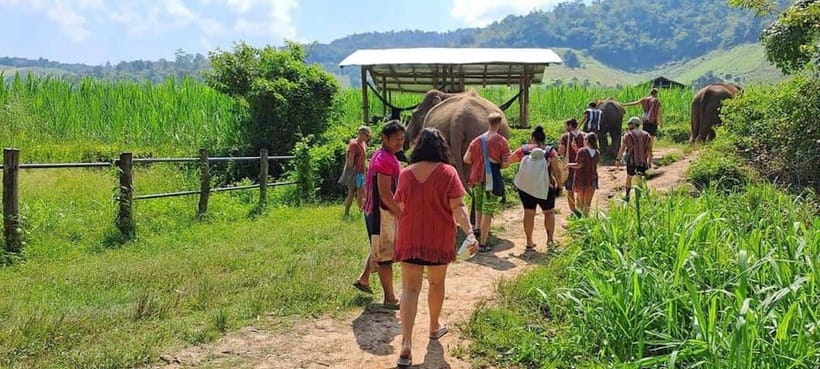
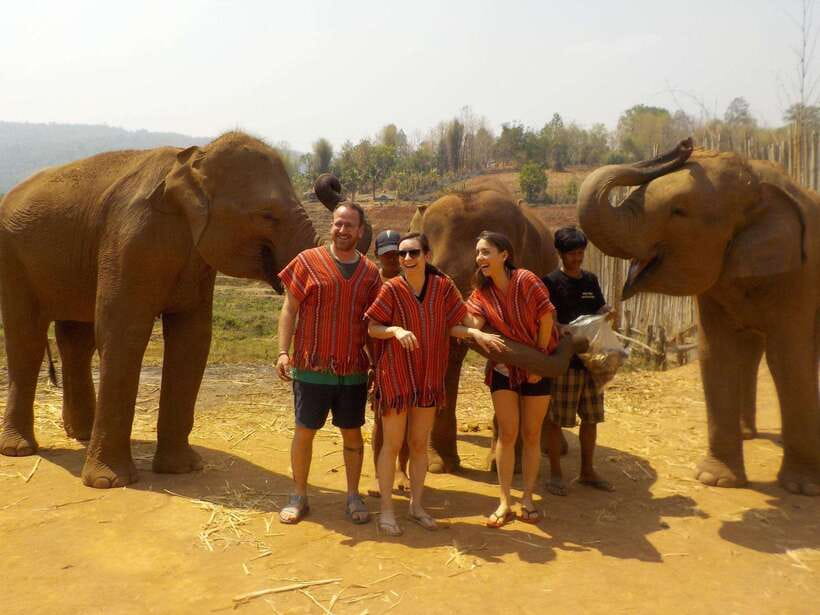
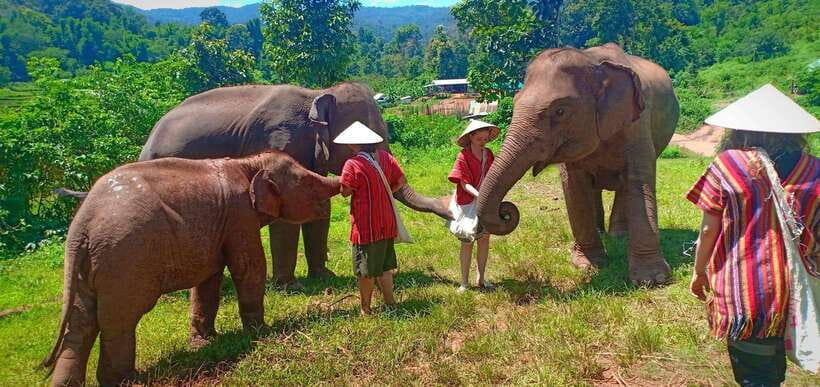
This is the heart of the experience: hands-on care that’s meant to be stress-free for the elephants. You’ll prepare to feed them, learn about their behavior, then actually participate. It’s not “free feeding” where you can do whatever you want. You’re guided on what’s safe and appropriate, and you’ll follow the caretakers’ instructions.
Then comes the mud bath. Elephants use mud to cool down and protect their skin, so this isn’t just for entertainment. When you see the elephants settle in, you’ll understand why the sanctuary emphasizes these activities. In other words, the care actions have a real purpose, not just a crowd-pleasing effect.
The “walking” component also matters. You get to experience elephants in motion without riding them. There’s a difference between standing near an elephant and moving through the environment alongside a team that knows what the animals need. You’ll likely come away with respect for how much routine and calm handling matters for temperament.
Bath time in the Mae Wang River: what it feels like and what to bring
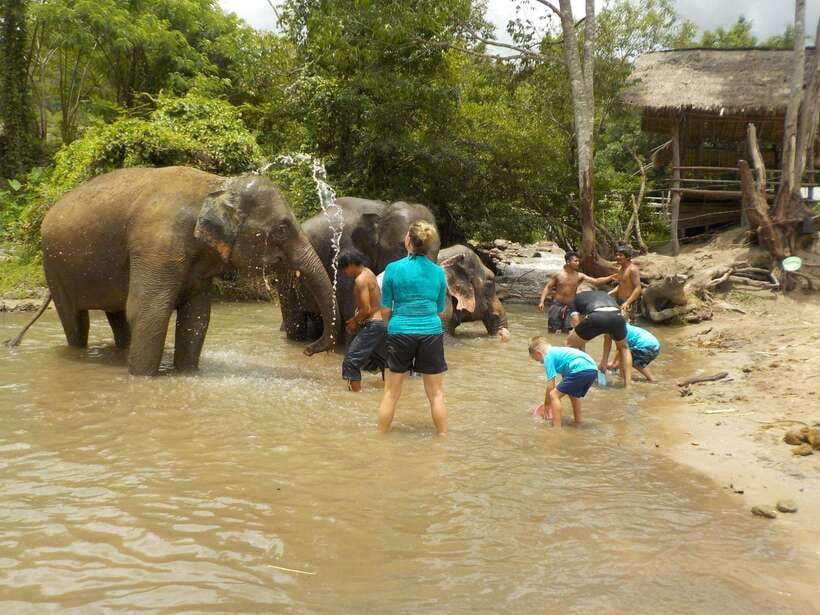
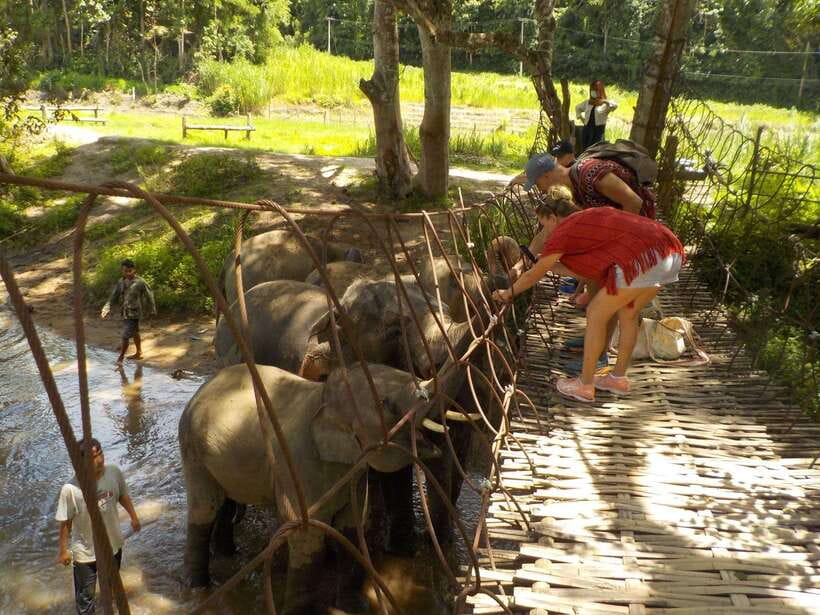
If you’re picturing a quick splash like a theme-park dunk, adjust that idea. This program includes time with the elephants in the Mae Wang River for a bath, described as playful and refreshing.
That means two things for your body:
- You should be ready to get wet fast.
- You need to change clothes afterward, because river time plus mud time can leave you feeling grimy.
Bring swimwear, a towel, and a change of clothes. Flip-flops help for traction in wet areas, and sunscreen is smart because you’ll be in daylight during both the sanctuary activities and the hike. Insect repellent is also a good call—forests and rivers mean bugs, even on a good day.
Also, note what’s not allowed: smoking is prohibited in the vehicle, and alcoholic drinks in the vehicle aren’t included. You’ll be in a caring, nature-focused setting, so plan your day accordingly.
The Mae Wang Waterfall trek: a 1-hour hike with real payoff
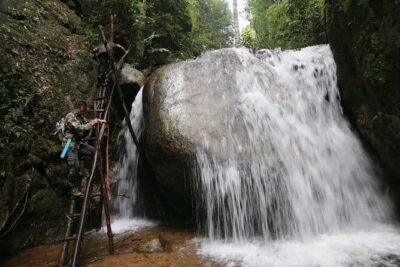
After the elephant portion, you’ll head to Mae Wang Waterfall with a guided 1-hour jungle hike. This part is your break from elephant-focused time and a chance to see the surrounding environment that helps make sanctuary work possible.
What you should expect: a trek through lush forest areas, guided at a pace suitable for most adults (the listing doesn’t brand it as extreme, but you will still walk). The waterfall at the end gives you a satisfying “we earned this” moment—plus it’s a nice change of scenery after river time.
Drawback to consider: if you’re sensitive to hiking in humidity or you’re not comfortable with wet, slippery spots, the hike may feel more challenging. Also, the tour isn’t suited for people with back problems. If that’s you, weigh the walking segment carefully.


Learning from Karen and Hmong caretakers: how the human story fits
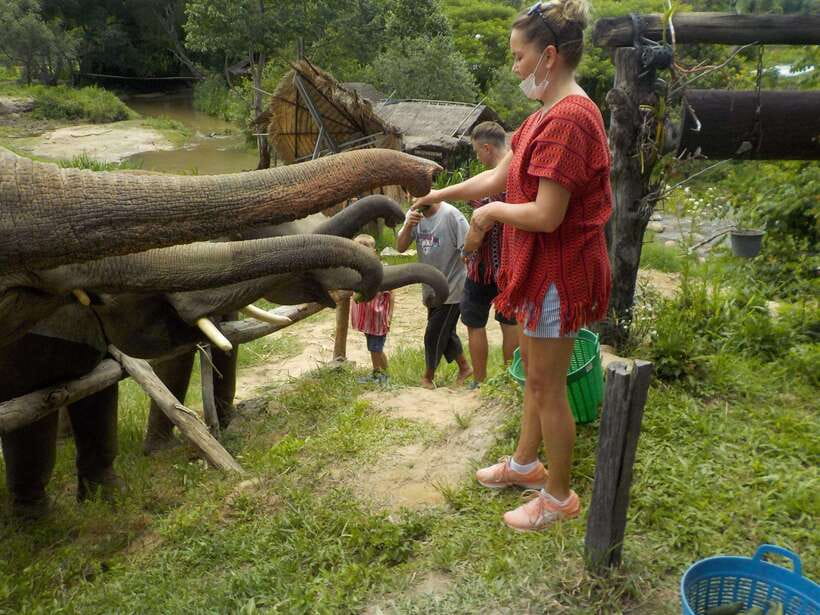
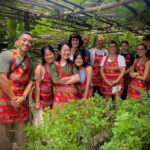
One of the best parts is that you’re not just watching elephants. You’re also exploring aspects of Karen and Hmong communities—their way of life and the role caretakers play in supporting elephant welfare and community-based tourism.
This matters for two reasons. First, it grounds the day in real people, not an anonymous operation. Second, it helps you connect “sustainable tourism” to something practical: local caretakers, local knowledge, and ongoing relationships rather than one-off, extractive encounters.
You’ll likely hear a lot through the guide’s explanations and the caretakers’ involvement. Even if your Thai vocabulary is limited, the value is visible: how work is done, how care is taught, and how elephants fit into local understanding of the landscape.
Thai lunch at the sanctuary: simple food, good timing
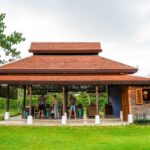
You’ll enjoy lunch in the sanctuary surroundings—described as a traditional Thai meal. It’s included, which is part of the overall value (you’re not adding another meal stop and negotiating menus after an active morning).
This meal timing also works well. You’ve done elephant care and possibly river time, then you hike. Lunch gives you energy back before the trip returns toward Chiang Mai.
If you have dietary needs, you might want to ask in advance, since the listing only says lunch is included and doesn’t specify options.
Price and value: is $51 a good deal for this kind of day?
At $51 per person for a roughly half-day experience, the value hinges on what’s included. You’re getting:
- Round-trip transportation from Chiang Mai
- A guided program with English tour guidance
- Lunch
- Elephant care activities (feeding, walking, mud bath, and river bath)
- A 1-hour jungle hike to Mae Wang Waterfall
Compare that to the cost of doing elephant encounters plus separate tours plus a meal. Even before you consider the ethics angle, you’re paying for a package that bundles transportation and structured activities in one block.
Is it “cheap”? Not in the way a basic city ticket is cheap. But it’s also not trying to nickel-and-dime you with extra add-ons for the main events. For many people, that’s the difference between feeling like you bought an experience versus piecing together a day.
One caution: since some schedules can stretch longer than expected, the true value depends on how flexible your afternoon is. If you’re tight on time, consider choosing the time slot that best protects your schedule.
Timing, groups, and why your afternoon might change
This tour is listed as about 4 hours and returns to Chiang Mai around 2:00PM. But at least one booking experience described the day running longer than planned, and that’s worth respecting when you plan other activities.
So here’s the smart approach: don’t schedule a museum, a massage, and a late dinner all back-to-back. Leave breathing room. Give yourself time to get back, shower, and still enjoy Chiang Mai without rushing.
Group pacing can affect things because elephant care and bathing aren’t “on rails.” Animals set the tempo. Care work takes time. If you go with a flexible mindset, you’ll enjoy the day more.
What to bring: your “get wet and stay comfortable” kit
The listing is clear about the basics, and you should treat them like requirements:
- Swimwear
- Change of clothes
- Towel
- Camera (water-friendly if you’ve got it)
- Sunscreen
- Flip-flops
- Insect repellent
You’ll also want a small bag that can get wet or a way to keep your phone and camera protected between activities.
If you forget something, you’ll still likely be okay—Thailand has ways to improvise—but you’ll be less comfortable during the river bath and after.
Who should book this elephant sanctuary program (and who should skip it)
This experience fits best if you:
- Care about animal welfare and want hands-on, non-riding interaction
- Enjoy guided outdoors time, not just looking at a view
- Prefer meaningful cultural contact with Karen and Hmong caretakers
- Are okay getting wet and doing a hike in natural conditions
It’s not suitable for:
- Children under 2
- Pregnant women
- People with back problems
If you fall near the edge—say, you’re fine with walking but not steady on your feet—ask questions before booking. The day includes both river activity and a jungle hike, so honesty up front saves you stress later.
Should you book this Chiang Mai elephant sanctuary visit?
Book it if you want a day that treats elephants as living beings, not photo props. The combination of ethical elephant care and a guided hike to Mae Wang Waterfall makes it feel like more than a single attraction. Add in Karen and Hmong caretakers and the day becomes both nature and people.
Skip it if you need strict timing, have health limitations related to walking or bathing, or can’t handle getting wet. Also, if your hotel pickup might be outside the operator’s route, confirm that detail before you go.
If you’re flexible with your afternoon and you pack for water and mud, this is the kind of experience that tends to stick with you for the right reasons.
FAQ
How long is the experience?
The duration is listed as 4 hours.
What’s the pickup time in Chiang Mai?
Pickup is available in the morning between 8:00AM and 8:30AM, or in the afternoon between 11:30AM and 11:45AM.
What’s included in the price?
Round-trip transportation from Chiang Mai and lunch are included.
Do I get to bathe the elephants?
Yes. You’ll meet the elephants in a river for a bath.
What should I bring?
Bring swimwear, a change of clothes, a towel, a camera, sunscreen, flip-flops, and insect repellent.
Is there a hike, and how long is it?
Yes. You’ll do a 1-hour jungle hike trek to Mae Wang Waterfall.
Who shouldn’t take the tour?
It’s not suitable for children under 2, pregnant women, or people with back problems.